- For Granular Products: Use a broadcast spreader for even distribution. Calibrate your spreader according to the product label to ensure correct application rates.
- For Liquid Concentrates: Mix with water in a pump sprayer or hose-end sprayer. Ensure thorough coverage.
- Target affected areas: While spot treating might seem economical, grubs rarely stay in neat patches. It's often best to treat the entire lawn or at least large, contiguous affected areas.
Landscaping · Deck or fence project
| Project category | Landscaping |
|---|---|
| Problem type | Deck or fence project |
| Trade required | Landscaping |
| Urgency | Planned project |
| Safety risk | Moderate safety risk |
| DIY suitability | DIY for experienced homeowners |
| Cost category | High cost |
| Typical timeline | Most builds 3–10 days depending on size |
| Contractor type | Landscaping contractor |
Repair option
Replace failed boards, posts, and hardware; reseal the surface.
Replacement option
Rebuild when framing or the ledger connection is unsafe.
Common causes
- Rot at posts and ledger
- Storm damage
- Adding outdoor living space
Relevant tools:home improvement material pricesproject cost estimator
Published May 14, 2026Last updated August 17, 2026
Tools & materials you'll need
Affiliate linksAs an Amazon Associate FixlyGuide earns from qualifying purchases — at no extra cost to you. Prices and availability are accurate as of publication and subject to change.
Quick Answer
Grubs are the hidden destroyers of a healthy lawn, notoriously difficult to spot until significant damage has occurred. These C-shaped white larvae, primarily beetle offspring, voraciously feed on grass roots just beneath the soil surface. This root damage inhibits the lawn's ability to absorb water and nutrients, leading to distinct patches of brown, thinning, or dying grass that often mimic drought stress. The telltale sign, beyond visible damage, is a spongy feel underfoot where the turf is lifting, or the ability to easily pull back sections of sod like a carpet. Treatment involves both cultural practices and targeted applications—whether biological or chemical—timed correctly to disrupt their life cycle and restore your lawn's health.
The Problem
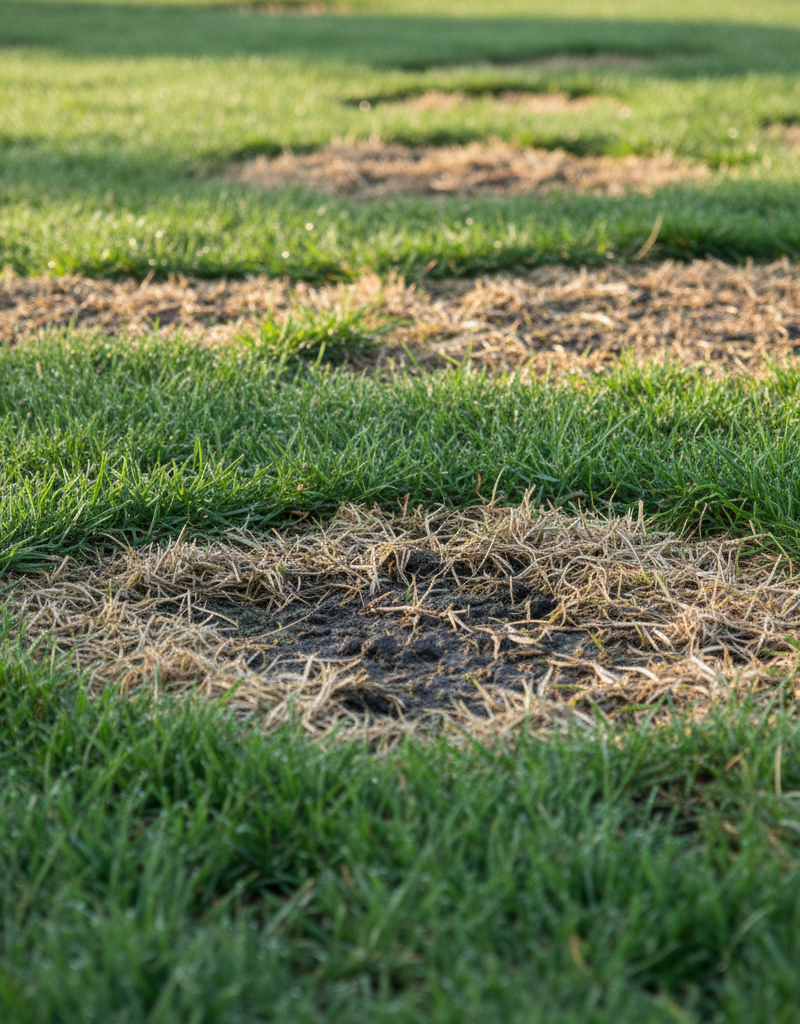
Your once-vibrant green expanse now features irregular, browning patches that resist watering, or you notice increased activity from birds, raccoons, and skunks digging up your yard. You might even be able to lift entire sections of sod with minimal effort, revealing an unnerving lack of root structure. These are classic symptoms of a severe grub infestation. Grubs are not just an aesthetic issue; their feeding habits can effectively 'uncouple' your turf from the soil, making it vulnerable to drought, disease, and preventing it from drawing the nourishment it needs. Left untreated, a significant grub population can devastate an entire lawn, requiring extensive and costly re-seeding or re-sodding.
The challenge with grubs lies in their subterranean nature and their seasonal life cycle. Many homeowners mistake early grub damage for simple dry spots or nutrient deficiencies, allowing the infestation to grow unchecked. By the time the damage becomes obvious, the grubs have matured and completed much of their destructive feeding, making immediate intervention crucial. Knowing when to treat and what to use is key to reclaiming your lawn from these insidious pests.
How It Works
Understanding the grub life cycle is fundamental to effective treatment. Most common lawn-damaging grubs, such as those of Japanese beetles, European chafers, or oriental beetles, share a similar annual cycle. Adult beetles emerge from the soil in early to mid-summer, typically from June to August, to feed on garden plants, mate, and then lay their eggs just beneath the lawn's surface. A single female beetle can lay dozens of eggs.
Within a few weeks, usually late July through August, these eggs hatch into tiny, white, C-shaped larvae—the grubs. This is the prime feeding period for young grubs. They immediately begin devouring grass roots and organic matter, growing rapidly in size. During late summer and early fall (August to October), the grubs are at their most destructive, causing the visible browning and thinning of the lawn as they consume roots. As temperatures drop in late fall, the grubs burrow deeper into the soil to overwinter, becoming dormant. In spring, as the soil warms, they migrate back up closer to the surface to resume feeding for a short period before pupating, typically in May or early June. The pupae then transform into adult beetles, completing the cycle and emerging to lay a new generation of eggs. The key takeaway: the most effective time to treat is late summer or early fall when the grubs are small, actively feeding close to the surface, and most vulnerable to insecticides.
Step-by-Step Fix
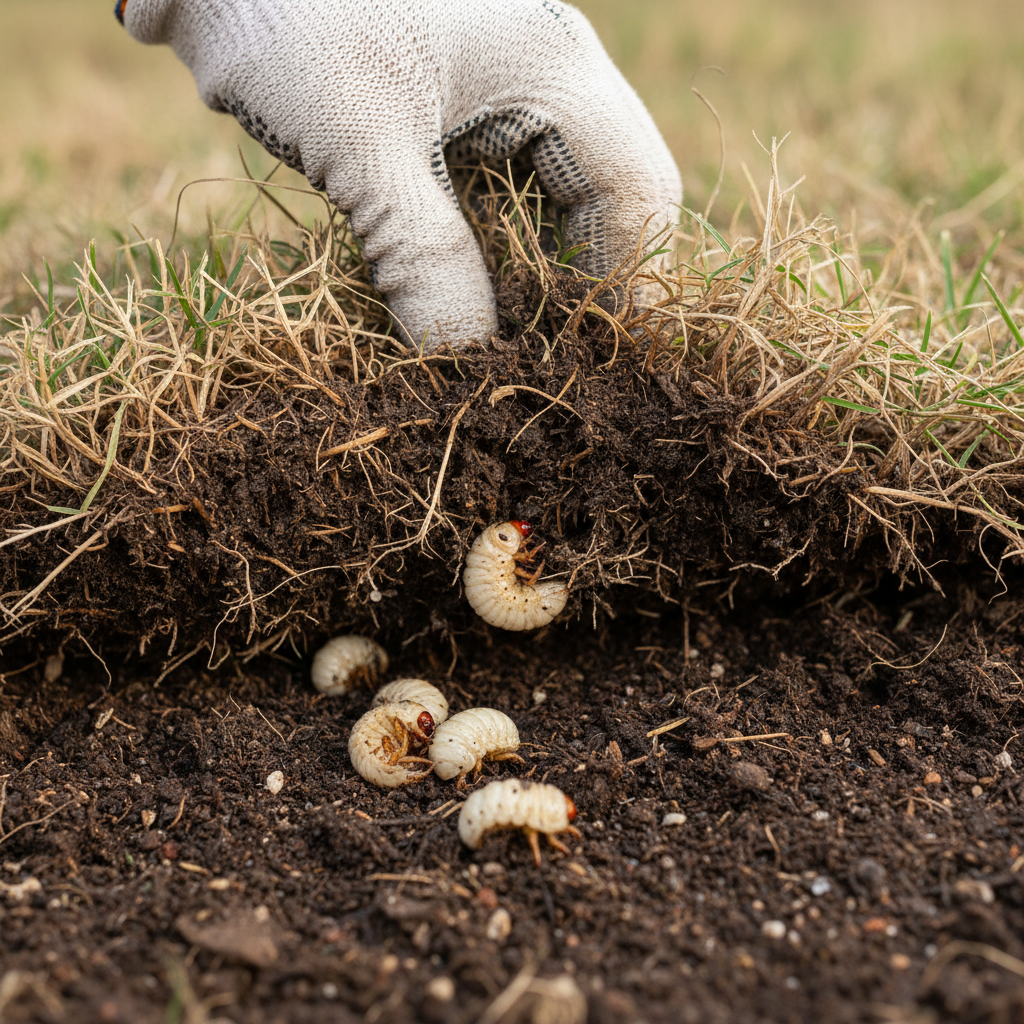
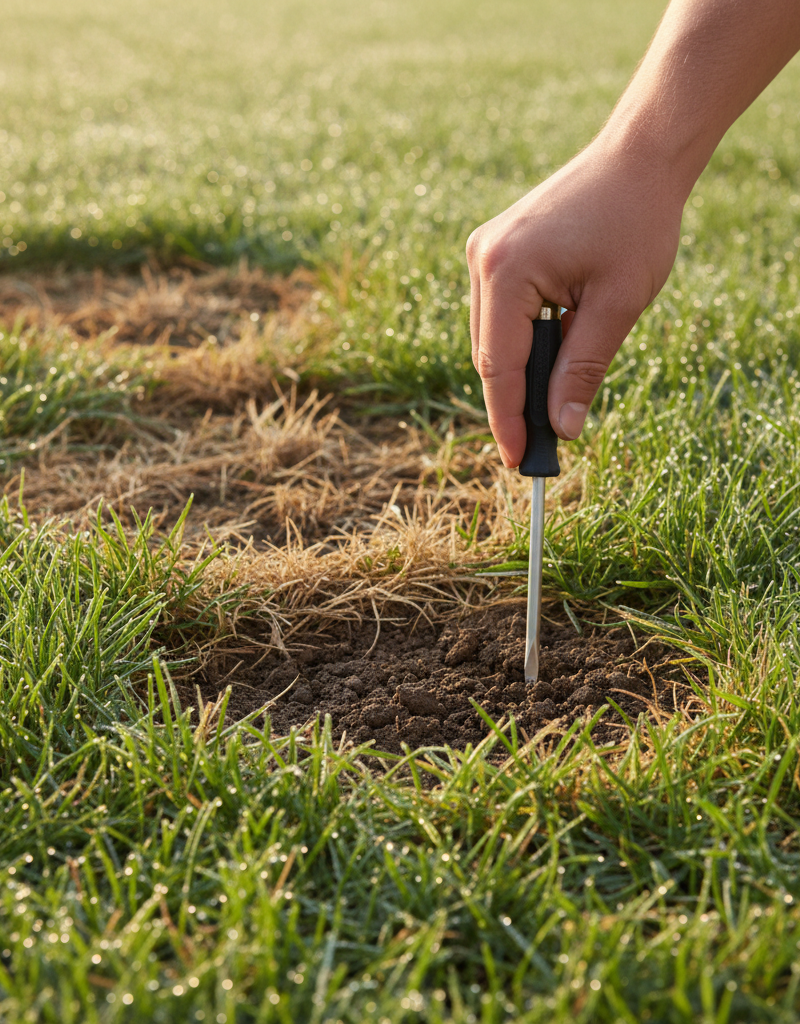
1. Confirm the Culprit — Don't treat blindly; verify it's grubs first. Lift a 1-foot square section of affected turf, cutting three sides with a shovel and peeling it back like a flap. Inspect the soil and the underside of the turf for C-shaped, white grubs with brown heads. Count the number of grubs. More than 6-10 grubs per square foot indicates a significant infestation requiring treatment. If you find fewer, other issues might be at play.
- Safety Note: Wear gardening gloves to protect your hands.
- If no grubs: Consider other causes like fungal disease, compacted soil, drought, or nutrient deficiency. Look for distinctive fungal patterns, feel for soil hardness, or assess recent watering habits.
2. Choose Your Weapon: Biological vs. Chemical — Select the right treatment for your infestation and philosophy. Different approaches offer varying levels of environmental impact and speed of action. Consider your priorities: quick control or a more natural, long-term solution.
- Biological Controls: * Milky Spore: A naturally occurring bacteria specific to Japanese beetle grubs. It's slow-acting (can take 1-3 years to establish) but provides long-term control by infecting grubs and spreading in the soil. Best applied in late summer/early fall for best establishment. * Beneficial Nematodes (Heterorhabditis bacteriophora): Microscopic worms that actively seek out and infect grubs. They're effective against a wider range of grubs than milky spore but are sensitive to UV light and dryness. Apply late summer/early fall when soil is moist and temperatures are between 60-80°F. Apply in the evening or on a cloudy day. * Neem Oil: An extract from the neem tree that acts as a repellent and growth regulator. Less effective for severe infestations but can help deter adult beetles from laying eggs. Best used as part of a multi-pronged approach.
- Chemical Insecticides: * Curative (Fast-Acting): Products containing carbaryl or trichlorfon. These kill grubs on contact or shortly after ingestion and are typically used when severe damage is already visible. Best applied late summer/early fall when grubs are actively feeding. Often effective for 2-4 weeks. * Preventative (Slow-Acting): Products with active ingredients like imidacloprid, clothianidin, or chlorantraniliprole. These are applied in spring or early summer to kill newly hatched grubs later in the season. They need to be watered in thoroughly to reach the root zone. Effectiveness can last for several months.
3. Prepare the Area — Ensure your treatment reaches the target. Lightly water your lawn a day or two before applying granules or sprays. This helps the product penetrate the soil more effectively and ensures grubs are closer to the surface, actively feeding.
- Avoid standing water: Saturated soil can dilute treatments or make them less effective.
4. Apply the Treatment Methodically — Follow product instructions precisely for best results. Adhere strictly to the manufacturer's instructions for mixing ratios, application rates, and safety precautions. Wear appropriate personal protective equipment (PPE) as specified, especially for chemical insecticides.
- For Granular Products: Use a broadcast spreader for even distribution. Calibrate your spreader according to the product label to ensure correct application rates.
- For Liquid Concentrates: Mix with water in a pump sprayer or hose-end sprayer. Ensure thorough coverage.
- Target affected areas: While spot treating might seem economical, grubs rarely stay in neat patches. It's often best to treat the entire lawn or at least large, contiguous affected areas.
5. Water It In (Crucial Step) — Activate the treatment and move it to the root zone. Immediately after applying, water your lawn thoroughly. For granular products, aim for about 1/2 inch of water to dissolve the granules and carry the insecticide down to where the grubs are feeding. This step is critical for both biological and chemical treatments to ensure they reach the target depth.
- Monitor rainfall: If significant rain is expected shortly after application, you might adjust your watering schedule, but still aim to water it in within 24 hours.
6. Monitor and Reassess — Check for effectiveness and plan next steps. After 2-3 weeks, re-examine the treated areas. You should see fewer grubs if you peel back another section of turf. New grass growth will indicate success. Continue monitoring your lawn for signs of recovery or persistent damage. If damage persists, a second, different type of application might be necessary, or you may need to reconsider your preferred treatment method or application timing.
- Patience is key: Biological treatments, especially milky spore, take time to show full efficacy.
7. Repair Lawn Damage — Help your lawn recover and thrive again. Once grubs are under control, address the damaged areas. Rake out dead grass and thatch. Overseed the bare or thin patches with a suitable grass seed for your region. Top-dress with a thin layer of compost or good quality topsoil to aid germination. Keep the newly seeded areas consistently moist until germination is established. For very large, severely damaged areas, consider patch re-sodding.
8. Implement Long-Term Prevention — Break the cycle and protect your investment. A healthy, thick lawn is more resilient to grub damage. Maintain proper mowing heights (3 inches or higher), water deeply and infrequently, and fertilize appropriately. Consider applying a preventative insecticide in late spring/early summer if you have a history of severe infestations. Introducing beneficial insects that prey on adult beetles can also help reduce egg-laying.
Common Causes
- Adult Beetle Activity: High populations of adult Japanese beetles, European chafers, or other grub-laying beetles in your area during summer are the primary cause. They’re attracted to healthy turf for laying eggs.
- Overwatering/Consistent Moisture: While not a direct cause, consistently moist soil in late summer can be more appealing for adult beetles to lay eggs, as it provides a favorable environment for egg hatching and grub survival.
- Thatch Layer: A thick thatch layer (more than 1/2 inch) can provide a protective environment for grubs and make it harder for insecticides or nematodes to penetrate.
- Organic Matter: Grubs feed on decaying organic matter in the soil in addition to grass roots. Lawns rich in organic matter can sometimes support larger grub populations.
- Lack of Natural Predators: A monoculture lawn system that lacks biodiversity might not support natural predators like beneficial nematodes, ground beetles, or birds that help control grub populations.
Common Mistakes
- Treating When Damage Appears: Often, by the time significant brown patches are visible (usually in spring or early fall), the grubs have already done most of their damage or are too large/too deep to be effectively controlled by some treatments. The best time for curative treatment is late summer/early fall when grubs are small and actively feeding.
- Using Preventative Treatments Too Late: Preventative grub control products (like those with imidacloprid) are designed to kill newly hatched grubs. Applying them in late fall or spring means the adult beetles have already laid their eggs, or the grubs are too mature to be affected by the preventative chemicals, rendering the application ineffective and wasteful.
- Not Watering In Treatments: Whether biological or chemical, most grub control products need to be watered into the soil immediately after application. Failing to do so can leave granular products sitting on the surface (where they degrade in sunlight or don't reach the grubs) or prevent liquid sprays from penetrating to the root zone.
- Ignoring Proper Diagnosis: Assuming all brown patches are grubs without confirming can lead to using the wrong treatment, wasting time and money, and potentially harming your lawn if the actual problem is a disease, drought, or nutrient deficiency.
- Over-reliance on Chemicals: While effective, continually using broad-spectrum chemical insecticides can harm beneficial insects, soil microorganisms, and contribute to pesticide resistance in grubs over time. Integrating biological controls and cultural practices for long-term health is often more sustainable.
- Applying During Extreme Weather: Applying grub treatments—especially beneficial nematodes—during very hot, dry, or freezing conditions, or when the soil is waterlogged, can severely reduce their effectiveness or even kill off biological agents.
Cost & Time Breakdown
| Task | DIY Cost | Pro Cost | Time |
|---|---|---|---|
| Grub Confirmation & Diagnosis | $0–$10 | $75–$150 | 15–30 minutes |
| Biological Treatment (DIY) | $30–$80 per 5,000 sq ft | N/A (pro applies chemicals) | 1–2 hours |
| Chemical Treatment (DIY) | $25–$60 per 5,000 sq ft | N/A (pro applies chemicals) | 1–2 hours |
| Lawn Repair (Seeding) | $20–$100 | $200–$500 | 2–4 hours over weeks |
| Professional Grub Control | N/A | $150–$400+ per application | 1–2 hours per visit |
Tips & Prevention
- Mow High: Keep your grass at least 3 inches tall. Taller grass shades the soil, making it less attractive for adult beetles to lay eggs and promotes deeper root growth, improving grub tolerance.
- Water Deeply and Infrequently: Encourage deep root growth by watering deeply (1 inch per week) rather than frequent, shallow watering. This also helps the lawn withstand minor grub damage.
- Control Thatch: Dethatch your lawn annually if the thatch layer exceeds 1/2 inch. This removes protective cover for grubs and improves product penetration.
- Attract Natural Predators: Encourage birds (by providing feeders and birdbaths) and beneficial insects (by planting diverse species) that prey on adult beetles and grubs.
- Biological Control Integration: If you're committed to a natural approach, consistent application of milky spore and beneficial nematodes over several seasons can build long-term grub resistance.
- Monitor for Adult Beetles: Keep an eye out for adult beetles (like Japanese beetles) in early summer. High numbers indicate a potential for a large grub population later in the season. Addressing the adults can reduce subsequent grub populations.
- Consider Grub-Resistant Grasses: If you're reseeding or establishing a new lawn, certain fescue varieties and perennial ryegrasses can exhibit some resistance to grubs due to tougher root systems.
When to Call a Professional
You should absolutely call a licensed lawn care professional if you have a persistent, severe grub infestation that DIY methods haven't resolved, or if you're dealing with a very large property that makes self-treatment impractical. Professionals have access to commercial-grade products and application equipment that homeowners typically don't, ensuring more precise and effective treatment. Additionally, if you're unsure about diagnosing the problem or prefer to avoid handling chemical pesticides, a pro can accurately identify the issue and apply the correct grub control product safely and efficiently. They can also offer integrated pest management plans that include long-term prevention strategies tailored to your specific lawn and regional pest pressures.
Related Articles
Keep troubleshooting with these hand-picked guides from FixlyGuide:
- The Silent Destroyer: How Tree Roots Crack Your Sidewalk (And 3 Proven Fixes) — Tree roots can silently lift and crack sidewalks over time, creating trip hazards and costly damage. Learn how to diagnose the problem and…
- The #1 Mistake Killing Your Lawn (and the Simple Grub Fix) — Grub worms can covertly destroy a beautiful lawn, but specific biological and chemical treatments applied at the right time can eliminate t…
- The #1 Mistake Killing Your Summer Lawn (And How to Fix It in a Weekend) — Overwatering is the silent killer behind many yellow summer lawns, often mistaken for drought. Learn how to diagnose and correct drainage i…
- The #1 Mistake Homeowners Make When Battling Lawn Grubs (And a Simple Fix) — Discover the common mistake homeowners make when treating grubs and learn a simple, effective solution for a healthier lawn.
- The Invisible War Beneath Your Sidewalk: 3 Ways Tree Roots Cause Havoc — Discover how tree roots cause sidewalk damage and learn actionable DIY and professional solutions to restore safety and appearance.
- The Secret Reason Your Interior Door Sticks (It's Not Always Humidity) — Before you blame humidity, learn the true culprits behind a sticky interior door and how to fix them with simple DIY steps.
Should you do this yourself?
Answer five quick questions before you start. Safety outranks savings every time.
Your experience with work like this
How high do you have to work?
Does the job involve any of these?
Will it need a permit?
Specialty tools
Free and instant. Educational guidance only — not a quote, inspection, or professional diagnosis.
What should this project cost?
Enter your project details for a realistic cost range before you call anyone.
Cost depends heavily on which system turns out to be the source.
- Regional adjustment
- National average
- Labor share (typical)
- ~$1,620
- Quotes to collect
- 3 written estimates
Educational estimate based on national averages — not a binding quote. Always confirm with written local estimates.
Frequently asked questions
How do I know if I have grubs in my lawn?+
The most effective way is to perform a 'tug test' or 'flap test.' Lift a 1-foot square section of affected turf. If you find more than 6-10 C-shaped white grubs with brown heads in that area, you have an infestation. Other signs include spongy turf, brown patches that don't respond to watering, and increased animal digging.
What is the best time to treat grubs?+
The most effective time for curative treatment is late summer to early fall (August to October) when grubs are small, actively feeding close to the surface, and most vulnerable. Preventative treatments, designed to kill newly hatched grubs, are best applied in late spring to early summer (May to July).
Are grub killers safe for pets?+
This depends on the product. Biological controls like milky spore or beneficial nematodes are generally safe for pets immediately after application. Chemical insecticides often require pets to be kept off the treated area for a specific period (e.g., 24-48 hours) or until the product has dried/watered in. Always read and follow the manufacturer's safety instructions carefully.
Can I prevent grubs naturally?+
Yes, several natural methods can help. Maintaining a healthy lawn with proper mowing and watering encourages strong roots. Applying milky spore or beneficial nematodes, attracting natural predators like birds, and controlling thatch can all contribute to natural grub prevention and control.
How long does it take for grub killer to work?+
Fast-acting chemical grub killers can start to show results within a few days to a week. Biological controls like beneficial nematodes might take 1-2 weeks to become fully effective, while milky spore can take several months to a few years to establish and provide long-term control because it relies on the grubs ingesting the bacteria.

Discussion
Loading comments…