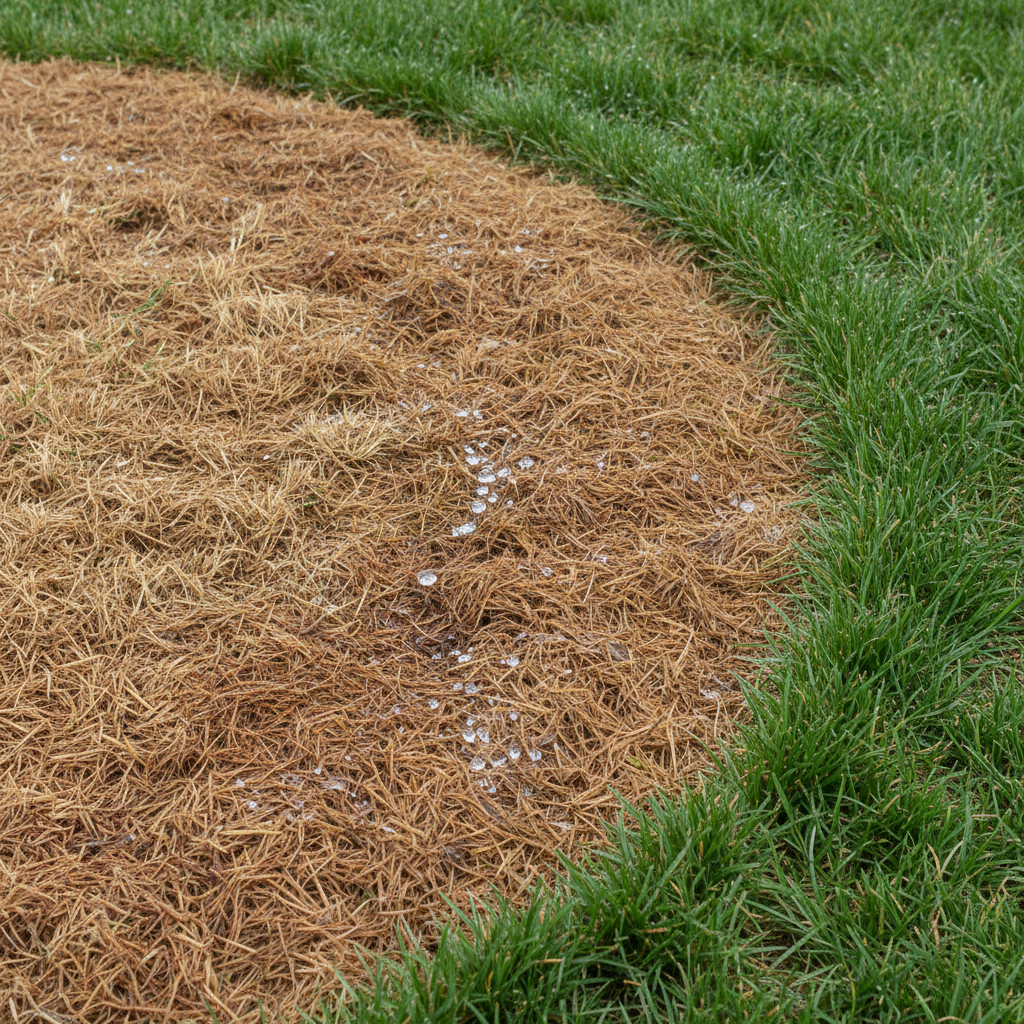
- Compacted Soil: Heavy foot traffic, equipment, or even dense clay soil can compress soil particles, reducing pore space. This makes it difficult for water to infiltrate, leading to runoff and insufficient water reaching the root zone.
- Overwatering/Shallow Watering: Frequently watering for short durations encourages shallow root systems that are highly susceptible to drying out quickly, even with regular watering. Overwatering can also lead to fungal diseases.
- Localized Dry Spots: Areas of the lawn with different soil compositions, slopes, or sun exposure that dry out faster than others. Thatch and compaction make these even more pronounced.
- Pets & Chemical Spills: Although not directly caused by watering, pet urine or chemical spills can create dead spots that become more apparent after watering as the surrounding grass greens up.
Landscaping · Deck or fence project
| Project category | Landscaping |
|---|---|
| Problem type | Deck or fence project |
| Trade required | Landscaping |
| Urgency | Planned project |
| Safety risk | Moderate safety risk |
| DIY suitability | DIY for experienced homeowners |
| Cost category | High cost |
| Typical timeline | Most builds 3–10 days depending on size |
| Contractor type | Landscaping contractor |
Repair option
Replace failed boards, posts, and hardware; reseal the surface.
Replacement option
Rebuild when framing or the ledger connection is unsafe.
Common causes
- Rot at posts and ledger
- Storm damage
- Adding outdoor living space
Relevant tools:home improvement material pricesproject cost estimator
Published May 10, 2026Last updated August 17, 2026
Tools & materials you'll need
Affiliate linksAs an Amazon Associate FixlyGuide earns from qualifying purchases — at no extra cost to you. Prices and availability are accurate as of publication and subject to change.
Quick Answer
Brown spots appearing in your lawn shortly after watering typically indicate an underlying thatch problem. A thick layer of thatch creates a barrier, preventing water from reaching the soil and grassroots. While watering seems like the solution, it exacerbates the issue by pooling on the thatch layer and evaporating before it can nourish the roots. Addressing this requires proper dethatching and aeration to allow water, air, and nutrients to penetrate the soil effectively, often revealing a healthier lawn within weeks.
The Problem
You've diligently watered your lawn, expecting lush, green growth, only to find new or worsening brown patches appearing in the aftermath. This counterintuitive phenomenon is a common and frustrating problem for many homeowners. Instead of quenching your lawn's thirst, your watering efforts are either not reaching the roots at all or are contributing to conditions that stress the grass. The core issue often isn't a lack of water, but rather a barrier preventing that water from doing its job. This barrier is usually a thick layer of thatch or compacted soil, which hinders proper water absorption and can lead to localized dry spots, fungal issues, or nutrient deficiencies, all manifesting as unsightly brown patches.
When water sits on top of thatch or runs off compacted soil, it either evaporates quickly, never reaching the root zone, or creates shallow root systems that are highly susceptible to drought stress. Furthermore, perpetually wet thatch can become a breeding ground for certain lawn diseases, like brown patch or dollar spot, which thrive in moist conditions and cause circular brown lesions. Understanding the underlying mechanisms—how water interacts with your lawn's structure—is crucial to diagnosing and solving this perplexing problem.
How It Works
To understand why brown spots appear after watering, it's essential to grasp how a healthy lawn interacts with water. A healthy lawn consists of grass blades, a thin layer of thatch, and nutrient-rich soil down to the root zone. When you water, the goal is for moisture to penetrate through the thatch, percolate into the soil, and be absorbed by the grassroots. The soil then acts as a reservoir, holding moisture for the plant over time.
Thatch is a layer of living and dead organic matter (stems, roots, leaves) that accumulates between the green grass blades and the soil surface. A thin layer (½ inch or less) is beneficial, acting as a natural mulch that conserves moisture and insulates the soil. However, if thatch builds up to more than ½ to ¾ of an inch, it becomes problematic. This thick, matted layer acts like a sponge, but not in a good way. It can hold a significant amount of water itself, preventing that water from ever reaching the soil below. Instead, the water is held within the thatch, where it rapidly evaporates, especially on sunny or windy days. The roots, starved of moisture, begin to stress and die, resulting in brown spots.
Compacted soil is another major culprit. Over time, foot traffic, heavy equipment, or even rainfall can compress soil particles, reducing the pore space between them. These pores are vital for water, air, and nutrient movement. When soil is compacted, water struggles to infiltrate; it pools on the surface and runs off, or sits in a shallow layer, encouraging shallow roots that quickly dry out. Both thick thatch and compacted soil lead to inefficient watering: you apply water, but it doesn't get where it needs to go – to the deep roots that sustain healthy grass.
Step-by-Step Fix
1. Assess Your Thatch Layer — Determine if thatch is the real problem.
Using a trowel or a small spade, dig a small, shallow plug of turf (about 3-4 inches deep) from a brown area and a healthy green area. Examine the cross-section. The thatch layer is the spongy, brownish-yellow layer between the green blades and the soil. If it's thicker than ¾ inch, dethatching is likely necessary. Compare the brown area's thatch thickness to the healthy area's; a significant difference points to thatch as the cause.
2. Perform a Percolation Test — Check your soil's drainage capacity.
Take a coffee can or a large tin can, remove both ends, and push it 4-6 inches into the soil in a brown spot. Pour water into the can up to the brim. Note how long it takes for the water to drain completely. If it takes longer than 15-20 minutes, you have significantly compacted soil or a severe thatch layer preventing infiltration. Repeat this in a healthy area for comparison.
3. Dethatch Your Lawn — Remove the organic barrier for better water penetration.
For areas with thatch thicker than ¾ inch, especially if they're persistent brown spots, mechanical dethatching is key. For smaller areas, a dethatching rake works well – rake vigorously to pull up the thatch. For larger lawns, consider renting a power dethatcher (also called a vertical mower or verticutter) from a local tool rental store. Run the dethatcher over the lawn when it's slightly moist (not soggy) and actively growing, typically in late spring or early fall. Collect and bag all the thatch debris afterward. Always wear gloves and eye protection when operating power equipment. Check for buried irrigation lines or utility marking flags before using a power dethatcher.
4. Aerate Compacted Soil — Create pathways for water and nutrients.
If your percolation test showed slow drainage or your soil plug was dense and hard, aeration is crucial. A core aerator (also rentable) pulls small plugs of soil from the lawn, creating channels for water, air, and nutrients to reach the roots. Aerate in the same growing seasons as dethatching. It's often beneficial to aerate after dethatching, or at least in the same season. Leave the soil cores on the lawn to break down naturally, returning valuable microorganisms and nutrients. Ensure you mark any irrigation lines or shallow utility cables before aerating to avoid damage.
5. Apply a Topdressing (Optional but Recommended) — Enhance soil structure and microbial activity.
After dethatching and aerating, consider spreading a thin layer (¼ to ½ inch) of compost or well-rotted organic matter over the affected areas. Gently rake it into the holes created by aeration. This enriches the soil, improves drainage, and fosters a healthier microbial environment that helps break down future thatch accumulation.
6. Adjust Your Watering Habits — Water deeply and infrequently.
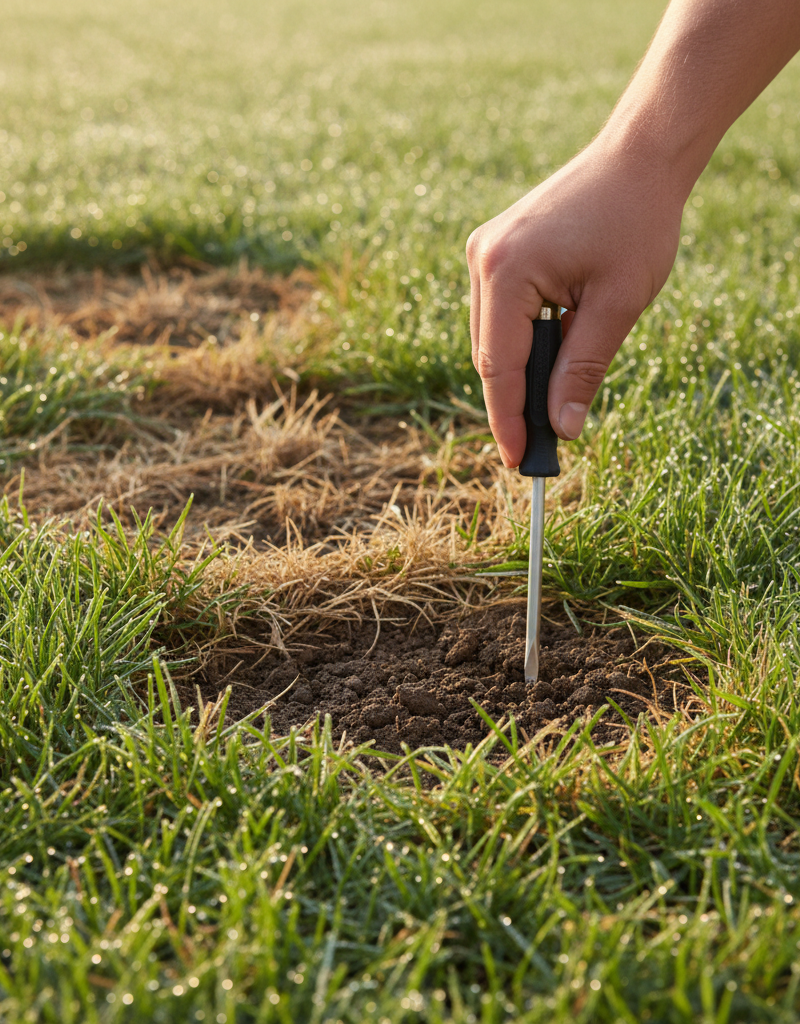
Once the thatch and compaction issues are addressed, reform your watering schedule. Instead of frequent, shallow watering, aim for deep, infrequent irrigation. Water deeply enough for the moisture to penetrate 4-6 inches into the soil. You can check this by pushing a screwdriver into the soil after watering – it should slide in easily. This encourages deeper root growth, making your lawn more drought-resistant. Typically, 1 inch of water per week, applied in one or two sessions, is sufficient for most lawns.
7. Fertilize Appropriately — Provide balanced nutrition.
Wait a few weeks after dethatching/aerating before fertilizing. Then, apply a balanced slow-release fertilizer according to soil test recommendations. Over-fertilizing, especially with high-nitrogen fertilizers, can contribute to thatch buildup and stress. A soil test will give you precise nutrient recommendations.
8. Monitor and Maintain — Keep an eye on progress and prevent recurrence.
Continuously monitor the brown spots. With improved water penetration and aeration, you should see new green growth emerge within 2-4 weeks. Regular mowing at the correct height (typically 2.5-3 inches for most cool-season grasses, higher for some warm-season) and annual light dethatching/aeration can prevent recurrence. Consider a microbial thatch reducer product in between mechanical dethatching if thatch remains a recurring issue.
Common Causes
- Excessive Thatch Buildup: The most common culprit. A thick, impenetrable layer of dead grass material acts as a barrier, preventing water from reaching the soil and roots. Water then sits on top, evaporates, or encourages shallow root growth, leading to drought stress despite watering.
- Compacted Soil: Heavy foot traffic, equipment, or even dense clay soil can compress soil particles, reducing pore space. This makes it difficult for water to infiltrate, leading to runoff and insufficient water reaching the root zone.
- Overwatering/Shallow Watering: Frequently watering for short durations encourages shallow root systems that are highly susceptible to drying out quickly, even with regular watering. Overwatering can also lead to fungal diseases.
- Fungal Diseases (e.g., Brown Patch, Dollar Spot): These diseases thrive in continuously moist conditions (often exacerbated by overwatering or lingering moisture in thick thatch) and can cause circular brown spots that may appear worse after watering as the fungi spread.
- Localized Dry Spots: Areas of the lawn with different soil compositions, slopes, or sun exposure that dry out faster than others. Thatch and compaction make these even more pronounced.
- Pets & Chemical Spills: Although not directly caused by watering, pet urine or chemical spills can create dead spots that become more apparent after watering as the surrounding grass greens up.
Common Mistakes
- Watering More When Brown Spots Appear: This is the most common mistake. If the problem is thatch or compaction, adding more water only makes the problem worse by creating more surface moisture for evaporation or encouraging fungal growth, rather than solving the underlying nutrient/water delivery issue.
- Ignoring Soil Compaction: Homeowners often focus solely on thatch, overlooking the equally critical issue of compacted soil, which also severely restricts water and nutrient movement. Both often need to be addressed.
- Dethatching at the Wrong Time: Dethatching during periods of high heat or drought stress can severely injure the lawn. It should be done when the grass is actively growing and can recover quickly, typically late spring or early fall.
- Not Raking Up Thatch Debris: Leaving the pulled-up thatch on the lawn after dethatching defeats the purpose. It will smother the grass and contribute to renewed thatch buildup.
- Using the Wrong Watering Schedule: Continuing shallow, frequent watering after addressing thatch and compaction means you're still not encouraging deep root growth. Deep and infrequent watering is essential for long-term lawn health.
- Guessing on Fertilizer Needs: Applying fertilizer without a soil test can lead to nutrient imbalances, harming the grass and potentially contributing to thatch or disease susceptibility.
Cost & Time Breakdown
| Task | DIY Cost | Pro Cost | Time |
|---|---|---|---|
| Dethatching (Rake) | $15–$30 | N/A | 2–4 hours (medium lawn) |
| Dethatching (Power) | $50–$100 (rental) | $200–$500 | 1–2 hours (medium lawn) |
| Aerating (Manual) | $20–$50 | N/A | 1–3 hours (small lawn) |
| Aerating (Core Aerator) | $60–$120 (rental) | $200–$400 | 1–2 hours (medium lawn) |
| Compost Topdressing | $30–$80 | $100–$300 | 1–2 hours |
| Soil Test | $15–$30 | Included in pro service | 15 minutes (submission) |
| Total DIY Estimate | $15–$170 | $400–$1200+ | 2–8 hours active time |
Tips & Prevention
- Aerate Annually or Bi-Annually: Regular aeration (especially if you have heavy clay soil or high traffic) helps maintain good soil structure and prevents compaction before it becomes a major issue.
- Dethatch as Needed (Every 1-3 Years): Monitor your thatch layer. When it approaches ½ to ¾ inch, plan for dethatching to prevent severe buildup.
- Mow at the Correct Height: Keep your grass blades at the recommended height for your turf type (typically 2.5-3 inches for cool-season grasses). Taller grass shades the soil, retains moisture, and promotes deeper root growth. Avoid removing more than one-third of the blade length at a time.
- Practice Deep, Infrequent Watering: Train your lawn's roots to grow deep by watering thoroughly, allowing the top soil to dry slightly between waterings. This makes your lawn more resilient to dry spells.
- Perform Regular Soil Tests: Conduct a soil test every 3-5 years to understand your soil's pH and nutrient levels. This ensures you apply the correct amendments and fertilizer, optimizing grass health and reducing stress.
- Don't Over-fertilize: Excessive nitrogen can lead to rapid top growth and increased thatch. Use slow-release fertilizers and follow application rates based on your soil test results.
- Microbial Thatch Reducers: Consider applying biological products that contain microbes designed to break down thatch naturally. These can be a good preventive measure between mechanical dethatching sessions.
When to Call a Professional
While identifying and addressing thatch and compaction can be a DIY project, there are times when calling a professional lawn care specialist is the wisest choice. If your lawn is severely neglected with an extremely thick thatch layer (over 2 inches), or if your soil is extremely compacted and difficult to penetrate even with rented equipment, a professional will have industrial-grade dethatchers and aerators that can handle the job more effectively and efficiently. If you suspect a serious underlying lawn disease that isn't resolving with basic cultural practices, a professional can accurately diagnose the issue and recommend targeted treatments. Also, if you have a very large lawn or lack the time and physical ability to operate heavy rental equipment, delegating the task to a licensed landscaper or lawn care company will ensure the job is done correctly and safely, saving you potential back pain and equipment headaches. They can also offer ongoing maintenance plans to prevent future recurrence.
Safety Note:
Always wear appropriate personal protective equipment (PPE) when operating lawn care machinery, including eye protection, sturdy gloves, and hearing protection for power dethatchers and aerators. Be aware of your surroundings and keep children and pets away from operating equipment. Before digging or inserting aeration tines, ensure you know the location of any underground irrigation lines, sprinkler heads, or utility cables (e.g., by calling 811 in the U.S. before you dig deeply).
Related Articles
Keep troubleshooting with these hand-picked guides from FixlyGuide:
- The #1 Mistake Killing Your Summer Lawn (It's Not What You Think) — Uncover the surprising truth behind your yellow summer lawn and learn how to fix the most common, yet overlooked, culprit: overwatering.
- The #1 Mistake Turning Your Healthy Lawn Brown After Watering — Discover the hidden culprit behind brown spots appearing in your lawn immediately after watering and learn how to correct this common mista…
- The #1 Mistake Killing Your Lawn's Grass (and How to Fix Patchy Spots) — Discover the most common reason for patchy grass and learn how to revive your lawn with targeted, easy-to-follow steps.
- The #1 Mistake Killing Your Thin Lawn (And How to Fix It in a Weekend) — Overseeding your lawn can transform it from thin and patchy to lush, but many homeowners make a crucial mistake that hinders success. Learn…
- The 3 Mulching Mistakes That Are Secretly Killing Your Plants — Discover the three common mulching errors that inadvertently harm your garden plants and learn how to apply mulch correctly for thriving, h…
- The Secret to Lush Raised Beds? It's Not Just About How You Water — Smart irrigation for raised garden beds isn't just about automation; it's about delivering the right amount of water precisely when your pl…
Should you do this yourself?
Answer five quick questions before you start. Safety outranks savings every time.
Your experience with work like this
How high do you have to work?
Does the job involve any of these?
Will it need a permit?
Specialty tools
Free and instant. Educational guidance only — not a quote, inspection, or professional diagnosis.
What should this project cost?
Enter your project details for a realistic cost range before you call anyone.
Cost depends heavily on which system turns out to be the source.
- Regional adjustment
- National average
- Labor share (typical)
- ~$1,620
- Quotes to collect
- 3 written estimates
Educational estimate based on national averages — not a binding quote. Always confirm with written local estimates.
Frequently asked questions
Why do brown spots appear on my lawn after I water it?+
Brown spots often appear after watering because a thick layer of thatch or compacted soil prevents the water from reaching the grass roots. The water either evaporates from the surface or runs off, leaving the roots starved for moisture and causing the grass to turn brown.
How can I tell if my lawn has too much thatch?+
To check for thatch, dig a small plug of turf about 3-4 inches deep with a trowel. The thatch layer is the spongy, brownish-yellow material between the green grass blades and the soil surface. If this layer is thicker than ¾ inch, you likely have excessive thatch.
What is the best way to fix compacted soil in my lawn?+
The most effective way to fix compacted soil is by core aeration. A core aerator pulls small plugs of soil from the lawn, creating channels that allow water, air, and nutrients to penetrate deeper into the root zone. This should be done annually or bi-annually, especially in high-traffic areas.
How often should I dethatch my lawn?+
The frequency of dethatching depends on your lawn's growth habits and thatch accumulation. Generally, lawns benefit from dethatching every 1 to 3 years. Monitor your thatch layer; if it's consistently building up to over ¾ inch, it's time to dethatch.
Can overwatering cause brown spots?+
Yes, overwatering or frequent shallow watering can indirectly cause brown spots. It encourages shallow root systems that are more susceptible to drought, and perpetually wet conditions can foster fungal diseases that manifest as brown patches.

Discussion
Loading comments…