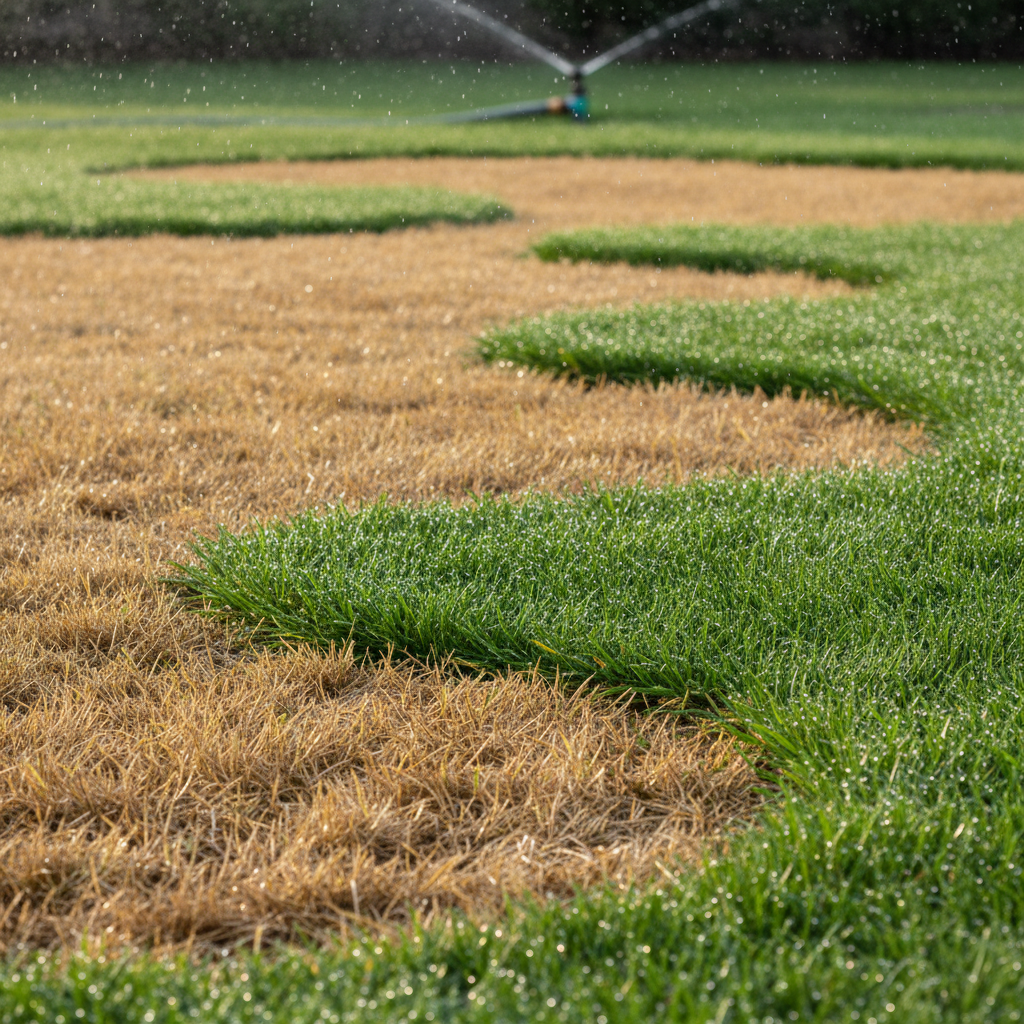
- Brown Patch: Irregularly shaped, tan or brown patches, often with a darker ring around the perimeter, especially in hot, humid weather. Blades may have lesions.
- Dollar Spot: Small, circular, sunken patches (size of a silver dollar) that eventually merge. Blades may have hourglass-shaped lesions.
- Rust: Orange or reddish-brown powdery spores on grass blades that rub off when touched.
Landscaping · Deck or fence project
| Project category | Landscaping |
|---|---|
| Problem type | Deck or fence project |
| Trade required | Landscaping |
| Urgency | Planned project |
| Safety risk | Moderate safety risk |
| DIY suitability | DIY for experienced homeowners |
| Cost category | High cost |
| Typical timeline | Most builds 3–10 days depending on size |
| Contractor type | Landscaping contractor |
Repair option
Replace failed boards, posts, and hardware; reseal the surface.
Replacement option
Rebuild when framing or the ledger connection is unsafe.
Common causes
- Rot at posts and ledger
- Storm damage
- Adding outdoor living space
Relevant tools:home improvement material pricesproject cost estimator
Published May 5, 2026Last updated August 17, 2026
Tools & materials you'll need
Affiliate linksAs an Amazon Associate FixlyGuide earns from qualifying purchases — at no extra cost to you. Prices and availability are accurate as of publication and subject to change.
Quick Answer
Brown spots appearing in your lawn shortly after watering can be a frustrating and confusing problem, as the very act meant to nourish your grass seems to be stressing it. Often, this isn't a sign of immediate drought, but rather a symptom of deeper issues related to water management, soil health, or even pest and disease activity. The most common culprits include overwatering leading to oxygen deprivation and root rot, compacted soil that prevents proper water penetration, or fungal diseases that flourish in consistently damp conditions. Understanding the nuances of your lawn's water needs and soil structure is key to diagnosing and rectifying the problem.
The Problem
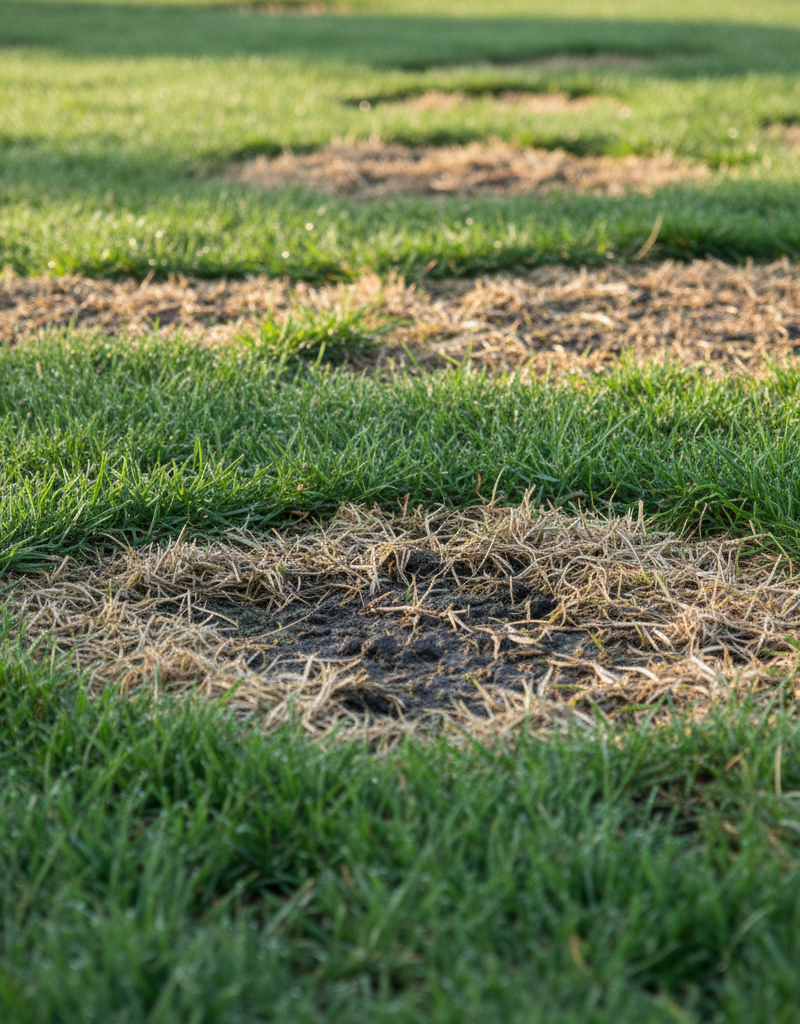
You've just finished watering, hoping to see your lawn perk up, only to notice new or more prominent brown patches emerge. This counterintuitive reaction suggests that your watering efforts, while well-intentioned, might be exacerbating an underlying problem rather than solving it. A healthy lawn absorbs water efficiently, with the moisture penetrating deep into the soil to nourish roots. When this process is interrupted, whether by too much water, too little, or barriers in the soil, the grass experiences stress. This stress can manifest as browning, thinning, or even dead patches that become noticeably distinct against the backdrop of recently watered, greener areas.
The immediate appearance of brown spots after watering is a critical diagnostic clue. It tells us that the problem isn't necessarily a lack of water reaching some parts of the root system, but rather an issue with how and where that water is being utilized or impeded. It's a sign that the grass is struggling to cope with the moisture, or that the moisture is revealing pre-existing damage. This often points to issues with soil compaction, poor drainage, improper watering techniques, or even specific lawn diseases that thrive in moist environments.
How It Works
To understand why brown spots appear after watering, it's essential to grasp how a healthy lawn interacts with water. Grass roots require both water and oxygen to survive and absorb nutrients. When you water, the goal is for water to penetrate several inches into the soil, reaching the active root zone. This process displaces air pockets in the soil, which then refill with oxygen as the soil drains.
Water Movement: Water moves through the soil via a process called infiltration and percolation. Infiltration is the entry of water into the soil surface, and percolation is its downward movement. Soil texture (sand, silt, clay) and structure (how soil particles clump together) dictate how quickly and deeply water moves. Sandy soils drain rapidly, while clay soils hold more water but drain slowly. Healthy soil has a loose, crumbly structure with plenty of pore space for air and water.
Root Respiration: Grass roots, like all living organisms, respire, meaning they take in oxygen and release carbon dioxide. This process is crucial for energy production and nutrient uptake. When soil becomes saturated, especially with frequent, shallow watering or in areas with poor drainage, water fills all the pore spaces, effectively suffocating the roots by cutting off their oxygen supply. This leads to anaerobic conditions (lack of oxygen), which can quickly cause root cells to die, resulting in brown patches.
Fungal Activity: Many common lawn diseases, such as brown patch, dollar spot, and rust, are fungal in nature. These fungi thrive in moist, humid conditions, especially when grass stays wet for prolonged periods. Watering in the late evening, for example, allows the grass blades to remain damp overnight, creating an ideal breeding ground for these pathogens. Once established, these diseases damage the grass blades and roots, leading to discolored, often circular, brown patches that become starkly visible when the surrounding healthy grass is invigorated by watering.
Soil Compaction: Compacted soil is another major contributor. When soil particles are pressed tightly together, pore spaces shrink, severely limiting air and water movement. Water tends to run off compacted areas or pool on the surface, creating anaerobic conditions below while simultaneously preventing adequate moisture from reaching deeper roots. After watering, these compacted, stressed areas often stand out as brown because the grass roots have been starved of oxygen and nutrients, or the water simply didn't penetrate effectively.
Thatch Buildup: A thick layer of thatch (dead and living organic matter between the grass blades and the soil surface) can also impede water penetration. Thatch can become hydrophobic, repelling water that then runs off rather than soaking in. While some thatch is healthy, excessive buildup prevents water, air, and nutrients from reaching the soil, again leading to stressed, brown patches.
Step-by-Step Fix
1. Inspect Your Watering Habits — Evaluate your frequency and duration.
Are you watering too often or not deeply enough? Shallow, frequent watering encourages shallow root growth, making the grass more susceptible to drought and stress. Deep and infrequent watering, aiming for 1 inch of water per week (including rainfall), encourages roots to grow deeper, making the lawn more resilient. Use a tuna can to measure how much water your sprinklers are delivering over a set period. Adjust your watering schedule to deliver that inch across one or two sessions per week, rather than daily short bursts.
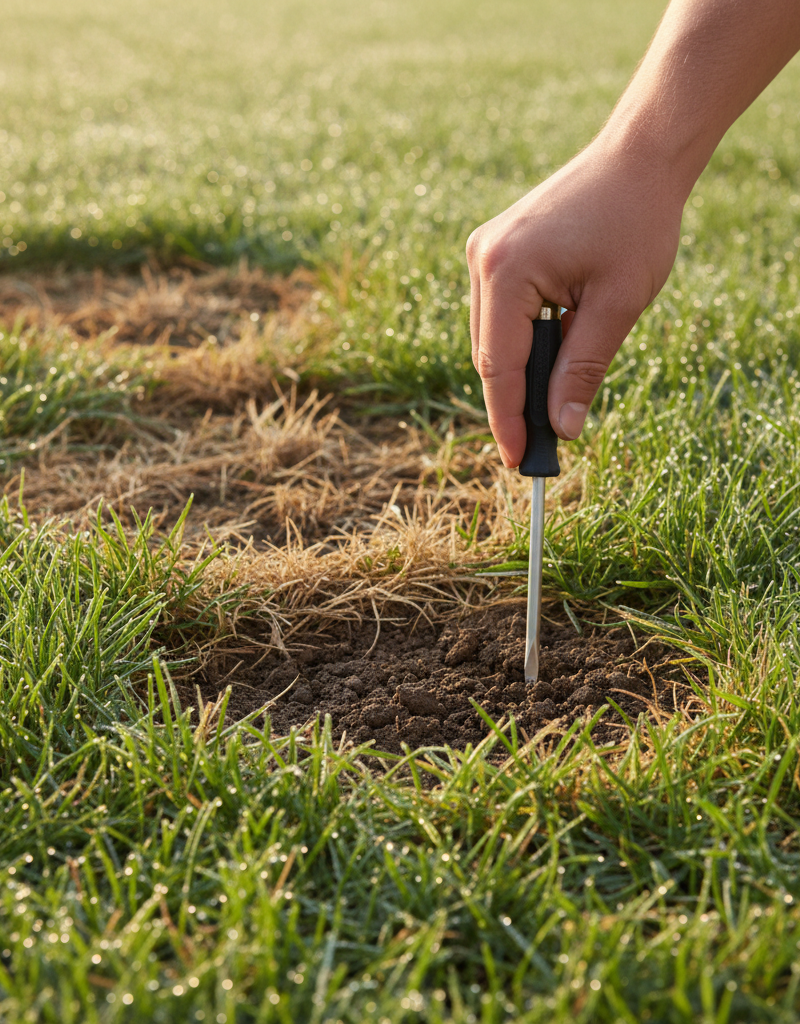
2. Check for Soil Compaction — The screwdriver test.
Try pushing a long screwdriver into the soil in a brown spot and then in a healthy spot. If it's significantly harder to push into the brown area, compaction is likely. Compacted soil prevents water from penetrating and deprives roots of oxygen. This is a common issue in high-traffic areas or lawns with heavy clay soil.
- Solution: Aeration. For small areas, a manual core aerator can work. For larger lawns, rent a gas-powered core aerator or hire a professional. Aeration pulls small plugs of soil, creating channels for water, air, and nutrients to reach the roots.
3. Assess Drainage Issues — Puddles are a red flag.
After watering, do you see standing puddles that take a long time to dissipate (more than 30 minutes)? This indicates poor drainage, which can lead to soggy soil and root rot. Observe brown patches; are they consistently soggy or squishy after watering?
- Solution: For localized poor drainage, consider adding organic matter like compost to the soil surface after aeration. This improves soil structure over time. For severe, widespread drainage problems, professional evaluation might be necessary to address underlying grading or heavy clay issues.
4. Look for Thatch Buildup — Examine the layer above the soil.
Pry apart your grass blades and examine the layer between the green grass and the soil surface. If this layer of dead and living organic matter is thicker than 1/2 inch, you have excessive thatch. Thick thatch can repel water, preventing it from reaching the soil, and harbor pests and diseases.
- Solution: Dethatch your lawn. For mild thatch, a power rake or verticutter can be used. For severe thatch, a dethatching machine might be required. This is best done in cool-season grasses in early fall or spring, and in warm-season grasses in late spring or early summer.
5. Investigate for Fungal Diseases — Examine grass blades closely.
Many fungal diseases thrive in consistently wet conditions, especially if you water in the evening. Look for specific visual cues:
-
Brown Patch: Irregularly shaped, tan or brown patches, often with a darker ring around the perimeter, especially in hot, humid weather. Blades may have lesions.
-
Dollar Spot: Small, circular, sunken patches (size of a silver dollar) that eventually merge. Blades may have hourglass-shaped lesions.
-
Rust: Orange or reddish-brown powdery spores on grass blades that rub off when touched.
-
Solution: Adjust watering schedule to mornings between 4 AM and 8 AM to allow grass to dry before nightfall. Improve air circulation. For severe cases, consider a targeted fungicide, but only after positive identification. Always follow product instructions carefully.
6. Consider Nutrient Deficiencies — A soil test provides answers.
While less likely to cause sudden browning after watering, chronic nutrient deficiencies can weaken grass, making it more susceptible to stress and disease. A soil test will reveal nutrient imbalances and pH levels.
- Solution: Based on soil test results, apply appropriate fertilizers or soil amendments. A balanced feeding program supports overall lawn health.
7. Check for Pests — Look for signs of insects.
Some pests, like grub worms, feed on grass roots, causing the grass to brown and die. The damage might become more noticeable after watering, as the weakened grass struggles to absorb moisture.
- Test: Pull on the brown grass like a rug. If it lifts easily, revealing a lack of roots, grubs are likely present. Dig a small section; if you see more than 5-10 grubs per square foot, treatment is warranted.
- Solution: Apply appropriate grub control products in late summer/early fall when grubs are small and actively feeding.
8. Adjust Mowing Practices — Don’t scalp your lawn.
Mowing too short (scalping) stresses the grass, reducing its ability to photosynthesize and cope with environmental stressors. This can make existing brown spots more prominent or create new ones.
- Solution: Mow at the highest recommended height for your grass type (typically 2.5-3.5 inches). Never remove more than one-third of the blade height at once. Keep mower blades sharp.
Common Causes
- Overwatering/Shallow Watering: The most frequent culprit. Overwatering leads to root rot and oxygen deprivation, while shallow watering promotes weak, surface-level roots. Both result in stressed grass that browns easily.
- Compacted Soil: Prevents water and air from reaching roots, leading to runoff and localized dry/stressed areas that become more obvious when surrounding areas are wet.
- Poor Drainage: Similar to compaction, standing water starves roots of oxygen and fosters anaerobic conditions or fungal growth.
- Fungal Diseases: Many lawn fungi (e.g., brown patch, dollar spot) thrive in consistently moist conditions, especially with evening watering, causing visible browning.
- Thatch Buildup: An excessive layer of thatch acts as a barrier, preventing water from reaching the soil and roots, and also harbors pests and diseases.
- Nutrient Imbalances: While not a direct cause of after-watering browning, nutrient-deficient grass is weaker and more susceptible to other stressors that can manifest this way.
- Insect Pests: Grubs or other root-feeding insects damage the root system, making the grass unable to absorb water, intensifying browning when the rest of the lawn is hydrated.
Common Mistakes
- Watering at Night: A prime mistake! Watering in the evening leaves grass blades wet for too long, creating a perfect environment for fungal diseases to develop and spread. Always water in the early morning.
- Assuming All Brown Means Dry: Just because it's brown doesn't mean it needs more water. Often, browning is a sign of too much water or other underlying issues, and adding more water will only worsen the problem.
- Ignoring Soil Conditions: Many homeowners focus solely on grass blades and neglect the crucial role of soil. Compacted, poorly draining, or nutrient-poor soil is often the root cause of lawn problems.
- Mowing Too Short: Scalping the lawn stresses the grass, making it more vulnerable to disease, drought, and heat stress, and can exacerbate brown spots.
- Broad-Spectrum Pesticide Use: Applying pesticides without properly identifying the pest can harm beneficial insects that control other lawn problems and can also stress the grass itself.
- Not Testing Soil: Guessing at nutrient needs or pH levels is ineffective. A simple soil test provides actionable data to guide your amendment and fertilization strategy.
Cost & Time Breakdown
| Task | DIY Cost | Pro Cost | Time |
|---|---|---|---|
| Watering Schedule Adjust | $0 | $0 | 5–10 minutes |
| Soil Compaction Test | $0 | $0 | 5 minutes |
| Aeration (Manual) | $30–$80 | Not applicable | 1–3 hours |
| Aeration (Rental Machine) | $80–$150 | $150–$400 | 2–4 hours |
| Dethatching (Manual) | $40–$100 | Not applicable | 2–5 hours |
| Dethatching (Rental Mach) | $80–$180 | $200–$500 | 2–5 hours |
| Soil Test | $15–$30 | Included with service | 15 minutes prep |
| Fungicide/Insecticide | $20–$60 | $80–$250 | 30–60 minutes |
Tips & Prevention
- Water Smart: Train your lawn to be drought-tolerant by watering deeply (1 inch) and infrequently (1-2 times per week), preferably in the early morning. This encourages deep root growth and allows grass blades to dry quickly, preventing fungal issues.
- Aerate Regularly: If you have heavy clay soil or high-traffic areas, plan to aerate your lawn annually or bi-annually. This maintains healthy soil structure and improves water and air penetration.
- Mow High: Keep your mower blades set to the highest recommended height for your grass type. Taller grass shades the soil, retains moisture, and promotes stronger roots, making the lawn more resilient.
- Dethatch as Needed: Monitor your thatch layer. If it exceeds 1/2 inch, plan to dethatch. This ensures water, nutrients, and air can reach the soil efficiently.
- Feed Your Lawn Properly: Follow soil test recommendations for fertilization. A balanced diet of nutrients makes your grass healthier and more resistant to stress, pests, and diseases.
- Sharp Mower Blades: Dull mower blades tear grass, leaving ragged edges that turn brown and make the lawn more susceptible to disease and stress. Sharpen your blades annually or as needed.
When to Call a Professional
While many brown spot issues can be tackled by a diligent homeowner, there are times when professional help is essential. If you've tried the common fixes like adjusting watering, aerating, and dethatching, but the brown spots persist or worsen, it's time to call in an expert. This is especially true if you suspect a severe fungal disease that isn't responding to basic cultural changes, or a widespread pest infestation like chinch bugs or significant grub damage that requires specialized treatment. Additionally, if your lawn has persistent drainage problems due to severe soil compaction or underlying grading issues, a landscaping professional can provide effective, long-term solutions. They have access to commercial-grade equipment and specialized knowledge to accurately diagnose complex lawn issues and implement effective, lasting treatments that are beyond the scope of typical DIY efforts. Ignoring persistent problems can lead to more extensive and costly lawn renovation down the line.
Related Articles
Keep troubleshooting with these hand-picked guides from FixlyGuide:
- The #1 Mistake Turning Your Green Lawn Brown After Watering — Watering your lawn should make it greener, but brown spots appearing afterward can signal common issues like overwatering, fungal disease,…
- The 3 Hidden Reasons Your Tree Leaves Turn Brown (and the Easy Fixes) — Discover the often-overlooked environmental stressors and specific diseases that cause tree leaves to brown, and learn simple, actionable s…
- The 3 Lawn Mowing Mistakes Killing Your Grass (and How to Fix Them) — Discover the three most common lawn mowing mistakes homeowners make that damage their grass, and learn simple, actionable steps to correct…
- The #1 Mistake Killing Your Lawn's Crabgrass Defense (And the Easy Fix) — Discover why common crabgrass removal methods fail and how to naturally eliminate this stubborn weed for a healthier lawn.
- The 3 Hidden Reasons Your Sprinkler Head Won't Pop Up (And How to Fix Them) — Frustrated by a sprinkler head that won't rise? Discover the top three culprits behind this common irrigation issue and how to resolve them…
- The 7 Critical Home Inspection Checks Most Homeowners Miss (and How to Do Them Yourself) — Discover the essential annual home inspection checks many homeowners overlook and learn how to perform them yourself to prevent costly repa…
What should this project cost?
Enter your project details for a realistic cost range before you call anyone.
Cost depends heavily on which system turns out to be the source.
- Regional adjustment
- National average
- Labor share (typical)
- ~$1,620
- Quotes to collect
- 3 written estimates
Educational estimate based on national averages — not a binding quote. Always confirm with written local estimates.
Frequently asked questions
Why does my grass turn brown right after I water it?+
Grass turning brown right after watering often indicates an underlying issue aggravated by the moisture, rather than simple dehydration. Common reasons include overwatering leading to root rot, extremely compacted soil preventing water absorption, or fungal diseases that become more prominent in damp conditions. Essentially, the water is either suffocating the roots or highlighting existing damage.
Can overwatering cause brown spots in my lawn?+
Yes, absolutely. Overwatering is a frequent cause of brown spots. When the soil becomes saturated for too long, grass roots are deprived of oxygen, leading to root rot. This damage manifests as brown, dying patches in your lawn, often becoming noticeable or worse after a watering session.
How can I tell if my lawn is compacted?+
You can check for compacted soil with a simple screwdriver test. Try pushing a long flat-head screwdriver into your lawn in both a brown area and a healthy green area. If it's significantly harder to push into the brown spot, or if it doesn't penetrate at least 6-8 inches easily, your soil is likely compacted. Water runoff and puddling after watering are also strong indicators.
What's the best time of day to water my lawn?+
The best time to water your lawn is in the early morning, typically between 4 AM and 8 AM. This allows the grass blades to dry thoroughly before nightfall, significantly reducing the risk of fungal diseases that thrive in prolonged dampness. Watering in the heat of the day leads to excessive evaporation, and watering at night keeps the grass wet too long.

Discussion
Loading comments…