- Crucial First Step – Correct identification helps you understand the weed's life cycle (annual, biennial, perennial) and its reproductive strategies (seeds, rhizomes, stolons). This informs your removal method.
- Tools: Magnifying glass, regional weed identification guide (online or print), smartphone app for plant ID.
- Why it matters: An annual weed is best tackled before it sets seed; a perennial with deep taproots requires more aggressive digging to remove the entire root structure.
Landscaping · Deck or fence project
| Project category | Landscaping |
|---|---|
| Problem type | Deck or fence project |
| Trade required | Landscaping |
| Urgency | Planned project |
| Safety risk | Moderate safety risk |
| DIY suitability | DIY for experienced homeowners |
| Cost category | High cost |
| Typical timeline | Most builds 3–10 days depending on size |
| Contractor type | Landscaping contractor |
Repair option
Replace failed boards, posts, and hardware; reseal the surface.
Replacement option
Rebuild when framing or the ledger connection is unsafe.
Common causes
- Rot at posts and ledger
- Storm damage
- Adding outdoor living space
Relevant tools:home improvement material pricesproject cost estimator
Published May 22, 2026Last updated August 17, 2026
Tools & materials you'll need
Affiliate linksAs an Amazon Associate FixlyGuide earns from qualifying purchases — at no extra cost to you. Prices and availability are accurate as of publication and subject to change.
Quick Answer
True permanent weed removal isn't a one-time event but a strategic, ongoing battle against a persistent adversary. Homeowners can effectively achieve near-permanent weed control by understanding how weeds thrive and then consistently depriving them of light, water, and nutrients. This involves a combination of correct mulching techniques to smother existing weeds and prevent new seeds from germinating, diligent manual removal to deplete the seed bank, and soil improvement to favor desirable plants over opportunistic weeds. By breaking the weed life cycle at multiple points, you can drastically reduce their presence in your landscape.
The Problem
Every homeowner dreams of a weed-free garden, but the reality often involves a frustrating, never-ending struggle. Weeds aren't just an aesthetic nuisance; they compete with your desirable plants for vital resources like water, nutrients, and sunlight, often winning due to their aggressive growth habits and adaptability. Many DIY weed control efforts offer only temporary relief. Spraying herbicides might kill visible weeds, but it often leaves the vast seed bank in the soil untouched, leading to a fresh flush of growth after the next rain. Similarly, simply pulling weeds without addressing the underlying conditions or removing the entire root system can result in rapid regrowth. The core problem lies in a misunderstanding of how weeds propagate and persist, and a failure to implement strategies that address their tenacious life cycle, particularly the often-overlooked issue of improper mulching.
How It Works
Understanding a weed's life cycle is crucial for permanent removal. Weeds are masters of survival and reproduction. Most weeds fall into one of three categories: annuals, biennials, or perennials.
Annual Weeds complete their entire life cycle in one growing season. They germinate from seed, grow, flower, produce more seeds, and then die, often triggered by frost or drought. Examples include crabgrass, purslane, and common chickweed. Their primary survival strategy is prolific seed production; a single annual plant can produce thousands of seeds, which can remain viable in the soil for years, even decades. Disturbing the soil can bring these dormant seeds to the surface, triggering germination when light and moisture are available.
Biennial Weeds take two years to complete their life cycle. In the first year, they produce a low rosette of leaves. In the second year, they bolt, flower, produce seeds, and then die. Examples include wild carrot (Queen Anne's Lace) and garlic mustard. Like annuals, they rely heavily on seed production for propagation.
Perennial Weeds live for more than two years and often persist for many, many years. They reproduce not only by seed but also through vegetative means like rhizomes (underground stems, e.g., quackgrass, bindweed) or stolons (above-ground creeping stems, e.g., creeping Charlie, ground ivy). These underground networks make them incredibly difficult to eradicate, as even a small piece of root or stem left in the soil can sprout a new plant. Perennials also often store energy in their root systems, allowing them to recover quickly from top-growth removal. Effective permanent control for perennials almost always involves disrupting these underground structures.
All weeds require light, water, and nutrients to grow. The goal of permanent weed removal is to consistently deprive them of one or more of these essentials, particularly light, while also depleting the existing seed bank in the soil and preventing new seeds from arriving or germinating. This often means creating an environment where desirable plants can thrive and outcompete weeds.
Step-by-Step Fix
Safety Note: Always wear appropriate gloves, eye protection, and long sleeves when working in the garden, especially when handling tools or soil amendments. Never attempt to remove weeds near electrical lines or other hazardous areas without proper precautions. Wash hands thoroughly after gardening.
1. Identify Your Weeds – Know Your Enemy
- Crucial First Step – Correct identification helps you understand the weed's life cycle (annual, biennial, perennial) and its reproductive strategies (seeds, rhizomes, stolons). This informs your removal method.
- Tools: Magnifying glass, regional weed identification guide (online or print), smartphone app for plant ID.
- Why it matters: An annual weed is best tackled before it sets seed; a perennial with deep taproots requires more aggressive digging to remove the entire root structure.
2. The Mulch Makeover – Starve Them Out
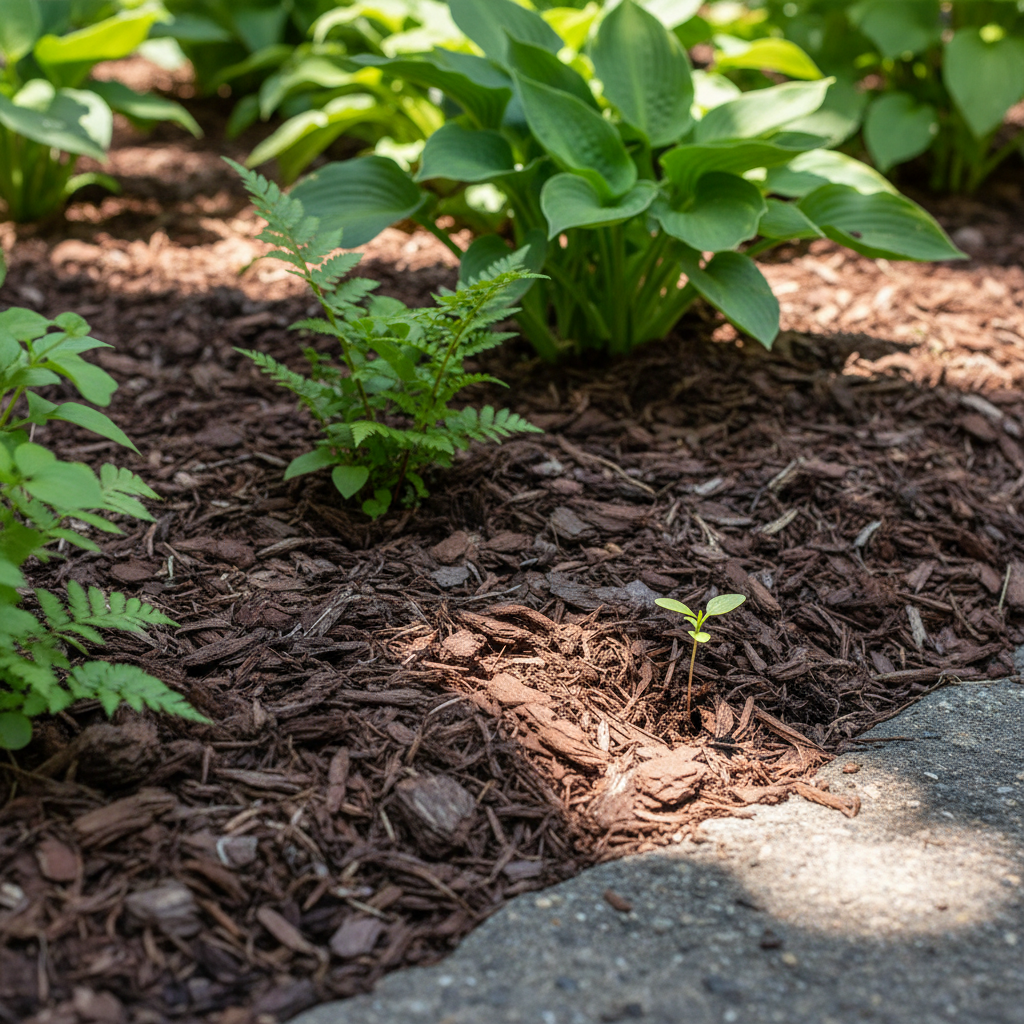
- Correct mulching is perhaps the most powerful long-term weed deterrent. – Most homeowners use too little mulch, or the wrong type, allowing light to reach weed seeds and encouraging germination. Aim for a thick, dense layer.
- Material: Opt for organic mulches like wood chips, shredded bark, straw (untreated), or compost. Avoid rock or plastic mulches for active weed suppression in planting beds.
- Application: Apply mulch to a depth of 3-4 inches (7.5-10 cm), ensuring full coverage. If you're dealing with very persistent perennial weeds, consider a 'lasagna layering' approach: first, lay down several layers of cardboard (overlap edges by 6 inches, remove tape/labels), thoroughly wet it, then apply your 3-4 inches of organic mulch on top. The cardboard will smother existing weeds and decompose, adding organic matter.
- Pro-Tip: Keep mulch a few inches away from the base of tree trunks and plant stems to prevent rot and pest issues.
3. Surgical Hand Weeding – Deplete the Seed Bank
- Systematic removal is key to long-term seed bank reduction. – This isn't just about removing the visible plant; it's about preventing seed production and root dispersal for perennials. Timing is critical.
- When to weed: Ideally, weed when the soil is moist (after a rain or watering) but not saturated, as this makes extraction easier. Early spring is excellent for catching young weeds before they establish deep roots or set seed. Never wait until weeds go to seed.
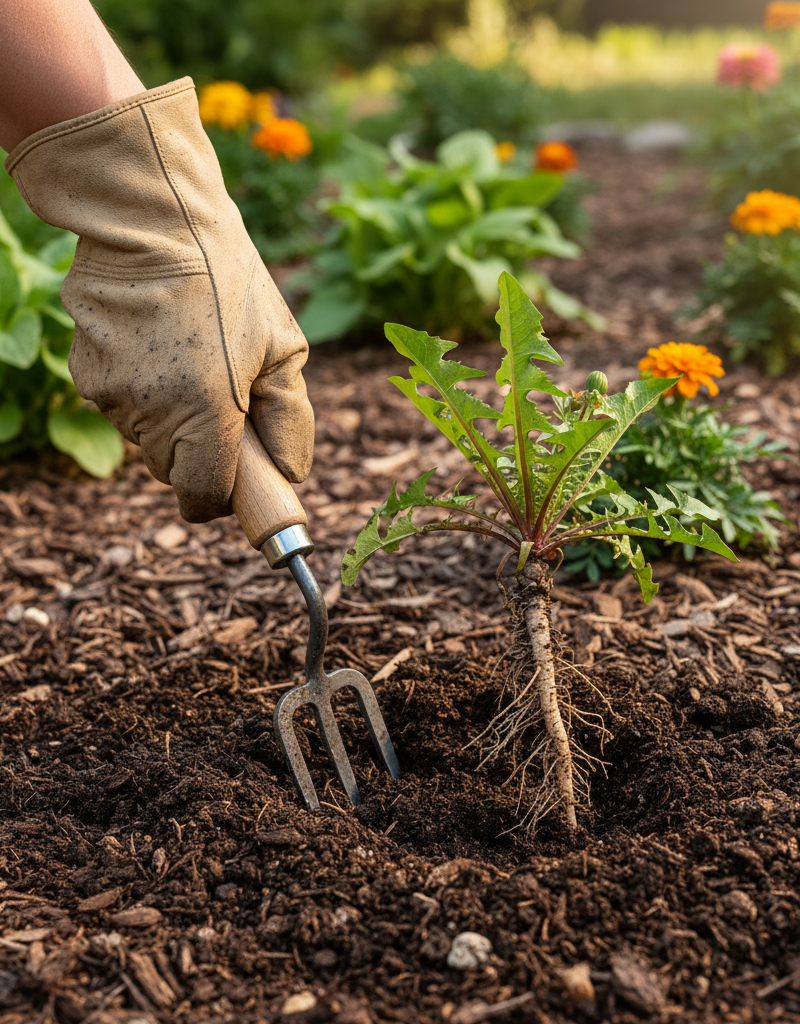
- Technique: For annuals and biennials, pull them completely, ensuring the taproot is removed. For perennials, you must dig out the entire root system, rhizomes, or stolons. Use a weeding fork or dandelion tool to aid deep removal. If even a small piece of a perennial root remains, it can regrow.
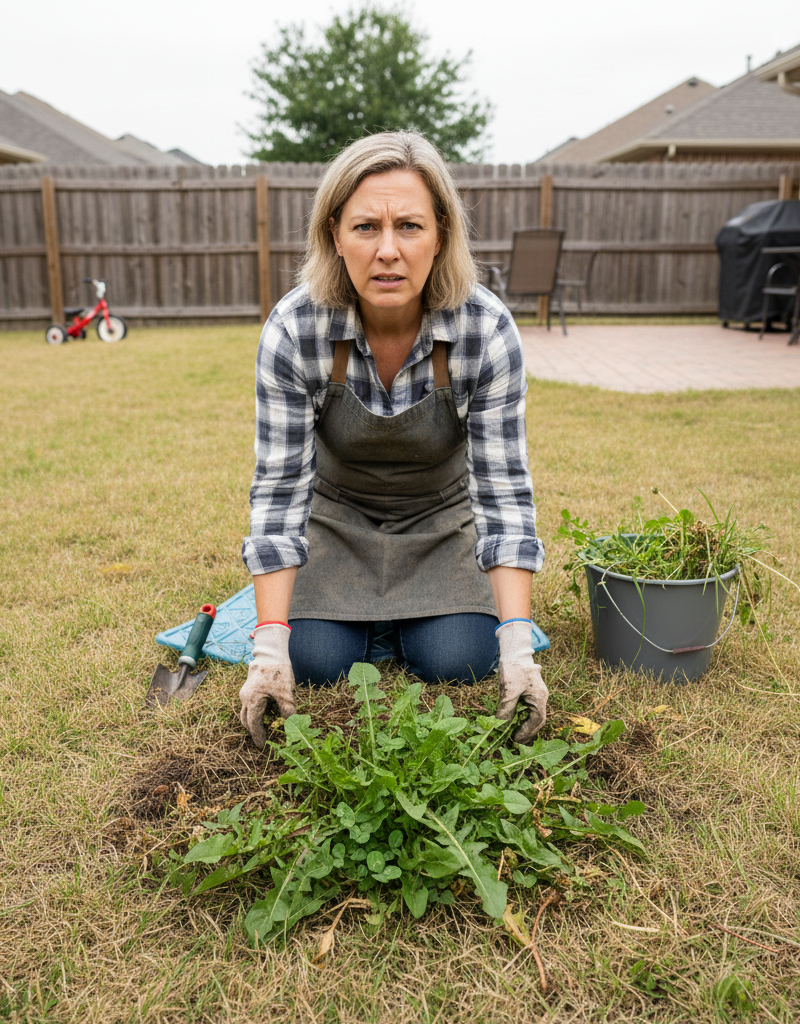
- Disposal: Do not compost weeds that have gone to seed or those with aggressive root systems (like bindweed or quackgrass), as they can survive and spread in your compost pile. Bag them and send them to municipal waste.
4. Solarization or Sheet Mulching – Nuclear Options for Tough Areas
- For severely overgrown areas, these methods offer a reset button. – They are labor-intensive but highly effective for large patches of stubborn weeds.
- Solarization: After clearing the area of debris, thoroughly water the soil. Cover the entire area with clear, heavy-gauge (4-6 mil) plastic sheeting, securing the edges tightly to the ground with rocks, soil, or stakes. The sun will heat the soil beneath the plastic to temperatures lethal to weed seeds and existing plants. Leave in place for 4-8 weeks during the hottest part of summer. This also kills many soilborne pathogens.
- Sheet mulching (Lasagna Gardening): As described in the mulching step, this involves layering cardboard, compost, and mulch directly over a weedy area. It's slower than solarization but improves soil structure as it smothers weeds.
5. Edging and Pre-emergent Filters – Containment Strategies
- Preventing new weed seeds from entering your beds is vital. – These methods establish barriers.
- Edging: Install physical barriers, such as metal, plastic, or concrete edging, around garden beds to prevent lawn grasses and creeping perennial weeds from invading.
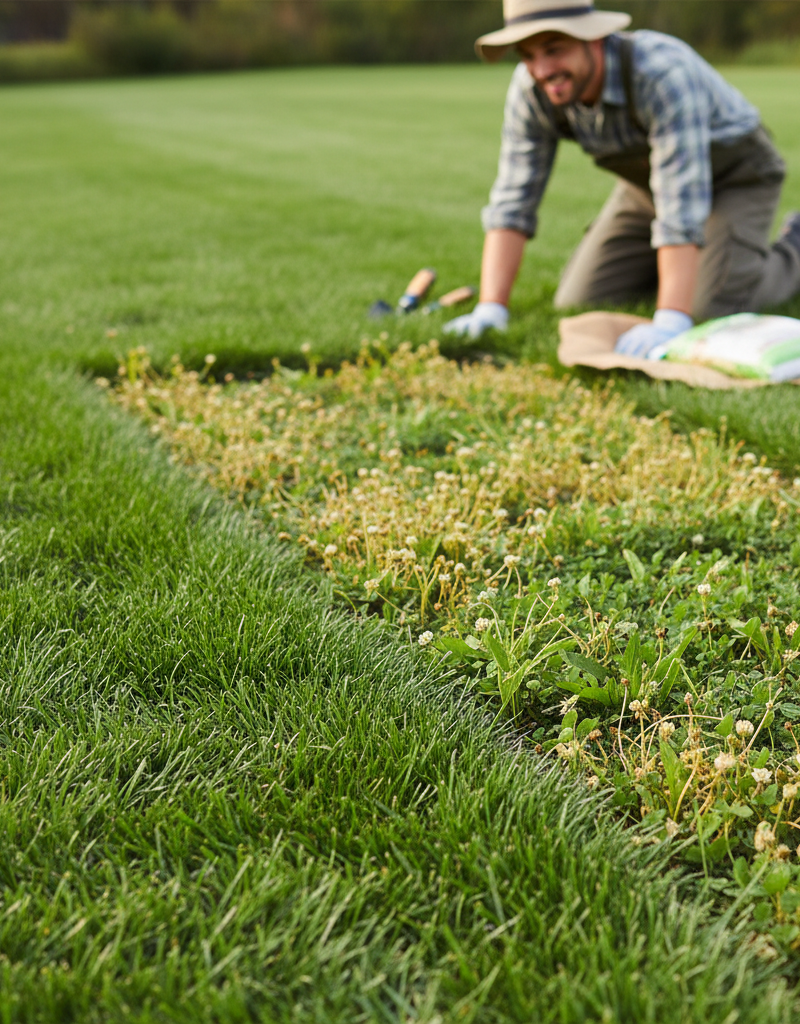
- Pre-emergents (Optional & Cautious): For established beds, a granular pre-emergent herbicide can prevent weed seeds from germinating. Do not use where you intend to sow desirable seeds. Apply strictly according to package directions in early spring before desired plants emerge. This isn't a permanent solution but can significantly reduce annual weed pressure. Read labels carefully; some pre-emergents can harm desirable plants.
6. Healthy Soil, Healthy Plants – Outcompete the Weeds
- Strong, dense plantings naturally suppress weeds. – Weeds exploit bare soil and weak plant communities.
- Soil Amendment: Regularly incorporate organic matter (compost, well-rotted manure) to improve soil structure, drainage, and fertility. Healthy soil promotes vigorous growth of your desired plants, allowing them to outcompete weeds for resources.
- Smart Planting: Choose plants appropriate for your climate and soil conditions. Plant them at their recommended spacing, aiming for a dense canopy that shades the soil once mature. Consider groundcovers in areas where bare soil is problematic.
- Watering: Deep, infrequent watering encourages deeper root growth in your desirable plants, making them more resilient to drought and reducing surface moisture that often prompts weed seed germination.
Common Causes
- Exposed Soil: Bare soil is an open invitation for weed seeds to germinate. Nature abhors a vacuum, and weeds are quick to colonize any open space, especially when exposed to sunlight.
- Improper Mulching: Applying too thin a layer of mulch (less than 3 inches) allows sunlight to penetrate, encouraging weed seeds to sprout. Using highly degradable mulches that break down too quickly also contributes to this problem.
- Leaving Weeds to Go to Seed: Allowing even a few weeds to mature and release thousands of seeds ensures a continuous supply of new weeds for years to come. One year's seeding is seven years' weeding, as the old adage goes.
- Bringing in Contaminated Soil/Compost: Uncertified soil or compost can be laden with weed seeds, inadvertently introducing new weed problems to your garden.
- Disturbing the Soil Too Much: Tilling or aggressive digging brings dormant weed seeds to the soil surface, exposing them to light and moisture and triggering germination.
- Poorly Chosen Plants: Weak or stressed desirable plants due to improper species selection, inadequate watering, or nutrient deficiencies cannot effectively compete with aggressive weeds.
Common Mistakes
- Weeding After Weeds Have Seeded: This is perhaps the biggest mistake. Once a weed has produced seeds, you've lost the battle for that particular plant, and you've just replenished the seed bank for future years. Always weed before seed set.
- Thin Layer of Mulch: A skimpy layer of mulch (1-2 inches) is largely ineffective. It breaks down quickly, doesn't block enough light, and weeds can easily grow through it. Go for a substantial 3-4 inches.
- Not Removing the Entire Root System of Perennials: For weeds like dandelions, thistle, or bindweed, simply breaking off the top growth is a temporary fix. The root will regenerate, often with renewed vigor. You must dig out the entire root.
- Over-Tilling Garden Beds: While tempting, aggressive tilling can bring millions of dormant weed seeds to the surface, creating an ideal environment for a massive weed eruption. Stick to minimal soil disturbance where possible.
- Watering Broadly Instead of Deeply: Frequent, shallow watering encourages surface-rooting weeds. Deep, infrequent watering promotes healthy, deep root systems for your desirable plants, helping them outcompete weeds for deep soil moisture.
- Ignoring the Borders: Weeds don't respect property lines. Neglecting your garden edges and surrounding areas allows weeds to creep in or for seeds to blow into your beds.
Cost & Time Breakdown
| Task | DIY Cost | Pro Cost | Time |
|---|---|---|---|
| Mulch Application (materials) | $50–$300 | $300–$800 | 2–4 hours |
| Hand Weeding (tools) | $20–$50 | $75–$150/hour | Ongoing (30 mins/week) |
| Solarization (plastic) | $20–$50 | N/A | 4–8 weeks prep |
| Cardboard for Sheet Mulching | $0–$20 | N/A | 1–2 hours |
| Soil Amendments (compost) | $30–$100 | $100–$300 | 1–2 hours/year |
| Edging (materials) | $50–$200 | $200–$600 | 3–6 hours |
Tips & Prevention
- Maintain Mulch Depth: Routinely check your mulch depth, especially in spring and fall. Top up to a consistent 3-4 inches as it decomposes. This is your primary defense.
- Weed When Young and Small: The easiest time to remove a weed is when it's just a seedling. Make quick weeding rounds a regular part of your gardening routine (e.g., 10 minutes every day or two).
- Plant Densely: Minimize bare soil by planting desirable plants closer together (within their mature size recommendations) or by using appropriate groundcovers. A full canopy shades the soil and suppresses weed seed germination.
- Use Weed Barriers (Cardboard/Newspaper): Before applying mulch to new beds or problematic areas, lay down a layer of wet cardboard or 5-6 layers of wet newspaper. This provides an excellent, biodegradable light barrier.
- Clean Tools: After weeding a heavily infested area, clean your tools to prevent transferring weed seeds or root fragments to other parts of your garden.
- Inspect New Plants: Before introducing new plants to your garden, inspect their root balls and surrounding soil for any hitchhiking weed seeds or perennial weed fragments.
When to Call a Professional
While many weed control strategies are DIY-friendly, consider calling a professional landscaper or garden service for several reasons. If you have a severe infestation of aggressive perennial weeds like Japanese knotweed, equisetum (horsetail), or certain types of ivy that are difficult to eradicate with manual methods, a pro might have access to specialized tools or targeted treatments. Similarly, if you're dealing with very large areas that require extensive clearing, solarization, or sheet mulching, but you lack the time or physical ability, a professional can complete the work efficiently. They can also provide expert advice on advanced soil remediation, plant selection for optimal weed suppression, and long-term garden maintenance plans to keep weeds at bay. For widespread lawn weed issues, a professional lawn care service can implement integrated pest management strategies that balance weed control with turf health, ensuring a beautiful, sustainable solution.
Related Articles
Keep troubleshooting with these hand-picked guides from FixlyGuide:
- The Eternal Weed Battle: Why They Always Come Back (And How to Actually Win) — Stop the cycle of endless weeding by understanding why weeds persist and how to implement long-term control strategies.
- The #1 Mistake Killing Your Lawn's Crabgrass Battle (and 3 Natural Fixes) — Discover the common oversight sabotaging your crabgrass removal efforts and learn three effective, natural methods to reclaim your lawn.
- The #1 Mistake Killing Your Garden: Why Weeds Keep Coming Back (And How to Stop Them) — Discover the secret to permanently removing weeds from your garden by understanding their root causes and implementing sustainable solution…
- The #1 Mistake Homeowners Make When Fighting Dandelions (And The Weeds Still Win) — Learn the surprising reason dandelions continue to plague your lawn and the effective, long-term strategies to reclaim your turf without en…
- The #1 Crabgrass Mistake Killing Your Lawn (And 3 Natural Fixes) — Discover how common crabgrass removal mistakes undermine your lawn's health and learn three natural, effective methods to eradicate crabgra…
- The Hidden Reason Your Circuit Breaker Keeps Tripping (It's Not Always an Overload) — Discover the often-overlooked electrical issues that cause circuit breakers to trip repeatedly, and how to accurately diagnose and fix them.
Should you do this yourself?
Answer five quick questions before you start. Safety outranks savings every time.
Your experience with work like this
How high do you have to work?
Does the job involve any of these?
Will it need a permit?
Specialty tools
Free and instant. Educational guidance only — not a quote, inspection, or professional diagnosis.
Estimate your own project cost
National averages are a starting point. Enter your details for a range that fits your house.
Mulch & topsoil calculator
- Material cost (delivery extra)$45 – $90
Bulk delivery typically adds $50–$150 per trip but is cheaper than bagged for jobs over ~2 cu yd.
Educational estimate only — always confirm with written local bids.
What should this project cost?
Enter your project details for a realistic cost range before you call anyone.
Cost depends heavily on which system turns out to be the source.
- Regional adjustment
- National average
- Labor share (typical)
- ~$1,620
- Quotes to collect
- 3 written estimates
Educational estimate based on national averages — not a binding quote. Always confirm with written local estimates.
Before you start
Check the difficulty, permits, and safety risk — then decide whether to call a pro.
Free, no signup required. Estimates are educational guidance, not a quote or an inspection.
Frequently asked questions
How do I permanently get rid of weeds?+
Permanent weed removal involves a multi-pronged approach: correctly applying thick layers of mulch to smother existing weeds and prevent germination, diligent hand-weeding before weeds go to seed, depleting the soil's weed seed bank, and establishing healthy, dense desired plants to outcompete any newcomers. Consistency is key.
What is the best natural weed killer?+
For natural, non-toxic weed control, the best methods are mechanical and cultural: hand-pulling, hoeing, and smothering with thick layers of organic mulch or cardboard. While some natural sprays (like vinegar or boiling water) can kill top growth, they don't address the roots of perennial weeds or the vast seed bank in the soil for long-term control.
How deep should mulch be to stop weeds?+
For effective weed suppression, organic mulch (like wood chips or shredded bark) should be applied to a depth of 3-4 inches (7.5-10 cm). Anything less may allow sunlight to penetrate, encouraging weed seeds to germinate and grow through.
Discussion
Loading comments…