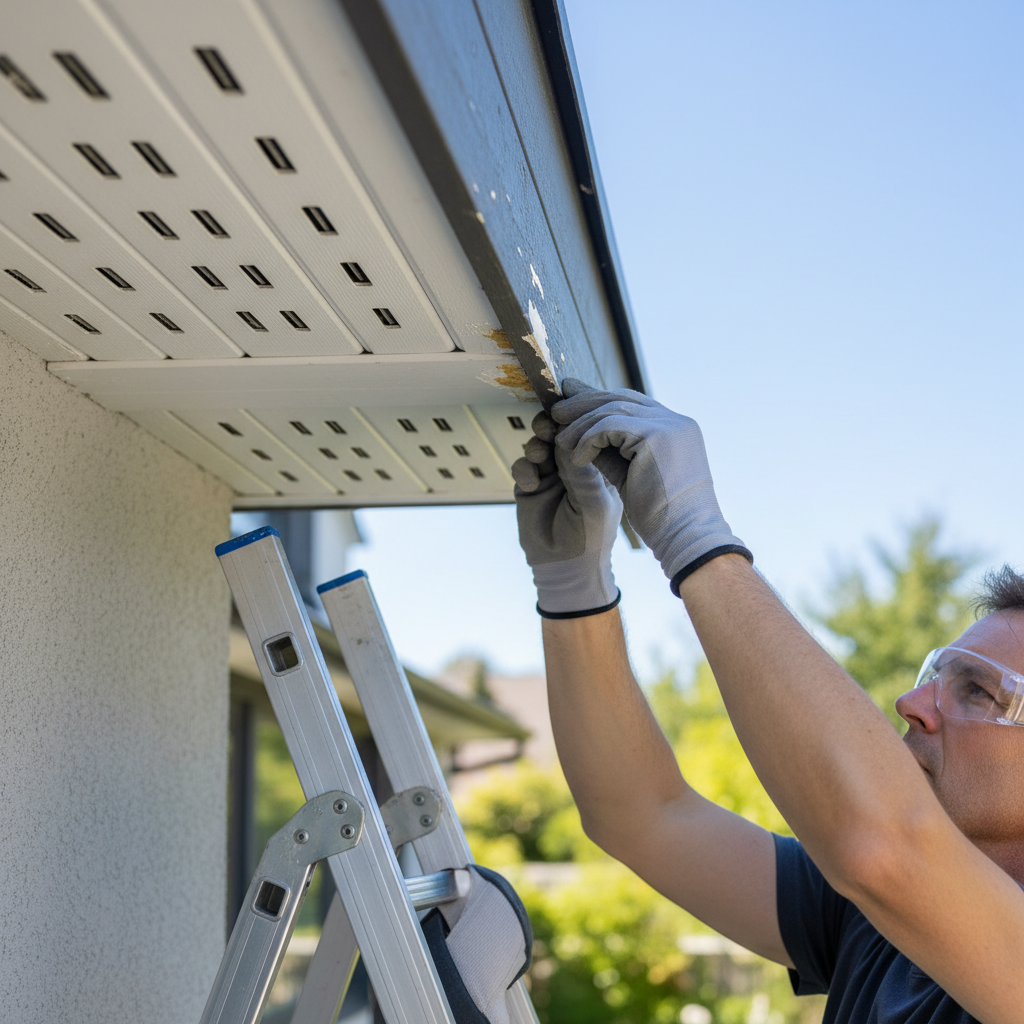
- Patch Small Holes/Cracks (Wood/Vinyl):
- Wood: For small holes or cracks, apply exterior-grade wood filler with a putty knife. Overfill slightly, then smooth flush with the surrounding surface. Let it dry completely according to manufacturer's instructions, then sand smooth.
- Vinyl: For small punctures or cracks in vinyl, use a quality exterior caulk or vinyl repair patch kit. Ensure the area is clean and dry before application. Smooth the caulk with a wet finger or tool.
- Repair Larger Rotted Wood Sections:
- Cut Out Damaged Wood: Using a utility knife or oscillating tool, carefully cut out the rotted section of wood, creating a clean, straight edge. Ensure you remove all soft or discolored wood.
General remodeling · Renovation planning
| Project category | General remodeling |
|---|---|
| Problem type | Renovation planning |
| Trade required | General contracting |
| Urgency | Planned project |
| Safety risk | Low safety risk |
| DIY suitability | Pro recommended |
| Cost category | Major investment |
| Typical timeline | Design and permitting often 2–4 months before work starts |
| Contractor type | General contractor |
Repair option
Phase the work and fix the building envelope first.
Replacement option
Full renovation with permits, design, and a general contractor.
Common causes
- Space no longer fits how the household lives
- Resale preparation
- Deferred maintenance stacking up
Relevant tools:project cost estimatorcompare quoteshome improvement material prices
Published April 23, 2026Last updated August 17, 2026
Tools & materials you'll need
Affiliate linksAs an Amazon Associate FixlyGuide earns from qualifying purchases — at no extra cost to you. Prices and availability are accurate as of publication and subject to change.
Quick Answer
Damaged soffit and fascia compromise your home's protection against weather, pests, and poor attic ventilation. Regular inspection for peeling paint, soft spots, sagging, or pest activity is crucial. Homeowners can often address minor damage such as small holes, cracks, or localized rot with patching compounds, sealants, or by replacing small sections of material. Larger or widespread damage often warrants professional help to ensure structural integrity and proper repair.
The Problem
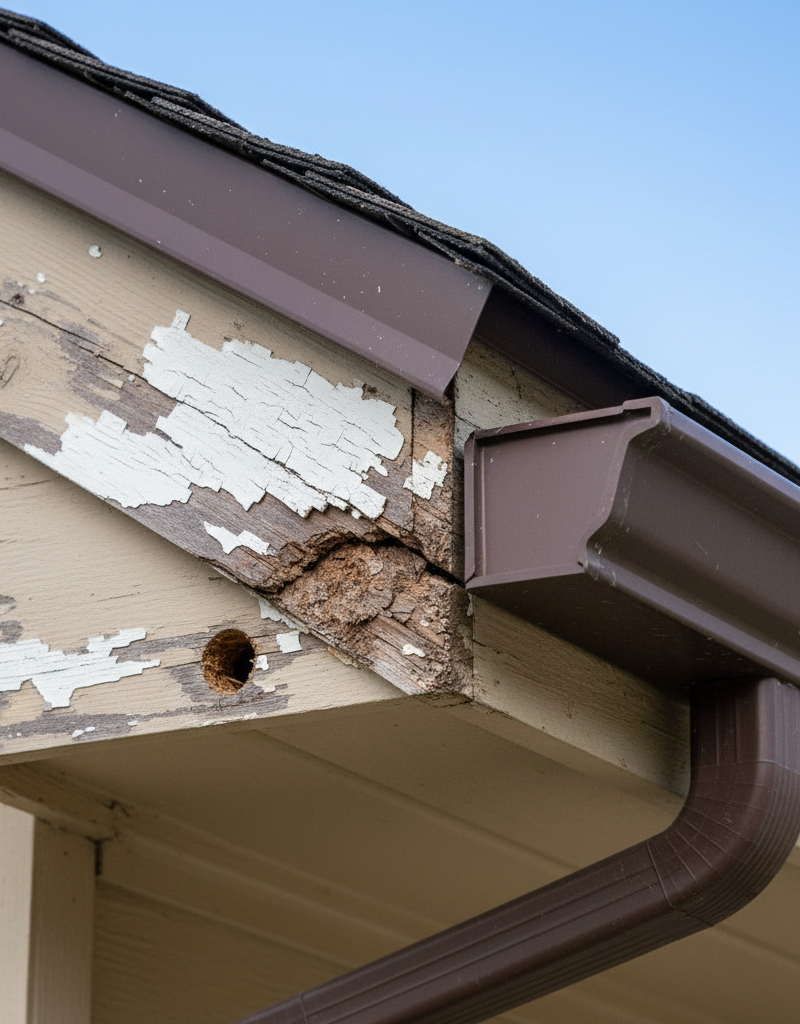
Soffit and fascia are critical components of your roofline, playing a vital role in protecting your home. The fascia is the board mounted directly to the lower ends of your roof rafters, supporting your gutters and giving your roof edge a finished look. The soffit is the material that closes the gap between the end of the eaves and the side of your house, providing attic ventilation and preventing pests from entering. When these components are damaged, your home becomes vulnerable to water penetration, which can lead to rotten rafter ends, attic mold, and compromised insulation. Pests, such as birds, rodents, and insects, can also exploit openings, creating further damage and potential health hazards inside your home. Neglecting these issues can result in costly repairs down the line.
Step-by-Step Fix
This guide focuses on repairing small areas of rot or holes in wood or vinyl soffit and fascia.
Safety Note: Always use a stable ladder and have someone spot you when working at heights. Wear appropriate safety glasses and gloves.
- Assess the Damage: Carefully inspect the affected area. Determine if the damage is superficial (peeling paint, small crack) or more extensive (soft, spongy wood, large holes). If the damage is widespread or structural, consider calling a professional.
- Clean the Area: For minor damage, clean the area thoroughly. Scrape away any loose paint, rot, or debris with a wire brush or scraper. If dealing with wood rot, use a wood hardener on the affected area as per product instructions to solidify the wood before patching.
- Patch Small Holes/Cracks (Wood/Vinyl):
- Wood: For small holes or cracks, apply exterior-grade wood filler with a putty knife. Overfill slightly, then smooth flush with the surrounding surface. Let it dry completely according to manufacturer's instructions, then sand smooth.
- Vinyl: For small punctures or cracks in vinyl, use a quality exterior caulk or vinyl repair patch kit. Ensure the area is clean and dry before application. Smooth the caulk with a wet finger or tool.
- Repair Larger Rotted Wood Sections:
- Cut Out Damaged Wood: Using a utility knife or oscillating tool, carefully cut out the rotted section of wood, creating a clean, straight edge. Ensure you remove all soft or discolored wood.
- Install a New Piece: Cut a new piece of exterior-grade wood (matching the original thickness) to fit snugly into the opening. Apply exterior wood glue to the edges of the opening and the new piece. Secure the new piece with exterior screws, countersinking the heads. Fill any gaps or screw holes with wood filler, then sand smooth after drying.
- Seal and Paint (Wood): Once repairs are dry and sanded, prime the repaired areas with an exterior primer. Then, paint to match the existing soffit or fascia. Use exterior-grade paint for durability.
Common Causes
- Water Exposure: The most common culprit. Leaky gutters, ice dams, or inadequate drip edges allow water to pool or repeatedly splash on soffit and fascia, leading to rot and deterioration.
- Poor Ventilation: Insufficient attic ventilation can lead to trapped moisture and heat, which, over time, can cause wood to warp, crack, and become susceptible to rot from the inside out.
- Pest Infestations: Birds, squirrels, raccoons, and insects (like wasps or carpenter bees) can chew through or nest in soffit and fascia, creating openings and accelerating damage.
- Lack of Maintenance: Skipping regular cleaning and inspections allows small issues, like peeling paint or minor cracks, to escalate into significant damage.
- Improper Installation: If soffit or fascia were not installed correctly, they might not shed water effectively or may be more prone to structural issues over time.
Tips & Prevention
- Regular Inspections: Twice a year (spring and fall), walk around your house with binoculars, looking for any signs of damage: peeling paint, discolored wood, sagging sections, or visible holes. Pay close attention after heavy storms.
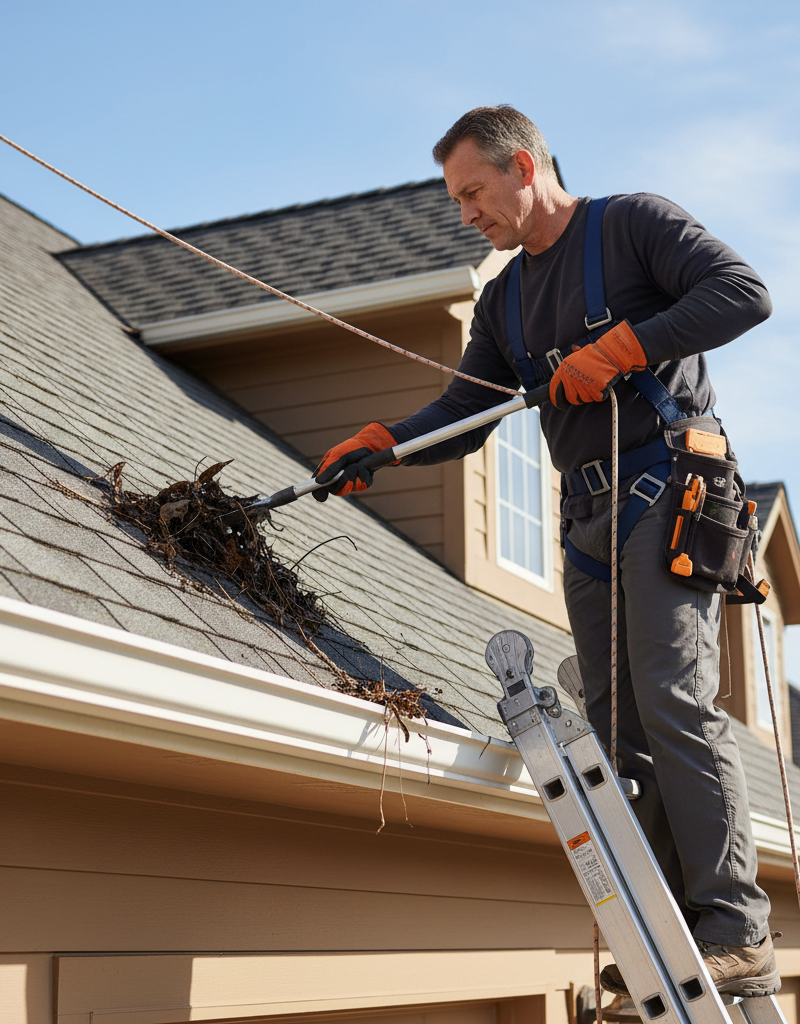
- Maintain Gutters: Keep gutters clean and free of debris to ensure proper water flow away from the fascia. Ensure downspouts direct water at least 5-10 feet away from your foundation.
- Address Leaks Promptly: Fix roof leaks and overflowing gutters immediately to prevent water from constantly saturating your soffit and fascia.
- Trim Trees: Trim branches that hang over your roofline to prevent them from rubbing against the fascia, scratching paint, or depositing leaves and debris into gutters.
- Ensure Proper Ventilation: Make sure your attic has adequate intake (soffit) and exhaust (ridge/gable) ventilation to prevent moisture buildup and heat, which can damage roofing components.
- Seal Entry Points: Use caulk and mesh to seal any small gaps or holes you find before pests can enlarge them.
When to Call a Professional
If you discover extensive rot, structural damage, active pest infestations that are difficult to remove, or if the damage is in areas that are difficult or unsafe to reach, it's time to call a licensed contractor. Professionals have the experience and equipment to safely and effectively address these more complex issues, ensuring the long-term integrity of your roofline.
Related Articles
Keep troubleshooting with these hand-picked guides from FixlyGuide:
- One Shower, No Hot Water? The Hidden Mixing Valve Trick Plumbers Use — Discover why only one shower in your home might lack hot water and the simple internal fix for a common mixing valve issue, saving you a pl…
- The 7 Fall Chores Most Homeowners SKIP (And Why They'll Cost You Thousands) — Don't let autumn's beauty distract you from these critical home maintenance tasks that can prevent costly damage and ensure a cozy winter.
- That melting ice could cost you $20,000 in water damage — Safely removing ice dams protects your roof and prevents costly water damage to your home.
- Your shower sucks? 3 hidden culprits explained. — Low water pressure throughout your house often points to a few common culprits, from a partially closed main shut-off valve to issues with…
- Your Windows Are Crying? The Hidden Cause of Condensation — Window condensation isn't just a harmless annoyance; it's a clear signal that your home's indoor humidity is too high, potentially leading…
- Prevent Roof Damage: Gutter Cleaning & Maintenance for Homeowners — Clogged and neglected gutters can lead to significant roof damage, but regular cleaning and maintenance can prevent costly repairs and prot…
Should you do this yourself?
Answer five quick questions before you start. Safety outranks savings every time.
Your experience with work like this
How high do you have to work?
Does the job involve any of these?
Will it need a permit?
Specialty tools
Free and instant. Educational guidance only — not a quote, inspection, or professional diagnosis.
Questions to ask before you sign
Ask every contractor the same questions and the cheapest bid stops looking cheapest. Check them off as you go — your progress is saved on this device.
Free, no signup. Bring this to every walkthrough so you compare bids on the same terms.
What should this project cost?
Enter your project details for a realistic cost range before you call anyone.
Spot repairs commonly run $400–$1,800; full replacement typically $9,000–$18,000 for an average home.
- Regional adjustment
- National average
- Labor share (typical)
- ~$2,948
- Quotes to collect
- 3 written estimates
Educational estimate based on national averages — not a binding quote. Always confirm with written local estimates.
Fixly Project Decision Box
- DIY difficulty
- Professional Recommended
- Estimated time
- Inspection 1–2 hours · repairs 1–3 days
- Cost level
- High
Main tools / materials
- Binoculars for a ground-level look
- Flashlight for attic checks
- Moisture meter
- Roofing cement (temporary patch only)
When to stop and call a pro
- Active leak near lights, fans, or any wiring
- Sagging, bulging, or water-filled ceiling
- Steep, wet, or two-story roof — do not climb it
- Storm or hail damage you plan to claim on insurance
Need professional help?
Free roof assessment first — no phone calls until you ask for them.
Get Local Roofing HelpGet help with your roof now
Stay off the roof. These free tools help you protect the house and reach the right professional fast.
- Emergency repair checklistThe first steps that limit damage before a pro arrives.Open
- Repair or replace your roof?Answer 10 questions about age, leaks, and damage to get a clear next step.Open
- Get local estimatesSend one request and compare written estimates from vetted pros.Open
Free, no signup required. Estimates are educational guidance, not a quote or an inspection.
Get the print-ready PDF of this guide
A clean, ad-free, printable version you can keep on your phone or pin to the workshop wall. Free with a FixlyGuide account.
- Print-optimized layout
- Tools, materials & every step included
- Saved to your account
Recommended for DIYers & woodworkers
Sponsored
The Top 20 Tools for Workshops of Any Budget
No stationary machines or power tools required — plus 3 fundamental tools that can't be bought at any price.
Get the free guide
Ted's Woodworking — The #1 Woodworking Resource
Detailed instructions, dimensioned drawings, materials & cutting lists, and 3D schematics for every skill level.
See the plansSponsored: links above are affiliate links. FixlyGuide may earn a commission on qualifying purchases — at no extra cost to you.
Frequently asked questions
What is the difference between soffit and fascia?+
The fascia is the horizontal board that runs along the edge of your roof and supports the gutters. The soffit is the underside of the eave, bridging the gap between the house wall and the fascia board, often providing attic ventilation.
How can I tell if my soffit or fascia is damaged?+
Look for peeling paint, discoloration, soft or crumbling wood, visible holes, sagging sections, or signs of pest entry like nests or chew marks. Inspect after heavy rain or storms for signs of water damage.
Can I repair soffit and fascia myself?+
Minor damage such as small holes, cracks, or localized rot in accessible areas can often be repaired by a homeowner using wood filler, caulk, or by replacing small sections. Extensive or structural damage should be handled by a professional.
What causes soffit and fascia damage?+
The most common causes are water exposure from leaky gutters or roof issues, pest infestations, inadequate attic ventilation, and general wear and tear due to lack of maintenance.
How often should I inspect my soffit and fascia?+
It is recommended to inspect your soffit and fascia at least twice a year, in the spring and fall, and after any severe weather events.
Discussion
Loading comments…