- Spin Cycle: The final stage involves the drum spinning at very high speeds, using centrifugal force to extract most of the water from the clothes, preparing them for drying.
- Clean the Detergent Dispenser Regularly — Prevent clogs and odors at the source.
- Frequency: Aim for monthly, or more often if you notice residue accumulating quickly.
- Wipe Down the Door Gasket (Front-Loaders) — Eliminate mold and mildew where it starts.
- Carefully pull back the rubber door gasket. You'll likely find trapped water, lint, hair, and slimy residue.
General remodeling · Renovation planning
| Project category | General remodeling |
|---|---|
| Problem type | Renovation planning |
| Trade required | General contracting |
| Urgency | Planned project |
| Safety risk | Low safety risk |
| DIY suitability | Pro recommended |
| Cost category | Major investment |
| Typical timeline | Design and permitting often 2–4 months before work starts |
| Contractor type | General contractor |
Repair option
Phase the work and fix the building envelope first.
Replacement option
Full renovation with permits, design, and a general contractor.
Common causes
- Space no longer fits how the household lives
- Resale preparation
- Deferred maintenance stacking up
Relevant tools:project cost estimatorcompare quoteshome improvement material prices
Published May 20, 2026Last updated August 17, 2026
Tools & materials you'll need
Affiliate linksAs an Amazon Associate FixlyGuide earns from qualifying purchases — at no extra cost to you. Prices and availability are accurate as of publication and subject to change.
Quick Answer
The most common mistake shortening your washing machine's life is neglecting the buildup of detergent, fabric softener, and hard water minerals in the dispenser and internal components. This buildup can lead to mold, mildew, clogs, and reduced efficiency, ultimately leading to costly repairs or premature replacement. A surprisingly simple 5-minute monthly cleaning routine for the dispenser and a quarterly deep clean can prevent these issues and significantly extend your machine's lifespan and ensure your clothes come out truly clean.
The Problem
You likely use your washing machine several times a week, expecting clean clothes with every load. However, over time, a hidden enemy is at work: the insidious buildup of laundry residues. This isn't just about leftover suds; it’s a sticky concoction of undissolved detergent, fabric softener, mineral deposits from hard water, and even tiny fibers from your clothes. This gunk accumulates in several critical areas: the detergent dispenser, the rubber door gasket (especially in front-loaders), the drum itself, and, most critically, the internal hoses and pump filter.
This seemingly harmless buildup creates a perfect breeding ground for mold and mildew, leading to that unpleasant musty odor that can transfer to your 'clean' laundry. More than just a smell, these residues can clog hoses, restrict water flow, and impede the proper dispensing of laundry products. When detergent can't dispense correctly, your clothes aren't cleaned effectively, leading to over-sudsing or residue on fabrics. When the drain pump filter gets clogged, the machine struggles to drain, putting strain on the motor and potentially causing overflows or error codes. In front-loaders, gunk in the door gasket can lead to leaks and bacterial growth. Ignoring these signs inevitably accelerates wear and tear on components like the pump, motor, and seals, leading to reduced efficiency, poor cleaning performance, and ultimately, premature and expensive breakdowns. Many homeowners only address these issues when a problem becomes severe, instead of proactive prevention.
How It Works
Understanding how your washing machine operates illuminates why residue buildup is such a critical issue. At its core, a washing machine has a simple job: to agitate clothes in soapy water and then rinse and spin them dry. Let's break down the key systems involved:
-
Water Inlet System: Water enters the machine through inlet hoses, passing through a common dispenser compartment where detergent, fabric softener, and bleach are added at specific points in the cycle. This dispenser often has small nozzles or jets designed to flush the products into the drum.
-
Washing Drum & Agitation: The drum (or tub) holds the clothes and water. In top-loaders, an agitator (a central post) or an impeller (a low-profile disc) rotates to create friction and move clothes through the water. Front-loaders use the drum's tumbling action and gravity to achieve agitation. During this phase, detergent breaks down dirt and oils, suspending them in the water.
-
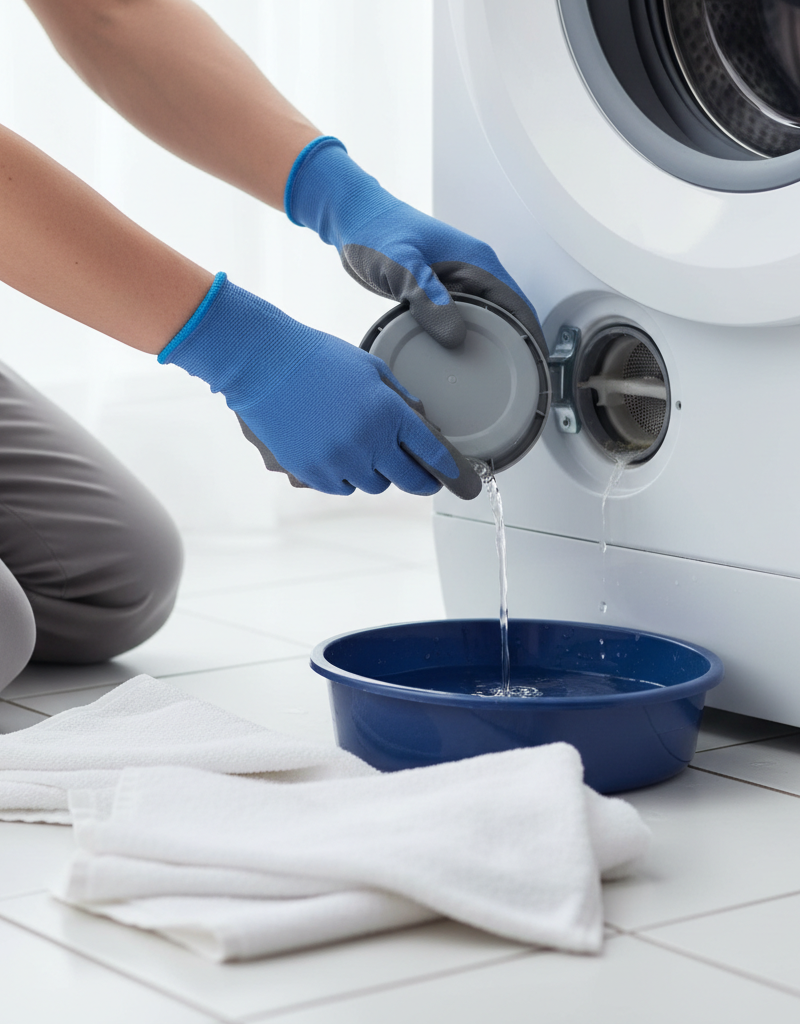
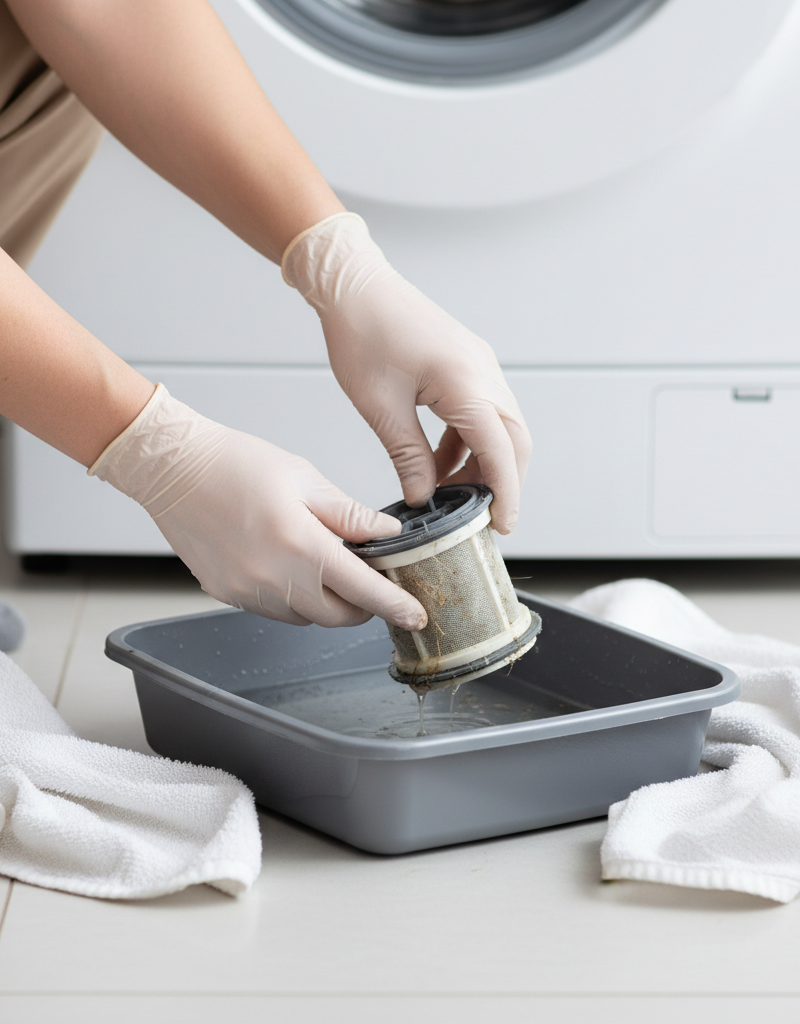
Drainage System: After washing and rinsing, the soiled water needs to be expelled. This is done by the drain pump, a motorized component that pushes water out of the machine through the drain hose and into your standpipe or utility sink. Before reaching the pump, the water often passes through a small filter designed to catch lint, coins, and other small objects, preventing them from damaging the pump.
-
Spin Cycle: The final stage involves the drum spinning at very high speeds, using centrifugal force to extract most of the water from the clothes, preparing them for drying.
The issues arise in several of these stages due to buildup. When the dispenser gets gunked up, detergent isn't fully flushed, leading to residues in the drum or on clothes. The moist, dark environment of the drum and especially the door gasket in front-loaders, combined with detergent residue, creates an ideal breeding ground for mold and mildew. This explains the musty smell. More critically, if the drain pump filter clogs with lint, hair, or small objects that bypass the filter, the pump has to work harder or can't drain effectively, leading to prolonged cycle times, error codes, and even pump failure. Over time, mineral deposits from hard water can also build up on heating elements (in machines with internal heaters) and various internal components, reducing their efficiency and lifespan. Regular cleaning directly addresses these vulnerabilities, ensuring each system can perform optimally and preventing early machine demise.
Step-by-Step Fix
Addressing the common causes of washing machine wear and tear, particularly residue buildup, involves a multi-pronged approach focusing on regular dispenser cleaning, gasket maintenance, and internal deep cleaning.
Safety First! — Always unplug your washing machine from the electrical outlet before performing any maintenance, cleaning, or repairs. This prevents accidental startups or electrical shock.
-
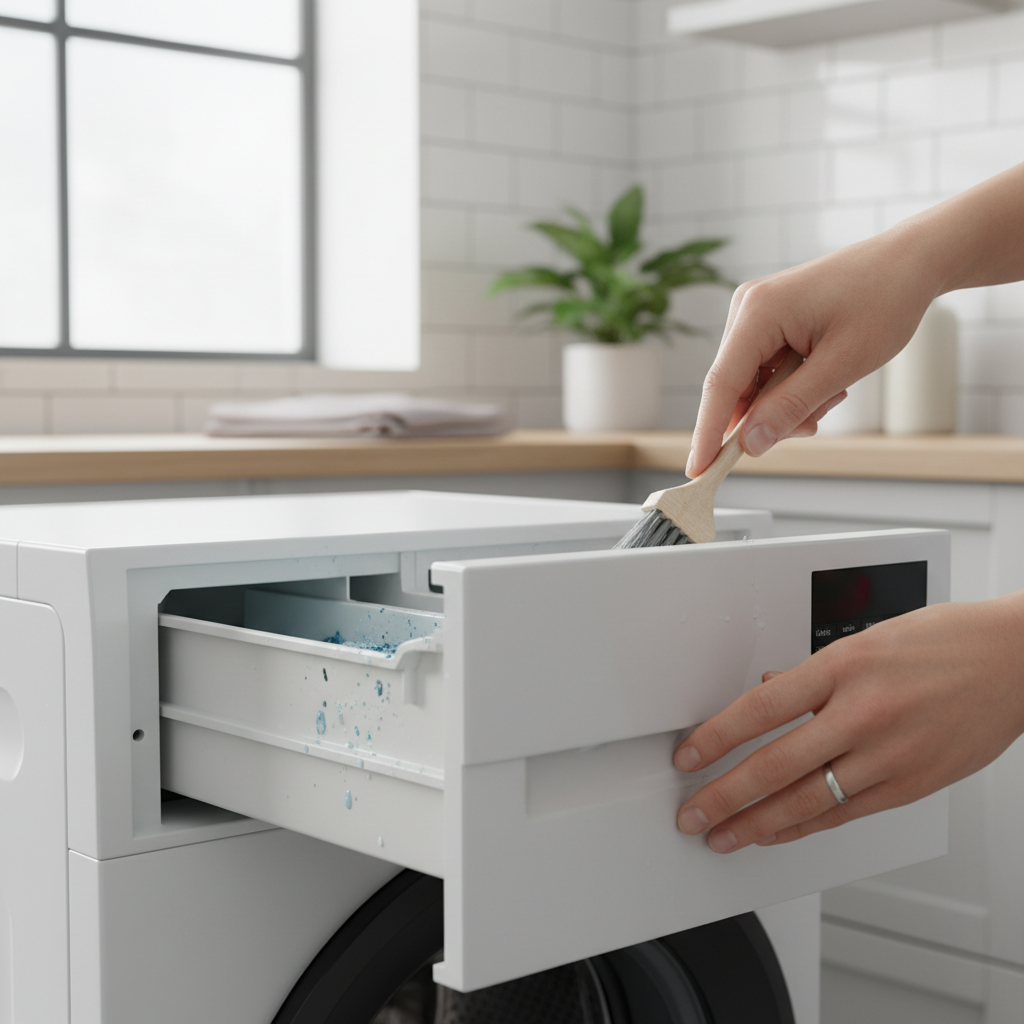
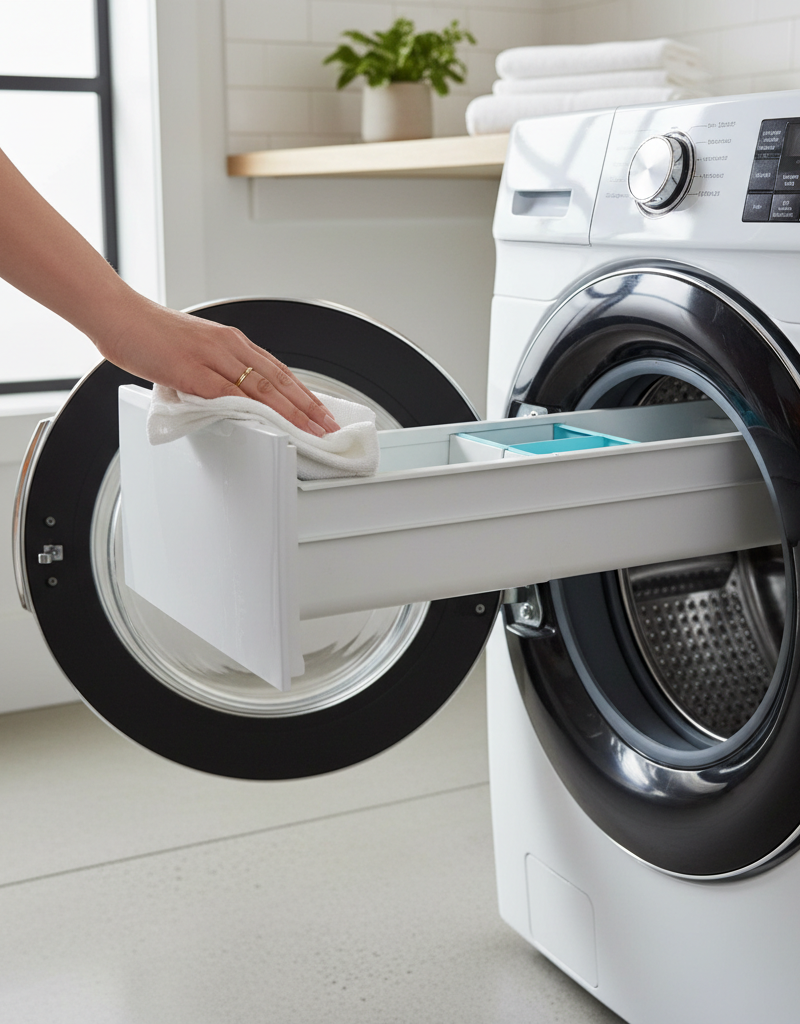
Clean the Detergent Dispenser Regularly — Prevent clogs and odors at the source.
- Top-loaders: If your dispenser is removable, take it out. Wash it thoroughly under hot water with a brush and dish soap to remove all detergent and fabric softener residue. Pay attention to small openings. If not removable, use a toothbrush or small bottle brush to scrub all accessible surfaces. Rinse thoroughly.
- Front-loaders: Many front-loader dispensers slide out completely. Press the tab, pull it out, and disassemble any removable compartments (like the fabric softener cup). Scrub all components with hot soapy water and a brush. Pay close attention to the siphon and any small holes or tubes. Rinse well and allow to air dry before reinserting.
- Frequency: Aim for monthly, or more often if you notice residue accumulating quickly.
-
Wipe Down the Door Gasket (Front-Loaders) — Eliminate mold and mildew where it starts.
- Carefully pull back the rubber door gasket. You'll likely find trapped water, lint, hair, and slimy residue.
- Use a cloth damp with a mixture of equal parts white vinegar and water, or a specialized washing machine cleaner, to wipe down the entire gasket, inside and out. Pay extra attention to the folds and crevices.
- For stubborn mold, you can use a small amount of diluted bleach (1 part bleach to 10 parts water) and a scrub brush, but ensure good ventilation and rinse thoroughly afterward to prevent bleach residue transfer to clothes.
- Pro Tip: After each load, wipe the gasket dry and leave the door slightly ajar for at least an hour to allow air circulation and prevent moisture buildup.
- Frequency: Wipe after every few loads, and deep clean monthly.
-
Run a Tub Cleaning Cycle — Deep clean the internal components.
- Most modern washing machines have a dedicated
Related Articles
Keep troubleshooting with these hand-picked guides from FixlyGuide:
- Is Your Roofline Hiding a $10,000 Secret? 7 Warnings Your Soffit & Fascia Are Failing — Discover the critical signs of soffit and fascia damage that could indicate widespread problems and how to properly address them before the…
- The $30 Trick to Melting Ice Dams (Before They Destroy Your Roof) — Discover how to safely remove ice dams from your roof instantly with common household items, preventing costly damage. Stay safe while tack…
- The 4 Hidden Signs Your Soffit & Fascia Are Failing (And What To Do) — Spotting early signs of soffit and fascia damage can prevent costly repairs and protect your home's structure from water and pest intrusion.
- The 3 Washing Machine Mistakes That Cost You Hundreds (And How to Fix Them Forever) — Avoid costly repairs and premature replacement by learning three common washing machine mistakes and how to fix them for good.
- The #1 Mistake Homeowners Make with Ice Dams (and How to Fix It SAFELY) — Most homeowners approach ice dam removal incorrectly, creating more damage or safety risks. Learn the right, safe methods to protect your r…
- The Secret Culprit Behind Your Leaky Washer (It's Not Always the Hose!) — Discover the often-overlooked parts causing your washing machine to leak from the bottom and follow our guide to fix it yourself.
Your seasonal maintenance checklist
The small jobs that prevent the expensive repairs. Tick them off — progress saves on this device.
Free, no signup. Skip anything that requires roof access or working near live electrical.
What should this project cost?
Enter your project details for a realistic cost range before you call anyone.
Common repairs run $150–$650; repipes and water-heater replacements reach $1,500–$4,500.
- Regional adjustment
- National average
- Labor share (typical)
- ~$754
- Quotes to collect
- 3 written estimates
Educational estimate based on national averages — not a binding quote. Always confirm with written local estimates.
Fixly Project Decision Box
- DIY difficulty
- Moderate
- Estimated time
- 30 minutes – half a day
- Cost level
- Moderate
Main tools / materials
- Adjustable wrench
- Plunger or drain auger
- Bucket and towels
- Thread tape
When to stop and call a pro
- Water you cannot shut off at the fixture or main
- Sewage backing up into more than one fixture
- Water near electrical panels or outlets
- Gas water heater work beyond relighting a pilot
Need professional help?
Get a Licensed PlumberStay ahead of the next repair
Turn this guide into a schedule you will actually follow.
- Is this a safe DIY job?Check permits, tools, and risk before you start the steps below.Open
- Estimate this projectGet a cost range for your scope and ZIP before you call anyone.Open
Free, no signup required. Estimates are educational guidance, not a quote or an inspection.
Get the print-ready PDF of this guide
A clean, ad-free, printable version you can keep on your phone or pin to the workshop wall. Free with a FixlyGuide account.
- Print-optimized layout
- Tools, materials & every step included
- Saved to your account
Recommended for DIYers & woodworkers
Sponsored
The Top 20 Tools for Workshops of Any Budget
No stationary machines or power tools required — plus 3 fundamental tools that can't be bought at any price.
Get the free guide
Ted's Woodworking — The #1 Woodworking Resource
Detailed instructions, dimensioned drawings, materials & cutting lists, and 3D schematics for every skill level.
See the plansSponsored: links above are affiliate links. FixlyGuide may earn a commission on qualifying purchases — at no extra cost to you.
Frequently asked questions
How often should I clean my washing machine?+
You should clean your washing machine's detergent dispenser and door gasket monthly. A deep internal cleaning cycle (with a cleaner or vinegar/baking soda) should be done every 1-3 months, depending on usage and water hardness.
Why does my front-loader smell musty?+
A musty smell in front-loaders is almost always due to mold and mildew buildup in the rubber door gasket and drum caused by trapped moisture and detergent residue. Regularly wiping the gasket dry and leaving the door ajar after use is crucial, along with monthly deep cleaning.
Can I use bleach to clean my washing machine?+
Yes, for the drum and gasket (diluted). To clean the drum, you can run an empty hot water cycle with 1 cup of bleach. For the gasket, use a solution of 1 part bleach to 10 parts water for stubborn mold, ensuring good ventilation and thorough rinsing. Never mix bleach with vinegar as it creates toxic gas.
What happens if I don't clean the drain pump filter?+
If you don't clean the drain pump filter, it will accumulate lint, hair, and small objects, leading to clogs. This can cause the machine to drain slowly, not drain at all, display error codes, or put excessive strain on the drain pump motor, potentially leading to its failure and expensive repairs.
How can I prevent detergent residue buildup?+
To prevent detergent residue, always use high-efficiency (HE) detergent in HE machines, measure detergent precisely (use less than you think you need), and avoid overloading the machine. Running an extra rinse cycle for heavily soiled loads can also help.
Discussion
Loading comments…