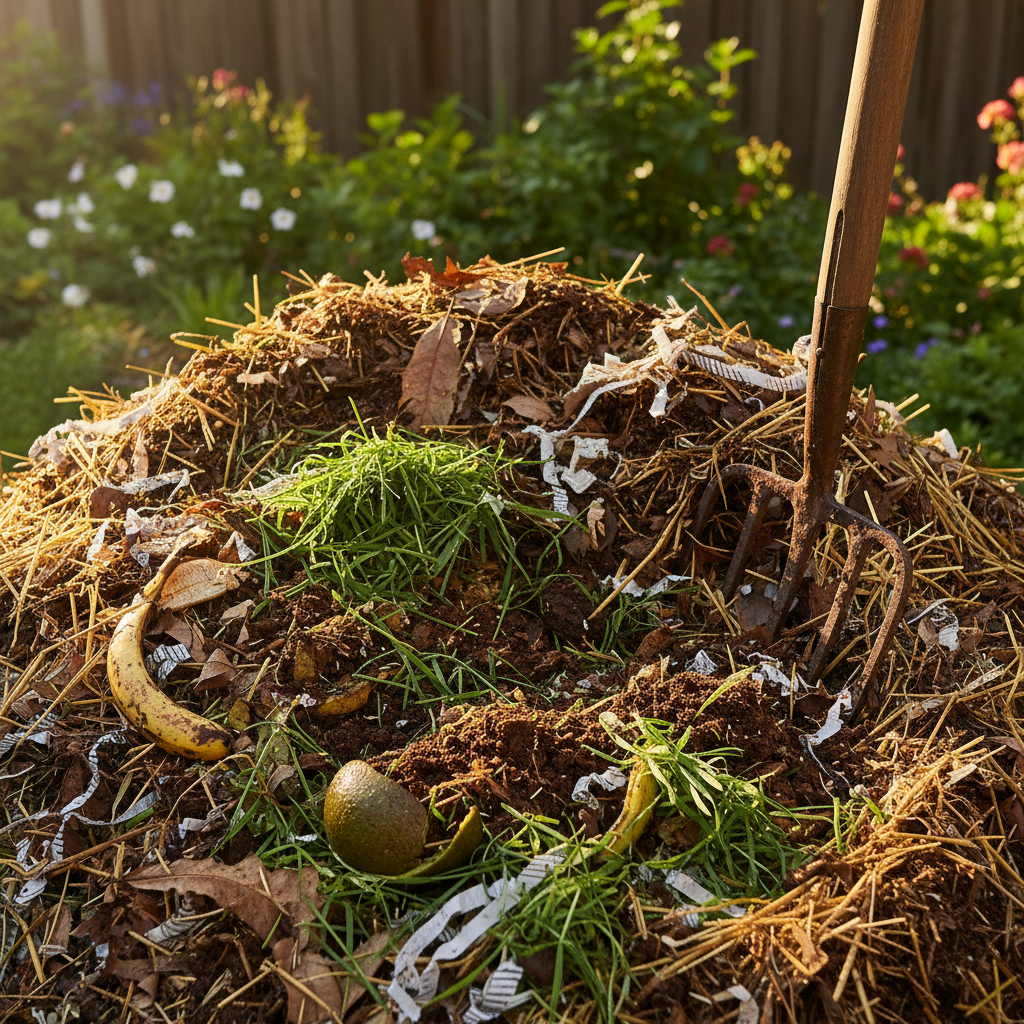
- Incorrect C:N Ratio: This is by far the leading cause of issues. Too much nitrogen leads to a smelly, anaerobic pile; too much carbon leads to a slow, dry pile.
- Lack of Aeration: Insufficient turning means no oxygen, which causes anaerobic bacteria to take over, producing unpleasant odors like ammonia or sulfur.
- Improper Moisture Levels: A pile that is too dry slows down microbial activity. A pile that is too wet displaces oxygen, leading to anaerobic conditions and sliminess.
- Large Particle Size: Unchopped materials mean less surface area for microbes, significantly slowing down decomposition.
- Contaminants: Adding inappropriate items (meat, dairy, oils) attracts pests, creates odors, and can introduce pathogens.
Landscaping · Deck or fence project
| Project category | Landscaping |
|---|---|
| Problem type | Deck or fence project |
| Trade required | Landscaping |
| Urgency | Planned project |
| Safety risk | Moderate safety risk |
| DIY suitability | DIY for experienced homeowners |
| Cost category | High cost |
| Typical timeline | Most builds 3–10 days depending on size |
| Contractor type | Landscaping contractor |
Repair option
Replace failed boards, posts, and hardware; reseal the surface.
Replacement option
Rebuild when framing or the ledger connection is unsafe.
Common causes
- Rot at posts and ledger
- Storm damage
- Adding outdoor living space
Relevant tools:home improvement material pricesproject cost estimator
Published May 18, 2026Last updated August 17, 2026
Tools & materials you'll need
Affiliate linksAs an Amazon Associate FixlyGuide earns from qualifying purchases — at no extra cost to you. Prices and availability are accurate as of publication and subject to change.
Quick Answer
Starting a backyard compost pile can seem daunting, but the biggest pitfall for beginners is often an imbalanced mix of ingredients. Too many 'greens' (like food scraps and grass clippings) lead to a wet, odorous, anaerobic mess, while too many 'browns' (like fallen leaves and wood chips) result in a dry, slow-to-decompose pile. The secret to success lies in maintaining the right carbon-to-nitrogen ratio, ensuring adequate moisture, and providing regular aeration to encourage beneficial microorganisms to do their work.
The Problem
Many aspiring backyard composters face disappointment when their efforts lead to a stinky, mucky pile rather than the rich, dark 'black gold' they envisioned, or conversely, a pile that just sits there, seemingly doing nothing. This frustration often stems from a fundamental misunderstanding of the composting process: it's not just a trash heap, but a carefully balanced ecosystem where microorganisms break down organic matter. The primary issue is an incorrect ratio of carbon-rich (brown) materials to nitrogen-rich (green) materials. Without the right balance, the microbes either become overwhelmed and putrefy or starve and cease activity, bringing the composting process to a halt or making it an unpleasant experience.
How It Works
Composting is essentially a controlled process of decomposition, driven by a diverse community of microorganisms—bacteria, fungi, and actinomycetes—along with larger organisms like worms and insects. These decomposers feed on organic waste, converting it into a stable, nutrient-rich material called humus. For these microbes to thrive, they need four key ingredients: carbon, nitrogen, oxygen, and water.
Carbon provides the energy source for the decomposers, making up the 'brown' materials such as dried leaves, straw, wood chips, and shredded paper. Nitrogen is essential for microbial growth and reproduction, found in 'green' materials like food scraps, grass clippings, coffee grounds, and fresh manure. The ideal carbon-to-nitrogen (C:N) ratio for most effective decomposition is generally between 25:1 and 30:1. If there's too much carbon, decomposition slows down; too much nitrogen, and the pile becomes putrid and attracts pests.
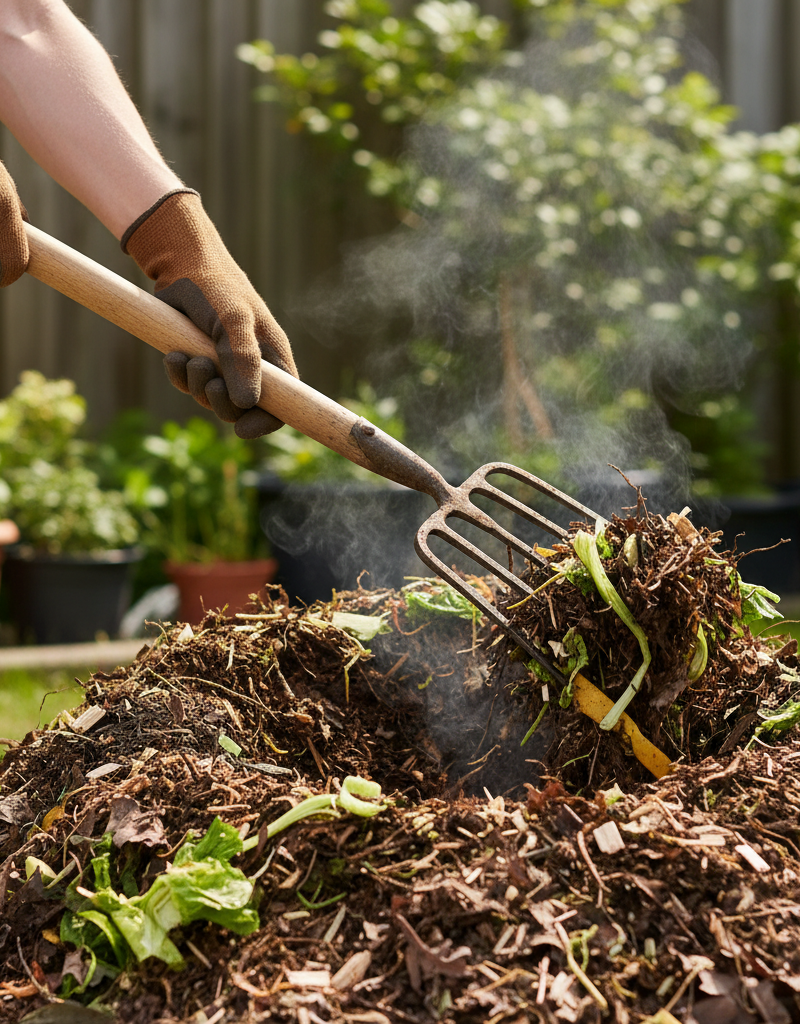
Oxygen is crucial for aerobic decomposition, the process we want in a compost pile, as it produces odorless byproducts. Without enough oxygen, anaerobic decomposition takes over, leading to foul smells (think rotten eggs or ammonia). This is why turning or aerating the pile is so important. Moisture, like a wrung-out sponge, is also vital for microbial activity, facilitating nutrient transport and supporting their life processes. Too dry, and they become dormant; too wet, and oxygen is excluded, promoting anaerobic conditions. By providing the right balance of these elements, you create an optimal environment for rapid and efficient composting.
Step-by-Step Fix
1. Choose Your Composter wisely – Select the right system for your space and needs.
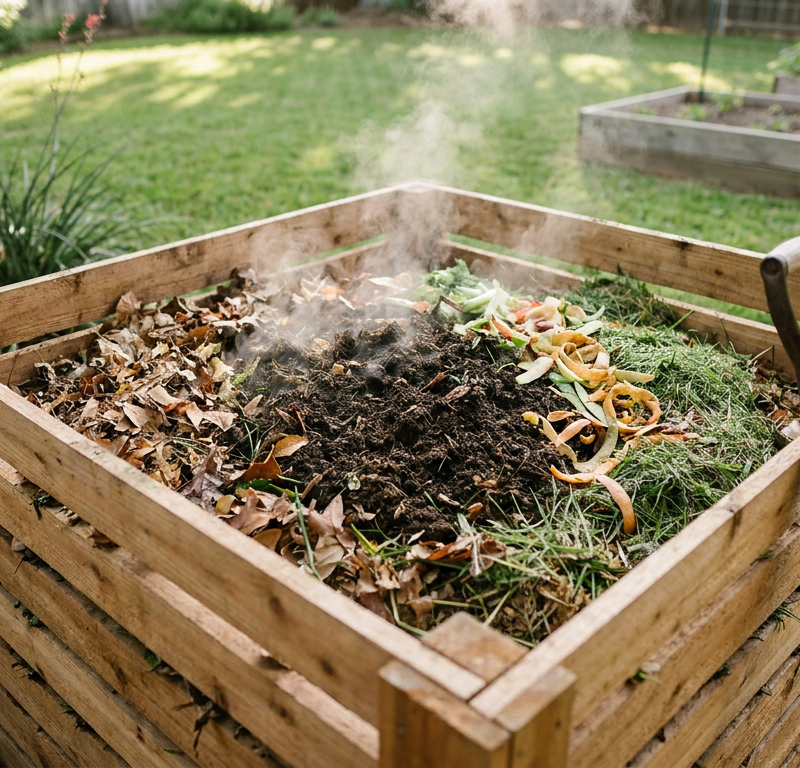
Compost bins come in various forms: open piles, wire bins, plastic tumblers, or even homemade pallets. For beginners, a simple three-sided bin made from pallets or a sturdy wire mesh cylinder is an excellent start. Ensure it's at least 3x3x3 feet to allow for adequate mass to generate heat, which speeds up decomposition. Consider proximity to your kitchen for ease of adding scraps, but also away from direct view and any potential water sources or drains.
- Tip: Tumbler composters are great for small spaces and quicker results but often require more attention to moisture levels.
2. Master the Brown-Green Balance – Understand and apply the ideal carbon-to-nitrogen ratio.
This is the most critical step. Aim for roughly two to three parts 'brown' materials to one part 'green' materials by volume. 'Browns' include dried leaves, straw, shredded cardboard/paper, wood chips, and pine needles. 'Greens' include fruit and vegetable scraps, grass clippings, coffee grounds, tea bags, and plant trimmings. Layering these materials is a good strategy.
- If your pile smells like ammonia: You have too many 'greens'. Add more 'browns' like shredded leaves or cardboard, and turn the pile.
- If your pile is dry and inactive: You have too many 'browns'. Add more 'greens' and lightly moisten the pile.
3. Chop It Up – Smaller pieces decompose faster.
Break down larger pieces of organic material into smaller chunks. This increases the surface area for microorganisms to work on. For example, tear up cardboard, chop fruit and vegetable scraps, and shred leaves. Aim for pieces no larger than 1-2 inches.
- Tools: A sharp shovel, hedge shears, or even a lawnmower on a tarp can help reduce material size.
4. Add Water (Carefully!) – Maintain consistent moisture, like a wrung-out sponge.
Compost needs moisture to thrive, but not to be soggy. After adding dry brown materials, lightly moisten them. If your pile seems dry, add water with a hose or watering can. If it's too wet and slimy, add more dry 'browns' and turn the pile more frequently.
- Test: Squeeze a handful of compost. A few drops of water should emerge, but it shouldn't drip excessively.
5. Turn for Aeration – Introduce oxygen to prevent odors and speed up decomposition.
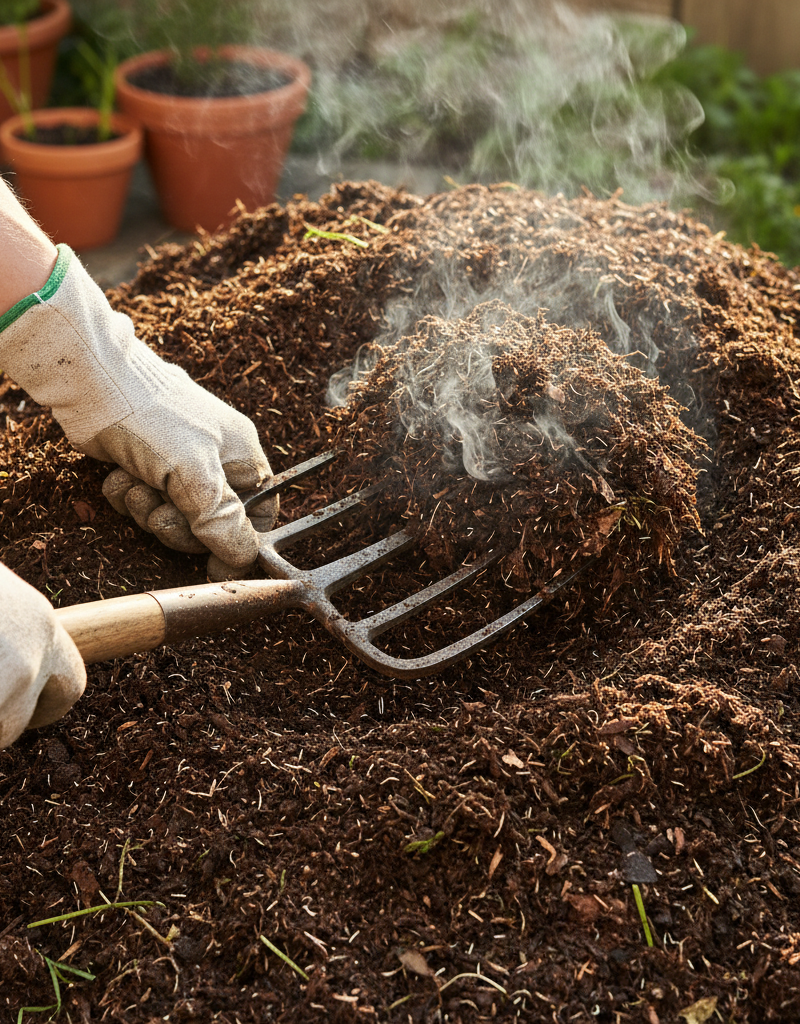
Regularly turn your compost pile using a pitchfork or compost aerator. Aim to do this every week or two, especially when adding new material. Turning the pile mixes materials, introduces oxygen, and helps distribute moisture and microbes.
- Goal: The center of an active pile should feel warm or even hot (up to 140-160°F), indicating active microbial breakdown.
6. What NOT to Compost – Avoid attracting pests and introducing pathogens.
Never add meat, bones, dairy products, oily foods, pet waste (especially dog or cat feces), diseased plants, or chemically treated wood to your backyard compost pile. These materials can attract pests, create foul odors, or introduce harmful pathogens to your garden.
- Exception: Herbivore manure (like horse or cow) is generally safe to compost.
7. Monitor and Adjust – Observe your pile and make necessary changes.
Pay attention to the smell, temperature, and moisture of your compost pile. If it smells bad, add more browns and turn. If it's cold and inactive, add more greens, moisten, and turn. The composting process can take anywhere from a few months to a year, depending on your methods and materials.
- Signs of readiness: Finished compost is dark brown, crumbly, smells earthy, and you can't identify the original materials.
Common Causes
- Incorrect C:N Ratio: This is by far the leading cause of issues. Too much nitrogen leads to a smelly, anaerobic pile; too much carbon leads to a slow, dry pile.
- Lack of Aeration: Insufficient turning means no oxygen, which causes anaerobic bacteria to take over, producing unpleasant odors like ammonia or sulfur.
- Improper Moisture Levels: A pile that is too dry slows down microbial activity. A pile that is too wet displaces oxygen, leading to anaerobic conditions and sliminess.
- Large Particle Size: Unchopped materials mean less surface area for microbes, significantly slowing down decomposition.
- Contaminants: Adding inappropriate items (meat, dairy, oils) attracts pests, creates odors, and can introduce pathogens.
- Insufficient Pile Size: Very small piles struggle to generate and retain the heat necessary for rapid, effective decomposition.
Common Mistakes
- Adding too many grass clippings at once: Grass clippings are very high in nitrogen and moisture. Adding a thick layer can quickly make the pile slimy and smelly. Instead, mix them thoroughly with dry 'browns' like leaves or straw.
- Not turning the pile: Many beginners neglect to aerate their compost. Without oxygen, your compost will become foul-smelling and break down very slowly. Turn it at least once a week, especially after adding new 'greens'.
- Letting the pile dry out completely: A bone-dry pile means dormant microbes. Keep it consistently moist, like a damp sponge, by adding water when you turn it or layering wet materials with dry ones.
- Composting meat, dairy, or oily foods: These items attract rodents and pests, create strong odors, and don't break down easily in a typical backyard pile. Stick to plant-based food scraps and yard waste.
- Ignoring the smell: A healthy compost pile should smell earthy, like forest soil. If it smells like rotten eggs or ammonia, it's a clear sign of an imbalance (too wet/too many greens). Don't ignore it—address it immediately by adding browns and turning.
- Expecting immediate results: Composting takes time. While hot composting can produce usable compost in a few months, passive composting often takes six months to a year. Patience is key!
Cost & Time Breakdown
| Task | DIY cost | Pro cost | Time |
|---|---|---|---|
| Setting up basic bin (DIY) | $0–$50 | N/A | 1–3 hours |
| Gathering 'browns'/'greens' | $0 | N/A | Ongoing |
| Chopping materials | $0 | N/A | 10–20 min/session |
| Turning/aerating pile | $0 | N/A | 5–15 min/week |
| Finished compost (1 batch) | $0 | $50–$200/yard | 2–12 months |
Tips & Prevention
- Keep a kitchen scrap pail: A lidded container under your sink makes it easy to collect food scraps for your compost pile daily.
- Stockpile 'browns': Rake and store excess dry leaves in bags or a separate bin in the fall. This ensures you have a readily available supply of carbon-rich material throughout the year, especially when you have an abundance of 'greens'.
- Shredded newspaper/cardboard: These are excellent 'brown' additions if you're short on leaves. Avoid glossy paper or heavily inked sections.
- Regular small additions vs. large dumps: It's better to add small amounts of kitchen scraps and yard waste regularly, mixing them in, rather than dumping large quantities all at once, which can disrupt the balance.
- Use finished compost: Once your compost is ready, spread it on your garden beds, around trees, or mix it into potting soil to enrich your plants naturally.
When to Call a Professional
While starting and maintaining a backyard compost pile is generally a DIY-friendly endeavor, there are a few scenarios where consulting a professional landscaper or garden expert might be beneficial. If you're struggling with persistent pest issues (e.g., rats, raccoons) that your compost is attracting, despite following guidelines, a pro might offer solutions for more secure containment or alternative composting methods. Similarly, if you have a very large property with significant organic waste and are considering a large-scale composting system or diverting extensive amounts of yard waste, a professional can help design an efficient, high-capacity system that integrates seamlessly with your landscape. For most common composting challenges, however, adjusting your brown-to-green ratio, moisture, and aeration will resolve the problem.
Related Articles
Keep troubleshooting with these hand-picked guides from FixlyGuide:
- The 3 Compost Pile Mistakes Even Experienced Gardeners Make — Avoid common pitfalls and build a thriving backyard compost pile with the right mix of greens, browns, and proper aeration for nutrient-ric…
- Your Compost Pile is a Stinky Mess: The 7-Day Trick to Fix It — Discover the surprising reasons your backyard compost smells bad and how a simple 7-day approach can transform it into rich, odor-free soil…
- The 3 Compost Pile Mistakes Sabotaging Your Soil (And How to Fix Them) — Unlock nutrient-rich soil by avoiding common composting errors and learn the simple steps to a thriving backyard compost pile.
- The #1 Mistake Killing Your Compost Pile (and How to Fix It in 10 Minutes) — If your backyard compost pile isn't breaking down, the most common culprit is an imbalance of 'greens' and 'browns,' easily remedied with p…
- The 3 Mulching Mistakes That Are Secretly Killing Your Plants — Discover the three common mulching errors that inadvertently harm your garden plants and learn how to apply mulch correctly for thriving, h…
- The 3 Hidden Mistakes That Make Your Deck Sealer Fail (And How to Fix Them) — Resealing your wood deck protects it from weather and extends its life. Learn how to avoid common mistakes for a long-lasting finish and vi…
Should you do this yourself?
Answer five quick questions before you start. Safety outranks savings every time.
Your experience with work like this
How high do you have to work?
Does the job involve any of these?
Will it need a permit?
Specialty tools
Free and instant. Educational guidance only — not a quote, inspection, or professional diagnosis.
What should this project cost?
Enter your project details for a realistic cost range before you call anyone.
Cost depends heavily on which system turns out to be the source.
- Regional adjustment
- National average
- Labor share (typical)
- ~$1,620
- Quotes to collect
- 3 written estimates
Educational estimate based on national averages — not a binding quote. Always confirm with written local estimates.
Before you start
Check the difficulty, permits, and safety risk — then decide whether to call a pro.
- Estimate this projectGet a cost range for your scope and ZIP before you call anyone.Open
- Get local estimatesSend one request and compare written estimates from vetted pros.Open
Free, no signup required. Estimates are educational guidance, not a quote or an inspection.
Frequently asked questions
Why does my compost pile smell bad?+
A bad smell, especially like ammonia or rotten eggs, usually indicates that your compost pile is too wet or has too many 'greens' (nitrogen-rich materials) without enough 'browns' (carbon-rich materials). This leads to anaerobic decomposition. To fix it, add more dry 'browns' like shredded leaves or cardboard, and turn the pile frequently to introduce oxygen.
How do I make my compost pile break down faster?+
To speed up decomposition, ensure a good balance of 'greens' and 'browns' (roughly 2-3 parts brown to 1 part green by volume), chop materials into smaller pieces, maintain consistent moisture (like a damp sponge), and turn the pile regularly to aerate it. A larger pile (at least 3x3x3 feet) also helps generate heat for quicker breakdown.
What should I NOT put in my compost pile?+
Avoid adding meat, bones, dairy products, oily foods, pet waste (especially dog or cat feces), diseased plants, and chemically treated wood. These items can attract pests, create foul odors, or introduce harmful pathogens to your compost and garden.
Discussion
Loading comments…