- Gather Your Tools & Materials—Ensure you have all necessary items before climbing onto the roof. A typical repair involves cutting and fastening new drip edge sections.
- Tools: Heavy-duty utility knife, tin snips, tape measure, chalk line, hammer, nail gun (optional), caulking gun, safety glasses, work gloves, sturdy ladder.
- Materials: New drip edge (galvanized steel or aluminum, ideally matching existing if present), 1 ¼-inch galvanized roofing nails, roofing cement/sealant.
General remodeling · Renovation planning
| Project category | General remodeling |
|---|---|
| Problem type | Renovation planning |
| Trade required | General contracting |
| Urgency | Planned project |
| Safety risk | Low safety risk |
| DIY suitability | Pro recommended |
| Cost category | Major investment |
| Typical timeline | Design and permitting often 2–4 months before work starts |
| Contractor type | General contractor |
Repair option
Phase the work and fix the building envelope first.
Replacement option
Full renovation with permits, design, and a general contractor.
Common causes
- Space no longer fits how the household lives
- Resale preparation
- Deferred maintenance stacking up
Relevant tools:project cost estimatorcompare quoteshome improvement material prices
Published May 6, 2026Last updated August 17, 2026
Tools & materials you'll need
Affiliate linksAs an Amazon Associate FixlyGuide earns from qualifying purchases — at no extra cost to you. Prices and availability are accurate as of publication and subject to change.
Quick Answer
Home inspectors often identify subtle, yet critical, signs of potential water damage that most homeowners overlook. One such telltale sign, usually evident in a mere 10 seconds, is a faulty or absent drip edge along the roofline. This small metal flashing, when compromised, allows water to bypass your gutters and penetrate the fascia and roof sheathing, setting the stage for extensive, costly hidden damage.
The Problem
Imagine a tiny crack in a dam – a seemingly insignificant flaw that can lead to catastrophic failure over time. Your roof’s drip edge is often that tiny crack. Homeowners frequently focus on obvious issues like missing shingles or clogged gutters, completely missing the subtle absence or improper installation of this crucial component. A drip edge is a piece of L-shaped flashing installed along the rake and eaves of a roof. Its primary job is to direct water off the roof and into the gutters, or away from the fascia and siding if no gutters are present. When it’s not doing its job, water doesn’t just drip – it wicks. Capillary action, the tendency of water to climb against gravity in small spaces, pulls moisture up behind the fascia board, into the roof decking, and eventually into the soffit, walls, and even the foundation. This hidden ingress point can silently rot structural components, foster mold growth, and compromise your home’s integrity, all while you remain blissfully unaware until significant damage manifests.
How It Works
To understand the drip edge's importance, let's visualize how your roof sheds water. When rain hits your roof, it flows downwards, guided by gravity. Ideally, this water should reach the edge of the roof, hit the drip edge, and be propelled outwards, often directly into your gutter system. The drip edge essentially creates a small overhang past the edge of the roof sheathing and fascia. This overhang prevents water from clinging to the underside of the roofing materials and flowing backward. Without a drip edge, or with one incorrectly installed, water has a clear path to creep beneath the shingles and attack the vulnerable wooden components of your roof structure. Over time, repeated exposure to moisture causes the wood fascia to rot, weakens the soffit, and can even compromise the roof sheathing. This isn't just about cosmetic damage; it's about structural integrity and preventing mold and mildew outbreaks in your attic and wall cavities. A properly installed drip edge ensures that the entire roofing system works as a cohesive unit to protect your home from the elements, minimizing direct water contact with your home's most sensitive exterior components.
Step-by-Step Fix
Safety First—Rooftop work always carries a risk of falls. Use a sturdy ladder, work with a partner if possible, and wear non-slip shoes. Consider a fall arrest system for steep roofs.
- Assess the Damage (or Lack Thereof)—Carefully inspect the existing drip edge (or the lack of one). Look for bent, rusted, or missing sections. Check the fascia board behind where the drip edge should be for signs of water staining, rot, or peeling paint. Use a screwdriver to gently probe any suspect wood; if it feels soft or crumbles, you have rot.
- If you find significant rot: This repair is beyond a simple drip edge replacement. You’ll need to remove and replace compromised fascia and possibly sections of roof sheathing. Call a qualified roofing contractor immediately to prevent further structural damage.
- Gather Your Tools & Materials—Ensure you have all necessary items before climbing onto the roof. A typical repair involves cutting and fastening new drip edge sections.
- Tools: Heavy-duty utility knife, tin snips, tape measure, chalk line, hammer, nail gun (optional), caulking gun, safety glasses, work gloves, sturdy ladder.
- Materials: New drip edge (galvanized steel or aluminum, ideally matching existing if present), 1 ¼-inch galvanized roofing nails, roofing cement/sealant.
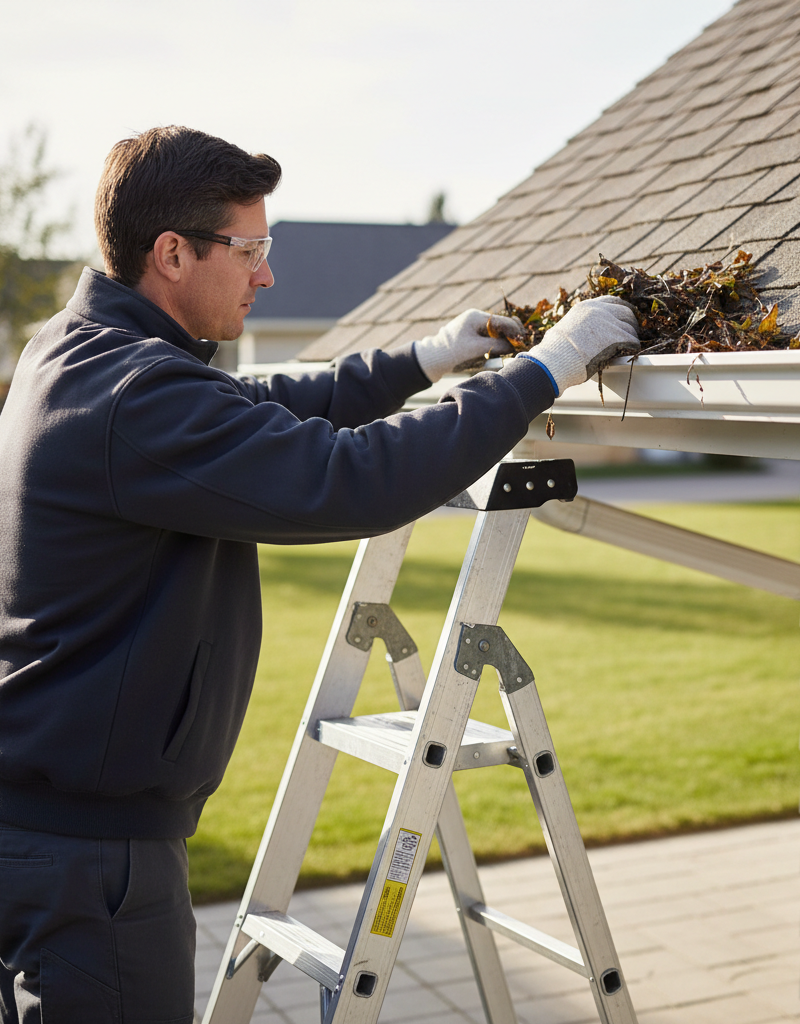
- Prepare the Work Area—Clear any debris from the gutter and roof edge. If removing existing drip edge, gently pry it off using a pry bar, being careful not to damage shingles or fascia. If installing a new one where none existed, ensure the fascia board is clean and sound.
- Cut the Drip Edge to Size—Measure the length of the eave or rake where the drip edge will be installed. Use tin snips to cut the drip edge to the appropriate length. When working around corners, you’ll typically overlap pieces or miter them. For eaves, the drip edge should extend at least a half-inch beyond the fascia board's edge.
- Install Drip Edge on Eaves—On the eave (the horizontal edge parallel to the ground), the drip edge should be installed underneath the felt paper or underlayment. This ensures any water that gets under the shingles flows over the felt and out. Align the drip edge flush with the edge of the roof sheathing. Fasten it every 12-18 inches with roofing nails, making sure the nail heads are flush but not dimpling the metal.
- Install Drip Edge on Rakes—On the rake (the sloped edge of the roof), the drip edge should be installed over the felt paper or underlayment. This prevents wind-driven rain from blowing underneath the felt. Align it with the edge of the sheathing and fasten every 12-18 inches.
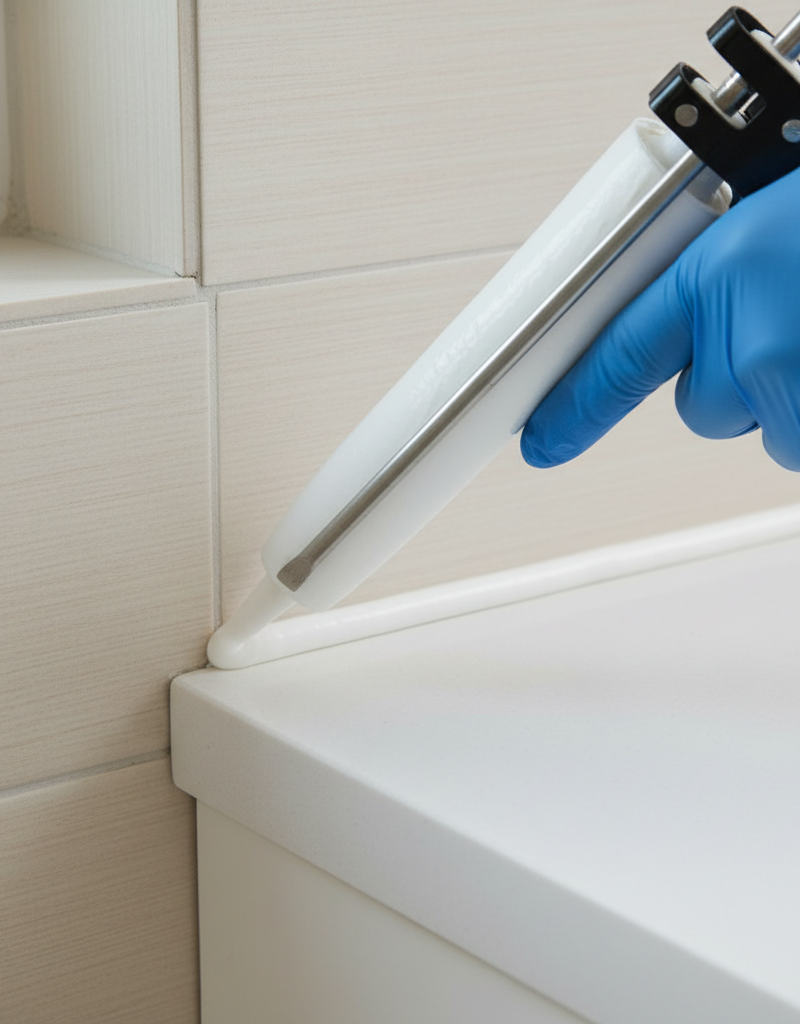
- Address Corners and Seams—Where two pieces of drip edge meet at a corner, they should be mitered for a tight fit or overlapped by at least 2 inches. Apply a bead of roofing cement or sealant at all seams and corner overlaps to create a watertight seal.
- Seal and Inspect—Once all drip edge sections are installed, apply a thin bead of roofing cement along the top edge of the drip edge where it meets the shingles, especially if you had to lift shingles slightly for installation. Visually inspect the entire length to ensure it’s properly seated, secure, and directs water away from the fascia.
Common Causes
- Original Installation Omission: Many older homes (and some budget new constructions) were built without drip edges to cut costs. Building codes in most areas now require them, but existing homes may still lack this protection.
- Improper Installation: The drip edge might have been installed incorrectly, such as placing it over the felt on the eaves (defeating its purpose) or using insufficient fasteners, leading to loosening and bending over time.
- Storm Damage: High winds, hail, or falling branches can bend, dent, or rip sections of drip edge away from the roof, compromising its ability to shed water effectively.
- Corrosion/Rust: Over decades, especially with older, unpainted galvanized steel, the drip edge can rust and degrade, creating weak points where water can penetrate.
- DIY Mistakes: Amateur roof repairs or gutter installations can inadvertently damage or dislodge the drip edge, creating new vulnerabilities.
Common Mistakes
- Ignoring the Problem: Thinking a small gap or bend in the drip edge is purely cosmetic is a huge mistake. Even minor imperfections can lead to significant water damage over time.
- Incorrect Material Choice: Using flimsy aluminum that easily bends or choosing a finish that doesn’t withstand local weather conditions can lead to premature failure.
- Installing Felt Paper Incorrectly: Placing the felt paper underneath the drip edge on the eave sections, instead of over it, allows water to potentially get behind the drip edge. For eaves, the drip edge should be under the felt; for rakes, it should be over.
- Insufficient Fastening: Not using enough nails, or using nails that are too short or not corrosion-resistant, can cause the drip edge to loosen and pull away, especially in windy conditions.
- Overlapping Instead of Mitering Corners: While overlapping is acceptable for straight runs, mitered corners generally provide a cleaner, more watertight transition at roof angles, reducing potential weak points.
- Not Addressing Underlying Damage: Just replacing the drip edge without checking for and repairing any existing rot or water damage to the fascia or sheathing is like putting a band-aid on a broken bone. Address the root problem first.
Cost & Time Breakdown
| Task | DIY cost | Pro cost | Time |
|---|---|---|---|
| Drip edge materials (per 100 ft) | $50–$150 | Included in labor | 1–2 hours |
| Ladder rental (if needed) | $30–$50/day | N/A | N/A |
| Basic tools & fasteners | $10–$20 | Included in labor | N/A |
| Professional inspection/repair | N/A | $300–$800+ | 2–4 hours |
| Fascia/sheathing repair (if needed) | Variable ($100s+) | Variable ($500s+) | Varies |
Tips & Prevention
- Regular Visual Checks: Twice a year, especially after major storms, walk around your home and visually inspect the entire roofline from the ground. Look for bent, missing, or rusted drip edge sections.
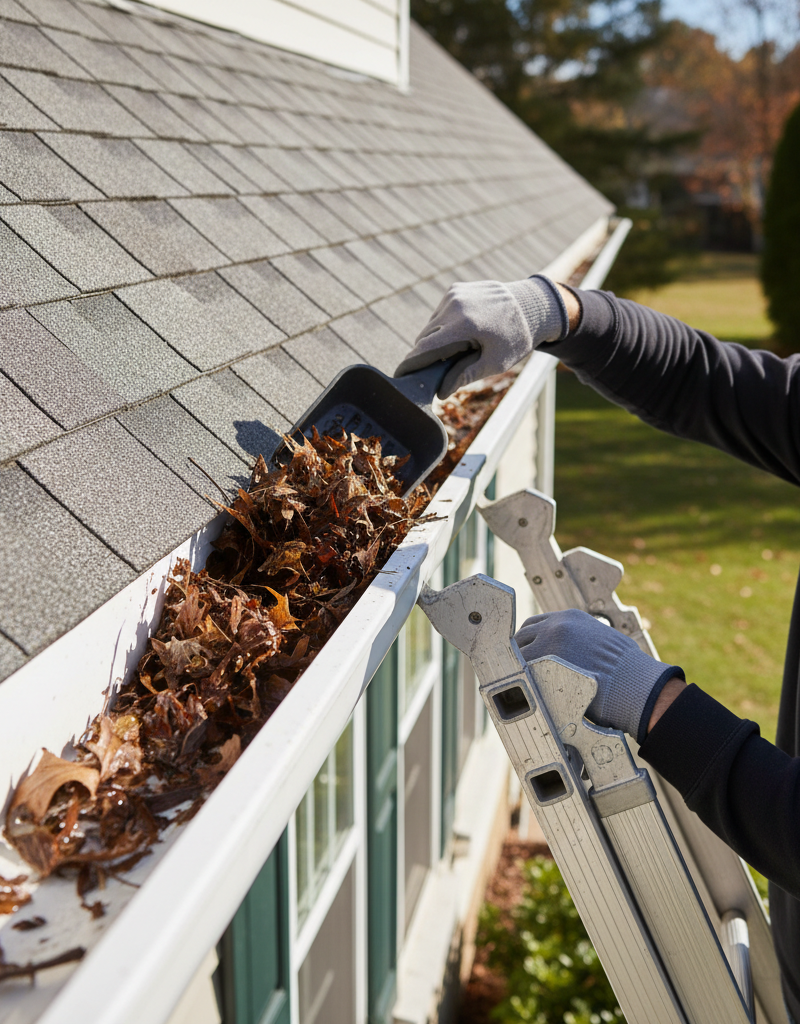
- Check Your Gutters: Ensure your gutters are clean and draining properly. Clogged gutters can cause water to back up and overflow, eventually getting behind the drip edge.
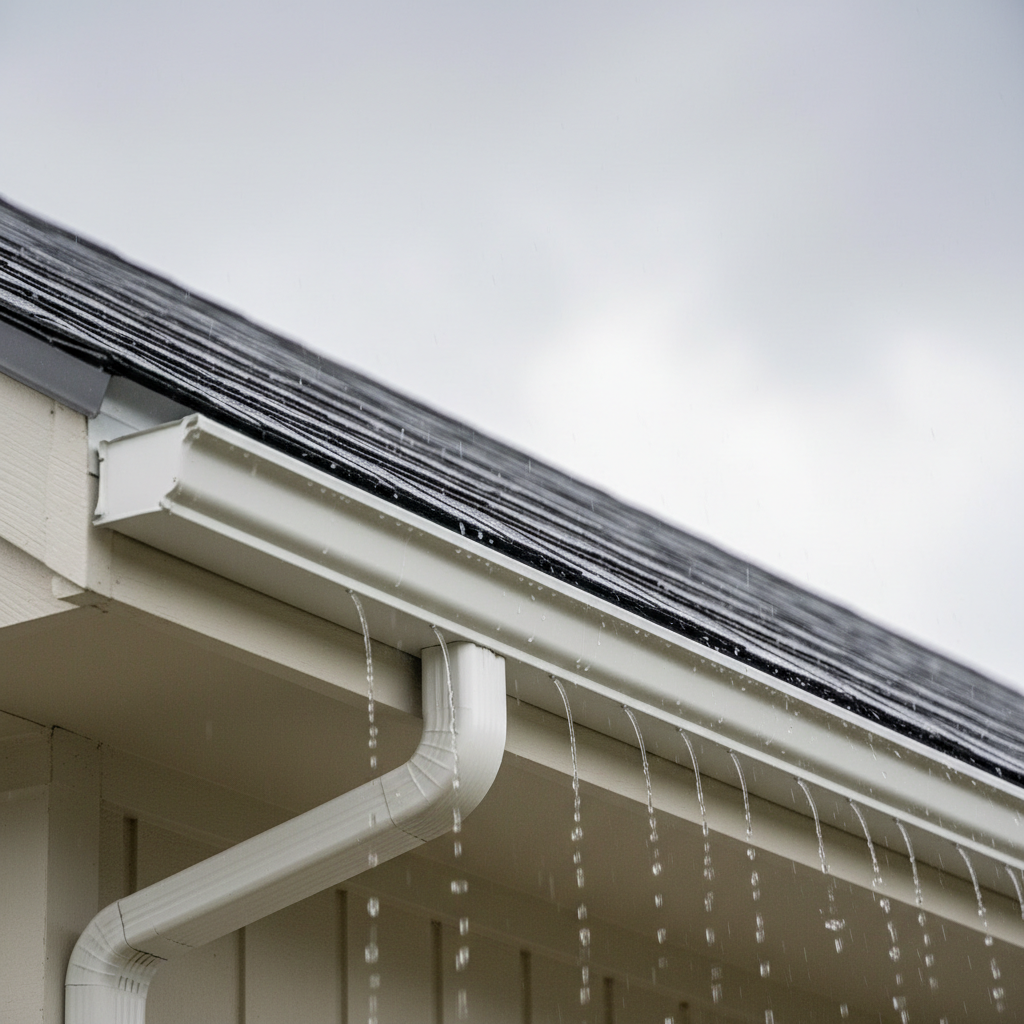
- Observe During Rain: On a rainy day, go outside with an umbrella and watch how water sheds off your roof. Does it flow cleanly into the gutters (if present), or does it seem to cling to the fascia or run down the siding?
- Professional Inspection: Consider a professional roof inspection every 3-5 years. An experienced eye can spot subtle issues before they become major problems.
- Proper Attic Ventilation: Good attic ventilation helps keep the roof deck dry from inside, which can mitigate some of the effects of minor water intrusion, though it's no substitute for a proper drip edge.
When to Call a Professional
While replacing a damaged drip edge might seem like a manageable DIY task, there are specific scenarios where calling a licensed roofing professional is not just advisable, but essential. If your inspection reveals significant wood rot on the fascia, soffit, or roof sheathing, you're dealing with advanced water damage that requires specialized repair. Attempting to address extensive rot yourself without proper expertise can compromise your home's structural integrity or lead to recurring leaks. Similarly, if your roof is steep, multi-storied, or requires specialized safety equipment beyond a standard ladder, the risk of injury is too high for a DIY approach. Finally, if you're unsure about the extent of the damage, the correct installation method, or suspect other underlying roofing issues, a professional can provide a comprehensive assessment and ensure the repair is done correctly and safely, backed by their experience and warranty.
Related Articles
Keep troubleshooting with these hand-picked guides from FixlyGuide:
- The 7 Critical Home Inspection Mistakes Most Homeowners Make (and How to Spot Them) — Discover the crucial home inspection mistakes homeowners commonly overlook and learn how to identify potential problems before they become…
- The 7 Sneaky Ways Spring Damages Your Home (And How to Stop Them Now) — Uncover the hidden threats spring poses to your home, from subtle water damage to pest invasions, and get actionable steps to protect your…
- The #1 Mistake Homeowners Make When Spotting Soffit Damage — Ignoring early soffit and fascia damage can lead to costly structural repairs, but many homeowners misdiagnose the problem, compounding the…
- The 9 Sneaky Signs Your Roof Is Failing (And How to Spot Them From the Ground) — Learn to spot critical signs of roof damage from the safety of the ground, potentially saving thousands in repairs.
- That 'Vinegar Hack' Could Ruin Your Home — Discover why the internet's favorite cleaning hack, vinegar, can cause irreversible damage to stone, wood, and other common surfaces in you…
- The $5 Secret to Fixing a Clogged AC Drain Line (and Avoiding a Costly Flood) — A clogged AC drain line can lead to water damage and mold, but a simple, inexpensive DIY fix can prevent costly repairs.
Should you do this yourself?
Answer five quick questions before you start. Safety outranks savings every time.
Your experience with work like this
How high do you have to work?
Does the job involve any of these?
Will it need a permit?
Specialty tools
Free and instant. Educational guidance only — not a quote, inspection, or professional diagnosis.
Questions to ask before you sign
Ask every contractor the same questions and the cheapest bid stops looking cheapest. Check them off as you go — your progress is saved on this device.
Free, no signup. Bring this to every walkthrough so you compare bids on the same terms.
What should this project cost?
Enter your project details for a realistic cost range before you call anyone.
Spot repairs commonly run $400–$1,800; full replacement typically $9,000–$18,000 for an average home.
- Regional adjustment
- National average
- Labor share (typical)
- ~$2,948
- Quotes to collect
- 3 written estimates
Educational estimate based on national averages — not a binding quote. Always confirm with written local estimates.
Fixly Project Decision Box
- DIY difficulty
- Professional Recommended
- Estimated time
- Inspection 1–2 hours · repairs 1–3 days
- Cost level
- High
Main tools / materials
- Binoculars for a ground-level look
- Flashlight for attic checks
- Moisture meter
- Roofing cement (temporary patch only)
When to stop and call a pro
- Active leak near lights, fans, or any wiring
- Sagging, bulging, or water-filled ceiling
- Steep, wet, or two-story roof — do not climb it
- Storm or hail damage you plan to claim on insurance
Need professional help?
Free roof assessment first — no phone calls until you ask for them.
Get Local Roofing HelpGet help with your roof now
Stay off the roof. These free tools help you protect the house and reach the right professional fast.
- Emergency repair checklistThe first steps that limit damage before a pro arrives.Open
- Repair or replace your roof?Answer 10 questions about age, leaks, and damage to get a clear next step.Open
- Get local estimatesSend one request and compare written estimates from vetted pros.Open
Free, no signup required. Estimates are educational guidance, not a quote or an inspection.
Get the print-ready PDF of this guide
A clean, ad-free, printable version you can keep on your phone or pin to the workshop wall. Free with a FixlyGuide account.
- Print-optimized layout
- Tools, materials & every step included
- Saved to your account
Recommended for DIYers & woodworkers
Sponsored
The Top 20 Tools for Workshops of Any Budget
No stationary machines or power tools required — plus 3 fundamental tools that can't be bought at any price.
Get the free guide
Ted's Woodworking — The #1 Woodworking Resource
Detailed instructions, dimensioned drawings, materials & cutting lists, and 3D schematics for every skill level.
See the plansSponsored: links above are affiliate links. FixlyGuide may earn a commission on qualifying purchases — at no extra cost to you.
Frequently asked questions
What is a drip edge?+
A drip edge is an L-shaped metal flashing installed along the edges of a roof. Its purpose is to direct water away from the fascia board and into the gutters, preventing it from seeping underneath the roofing materials and causing damage.
Why is a drip edge so important?+
The drip edge prevents water from clinging to the underside of the roofing and wicking back into the fascia, soffit, and roof decking. Without it, or with a damaged one, water can cause extensive rot, mold growth, and structural damage that often goes unnoticed until it's severe and costly.
Can I replace a drip edge myself?+
Yes, replacing a drip edge can be a DIY project if you're comfortable working on a ladder and your roof isn't too steep. However, if you find significant rot, have a very steep roof, or are unsure, it's best to call a professional roofing contractor.
How often should I check my drip edge?+
You should visually inspect your drip edge at least twice a year, typically in the spring and fall, and after any major storms. Look for bends, rust, missing sections, or signs of water staining on the fascia below it.
What are the signs of a bad drip edge?+
Signs of a faulty drip edge include visible water stains or peeling paint on the fascia board, soft or rotting wood around the roof's edge, bent or missing sections of metal flashing, or water dripping behind the gutters during rain.
Discussion
Loading comments…