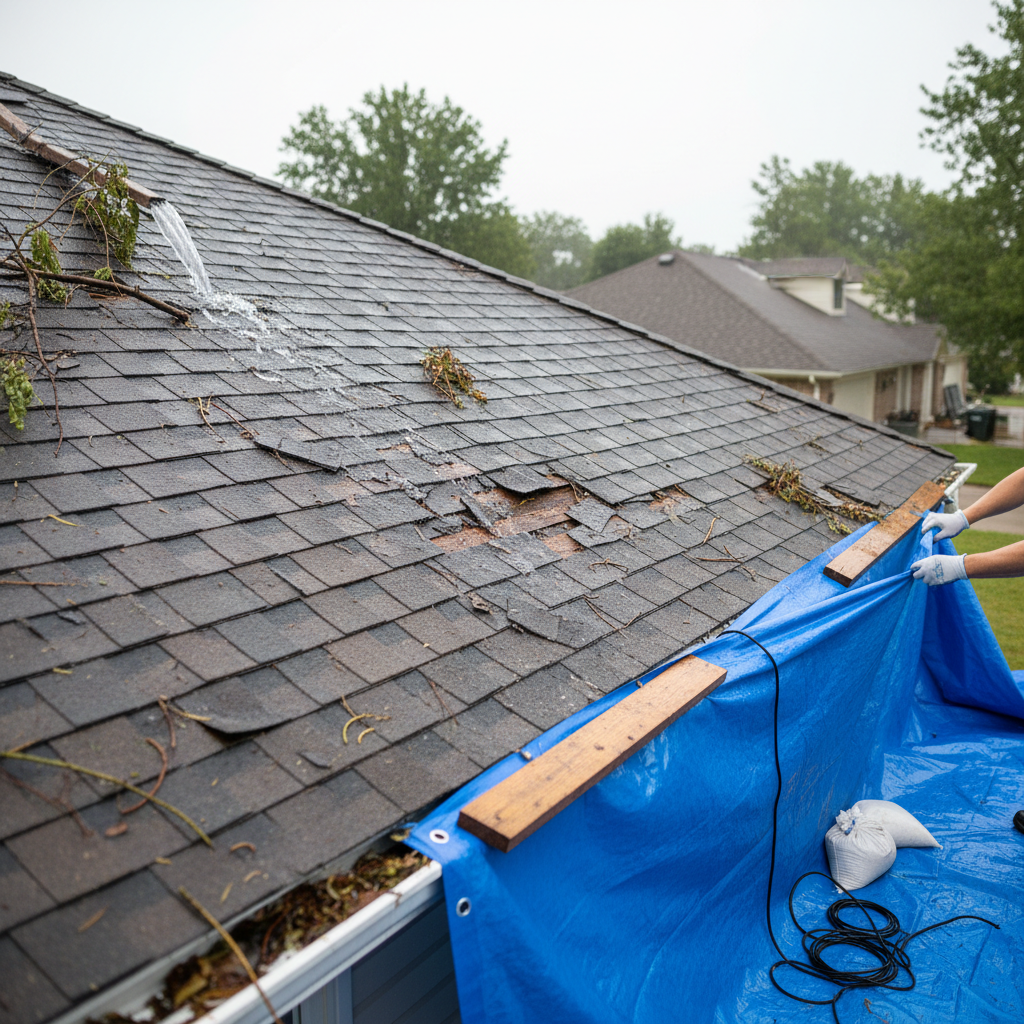
- Assess the Damage from the Ground: Use binoculars to try and locate the source of the leak from the ground. Look for missing shingles, holes, or debris. This minimizes your time on the roof.
- Set Up Your Ladder Securely: Place your extension ladder on firm, level ground. The base should be 1 foot away from the house for every 4 feet of vertical height. Extend the ladder at least 3 feet above the edge of the roof.
- Position the Tarp: Unfold the tarp and position it over the damaged area. Remember to extend the top edge over the roof's ridge. Smooth out the tarp as much as possible to prevent water from pooling.
- Anchor the Bottom Edge: Go to the bottom edge of the tarp. Pull it taut to remove slack. Lay another 2x4 along this edge, roll the tarp around it, and screw it down just as you did with the top edge.
- Check Your Work: From the ground, visually inspect the tarp. It should be smooth and taut, with no loose or flapping areas. The edges should be completely sealed by the 2x4s.
Roofing · Active leak
| Project category | Roofing |
|---|---|
| Problem type | Active leak |
| Trade required | Roofing |
| Urgency | Emergency — act now |
| Safety risk | High safety risk |
| DIY suitability | Pro recommended |
| Cost category | Moderate cost |
| Typical timeline | Emergency tarp same day; permanent repair usually within days |
| Contractor type | Licensed roofing contractor |
Repair option
Targeted flashing or shingle repair once the entry point is traced — water often travels before it drips.
Replacement option
Full replacement when the deck is saturated, the roof is near end of life, or leaks keep reappearing in new spots.
Common causes
- Failed flashing at a chimney, vent, or valley
- Cracked or lifted shingles over the leak path
- Ice damming or clogged gutters backing water under the edge
- Nail pops that opened a hole in the deck
Relevant tools:repair or replace roofemergency checklist
Published May 5, 2026Last updated August 17, 2026
Tools & materials you'll need
Affiliate linksAs an Amazon Associate FixlyGuide earns from qualifying purchases — at no extra cost to you. Prices and availability are accurate as of publication and subject to change.
Quick Answer
After a storm, a damaged roof requires immediate, temporary protection to prevent water from entering your home. To safely tarp a roof, you'll need a heavy-duty tarp large enough to cover the damaged area with at least four feet of overhang on all sides. Secure the tarp to the roof using 2x4 boards rolled into the tarp edges and screw them down to the roof deck with exterior-grade screws. This method, known as "roof sandwiching," minimizes further damage to your shingles and provides a more secure hold than simply nailing the tarp down. Always prioritize safety by working with a partner, using a sturdy, well-placed ladder, and staying off the roof if it's wet or overly steep.
The Problem
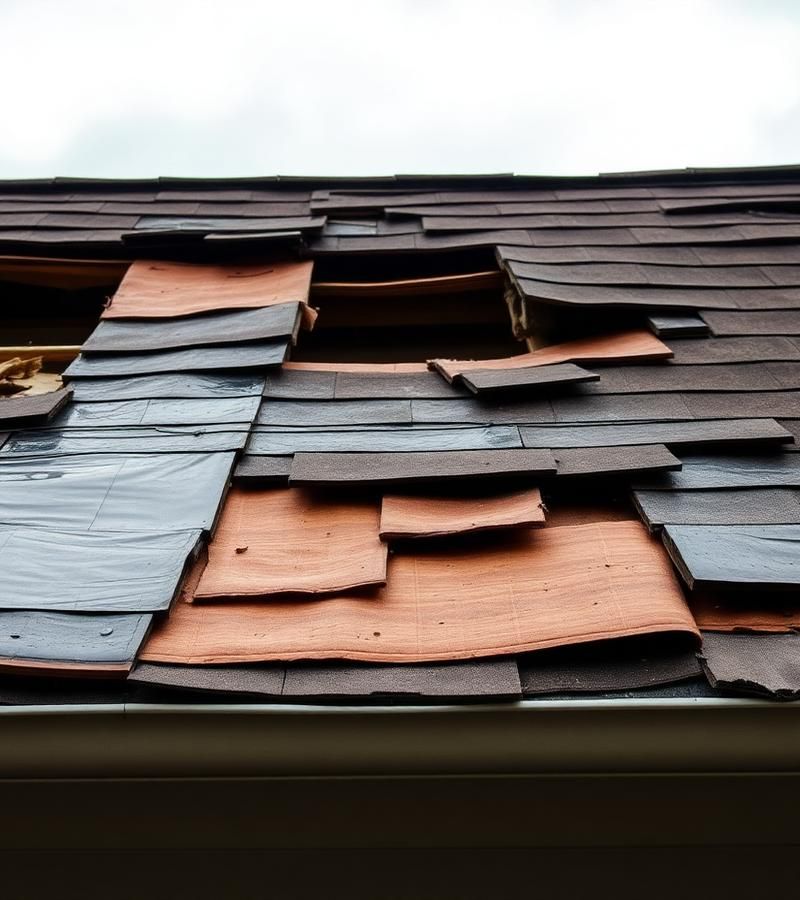
A severe storm has just rolled through, leaving a trail of destruction in its wake. High winds have torn shingles from your roof, or a fallen branch has punctured a hole right through the sheathing. Now, with more rain in the forecast, you have an active leak. Water is dripping into your attic, threatening to saturate your insulation, ruin your drywall, and create a breeding ground for mold and mildew. Every minute you wait, the potential for expensive secondary damage increases. You need a fast, effective, and safe way to stop the water intrusion now, before a professional roofer can get to you. A properly installed roof tarp is the critical first-aid your home needs.
How It Works
A roof tarp serves as a temporary, waterproof barrier between the elements and the interior of your home. The principle is simple: cover the damaged section of the roof with a durable, water-resistant material to redirect rainwater away from the breach and down into your gutters. However, the execution is what makes the difference between a successful temporary fix and a failed, frustrating effort. A good tarp job doesn't just involve throwing a plastic sheet over the hole. It requires creating a secure, tensioned covering that can withstand wind and rain for days or even weeks.
The most effective method involves using 2x4 lumber to create a weighted, anchored perimeter. You’ll roll the edges of the tarp around long 2x4s and then screw those boards through the tarp and directly into the roof deck. This "sandwich" technique distributes the holding force across the length of the boards, preventing the wind from ripping the tarp at individual anchor points like nails or staples. It’s far more secure than simply nailing the tarp corners. The top edge of the tarp should extend well beyond the damaged area, reaching over the roof's ridge line to prevent water from flowing underneath it. Gravity then works with you, pulling water down the surface of the tarp and safely off the roof.
Step-by-Step Fix
Safety First: This is a dangerous job. Do not attempt this on a steep-pitched (>6/12 pitch), wet, or icy roof. If you are not comfortable with heights or do not have the proper safety equipment, call a professional roofer for an emergency tarping service.
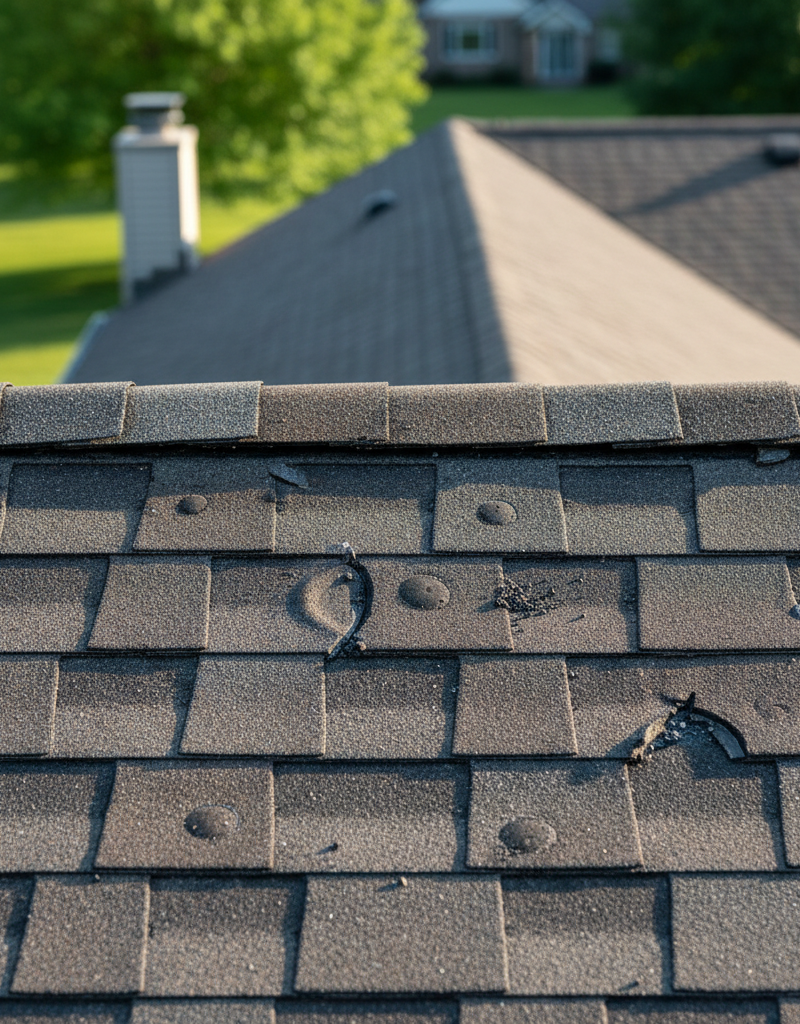
- Assess the Damage from the Ground: Use binoculars to try and locate the source of the leak from the ground. Look for missing shingles, holes, or debris. This minimizes your time on the roof.
- Measure and Cut Your Tarp: Once you have an idea of the damaged area, measure it from the ground if possible, or from the attic if you can see the hole. Your tarp should be large enough to extend at least 4 feet past the damage on all sides, and the top edge must go over the roof's peak.
- Set Up Your Ladder Securely: Place your extension ladder on firm, level ground. The base should be 1 foot away from the house for every 4 feet of vertical height. Extend the ladder at least 3 feet above the edge of the roof.
- Prepare a Safety Rope (Optional but Recommended): If your roof has a moderate slope, secure a rope to a sturdy anchor point on the opposite side of the house, like a chimney or a strong tree. Toss the other end over the roof. This can serve as a safety line while you work.
- Clean the Damaged Area: Carefully get on the roof, staying low and moving deliberately. Wear soft-soled, high-traction boots. Clear away any loose shingles, branches, or other debris from the damaged section. Use a utility knife to trim away any jagged or torn roofing material.
- Position the Tarp: Unfold the tarp and position it over the damaged area. Remember to extend the top edge over the roof's ridge. Smooth out the tarp as much as possible to prevent water from pooling.
- Anchor the Top Edge: Lay a 2x4 board along the top edge of the tarp just over the ridge. Roll the tarp around the board 3-4 times. Screw through the board and tarp into the roof deck using 3-inch exterior screws with rubber-washer heads, placing a screw every 18-24 inches.
- Anchor the Bottom Edge: Go to the bottom edge of the tarp. Pull it taut to remove slack. Lay another 2x4 along this edge, roll the tarp around it, and screw it down just as you did with the top edge.
- Secure the Sides: Repeat the process for the two vertical sides of the tarp. Use 2x4s of appropriate length, roll the tarp edges around them, and screw them securely to the roof deck. The goal is to create a fully encapsulated, tensioned patch.
- Check Your Work: From the ground, visually inspect the tarp. It should be smooth and taut, with no loose or flapping areas. The edges should be completely sealed by the 2x4s.
Common Causes
- High Winds: The most frequent cause. Wind can lift and crease shingles, breaking the sealant bond and tearing them off the roof.
- Falling Debris: Tree branches, large hail, or other wind-blown objects can physically puncture the roof deck and shingles.
- Aging Shingles: As asphalt shingles age, they become brittle and lose their granules, making them more susceptible to wind and impact damage.
- Improper Installation: Shingles that were not nailed correctly are more likely to detach in a storm.
Common Mistakes
- Using a Cheap, flimsy Tarp: A standard blue utility tarp is too thin and will shred in high winds within days. You need a heavy-duty, reinforced tarp of at least 10-12 mil thickness.
- Nailing the Tarp Directly: Driving nails through the tarp creates small holes that will eventually leak and act as tear points for the wind to rip the tarp apart. The 2x4 method is vastly superior.
- Not Extending Over the Ridge: If your tarp doesn't go over the peak, water flowing down the roof will simply travel under the top edge of your tarp, rendering it useless.
- Working Alone: This is a two-person job. One person needs to be on the ground to provide support, pass tools, and call for help in an emergency.
- Ignoring Safety: Working on a roof without proper fall protection, on a wet surface, or on a steep pitch is a recipe for disaster.
- Leaving the Tarp on Too Long: A tarp is a temporary fix, not a permanent solution. It can trap moisture and cause the roof decking to rot if left on for months. Call a roofer immediately and get on their schedule.
Cost & Time Breakdown
This is a DIY-focused breakdown. Professional tarping services will have different pricing.
| Item | Quantity | Estimated Cost (USD) | Notes |
|---|---|---|---|
| Heavy-Duty Tarp (20'x30') | 1 | $50 - $100 | Size dependent on damage. Price varies by thickness. |
| 2x4 Lumber | 4-6 boards | $30 - $60 | Pressure-treated is not necessary for this temporary use. |
| Exterior Wood Screws | 1 box (50) | $15 - $25 | Get screws with sealing rubber washers for best results. |
| Caulking | 1 tube | $5 - $10 | To seal screw heads as an extra precaution. |
| Total | $100 - $195 | Does not include cost of tools like a ladder or drill. |
Tips & Prevention
- Pre-Storm Inspection: Before storm season, walk around your house and look for any loose, curled, or missing shingles. A small repair now can prevent a major leak later.
- Trim Your Trees: Keep tree branches trimmed back at least 6-10 feet from your roofline. This is the number one source of impact damage.
- Clean Your Gutters: Clogged gutters cause water to back up under the roof's edge. Clean them every spring and fall.
- Keep a Tarp Kit: If you live in a storm-prone area, consider buying a heavy-duty tarp and some 2x4s ahead of time. Having the materials on hand can save you a frantic trip to a sold-out hardware store after a storm.
- Document Everything: Take photos of the damage (before and after tarping) and keep all receipts for your insurance claim.
When to Call a Professional
A DIY tarp job is a temporary, emergency measure. You should call a licensed and insured roofing contractor immediately to schedule an inspection and permanent repair. Do not attempt to tarp your own roof if any of the following are true:
- The roof is steep (a pitch greater than 6/12) or multi-story.
- The roof is wet, icy, or covered in algae.
- There is extensive, widespread damage across multiple areas of the roof.
- You are not physically able to safely carry materials up a ladder and work at heights.
- The damage involves electrical components, such as a downed weather head.
Professional roofers have the training, safety equipment (harnesses, ropes, etc.), and experience to work on dangerous roofs. While you wait for them, your priority is mitigating interior damage. You can place buckets under drips and use a wet/dry vac to manage water inside. The small fee a roofer might charge for an emergency tarping is well worth avoiding a trip to the emergency room.
Related Articles
Keep troubleshooting with these hand-picked guides from FixlyGuide:
- Missing Roof Shingles After a Storm? Here's What to Do — Discover how to safely assess and address missing roof shingles after a storm, including temporary fixes and when to call a professional.
- Is Your Roof Hiding Hail Damage From You? — Hail damage to asphalt shingles is often invisible from the ground. Learn to identify the subtle signs of bruising, granule loss, and fract…
- The One Overlooked Mistake After Storm Damage: Finding Missing Roof Shingles Fast — Storms can rip off roof shingles, exposing your home to further damage. Learning how to safely assess and temporarily patch your roof is cr…
- The Urgent Truth About Missing Roof Shingles (And Your 3-Step Fix) — High winds can rip shingles off your roof, exposing your home to immediate water damage – here’s how to assess, temporary patch, and plan p…
- The One Shingle Mistake That Creates Roof Leaks (And How to Fix It Fast) — Missing roof shingles after a storm can quickly lead to extensive water damage if not addressed correctly. Learn how to safely inspect and…
- The Silent Destroyer: 7 Hidden Signs Your Roof Has a Leak (Before You Need a New Ceiling) — Catching roof leaks early can save your home from extensive damage and costly repairs. Learn the subtle indicators that reveal hidden water…
Should you do this yourself?
Answer five quick questions before you start. Safety outranks savings every time.
Your experience with work like this
How high do you have to work?
Does the job involve any of these?
Will it need a permit?
Specialty tools
Free and instant. Educational guidance only — not a quote, inspection, or professional diagnosis.
Questions to ask before you sign
Ask every contractor the same questions and the cheapest bid stops looking cheapest. Check them off as you go — your progress is saved on this device.
Free, no signup. Bring this to every walkthrough so you compare bids on the same terms.
What should this project cost?
Enter your project details for a realistic cost range before you call anyone.
Spot repairs commonly run $400–$1,800; full replacement typically $9,000–$18,000 for an average home.
- Regional adjustment
- National average
- Labor share (typical)
- ~$2,948
- Quotes to collect
- 3 written estimates
Educational estimate based on national averages — not a binding quote. Always confirm with written local estimates.
Fixly Project Decision Box
- DIY difficulty
- Professional Recommended
- Estimated time
- Inspection 1–2 hours · repairs 1–3 days
- Cost level
- High
Main tools / materials
- Binoculars for a ground-level look
- Flashlight for attic checks
- Moisture meter
- Roofing cement (temporary patch only)
When to stop and call a pro
- Active leak near lights, fans, or any wiring
- Sagging, bulging, or water-filled ceiling
- Steep, wet, or two-story roof — do not climb it
- Storm or hail damage you plan to claim on insurance
Need professional help?
Free roof assessment first — no phone calls until you ask for them.
Get Local Roofing HelpGet help with your roof now
Stay off the roof. These free tools help you protect the house and reach the right professional fast.
- Emergency repair checklistThe first steps that limit damage before a pro arrives.Open
- Repair or replace your roof?Answer 10 questions about age, leaks, and damage to get a clear next step.Open
- Get local estimatesSend one request and compare written estimates from vetted pros.Open
Free, no signup required. Estimates are educational guidance, not a quote or an inspection.
Get the print-ready PDF of this guide
A clean, ad-free, printable version you can keep on your phone or pin to the workshop wall. Free with a FixlyGuide account.
- Print-optimized layout
- Tools, materials & every step included
- Saved to your account
Frequently asked questions
How long can I leave a tarp on my roof?+
A professionally installed, heavy-duty tarp can last for several weeks or even up to 90 days. However, it should be considered a temporary fix. You should have your roof permanently repaired by a professional as soon as possible to prevent moisture from being trapped, which can cause the roof deck to rot.
Will my insurance cover the cost of a roof tarp?+
In most cases, yes. Homeowner's insurance policies typically cover the cost of temporary, emergency repairs designed to mitigate further damage, which includes professional tarping services. Be sure to document the damage with photos and keep all receipts.
What kind of tarp is best for a roof?+
You need a heavy-duty, waterproof tarp, typically made from polyethylene or vinyl. Look for a thickness of at least 10-12 mils and one that is UV-resistant to prevent it from breaking down in the sun. Avoid cheap, thin blue tarps, as they will not hold up to wind and rain.
Is it okay to nail a tarp to the roof?+
It is strongly advised not to nail a tarp directly to your roof. Each nail creates another hole in your roof, and these act as weak points where the wind can easily rip the tarp. The recommended method is to roll the edges of the tarp in 2x4 boards and screw the boards to the roof. This distributes the force and creates a much more secure, wind-resistant seal.

Discussion
Loading comments…