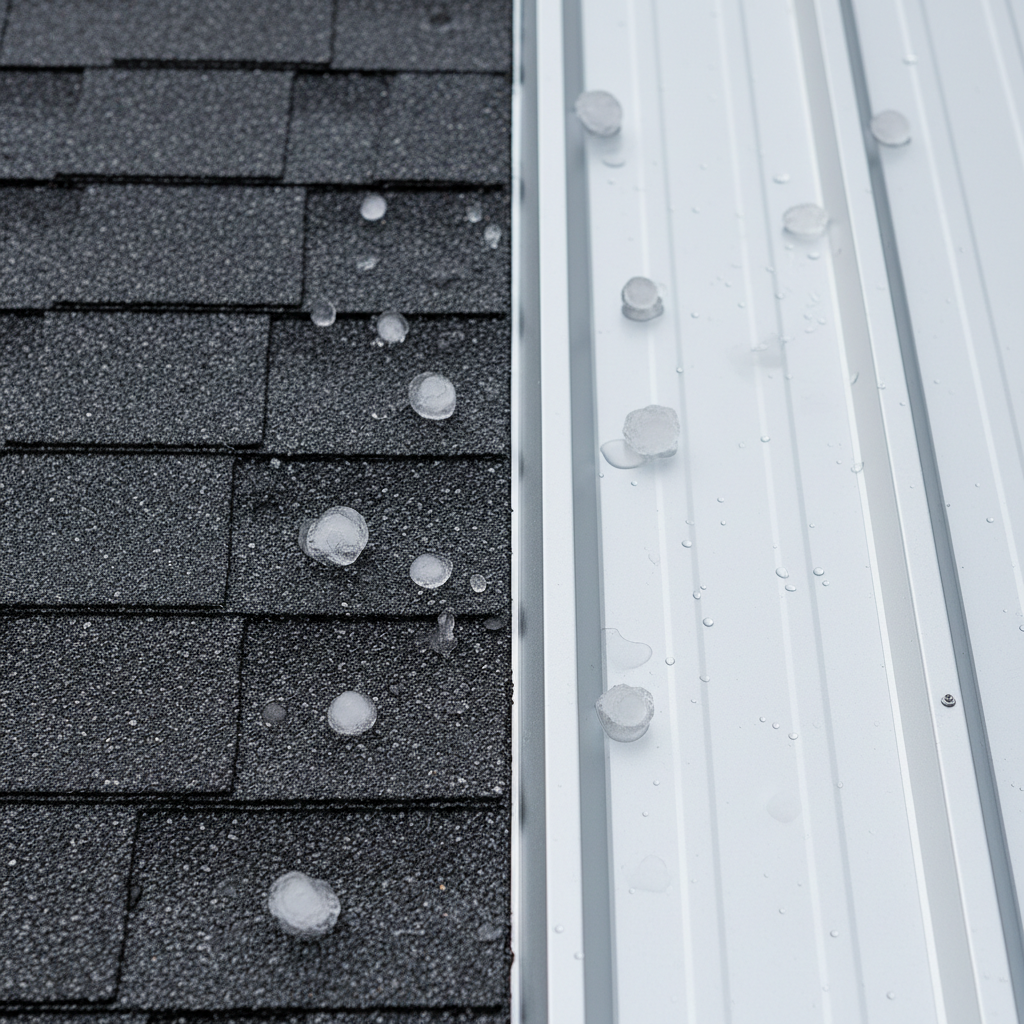
- Hail Damage: The undisputed 1 cause. Hailstones of 1.25" or larger cause significant bruising and granule loss to standard architectural shingles, often leading to a total loss claim.
- Wind Damage: While less frequent than major hail, straight-line wind events (50-70 mph) can lift and crease shingles, breaking the sealant strip and making them susceptible to being torn off.
- Heat & Age: The relentless North Texas sun bakes shingles, causing the asphalt to dry out, curl, and lose granules. This exposes the fiberglass mat to UV rays, leading to rapid deterioration after the 10-12 year mark.
- Improper Installation: Inadequately nailed shingles, missing starter strips, improperly flashed chimneys and valleys—these installation errors are rampant and often lead to leaks and premature failure.
- Poor Ventilation: A hot, unventilated attic is a roof-killer. It cooks the shingles from the underside, drastically shortening their lifespan. Proper ventilation requires a balanced system of intake (soffit) and exhaust (ridge) vents.
Roofing · Hail damage
| Project category | Roofing |
|---|---|
| Problem type | Hail damage |
| Trade required | Roofing |
| Urgency | Urgent — within days |
| Safety risk | Moderate safety risk |
| DIY suitability | Licensed pro only |
| Cost category | High cost |
| Typical timeline | Inspection within days; claim and build often several weeks |
| Contractor type | Licensed roofing contractor |
Repair option
Spot repair for isolated slopes with limited impact marks.
Replacement option
Insurance-scope replacement when impacts exceed the carrier threshold per square.
Common causes
- Impact bruising that knocked granules loose
- Cracked mat under the surface, not visible from the ground
- Damaged soft metals: vents, gutters, flashing
Relevant tools:repair or replace roofcompare quotes
Published June 12, 2026Last updated August 17, 2026
Tools & materials you'll need
Affiliate links- AmazonClass 4 Impact-Resistant Asphalt ShinglesExample: CertainTeed Landmark IR, GAF ArmourShield II.
- AmazonStanding Seam Metal PanelsTypically 24-gauge or 26-gauge steel with a Galvalume or Kynar 500 finish.
- AmazonSynthetic Roofing UnderlaymentSuperior to traditional felt paper for water resistance.
- AmazonIce & Water ShieldCritical for valleys, chimneys, and other roof penetrations.
- AmazonDrip EdgeDirects water away from the fascia into the gutters.
- AmazonRidge Vent & Soffit VentsEssential for creating a balanced attic ventilation system.
As an Amazon Associate FixlyGuide earns from qualifying purchases — at no extra cost to you. Prices and availability are accurate as of publication and subject to change.
Quick Answer
For most McKinney homeowners, the choice between metal and asphalt roofing comes down to budget versus long-term performance. Asphalt shingles, especially Class 4 impact-resistant ones, offer a reliable, cost-effective solution that aligns with insurance realities in North Texas. A standing-seam metal roof provides superior longevity, hail resistance, and energy efficiency, but at a significantly higher upfront investment that may not be fully recovered at resale.
The Problem
Living in McKinney, Frisco, or anywhere in Collin County means living in the heart of "Hail Alley." The question isn’t if your roof will get hit by hail, but when and how severe it will be. Spring storms tracking across North Texas regularly drop 1.5-inch to 2.5-inch hailstones, which is more than enough to obliterate a standard 3-tab or even an older architectural asphalt shingle roof. This leads to a frustrating and costly cycle of damage, insurance claims, and replacements every 7-10 years.
Homeowners are caught in a difficult position. Do you install another asphalt roof, knowing it’s vulnerable to the next storm? Or do you invest in a more robust material like metal, which comes with a much higher price tag and its own set of considerations? The intense 100°F+ summer heat adds another layer of complexity, baking shingles, accelerating granule loss, and driving up attic temperatures and cooling costs. The wrong choice can mean not just another premature replacement, but also years of higher energy bills and insurance headaches.
How It Works
Understanding how these two drastically different materials handle the McKinney climate—from hail impact to solar radiation—is key to making a sound decision.
An asphalt shingle is a composite product. Its core is a fiberglass mat, coated in asphalt for waterproofing, and topped with a layer of ceramic granules. These granules do the heavy lifting: they block UV rays that degrade the asphalt, provide color, and offer a first line of defense against rain and small hail. When a large hailstone (1" or more) strikes an asphalt shingle, it physically smashes these granules into the mat, creating a "bruise." This soft spot compromises the shingle, creating a pathway for water intrusion over time and becoming a point of failure that insurance adjusters look for. Class 4 impact-resistant (IR) shingles use a more flexible, polymer-modified asphalt (often called "rubberized"), allowing the shingle to deform under impact and spring back, better protecting the fiberglass mat.
A metal roof, typically standing-seam steel or aluminum, works on a completely different principle. Instead of a granular surface, it’s a solid, interlocking metal panel. When struck by hail, metal will dent. While a cosmetic issue, these dents typically do not compromise the water-shedding integrity of the roof unless a seam is struck with extreme force or the panel is punctured (a very rare event). From a durability standpoint, dents are preferable to the functional damage of a bruise. Furthermore, metal is a premier "cool roofing" material. It has high solar reflectivity and high thermal emissivity, meaning it reflects a large portion of the sun's energy back into the sky and quickly sheds the heat it does absorb. An asphalt shingle, by contrast, absorbs a massive amount of solar radiation, transferring that heat directly into your attic and forcing your HVAC system to work much harder during punishing McKinney summers.
Step-by-Step Decision Process
Choosing a roof is a major financial decision. Follow this process to determine the best fit for your McKinney home.
1. Review Your HOA Covenants — Before you get quotes or fall in love with a specific material, check your Homeowners Association rules. Many McKinney HOAs have strict regulations on roofing materials, styles, and colors. Some may prohibit metal roofs entirely or only permit specific styles (like stone-coated steel tiles that mimic slate or shake).
2. Define Your Long-Term Plans — Honestly assess how long you plan to stay in the home. If you see a move in the next 5-7 years, the high upfront cost of a metal roof is almost impossible to recoup. If this is your "forever home," the 50+ year lifespan of metal becomes a much more attractive value proposition.
3. Assess Your Hail Risk Tolerance — While you can't control the weather, you can control your roof's resilience. A standard architectural asphalt roof is a gamble. A Class 4 IR asphalt roof is a calculated hedge. A standing-seam metal roof is a fortress. Your choice depends on your financial ability and desire to minimize future insurance claims.
4. Get an Insurance Quote — Call your insurance agent before making a decision. Ask them directly: "What is the premium discount for installing a UL 2218-rated Class 4 roof?" Many carriers offer significant discounts (sometimes 15-30%) for impact-resistant roofs, which can help offset the higher material cost over a few years.
5. Analyze Energy Efficiency Goals — Are you tired of triple-digit electric bills from June through September? A light-colored standing-seam metal roof can reduce cooling costs by 15-25% compared to a dark architectural shingle. It keeps the attic itself cooler, reducing the load on your entire HVAC system. If energy savings are a top priority, metal is the clear winner.
6. Compare Apples-to-Apples Contractor Bids — Get at least three detailed quotes from reputable, local DFW roofing contractors. Ensure each bid specifies the exact material (e.g., GAF Timberline HDZ vs. CertainTeed Landmark IR vs. 24-gauge Galvalume Standing Seam), underlayment type (synthetic is standard), ventilation plan, and warranty details. Vague quotes are a red flag.
7. Inspect for Comprehensive Installation — For any roof, the quote must include replacing all components: new drip edge, step and counter flashing, valley metal, pipe jacks, and a proper ventilation system. Inadequate ventilation is a primary cause of premature shingle failure in the Texas heat.
8. Understand the Warranties — There are two warranties: the manufacturer's warranty on the material itself and the contractor's workmanship warranty. A lifetime shingle warranty is prorated and doesn’t cover bad installation. A strong workmanship warranty (10+ years) is a sign of a confident, quality-focused contractor.
9. Evaluate Aesthetics and Style — Modern standing-seam metal roofs look fantastic on contemporary, modern farmhouse, and Hill Country-style homes. They may look out of place on a very traditional brick Tudor. Architectural shingles offer a classic, textured look that works with nearly any home style in McKinney.
10. Weigh Upfront vs. Lifetime Cost — Finally, compare the total upfront cost against the expected lifespan and ongoing costs (insurance, energy). An asphalt roof might cost $15,000 today but need replacing in 10 years for $20,000. A metal roof might cost $30,000 but last 50+ years, saving you thousands in energy bills and insurance premiums along the way.
Common Causes For Roof Replacement in McKinney
- Hail Damage: The undisputed #1 cause. Hailstones of 1.25" or larger cause significant bruising and granule loss to standard architectural shingles, often leading to a total loss claim.
- Wind Damage: While less frequent than major hail, straight-line wind events (50-70 mph) can lift and crease shingles, breaking the sealant strip and making them susceptible to being torn off.
- Heat & Age: The relentless North Texas sun bakes shingles, causing the asphalt to dry out, curl, and lose granules. This exposes the fiberglass mat to UV rays, leading to rapid deterioration after the 10-12 year mark.
- Improper Installation: Inadequately nailed shingles, missing starter strips, improperly flashed chimneys and valleys—these installation errors are rampant and often lead to leaks and premature failure.
- Poor Ventilation: A hot, unventilated attic is a roof-killer. It cooks the shingles from the underside, drastically shortening their lifespan. Proper ventilation requires a balanced system of intake (soffit) and exhaust (ridge) vents.
Common Mistakes
- Choosing the Cheapest Bid: Going with the lowest bidder is almost always a mistake. It often means they're cutting corners on materials, skipping essential components like new flashing, or using an inexperienced, uninsured crew.
- Ignoring Ventilation: Failing to ensure your contractor calculates and installs a balanced ventilation system (based on the 1:300 rule) is asking for trouble. A hot attic will void most manufacturer warranties.
- Not Upgrading to Class 4: If you choose asphalt, not paying the modest premium for a Class 4 impact-resistant shingle is a major missed opportunity. The insurance savings and added durability are well worth the 10-15% cost increase.
- Falling for Storm Chasers: Avoid out-of-state contractors who show up right after a storm. Stick with local, established DFW companies with a physical office and a long track record in Collin County.
- Misunderstanding Metal Roof "Noise": Worrying about rain noise on a modern metal roof is a common misconception. When installed correctly over a solid roof deck and proper underlayment, a metal roof is no louder than an asphalt roof.
Cost & Time Breakdown
This table outlines typical costs for a 2,500 sq. ft. (25 "square") single-story home in McKinney. Costs can be higher for two-story homes, steep-slope roofs, or complex rooflines.
| Task / Material | DIY Cost | Pro Cost (Asphalt) | Pro Cost (Metal) | Time (Pro Install) |
|---|---|---|---|---|
| Full Tear-Off & Disposal | N/A | $1,500 - $2,500 | $1,500 - $2,500 | 1 Day |
| Architectural Shingles (Class 3) | $4,000 | $12,000 - $16,000 | N/A | 2-3 Days |
| Impact-Resistant Shingles (Class 4) | $5,500 | $15,000 - $20,000 | N/A | 2-3 Days |
| Standing Seam Metal (24-Ga.) | N/A | N/A | $25,000 - $45,000+ | 4-7 Days |
| Plywood Deck Replacement (per sheet) | $60 | $90 - $125 | $90 - $125 | As Needed |
| System Components (Underlayment, Vents, Flashing) | $1,500 | Included in total | Included in total | N/A |
Note: DIY roof replacement is not recommended for safety and performance reasons. The "DIY Cost" reflects materials-only for comparison.
Tips & Prevention
- Get a Post-Storm Inspection: After any significant hail event in McKinney, have a trusted local roofer inspect your roof. Don't rely on your own ground-level assessment.
- Budget for the Upgrade: Even if insurance only pays for a standard shingle, pay the difference out-of-pocket to upgrade to a Class 4 product. It's the single best investment you can make.
- Insist on Synthetic Underlayment: Felt paper can wrinkle and absorb moisture. High-quality synthetic underlayment lays flat, provides superior water resistance, and is a critical secondary barrier.
- Choose Lighter Colors: Whether you choose asphalt or metal, a lighter color shingle or panel will reflect more solar energy, helping to keep your attic cooler and lower your energy bills.
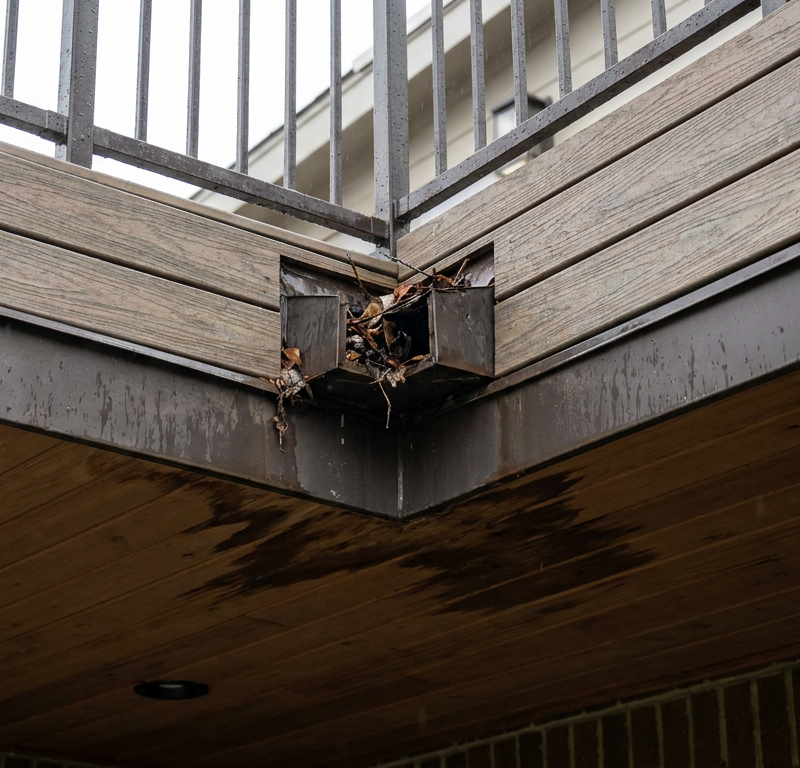
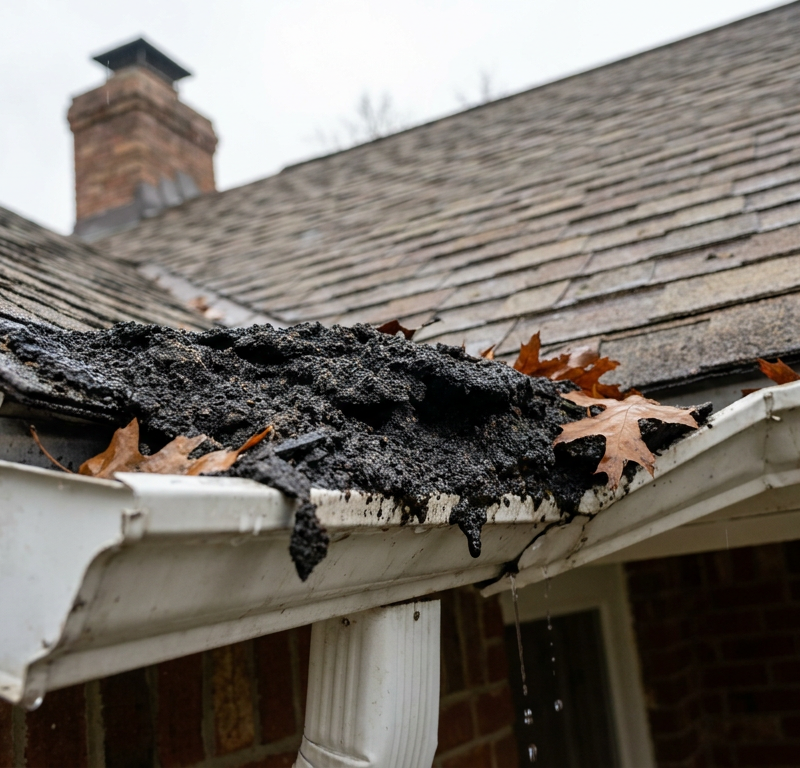
- Clean Your Gutters: Clogged gutters cause water to back up under the roof edge, rotting the fascia and roof decking. This is especially true during the sudden 2-3" downpours common in DFW.
When to Call a Professional
Full roof replacement is not a DIY job. The risk of a fall is significant, and improper installation will inevitably lead to leaks and costly interior damage. You should always call a professional for a full re-roof, especially when dealing with the complexities of an insurance claim.
A qualified, professional DFW roofer will handle the entire process: a thorough inspection, navigating the claim with your insurance adjuster, understanding local building codes, and ensuring the job is done right. Specifically, pros are essential for any work on a two-story home, roofs with a steep pitch (greater than 6:12), or any roof that is wet or slippery. They have the safety equipment (harnesses, roof jacks) and experience to work safely and efficiently. Vetting a pro in McKinney involves checking for proof of general liability and workers' compensation insurance, asking for local references, and confirming they have a permanent office in the DFW area.
Estimate your own project cost
National averages are a starting point. Enter your details for a range that fits your house.
Roof replacement cost
- Per square (installed)$604 – $866
Add $500–$2,500 if decking is rotten and needs replacement. Storm damage may be covered by insurance.
Educational estimate only — always confirm with written local bids.
Questions to ask before you sign
Ask every contractor the same questions and the cheapest bid stops looking cheapest. Check them off as you go — your progress is saved on this device.
Free, no signup. Bring this to every walkthrough so you compare bids on the same terms.
What should this project cost?
Enter your project details for a realistic cost range before you call anyone.
Spot repairs commonly run $400–$1,800; full replacement typically $9,000–$18,000 for an average home.
- Regional adjustment
- National average
- Labor share (typical)
- ~$2,948
- Quotes to collect
- 3 written estimates
Educational estimate based on national averages — not a binding quote. Always confirm with written local estimates.
Fixly Project Decision Box
- DIY difficulty
- Professional Recommended
- Estimated time
- Inspection 1–2 hours · repairs 1–3 days
- Cost level
- High
Main tools / materials
- Binoculars for a ground-level look
- Flashlight for attic checks
- Moisture meter
- Roofing cement (temporary patch only)
When to stop and call a pro
- Active leak near lights, fans, or any wiring
- Sagging, bulging, or water-filled ceiling
- Steep, wet, or two-story roof — do not climb it
- Storm or hail damage you plan to claim on insurance
Need professional help?
Free roof assessment first — no phone calls until you ask for them.
Get Local Roofing HelpPrice your roof project
Check the numbers in this guide against your own roof and ZIP code.
Free, no signup required. Estimates are educational guidance, not a quote or an inspection.
Frequently asked questions
Will a metal roof lower my homeowner's insurance in McKinney?+
Yes, in most cases. Installing a UL 2218 rated Class 4 roof, whether it's metal or impact-resistant asphalt, can result in significant premium discounts from most Texas insurance carriers. Ask your agent for the specific discount percentage before you buy.
Is a metal roof too noisy when it rains?+
This is a common myth. A modern standing-seam metal roof installed over a solid wood deck with proper underlayment is no louder than an asphalt shingle roof. The insulation in your attic also helps to deaden the sound.
Can you install metal roofing over existing shingles?+
While it is sometimes possible, it is highly discouraged in North Texas. A full tear-off allows the contractor to inspect the wood decking underneath for rot or damage—a critical step. Installing over old shingles can also trap moisture and may void the manufacturer's warranty.
How long does a Class 4 asphalt shingle roof last in DFW?+
While the material is warrantied for 30-50 years, the realistic lifespan in the McKinney/DFW area is often determined by hail. Functionally, a Class 4 roof can withstand hail much better and might last 15-25 years, as opposed to the 7-12 year cycle of non-impact-rated shingles.
Discussion
Loading comments…