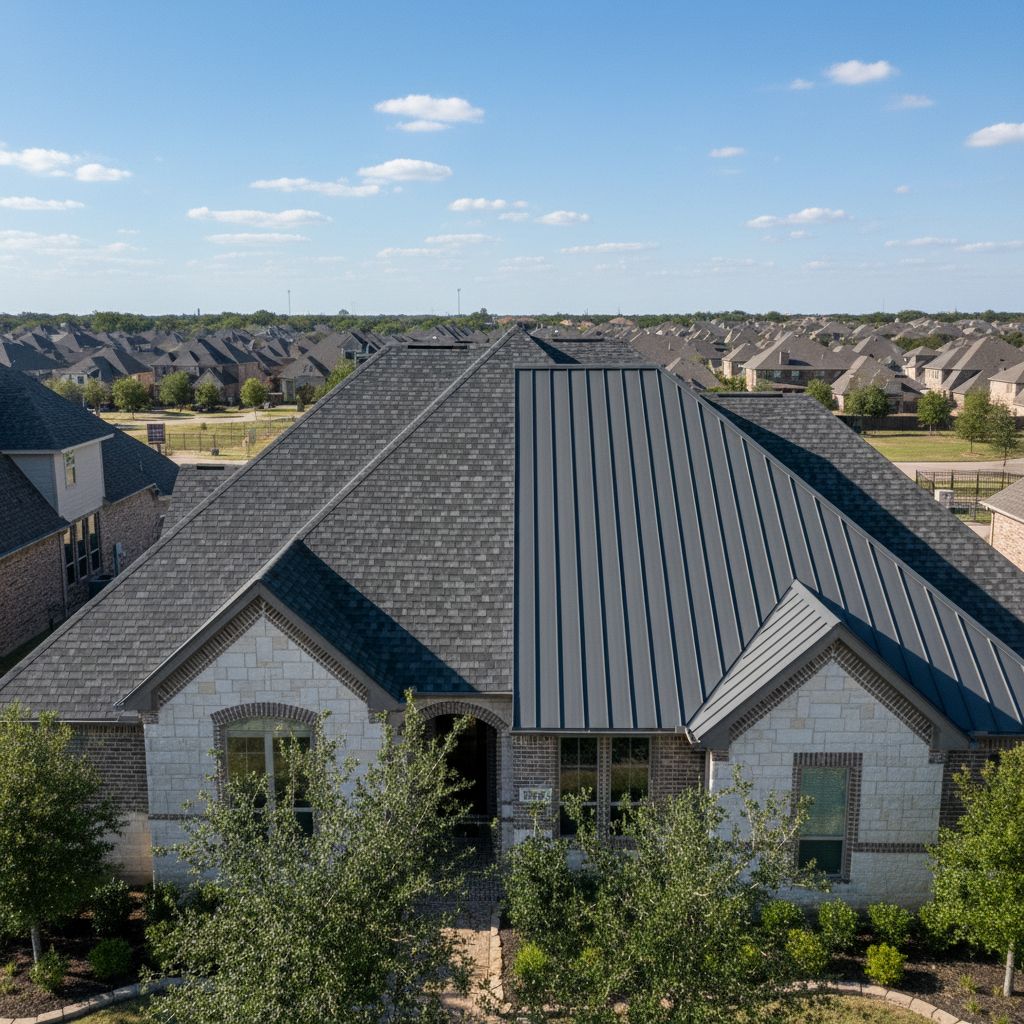
- Severe Hail Impact: Hail of 1.5" diameter or larger will cause significant bruising and granule loss to most standard asphalt shingles, compromising their integrity and leading to a valid insurance claim.
- Poor Attic Ventilation: An under-ventilated attic can reach 150°F+ in the summer. This extreme heat cooks asphalt shingles from below, accelerating their aging process and making them brittle.
- Improper Nailing: Over-driven nails cut into the shingle, while under-driven nails don’t hold it flush. Incorrectly placed nails (in the "high nail" zone) will void the manufacturer's warranty and lead to shingles blowing off in high winds.
- "Storm Chaser" Workmanship: Out-of-town contractors who flood an area after a storm often use inexperienced crews, cut corners on materials like flashing and underlayment, and are gone when leaks appear a year later.
- Inadequate Flashing: Re-using old flashing or improperly installing new flashing around chimneys, skylights, and in valleys is a primary source of roof leaks.
Roofing · Hail damage
| Project category | Roofing |
|---|---|
| Problem type | Hail damage |
| Trade required | Roofing |
| Urgency | Urgent — within days |
| Safety risk | Moderate safety risk |
| DIY suitability | Licensed pro only |
| Cost category | High cost |
| Typical timeline | Inspection within days; claim and build often several weeks |
| Contractor type | Licensed roofing contractor |
Repair option
Spot repair for isolated slopes with limited impact marks.
Replacement option
Insurance-scope replacement when impacts exceed the carrier threshold per square.
Common causes
- Impact bruising that knocked granules loose
- Cracked mat under the surface, not visible from the ground
- Damaged soft metals: vents, gutters, flashing
Relevant tools:repair or replace roofcompare quotes
Published June 12, 2026Last updated August 17, 2026
Tools & materials you'll need
Affiliate linksNo special tools required.
As an Amazon Associate FixlyGuide earns from qualifying purchases — at no extra cost to you. Prices and availability are accurate as of publication and subject to change.
'''
Quick Answer
For McKinney homeowners, choosing between metal and asphalt shingles is a balancing act of upfront cost versus long-term resilience. Class 4 impact-resistant asphalt shingles offer a good, insurable upgrade from builder-grade options at a moderate price, making them a very popular choice in North Texas. Standing seam metal roofs cost significantly more upfront but provide superior longevity, better hail resistance (they dent, but rarely puncture), and energy efficiency that can lead to substantial insurance and utility savings over the decades of their service life in the hot Texas sun.
The Problem
You live in McKinney, the heart of North Texas' "Hail Alley." The question isn’t if your roof will get hit by hail, but when and how bad it will be. Every spring, from March through June, massive storm cells roll through Collin County, dropping hailstones that can range from pea-sized irritants to golf ball or even baseball-sized destroyers. A single 15-minute storm can result in a deluge of calls to insurance companies, a flurry of activity from roofing contractors (both reputable and not), and the dreaded process of filing a claim.
The core problem for a McKinney homeowner isn't just replacing a damaged roof; it's making a smart investment to minimize the cycle of damage, claims, and high deductibles. Your 1% or 2% deductible on a $500,000 home can be a $5,000 or $10,000 out-of-pocket expense every time a major storm hits. The constant threat of hail damage, the brutal 100°F+ summer heat that "bakes" and weakens standard shingles, and navigating the complexities of insurance (Actual Cash Value vs. Replacement Cost Value) makes choosing your next roof one of the most critical financial decisions for your home.
How It Works
Understanding how each roofing material functions under DFW’s unique climate pressures is key to your decision.
Asphalt Shingle Systems Asphalt shingles are the default residential roofing material in North Texas for a reason: they offer a good balance of cost, aesthetics, and performance. But not all asphalt shingles are created equal.
- Composition: An asphalt shingle consists of a fiberglass mat core, which is coated with waterproof asphalt. The top surface is embedded with a layer of mineral granules. These granules do more than provide color; they are the shingle's primary shield against UV radiation from the relentless Texas sun. Without them, the asphalt would quickly dry out and crack.
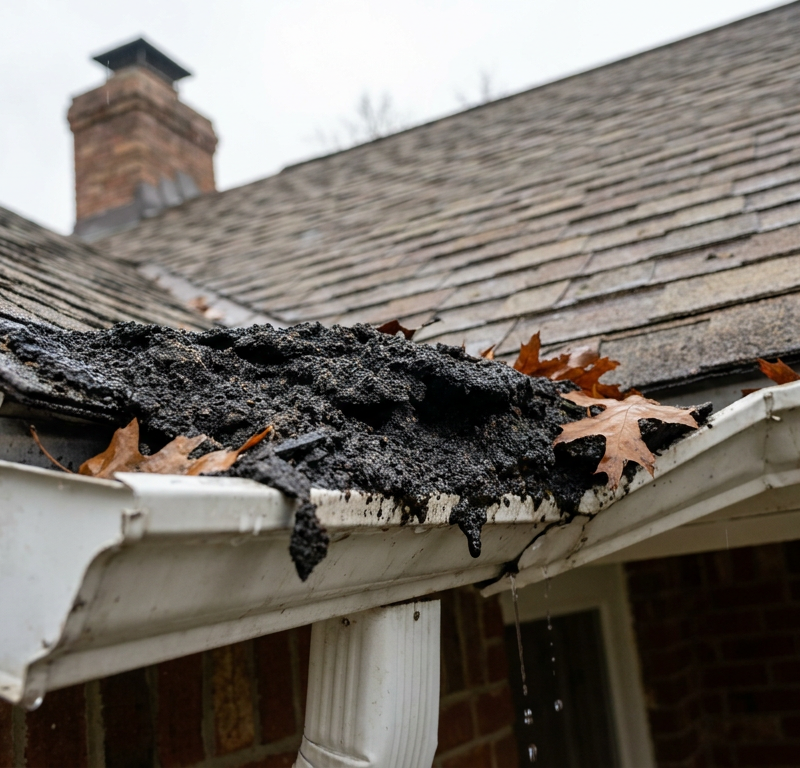
- Hail Impact: When a hailstone strikes an asphalt shingle, it can cause two types of damage. It can knock off the protective granules, exposing the asphalt below to UV degradation. This is called "granule loss." More significantly, it can "bruise" the shingle by fracturing the fiberglass mat itself. A bruise is a soft, spongy spot that you can feel when pressing on the shingle. Insurance adjusters are specifically trained to look for bruising, as this constitutes functional damage that compromises the shingle’s water-shedding ability.
- Classes & Ratings:
- 3-Tab Shingles: The most basic and cheapest option. They are flat, rated for lower wind speeds, and have the shortest lifespan. After recent hail seasons, they are rarely recommended for DFW homes.
- Architectural (or Laminated) Shingles: The most common choice. They are thicker, have a dimensional look, a longer warranty, and better wind resistance than 3-tabs.
- Class 4 Impact-Resistant (IR) Shingles: This is the gold standard for asphalt roofing in Hail Alley. To earn the UL 2218 Class 4 rating, a shingle must withstand having a 2-inch steel ball dropped on it twice from a height of 20 feet without cracking. While not "hail-proof," they are far more resilient than non-rated shingles and often qualify for significant (15-30%) discounts on your homeowner's insurance premium.
Metal Roofing Systems Metal roofing, once relegated to barns and commercial buildings, has become a premium choice for resilient residential roofing.
- Composition: Most residential metal roofs are made of steel (typically G-90 galvanized or Galvalume-coated) or aluminum. They come in various profiles, but the two most common in McKinney are:
- Stone-Coated Steel: These are metal tiles or panels stamped to mimic the look of traditional shingles, wood shake, or tile. A granular coating provides the color and texture.
- Standing Seam: This system consists of large vertical panels with raised, interlocking seams. The fasteners are concealed, creating a sleek, modern look and eliminating thousands of screw penetrations from the roof surface. This is generally considered the superior and more durable metal roofing system.
- Hail Impact: Metal handles hail differently. It will dent. A severe storm can leave a standing seam roof looking like the surface of a golf ball. However, unless the hail is exceptionally large and sharp, the metal itself will not fracture or puncture. The roof remains waterproof. While this is often cosmetic damage (and insurance policies vary wildly on covering it), the primary function of the roof is preserved. Many homeowners accept minor denting as a trade-off for not having to replace the entire roof.
- DFW Climate Advantage: Metal is exceptionally good in the Texas heat. Many colors are "cool roof" rated, meaning they have high solar reflectivity. This can reduce the surface temperature of your roof by 50-70°F, which in turn lowers the heat load on your attic and can cut your air conditioning costs by 10-25%. It’s also impervious to the UV degradation that wears out asphalt shingles.
Step-by-Step: Choosing Your Next McKinney Roof
Replacing a roof is a major project. Follow this process to make an informed decision.
-
Inspect for Damage — After a hail storm, safely view your roof from the ground. Look for dented gutters, downspouts, and vents, which indicate the hail was large enough to damage shingles. Inside, check ceilings and attics for any new water stains.
-
Review Your Insurance Policy — Find your policy documents and understand your dwelling coverage value and, most importantly, your deductible. Most DFW policies have a percentage-based deductible for wind/hail, often 1% or 2% of dwelling coverage. Note whether your policy is for RCV (Replacement Cost Value) or ACV (Actual Cash Value).
-
Get Multiple Contractor Quotes — Call at least three reputable, local DFW roofing contractors with a strong presence in McKinney. Be wary of anyone who knocks on your door immediately after a storm. A good contractor will provide a free, detailed inspection and estimate.
-
Compare Material Samples — Don't just look at brochures. Ask contractors for physical samples of a standard architectural shingle, a Class 4 shingle, and a piece of standing seam metal. Feel the difference in thickness and rigidity of the asphalt shingles. See the thickness and finish of the metal.
-
Analyze the Total Cost of Ownership — Create a simple spreadsheet. Compare the upfront cost of a Class 4 asphalt roof vs. a standing seam metal roof. Then, call your insurance agent and ask for the specific annual premium discount for installing a UL 2218 Class 4 roof and for a metal roof. Factor in the longer lifespan of metal (50+ years vs. 20-25 for asphalt) and potential energy savings.
-
Verify Contractor Credentials — For your top two choices, ask for proof of general liability insurance and at least three recent references in the McKinney/Frisco/Allen area. A reputable roofer will have these readily available.
-
Evaluate the Full System Scope — A roof is more than just the surface material. The quote must detail the type of underlayment (insist on synthetic, not felt paper), the use of ice & water shield in valleys and around penetrations, drip edge profile, and all new flashing.
-
Demand a Ventilation Plan — A critical, often-overlooked step. Ask the contractor to show you the math for your attic ventilation. A properly ventilated attic (following the 1:300 ratio of vent space to attic floor space in a climate like ours) is crucial for the longevity of any roof and for energy efficiency. This involves a balance of intake vents (soffits) and exhaust vents (ridge or turbines).
-
Sign a Detailed Contract — The final contract should specify the exact materials to be used (e.g., "GAF Timberline HDZ - Class 4"), the scope of work including tear-off and cleanup, project timeline, and a clear payment schedule. Never pay the full amount upfront.
-
Prepare for Installation — Roof replacement is loud and messy. Plan to move vehicles from the driveway, cover patio furniture and pools, and prepare for a few days of significant noise.
Common Causes of Premature Roof Failure in McKinney
- Severe Hail Impact: Hail of 1.5" diameter or larger will cause significant bruising and granule loss to most standard asphalt shingles, compromising their integrity and leading to a valid insurance claim.
- Poor Attic Ventilation: An under-ventilated attic can reach 150°F+ in the summer. This extreme heat cooks asphalt shingles from below, accelerating their aging process and making them brittle.
- Improper Nailing: Over-driven nails cut into the shingle, while under-driven nails don’t hold it flush. Incorrectly placed nails (in the "high nail" zone) will void the manufacturer's warranty and lead to shingles blowing off in high winds.
- "Storm Chaser" Workmanship: Out-of-town contractors who flood an area after a storm often use inexperienced crews, cut corners on materials like flashing and underlayment, and are gone when leaks appear a year later.
- Inadequate Flashing: Re-using old flashing or improperly installing new flashing around chimneys, skylights, and in valleys is a primary source of roof leaks.
Common Mistakes to Avoid
- Taking the Lowest Bid: The cheapest quote often means corners are being cut—either with unskilled labor or inferior materials. Roof replacement is not the place to bargain hunt.
- Ignoring a Ventilation Upgrade: Failing to add proper soffit and ridge ventilation during a re-roof is a massive missed opportunity that will shorten the life of your new investment.
- Assuming All "Metal" is Equal: A thin-gauge, exposed-fastener metal roof is not the same as a heavy-gauge, concealed-fastener standing seam system. Understand the differences in material, gauge, and warranty.
- Not Reading Your Insurance Adjustment: Before work begins, review the scope of work your insurance adjuster approved. Ensure your contractor agrees with it and will file a "supplement" for any necessary items the adjuster missed.
- Paying the Full Balance Upfront: A standard payment schedule is a portion upon material delivery, and the final, full balance only upon completion and your satisfaction. Never give the full amount before the job is done.
- Skipping the Insurance Discount Inquiry: Call your agent before signing the contract to confirm the exact premium savings a Class 4 or metal roof will provide.
Cost & Time Breakdown
Costs for a typical 2,500 sq. ft. single-story home in McKinney. Prices can vary with roof complexity and pitch. Estimates include full tear-off of one layer and professional installation.
| Task | DIY Cost | Pro Cost | Time |
|---|---|---|---|
| Standard Architectural Asphalt Roof | N/A | $12,000 - $18,000 | 2-3 Days |
| Class 4 Impact-Resistant Asphalt Roof | N/A | $16,000 - $24,000 | 2-3 Days |
| Stone-Coated Steel Shingles | N/A | $22,000 - $35,000 | 3-5 Days |
| Standing Seam Metal Roof (24-Gauge) | N/A | $28,000 - $45,000+ | 4-6 Days |
| Gutter Replacement (5-inch seamless) | $800+ | $1,500 - $2,500 | 1 Day |
Tips & Prevention
- Pre-Storm Documentation: Take clear, well-lit photos of your roof when it's new or in good condition. This provides a valuable baseline to show an adjuster what constitutes new damage.
- Annual Professional Inspection: For about $100-$200, a reputable roofer can perform an annual "tune-up," sealing pipe jacks, checking flashing, and identifying minor issues before they become major leaks.
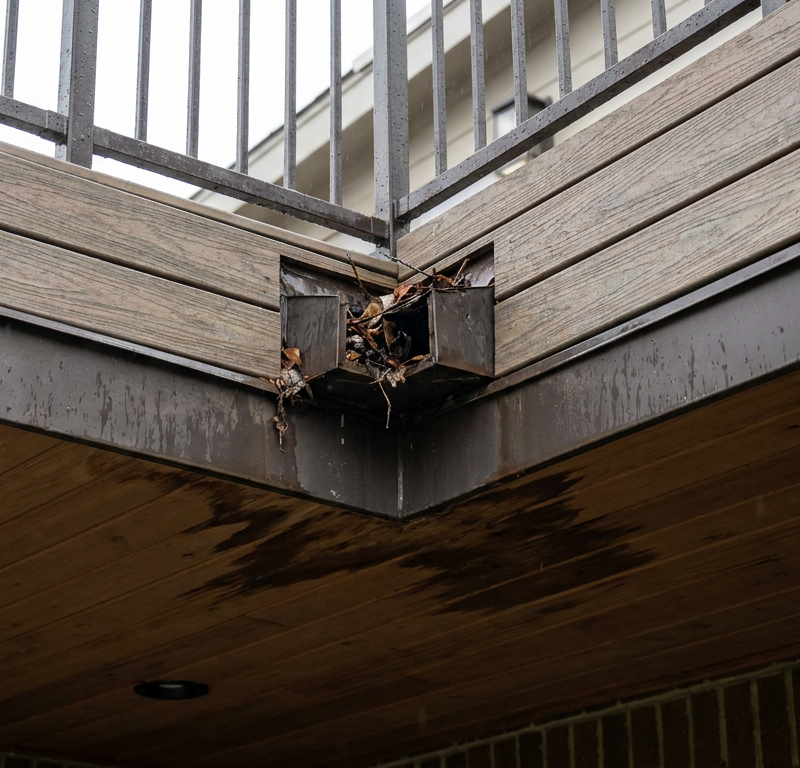
- Keep Gutters Clean: Clogged gutters cause water to back up under the edge of your roof, potentially rotting the decking and fascia. This is especially true during the sudden 2-3 inch downpours common in North Texas.
- Trim Overhanging Trees: Keep tree limbs at least 6-10 feet away from your roof surface to prevent rubbing that wears away granules and to reduce the risk of falling limbs during a storm.
- Ask Your Neighbors: When it's time for a new roof, ask for recommendations within your neighborhood. Find out which companies did good work and were easy to deal with.
When to Call a Professional
Roof replacement is never a DIY job for a homeowner. The risks and technical requirements are far too high. You should call a qualified, insured DFW-area roofing professional for any work that involves getting on the roof.
Safety is paramount. Falls from ladders or roofs are a leading cause of serious injury and death for homeowners. A professional crew has the required safety harnesses, training, and experience to work safely at height, especially on steeper-pitched roofs (anything above a 6:12 pitch). They are also equipped to handle unforeseen issues like discovering soft or rotted decking that needs replacement.
Beyond safety, a professional installation is critical for the manufacturer's warranty and for the roof's performance. A roof is an integrated system of materials. Proper nailing patterns, flashing techniques, ventilation calculations, and underlayment installation are things that require daily practice and expertise. Your home's primary defense against water and the elements is not the place to learn on the job. Investing in a top-tier local contractor is just as important as investing in quality materials. '''
Repair or replace your roof?
Plug in four numbers and see which choice holds up financially.
Free and instant. Educational guidance only — not a quote, inspection, or professional diagnosis.
Estimate your own project cost
National averages are a starting point. Enter your details for a range that fits your house.
Roof replacement cost
- Per square (installed)$604 – $866
Add $500–$2,500 if decking is rotten and needs replacement. Storm damage may be covered by insurance.
Educational estimate only — always confirm with written local bids.
What should this project cost?
Enter your project details for a realistic cost range before you call anyone.
Spot repairs commonly run $400–$1,800; full replacement typically $9,000–$18,000 for an average home.
- Regional adjustment
- National average
- Labor share (typical)
- ~$2,948
- Quotes to collect
- 3 written estimates
Educational estimate based on national averages — not a binding quote. Always confirm with written local estimates.
Fixly Project Decision Box
- DIY difficulty
- Professional Recommended
- Estimated time
- Inspection 1–2 hours · repairs 1–3 days
- Cost level
- High
Main tools / materials
- Binoculars for a ground-level look
- Flashlight for attic checks
- Moisture meter
- Roofing cement (temporary patch only)
When to stop and call a pro
- Active leak near lights, fans, or any wiring
- Sagging, bulging, or water-filled ceiling
- Steep, wet, or two-story roof — do not climb it
- Storm or hail damage you plan to claim on insurance
Need professional help?
Free roof assessment first — no phone calls until you ask for them.
Get Local Roofing HelpGet help with your roof now
Stay off the roof. These free tools help you protect the house and reach the right professional fast.
- Emergency repair checklistThe first steps that limit damage before a pro arrives.Open
- Repair or replace your roof?Answer 10 questions about age, leaks, and damage to get a clear next step.Open
- Get local estimatesSend one request and compare written estimates from vetted pros.Open
Free, no signup required. Estimates are educational guidance, not a quote or an inspection.
Get the print-ready PDF of this guide
A clean, ad-free, printable version you can keep on your phone or pin to the workshop wall. Free with a FixlyGuide account.
- Print-optimized layout
- Tools, materials & every step included
- Saved to your account
Frequently asked questions
Do I have to pay my full deductible for a roof replacement in Texas?+
Yes. Texas state law (HB 2102) requires homeowners to pay their insurance deductible in full. A roofing contractor who offers to waive, absorb, or rebate your deductible is committing insurance fraud. Be wary of any such offer, as it's a major red flag.
Will a metal roof really lower my electric bill in McKinney?+
Yes, it is very likely. Modern metal roofs, especially lighter colors with 'cool roof' coatings, have high solar reflectivity. They can reduce the surface temperature of your roof by up to 70 degrees in the summer, which lessens the heat transferred into your attic. This reduces the workload on your HVAC system, leading to energy savings of 10-25% in a hot climate like McKinney's.
Is it safe to walk on a metal roof?+
It depends on the type. You should not walk on a standing seam metal roof, as putting weight on the flat 'pan' sections can cause cosmetic dents. Stone-coated steel roofing is generally safe to walk on, as it's fully supported by the roof deck and the textured surface provides better grip. For any roof work, it's always best to have a professional with the proper safety equipment perform the task.
Will my HOA in McKinney approve a metal roof?+
Maybe. HOA rules vary significantly. Historically, many HOAs prohibited metal roofs. However, with the growing popularity and advanced aesthetics of stone-coated steel and standing seam products, many have updated their covenants to approve specific types and colors. Before you commit, you must submit your chosen material and color to your HOA's architectural review committee for written approval.
Discussion
Loading comments…