- The 4 Hidden Reasons Your Lawn Stays Yellow (And How to Fix It FAST) — Uncover the surprising culprits behind a yellow lawn and learn the quick, effective fixes to restore vibrant green growth.
- The 3 Hidden Ways Your — Uncover the surprising habits and hidden household issues that are silently increasing your homeownership costs and learn how to fix them.
- 7 Hidden Equity Drains Costing You Thousands Annually — Your home is an asset, but silent problems like minor leaks, poor insulation, and deferred maintenance can drain its value. Discover the se…
- 7 Inspection Red Flags That Secretly Signal a $20,000 Bill — Don't let your dream home become a money pit. Many buyers and even some inspectors overlook subtle home inspection red flags that lead to f…
- The Hidden Culprit Behind Your AC Not Cooling (and How to Find It) — If your central AC isn't cooling your home, the issue often stems from a surprisingly simple problem that's easy to overlook. Learn how to…
Published May 16, 2026Last updated August 17, 2026
Tools & materials you'll need
Affiliate linksAs an Amazon Associate FixlyGuide earns from qualifying purchases — at no extra cost to you. Prices and availability are accurate as of publication and subject to change.
Quick Answer
Bargains on secondhand furniture and appliances can be tempting, but they come with significant, often unseen, risks. From hidden pests like bed bugs and termites to dangerous electrical faults and toxic lead paint, bringing a used item into your home without proper inspection can lead to costly repairs, health hazards, and even structural damage. Understanding what to look for and how to properly clean and test items is crucial to mitigate these potential problems and ensure your secondhand finds are truly a good deal.
The Problem
You've spotted a gorgeous vintage dresser, a sturdy cast-iron pan, or a seemingly perfect armchair at a fraction of the cost of new. Your impulse is to snatch it up, high on the thrill of the hunt and the promise of savings. However, beneath that appealing patina or polished exterior often lie hidden dangers that can quickly turn your bargain into a nightmare. These aren't just cosmetic issues; they can be severe enough to compromise your family's health, introduce destructive pests into your living space, or even pose fire and injury risks.
Imagine bringing home a beautiful antique bed frame, only to discover a week later that you've imported a thriving colony of bed bugs, leading to itchy bites and an expensive, disruptive extermination process. Or perhaps that gently used toaster oven shorts out, sparking a small electrical fire because of internal wiring damage you couldn't see. Even that charming, chippy painted cabinet could be a source of lead dust, a serious health hazard, especially for children. The problem is that many of these risks are not immediately apparent, requiring a keen eye and a bit of knowledge to identify before they become your problem.
How It Works
Understanding the mechanics of these secondhand risks helps homeowners make informed decisions. Pests like bed bugs, cockroaches, and even termites are expert hitchhikers. Bed bugs, for example, are tiny, flat insects that can hide in the smallest crevices of furniture, mattresses, and upholstered items. They feed on blood and can survive for months without a meal, making them a persistent threat. When you bring an infested item home, these pests can quickly spread to your existing furniture, carpets, and even walls, creating a widespread infestation that is incredibly difficult and costly to eradicate.
Electrical faults in used appliances often stem from wear and tear, improper repairs, or manufacturing defects that weren't severe enough to warrant a recall. Internal wiring can fray, insulation can degrade, and components like capacitors or heating elements can weaken over time. When these hidden issues are present, plugging in the appliance can cause overheating, short circuits, or even direct electrical shocks. An appliance might work for a short period before failing dramatically or, worse, igniting nearby flammable materials.
Lead paint, once common in homes and on furniture manufactured before 1978, poses a significant health risk. As the paint ages, chips, or flakes, it creates lead dust. This dust can be ingested by children, who are particularly vulnerable to lead poisoning, leading to developmental delays, neurological damage, and other severe health problems. Even adults can suffer from lead exposure. When you sand, scrape, or even just regularly touch lead-painted furniture, you can release this toxic dust into your home.
Structural integrity is another crucial factor. Wooden furniture can suffer from hidden rot, water damage, or insect damage (like from woodworms or termites) that compromises its strength. Chairs may have loose joints that appear stable until weight is applied, leading to collapses. Appliances with dents or deformities might have internal components knocked out of alignment, affecting their safe operation. These issues aren't always visible on the surface, requiring a more thorough inspection than a casual glance.
Step-by-Step Fix
Even though the goal is prevention, sometimes you might bring home an item before realizing its flaws, or you might inherit an item with potential issues. This section focuses on what to do if you've acquired something risky or want to perform a deeper dive. (Remember, for severe issues like gas appliances or major structural compromises, always call a professional.)
-
Isolate and Inspect for Pests – Containment is key upon discovery.
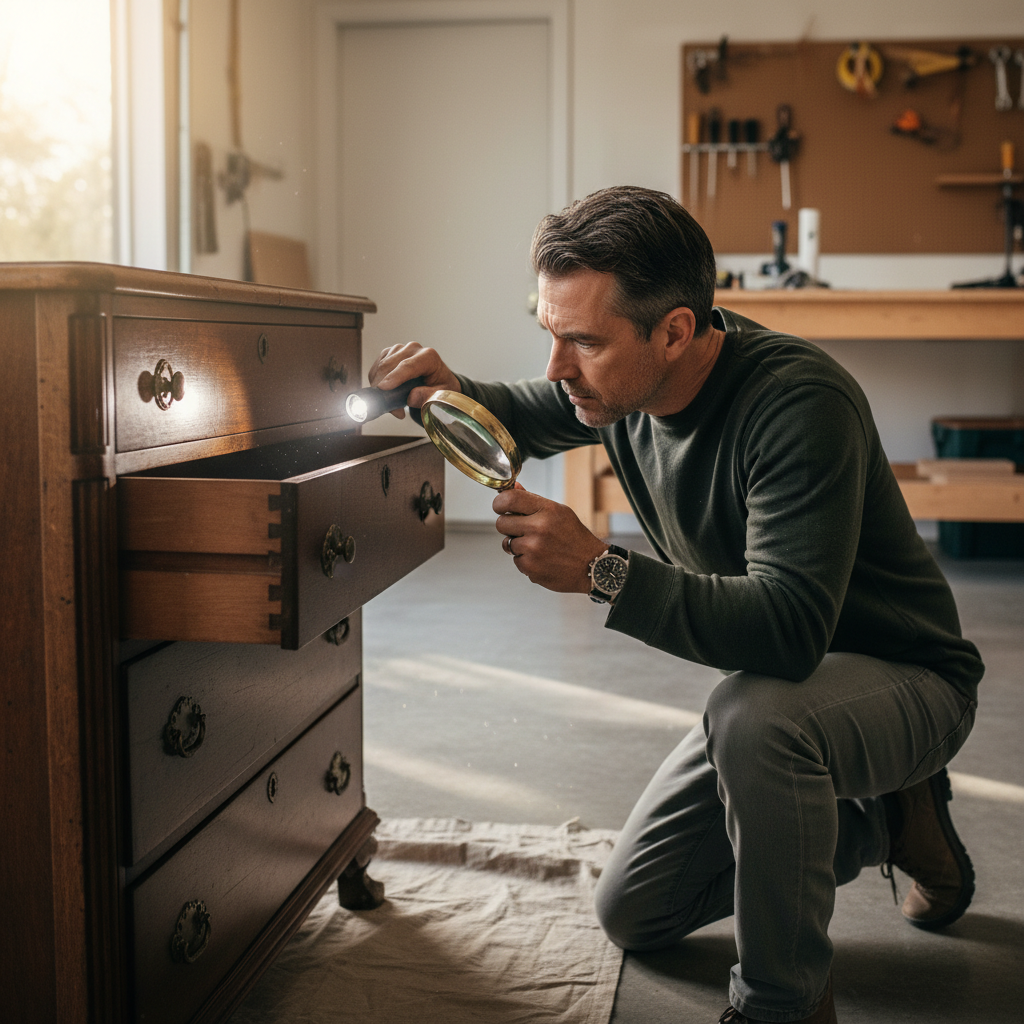
- If you suspect bed bugs or other pests, immediately move the item to an isolated area, preferably outdoors or in a garage, away from other furniture. Seal it in heavy-duty plastic sheeting or large contractor bags. Inspect every seam, crack, and crevice with a flashlight and a magnifying glass. Look for tiny reddish-brown bugs, dark fecal spots, or shed skins.
- If you find live pests: Do not bring the item inside. For small, non-porous items, very carefully consider heat treatment (e.g., in a black bag in direct sun on a hot day, reaching 120°F for several hours) or professional fumigation. For larger items, professional pest control is often the only effective solution. Remember, bed bugs can often survive conventional pesticides.
- If you find signs of wood-destroying insects (frass, tiny holes): The item may be severely compromised. Isolate it and consult a pest control expert immediately, especially if you plan to bring it into your home. They can assess the extent of the damage and recommend treatment.
-
Safety Check for Electrical Appliances – Prioritize electrical safety before plugging in.
- Before plugging in any used appliance, visually inspect the power cord for fraying, cuts, exposed wires, or brittle insulation. Check the plug for bent prongs or scorching. Gently shake the appliance; if you hear loose parts rattling inside, it's a red flag.
- Open easily accessible panels (if applicable and safe to do so) to look for signs of burning, rust, or loose connections. Look for any modifications that don't appear original or professionally done. Use a multimeter to test for continuity in cords if you know how.
- If you find any damage: Do NOT plug it in. Unless you are a qualified electrician, do not attempt to repair internal electrical components. Severely damaged electrical items should be recycled as scrap metal or discarded safely. If it's a valuable antique, consult an appliance repair specialist who handles vintage items.
-
Test for Lead Paint – Protect yourself and your family from neurotoxins.
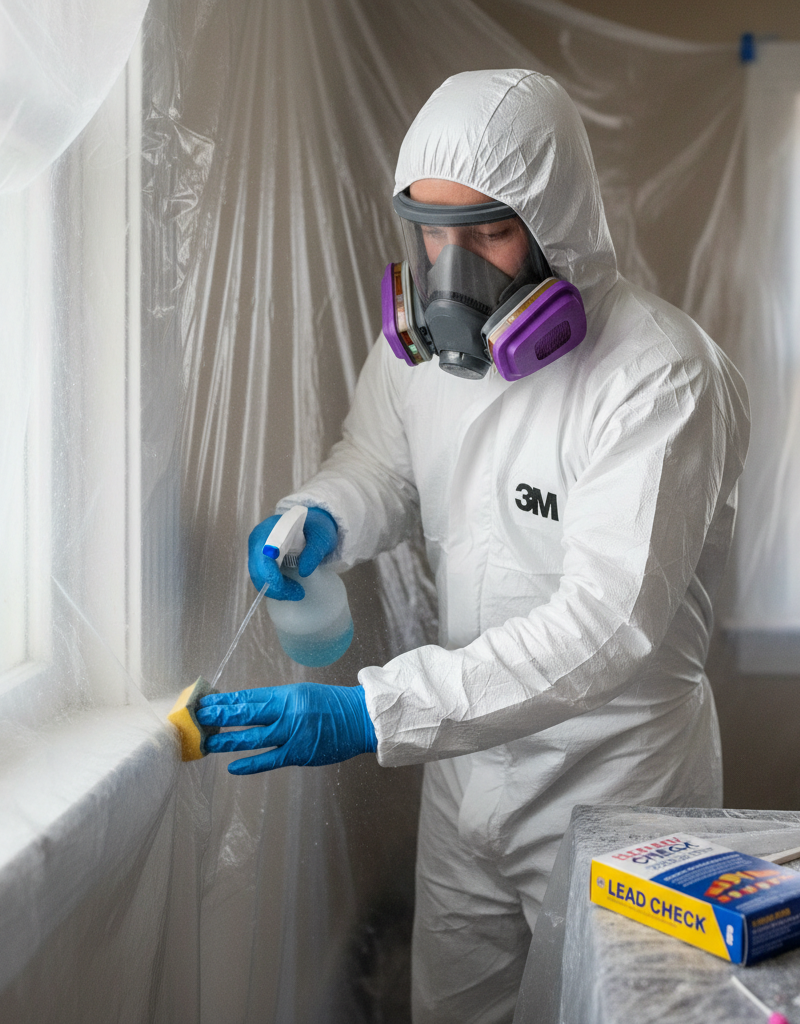
- Purchase a reliable lead paint test kit from a hardware store. These usually involve swabbing a treated cotton tip on the painted surface; a color change indicates the presence of lead. Test in several inconspicuous areas, as items might have multiple paint layers.
- If lead is detected: You have several options. For small, non-essential items, consider discarding them safely. For larger, valuable, or functional items, encapsulation (sealing the lead paint under new, lead-free paint or a clear sealant) is often the safest DIY approach. Never sand or scrape lead paint; this releases dangerous dust. For extensive lead paint on large surfaces or items children will frequently use, professional lead abatement is recommended.
-
Assess Structural Integrity – Ensure the item won't collapse or break.
- For furniture: Wiggle chair legs, drawers, and cabinet doors. Listen for creaks or instability. Turn tables and chairs upside down to inspect joints. Look for loose screws, wobbly connections, or evidence of wood glue failure. Press on all surfaces, especially in areas that might have accumulated moisture, to check for soft spots or rot.
- For larger items like shelves or dressers: Load them lightly if possible and observe for bowing or shifting. Check for cracks, splits, or missing components. For upholstered items, press firmly on the frame to feel for stability and ensure there are no broken springs or supports.
- If you find instability or damage: Small joint repairs can often be done with wood glue, clamps, and new screws. For significant rot, extensive cracking, or major structural failure, the item may be beyond safe DIY repair and should be avoided or professionally restored.
Common Causes
- Neglect & Improper Storage: Many secondhand items come from attics, garages, or basements where they've been exposed to moisture, temperature fluctuations, and pests. This accelerates degradation, breeds mold, and provides ideal habitats for insects.
- Unknown History: You rarely know the full story of a secondhand item – has it been dropped, repaired poorly, or exposed to contaminants? This 'unknown' is a major risk factor.
- Lack of Maintenance: Previous owners may not have performed routine maintenance on appliances or furniture, leading to cumulative wear and tear that manifests as a problem only after you acquire it.
Related Articles
Keep troubleshooting with these hand-picked guides from FixlyGuide:
- The 4 Hidden Reasons Your Lawn Stays Yellow (And How to Fix It FAST) — Uncover the surprising culprits behind a yellow lawn and learn the quick, effective fixes to restore vibrant green growth.
- The 3 Hidden Ways Your — Uncover the surprising habits and hidden household issues that are silently increasing your homeownership costs and learn how to fix them.
- 7 Hidden Equity Drains Costing You Thousands Annually — Your home is an asset, but silent problems like minor leaks, poor insulation, and deferred maintenance can drain its value. Discover the se…
- 7 Inspection Red Flags That Secretly Signal a $20,000 Bill — Don't let your dream home become a money pit. Many buyers and even some inspectors overlook subtle home inspection red flags that lead to f…
- The Hidden Culprit Behind Your AC Not Cooling (and How to Find It) — If your central AC isn't cooling your home, the issue often stems from a surprisingly simple problem that's easy to overlook. Learn how to…
- The 3 Hidden Reasons Your Circuit Breaker Keeps Tripping (And How to Stop It) — Uncover the surprising culprits behind repeatedly tripping circuit breakers and learn practical, actionable steps to diagnose and resolve t…
What should this project cost?
Enter your project details for a realistic cost range before you call anyone.
Outlet and switch work usually $150–$400; panel upgrades commonly $1,800–$4,200.
- Regional adjustment
- National average
- Labor share (typical)
- ~$709
- Quotes to collect
- 3 written estimates
Educational estimate based on national averages — not a binding quote. Always confirm with written local estimates.
Get the print-ready PDF of this guide
A clean, ad-free, printable version you can keep on your phone or pin to the workshop wall. Free with a FixlyGuide account.
- Print-optimized layout
- Tools, materials & every step included
- Saved to your account
This article was independently written by FixlyGuide based on the source topic.
Frequently asked questions
What are the biggest risks when buying secondhand furniture?+
The biggest risks include pest infestations (bed bugs, termites), lead paint exposure, electrical hazards in used appliances, and hidden structural damage that could lead to collapses or injury. These issues are often not immediately visible.
How can I check for bed bugs in used furniture?+
Carefully inspect every seam, crevice, and hidden spot with a flashlight. Look for tiny reddish-brown insects, dark fecal spots, or shed skins. Isolate the item immediately if you suspect an infestation and consider professional pest control.
Is it safe to buy secondhand electrical appliances?+
It can be, but exercise extreme caution. Always inspect the cord for damage, check for loose parts, and avoid anything showing signs of burning or amateur repairs. When in doubt, it's best to avoid or have a qualified professional inspect it.
How do I know if old furniture has lead paint?+
Use a lead paint test kit from a hardware store. Swab an inconspicuous area; a color change indicates lead. If lead is detected, either encapsulate the paint, remove it professionally, or discard the item safely without sanding.

Discussion
Loading comments…