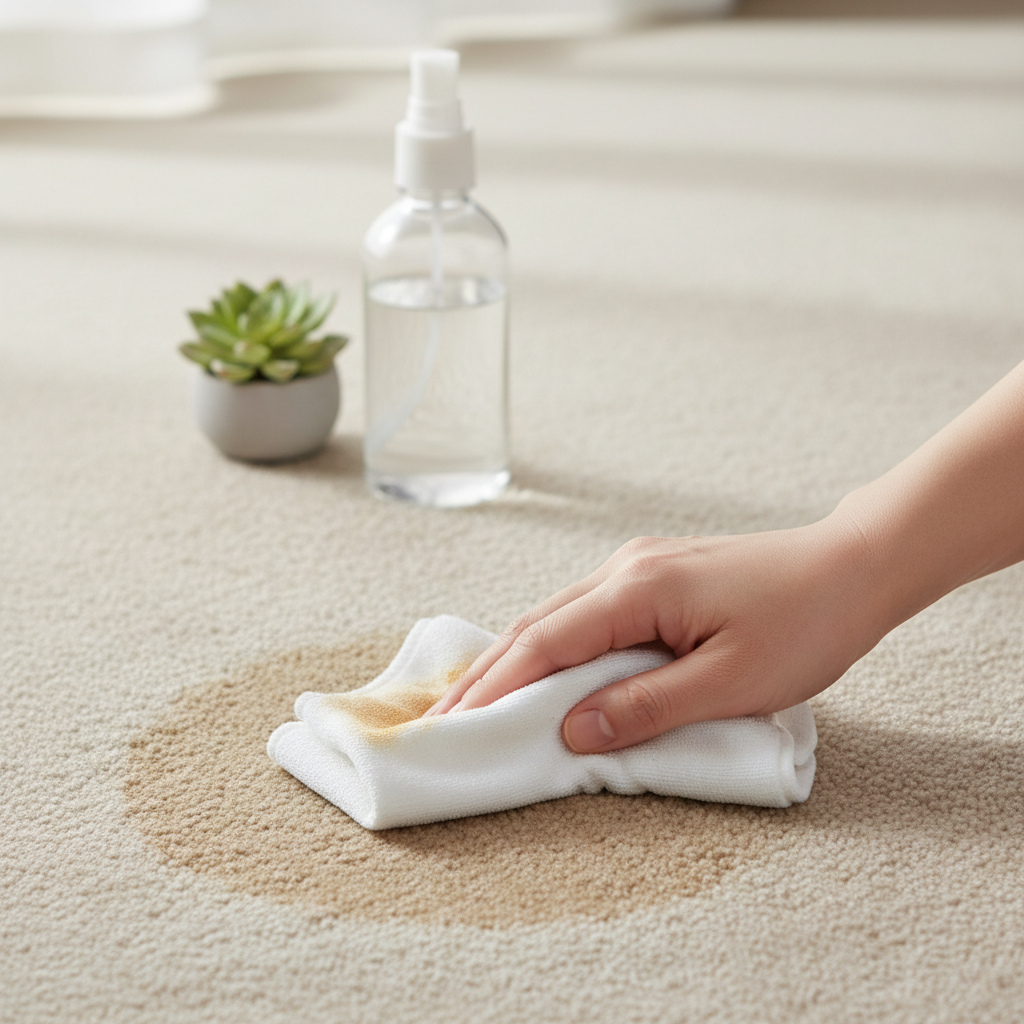
- Foot Traffic and Soil Accumulation: Simply walking on carpets brings in dirt, dust, and tiny abrasive particles that scuff and dull fibers over time, especially in pathways and entryways. This is the most common cause of general dinginess.
- Grease and Oil: From cooking splatters to tracking in engine oil from shoes, oily substances readily bond with carpet fibers and can be very difficult to remove without the right cleaning agents. They often appear as dark, greasy spots.
- Pet Accidents: Pet urine not only stains but also leaves behind strong, lingering odors due to uric acid and bacteria. If not cleaned promptly and thoroughly, these odors can permeate the room and encourage repeat accidents.
- tracked-In Mud/Dirt: Especially common in homes with children or pets, mud, clay, and general outdoor dirt can be trampled into carpets, leaving dark blotches or widespread discoloration.
Electrical · Burning smell or sparking
| Project category | Electrical |
|---|---|
| Problem type | Burning smell or sparking |
| Trade required | Electrical |
| Urgency | Emergency — act now |
| Safety risk | High safety risk |
| DIY suitability | Licensed pro only |
| Cost category | Moderate cost |
| Typical timeline | Same-day emergency call |
| Contractor type | Licensed electrician |
Repair option
Kill the circuit at the panel and have the connection repaired immediately.
Replacement option
Circuit or panel replacement when damage extends beyond one device.
Common causes
- Loose connection arcing inside a box
- Overloaded circuit or undersized wiring
- Failed backstab connections in older receptacles
Relevant tools:emergency checklistdiy or hire a pro
Published May 16, 2026Last updated August 17, 2026
Tools & materials you'll need
Affiliate linksAs an Amazon Associate FixlyGuide earns from qualifying purchases — at no extra cost to you. Prices and availability are accurate as of publication and subject to change.
Quick Answer
For a surprisingly effective and gentle homemade carpet cleaner, combine one cup of white vinegar, two tablespoons of baking soda, and one tablespoon of clear liquid dish soap into a gallon of warm water. This solution tackles common stains, neutralizes odors, and revitalizes dingy carpet areas without the harsh chemicals often found in commercial products, offering a cost-effective and family-friendly alternative for routine spot cleaning and refreshing.
The Problem
Over time, carpets inevitably accumulate dirt, dust, pet dander, and food spills, leading to unsightly stains and a general dullness that diminishes the aesthetic of any room. High-traffic areas become matted and discolored, and lingering odors can make a home feel less inviting. While commercial carpet cleaners promise powerful results, many are laden with harsh chemicals, strong fragrances, and can be quite expensive. For homeowners seeking a safer, more economical, and equally effective way to maintain their carpets, understanding the science behind a simple homemade solution can be a game-changer. The challenge is often finding a non-toxic yet potent mixture that can lift set-in grime without damaging carpet fibers or leaving behind sticky residue that attracts more dirt.
How It Works
Our recommended homemade carpet cleaner harnesses the power of three common household ingredients: white vinegar, baking soda, and liquid dish soap. Each component plays a crucial role in the cleaning process. White vinegar (acetic acid) is an effective natural acid that works to break down alkaline stains and dissolve tough grime, grease, and odors. Its acidic nature helps to neutralize odors caused by bacteria and pets, and it evaporates without leaving a sticky residue, unlike some synthetic cleaners. Don't worry about the vinegar smell; it dissipates completely as the carpet dries. Baking soda (sodium bicarbonate) is a mild abrasive and a powerful deodorizer. When sprinkled on a stain or mixed into the solution, its fine particles help to scrub away dirt without scratching or damaging fibers. More importantly, it absorbs odors by neutralizing acidic and basic odor molecules, rather than just masking them. Finally, a small amount of liquid dish soap (preferably clear and dye-free) acts as a surfactant. Surfactants reduce the surface tension of water, allowing the cleaning solution to penetrate carpet fibers more deeply. They also emulsify oils and suspend dirt particles, making them easier to blot away. Together, this trio creates a synergistic effect: the vinegar breaks down, the baking soda absorbs and scrubs, and the dish soap lifts and suspends, providing a comprehensive cleaning action that rivals many commercial products. This combination is particularly effective because it's gentle on most carpet types, environmentally friendly, and safe for homes with children and pets.
Step-by-Step Fix
Step 1: Vacuum Thoroughly
— Before applying any solution, give your carpet a very thorough vacuuming. This removes loose dirt, dust, and debris from the surface and beneath the fibers, preventing muddy residue once the liquid is applied. Pay extra attention to stained or high-traffic areas, making multiple passes in different directions.
Step 2: Prepare Your Work Area
— Clear the area around the stain or section you plan to clean. Place old towels or plastic sheeting under the carpet if you're concerned about saturation reaching the subfloor, especially for large spills or very old carpets. Ensure good ventilation by opening windows.
Step 3: Mix the Cleaning Solution
— In a clean gallon bucket, combine 1 cup of distilled white vinegar, 2 tablespoons of baking soda, and 1 tablespoon of clear, unscented liquid dish soap. Slowly add 1 gallon of warm (not hot) water, stirring gently to dissolve the baking soda without creating excessive suds. Avoid using too much dish soap, as it can leave a residue.
Step 4: Perform a Spot Test
— Always test your cleaning solution on an inconspicuous area of the carpet, such as inside a closet or under a piece of furniture. Apply a small amount, let it sit for 5 minutes, then blot dry with a clean white cloth. Check for any color change or damage before proceeding. If there's an adverse reaction, dilute the solution further or consult a professional.
Step 5: Apply to Stains or Dingy Areas
— For individual stains, lightly dampen a clean microfiber cloth or sponge with the cleaning solution. For larger dingy areas, you can use a spray bottle (set to a fine mist) or lightly dab with a large sponge. Do not oversaturate the carpet. The goal is to dampen the fibers, not soak the backing.
- Safety Note: Always wear rubber gloves when handling cleaning solutions, even homemade ones, to protect your skin.
Step 6: Gently Blot and Work the Solution
— Allow the solution to sit on the stained area for 5-10 minutes. Then, using a clean, dry white cloth, gently blot the stain from the outside in to prevent spreading. Do not rub aggressively, as this can push the stain deeper into the fibers or damage the carpet pile. Continue blotting with fresh sections of the cloth until the stain is lifted.
- If this doesn't work: For stubborn, set-in stains, apply a paste of baking soda and a few drops of water directly to the stain, allow it to dry completely (several hours or overnight), then vacuum it up before repeating the liquid solution application.
Step 7: Rinse (Blot with Plain Water)
— Dampen a separate clean white cloth with plain warm water. Blot the cleaned area to rinse away any remaining cleaning solution or residue. This step is crucial to prevent stickiness that can attract new dirt. Repeat with fresh water and cloths until no suds or residue transfer to the cloth.
Step 8: Dry the Area Thoroughly
— Place several layers of clean, dry towels over the damp spot and press down firmly to absorb as much moisture as possible. You can also place a heavy book or object on the towels. For faster drying, open windows, use a fan, or run a dehumidifier in the room. Avoid walking on the damp area until it is completely dry, which can take several hours depending on humidity and ventilation. Once dry, gently fluff the carpet fibers with your fingers or a soft brush.
Common Causes
- Foot Traffic and Soil Accumulation: Simply walking on carpets brings in dirt, dust, and tiny abrasive particles that scuff and dull fibers over time, especially in pathways and entryways. This is the most common cause of general dinginess.
- Liquid Spills: Beverages (coffee, tea, soda, wine), pet urine, and food liquids containing dyes or sugars can quickly set into fibers, creating visible stains. Sugary spills are particularly problematic as they can leave a sticky residue that attracts more dirt.
- Grease and Oil: From cooking splatters to tracking in engine oil from shoes, oily substances readily bond with carpet fibers and can be very difficult to remove without the right cleaning agents. They often appear as dark, greasy spots.
- Pet Accidents: Pet urine not only stains but also leaves behind strong, lingering odors due to uric acid and bacteria. If not cleaned promptly and thoroughly, these odors can permeate the room and encourage repeat accidents.
- ** tracked-In Mud/Dirt:** Especially common in homes with children or pets, mud, clay, and general outdoor dirt can be trampled into carpets, leaving dark blotches or widespread discoloration.
- Improper Cleaning Residue: Using too much soap or the wrong cleaning products can leave behind a sticky, soapy residue that actually attracts dirt faster, leading to quicker re-soiling and making carpets appear dirty again almost immediately.
Common Mistakes
- Rubbing Stains Instead of Blotting: Aggressive rubbing can damage carpet fibers by spreading the stain, fraying the pile, and grinding the dirt deeper into the carpet. Always blot gently from the outside in.
- Oversaturating the Carpet: Applying too much liquid can soak through the carpet backing to the padding and subfloor, leading to mildew growth, unpleasant odors, and potential damage to the floor beneath. Dampen, don't drench.
- Using Hot Water with Certain Stains: While warm water is generally good, very hot water can set certain protein-based stains (like blood or some food spills), making them much harder to remove. Stick to warm and test first.
- Ignoring the Spot Test: Skipping the spot test on an inconspicuous area can lead to irreversible damage like color bleeding or fiber discoloration, especially on older or delicate carpets.
- Not Rinsing Thoroughly: Leaving cleaning solution residue in the carpet fibers creates a sticky magnet for new dirt, causing the cleaned area to quickly become dirty again. Always follow with a plain water rinse and blotting.
- Applying Colored Detergents: Using dish soap that has strong dyes can transfer that color to your carpet, especially if the carpet is light-colored. Always opt for clear, dye-free liquid dish soap.
Cost & Time Breakdown
| Task | DIY Cost | Pro Cost | Time |
|---|---|---|---|
| Gather materials | $0–$10 | N/A | 5 minutes |
| Vacuum carpet | $0 | N/A | 10–20 minutes |
| Mix cleaning solution | $0–$5 | N/A | 5 minutes |
| Spot treat / clean small area | $0 | $75–$150 (min. charge) | 15–30 minutes |
| Dry time | $0 | N/A | 2–6 hours |
| Total (DIY) | $5–$10 | N/A | 30–60 mins active + dry |
| Total (Pro) | N/A | $100–$400+ | 1–3 hours active + dry |
Tips & Prevention
- Regular Vacuuming: Vacuum at least 1-2 times a week, more often in homes with pets or heavy traffic. This prevents dirt from settling deep into fibers and becoming embedded.
- Entryway Mats: Place high-quality doormats both outside and inside all entry points to trap dirt and moisture before it reaches your carpets.
- No Shoes Indoors Policy: Adopting a
Related Articles
Keep troubleshooting with these hand-picked guides from FixlyGuide:
- The Hidden Reason Your GFCI Trips (It's Not Always a Faulty Outlet) — A continuously tripping GFCI outlet is a critical safety warning, often indicating moisture, a faulty appliance, or a wiring problem that r…
- The Secret to Lush Raised Beds? It's Not Just About How You Water — Smart irrigation for raised garden beds isn't just about automation; it's about delivering the right amount of water precisely when your pl…
- The 3-Ingredient Carpet Cleaner Recipe That Revitalizes Old Stains — Learn the surprisingly simple, three-ingredient recipe that tackles embedded dirt and deep-seated stains, bringing your carpet back to life…
- The 5-Minute Trick to Vacation-Proof Your Garden (Before You Leave Town) — Prevent your garden from wilting while you're away with simple, proactive steps that ensure lush growth and minimal fuss upon your return.
- The 6 Cleaning Secrets Hiding in Your Power Drill (Plus Attachments to Master) — Your power drill isn't just for DIY projects; with the right attachments, it's a powerful and efficient cleaning tool for tackling tough gr…
- The 3 Hidden Mistakes That Make Your Deck Sealer Fail (And How to Fix Them) — Properly sealing your wood deck protects it from the elements, but common mistakes often lead to early failure. Learn how to reseal your de…
Should you do this yourself?
Answer five quick questions before you start. Safety outranks savings every time.
Your experience with work like this
How high do you have to work?
Does the job involve any of these?
Will it need a permit?
Specialty tools
Free and instant. Educational guidance only — not a quote, inspection, or professional diagnosis.
Questions to ask before you sign
Ask every contractor the same questions and the cheapest bid stops looking cheapest. Check them off as you go — your progress is saved on this device.
Free, no signup. Bring this to every walkthrough so you compare bids on the same terms.
What should this project cost?
Enter your project details for a realistic cost range before you call anyone.
Cost depends heavily on which system turns out to be the source.
- Regional adjustment
- National average
- Labor share (typical)
- ~$1,620
- Quotes to collect
- 3 written estimates
Educational estimate based on national averages — not a binding quote. Always confirm with written local estimates.
This article was independently written by FixlyGuide based on the source topic.
Frequently asked questions
Is homemade carpet cleaner safe for all carpet types?+
Most homemade solutions, especially those using vinegar and baking soda, are safe for a wide range of carpet types. However, always perform a spot test on an inconspicuous area first to ensure there's no discoloration or damage, especially on wool or delicate carpets. Avoid oversaturation, which can damage the carpet backing.
How long does it take for homemade carpet cleaner to dry?+
Drying time typically ranges from 2 to 6 hours, depending on how much solution was applied, the humidity levels in your home, and the ventilation. To speed up drying, ensure good airflow by opening windows, using fans, or running a dehumidifier. Avoid walking on damp areas to prevent re-soiling.
Can I use this solution in a carpet cleaning machine?+
While theoretically possible, using this specific homemade solution in a carpet cleaning machine (like a steam cleaner or carpet extractor) is generally not recommended. The dish soap can create excessive suds that can overflow the machine and damage its motor, and the baking soda might clog internal components over time. This solution is best suited for spot cleaning and manual application.
Discussion
Loading comments…