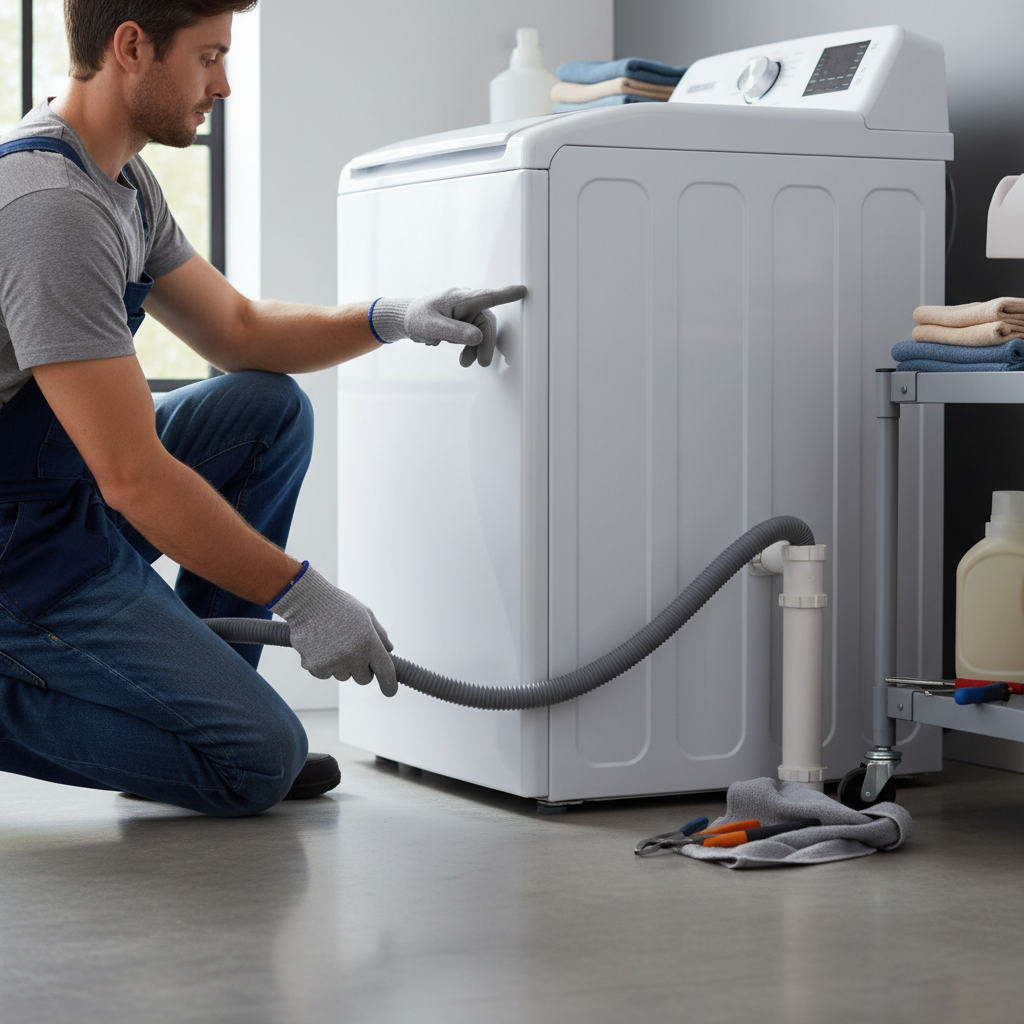
- Check the Drain Hose for Kinks or Clogs:
- Carefully pull your washing machine away from the wall to access the back.
- Inspect the drain hose for any obvious kinks or bends that might be restricting water flow. Straighten any you find.
- Disconnect the drain hose from the standpipe or utility tub (have a bucket ready for residual water).
- Look inside the hose for blockages like lint, socks, or other small items. You can often clear minor clogs by flushing the hose with water from a garden hose or by using a long brush.
General remodeling · Renovation planning
| Project category | General remodeling |
|---|---|
| Problem type | Renovation planning |
| Trade required | General contracting |
| Urgency | Planned project |
| Safety risk | Low safety risk |
| DIY suitability | Pro recommended |
| Cost category | Major investment |
| Typical timeline | Design and permitting often 2–4 months before work starts |
| Contractor type | General contractor |
Repair option
Phase the work and fix the building envelope first.
Replacement option
Full renovation with permits, design, and a general contractor.
Common causes
- Space no longer fits how the household lives
- Resale preparation
- Deferred maintenance stacking up
Relevant tools:project cost estimatorcompare quoteshome improvement material prices
Published April 24, 2026Last updated August 17, 2026
Tools & materials you'll need
Affiliate links- AmazonTowels
As an Amazon Associate FixlyGuide earns from qualifying purchases — at no extra cost to you. Prices and availability are accurate as of publication and subject to change.
Quick Answer
A washing machine that suddenly stops draining can be frustrating. The good news is that many drainage issues are caused by easily fixable problems like clogged hoses, a dirty pump filter, or a faulty lid switch. By following a few diagnostic and repair steps, you can often get your machine back to normal quickly.
The Problem
You open your washing machine after a cycle, expecting clean, damp clothes, but instead, you find them submerged in a pool of dirty water. This indicates your washing machine isn't draining properly. Beyond the annoyance of wet laundry, prolonged standing water can lead to mold and mildew growth in your machine.
Safety Note
Always unplug your washing machine from the power outlet before performing any inspection or repair to prevent electrical shock. Be prepared for some water to spill when disconnecting hoses or checking the pump filter, so have towels and a bucket ready.
Step-by-Step Fix
-
Check the Drain Hose for Kinks or Clogs:
- Carefully pull your washing machine away from the wall to access the back.
- Inspect the drain hose for any obvious kinks or bends that might be restricting water flow. Straighten any you find.
- Disconnect the drain hose from the standpipe or utility tub (have a bucket ready for residual water).
- Look inside the hose for blockages like lint, socks, or other small items. You can often clear minor clogs by flushing the hose with water from a garden hose or by using a long brush.
-
Inspect the Lid Switch Assembly:
- The lid switch is a safety mechanism that prevents the washer from spinning or draining when the lid is open. If it's faulty, your machine might not complete the cycle.
- Locate the lid switch, usually found under the main top of the washer, near the lid opening. It often has a plastic tab on the lid that pushes into the switch when closed.
- Visually inspect the switch for damage. Sometimes, the plastic tab on the lid or the switch itself can break.
- To test, manually depress the switch plunger with your finger (or a screwdriver handle) and hold it down. If your machine starts agitating or draining, the switch or the tab might be the problem. You can usually bypass it temporarily for testing by taping it down, but replacement is recommended.
-
Clean the Pump Filter (If Accessible):
- Many front-loading and some top-loading machines have a drain pump filter designed to catch lint and small objects before they reach the pump. A clogged filter will prevent draining.
- Consult your owner's manual for the exact location of the pump filter. It's often behind a small access panel at the bottom front of the washer.
- Place towels and a shallow pan under the filter housing before opening, as water will likely come out.
- Slowly unscrew the filter cover or cap and carefully pull out the filter.
- Remove any debris, lint, coins, or foreign objects. Clean the filter thoroughly under running water with a brush.
- Reinsert the clean filter and securely close the cover.
-
Check the Drain Pump (Advanced - Visual Inspection Only):
- If the above steps don't work, the drain pump itself might be faulty or obstructed.
- Accessing the drain pump can vary significantly by model (front or back panel removal may be required – refer to your manual).
- Once you locate the pump, look for any visible obstructions in the pump impeller area. Do not put your hands inside the pump without knowing it is completely disconnected from power.
- If there are no obvious obstructions and the previous steps failed, the pump likely needs replacement. This is a task often best left to a professional.
-
Run a Test Cycle:
- Once you've completed your inspection and cleaning, plug the washing machine back in.
- Add a small amount of water to the tub (you can use a bucket) and select a "drain and spin" cycle to see if the problem is resolved.
Common Causes
- Clogged Drain Hose: Lint, small articles of clothing (like socks), or foreign objects can get lodged in the drain hose, blocking water flow.
- Faulty Lid Switch: If the lid switch isn't registering that the lid is closed, the machine won't proceed with the spin or drain cycle as a safety measure.
- Blocked Pump Filter: Accumulated lint, coins, buttons, and other debris can clog the drain pump filter, preventing water from being expelled.
- Malfunctioning Drain Pump: The pump motor can wear out or seize, or the impeller can be broken, preventing it from pushing water out.
- Improper Installation: A drain hose pushed too far into the standpipe can create a siphon that drains water prematurely or can be too high, causing drainage issues.
Tips & Prevention
- Regular Filter Cleaning: If your machine has an accessible pump filter, clean it every 3-6 months, especially if you wash a lot of pet hair or heavily soiled items.
- Check Pockets: Always check clothing pockets before washing to remove coins, keys, or other small items that could clog the pump or hoses.
- Don't Overload: Overloading the washer can throw the machine off balance, sometimes interfering with the spin and drain cycles.
- Proper Hose Placement: Ensure the drain hose isn't kinked and is installed at the correct height in the standpipe according to your washing machine's manual.
When to Call a Professional
Call a licensed appliance repair professional if you've followed all the troubleshooting steps and your washing machine still isn't draining, or if you suspect a faulty drain pump or other internal component that requires extensive disassembly or electrical work. Dealing with standing water near electrical components can be hazardous, so don
Related Articles
Keep troubleshooting with these hand-picked guides from FixlyGuide:
- The #1 Mistake Homeowners Make When Diagnosing Low Water Pressure — Discover the most common oversight homeowners make when troubleshooting low water pressure throughout their house and how to fix it with si…
- One Shower, No Hot Water? The Hidden Mixing Valve Trick Plumbers Use — Discover why only one shower in your home might lack hot water and the simple internal fix for a common mixing valve issue, saving you a pl…
- The #1 Mistake Homeowners Make When Diagnosing Low Water Pressure (It's Not Your Pipes!) — Discover the most overlooked culprit behind low water pressure throughout your entire house and learn how to fix it with simple steps.
- Your shower sucks? 3 hidden culprits explained. — Low water pressure throughout your house often points to a few common culprits, from a partially closed main shut-off valve to issues with…
- The 3 Hidden Reasons Your LED Bulbs Die Early (And the Simple Fixes) — LED bulbs promise long life, but often fail prematurely due to hidden electrical issues or incompatible fixtures. Learn the real culprits.
- Dishwasher Not Draining? Easy Fixes for a Clogged Drain — A dishwasher that won't drain at the end of a cycle is a common problem, often caused by simple clogs or blockages that homeowners can fix…
Should you do this yourself?
Answer five quick questions before you start. Safety outranks savings every time.
Your experience with work like this
How high do you have to work?
Does the job involve any of these?
Will it need a permit?
Specialty tools
Free and instant. Educational guidance only — not a quote, inspection, or professional diagnosis.
What should this project cost?
Enter your project details for a realistic cost range before you call anyone.
Common repairs run $150–$650; repipes and water-heater replacements reach $1,500–$4,500.
- Regional adjustment
- National average
- Labor share (typical)
- ~$754
- Quotes to collect
- 3 written estimates
Educational estimate based on national averages — not a binding quote. Always confirm with written local estimates.
Fixly Project Decision Box
- DIY difficulty
- Moderate
- Estimated time
- 30 minutes – half a day
- Cost level
- Moderate
Main tools / materials
- Adjustable wrench
- Plunger or drain auger
- Bucket and towels
- Thread tape
When to stop and call a pro
- Water you cannot shut off at the fixture or main
- Sewage backing up into more than one fixture
- Water near electrical panels or outlets
- Gas water heater work beyond relighting a pilot
Need professional help?
Get a Licensed PlumberGet the print-ready PDF of this guide
A clean, ad-free, printable version you can keep on your phone or pin to the workshop wall. Free with a FixlyGuide account.
- Print-optimized layout
- Tools, materials & every step included
- Saved to your account
Recommended for DIYers & woodworkers
Sponsored
The Top 20 Tools for Workshops of Any Budget
No stationary machines or power tools required — plus 3 fundamental tools that can't be bought at any price.
Get the free guide
Ted's Woodworking — The #1 Woodworking Resource
Detailed instructions, dimensioned drawings, materials & cutting lists, and 3D schematics for every skill level.
See the plansSponsored: links above are affiliate links. FixlyGuide may earn a commission on qualifying purchases — at no extra cost to you.
Frequently asked questions
Why is my washing machine not draining completely?+
The most common reasons are a clogged drain hose, a blocked pump filter, or a faulty lid switch preventing the spin cycle from engaging fully.
How do I clear a clogged washing machine drain hose?+
First, unplug the machine. Then, carefully pull the machine out, disconnect the drain hose from the wall or utility tub, and remove any visible obstructions. You can try flushing it with a garden hose.
Where is the drain pump filter on a washing machine?+
On most front-loading washers and some top-loaders, the drain pump filter is located behind a small access panel at the bottom front of the machine. Consult your owner's manual for the exact location.
Can a faulty lid switch stop a washing machine from draining?+
Yes, a faulty lid switch is a common cause of drainage issues. The machine won't spin or drain if it doesn't detect that the lid is securely closed, as a safety measure.
Should I call a professional if my washer won't drain?+
If you've checked the drain hose, lid switch, and pump filter and your washer still isn't draining, it's best to call a licensed appliance repair professional. They can diagnose and repair internal components like a faulty drain pump safely.

Discussion
Loading comments…