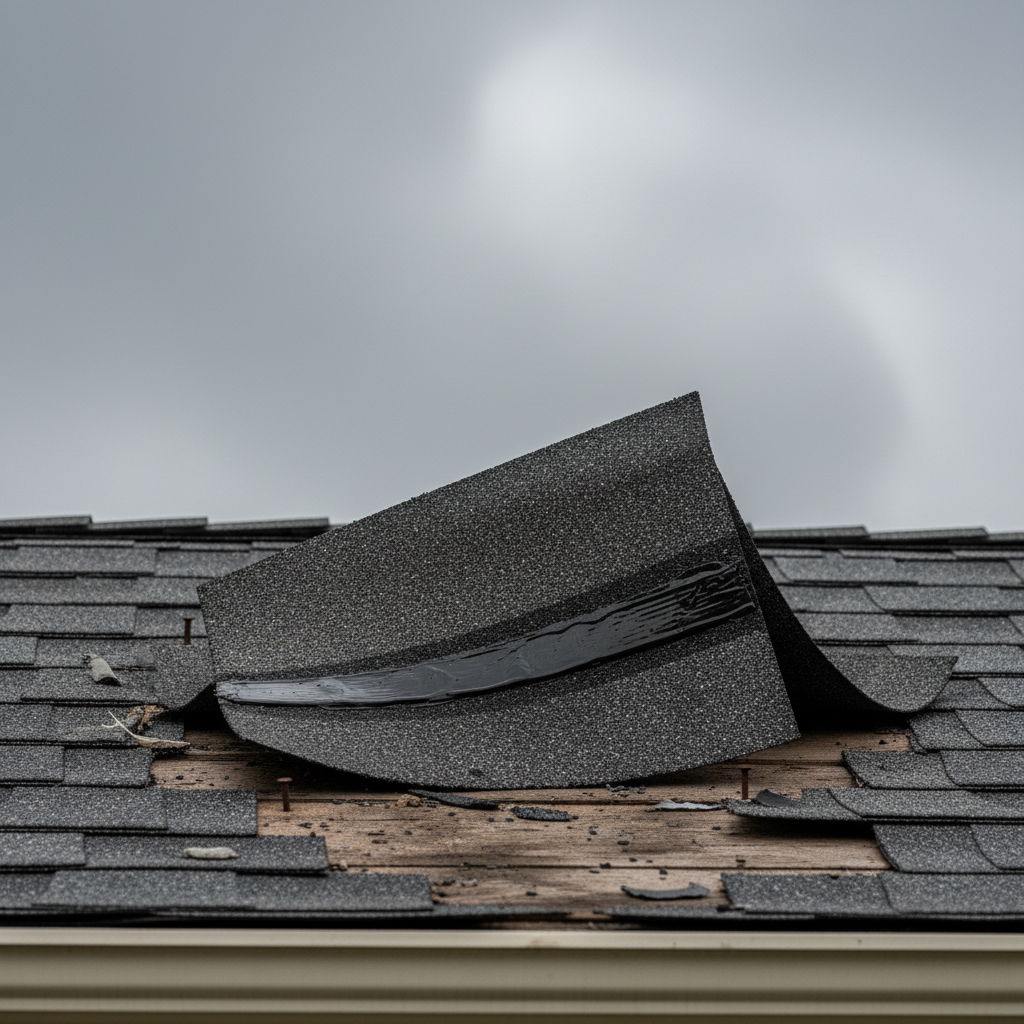
- Ignoring a Few Missing Shingles: Thinking "it's only one or two" is a recipe for disaster. This is an active roof leak waiting to happen.
- Face Nailing: Driving a nail through the visible, exposed portion of a shingle. It’s an immediate leak point and a clear sign of an amateur repair.
- Using Mismatched Shingles: Using a different color or style looks terrible and can be an issue when you sell your home. It can also cause issues with how water is shed.
- Not Addressing the Underlying Cause: Just replacing the one shingle without checking for a pattern of high nailing or failed sealant on the rest of the roof is a temporary fix at best.
- DIYing a Steep or High Roof: Underestimating the danger. A 7:12 pitch or greater is not a DIY job. Period.
Roofing · Hail damage
| Project category | Roofing |
|---|---|
| Problem type | Hail damage |
| Trade required | Roofing |
| Urgency | Urgent — within days |
| Safety risk | Moderate safety risk |
| DIY suitability | Licensed pro only |
| Cost category | High cost |
| Typical timeline | Inspection within days; claim and build often several weeks |
| Contractor type | Licensed roofing contractor |
Repair option
Spot repair for isolated slopes with limited impact marks.
Replacement option
Insurance-scope replacement when impacts exceed the carrier threshold per square.
Common causes
- Impact bruising that knocked granules loose
- Cracked mat under the surface, not visible from the ground
- Damaged soft metals: vents, gutters, flashing
Relevant tools:repair or replace roofcompare quotes
Published June 12, 2026Last updated August 17, 2026
Tools & materials you'll need
Affiliate linksAs an Amazon Associate FixlyGuide earns from qualifying purchases — at no extra cost to you. Prices and availability are accurate as of publication and subject to change.
Quick Answer
Fort Worth roofs lose shingles in seemingly minor storms not just from raw wind speed, but from a combination of underlying weaknesses. The most common culprits are improper nailing during installation (high nails, overdriven nails), heat-degraded sealant strips that fail to bond after years of 100°F+ Texas sun, and subtle, pre-existing hail damage that has already weakened the shingle, making it easy for even moderate wind to lift and tear it away.
The Problem
You wake up after a classic North Texas spring thunderstorm. It wasn't a monster—no tornado sirens, just some rumbling, a heavy downpour, and gusts of wind that whistled a bit. You walk outside to grab the paper and see it: a lone asphalt shingle lying in your front yard. A quick scan of the roof reveals a small, bare patch. You're confused. The weather app said gusts were only 50 MPH. Surely a roof is designed to handle that, right? This scenario plays out across Tarrant County, from Benbrook to Keller, leaving homeowners wondering why their roofs seem so fragile against winds that aren't even severe.
Losing a few shingles is more than a cosmetic issue; it’s a breach in your home’s primary defense against water. That small exposed patch is a direct invitation for rain to penetrate the underlayment and decking, leading to rot, mold, and costly interior damage. The real issue isn’t the single storm; it’s that the "harmless" wind gust was simply the final straw for a shingle that was already compromised.
How It Works
To understand why a 50 or 60 MPH wind can rip a shingle off, you have to understand how a shingle is supposed to defend itself and how the punishing Fort Worth climate systematically dismantles those defenses.
A shingle relies on three things to stay put:
- Mechanical Fastening (Nails): This is the shingle's skeleton. Each shingle is secured by nails driven through a specific reinforced area called the "nailing strip." When properly installed, these nails handle the primary shear and pull-through forces.
- Adhesive Sealing (Sealant Strip): Every shingle has a thin, black line of thermally-activated asphalt sealant. On a warm day, this strip melts and bonds to the shingle below it, creating a unified, wind-resistant surface. This sealant is what stops wind from getting under the edge of the shingle in the first place.
- Aerodynamic Profile & Weight: The overlapping installation pattern and the weight of the material itself help keep the shingles lying flat.
Wind doesn't just push against a roof; it also creates lift. As wind flows over the peak of your roof, it creates a negative pressure zone, much like an airplane wing. This lift pulls upward on the shingles. If the sealant strip has failed, wind can get under the leading edge of a shingle. It then goes from a gentle lift to a violent flutter, which rapidly fatigues the material and either pulls it clean off the nails or tears it in half.
This is where the DFW climate reality kicks in. Our infamous 100°F+ summer days bake the asphalt shingles for months. This intense, prolonged heat "cooks" the sealant strips, causing them to lose their flexibility and adhesive properties over the years. They become brittle and less effective. Then, in the spring (March-June), a cool front moves through, bringing gusty winds. The now-brittle sealant doesn't provide the bond needed. A gust gets underneath, and the shingle is gone. Add to this the fact that Fort Worth is in "Hail Alley." A roof that sustained even minor, barely visible bruising from a hailstorm last May now has weakened points in the shingle mat, making it dramatically more susceptible to tearing in this year's wind.
Step-by-Step Fix
If you've lost only one to three shingles, the pitch of your roof is low (what you can comfortably walk on, generally 6:12 or less), and you are comfortable working on a ladder, you may be able to perform a spot repair. SAFETY IS PARAMOUNT. Do not attempt this on a wet roof, a steep-pitched roof, or a two-story house. Falls from even single-story roofs can be fatal.
-
Safety First: Assess the Risk — Before anything else, evaluate the situation. Is it a single-story home? Is the roof dry? Do you have a sturdy, properly-angled ladder that extends 3 feet above the roof edge? Always maintain three points of contact (two feet, one hand; or two hands, one foot) when on the ladder. Wear soft-soled, high-grip shoes.
-
Gather Tools & a Matching Shingle — You will need a flat pry bar (a roofer's "wonder bar" is ideal), a hammer, galvanized roofing nails (1 ¼ inch), and a tube of roofing sealant. For the shingle, check your garage or shed for extras left by the previous installer. If you have none, carefully remove a piece of a damaged shingle and take it to a roofing supply house in Fort Worth to find the closest match in brand and color.
-
Break the Seal on the Shingles Above — The nails holding the missing shingle are hidden under the two shingles directly above it. You must gently break their seals. In cool weather, slide your pry bar carefully under the edges and work it back and forth to pop the seal. Be patient and deliberate to avoid cracking the old shingles.
-
Pry Out the Old Nails — With the overlapping shingle gently lifted, you’ll see the top edge of the damaged shingle (or its remaining piece). Use your pry bar to gently pull up the 4-6 nails that secured it. If the shingle is gone, you'll just be removing the nail shafts.
-
Slide the New Shingle Into Place — Carefully slide the new shingle up and into the vacant spot. Align it horizontally with the adjacent shingles and ensure its top edge is positioned correctly under the overlapping course above it.
-
Nail It Down Correctly — This is the most critical step. Secure the new shingle with four nails (six in high-wind areas) along its nailing strip. The nails should be driven straight and flush with the shingle surface—not overdriven (which cuts the mat) or underdriven (which can't hold).
-
Lift the Course Above and Nail It — You now must nail the shingle directly above the one you just replaced. Lift the shingle flap above your new shingle, and you'll see the nail line. Drive your nails here. This is why you had to break the seals of the shingles above.
-
Manually Reseal the Tabs — Apply three to four quarter-sized dabs of roofing sealant under the tabs of the shingles you pried up. Also, apply sealant under the corners of the new shingle you just installed. This manually recreates the thermal seal.
-
Press and Set — Gently press down on the sealed tabs to ensure good contact. The sun will do the rest of the work to bond them.
-
Inspect Your Work & The Area — From your safe position, look around. Do you see other shingles with lifted edges or creases? If so, this small repair might be a symptom of a larger, systemic failure.
Common Causes
That single missing shingle is usually a symptom of a bigger problem. Here are the most common underlying causes in the DFW area:
- Improper Nailing: This is the #1 cause of premature shingle failure. "High nailing" (placing the nail above the reinforced nailing strip) is the most frequent sin. The nail only goes through the shingle's thinnest part and will pull through with minimal force. Other errors include angled nails that cut the mat, overdriven nails that fracture it, and underdriven nails that don’t hold the shingle flat.
- Failed or Aged Sealant: After 8-10 years under the brutal Texas sun, the asphalt sealant strip can lose its ability to adhere. It becomes stiff and offers no resistance to wind uplift.
- Previous Hail Damage: A 1-inch hailstone might not look like it did much, but it can create a "bruise" in the asphalt mat, cracking the fiberglass reinforcement. This creates a weak point that tears easily in the wind months or even years later.
- Poor Attic Ventilation: When soffit vents are blocked or a ridge vent is inadequate, your attic can reach 150°F or more. This extreme heat cooks the shingles from below, drastically accelerating the aging process and sealant degradation. A properly ventilated attic (following the 1:300 rule - one square foot of net free vent area for every 300 sq ft of attic floor) is critical for roof longevity in Fort Worth.
- Age-Related Brittleness: A standard 3-tab shingle has a realistic lifespan of 15-18 years in North Texas. An architectural shingle might last 20-30 years. As they age, they lose their flexibility and become brittle, making them prone to cracking and tearing.
- Layer-Over Installation: If your current roof was installed over an old layer of shingles (a "recover"), it can be problematic. The new shingles may not lie flat, preventing the sealant from bonding correctly. Any bumps or irregularities from the old roof are telegraphed through to the new one.
Common Mistakes
Homeowners trying to deal with wind damage often make these mistakes:
- Ignoring a Few Missing Shingles: Thinking "it's only one or two" is a recipe for disaster. This is an active roof leak waiting to happen.
- Face Nailing: Driving a nail through the visible, exposed portion of a shingle. It’s an immediate leak point and a clear sign of an amateur repair.
- Using Mismatched Shingles: Using a different color or style looks terrible and can be an issue when you sell your home. It can also cause issues with how water is shed.
- Not Addressing the Underlying Cause: Just replacing the one shingle without checking for a pattern of high nailing or failed sealant on the rest of the roof is a temporary fix at best.
- DIYing a Steep or High Roof: Underestimating the danger. A 7:12 pitch or greater is not a DIY job. Period.
- Filing an Insurance Claim for a Minor Repair: If the repair cost is less than or close to your deductible, filing a claim may not be worth the potential impact on your future premiums.
Cost & Time Breakdown
Here’s a realistic look at the costs and time involved for wind damage repairs in the Fort Worth market.
| Task | DIY Cost | Pro Cost | Time |
|---|---|---|---|
| Replace 1-5 Missing Shingles | $40-$60 (one shingle bundle, sealant, nails) | $250 - $450 (minimum service call fee for a roofer) | 1-3 Hours |
| Replace a Damaged Section (10x10 sq ft) | $150-$250 (materials) | $500 - $900 | 4-8 Hours |
| Professional Roof Tune-Up & Inspection | N/A | $400 - $800 | 2-4 Hours |
| Full Roof Replacement (30-sq Architectural) | N/A | $12,000 - $22,000+ | 2-3 Days |
Tips & Prevention
- Get Biannual Inspections: Have a reputable roofer inspect your roof in the spring and fall. They can spot failed sealant and other issues before they lead to lost shingles.
- Choose Impact-Resistant Shingles: When it's time for a new roof, strongly consider a Class 4 Impact-Resistant (IR) shingle. They are designed to withstand hail and can offer significant discounts on your homeowner's insurance policy in Texas.
- Insist on 6 Nails Per Shingle: For a negligible increase in labor cost, having your roofer use 6 nails per shingle (instead of the standard 4) dramatically improves wind uplift resistance. This is a smart investment in North Texas.
- Verify Your Attic Ventilation: On a cool morning, check that your soffit vents are not blocked by insulation or paint. Ensure your ridge and turbine vents are clear and functioning.
- Document Everything: After a storm, take photos of any shingles you find on the ground and any visible damage on the roof (from a safe vantage point). This is invaluable for an insurance claim.
- Keep Trees Trimmed: Branches rubbing on the roof can scrape away granules and lift shingles. Keep them trimmed well away from the roofline.
When to Call a Professional
While replacing a single shingle on a low-sloped roof is manageable for a skilled DIYer, you should call a professional roofer immediately in these situations:
- Steep or High Roofs: If your roof has a pitch steeper than 6:12 (a 6-inch rise for every 12 inches of horizontal run) or is on a two-story or three-story home, the risk of a fall is too great. Professionals have the required safety equipment (harnesses, roof jacks) and experience.
- Widespread Damage: If you walk around your house and can count more than 5-10 missing shingles, or you see entire sections lifting or flapping in the wind, this is not a patch job. This indicates a systemic failure that requires a professional assessment.
- Signs of a Leak: If you already have water stains on your ceiling, the problem has advanced beyond a simple shingle replacement. A roofer needs to trace the leak and repair the underlayment and potentially the decking.
- You Suspect Hail Damage: If the wind damage is coupled with pockmarks on your gutters, dents on your air conditioner fins, or visible dimples on the shingles, you likely have a valid insurance claim. A roofer experienced with the Fort Worth insurance claim cycle can document the damage properly and help you navigate the process with your insurer, from the initial inspection to discussing Replacement Cost Value (RCV) vs. Actual Cash Value (ACV).
- You Lack the Time or Skill: Roofing is a trade. A professional can do the job faster, safer, and with a warranty. If you feel remotely uncomfortable, making the call is the smartest move you can make.
What should this project cost?
Enter your project details for a realistic cost range before you call anyone.
Spot repairs commonly run $400–$1,800; full replacement typically $9,000–$18,000 for an average home.
- Regional adjustment
- National average
- Labor share (typical)
- ~$2,948
- Quotes to collect
- 3 written estimates
Educational estimate based on national averages — not a binding quote. Always confirm with written local estimates.
Fixly Project Decision Box
- DIY difficulty
- Professional Recommended
- Estimated time
- Inspection 1–2 hours · repairs 1–3 days
- Cost level
- High
Main tools / materials
- Binoculars for a ground-level look
- Flashlight for attic checks
- Moisture meter
- Roofing cement (temporary patch only)
When to stop and call a pro
- Active leak near lights, fans, or any wiring
- Sagging, bulging, or water-filled ceiling
- Steep, wet, or two-story roof — do not climb it
- Storm or hail damage you plan to claim on insurance
Need professional help?
Free roof assessment first — no phone calls until you ask for them.
Get Local Roofing HelpDecide what your roof needs
Two minutes of questions turns "something is wrong up there" into a clear next step.
- Repair or replace your roof?Answer 10 questions about age, leaks, and damage to get a clear next step.Open
- Compare contractor quotesScore up to four bids on price, warranty, licensing, and timeline.Open
- Get local estimatesSend one request and compare written estimates from vetted pros.Open
Free, no signup required. Estimates are educational guidance, not a quote or an inspection.
Get the print-ready PDF of this guide
A clean, ad-free, printable version you can keep on your phone or pin to the workshop wall. Free with a FixlyGuide account.
- Print-optimized layout
- Tools, materials & every step included
- Saved to your account
Frequently asked questions
Is minor wind damage covered by my Texas homeowners insurance?+
Typically, yes. Wind damage is a covered peril on most Texas policies. However, you must consider your deductible. If your deductible is $2,500 and the repair costs $500, you would pay the full repair cost yourself. It's usually only worth filing a claim for widespread damage where the repair cost significantly exceeds your deductible.
What wind speed should a properly installed new roof withstand?+
Standard architectural shingles are typically rated for 110 MPH to 130 MPH winds *when installed correctly* according to the manufacturer's specifications. This often includes using a specific starter strip and a 6-nail pattern. The fine print on installation is what matters most.
How can I tell if a shingle is just old versus being damaged by wind?+
Old shingles tend to be uniformly brittle, may have extensive granule loss across the surface, and can have hairline cracks all over. Wind damage is more specific; you'll see a distinct crease where the shingle was bent upwards, or it will be completely missing, often with the nails left behind in the roof deck. A wind-damaged shingle might otherwise look new, while an old one looks worn out.
What's the difference between a 3-tab and an architectural shingle?+
A 3-tab shingle is a flat, single-layer shingle with cutouts to make it look like three separate pieces. It's lighter and less expensive. An architectural (or dimensional) shingle is a heavier, multi-layer laminated shingle that creates a more textured, aesthetically pleasing look. They are more durable, have higher wind resistance, and longer lifespans, which is why they are the standard for most new roofs in Fort Worth.
Discussion
Loading comments…