- Title: Declare War on Grease
- Safety: Wear gloves and eye protection when working with TSP. Follow mixing instructions precisely. TSP must be thoroughly rinsed with clean water and a clean rag, and the surface must be allowed to dry completely.
- Alternative: TSP-substitutes or a product like Krud Kutter are excellent, less harsh alternatives. The key is to scrub, rinse, and let it dry.
Kitchen · Kitchen remodel
| Project category | Kitchen |
|---|---|
| Problem type | Kitchen remodel |
| Trade required | General contracting |
| Urgency | Planned project |
| Safety risk | Low safety risk |
| DIY suitability | Pro recommended |
| Cost category | Major investment |
| Typical timeline | Design and cabinet lead time 8–16 weeks; build 4–8 weeks |
| Contractor type | Kitchen remodeler or general contractor |
Repair option
Refacing, new counters, or hardware for a fraction of a gut remodel.
Replacement option
Full remodel when layout, plumbing, or electrical needs to change.
Common causes
- Dated layout
- Failing cabinets or counters
- Adding function or resale value
Relevant tools:project cost estimatorcompare quoteshome improvement material prices
Published May 5, 2026Last updated August 17, 2026
Tools & materials you'll need
Affiliate links- AmazonTSP or Degreaser (e.g., Krud Kutter)1 · For cleaning and removing all grease from cabinet surfaces.
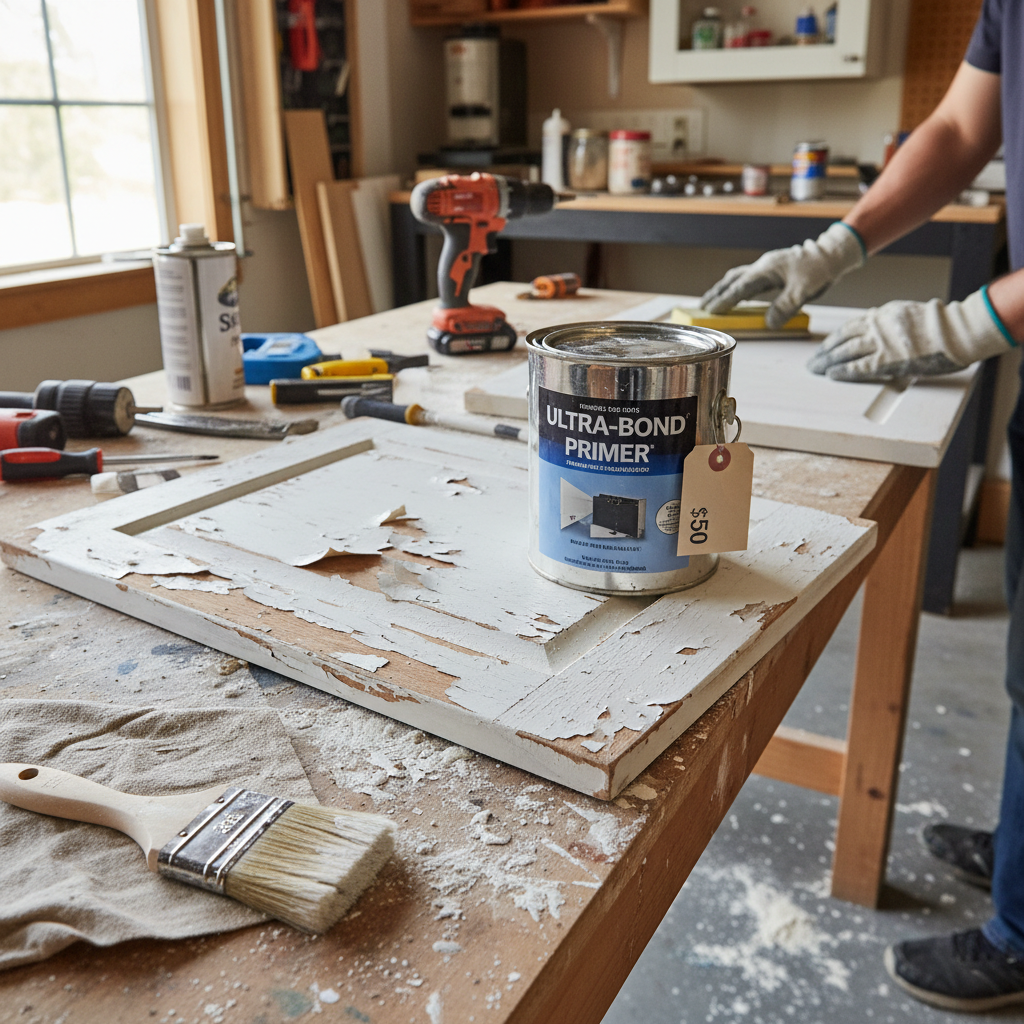
- AmazonBonding Primer (Shellac, Oil, or Water-based)1 Gallon · The most critical material. E.g., Zinsser B-I-N, Kilz Adhesion.
- AmazonCabinet Enamel Paint1 Gallon · Use a cabinet-specific paint like Benjamin Moore ADVANCE or SW Emerald Urethane.
- Amazon120-150 Grit Sandpaper/Sanding Sponges1 Pack · For the initial scuff sanding.
- Amazon220-320 Grit Sandpaper/Sanding Sponges1 Pack · For sanding between primer and paint coats.
- AmazonPainter's Tape1 Roll · For masking and labeling.
- AmazonTack Cloths1 Pack · For removing all dust before priming and painting.
As an Amazon Associate FixlyGuide earns from qualifying purchases — at no extra cost to you. Prices and availability are accurate as of publication and subject to change.
Quick Answer
Most painted kitchen cabinets fail because standard latex primers can't grip the slick, non-porous factory finish. This leads to peeling, chipping, and easy scratching. The professional solution is to use a high-adhesion bonding primer, typically a shellac-based or oil-based product, which chemically bites into the surface, creating a durable foundation for the topcoat that lasts for years.
The Problem
It’s a homeowner’s renovation nightmare. You’ve spent an entire week—or two—meticulously transforming your dated, oak-colored kitchen into a modern, bright white space. You followed the online tutorials. You cleaned, you sanded (a little), you painted with a top-quality paint. For a few weeks, it looks fantastic. You’re proud, and you should be. Then, it happens. A stray fingernail scratches a drawer front, and a sliver of white paint flakes off, revealing the dark wood beneath. A dropped spoon creates a chip on a cabinet edge. Soon, the high-use areas around the knobs and pulls are peeling, looking worn and shabby just months after your hard work.
This is the most common failure point in DIY cabinet painting, and it’s a deeply frustrating one. The issue isn’t the expensive topcoat paint you chose; it’s that the paint never truly bonded to the surface in the first place. Most kitchen cabinets, whether solid wood, MDF, or laminate, leave the factory with a highly durable, catalyzed varnish or lacquer finish. This coating is specifically engineered to be tough, non-porous, and chemically resistant—in other words, it’s designed to repel everything from spaghetti sauce to grease. Unfortunately for the DIYer, it also repels water-based latex paint with incredible effectiveness. Applying regular primer and paint to this surface is like trying to paint a sheet of glass. Without a proper "bridge" coat, the new paint is just a fragile film sitting on top, waiting to be chipped or peeled away.
How It Works
The secret to a durable, professional-grade cabinet finish lies in understanding the chemistry of primers. They are not all created equal. Your standard drywall primer (like PVA or most all-purpose latex primers) works through mechanical adhesion—it soaks into the porous paper and gypsum of the drywall and grabs on. This doesn’t work on a sealed, non-porous cabinet surface.
This is where a bonding primer becomes non-negotiable. These are specialty primers formulated for one primary purpose: sticking to difficult-to-paint surfaces. They create a chemical "bite" into the existing finish, forming an incredibly strong, stable foundation for your topcoat. There are three main types pros rely on:
-
Shellac-Based Primers (The Gold Standard): Products like Zinsser B-I-N Shellac-Base Primer are the classic, foolproof choice for cabinet painting. The magic is in the solvent: denatured alcohol. This powerful solvent very slightly "melts" or dissolves the topmost layer of the existing factory finish. As the alcohol flashes off (evaporates) very quickly, it leaves behind a super-hard, glassy film of natural shellac resin that is fused to the old finish. This process creates an unmatched chemical and mechanical bond. Shellac-based primers are also the ultimate stain blockers. They will permanently seal in wood tannins (the oils in oak or cherry that can "bleed" through latex paint and turn it pink or yellow), grease, smoke, and any other contaminant you can imagine. The trade-offs are a very strong odor and the requirement of denatured alcohol for cleanup, so robust ventilation and a respirator are mandatory.
-
Oil-Based Primers: Trusted names like Kilz Original or Sherwin-Williams ProBlock Oil-Based Primer are another excellent choice. These work similarly, using mineral spirits as the solvent to penetrate and adhere to slick surfaces. They create a very tough, durable, and sandable film that blocks stains effectively. Oil-based primers level out beautifully but have a much slower drying and curing time compared to shellac. They also have a strong solvent smell and require mineral spirits for cleanup.
-
Water-Based (Urethane/Acrylic) Bonding Primers: In recent years, water-based technology has improved dramatically. Products like INSL-X STIX Waterborne Bonding Primer and Kilz Adhesion use advanced acrylic and urethane resins that have incredible adhesive properties, even on glossy surfaces. They offer the significant advantages of low odor and easy soap-and-water cleanup. While they are very, very good and many pros use them successfully, some purists argue they may be slightly less foolproof on the absolute glossiest, hardest factory finishes compared to the time-tested performance of shellac or oil. For DIY use, they represent a fantastic, user-friendly option, but a scrupulous cleaning and scuff-sanding process is even more critical for them to perform at their peak.
Choosing one of these three categories of primer is the single most important decision you will make in your cabinet painting project.
Step-by-Step Fix
Follow this professional process for a finish that looks great and lasts. This isn’t a quick weekend project; plan for 5-7 days of work to allow for proper drying between steps.
1. Set Up a Workshop
- Designate Your Space: Your garage or a well-ventilated basement is ideal. Lay down rosin paper or canvas drop cloths, not plastic, which can be slippery and doesn't absorb drips.
- Build Drying Racks: You need a way to let doors dry undisturbed. You can create simple racks with 2x4s and long screws, or buy commercial drying rack systems. This lets you paint both sides of a door with minimal downtime.
2. The Numbering Game
- Title: Label Everything, No Excuses
- Description: This step is crucial for a stress-free reassembly. Use painter's tape to create a numbered label for every single door and drawer front. Place the label in a hinge pocket or a spot that won't be painted. Write the corresponding number inside the cabinet carcas. For example, "1" on the door, "1" inside the cabinet it came from. A quick phone photo of the layout can also be a lifesaver.
3. Disassembly
- Title: Break It All Down
- Description: Carefully remove all doors, drawers, hinges, and pulls. Place the hardware for each door in a corresponding numbered sandwich bag. This prevents the "which screw goes where?" puzzle later. Do not be tempted to paint around hinges or hardware—it looks terrible and will fail immediately.
4. The Critical Degreasing Clean
- Title: Declare War on Grease
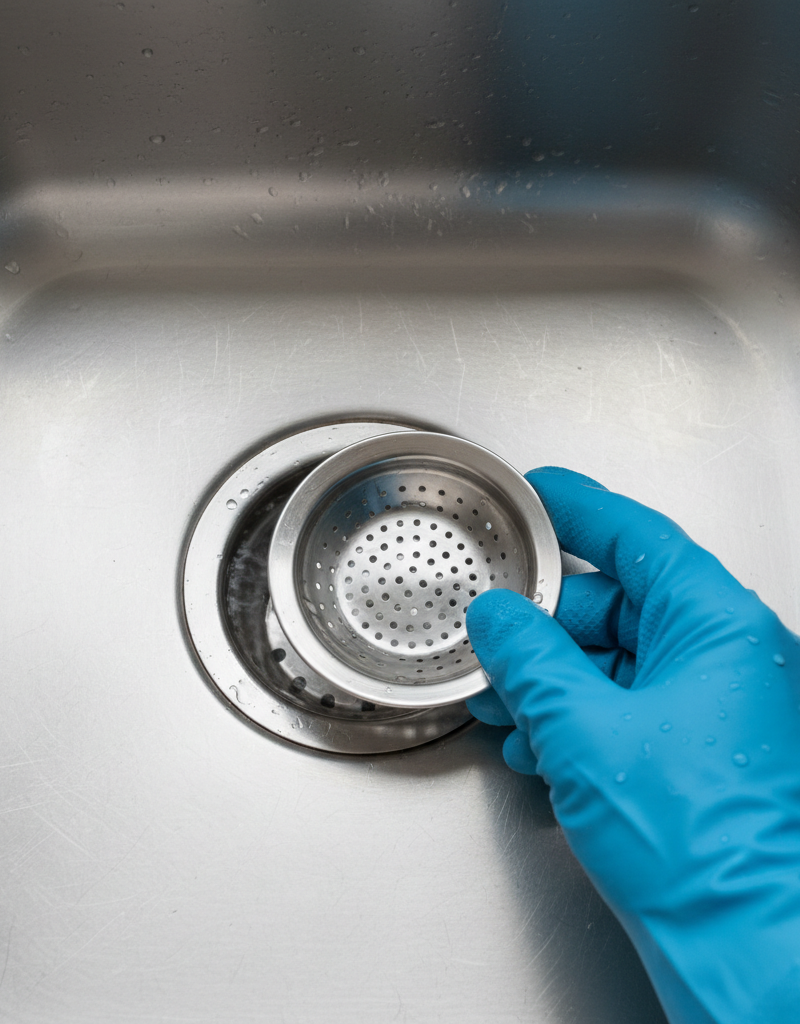
- Description: Kitchens are greasy environments, and grease is the ultimate enemy of paint adhesion. You must scrub every square inch of the surfaces to be painted with a strong degreasing agent. Trisodium Phosphate (TSP) is the traditional choice, but be aware it's a harsh chemical.
- Safety: Wear gloves and eye protection when working with TSP. Follow mixing instructions precisely. TSP must be thoroughly rinsed with clean water and a clean rag, and the surface must be allowed to dry completely.
- Alternative: TSP-substitutes or a product like Krud Kutter are excellent, less harsh alternatives. The key is to scrub, rinse, and let it dry.
5. Create Mechanical Tooth
- Title: Scuff, Don't Annihilate
- Description: The goal here is not to strip the old finish, but to degloss it. You are creating microscopic scratches—a "mechanical tooth"—for the bonding primer to grip tenaciously. Use 120- or 150-grit sandpaper and a sanding block or random orbit sander. Move with the grain and apply light, even pressure. The surface should look dull and milky, not shiny. Don't use a coarse grit like 60 or 80, which will leave deep, visible scratches.
6. Total Dust Removal
- Title: Clean, Then Clean Again
- Description: Sanding creates a fine dust that must be completely removed. First, vacuum every surface with a brush attachment. Then, wipe everything down with a tack cloth—a sticky-resined cheesecloth available at any paint store. It will pick up the last particles of dust that a vacuum or rag leaves behind. Your surface must be surgically clean.
7. Isolate and Mask
- Title: Mask for Sharp Lines
- Description: Back in the kitchen, use painter's tape (like FrogTape or 3M Blue) to mask off the cabinet box edges where they meet walls, countertops, and floors. Use masking paper or plastic to protect appliances and backsplashes.
8. Prime Time: The Bonding Primer
- Title: Apply the Bridge Coat
- Description: This is the moment that determines success or failure. Put on your respirator (especially for shellac/oil) and ensure good ventilation. Apply a thin, even coat of your chosen bonding primer (e.g., Zinsser B-I-N).
- Application: For a DIYer, a high-quality 2-inch angled brush for cutting in and a 4-inch "flocked" foam roller for flat areas provides a smooth finish. If you have a paint sprayer (HVLP), this is the time to use it for a factory-like finish.
- Technique: Do not try to get full coverage in one coat. A thin, slightly translucent coat is better than a thick, drippy one. A thick coat will obscure details and take forever to cure.
9. De-Nib the Primer
- Title: Sand Between Coats
- Description: Once the primer is fully dry (check the can for recoat times—shellac is often ready in under an hour), it will likely have a slightly rough feel from raised wood grain or dust nibs. Lightly sand all the primed surfaces with a fine 220-grit sanding sponge. This step smooths the foundation for a glass-like topcoat. Wipe away the dust with a tack cloth.
10. Apply the Topcoat
- Title: Use Cabinet-Specific Paint
- Description: Do not use regular wall paint. Choose a high-quality acrylic-alkyd hybrid or urethane-enforced enamel, such as Benjamin Moore ADVANCE or Sherwin-Williams Emerald Urethane Trim Enamel. These paints level beautifully to hide brush strokes and cure to a much harder, more durable finish. Apply two thin coats, allowing for the recommended drying time between them. Lightly sanding with 320-grit paper between coats is optional but recommended for the smoothest possible finish.
11. Curing Isn't Drying
- Title: The Waiting Game
- Description: The paint may be dry to the touch in a few hours, but it is not fully cured. Curing is the chemical process where the paint film hardens to its maximum durability, and it can take 21-30 days. You can reassemble the doors after 2-3 days of drying, but you must be gentle. Avoid any harsh cleaning or rough contact during this critical curing period.
12. Reassembly
- Title: Put the Puzzle Back Together
- Description: Carefully remove the masking tape and numbering labels. Re-install your hinges, pulls, doors, and drawers using your numbered bags and map. If you're installing new hardware, now is the time. Add small, clear felt bumpers to the inside corners of doors and drawers to prevent chipping when they close.
Common Causes
Why do most DIY cabinet jobs fail? It boils down to a few key preparation shortcuts:
- Inadequate Cleaning: Failure to remove all kitchen grease and grime before sanding, which means you’re just grinding the grease into the surface.
- Using the Wrong Primer: Applying a standard latex drywall primer that cannot form a chemical bond with the slick cabinet surface.
- Skipping Primer Entirely: Believing that "paint and primer in one" products are sufficient for this specific, demanding application (they are not).
- Insufficient Sanding: Simply wiping the cabinets down and not properly scuff-sanding the surface to create a "tooth" for the primer to grip.
- Impatience: Rushing the process by not allowing proper drying times between coats, leading to a soft, vulnerable finish.
Common Mistakes
Avoid these pitfalls to ensure your hard work pays off:
- Don't Use Wall Paint: It's formulated for a different purpose and will never be durable enough for the high-touch, high-impact environment of a kitchen.
- Don't Paint Over Hardware: Removing hinges, knobs, and pulls is tedious but absolutely mandatory for a professional look and function.
- Don't Underestimate Dust: A single speck of dust can create a noticeable bump in a high-gloss finish. Clean your space and surfaces constantly.
- Don't Apply Thick Coats: Two or three thin coats are infinitely better than one thick coat. Thick coats drip, hide details, and take much longer to cure properly, making them prone to damage.
- Don't Rush Reassembly: Respect the 3-4 week cure time. Reinstalling doors too early and using the kitchen normally is the fastest way to get chips and scratches.
- Don't Use Cheap Brushes: A $3 chip brush will leave bristles and ugly streaks in your expensive paint. Invest in a quality brush designed for smooth finishes.
Cost & Time Breakdown
This is for a small-to-medium-sized kitchen (approx. 20 doors/drawers).
| Task | DIY Cost | Pro Cost (Approx.) | Time (DIY) |
|---|---|---|---|
| Prep Supplies (TSP, Sandpaper, Tape) | $40 - $60 | Included in Labor | 8 - 12 hours |
| Bonding Primer (1 Gallon) | $50 - $80 | Included in Labor | 4 - 6 hours |
| Cabinet Paint (1 Gallon, Premium) | $70 - $90 | Included in Labor | 8 - 10 hours (2 coats) |
| Application Tools (Brushes, Rollers) | $40 - $60 | Included in Labor | - |
| New Mid-Range Hardware | $100 - $300 | Varies (Client Supplied) | 2 hours |
| Total | $300 - $590 | $3,500 - $7,000+ | 40-60 hours over 1 week |
Tips & Prevention
- Fill the Grain: For heavy-grained wood like oak, use a grain filler (like Aqua Coat) after cleaning and before priming to achieve a perfectly smooth, modern finish.
- Consider a Sprayer: Renting or buying an HVLP (High Volume, Low Pressure) sprayer can elevate your finish from good to flawless, eliminating all brush and roller marks.
- Test Everything: Before you start on a door, test your entire process—clean, sand, prime, paint—on the back of a drawer front or a spare piece of wood to ensure compatibility and appearance.
- Wet Sanding: For the ultimate smooth finish, you can wet-sand the final topcoat with 1000-grit paper after it has cured for a few days, then buff with an automotive polishing compound.
- Protect Your Investment: Add clear, self-adhesive felt or silicone bumpers to the inside corners of all doors and drawers. This small detail prevents the wood-on-wood impact that can chip the paint over time.
When to Call a Professional
While painting cabinets is a doable DIY project, it demands significant time, space, and patience. You should strongly consider hiring a professional cabinet refinisher if:
- You Lack the Space or Time: A proper job requires a dedicated, ventilated workshop area and can take over a week from start to finish. Professionals have spray booths and systems to complete the work efficiently.
- Your Cabinets are Thermofoil or Laminate: If your existing cabinets have a peeling plastic "thermofoil" coating, this must be completely removed before any prep can begin, which is an extremely labor-intensive job.
- You Want a Guaranteed, Flawless Finish: Professional painters use high-end HVLP or airless spray systems and industrial-grade coatings (like conversion varnish) that are often beyond the scope of DIY products. They have the experience to troubleshoot issues and guarantee their work.
- The Cost is Worth Your Time: As the breakdown shows, the material cost is low, but the time investment is huge. A professional charge of $5,000 for a job that would take you 60 hours means you are saving yourself from work valued at over $80/hour. For many homeowners, that is a worthwhile trade-off for a guaranteed, durable, and stress-free result.
Related Articles
Keep troubleshooting with these hand-picked guides from FixlyGuide:
- The 7 Critical Wall Prep Mistakes That Ruin Your Paint Job (And How to Fix Them) — Discover the crucial wall preparation steps often overlooked by DIYers that lead to peeling, cracking, and uneven paint finishes, and learn…
- Your Deck Stain Is Peeling? The #1 Prep Step DIYers Skip — Tired of watching your hard work flake away? Peeling deck stain is rarely the stain's fault. We reveal the #1 most-skipped prep step that l…
- The Chemical Reason Your Peel-and-Stick Tile Is an Epic Fail — Discover the surprising scientific reason—poor surface preparation and adhesive chemistry—why your peel-and-stick backsplash is peeling awa…
- The 7 Mistakes Most DIY Painters Make (And How to Fix Them for a Pro Finish) — Achieve a flawless, professional-looking paint job in any room by avoiding common DIY pitfalls with expert techniques and meticulous prepar…
- That Peeling Caulk Hides a $2,000 Mistake. Here's the Fix. — Stop re-caulking your shower every year. Discover the professional method, from meticulous prep to the right materials, for a waterproof ba…
- That Peeling Paint? Your Bathroom Has a Moisture Secret — Discover the hidden causes behind your peeling bathroom ceiling paint. We reveal why moisture is the main culprit and provide a permanent f…
What should this project cost?
Enter your project details for a realistic cost range before you call anyone.
Cosmetic refreshes start near $5,000; full remodels commonly $25,000–$45,000.
- Regional adjustment
- National average
- Labor share (typical)
- ~$8,550
- Quotes to collect
- 3 written estimates
Educational estimate based on national averages — not a binding quote. Always confirm with written local estimates.
Recommended for DIYers & woodworkers
Sponsored
The Top 20 Tools for Workshops of Any Budget
No stationary machines or power tools required — plus 3 fundamental tools that can't be bought at any price.
Get the free guide
Ted's Woodworking — The #1 Woodworking Resource
Detailed instructions, dimensioned drawings, materials & cutting lists, and 3D schematics for every skill level.
See the plansSponsored: links above are affiliate links. FixlyGuide may earn a commission on qualifying purchases — at no extra cost to you.
Frequently asked questions
Can I use a "paint and primer in one" for my kitchen cabinets?+
No. While these products are great for walls, they are not suitable for the demanding, non-porous surface of kitchen cabinets. They do not have the specialized adhesive resins of a true bonding primer, and your finish will be very likely to chip and peel prematurely.
What is the best bonding primer for kitchen cabinets?+
For a virtually guaranteed bond, a shellac-based primer like Zinsser B-I-N is considered the gold standard by many professionals due to its incredible adhesion and stain-blocking power. High-quality oil-based primers or advanced water-based bonding primers like INSL-X STIX are also excellent choices.
Do I really have to sand my cabinets before painting?+
Yes, but you don't need to strip them. A "scuff sand" with 120-150 grit sandpaper is a non-negotiable step. It deglosses the surface and creates a microscopic "tooth" that allows the bonding primer to grip securely, which is critical for a long-lasting finish.
How long does it take for cabinet paint to fully cure?+
Paint may be dry to the touch in a few hours, but it takes much longer to fully cure and harden. For most cabinet enamels, this process takes between 21 to 30 days. Be gentle with your newly painted cabinets during this time to avoid damage.
Discussion
Loading comments…