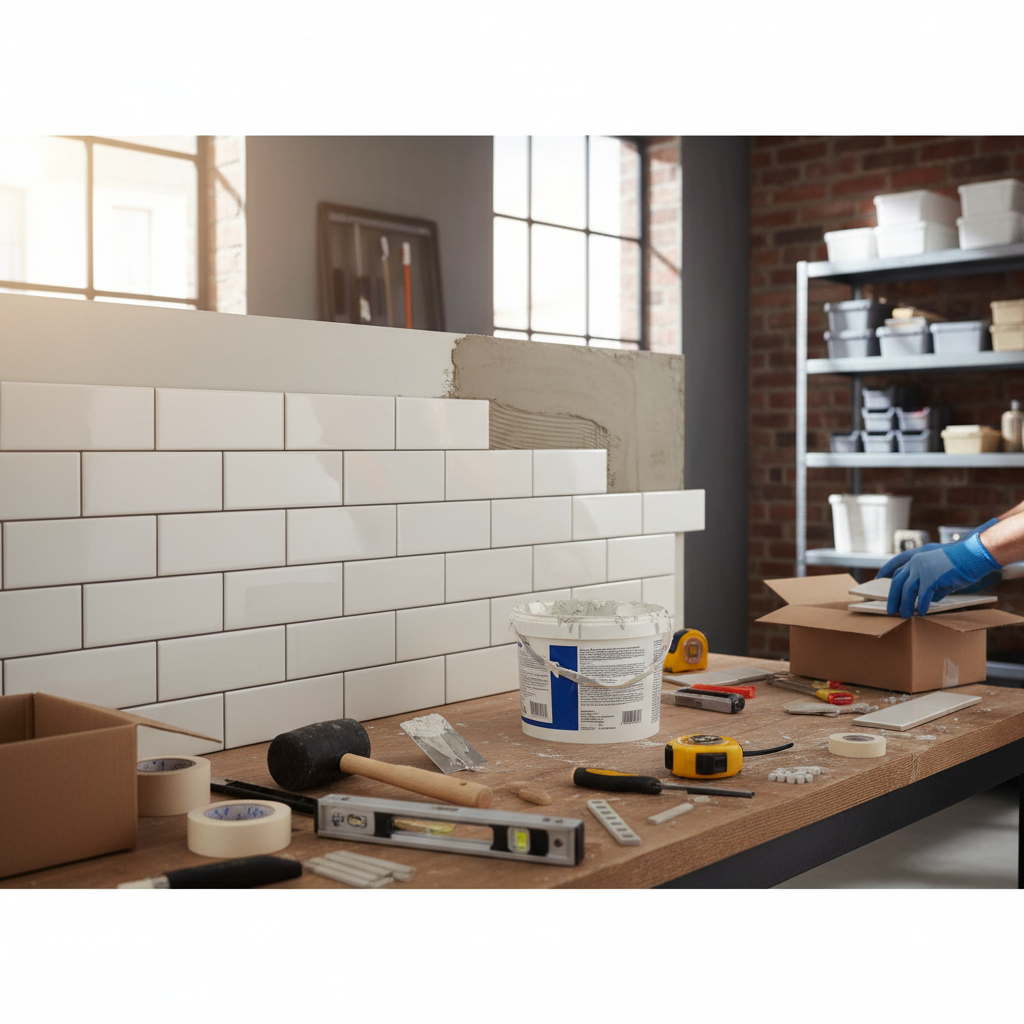
- Safety First: Go to your home's main electrical panel. Locate the circuit breaker that controls the outlets and switches in your kitchen backsplash area. Turn the breaker to the full "OFF" position.
- Verify Power is Off: Use a non-contact voltage tester to confirm there is no power to each outlet and switch you will be working around. The tester should not light up or beep.
- Remove Faceplates: Unscrew and remove the plastic faceplates from all outlets and switches in the backsplash area.
General remodeling · Renovation planning
| Project category | General remodeling |
|---|---|
| Problem type | Renovation planning |
| Trade required | General contracting |
| Urgency | Planned project |
| Safety risk | Low safety risk |
| DIY suitability | Pro recommended |
| Cost category | Major investment |
| Typical timeline | Design and permitting often 2–4 months before work starts |
| Contractor type | General contractor |
Repair option
Phase the work and fix the building envelope first.
Replacement option
Full renovation with permits, design, and a general contractor.
Common causes
- Space no longer fits how the household lives
- Resale preparation
- Deferred maintenance stacking up
Relevant tools:project cost estimatorcompare quoteshome improvement material prices
Published May 5, 2026Last updated August 17, 2026
Tools & materials you'll need
Affiliate linksAs an Amazon Associate FixlyGuide earns from qualifying purchases — at no extra cost to you. Prices and availability are accurate as of publication and subject to change.
Quick Answer
Yes, you can install a tile backsplash without a wet saw. The key is using peel-and-stick tile mats instead of traditional thin-set mortar and choosing tiles that are easily cut with a simple score-and-snap tool. This method dramatically reduces mess, complexity, and installation time, making it a feasible one-day project.
The Problem
A beautiful tile backsplash can transform a kitchen, but the perceived difficulty and mess of the installation deter many homeowners. The biggest hurdle is often the wet saw—a loud, messy, and expensive piece of equipment that seems non-negotiable for cutting tile. Renting one is a hassle, and buying one for a single project is impractical. The process of mixing and applying thin-set mortar is another major barrier; it’s messy, unforgiving, and requires a precise, practiced hand to achieve a level, professional-looking surface. Any errors in mixing consistency or application thickness can lead to lippage (uneven tiles) or poor adhesion. This combination of specialized tools, messy materials, and time-consuming steps makes a traditional backsplash installation feel out of reach for the average DIYer, consigning them to a kitchen that lacks a critical design element.
How It Works
The magic behind this wet-saw-free, one-day installation lies in two modern materials: adhesive tile mats and score-and-snap cutters. Adhesive mats, like Bondera TileMatSet or MusselBound, replace traditional thin-set mortar. These are double-sided adhesive rolls that you apply directly to the wall. One side sticks to the drywall, and the other, protected by a plastic film, provides an intensely sticky surface for your tiles. This system completely eliminates the need for mixing mortar, troweling it on, and waiting for it to cure. The adhesive is incredibly strong and waterproof, instantly grabbing and holding tiles in place, which also prevents the frustrating tile slippage common with wet mortar on a vertical surface.
For cutting, a simple manual tool called a score-and-snap cutter takes the place of a wet saw. This tool has a small, sharp carbide wheel that you drag across the glazed surface of the tile, creating a shallow, precise score line. Then, you apply gentle pressure, and the tile cleanly snaps along the scored line. This method works perfectly for most ceramic and porcelain tiles up to about 1/4-inch thick, which covers the vast majority of popular subway, square, andmosaic styles. By combining the instant adhesion of tile mats with the clean, dry cutting of a snap cutter, the entire process is streamlined. You can measure, cut, and place tiles in a continuous, mess-free workflow, drastically condensing the project timeline from a multi-day affair into a single afternoon.
Step-by-Step Fix
1. Prepare Your Workspace
- Clear the Area: Remove everything from your countertops. Unplug all appliances (toaster, coffee maker, etc.) and move them to another room. Take down any photos or utensil holders on the wall.
- Protect Surfaces: Cover your countertops completely with rosin paper or thick plastic sheeting, taping it securely to the edge of the counter and up the wall an inch or two.
2. Clean and Prep the Walls
- Degrease: Kitchen walls accumulate a surprising amount of grease. Mix a solution of Trisodium Phosphate (TSP) and water according to the manufacturer's instructions (or use a strong degreasing cleaner). Wearing gloves and eye protection, scrub the entire backsplash area thoroughly.
- Rinse and Dry: Wipe the wall with a clean, damp sponge to remove any TSP residue. Let the wall dry completely for at least one hour. The surface must be perfectly clean, dry, and smooth for the adhesive mat to bond properly.
3. Shut Off Power
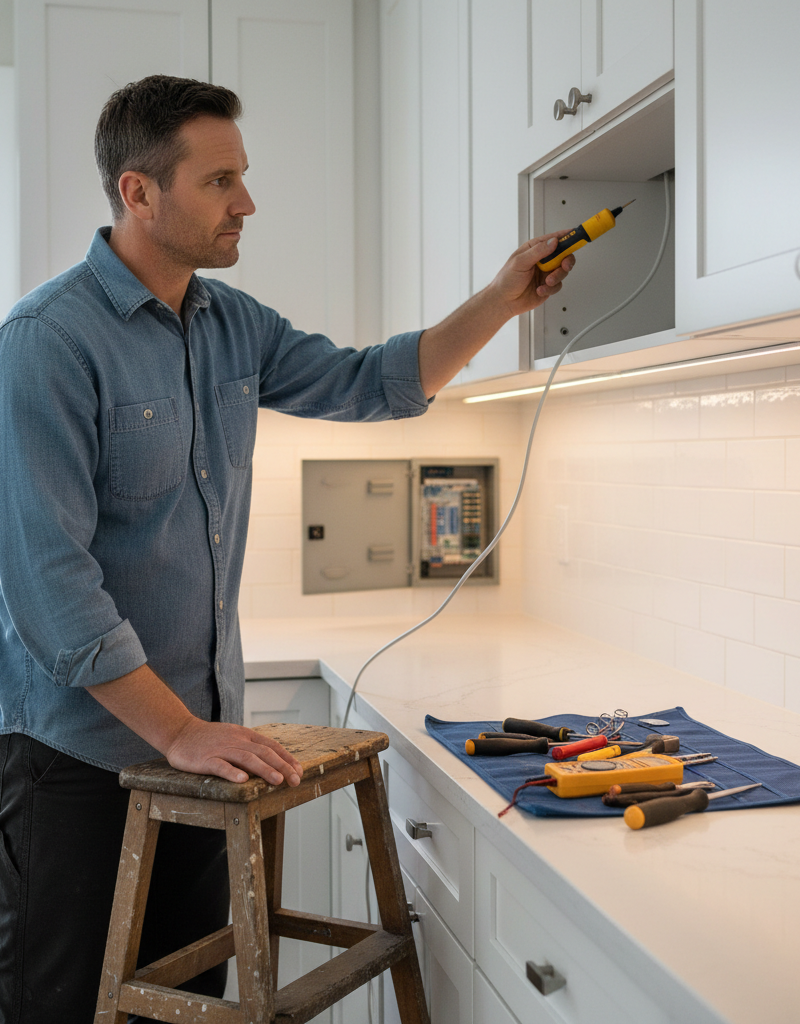
- Safety First: Go to your home's main electrical panel. Locate the circuit breaker that controls the outlets and switches in your kitchen backsplash area. Turn the breaker to the full "OFF" position.
- Verify Power is Off: Use a non-contact voltage tester to confirm there is no power to each outlet and switch you will be working around. The tester should not light up or beep.
- Remove Faceplates: Unscrew and remove the plastic faceplates from all outlets and switches in the backsplash area.
4. Plan Your Layout
- Find the Center: Use a tape measure to find the horizontal center of your main backsplash wall (often behind the sink or range). Mark this centerline lightly with a pencil.
- Dry Fit: Lay a row of tiles (with spacers) on the countertop to see how they will land on the ends. You want to avoid leaving a tiny sliver of tile on either end. Adjust your starting point off the centerline as needed to ensure you have cuts of at least half a tile on both sides.
5. Apply the Adhesive Mat
- Measure and Cut: Measure the first section you want to cover and cut the adhesive mat to size with a utility knife. It’s easier to work in smaller, manageable sections (e.g., 3-4 feet at a time).
- Apply the Mat: Peel the backing from the "wall" side of the mat. Carefully position it on the wall, starting from the countertop and working your way up. Use a grout float or a J-roller to press firmly over the entire surface, ensuring a strong bond with no air bubbles.
6. Set the First Tiles
- Establish Your Line: Peel back the plastic film from the front of the mat for the first few square feet.
- Place the First Tile: Align your first tile with your centerline mark, pressing it firmly into the adhesive mat. Wiggle it slightly to ensure full contact. The bond is instant and aggressive, so position it carefully. Set the next tile next to it, using tile spacers to maintain a consistent grout line (typically 1/8" or 1/16").
7. Cutting Tiles with a Snap Cutter
- Measure and Mark: When you reach the end of a row or an outlet, measure the gap carefully. Transfer this measurement to a tile, marking the glazed side with a pencil.
- Score the Tile: Place the tile in the score-and-snap cutter. Align the cutting wheel with your pencil mark. Apply firm, even pressure and slide the handle across the tile once. You should hear a distinct scratching sound. Do not go back and forth.
- Snap the Tile: Gently apply pressure using the cutter's breaker bar or handle. The tile should snap cleanly along the scored line.
- For Outlets: To cut L-shapes or U-shapes for outlets, make the straight cuts with the snap cutter first. Then, use a tile nipper (which works like a pair of pliers) to carefully nibble away the remaining small pieces to complete the cutout.
8. Tiling Around Obstacles
- Outlet Extenders: You will likely need to install outlet box extenders. These plastic rings fit inside the electrical box to bring the outlet flush with the new tile surface, which is required by electrical code.
- Placing Cut Tiles: Carefully place your cut tiles around the outlets, maintaining your grout spacing. Press each one firmly into place.
9. Grouting the Tile
- Choose Pre-Mixed Grout: To keep the project simple and fast, use a pre-mixed, stain-resistant grout. This saves you the messy step of mixing powder and water to the right consistency.
- Apply the Grout: Scoop a manageable amount of grout onto a grout float. Holding the float at a 45-degree angle, spread the grout diagonally across the tiles, pressing it firmly into the joints. Work in a 3x3 foot section at a time.
- Remove Excess: Scrape the excess grout off the tile faces with the float held at a nearly 90-degree angle.
10. Clean and Haze Removal
- Initial Wipe-Down: Wait about 20-30 minutes for the grout to set up slightly. Fill a bucket with clean water and get a large grout sponge. Wring the sponge out until it’s just damp. Gently wipe the tile surface in a circular motion to remove the excess grout. Rinse your sponge in clean water frequently.
- Final Buff: After 2 hours, a light haze will form on the tiles. Buff this haze away with a clean, dry microfiber cloth. The tiles should now be sparkling.
11. Caulk and Finish
- Seal the Gaps: Apply a thin bead of siliconized kitchen/bath caulk where the backsplash meets the countertop and in all vertical corners. This flexible seal prevents water intrusion and cracking.
- Final Touches: Reinstall your outlets and switches onto the box extenders, put on the new faceplates, and move your appliances back. Your new backsplash is ready to use!
Common Causes
- Outdated Surfaces: Old laminate, painted drywall, or dated 4-inch countertops backsplashes are the primary drivers for this upgrade.
- Grease and Stains: A primary function of a backsplash is to protect the wall from cooking splatters. An un-tiled or poorly sealed wall becomes permanently stained and difficult to clean.
- Water Damage: The gap between the countertop and the wall is a common point for water ingress, which can lead to mold and drywall damage over time. A properly tiled and caulked backsplash prevents this.
- Desire for a Style Update: A backsplash is a high-impact design element. Changing it can dramatically update the entire look and feel of a kitchen without the cost of a full remodel.
Common Mistakes
- Not Cleaning the Wall Properly: Any grease or dust left on the wall will compromise the adhesive mat's bond, leading to failure down the road.
- Skipping the Layout Step: Starting tiling from a corner without a dry layout often results in an awkwardly thin sliver of tile at the other end, which looks unprofessional.
- Over-working the Grout: Wiping the grout with a sopping wet sponge or too soon after application will pull it out of the joints. Use a barely damp sponge and wait the recommended time.
- Using Mastic in Wet Areas: While not used in this guide, DIYers often mistakenly use pre-mixed mastic (adhesive) behind sinks or stoves. Mastic can re-emulsify when wet, leading to tile failure. Adhesive mats or proper thin-set are the correct choices.
- Forgetting Outlet Extenders: Failing to bring outlets flush with the new tile surface is a common DIY error and a violation of the National Electrical Code.
- Grouting the Countertop Joint: The joint where the tile meets the counter needs to be flexible. Filling it with grout will cause it to crack as the house settles. Always use flexible caulk in that joint.
Cost & Time Breakdown
| Task | DIY Cost Estimate | Pro Cost Estimate | Time Estimate |
|---|---|---|---|
| Wall Prep & Cleaning | $15 (TSP, Sponges) | $75 - $125 | 1 Hour |
| Adhesive Mat & Tiles | $250 - $600+ | $500 - $1,200+ | 3 - 4 Hours |
| Grouting & Sealing | $50 (Grout, Caulk) | $200 - $350 | 1.5 Hours |
| Tools & Supplies | $70 (Snap Cutter, etc.) | Included in labor | (Acquisition Time) |
| Total | $385 - $735+ | $775 - $1,675+ | One Afternoon (5-7 Hours) |
Tips & Prevention
- Buy Extra Tile: Always purchase 10-15% more tile than your square footage calculation. This accounts for mistakes, bad cuts, and ensures you have extras for future repairs.
- Check Tile Lots: When buying your tile, ensure all boxes are from the same dye lot to avoid subtle color variations.
- Use a Level: For your first row of tiles, use a level to ensure it is perfectly straight. This provides a solid foundation for the rest of the installation.
- "Book" Your Caulk Bead: After applying caulk, wet your finger and run it along the bead to press it into the joint and create a smooth, professional finish.
- Seal Natural Stone: If you choose a natural stone tile (like travertine or marble), you must seal it before and after grouting to prevent it from staining.
- Use Wedge Spacers on Uneven Counters: If your countertops aren't perfectly level, traditional spacers can be tricky. Use wedge-shaped spacers that you can adjust to maintain a level grout line.
When to Call a Professional
While this adhesive mat method is exceptionally DIY-friendly, certain situations warrant calling a pro. If your existing wall is in poor condition—crumbling plaster, soft or water-damaged drywall, or very uneven surfaces—it must be repaired before tiling. A professional can properly assess the damage, replace the substrate, and flatten the wall to ensure a lasting installation.
Additionally, if your dream tile is a complex material like glass, natural stone, or very large format porcelain (over 12 inches on one side), a wet saw is often necessary for clean, chip-free cuts. A professional tile setter has the experience and equipment to handle these materials correctly. Finally, if the job involves complex layouts with numerous intricate cuts, such as a herringbone pattern that needs to terminate perfectly at multiple angles, a pro’s expertise will be invaluable. A professional guarantees the job is done right, looks perfect, and is backed by their insurance and workmanship warranty, which is often worth the investment for a high-visibility area like a kitchen backsplash.
Related Articles
Keep troubleshooting with these hand-picked guides from FixlyGuide:
- The Chemical Reason Your Peel-and-Stick Tile Is an Epic Fail — Discover the surprising scientific reason—poor surface preparation and adhesive chemistry—why your peel-and-stick backsplash is peeling awa…
- Your Floating Shelves Failed? 3 Hidden Drywall Mistakes. — Learn how to safely and securely install floating shelves into drywall using the right anchors and tools, avoiding common mistakes.
- That 'Wet Edge' Trick: Paint a Room in a Single Day — Tired of paint jobs that drag on all weekend? The secret to a flawless, fast finish isn't working harder—it's using the pro 'wet edge' syst…
- Your Floating Shelves Sag? The 3 Drywall Mistakes You're Making — Learn how to install floating shelves into drywall securely and prevent common issues like wobbling or damage with the right tools and tech…
- The 4-Step Drywall Patch Secret That Makes Large Holes Vanish — Discover how to flawlessly repair a large hole in drywall using a simple, effective method that makes the damage disappear without a trace.
- How to Unclog a Shower Drain Without Chemicals: A Homeowner's Guide — Learn how to clear a clogged shower drain using simple tools and methods, avoiding harsh chemicals that can damage pipes.
Should you do this yourself?
Answer five quick questions before you start. Safety outranks savings every time.
Your experience with work like this
How high do you have to work?
Does the job involve any of these?
Will it need a permit?
Specialty tools
Free and instant. Educational guidance only — not a quote, inspection, or professional diagnosis.
What should this project cost?
Enter your project details for a realistic cost range before you call anyone.
Cosmetic refreshes start near $5,000; full remodels commonly $25,000–$45,000.
- Regional adjustment
- National average
- Labor share (typical)
- ~$8,550
- Quotes to collect
- 3 written estimates
Educational estimate based on national averages — not a binding quote. Always confirm with written local estimates.
Before you start
Check the difficulty, permits, and safety risk — then decide whether to call a pro.
- Estimate this projectGet a cost range for your scope and ZIP before you call anyone.Open
- Get local estimatesSend one request and compare written estimates from vetted pros.Open
Free, no signup required. Estimates are educational guidance, not a quote or an inspection.
Recommended for DIYers & woodworkers
Sponsored
The Top 20 Tools for Workshops of Any Budget
No stationary machines or power tools required — plus 3 fundamental tools that can't be bought at any price.
Get the free guide
Ted's Woodworking — The #1 Woodworking Resource
Detailed instructions, dimensioned drawings, materials & cutting lists, and 3D schematics for every skill level.
See the plansSponsored: links above are affiliate links. FixlyGuide may earn a commission on qualifying purchases — at no extra cost to you.
Frequently asked questions
Can I really get a waterproof seal with adhesive tile mats?+
Yes. Products like Bondera and MusselBound are designed to be waterproof and are approved for use in wet areas like backsplashes and even shower walls. The key is to press the mat firmly onto the wall and then press the tiles firmly onto the mat to activate the adhesive and create a continuous, impenetrable bond.
What kind of tiles work best for this method?+
Ceramic and porcelain tiles up to 1/4-inch thick are ideal, as they are easily cut with a score-and-snap cutter. Most common backsplash tiles, including subway, square, and many mosaic sheets, fall into this category. Avoid thick natural stone, glass, or very large format tiles, which require a wet saw.
How long do I have to wait before grouting?+
That's the best part! With adhesive mats, there is no waiting time. You can begin grouting immediately after the last tile is set. With traditional thin-set mortar, you must wait 24-48 hours for it to cure before you can grout.
What if I misplace a tile on the adhesive mat?+
The adhesive is very strong, but you have a small window to make adjustments. If you place a tile lightly, you can often pry it off with a putty knife and reposition it. However, once you press it firmly, removal is very difficult and may damage the mat, so it's critical to place tiles carefully the first time.
Discussion
Loading comments…