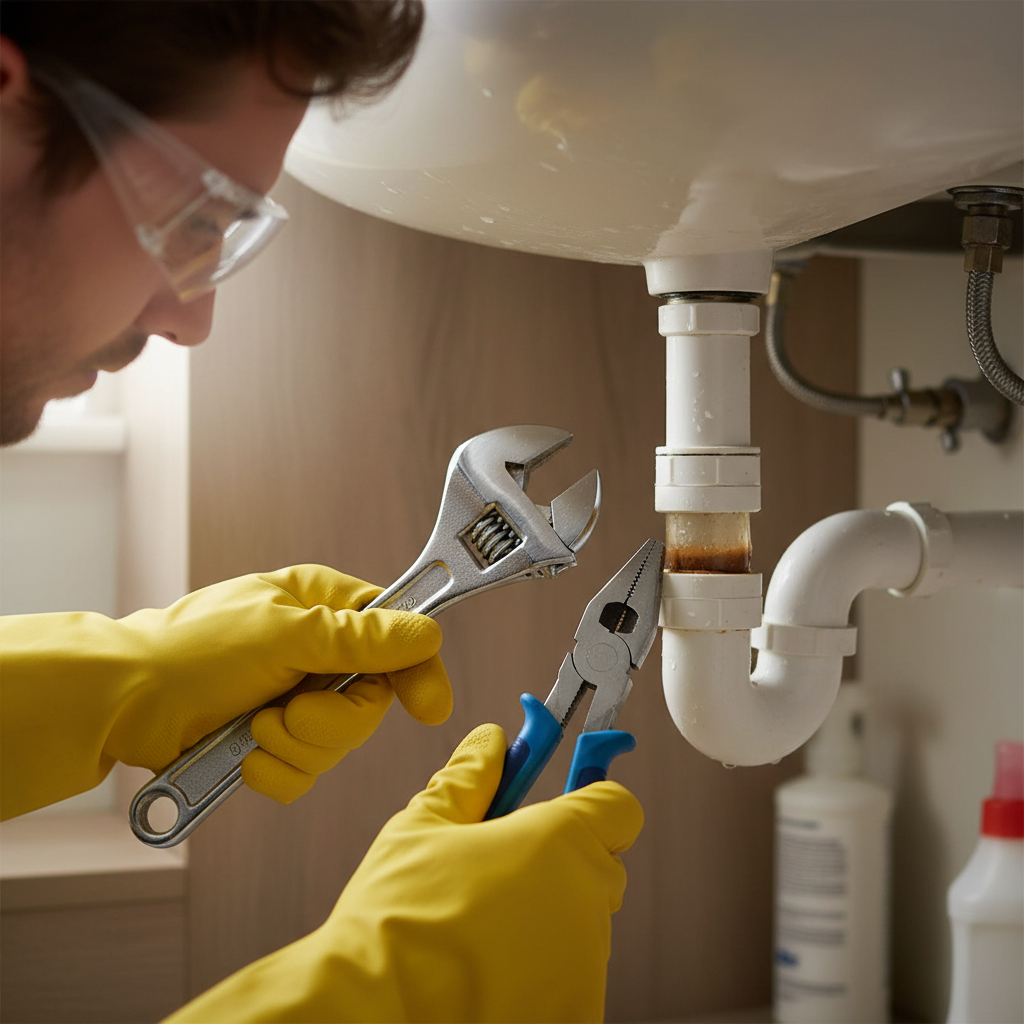
- Safety First – Protect your hands and eyes.
- Wear rubber gloves to protect your hands from grime and cleaning solutions.
- Put on safety glasses to shield your eyes from splashes, especially when working under the sink or with cleaning agents.
Plumbing · Leak
| Project category | Plumbing |
|---|---|
| Problem type | Leak |
| Trade required | Plumbing |
| Urgency | Emergency — act now |
| Safety risk | High safety risk |
| DIY suitability | DIY for experienced homeowners |
| Cost category | Low cost |
| Typical timeline | Shut water off now; repair usually same or next day |
| Contractor type | Licensed plumber |
Repair option
Isolate at the shutoff, replace the failed component, and dry the cavity fully.
Replacement option
Repipe the run or the branch when corrosion is widespread.
Common causes
- Failed supply line or shutoff valve
- Worn washers, cartridges, or P-trap connections
- Pinhole corrosion in older copper
Relevant tools:emergency checklistdiy or hire a pro
Published May 8, 2026Last updated August 17, 2026
Tools & materials you'll need
Affiliate linksAs an Amazon Associate FixlyGuide earns from qualifying purchases — at no extra cost to you. Prices and availability are accurate as of publication and subject to change.
Quick Answer
A persistent, foul odor wafting from your bathroom sink drain is usually a clear sign of trapped organic material, soap scum, hair, and bacteria creating a putrid biofilm within the drain assembly or the P-trap. The most effective and homeowner-friendly solution involves a two-pronged approach: first, physically cleaning the stopper and the P-trap to remove visible culprits, and then following up with an enzymatic drain cleaner or a household baking soda and vinegar treatment to break down lingering residues and disinfect the area. This process typically takes about 20 minutes and requires only basic tools.
The Problem
That unsettling aroma emanating from your bathroom sink isn't just unpleasant; it's a clear indicator of decomposition happening right beneath your basin. Most commonly, this smell is caused by a buildup of hair, skin flakes, soap scum, toothpaste, and other organic debris that gets stuck in the drain stopper assembly and the P-trap. This collection of gunk becomes a breeding ground for anaerobic bacteria, which, as they feast on the organic matter, release hydrogen sulfide gas – the culprit behind that distinct rotten-egg or sewage-like smell. Less commonly, the smell can point to a dry P-trap, allowing sewer gases to bypass the water seal, or a ventilation issue with the drain-waste-vent (DWV) system. Identifying the exact source is the first step to eliminating the odor and restoring freshness to your bathroom.
How It Works
To understand why your sink smells, it helps to know how a drain works. Every sink drain system in your home relies on a few key components to function correctly and safely. Water, hair, soap, and other debris flow from the sink basin, through the drain opening, and down into the drain tailpiece. Directly below the sink, you'll find the pop-up stopper assembly – a mechanism that allows you to open and close the drain. This assembly is a prime location for hair and soap scum to snag and accumulate.
Below the tailpiece is the P-trap, a U-shaped pipe designed with a crucial purpose: to hold a small amount of water at all times. This water creates a barrier, or seal, that prevents noxious sewer gases from rising up through your drainpipes and entering your home. If this P-trap dries out (due to infrequent use, evaporation, or a vent issue), its protective function is lost, and sewer gas can easily escape. After the P-trap, the drainpipe continues into the wall or floor, connecting to the main drain-waste-vent (DWV) system, which carries wastewater away and allows air to enter the pipes to prevent siphoning of the P-trap water.
When hair, soap, and other organic materials accumulate in the stopper or P-trap, they don't just sit there. They get wet, providing a perfect environment for various anaerobic bacteria – bacteria that thrive without oxygen. These bacteria break down the organic matter through a process that releases gases, primarily hydrogen sulfide, which has a distinct rotten-egg smell. This biofilm, a slimy layer of microorganisms, becomes thicker and more odorous over time. Your P-trap might be full of water, but if it's also full of decomposing gunk, the smell will still rise from the drain opening. Understanding this mechanism is key to effectively addressing the root cause of the foul odor.
Step-by-Step Fix
Ready to banish that stink? This process will guide you through cleaning the most common culprits. Always work in a well-ventilated area.
-
Safety First – Protect your hands and eyes.
- Wear rubber gloves to protect your hands from grime and cleaning solutions.
- Put on safety glasses to shield your eyes from splashes, especially when working under the sink or with cleaning agents.
-
Clear the Area – Make room to work.
- Remove all items from under the bathroom sink cabinet. You'll need unobstructed access to the P-trap and drain connections.
- Lay down old towels or a bucket under the P-trap to catch any spilled water or debris when you disconnect the pipes.
-
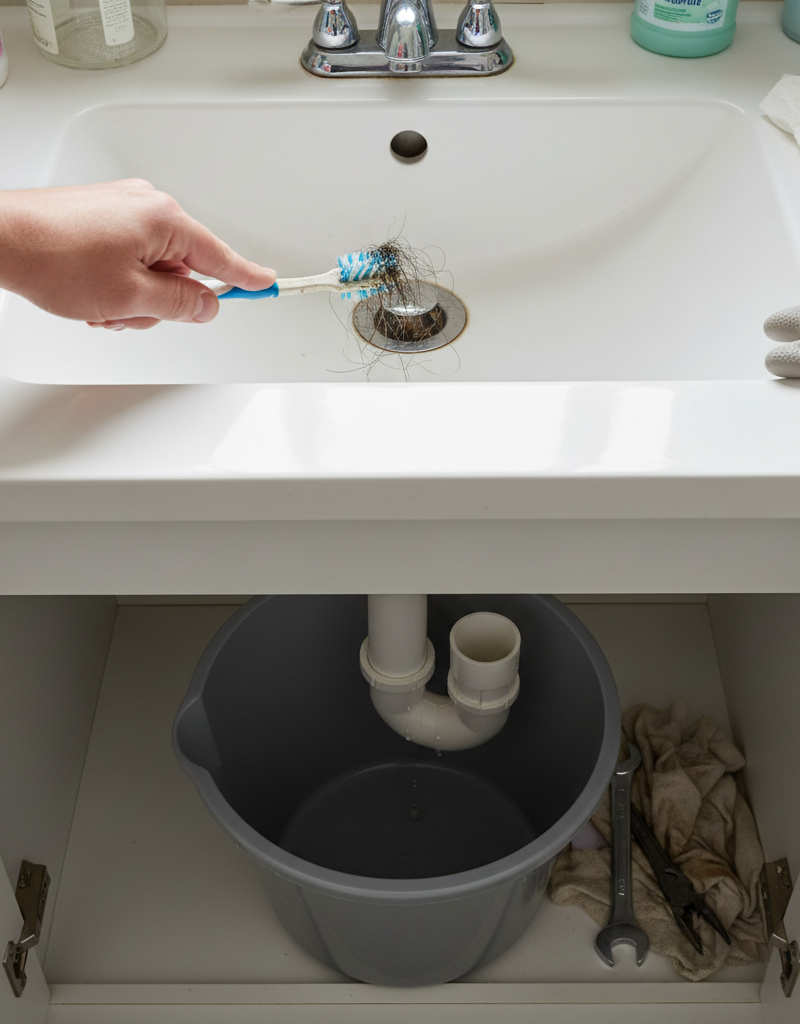
Clean the Pop-Up Stopper – The first line of defense against smells.
- Remove the stopper: Depending on your faucet, you'll either pull it straight up, unscrew it, or disconnect a pivot rod from under the sink. Most modern pop-up stoppers can be pulled out by hand after fully opening.
- Scrub away grime: Once removed, you'll likely see a slimy, hairy mess. Use a paper towel, old toothbrush, or a small brush to thoroughly clean all parts of the stopper. Pay close attention to the pivot rod area if your stopper has one, as this is a common snag point for hair.
- Rinse thoroughly: Rinse the stopper under hot water to remove any remaining residue. Consider using a dab of dish soap for extra degreasing.
- If it's stuck: If your stopper is integrated and doesn't remove easily, you can try pouring a mixture of hot water and dish soap down the drain, followed by a vigorous scrub with a drain brush (a flexible, thin brush designed for this purpose) inserted into the drain opening.
-
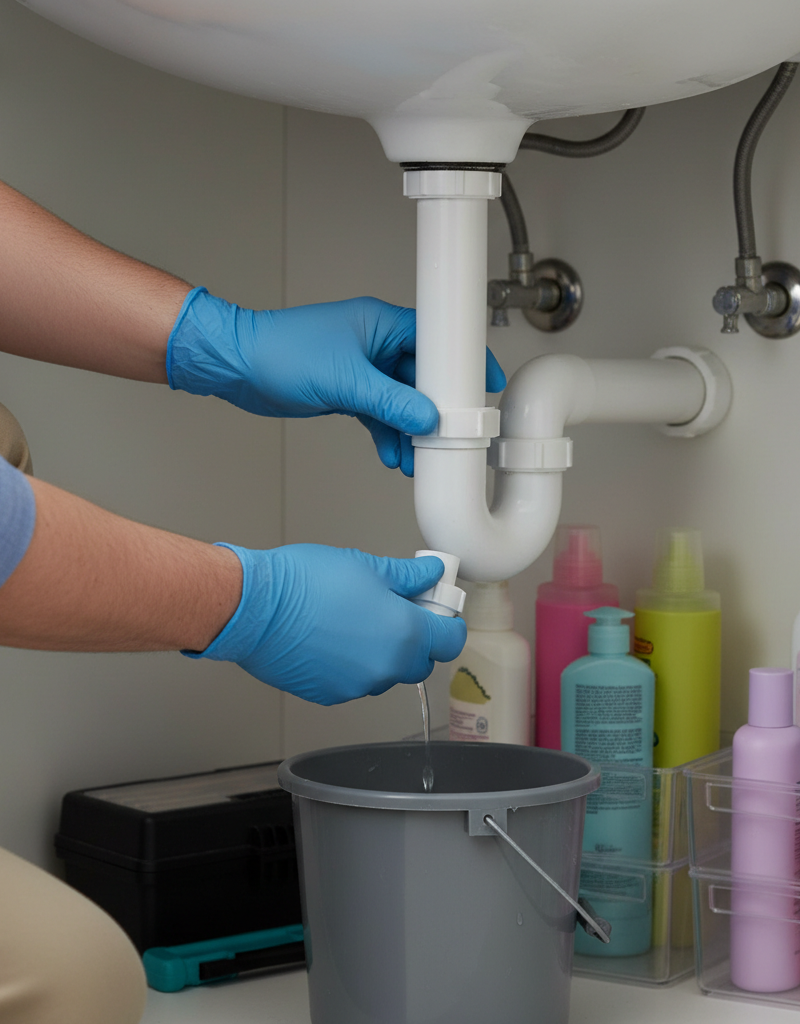
Empty and Clean the P-trap – The main source of trapped odors.
- Position your bucket: Ensure your bucket is directly underneath the P-trap.
- Loosen the nuts: Use channel lock pliers or an adjustable wrench to carefully loosen the slip nuts on both ends of the P-trap. These are typically hand-tight or slightly more.
- Remove the P-trap: Gently lower the P-trap, allowing any water and accumulated gunk to drain into the bucket.
- Inspect and clean: Look inside the P-trap for hair, soap scum, and other debris. Use a stiff bristled brush or a long pipe cleaner to thoroughly scrub the inside of the P-trap. You might be surprised by the amount of slime you find. Rinse it vigorously under hot running water.
- If your P-trap is glued: Some older or less common setups might have a glued P-trap. Do not attempt to cut or force it. In this case, proceed to step 5 and consider professional help if the smell persists.
-
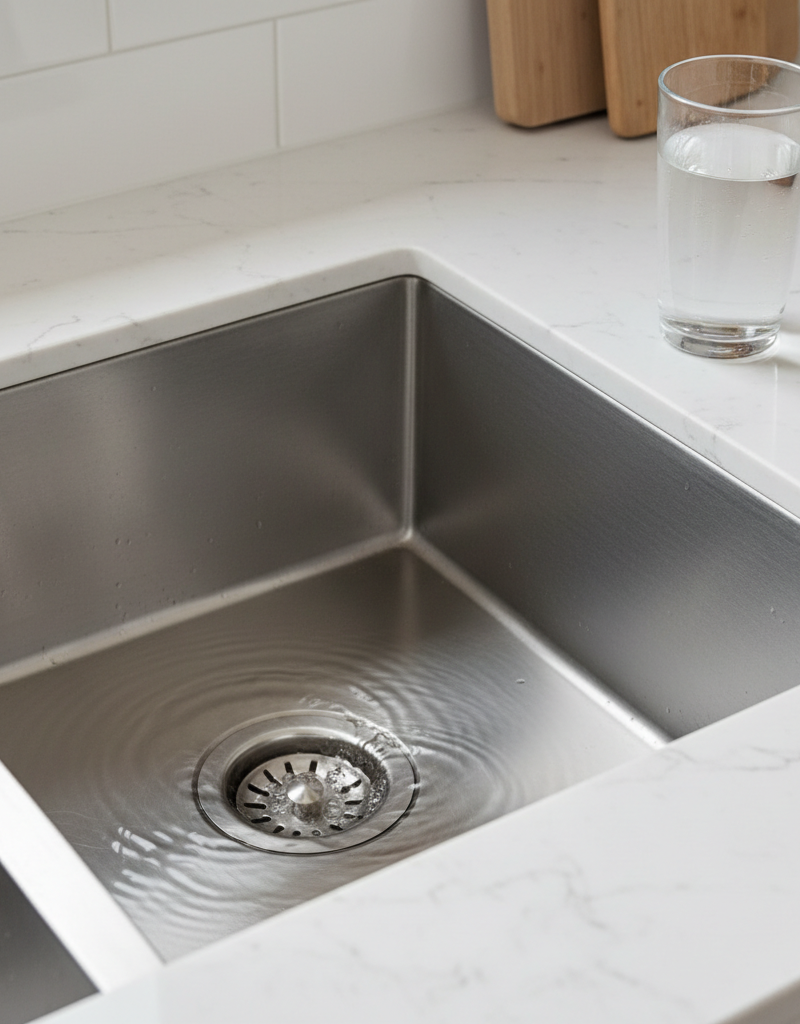
Flush the Drainpipe – Clear the path forward.
- After reassembling: Once the P-trap and stopper are clean and reinstalled, turn on the hot water and let it run down the drain for 5-10 minutes. This helps flush away any remaining loosened debris further down the line.
- Use an enzymatic cleaner: For an extra deep clean and to tackle lingering biofilm, pour an enzymatic drain cleaner (follow product instructions) or a natural alternative down the drain. Enzymatic cleaners use beneficial bacteria to digest organic matter, rather than harsh chemicals that can damage pipes.
-
DIY Natural Deodorizer (Optional but Recommended) – A safe, eco-friendly boost.
- Baking soda: Pour 1/2 cup of baking soda directly down the clean drain.
- White vinegar: Immediately follow with 1 cup of white vinegar. You'll hear fizzing – that's the reaction breaking down minor residues.
- Wait: Let the mixture sit for 30 minutes to an hour (or even overnight for tough smells).
- Flush: Finish by flushing with plenty of hot water.
-
Check for Dry P-trap – A simple, often overlooked cause.
- If the sink isn't used often, the water in the P-trap can evaporate. Run water into the sink for at least 30 seconds daily for a few days to ensure the trap is filled.
- If the P-trap dries out quickly despite regular use: This could indicate a venting issue (see Common Causes below) and might require professional diagnosis.
-
Reassemble and Test – Putting it all back together.
- Carefully reattach the P-trap, ensuring the slip nuts are hand-tightened, then give them a slight additional turn with pliers – enough to create a seal but not so tight as to crack the plastic.
- Reinstall the pop-up stopper.
- Turn on the water and check for any leaks around the P-trap connections. If you see drips, tighten the nuts a little more, but be careful not to overtighten.
- Run water again and confirm the smell is gone.
Common Causes
- Biofilm Buildup in Pop-Up Stopper and P-trap: This is by far the most frequent culprit. Hair, skin cells, soap scum, toothpaste, and other organic matter collect in the stopper mechanism and the P-trap, creating a nutrient-rich environment for anaerobic bacteria. As these bacteria decompose the organic material, they release foul-smelling gases like hydrogen sulfide.
- Dry P-trap: If a bathroom sink is rarely used, the water in the P-trap can evaporate. Without this water seal, sewer gases from the main drain system have a direct path into your bathroom, causing a strong, unpleasant odor.
- Vent Pipe Issues: Your home's plumbing system has vent pipes that allow air into the drain lines, preventing a vacuum that could siphon water out of P-traps. If a vent pipe is clogged, improperly installed, or too small, it can cause the P-trap to lose its water seal, allowing sewer gas to enter.
- Leaking or Damaged Drain Pipes: Less common, but a crack or loose connection in the drain pipe under the sink or behind the wall can allow small amounts of wastewater to escape and pool in unventilated areas, creating mildew and foul odors. The smell is often accompanied by visible dampness or water stains.
- Bacterial Growth in Overflow: The overflow drain, the small hole near the top of the sink basin, can also accumulate grime, soap scum, and moisture, leading to mold and bacterial growth that produce a musty or damp odor.
Common Mistakes
- Pouring harsh chemical drain cleaners: While tempting, these acidic or caustic cleaners can damage PVC pipes over time, are hazardous to your health and the environment, and often only provide a temporary fix without addressing the underlying biofilm. They also kill beneficial bacteria in septic systems.
- Ignoring the pop-up stopper: Many homeowners go straight for the P-trap or chemical cleaners, completely overlooking the stopper. The stopper assembly is a major collection point for hair and soap scum, and failing to clean it will mean the smell quickly returns.
- Overtightening P-trap nuts: Plastic P-traps and slip nuts can easily crack if overtightened, leading to leaks and requiring a full replacement. Hand-tighten first, then a quarter-turn more with pliers.
- Not checking the P-trap regularly: Even if you've cleaned it once, regular use of the sink will inevitably lead to new buildup. A quick check and clean every 6-12 months can prevent severe odor issues.
- Assuming it's always the P-trap: While common, a dry P-trap or a larger vent issue can be the cause. If cleaning the P-trap and stopper doesn't resolve the issue, don't keep repeating the same steps; explore other common causes.
- Using air fresheners as a solution: Air fresheners only mask the problem temporarily. The source of the odor needs to be eliminated for a permanent solution and improved indoor air quality.
Cost & Time Breakdown
| Task | DIY Cost | Pro Cost | Time |
|---|---|---|---|
| Cleaning Pop-Up Stopper | $0 | Included | 5-10 minutes |
| Cleaning P-Trap | $0–$5 | Included | 15-20 minutes |
| Enzymatic Cleaner | $15–$30 | N/A | 2-4 hours (set) |
| P-Trap Replacement | $10–$25 | $75–$150 | 30-60 minutes |
| Vent Pipe Diagnosis/Fix | N/A | $150–$400+ | 1-3 hours+ |
Tips & Prevention
- Regular Flushing: Run hot water down your bathroom sink drain for a minute or two every week. This helps to flush away minor buildups before they become problematic.
- Drain Screens: Place a simple drain screen or hair catcher over your sink drain. This is a highly effective way to prevent hair and larger debris from going down the drain in the first place, significantly reducing biofilm formation.
- Monthly Baking Soda & Vinegar Treatment: Perform the baking soda and vinegar cleaning treatment (1/2 cup baking soda, then 1 cup white vinegar, let sit 30-60 minutes, then flush with hot water) once a month as a preventative measure. This helps break down minor organic residues.
- Enzymatic Drain Cleaner: Every few months, consider using an enzymatic drain cleaner as a preventative treatment, especially if your sink gets heavy use. These products are safe for pipes and septic systems and help maintain a healthy drain environment.
- Clean the Pop-Up Stopper Regularly: Make it a habit to pull out and clean your pop-up stopper every 1-2 months. This is often where the worst buildup begins. It's a quick, easy task that prevents major headaches.
- Address Slow Drains Promptly: A slow drain is a precursor to a smelly drain and a full clog. Don't ignore it—address it early using the methods described above.
When to Call a Professional
While most smelly bathroom sinks can be remedied with DIY cleaning, there are specific situations where calling a licensed plumber is the wisest — and safest — course of action. If you've thoroughly cleaned the pop-up stopper and P-trap, flushed the drain, and the foul odor persists, it could indicate a more complex issue such as a clogged or improperly vented drain-waste-vent (DWV) system. A professional plumber has the tools, experience, and diagnostic capabilities, such as using a drain camera, to pinpoint and rectify hidden vent obstructions or identify serious clogs further down the main drain line. Additionally, if you suspect a leak in a hidden drainpipe behind a wall, or if you notice other accompanying issues like gurgling sounds from other drains or backups, these are strong signals that the problem extends beyond a simple P-trap cleaning and requires expert intervention to avoid potential water damage or more extensive plumbing failures.
Related Articles
Keep troubleshooting with these hand-picked guides from FixlyGuide:
- The Nasty Truth About Your Smelly Bathroom Sink: It's Not Always the Drain — Uncover the surprising culprits behind your stinky bathroom sink and learn how to banish those foul odors with simple, effective troublesho…
- The Nasty Truth About Your Smelly Bathroom Sink — And the 2-Ingredient Trick to Fix It — Uncover the hidden reasons behind that foul odor wafting from your bathroom sink drain and learn a simple, two-ingredient solution to banis…
- The Secret Culprit Behind Your Leaky Refrigerator (It’s Not Always the Water Line) — Discover the most common, often overlooked, reasons your refrigerator is leaking water and how to fix them with simple DIY steps.
- The Surprising Culprit Behind Your Refrigerator's Water Leak (It's Not Always the Ice Maker) — Discover the most common, often overlooked reason your refrigerator is leaking water and how to fix it with simple steps.
- The 5-Minute Fix for Your Kitchen Sprayer's Weak Stream — Restore your kitchen sink sprayer's strong stream with simple troubleshooting steps for common causes like clogs and diverter issues.
- The 3 Hidden Reasons Your Circuit Breaker Keeps Tripping (And How to Stop It) — Uncover the surprising culprits behind repeatedly tripping circuit breakers and learn practical, actionable steps to diagnose and resolve t…
Should you do this yourself?
Answer five quick questions before you start. Safety outranks savings every time.
Your experience with work like this
How high do you have to work?
Does the job involve any of these?
Will it need a permit?
Specialty tools
Free and instant. Educational guidance only — not a quote, inspection, or professional diagnosis.
What should this project cost?
Enter your project details for a realistic cost range before you call anyone.
Common repairs run $150–$650; repipes and water-heater replacements reach $1,500–$4,500.
- Regional adjustment
- National average
- Labor share (typical)
- ~$754
- Quotes to collect
- 3 written estimates
Educational estimate based on national averages — not a binding quote. Always confirm with written local estimates.
Fixly Project Decision Box
- DIY difficulty
- Moderate
- Estimated time
- 30 minutes – half a day
- Cost level
- Moderate
Main tools / materials
- Adjustable wrench
- Plunger or drain auger
- Bucket and towels
- Thread tape
When to stop and call a pro
- Water you cannot shut off at the fixture or main
- Sewage backing up into more than one fixture
- Water near electrical panels or outlets
- Gas water heater work beyond relighting a pilot
Need professional help?
Get a Licensed PlumberGet the print-ready PDF of this guide
A clean, ad-free, printable version you can keep on your phone or pin to the workshop wall. Free with a FixlyGuide account.
- Print-optimized layout
- Tools, materials & every step included
- Saved to your account
Frequently asked questions
Why does my bathroom sink drain smell like rotten eggs?+
The rotten egg smell, often sulfurous, is typically caused by hydrogen sulfide gas released by anaerobic bacteria decomposing hair, soap scum, and other organic matter trapped in your sink's pop-up stopper or P-trap.
Can a dry P-trap cause a bad smell?+
Yes, absolutely. The P-trap beneath your sink is designed to hold a water seal that prevents sewer gases from entering your home. If the water in the P-trap evaporates due to infrequent use or a vent issue, sewer gases can easily escape, leading to a foul odor.
Is it safe to use chemical drain cleaners for smelly drains?+
It is generally not recommended to use harsh chemical drain cleaners. They can damage pipes, are corrosive, and often only provide a temporary fix without addressing the root cause of the biofilm buildup. Natural or enzymatic cleaners are safer and more effective long-term.
Discussion
Loading comments…