- The Nasty Truth About Your Smelly Bathroom Sink — And the $5 Fix — A persistent foul odor from your bathroom sink drain is often caused by a forgotten gunk buildup that's easy to eliminate with basic househ…
- The Nasty Truth About Your Smelly Bathroom Sink — And the 2-Ingredient Trick to Fix It — Uncover the hidden reasons behind that foul odor wafting from your bathroom sink drain and learn a simple, two-ingredient solution to banis…
- The Nasty Truth About Your Smelly Bathroom Sink: It's Not Always the Drain — Uncover the surprising culprits behind your stinky bathroom sink and learn how to banish those foul odors with simple, effective troublesho…
- Dishwasher Not Draining? Easy Fixes for a Clogged Drain — A dishwasher that won't drain at the end of a cycle is a common problem, often caused by simple clogs or blockages that homeowners can fix…
- The 1 Mistake Homeowners Make with a Slow Kitchen Drain (And the Simple Fix) — A slow kitchen sink drain is frustrating, but often an easy fix if you avoid common mistakes and know where to look first.
Plumbing · Leak
| Project category | Plumbing |
|---|---|
| Problem type | Leak |
| Trade required | Plumbing |
| Urgency | Emergency — act now |
| Safety risk | High safety risk |
| DIY suitability | DIY for experienced homeowners |
| Cost category | Low cost |
| Typical timeline | Shut water off now; repair usually same or next day |
| Contractor type | Licensed plumber |
Repair option
Isolate at the shutoff, replace the failed component, and dry the cavity fully.
Replacement option
Repipe the run or the branch when corrosion is widespread.
Common causes
- Failed supply line or shutoff valve
- Worn washers, cartridges, or P-trap connections
- Pinhole corrosion in older copper
Relevant tools:emergency checklistdiy or hire a pro
Published April 22, 2026Last updated August 17, 2026
Tools & materials you'll need
Affiliate linksAs an Amazon Associate FixlyGuide earns from qualifying purchases — at no extra cost to you. Prices and availability are accurate as of publication and subject to change.
How it works
Your bathroom sink's drain system is a simple yet effective assembly designed to carry away wastewater while protecting you from the sewer system it connects to. The process begins at the drain opening, covered by a pop-up stopper. This stopper is a frequent site for hair and soap scum accumulation. Directly below is the tailpiece, a short, straight pipe leading to the P-trap. The P-trap is the critical U-shaped bend in the pipe. Its sole purpose is to hold a small amount of water at all times, creating a seal that physically blocks sewer gases—primarily methane and hydrogen sulfide—from rising up the drain and into your home.
From the P-trap, a horizontal drain arm connects to a sanitary tee fitting inside the wall. This tee directs wastewater down into a larger drain stack while also connecting to a vent pipe that travels up through the roof. This vent system is crucial; it allows air to enter the plumbing, preventing a vacuum effect that could siphon water out of the P-trap and enabling wastewater to flow smoothly.
The foul odor you smell isn't typically sewer gas, but rather the product of decomposition within your drain. Hair, skin cells, toothpaste, and soap scum cling to the pop-up stopper, tailpiece, and P-trap, forming a slimy, gray-black layer called biofilm. This moist, dark environment is a perfect breeding ground for anaerobic bacteria, which feed on the organic matter and release hydrogen sulfide gas as a byproduct—the unmistakable rotten-egg smell.
Step-by-Step Fix
This guide proceeds from the simplest to the most involved fixes. Complete each step in order before moving to the next.
-
Gather Tools and Prepare the Area — Empty the cabinet beneath your sink to create a clear workspace. You will need rubber gloves, eye protection, a bucket or small basin, a flashlight, an old toothbrush or bottle brush, and channel-lock pliers or a pipe wrench. Lay down old towels to protect the cabinet floor.
-
Remove and Clean the Pop-up Stopper — The stopper is the first and most common collection point for odor-causing gunk. Some stoppers can be pulled straight out, sometimes with a slight turn. If it does not come out, look for a horizontal pivot rod attached to the drainpipe under the sink. Unscrew the pivot nut holding it, pull the rod out slightly, and the stopper will now lift free. Thoroughly scrub the stopper and the attached plunger rod with an old toothbrush and hot, soapy water to remove all biofilm and hair.
-
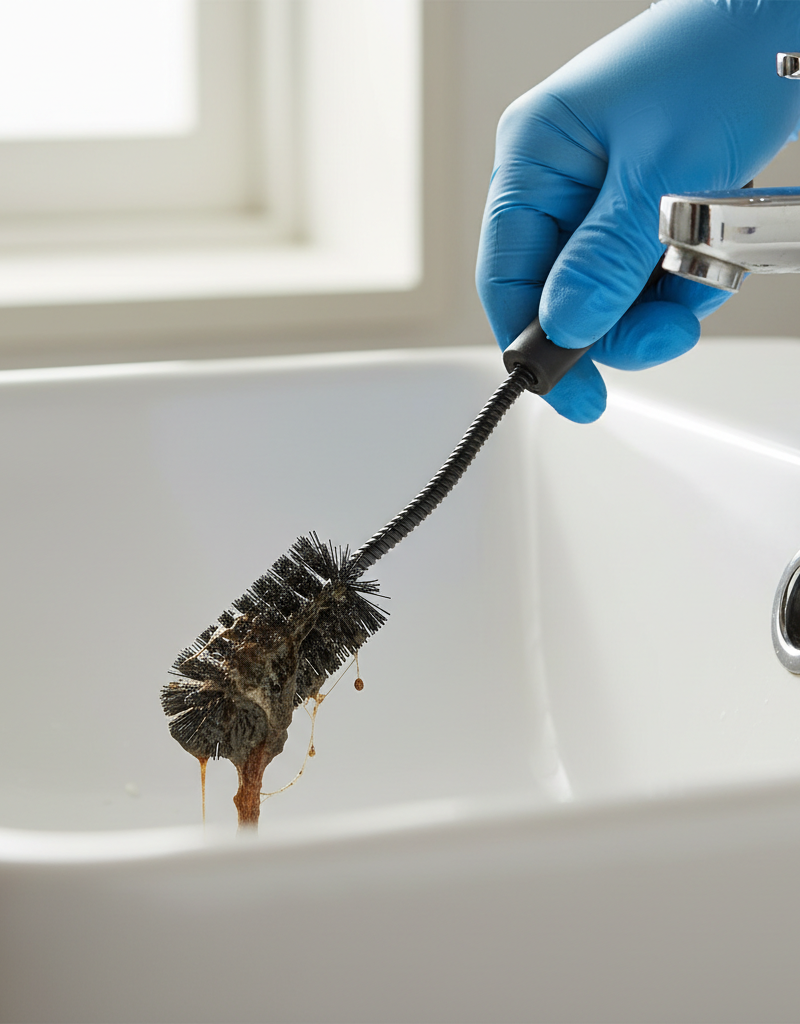
Clean the Drain Opening and Tailpiece — With the stopper removed, you have direct access to the tailpiece. Use a flexible plastic drain cleaning tool (often called a "zip-it" tool) or a flexible drain brush. Insert the tool into the drain opening and work it up and down, rotating it to scrape biofilm from the interior walls of the pipe. Pull the tool out and wipe it clean repeatedly.
-
Flush with Hot Water — Carefully pour a gallon of very hot tap water down the drain. If you have PVC (plastic) pipes, avoid boiling water, as extreme temperatures can potentially soften the plastic or stress the joints. For metal pipes, boiling water is acceptable. This flush helps melt and wash away soap scum and loosened debris from the previous step.
-
Apply an Enzymatic Cleaner — Before resorting to disassembly, use a biological drain cleaner. These products contain enzymes and bacteria that digest organic waste without harming your pipes or septic system. Pour the recommended amount into the drain, typically at night or before a long period of non-use, to allow the enzymes several hours to work undisturbed. This is far safer and often more effective in the long term than caustic chemical cleaners.
-
Clean the Overflow Channel — The small hole near the rim of your sink is an overflow. Gunk can build up in this channel and create odors. Use a small funnel to pour a cleaning solution into the overflow opening. A 50/50 mixture of white vinegar and water works well. For tougher buildup, a flexible bottle brush can be worked into the opening to scrub the channel walls. Finish by flushing with hot water.
-
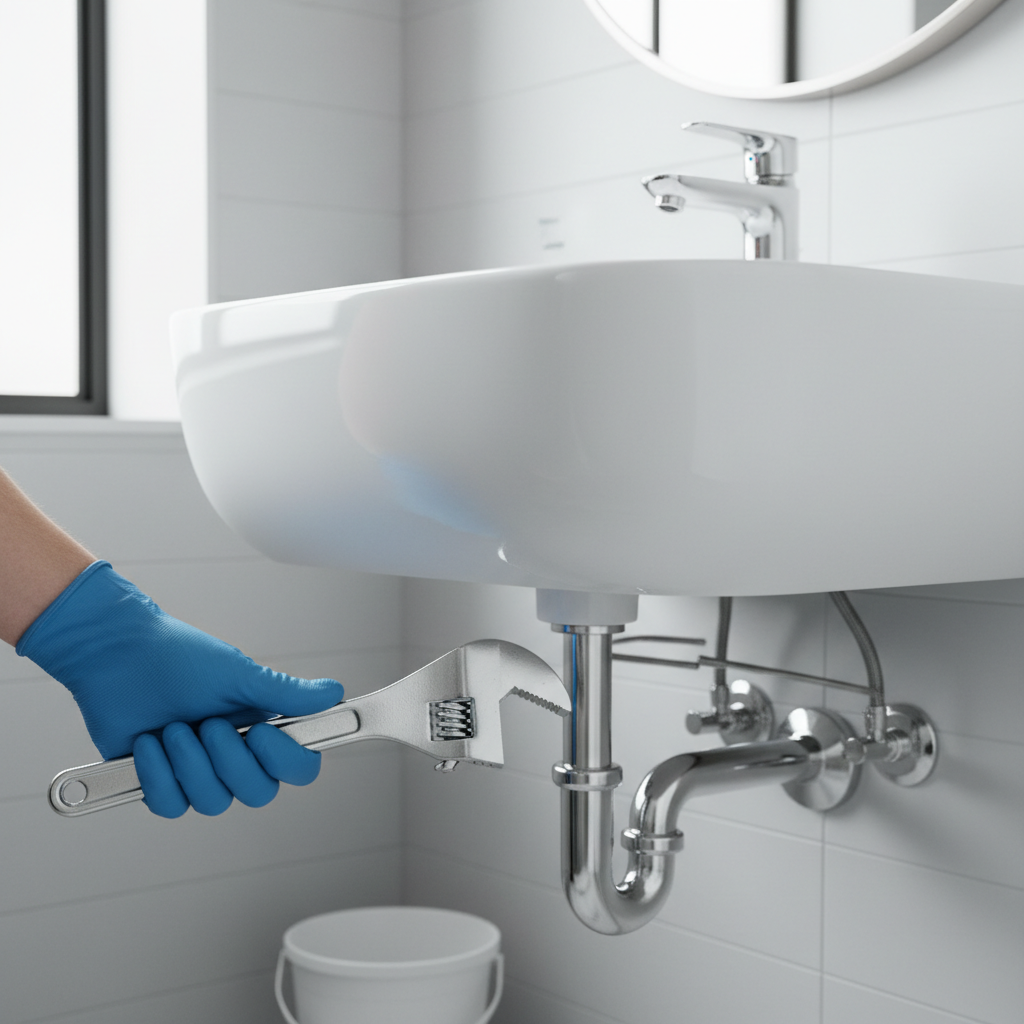
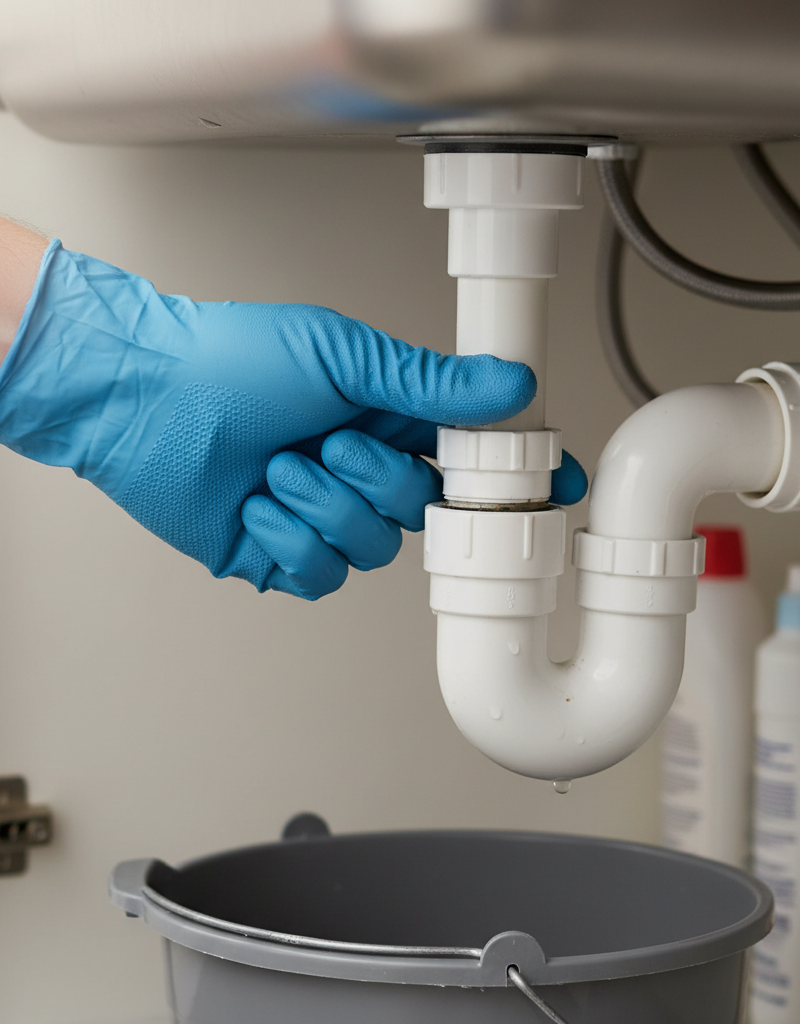
Position the Bucket and Loosen the P-Trap — If the odor persists, the P-trap must be cleaned directly. Place your bucket directly under the U-shaped bend of the pipe. There are two threaded slip nuts connecting the trap: one at the bottom of the sink's tailpiece and one where it connects to the horizontal drain arm going into the wall. Using channel-lock pliers, grip the first slip nut and turn it counter-clockwise to loosen. Do the same for the second nut.
- Pro Tip: If you have chrome-plated brass pipes, wrap the jaws of your pliers with electrical tape to prevent scratching the finish.
-
Remove and Empty the P-Trap — Once both nuts are loose, you can unscrew them by hand. Gently wiggle the P-trap free and lower it, emptying its contents (water and sludge) into the bucket. This will be foul-smelling; this is normal.
-
Thoroughly Clean the P-Trap and Drain Arm — Take the removed P-trap to another sink for cleaning. Use a flexible bottle brush and hot, soapy water to scrub the inside of the pipe until it is completely clean. While the trap is removed, take the opportunity to clean the exposed end of the drain arm extending from the wall. Use your drain brush or a small hand auger to clear any buildup in this horizontal section.
-
Inspect and Replace Slip-Joint Washers — Each slip nut has a tapered plastic or rubber washer inside it. These washers create the waterproof seal. Inspect them for cracks, hardening, or deformities. If they are not pliable and in perfect condition, replace them. They are inexpensive and available at any hardware store; taking the old ones with you ensures you get the correct size. Reusing old, worn washers is the primary cause of leaks after reassembly.
-
Reassemble the P-Trap — Fit the new or inspected washers onto the pipes with the tapered end facing the connection. Slide the P-trap back into position, ensuring it aligns perfectly with the tailpiece and drain arm. Hand-tighten both slip nuts until they are snug. Overtightening can crack the PVC or strip the threads.
-
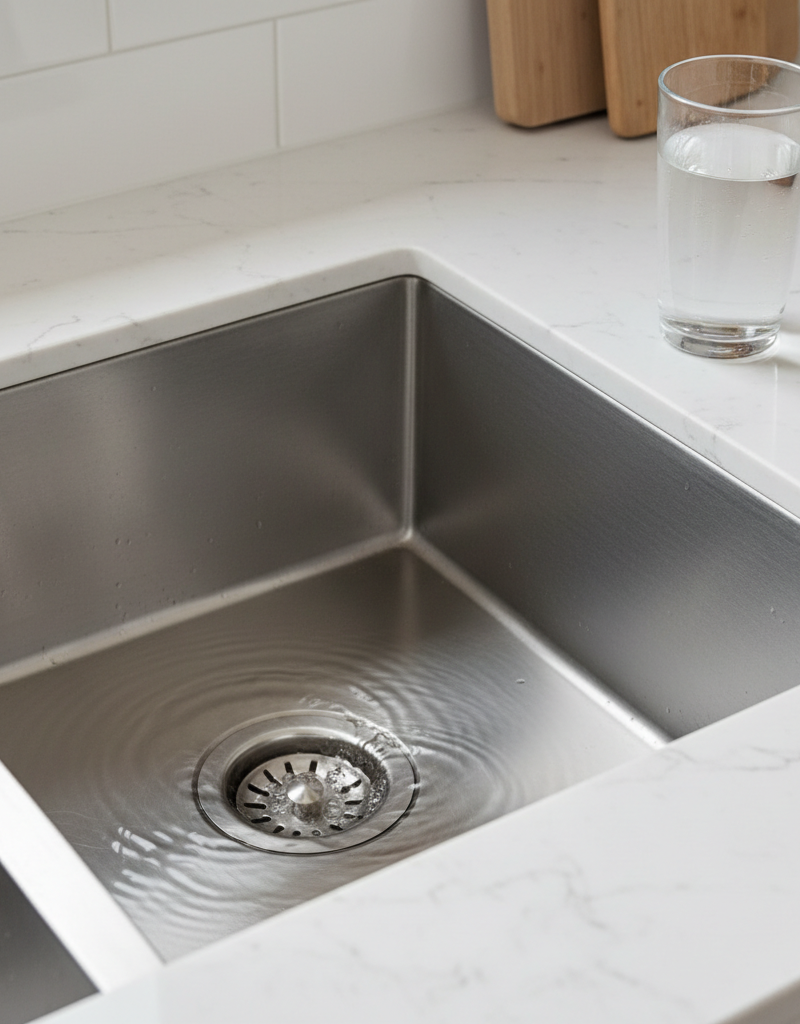
Test for Leaks — Give each slip nut a final quarter-turn with your pliers. Turn on the sink faucet, letting water run for at least 60 seconds to fill the P-trap and test the seals. While the water is running, use a flashlight to carefully inspect both reconnected nuts for any drips. If you see a leak, slightly tighten the corresponding nut until it stops. Check again with a dry paper towel to confirm the seal is secure.
Common mistakes
- Using Caustic Chemical Cleaners: Pouring harsh liquid drain openers into a smelly sink is a common error. These chemicals can damage older metal pipes, harm septic systems, and pose a severe safety hazard if they splash or if you later need to disassemble the drain. Instead, use enzymatic cleaners for maintenance and manual removal for blockages.
- Overtightening PVC Fittings: Plastic threads on a P-trap assembly are delicate. Many DIYers crank down on the slip nuts with a wrench, which can crack the nuts or strip the threads, guaranteeing a leak. The correct method is to hand-tighten until snug, then use pliers for a final quarter- to half-turn.
- Forgetting to Clean the Overflow: Many people focus only on the main drain, but the overflow channel can harbor a significant amount of black, smelly gunk. If you clean the trap and the smell remains, the overflow is a likely culprit. Remember to flush it as part of your cleaning routine.
- Reusing Old Slip-Joint Washers: The tapered nylon or rubber washers that seal the P-trap connections cost less than a dollar but are critical. They become hard, brittle, and deformed over time. Reusing a worn washer is asking for a slow leak under your sink. Always inspect them during disassembly and replace if they are not in perfect condition.
- Ignoring the Drain Arm: Cleaning only the P-trap may not solve the problem. Biofilm often extends into the horizontal drain arm connecting the trap to the wall. When the P-trap is removed, it is the perfect time to use a drain brush or small auger to clean this section as far back as you can reach.
- Misdiagnosing a Dry P-Trap: In a guest bathroom or other seldom-used sink, the water in the P-trap can evaporate, breaking the seal and allowing sewer gas to enter directly. A DIYer might waste time cleaning a perfectly clean drain when the solution is simply to run the water for 30 seconds to refill the trap.
Cost & time breakdown
Costs are approximate and reflect typical retail prices for DIY materials and regional averages for professional service.
| Task | DIY Cost | Pro Cost | Time |
|---|---|---|---|
| Hot Water & Vinegar/Baking Soda Flush | $0 - $5 | N/A | 15–45 minutes |
| Enzymatic Drain Cleaner Treatment | $10 - $20 (per bottle) | N/A | 5 minutes + 8 hours wait |
| Cleaning with a Drain Brush/Zip Tool | $15 - $25 (for tools) | $125 - $200 | 20–45 minutes |
| P-Trap Removal, Cleaning & Reassembly | $5 - $15 (for new washers & brush) | $150 - $250 | 45–90 minutes |
| Snaking the Lavatory Drain Line | $25 - $50 (to buy a 15-25 ft hand auger) | $175 - $300 | 1–2 hours |
| Diagnosing & Clearing a Vent Stack | N/A (Requires professional tools & safety) | $250 - $600+ | 2–4 hours |
When to call a pro
While most sink odors are a straightforward DIY fix, certain signs indicate a more complex problem that requires a licensed plumber. Call a professional if you encounter any of the following:
- The odor persists after a thorough cleaning. If you have meticulously cleaned the stopper, tailpiece, P-trap, and drain arm, yet the foul smell returns within a day or two, the source of the problem is likely further down the drain line, possibly in the main stack.
- Multiple drains in the home are smelly or slow. An odor coming from more than one sink, tub, or shower points to a systemic issue, not a localized clog. This is often caused by a blockage in a main drain line or a clogged primary plumbing vent stack.
- You hear gurgling sounds. If your toilet bubbles when you drain the sink, or other drains gurgle, it's a classic sign that the system's vent is blocked. The drains are trying to pull air through other P-traps, creating the noise and potentially pulling sewer gas with it.
- You cannot stop a leak after reassembly. If you've reassembled the P-trap with new washers and cannot get a connection to seal, the threads may be stripped or a component may be cracked. A professional can quickly diagnose and replace the faulty part, preventing water damage.
Prevention & maintenance
Preventing odors is far easier than eliminating them. Integrate these habits into your routine to keep your drains flowing freely and smelling fresh.
- Perform a Weekly Hot Water Flush: Once a week, run hot water from the tap for a full minute after use. This helps to liquefy and wash away fresh soap scum and toothpaste residue before it has a chance to solidify and bond to the pipes.
- Install and Clean a Drain Strainer: Place a mesh strainer or a purpose-built hair catcher over the drain. This physically blocks hair and large particles from entering the drain system. Make a habit of clearing the collected debris after every use.
- Clean the Pop-Up Stopper Monthly: Once a month, remove the pop-up stopper and give it a quick scrub with an old toothbrush. This five-minute task removes the initial layer of biofilm before it can grow and spread down into the P-trap.
- Use an Enzymatic Cleaner Proactively: On a monthly basis, treat the drain with a high-quality enzymatic cleaner. This introduces beneficial bacteria that continuously digest the trace amounts of organic matter that make it past the strainer, maintaining a clean and odor-free pipe interior.
- Address Slow Drains Immediately: A slow drain is the first warning sign of a developing clog. Don't wait for it to become a complete blockage. As soon as you notice slower draining, use a zip-it tool or perform a hot water and vinegar flush to clear the partial obstruction.
- Run Water in Unused Sinks: For sinks in guest bathrooms or other infrequently used areas, run cold water for 30 seconds at least once every two weeks. This simple step replenishes the water in the P-trap, ensuring the sewer gas barrier remains intact.
Related Articles
Keep troubleshooting with these hand-picked guides from FixlyGuide:
- The Nasty Truth About Your Smelly Bathroom Sink — And the $5 Fix — A persistent foul odor from your bathroom sink drain is often caused by a forgotten gunk buildup that's easy to eliminate with basic househ…
- The Nasty Truth About Your Smelly Bathroom Sink — And the 2-Ingredient Trick to Fix It — Uncover the hidden reasons behind that foul odor wafting from your bathroom sink drain and learn a simple, two-ingredient solution to banis…
- The Nasty Truth About Your Smelly Bathroom Sink: It's Not Always the Drain — Uncover the surprising culprits behind your stinky bathroom sink and learn how to banish those foul odors with simple, effective troublesho…
- Dishwasher Not Draining? Easy Fixes for a Clogged Drain — A dishwasher that won't drain at the end of a cycle is a common problem, often caused by simple clogs or blockages that homeowners can fix…
- The #1 Mistake Homeowners Make with a Slow Kitchen Drain (And the Simple Fix) — A slow kitchen sink drain is frustrating, but often an easy fix if you avoid common mistakes and know where to look first.
- Washing Machine Not Draining? Fix It in 5 Simple Steps — A washing machine that won’t drain leaves you with a tub full of soggy clothes. Often, this common problem has a simple DIY fix.
Should you do this yourself?
Answer five quick questions before you start. Safety outranks savings every time.
Your experience with work like this
How high do you have to work?
Does the job involve any of these?
Will it need a permit?
Specialty tools
Free and instant. Educational guidance only — not a quote, inspection, or professional diagnosis.
What should this project cost?
Enter your project details for a realistic cost range before you call anyone.
Common repairs run $150–$650; repipes and water-heater replacements reach $1,500–$4,500.
- Regional adjustment
- National average
- Labor share (typical)
- ~$754
- Quotes to collect
- 3 written estimates
Educational estimate based on national averages — not a binding quote. Always confirm with written local estimates.
Fixly Project Decision Box
- DIY difficulty
- Moderate
- Estimated time
- 30 minutes – half a day
- Cost level
- Moderate
Main tools / materials
- Adjustable wrench
- Plunger or drain auger
- Bucket and towels
- Thread tape
When to stop and call a pro
- Water you cannot shut off at the fixture or main
- Sewage backing up into more than one fixture
- Water near electrical panels or outlets
- Gas water heater work beyond relighting a pilot
Need professional help?
Get a Licensed PlumberGet the print-ready PDF of this guide
A clean, ad-free, printable version you can keep on your phone or pin to the workshop wall. Free with a FixlyGuide account.
- Print-optimized layout
- Tools, materials & every step included
- Saved to your account
Frequently asked questions
Why does my bathroom sink drain smell like rotten eggs?+
A rotten egg smell usually indicates the presence of hydrogen sulfide gas, which is produced by bacteria breaking down organic matter (like hair and soap scum) accumulated in your drainpipe or P-trap.
Can a dry P-trap cause a bad drain smell?+
Yes, if a sink isn't used for a long time, the water in the P-trap can evaporate, allowing sewer gases to escape into your bathroom and cause an unpleasant odor. Running water for a minute or two will usually refill the trap.
Are chemical drain cleaners safe for fixing drain smells?+
While some chemical drain cleaners can eliminate odors, they are often harsh, can damage certain pipes, and pose a safety risk. Natural solutions like baking soda and vinegar or enzymatic cleaners are generally safer and effective for odor removal.
How often should I clean my bathroom sink drain?+
To prevent odors, you should aim to clean your bathroom sink drain every 1-3 months with a baking soda and vinegar treatment, and regularly remove hair from the pop-up stopper.
Discussion
Loading comments…