- Safety First: Wear gloves and eye protection. Do not mix different chemical drain cleaners.
- After the resting period, flush the drain thoroughly with a large pot of very hot (but not boiling) water for several minutes. This helps carry away the loosened gunk. Repeat if necessary.
- If this doesn't work: The P-trap might be completely fouled or a vent issue is at play. You may need to physically remove and clean the P-trap.
Plumbing · Clog
| Project category | Plumbing |
|---|---|
| Problem type | Clog |
| Trade required | Plumbing |
| Urgency | Soon — within weeks |
| Safety risk | Low safety risk |
| DIY suitability | DIY friendly |
| Cost category | Low cost |
| Typical timeline | Same-day DIY attempt; pro visit within a day or two |
| Contractor type | Licensed plumber |
Repair option
Plunger, hand auger, or trap cleanout before chemicals.
Replacement option
Line replacement when clogs return in the same spot repeatedly.
Common causes
- Hair and soap buildup in the trap
- Grease cooling in the branch line
- Flushed wipes or foreign objects
Relevant tools:diy difficultydiy or hire a pro
Published May 10, 2026Last updated August 17, 2026
Tools & materials you'll need
Affiliate linksAs an Amazon Associate FixlyGuide earns from qualifying purchases — at no extra cost to you. Prices and availability are accurate as of publication and subject to change.
Quick Answer
A bad smell from your bathroom sink drain is usually caused by a buildup of biofilm (a slimy mixture of soap scum, hair, and bacteria) in the drain overflow tube or a dry P-trap. Clearing the overflow with a flushing method and ensuring the P-trap stays filled with water are key DIY solutions. Less common but equally pungent culprits include a loose drainpipe connection, a compromised wax ring on a nearby toilet, or even problems with the main vent stack.
The Problem
That persistent, unpleasant odor emanating from your bathroom sink isn't just a nuisance; it's a sign that something is amiss within your plumbing system. While many homeowners immediately suspect a clog deep within the drainpipe, the culprit is often much closer to the surface or related to the unique design of a sink's drainage system. The smell can range from a musty, mildew-like odor to a strong, sewage-like stench. Ignoring it won't make it go away; in fact, allowing organic matter to continue accumulating or vent issues to persist can exacerbate the problem, potentially leading to more stubborn odors or even slower drainage.
The most frustrating aspect is when the sink drains perfectly fine, yet the smell persists. This tells us the issue isn't a blockage restricting water flow but rather a source of odor production that the water isn't effectively washing away. Understanding the potential sources and how your sink's plumbing works is the first step toward banishing that stink for good.
How It Works
To effectively tackle a smelly sink, it's crucial to understand the basic anatomy and function of your bathroom sink's drain system. When you look at your sink, you see the drain opening, but there's more beneath the surface. Water flows from the basin down through the tailpiece, which connects to the P-trap. The P-trap is the U-shaped or S-shaped bend in the pipe directly under the sink. Its primary purpose is to hold a small amount of water, creating a barrier that prevents sewer gasses from rising out of the drain and into your home. This water seal is critical for preventing odors. If the P-trap dries out or is improperly installed, sewer gas can bypass this seal.
Another often-overlooked component is the overflow channel. Most bathroom sinks have a small hole near the top of the basin, opposite the faucet. This is the overflow. If you fill the sink too high, water drains through this channel, down a separate internal pipe, and rejoins the main drain stream below the sink basin, typically just above the P-trap. This overflow channel is rarely flushed by normal use, making it a prime breeding ground for biofilm – a slimy mixture of mold, mildew, bacteria, soap scum, toothpaste residue, and hair. As this biofilm decays, it produces foul-smelling gasses that rise through the overflow opening and into your bathroom. The drain stopper mechanism, whether it's a pop-up or a lift rod, also has parts that sit within the drain opening, collecting gunk and contributing to the smell. Finally, a properly functioning vent stack is essential. This vertical pipe extends from your drain lines through your roof, allowing fresh air into the system (which helps water drain efficiently) and safely expelling sewer gasses outside. A blocked or improperly installed vent can lead to negative pressure, siphoning water from the P-trap and allowing sewer gas to enter.
Step-by-Step Fix
1. Inspect and Clean the Pop-Up Stopper – Remove the most obvious source of gunk.
- Safety First: No specific safety gear needed for this step.
- Begin by removing the pop-up stopper from your sink drain. Most stoppers can be pulled straight out after rotating them slightly. If yours has a lift rod at the back of the faucet, you'll need to locate the pivot nut on the tailpiece under the sink. Loosen this nut, pull out the pivot rod, and then you can remove the stopper.
- Once removed, inspect the stopper for accumulated hair, soap scum, and grime. This is often a significant source of odor. Thoroughly clean the stopper with an old toothbrush and a strong household cleaner or a mixture of baking soda and vinegar. Rinse it well.
- While the stopper is out, use a flashlight to peer down the drain opening. You might see more gunk right below the visible part of the drain. Use a pair of needle-nose pliers or a bent coat hanger to carefully fish out any accessible hair or debris. Avoid pushing anything further down.
- If this doesn't work: The smell persists, suggesting the problem is deeper or in the overflow.
2. Clean the Overflow Channel – Target the hidden source of decay.
- Safety First: Wear gloves and eye protection when working with hot water or cleaning solutions.
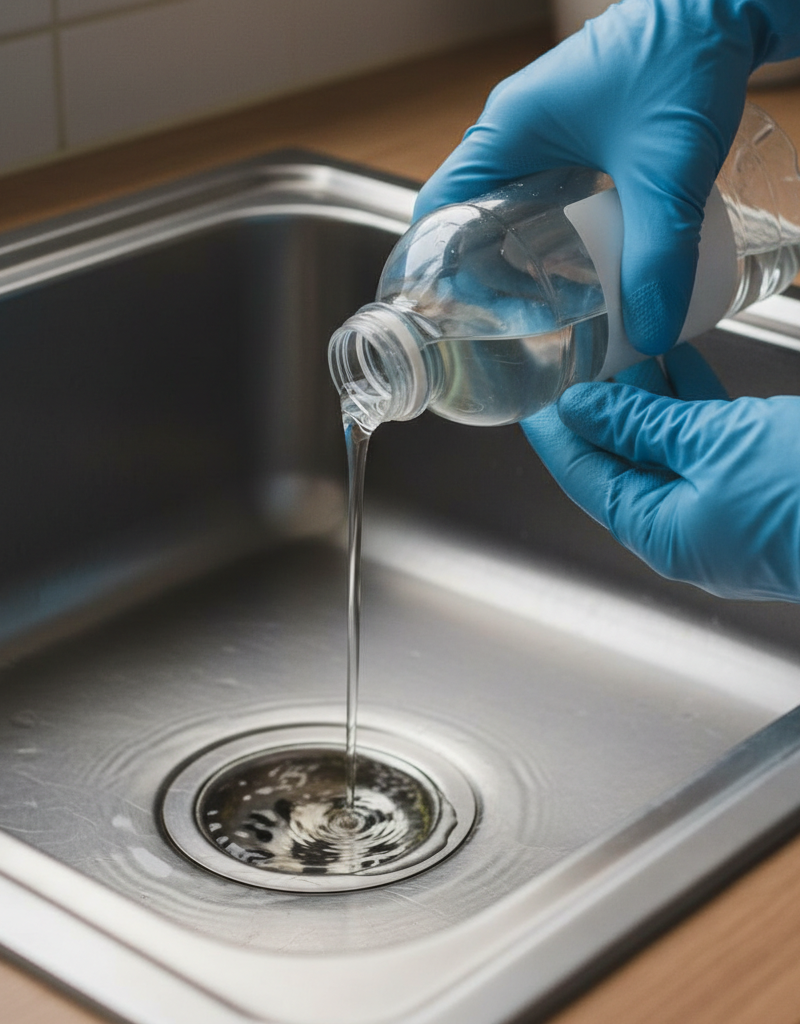
- The overflow channel is a notorious breeding ground for odor-causing biofilm because it's rarely flushed. Start by pouring about 1/2 cup of distilled white vinegar into the overflow opening, followed by 1/2 cup of hot (not boiling) water. Let it sit for 20-30 minutes to break down the grime.
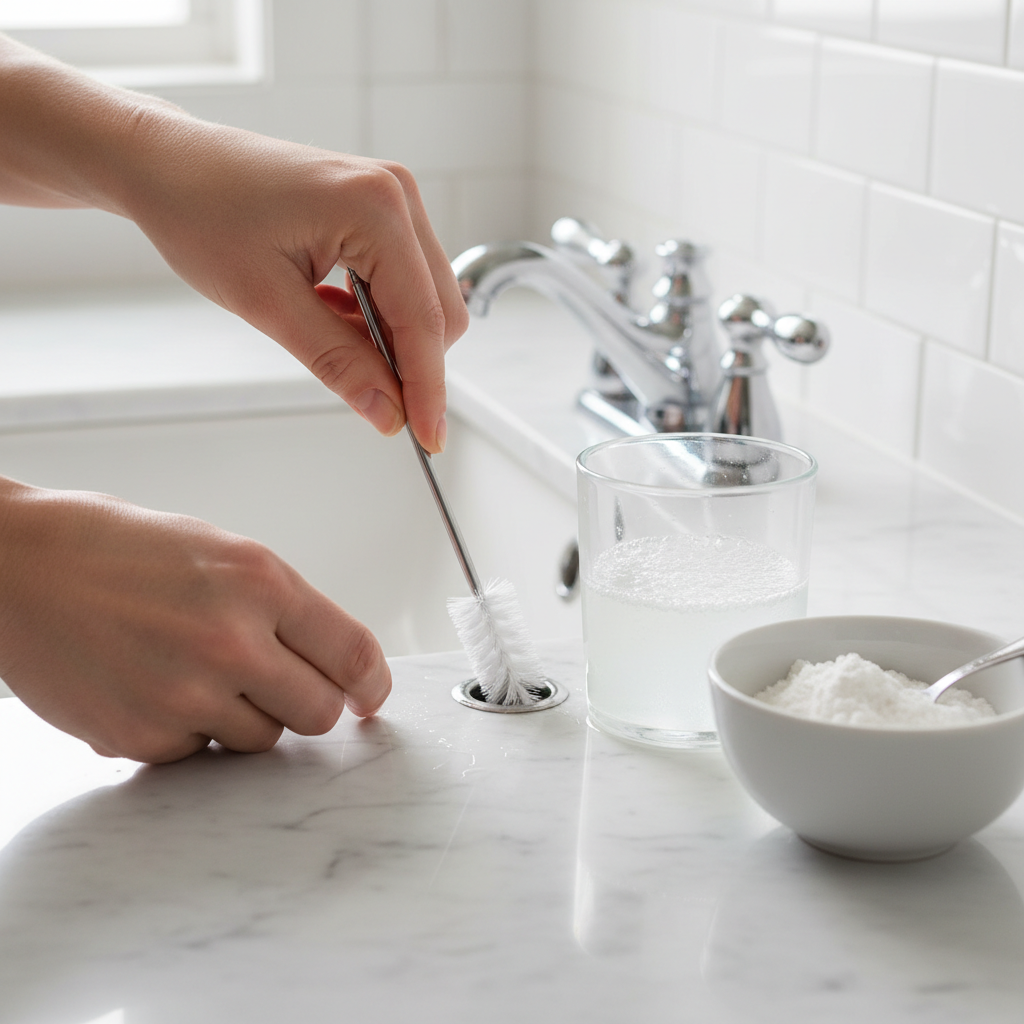
- Alternatively, you can create a funnel using a piece of paper or cardboard, or even a turkey baster, to direct a solution of baking soda (1/4 cup) followed by white vinegar (1/4 cup) into the overflow. Let it fizz and work for 30 minutes, then flush with hot water.
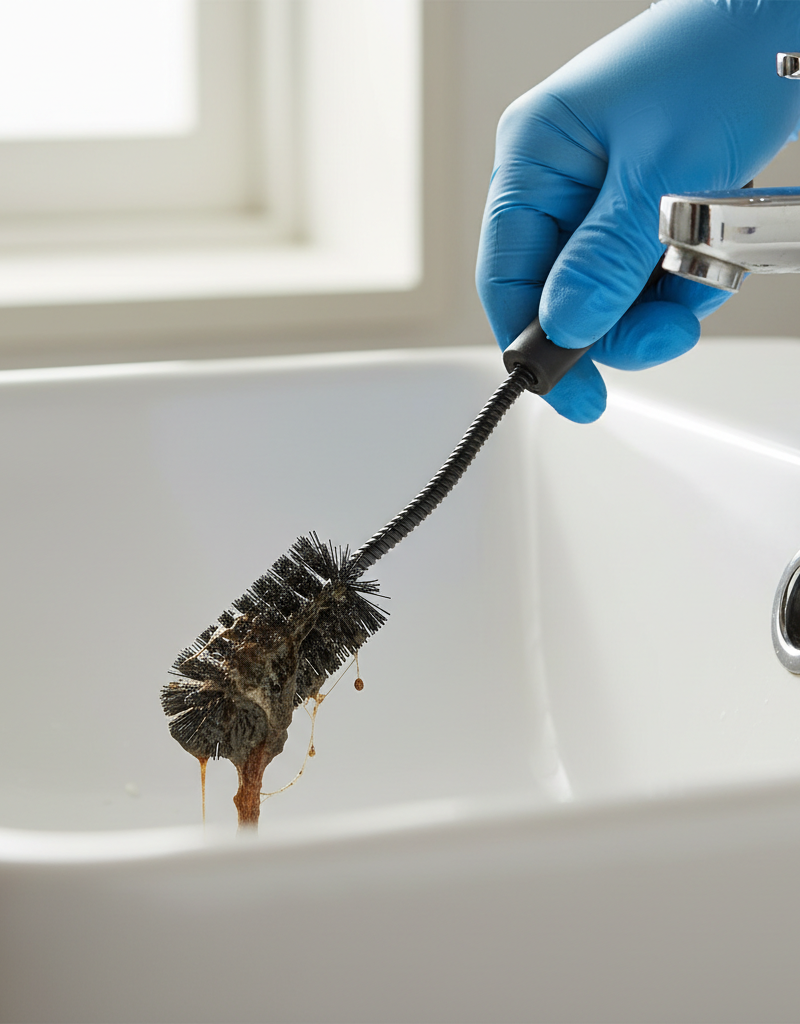
- For stubborn overflow grime, you might need to use an old bottle brush or a zip-it tool (a barbed plastic drain cleaner) designed for small pipes. Carefully insert it into the overflow hole and gently work it back and forth to dislodge buildup. Afterward, flush thoroughly with hot water.
- If this doesn't work: The main drain or P-trap might be the issue, or you have a deeper plumbing problem.
3. Flush the P-Trap and Drain Line – Clear out accumulated sludge.
- Safety First: Wear gloves and eye protection. Do not mix different chemical drain cleaners.
- For general drain smells, a natural approach is often best. Pour 1 cup of baking soda down the drain, followed by 1 cup of white vinegar. The chemical reaction creates foam that helps dislodge grime. Let it sit for 30 minutes to an hour (or longer if the smell is severe).
- After the resting period, flush the drain thoroughly with a large pot of very hot (but not boiling) water for several minutes. This helps carry away the loosened gunk. Repeat if necessary.
- If this doesn't work: The P-trap might be completely fouled or a vent issue is at play. You may need to physically remove and clean the P-trap.
4. Clear and Clean the P-Trap (Manual Method) – Direct attack on deeply seated debris.
- Safety First: Place a bucket directly under the P-trap to catch water and debris. Wear gloves.
- Tools: Adjustable wrench, bucket, old rag.
- Before you start, place a bucket or pan directly under the P-trap to catch any water and sludge contained within. Using an adjustable wrench, carefully loosen the slip nuts on both ends of the P-trap. Plastic traps are usually hand-tightened or require minimal wrenching. Be gentle to avoid stripping or cracking older plastic components.
- Once the nuts are loosened, carefully remove the P-trap. There will be some water and likely some very foul-smelling sludge inside. Empty the contents into the bucket.
- Thoroughly clean the inside of the P-trap with an old bottle brush or a stiff wire brush. Scrape away any accumulated biofilm, hair, and gunk. Rinse it thoroughly under a utility sink or outside with a garden hose.
- Inspect the rubber washers or gaskets inside the slip nuts. Replace them if they appear cracked, brittle, or significantly degraded. Old washers can lead to leaks. Reassemble the P-trap, ensuring the slip nuts are hand-tightened, then give them a quarter-turn more with the wrench. Don't overtighten, especially on plastic components.
- Run water for a few minutes to check for leaks. If you detect any, slightly tighten the slip nuts.
- If this doesn't work: The problem may be further down the drain or related to the vent stack.
5. Check for a Dry P-Trap – Ensure the water seal is intact.
- Diagnosis: If the sink hasn't been used in a long time (e.g., in a guest bathroom), the water in the P-trap can evaporate, allowing sewer gas to enter. This is a common cause of intermittent smells.
- Simply run water in the sink for 30 seconds to a minute. This will refill the P-trap and re-establish the water seal. If the smell disappears, this was the problem.
- If this doesn't work: The P-trap might be siphoning, or there's a vent issue.
6. Address Potential Venting Issues – When P-trap water is lost.
- Diagnosis: If your P-trap consistently dries out even with regular use, or you hear gurgling sounds from the drain, it might indicate a problem with your plumbing vent stack. A blocked vent prevents air from entering the drain system, creating a vacuum that can siphon water out of the P-trap.
- This problem is typically beyond DIY scope for cleaning the entire vent stack, as it often requires rooftop access and specialized tools. However, you can check for vent issues at the drain opening. If you notice slow drainage combined with gurgling, it's a strong indicator.
- Pro Callout: If you suspect a vent issue, it's best to call a licensed plumber. They have the equipment to snake or hydro-jetvent lines safely and efficiently. Never attempt to clear obstructions in a main vent stack by adding chemicals or attempting to snake it without proper experience, as this can cause more significant blockages or damage.
Common Causes
- Biofilm Buildup in Overflow Channel: The most frequent culprit. The overflow channel is moist, dark, and rarely flushed, creating an ideal breeding ground for bacteria, mold, and mildew from soap scum, toothpaste, and skin cells.
- Dry P-Trap: If a sink isn't used regularly, the water in the P-trap can evaporate, breaking the water seal and allowing sewer gas to enter your home.
- Hair and Soap Scum in Drain: Accumulation of hair, soap scum, and other organic debris in the tailpiece or upper section of the drain provides food for odor-producing bacteria.
- Loose or Damaged Drain Connections: Over time, slip nuts or other connections under the sink can loosen, creating tiny gaps that allow sewer gas to escape. A failing gasket or O-ring can also be the cause.
- Blocked or Improperly Vented Drain: A partially or fully blocked plumbing vent stack can cause negative pressure in the drain lines, siphoning water from the P-trap and allowing sewer gas to escape. It can also lead to slow drainage and gurgling sounds.
- P-Trap Siphoning (from improper installation): If the P-trap itself is installed incorrectly (e.g., too deep, or with an S-trap configuration instead of a P-trap), it can be prone to siphoning, losing its water seal.
- Sewer Gas from Other Fixtures: Less common for a sink-specific smell, but if there's a problem with a nearby toilet's wax ring or a main sewer line issue, the gases can sometimes migrate through other drains, especially if P-traps are dry.
Common Mistakes
- Ignoring the Overflow: Many DIYers focus solely on the main drain and overlook the overflow channel, which is a prime source of odors. Always clean the overflow.
- Using Harsh Chemical Drain Cleaners Repeatedly: While they might provide a temporary fix for clogs, chemical drain cleaners often just push biofilm further down the pipe and can damage older pipes, rubber seals, or septic systems with repeated use. They're rarely effective for odor sources like the overflow. Plus, they're dangerous to use if you then need to open the drain.
- Overtightening PVC Connections: When hand-tightening slip nuts on plastic P-traps and tailpieces, overtightening can strip the threads or crack the plastic components, leading to leaks.
- Not Replacing Old Gaskets/Washers: If you disassemble the P-trap, always inspect the rubber washers. Reusing brittle or degraded washers can lead to drips and leaks, even if the nuts are tight.
- Assuming a Clog When It's a Vent Issue: If your P-trap keeps drying out or you hear gurgling, a clog isn't always the problem; a vent issue is more likely. Misdiagnosing can lead to unnecessary drain snaking.
- Pouring Bleach Down the Drain: Bleach isn't effective against most drain clogs or biofilm and can react negatively with other chemicals or substances, potentially creating dangerous fumes or damaging pipes.
Cost & Time Breakdown
| Task | DIY Cost | Pro Cost | Time |
|---|---|---|---|
| Clean Pop-Up Stopper | $0–$5 | N/A | 5–10 minutes |
| Clean Overflow Channel | $0–$10 | N/A | 20–45 minutes |
| Baking Soda/Vinegar Flush | $5–$10 | N/A | 30–60 minutes |
| Remove & Clean P-Trap | $0–$15 | $100–$250 | 30–60 minutes |
| Replace P-Trap (if damaged) | $15–$30 | $150–$300+ | 45–90 minutes |
| Diagnose/Clear Vent Stack | N/A | $200–$600+ | 1–3 hours |
Tips & Prevention
- Regular Flushing: Once a week, run hot water down the drain for a minute or two. Even better, occasionally pour a cup of white vinegar down the drain, let it sit for 30 minutes, then flush with hot water. This helps prevent biofilm buildup.
- Clean Excess Hair: Use a drain catcher in the sink to minimize hair going down the drain. After each use, wipe away any remaining hair or debris around the stopper.
- Monthly Overflow Flush: Make it a habit to flush the overflow channel monthly with hot water and a bit of vinegar or baking soda. It only takes a minute and can prevent significant odor issues.
- Keep P-Trap Wet: For guest bathrooms or sinks used infrequently, run the water for 30 seconds every few weeks to prevent the P-trap from drying out.
- Proper Drain Care: Avoid pouring grease or harsh chemicals down the drain. Use enzymatic drain cleaners occasionally as a preventative measure rather than a reactive solution for clogs.
- Check Beneath the Sink: Periodically inspect the P-trap and drain connections for any signs of leaks or loose fittings. Address them promptly to prevent sewer gas leaks.
When to Call a Professional
While many smelly sink issues can be resolved with DIY efforts, certain situations warrant calling a licensed plumber. If you've tried all the steps above – cleaning the stopper, flushing the overflow, and manually cleaning the P-trap – and the smell persists, especially if it's a strong sewer gas odor, it's time to call in the experts. Persistent gurgling sounds from your drain, slow drainage despite a clean P-trap, or if multiple drains in your home are experiencing similar issues, these are all strong indicators of a deeper problem like a significant main drain blockage or, more likely, a compromised or blocked vent stack. Plumbers have specialized tools like drain cameras to inspect pipes, hydro-jetters to clear stubborn blockages, and the expertise to diagnose and repair complex vent system issues safely and effectively. Never attempt to clear main vent stack blockages yourself, as this often requires rooftop access and can be dangerous and ineffective without the right equipment. Also, if you notice the smell accompanied by sewage backup in other fixtures, that's an immediate call for a pro to address the main sewer line.
Related Articles
Keep troubleshooting with these hand-picked guides from FixlyGuide:
- The Nasty Truth About Your Smelly Bathroom Sink — And the 2-Ingredient Trick to Fix It — Uncover the hidden reasons behind that foul odor wafting from your bathroom sink drain and learn a simple, two-ingredient solution to banis…
- The #1 Mistake Homeowners Make When Their AC Drain Clogs (And The $5 Fix) — Discover the most common error homeowners make when tackling a clogged AC drain line and learn a simple, inexpensive solution to prevent co…
- The 3 Hidden Reasons Your Refrigerator Leaks Water (And How to Fix Them in 30 Minutes) — Discover the most common culprits behind a leaking refrigerator and learn how to diagnose and fix them quickly with this comprehensive guid…
- The $5 Secret to Silencing a Running Toilet (Plumbers Hope You Don't Know) — A running toilet is usually caused by a simple issue with the flapper or its chain, leading to constant water waste and higher utility bill…
- The 5-Minute Trick to Clear Any Shower Drain Clog (Without Nasty Chemicals) — Learn how to quickly and safely clear a shower drain clog using simple tools and techniques, avoiding harsh chemical drain cleaners.
- Is Your Drip System Failing? The #1 Overlooked Cause of Uneven Watering — Uneven watering in drip irrigation is often caused by clogged emitters, but the real secret to a healthy system lies in proper pressure reg…
Should you do this yourself?
Answer five quick questions before you start. Safety outranks savings every time.
Your experience with work like this
How high do you have to work?
Does the job involve any of these?
Will it need a permit?
Specialty tools
Free and instant. Educational guidance only — not a quote, inspection, or professional diagnosis.
What should this project cost?
Enter your project details for a realistic cost range before you call anyone.
Common repairs run $150–$650; repipes and water-heater replacements reach $1,500–$4,500.
- Regional adjustment
- National average
- Labor share (typical)
- ~$754
- Quotes to collect
- 3 written estimates
Educational estimate based on national averages — not a binding quote. Always confirm with written local estimates.
Fixly Project Decision Box
- DIY difficulty
- Moderate
- Estimated time
- 30 minutes – half a day
- Cost level
- Moderate
Main tools / materials
- Adjustable wrench
- Plunger or drain auger
- Bucket and towels
- Thread tape
When to stop and call a pro
- Water you cannot shut off at the fixture or main
- Sewage backing up into more than one fixture
- Water near electrical panels or outlets
- Gas water heater work beyond relighting a pilot
Need professional help?
Get a Licensed PlumberBefore you start
Check the difficulty, permits, and safety risk — then decide whether to call a pro.
- Estimate this projectGet a cost range for your scope and ZIP before you call anyone.Open
- Get local estimatesSend one request and compare written estimates from vetted pros.Open
Free, no signup required. Estimates are educational guidance, not a quote or an inspection.
Frequently asked questions
Why does my bathroom sink drain smell like rotten eggs?+
A rotten egg smell is typically hydrogen sulfide gas, a common component of sewer gas. This usually indicates a dry P-trap, allowing sewer gas to escape, or a significant buildup of anaerobic bacteria (often from hair and soap scum) in the drain or overflow creating these gasses.
Can a dirty overflow cause a bad drain smell?+
Yes, a dirty overflow is one of the most common causes of bad odors in bathroom sinks. The overflow channel rarely gets flushed with water during normal use, making it an ideal breeding ground for biofilm (a combination of mold, bacteria, soap scum, and hair) that produces foul smells as it decays.
How often should I clean my bathroom sink drain to prevent odors?+
To prevent odors, clean your pop-up stopper monthly and flush the overflow channel with hot water and white vinegar or baking soda at least once a month. Regularly running hot water down the drain for a minute after each use also helps minimize buildup.
Is it safe to pour bleach down a smelly drain?+
It is generally not recommended to pour bleach down a smelly drain. Bleach is not effective at clearing clogs or biofilm and can react dangerously with other chemicals. It can also be corrosive to some pipe materials over time and harmful to septic systems.
When should I call a plumber for a smelly bathroom sink?+
You should call a plumber if you've cleaned the stopper, overflow, and P-trap, but the smell persists, especially if it's a strong sewer gas odor. Persistent gurgling, slow drainage in multiple fixtures, or sewage backup are also signs a professional is needed for potential vent stack or main line issues.
Can a dry P-trap cause a drain to smell?+
Yes, a dry P-trap is a common cause of drain odors. The P-trap is designed to hold a small amount of water to create a seal against sewer gases. If this water evaporates due to infrequent use or is siphoned away by a vent issue, sewer gases can enter your home through the drain.
Can a bad toilet wax ring make my sink smell?+
While less direct, a failing wax ring on a nearby toilet can indeed allow sewer gases to escape into the bathroom. In some cases, these gases can travel and be perceived as coming from the sink drain, especially if the air circulation in the bathroom allows it. It's a less common sink-specific cause but worth considering if all other sink-related fixes fail.

Discussion
Loading comments…