- Incorrect Raker Height: Rakers (depth gauges) that are too high prevent the cutters from engaging, resulting in sawdust instead of chips. Too low, and the saw bites too aggressively, leading to kickback and stalling.
- Lack of Bar Lubrication: Insufficient bar oil causes massive friction and heat between the chain and guide bar, leading to premature wear of both, chain stretching, and potential seizure.
- Improper Cutting Technique: Forcing the saw, twisting it, or cutting with the tip (nose) of the bar (especially for felling) can lead to kickback, a violent upward and backward thrust of the saw.
Published May 19, 2026Last updated August 17, 2026
Tools & materials you'll need
Affiliate links- AmazonBar and chain oil1 quart
As an Amazon Associate FixlyGuide earns from qualifying purchases — at no extra cost to you. Prices and availability are accurate as of publication and subject to change.
Quick Answer
Many homeowners struggle with chainsaws not because the tool is inherently difficult, but because they overlook fundamental principles, particularly proper chain tension and sharpening. The biggest mistake is often using a dull or improperly tensioned chain, which dramatically increases effort, damages the saw, and creates dangerous situations. Learning to correctly tension and sharpen your chain, alongside understanding basic cutting mechanics, will transform your chainsaw experience from frustrating to productive.
The Problem
You've got a pile of branches to clear, a tree limb to prune, or firewood to cut. You fire up your chainsaw, eager to tackle the task. But instead of smooth, efficient cuts, you're met with resistance, smoke, and a saw that seems to buck and jump. The wood tears rather than slices, the saw bogs down, and you're left exhausted, exasperated, and no closer to completing the job. This isn't just inefficient; it's also dangerous. If you've experienced this, you're not alone. Many homeowners unknowingly make critical errors that turn a powerful tool into a source of frustration and potential injury, often centered around the chain itself.
How It Works
A chainsaw operates on a deceptively simple principle: a rapidly moving chain with sharp teeth cuts through wood. The engine (gas or electric) drives a sprocket, which in turn pulls the chain around a guide bar. Each cutter tooth on the chain acts like a tiny chisel, carving out wood chips as it passes. For this to work effectively, three primary factors must be in harmony: the chain's sharpness, its tension, and the interaction between the cutters and the rakers (also known as depth gauges). The rakers, small protrusions in front of each cutter, control how deep the cutter can bite into the wood. If they're too high, the cutter barely scrapes the surface; if they're too low, the cutter digs in too aggressively, causing the saw to grab, stall, and generate excessive vibration. Proper chain tension is crucial because it ensures the chain stays securely seated in the guide bar's groove, doesn't derail, and transfers power efficiently from the engine. A loose chain can jump off the bar, causing injury or damage, while a chain that's too tight creates excessive friction, overheating the bar and chain, and robbing the engine of power. The guide bar itself is a major component, guiding the chain and absorbing significant stress. It features grooves that the chain's drive links ride in, and a nose sprocket (on most modern bars) that reduces friction as the chain rounds the end. Lubrication, provided by the saw's automatic oiler, is essential to minimize friction and heat between the chain and the bar, extending the life of both components. Understanding these basic mechanical relationships helps diagnose and prevent common chainsaw problems.
Step-by-Step Fix
Here's how to ensure your chainsaw chain is properly maintained and tensioned for optimal performance and safety.
- Safety First— Before touching your chainsaw, ensure the engine is off and the spark plug wire is disconnected (for gas saws) or the battery is removed (for electric saws). Always wear appropriate personal protective equipment (PPE), including safety glasses, hearing protection, gloves, and sturdy footwear. A chainsaw is a powerful tool that demands respect.
- Inspect the Chain— Look closely at each cutter tooth. Are they sharp and shiny, or dull and rounded? Also, check for any damaged or missing teeth, cracked links, or excessive wear. A dull chain won't cut, it will tear and burn the wood, forcing you to push harder and increasing the risk of kickback. If teeth are dull, sharpen them or replace the chain.
- If your chain is dull: You'll need a round file matching your chain's pitch (check your saw's manual). File each cutter at the correct angle (usually 25-30 degrees) with consistent, outward strokes. Use a filing guide for best results. Also, periodically check and file down the rakers with a flat file. Rakers that are too high prevent the cutters from grabbing wood; too low, and the chain bogs down. Consult your owner's manual for specific raker height recommendations.
- Check Chain Tension (Cold)— With the saw off and on a flat surface, gently pull the chain away from the guide bar near the middle. You should just barely be able to see the bottom of the drive links, but the chain should snap back firmly against the bar when released. Don't pull too hard – a slight gap is enough.
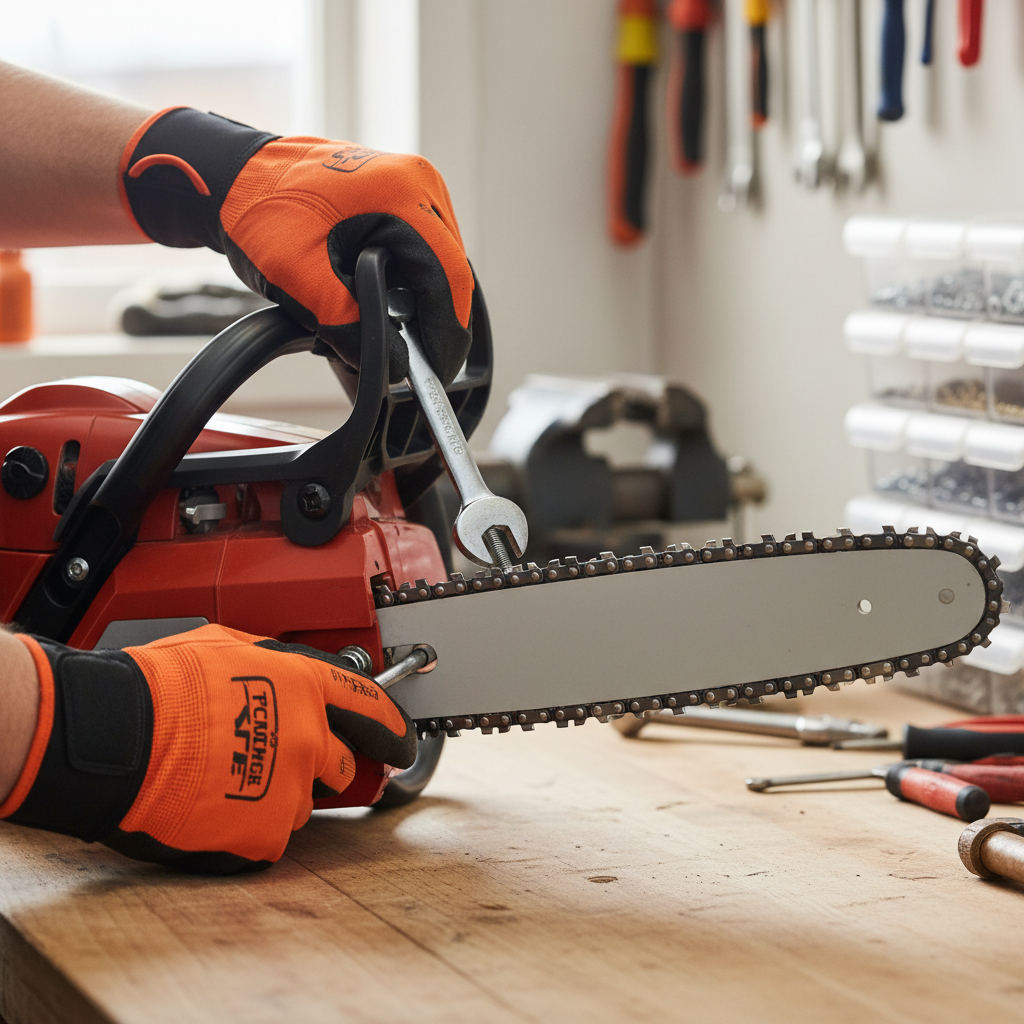
- Loosen Bar Nuts— Using your wrench (often a combination tool that comes with the saw), slightly loosen the two bar nuts that hold the guide bar in place. They don't need to be completely off, just loose enough for the bar to slide slightly.
- Adjust Chain Tension— Locate the tensioning screw, usually on the side of the saw near the bar, or sometimes at the front. Turn the screw clockwise to tighten the chain or counter-clockwise to loosen it. While you turn the screw, lift the nose of the guide bar slightly with one hand; this helps ensure even tension along the entire bar. Continue adjusting until you can just barely pull the drive links clear of the bar groove at the bottom, and the chain springs back crisply.
- Tighten Bar Nuts— While still holding the nose of the guide bar up, firmly tighten the bar nuts. This locks the bar in place, preventing the tension from changing during operation. Be sure to tighten them securely, but do not overtighten, as this can strip threads or damage components.
- Re-check Tension (Hot)— After cutting for a few minutes, stop the saw (disconnect spark plug/remove battery) and re-check the tension. Chains can stretch slightly as they warm up. Adjust if necessary. A properly tensioned chain should move freely around the guide bar by hand (with gloves on!) without binding.
- Lubrication Check— Ensure your saw's bar oil reservoir is full. A lack of bar oil causes excessive friction and heat, rapidly dulling the chain, wearing out the guide bar, and increasing the risk of chain derailment. You can often test the oiler by holding the saw over a light-colored surface and briefly revving it; a thin line of oil should be flung from the tip of the bar. If not, check for clogs or issues with the oil pump (a job for a pro).
Common Causes
- Improper Chain Tension: The leading cause of poor performance, rapid wear, and kickback. Too loose, and it derails; too tight, it overheats and bogs down. Homeowners often don't check tension frequently enough or don't know the correct method.
- Dull or Damaged Chain: Attempting to cut with a dull chain is like trying to cut with a butter knife. It tears, burns, and significantly increases effort and danger. Damaged links or missing teeth can cause vibration and catastrophic failure.
- Incorrect Raker Height: Rakers (depth gauges) that are too high prevent the cutters from engaging, resulting in sawdust instead of chips. Too low, and the saw bites too aggressively, leading to kickback and stalling.
- Lack of Bar Lubrication: Insufficient bar oil causes massive friction and heat between the chain and guide bar, leading to premature wear of both, chain stretching, and potential seizure.
- Improper Cutting Technique: Forcing the saw, twisting it, or cutting with the tip (nose) of the bar (especially for felling) can lead to kickback, a violent upward and backward thrust of the saw.
- Using the Wrong Chain for the Job: Different chain types (e.g., full chisel, semi-chisel, low-profile) are designed for different wood types and cutting tasks. Using an aggressive full chisel chain on dirty wood or for inexperienced users can be problematic.
Common Mistakes
- Mistake 1: Not Checking Chain Tension Often Enough. Many homeowners set the tension once and forget it. Instead: Check chain tension before every use and periodically during extended cutting sessions, especially as the chain heats up and stretches.
- Mistake 2: Cutting with a Dull Chain. Pushing a dull chainsaw through wood is exhausting, inefficient, and dangerous. It creates sawdust instead of chips. Instead: Keep your chain razor-sharp. Learn to file it correctly or have multiple sharpened chains on hand for quick swaps. A sharp chain makes clean, consistent chips.
- Mistake 3: Ignoring Bar Lubrication. Running out of bar oil is a quick way to destroy your guide bar and chain. Instead: Always, always check your bar oil level before starting and refill as needed. A lubricated chain runs cooler and smoother.
- Mistake 4: Improper Starting Procedure. Drop-starting a chainsaw (dropping it from shoulder height) is extremely dangerous. Instead: Always start your chainsaw on the ground, with the chain brake engaged, the guide bar clear of obstructions, and a firm grip on both handles.
- Mistake 5: Cutting with the Nose of the Guide Bar. This is a primary cause of kickback, which can result in serious injury. Instead: Avoid allowing the tip of the guide bar to contact the wood, especially when felling or limbing. Use the bottom portion of the bar for most cuts, and learn proper bore cutting and plunge cutting techniques if necessary.
- Mistake 6: Not Wearing Proper PPE. Chainsaws generate flying debris and can cause severe lacerations. Instead: Never operate a chainsaw without safety glasses, hearing protection, work gloves, chainsaw chaps, and sturdy boots. Your safety is paramount.
Cost & Time Breakdown
| Task | DIY Cost | Pro Cost | Time |
|---|---|---|---|
| Chain Sharpening (DIY) | $10–$30 | $10–$25 per chain | 15–30 minutes |
| New Chains (Standard) | $20–$40 | (Part of Pro job) | 5–10 minutes (swap) |
| Bar Oil | $10–$20/gal | Included in Pro service | 1 minute |
| Guide Bar Replacement | $30–$70 | $50–$150 + labor | 10–20 minutes |
| Professional Tune-up/Repair | N/A | $75–$200+ | 1–3 hours |
Tips & Prevention
- Keep Multiple Chains: Swapping a dull chain for a sharp one is much faster than filing in the field. Sharpen dull chains later. Having 2-3 extra chains is a good practice.
- Invest in a Filing Guide: These guides ensure consistent filing angles for both the cutters and rakers, leading to better cutting performance.
- Store Properly: When not in use, ensure your chainsaw is clean, the chain brake is disengaged (to prevent spring fatigue), and stored in a dry place. Drain fuel for long-term storage.
- Regular Cleaning: Sawdust and sap can build up in the bar groove and around the clutch. Regularly clean these areas to ensure smooth operation and prevent overheating.
- Be Aware of Kickback Zones: Understand where kickback is most likely to occur (the upper quadrant of the guide bar tip) and avoid cutting with this area.
- Familiarize with Your Manual: Your chainsaw's owner's manual contains specific information on chain type, tensioning, maintenance, and safety procedures specific to your model. Read it!
When to Call a Professional
While basic chain maintenance is DIY-friendly, certain chainsaw issues warrant professional attention. If your saw won't start after troubleshooting fuel and spark, or if it runs poorly despite proper carburetion and air filter cleaning, a professional can diagnose internal engine problems. Any persistent issues with the automatic oiler not delivering oil to the bar should be checked by a pro, as this can lead to serious damage. If you notice significant damage to the guide bar that goes beyond minor burrs, or if the chain repeatedly derails despite correct tensioning, it may indicate a bent bar or a worn sprocket, which are best replaced by an experienced technician to ensure proper alignment and safety. Additionally, for felling large trees, removing dangerous hanging limbs, or any job near power lines, always hire a licensed and insured arborist. These tasks carry significant risk and require specialized training and equipment.
Related Articles
Keep troubleshooting with these hand-picked guides from FixlyGuide:
- The Hidden Reason Your AC Isn't Cooling (And Why Most Homeowners Get It Wrong) — When your central AC unit isn't cooling, the culprit often isn't what you think, leading to frustration and unnecessary repair calls.
- 7 Inspection Red Flags That Secretly Signal a $20,000 Bill — Don't let your dream home become a money pit. Many buyers and even some inspectors overlook subtle home inspection red flags that lead to f…
- The Surprising Yard Tool That Vaporizes Weeds (No Chemicals Needed) — A weed torch offers an efficient, chemical-free method for removing unwanted plants from hardscaped areas like driveways, patios, and grave…
- The Single Cedar Board Secret to Attracting Bluebirds to Your Yard — Discover how to construct an ideal bluebird nesting box using just one cedar board, providing a safe and inviting habitat for these cherish…
- The Single Cedar Board Secret to Attracting Bluebirds This Spring — Discover how a single cedar board can be transformed into a welcoming home for bluebirds, enriching your yard with their vibrant presence a…
- The Giant Drywall Hole: 3 Hidden Mistakes That Make Fixing It Worse — Don’t just spackle over that huge drywall hole; learn the right way to repair it and avoid common mistakes that lead to an even bigger head…
What should this project cost?
Enter your project details for a realistic cost range before you call anyone.
Cost depends heavily on which system turns out to be the source.
- Regional adjustment
- National average
- Labor share (typical)
- ~$1,620
- Quotes to collect
- 3 written estimates
Educational estimate based on national averages — not a binding quote. Always confirm with written local estimates.
Get the print-ready PDF of this guide
A clean, ad-free, printable version you can keep on your phone or pin to the workshop wall. Free with a FixlyGuide account.
- Print-optimized layout
- Tools, materials & every step included
- Saved to your account
This article was independently written by FixlyGuide based on the source topic.
Frequently asked questions
How often should I sharpen my chainsaw chain?+
You should sharpen your chainsaw chain as soon as you notice it's cutting poorly, producing sawdust instead of chips, or struggling to cut straight. For active users, this might mean multiple times during a single cutting session. A sharp chain makes a remarkable difference in performance and safety.
What happens if a chainsaw chain is too loose?+
If a chainsaw chain is too loose, it can jump off the guide bar, leading to potential injury and damage to the chain and bar. It also reduces cutting efficiency, causes excessive wear on the drive sprocket, and can even damage the clutch assembly.
Can I use motor oil instead of bar oil in my chainsaw?+
No, you should never use regular motor oil instead of dedicated bar and chain oil. Bar and chain oil is specifically formulated to be tackier and more viscous to stick to the chain and bar, providing superior lubrication and heat dispersion, even at high speeds and temperatures. Motor oil will simply sling off, leaving your bar and chain unprotected.
How do I know if my chainsaw guide bar is worn out?+
Check your guide bar for burrs on the edges, excessive widening or flaring of the chain groove, discoloration from overheating, and uneven wear. If the chain rocks excessively side-to-side in the groove or if the bar is noticeably bent, it's time for a replacement.
What is chainsaw kickback and how do I prevent it?+
Kickback is the sudden, violent upward and backward thrust of the chainsaw, typically occurring when the upper quadrant of the guide bar tip (the 'kickback zone') strikes an object. Prevent it by avoiding cutting with the tip, maintaining a firm two-handed grip, standing in a stable position, always checking your cutting area for obstructions, and ensuring your chain is sharp and properly tensioned.


Discussion
Loading comments…