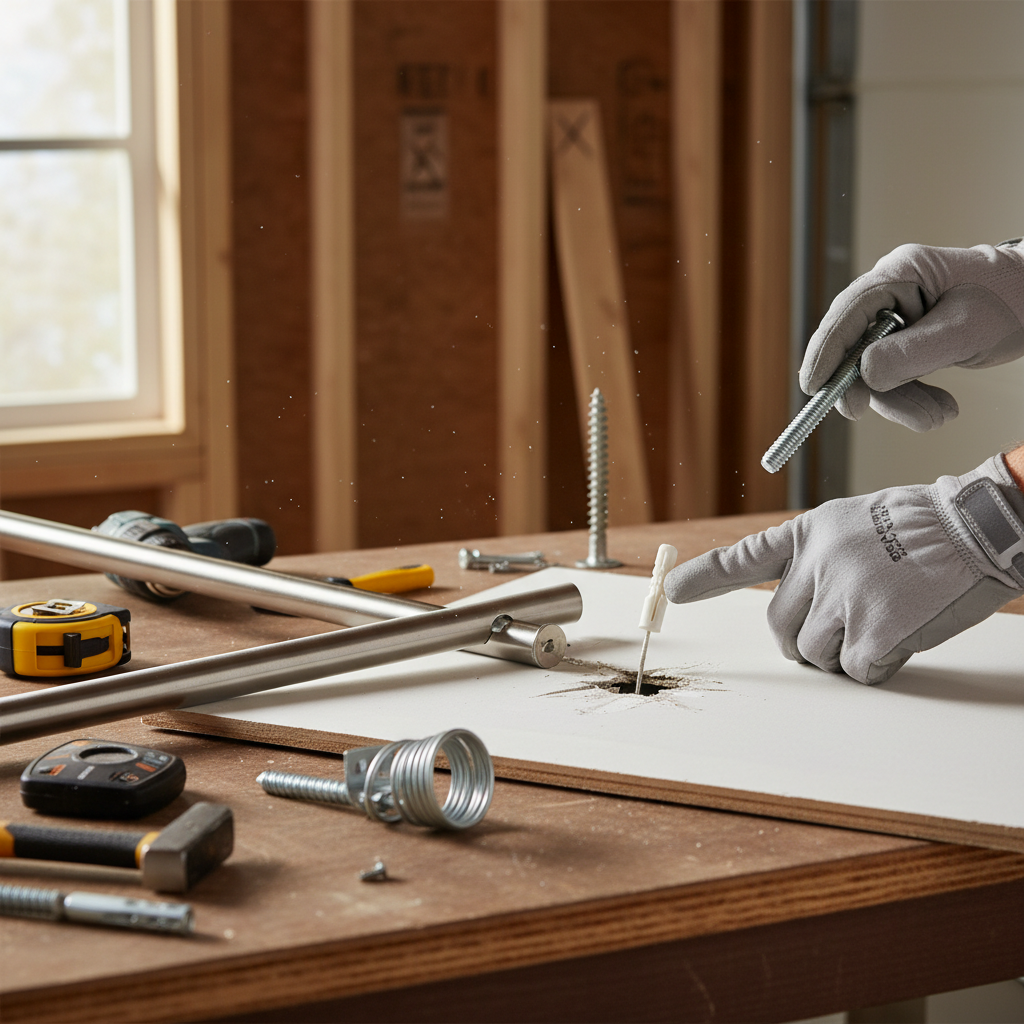
- OEM Hardware Failure: The most common cause is using the weak, undersized plastic anchors and short screws included in most closet system kits.
- No Anchors Used: The previous installer may have driven screws directly into the hollow drywall, which has virtually no holding power.
- Missed Studs: An attempt was made to hit a stud, but the screw went into the hollow cavity beside it.
- Overloading: Exceeding the weight limit of the rod, especially with single-rod systems holding heavy winter coats.
- Damaged Drywall: The wall may have been weakened by previous moisture damage (leaks) or multiple old, unpatched holes in the same area.
General remodeling · Renovation planning
| Project category | General remodeling |
|---|---|
| Problem type | Renovation planning |
| Trade required | General contracting |
| Urgency | Planned project |
| Safety risk | Low safety risk |
| DIY suitability | Pro recommended |
| Cost category | Major investment |
| Typical timeline | Design and permitting often 2–4 months before work starts |
| Contractor type | General contractor |
Repair option
Phase the work and fix the building envelope first.
Replacement option
Full renovation with permits, design, and a general contractor.
Common causes
- Space no longer fits how the household lives
- Resale preparation
- Deferred maintenance stacking up
Relevant tools:project cost estimatorcompare quoteshome improvement material prices
Published May 5, 2026Last updated August 17, 2026
Tools & materials you'll need
Affiliate linksAs an Amazon Associate FixlyGuide earns from qualifying purchases — at no extra cost to you. Prices and availability are accurate as of publication and subject to change.
Quick Answer
Your closet rod is falling because it’s not anchored to the wall correctly. The small, plastic expansion anchors often included with closet kits are too weak to support the heavy, dynamic load of clothes in hollow drywall. To fix this permanently, you must either locate the wood studs inside your wall and screw the closet rod brackets directly into them, or use heavy-duty toggle bolts, which clamp onto the back of the drywall for a much stronger hold.
The Problem
You know the sound. It’s a sudden, sharp crack followed by a scraping, rumbling crash. You rush to your bedroom to find a disaster: your entire wardrobe in a heap on the closet floor, the metal or wood rod peeking out from underneath, and the support brackets dangling from the wall or lying amidst the carnage. The culprit? A tiny, mangled piece of plastic pulled from a now-gaping hole in the drywall. This frustrating event isn't just about a messy closet; it’s a failure of basic physics and hardware selection. A six-foot closet rod can easily hold 50 to 100 pounds of clothes. When you add the dynamic force of sliding hangers back and forth, the strain on the mounting points is immense. The problem is that most interior closet walls are simply hollow drywall, a relatively brittle sheet of compressed gypsum powder wrapped in paper. The standard, ribbed plastic anchors that come in most hardware kits are designed for very light-duty applications, like hanging a small picture frame. They simply cannot handle the heavy, cantilevered load of a closet rod, and they inevitably pull out, taking a chunk of your wall with them.
How It Works
To understand why your closet rod failed, you need to understand what’s inside your walls. In most modern US homes, interior walls are constructed with a timber frame of vertical 2x4s called "studs." These studs are typically spaced 16 inches apart "on center" (from the center of one stud to the center of the next). Drywall panels, usually 1/2-inch thick, are then screwed into these studs to create the flat wall surface you see. The space between the studs is hollow.
-
The Gold Standard: Mounting to Studs. A wood stud is the only truly secure anchor point in a wall. A 2.5-inch screw driven through the drywall and 1.5 inches into a solid wood stud can hold over 100 pounds of shear weight. This is the professional standard and the most reliable method for mounting anything heavy, from a TV to a closet shelf.
-
The Mistake: Hollow Wall Anchors (The Bad Kind). The anchors that cause closet rods to fall are typically "plastic expansion anchors." When you drive a screw into them, they are supposed to expand and press against the sides of the hole in the drywall. However, they only grip the brittle gypsum core. The force from a closet rod is primarily a "pull-out" or "shear" force—it yanks the screw outward and downward. Drywall has very poor tensile strength, meaning it crumbles easily when pulled on. These small anchors create a localized point of pressure, which quickly overwhelms the gypsum and rips a cone-shaped chunk out from the back of the wall.
-
The Solution: Hollow Wall Anchors (The Good Kind). When you cannot mount directly to a stud, you must use an anchor that spreads the load over a much larger area on the back of the drywall. This is where toggle bolts and molly bolts excel.
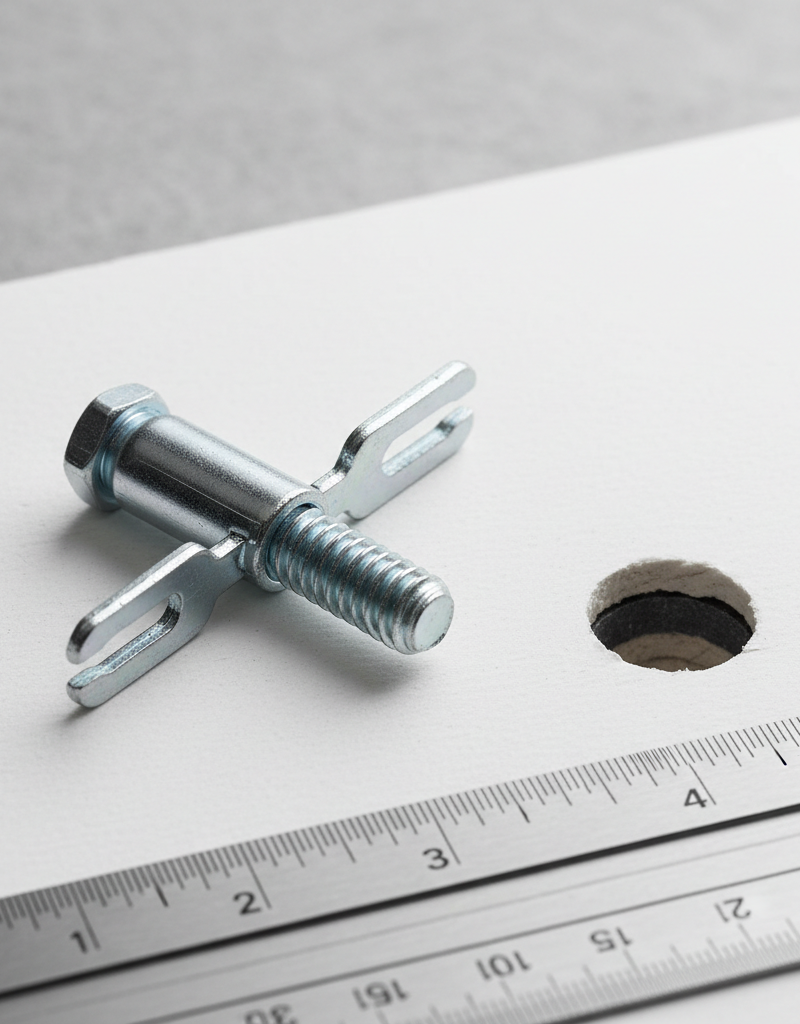
- Toggle Bolts: These are the workhorses of hollow-wall anchoring. A toggle bolt consists of a machine bolt and a spring-loaded, two-wing toggle nut. You drill a large hole (e.g., 1/2-inch for a 3/16-inch toggle bolt), pinch the wings of the toggle flat, and push it through the hole. Once inside the wall cavity, the wings spring open. As you tighten the bolt, the wings clamp down against the back of the drywall, distributing the weight over several square inches. A single 3/16-inch toggle bolt can safely hold 50-70 pounds in 1/2-inch drywall.
- Molly Bolts (Pointed Steel Expansion Anchors): These work similarly but are often easier to install. A molly bolt has a metal sleeve designed to crumple and expand behind the drywall as you tighten the screw. They don't offer quite the same brute strength as a large toggle bolt but are more than adequate for most closet applications and leave a smaller hole.
The key is to bypass the weakness of drywall by either connecting to the solid wood frame or by clamping onto the drywall from behind like a sandwich.
Step-by-Step Fix
This guide will walk you through permanently securing your closet rod. We will prioritize finding studs but will explain how to use toggle bolts if studs are not in a convenient location.
-
Empty the Closet & Remove Old Hardware: Start by removing all clothes and items from the closet. Unscrew the damaged brackets from the wall. If a bracket is stuck, you may need pliers to pull the failed anchor out.
-
Assess the Damage & Find the Studs: Examine the old holes. You will not reuse them. Use an electronic stud finder to scan the wall for the vertical wood studs. Start near one side of the closet and move the finder horizontally. Mark the left and right edges of each stud you locate with a pencil. The center of the stud is your target. Confirm the stud's location by drilling a tiny pilot hole; you should feel firm resistance as the bit enters the wood.
- Safety Note: Wear safety glasses to protect your eyes from drywall dust and debris, especially when drilling overhead.
-
Plan the New Bracket Position: Your goal is to align at least one screw hole on each support bracket with a wall stud. Hold one of the brackets up to the wall at your desired height (a standard height is about 66 inches from the floor) and see if its mounting holes can align with the stud you marked. If your old brackets are small, consider buying wider, heavy-duty "shelf and rod brackets" which offer more mounting holes and a better chance of hitting a stud.
-
Patch the Old Holes: Before installing the new hardware, repair the old, damaged holes. Fill them with spackle or lightweight joint compound using a putty knife. Overfill slightly to account for shrinkage. Allow it to dry completely (a few hours), then lightly sand the patch smooth with 120-grit sandpaper.
-
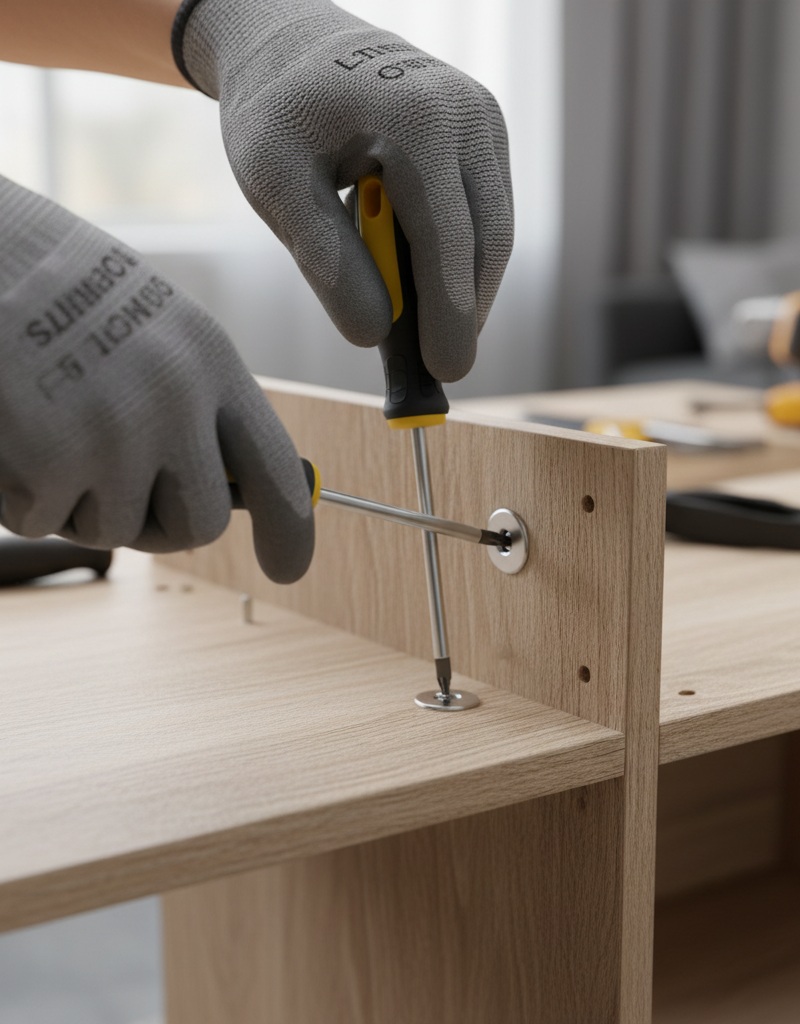
Install the First Bracket (Stud Method): If you can align the bracket with a stud, use a 4-in-1 level to ensure it is perfectly plumb (vertically level). Drill pilot holes through the bracket’s mounting holes into the stud. Use a drill bit that is slightly smaller than the diameter of your screws. Secure the bracket using #8 or #10 wood screws that are at least 2.5 inches long. This length ensures the screw passes through the bracket, the 1/2-inch drywall, and bites at least 1.5 inches into the wood stud.
-
Install the First Bracket (Toggle Bolt Method): If a stud is not available, you must use toggle bolts. Hold the bracket against the wall and mark your drillings spots. Choose a drill bit sized for your toggle bolts (e.g., a 1/2-inch bit for a 3/16-inch toggle). Drill the holes. Feed the toggle bolt screw through the bracket hole, thread on the spring-loaded toggle wings, pinch the wings flat, and push them through the hole in the wall. You will hear a "pop" as the wings open inside the wall. Pull the bracket slightly away from the wall to engage the toggle, then tighten the screw until it is fully secure.
-
Mark for the Second Bracket: Place the closet rod into the installed bracket. Rest the other end of the rod on your 4-in-1 level and extend the level across the closet. Adjust the level until the bubble is centered, then bring the second bracket up to meet the rod. This ensures your rod will be perfectly horizontal. Mark the mounting holes for the second bracket.
-
Install the Second Bracket: Remove the rod and level. Repeat the installation process for the second bracket, using either the stud or toggle bolt method as determined by the wall structure on that side. Double-check that your pencil marks from the previous step are accurate before drilling.
-
Add a Center Support (If Needed): For any closet rod spanning more than 48 inches, a center support bracket is essential to prevent bowing and sagging. Locate a stud in the center of the span, or use toggle bolts, to install a J-hook or a full support bracket.
-
Install Rod and Test: Place the closet rod into the newly installed brackets. Before loading it with clothes, press down firmly on the rod with your hands to test its strength. It should feel completely solid and not deflect or pull away from the wall.
-
Reload Your Closet: You can now confidently hang your clothes back in the closet. Distribute the weight as evenly as possible.
Common Causes
Understanding the root cause prevents a repeat failure.
- OEM Hardware Failure: The most common cause is using the weak, undersized plastic anchors and short screws included in most closet system kits.
- No Anchors Used: The previous installer may have driven screws directly into the hollow drywall, which has virtually no holding power.
- Missed Studs: An attempt was made to hit a stud, but the screw went into the hollow cavity beside it.
- Overloading: Exceeding the weight limit of the rod, especially with single-rod systems holding heavy winter coats.
- Damaged Drywall: The wall may have been weakened by previous moisture damage (leaks) or multiple old, unpatched holes in the same area.
- Long Spans without Center Support: Rods longer than four feet will sag and eventually fail if they don't have a middle support bracket.
Common Mistakes
Avoid these shortcuts and bad habits that lead to a collapsed closet rod.
- Reusing the Blown-Out Hole: Sticking a new anchor in the same damaged, oversized hole is a guaranteed recipe for another failure.
- "Bigger Anchor" Fallacy: Simply using a larger plastic expansion anchor in the same spot won’t work. The drywall around the hole is already compromised and weak.
- Skipping the Stud Finder: Guessing where studs are by knocking is unreliable. Using an electronic stud finder is the only way to be certain.
- Using Short Screws: Using 1.5-inch screws may seem sufficient, but they often don't penetrate deep enough into the stud after passing through the bracket and drywall.
- Ignoring the Level: Eyeballing the bracket placement results in a slanted rod, which causes hangers to slide to one side, concentrating weight and stress on one bracket.
- Not Patching Old Holes: Leaving the old, ugly holes unfilled creates a weak point in the wall and looks unprofessional.
Cost & Time Breakdown
Here is a realistic breakdown of what it takes to fix your closet rod the right way.
| Task | DIY Cost | Pro Cost | Time (DIY) |
|---|---|---|---|
| Heavy-Duty Shelf & Rod Brackets (2) | $20 - $40 | (Included) | - |
| Toggle Bolts (4-pack) / Wood Screws | $5 - $10 | (Included) | - |
| Electronic Stud Finder | $20 - $50 | (Included) | 15 minutes |
| Spackle, Putty Knife, Sandpaper | $15 | (Included) | 1 hour (plus dry time) |
| Drilling and Installation | (Tool cost) | (Included) | 45 minutes |
| Total | $40 - $105 | $175 - $350 | 2-3 Hours |
Tips & Prevention
- Prioritize Studs: Always try to anchor at least one side of your closet rod to a stud. It provides a massive increase in strength.
- Buy Components Separately: Instead of an all-in-one kit, buy heavy-duty brackets, a thick-walled rod, and the correct fasteners (long wood screws and/or toggle bolts) separately.
- Add a Shelf: Using "shelf and rod" brackets that support a wood shelf above the rod adds immense rigidity to the whole system and helps distribute weight.
- Mind the Span: Any rod span over 48 inches requires a center support. No exceptions.
- Declutter Regularly: Closets accumulate weight over time. Periodically go through your wardrobe to remove items you no longer wear.
- Floor-Supported Systems: For renters or those with problematic walls (e.g., old plaster), consider a closet system that is partially or fully supported by the floor, reducing the stress on the wall anchors.
When to Call a Professional
While this is a very manageable DIY project, there are times when calling a handyman or contractor is the right move. If the wall feels soft, spongy, or shows signs of discoloration, you could have a water leak that has compromised the structural integrity of the drywall or studs. In older homes with plaster and lath walls, anchoring can be much more complex and may require different techniques. If the wall is crumbling or you drill into the wall and the dust is powdery and gray instead of white, you might have plaster. Finally, if you are uncomfortable or inexperienced with using power tools like a drill, or if you simply want the job done quickly and perfectly, a professional can complete this task in an hour or two with guaranteed results. For large, complex custom closet installations, a specialized closet company is your best bet.
Related Articles
Keep troubleshooting with these hand-picked guides from FixlyGuide:
- That Heavy Mirror? It Needs More Than Just a Nail — Stop guessing with drywall anchors; the physics of shear force and toggle bolt ratings are the secret to keeping your heavy mirror securely…
- Your Floating Shelves Failed? 3 Hidden Drywall Mistakes. — Learn how to safely and securely install floating shelves into drywall using the right anchors and tools, avoiding common mistakes.
- The 4-Inch Drywall Hole Fix: Why Most DIY Patches Fail (And How to Do It Right) — Don't let a small drywall hole become a recurring nightmare – discover the secret to a seamless, lasting repair that disappears into your w…
- That 'Stud-Only' Belief? A Myth for Heavy Shelves — Tired of shelves ripping out of your drywall? The common advice to 'only use studs' is incomplete. Discover the modern anchoring techniques…
- The Giant Drywall Hole: Why Spackle Won't Work (And the Right Way to Fix It) — Don’t reach for spackle or joint compound when facing a large drywall hole; learn the correct reinforcement method for a seamless, lasting…
- That ONE Reason Your Closet Door Keeps Derailing — Stop just putting your sliding closet door back on the track. We reveal the hidden—and surprisingly simple—hardware issue that causes 90% o…
What should this project cost?
Enter your project details for a realistic cost range before you call anyone.
Cost depends heavily on which system turns out to be the source.
- Regional adjustment
- National average
- Labor share (typical)
- ~$1,620
- Quotes to collect
- 3 written estimates
Educational estimate based on national averages — not a binding quote. Always confirm with written local estimates.
Get the print-ready PDF of this guide
A clean, ad-free, printable version you can keep on your phone or pin to the workshop wall. Free with a FixlyGuide account.
- Print-optimized layout
- Tools, materials & every step included
- Saved to your account
Recommended for DIYers & woodworkers
Sponsored
The Top 20 Tools for Workshops of Any Budget
No stationary machines or power tools required — plus 3 fundamental tools that can't be bought at any price.
Get the free guide
Ted's Woodworking — The #1 Woodworking Resource
Detailed instructions, dimensioned drawings, materials & cutting lists, and 3D schematics for every skill level.
See the plansSponsored: links above are affiliate links. FixlyGuide may earn a commission on qualifying purchases — at no extra cost to you.
Frequently asked questions
Can I just reuse the old hole if I use a bigger anchor?+
No. The drywall around the original hole is already fractured and compromised. Inserting a new anchor, even a larger one, will not provide a secure grip. You must move the bracket to a new location on solid drywall or, ideally, to a wall stud.
How much weight can a properly installed closet rod hold?+
When secured into wood studs on both ends, a heavy-duty closet rod can typically hold 75-100 pounds or more. When installed with heavy-duty toggle bolts, a safe capacity is around 50-70 pounds, which is more than enough for most personal wardrobes.
What's the difference between a toggle bolt and a molly bolt?+
A toggle bolt uses a spring-loaded 'wing' nut that flips open inside the wall, providing a very wide clamping area. A molly bolt has a metal sleeve that crumples and expands behind the drywall when its screw is tightened. Toggle bolts are generally stronger but require a larger initial hole. Molly bolts are great for medium-duty loads and leave a smaller, tidier hole.
My whole wall seems to be crumbling. What should I do?+
Stop immediately and call a professional. Crumbling walls, especially in older homes, may indicate a larger issue with the plaster or lathe foundation, or significant water damage. Attempting to anchor anything to a compromised wall is unsafe and will not work.
Discussion
Loading comments…