- Seal Air Leaks: Use caulk and weatherstripping to seal leaks around windows, doors, and electrical outlets. This prevents conditioned air from escaping your home and unconditioned air from getting in.
- Use Ceiling Fans: In the summer, a ceiling fan can make a room feel several degrees cooler, allowing you to raise the thermostat. In the winter, reversing the fan direction pushes warm air down from the ceiling.
- Get Regular HVAC Maintenance: Have a professional technician inspect and service your HVAC system annually. They can clean the components, check for balanced airflow, and catch small problems before they become expensive failures.
HVAC · High energy usage
| Project category | HVAC |
|---|---|
| Problem type | High energy usage |
| Trade required | HVAC |
| Urgency | Planned project |
| Safety risk | Low safety risk |
| DIY suitability | DIY for experienced homeowners |
| Cost category | High cost |
| Typical timeline | Assessment within weeks; replacement planned off-season |
| Contractor type | Licensed HVAC technician |
Repair option
Duct sealing, insulation, and a tune-up before touching the equipment.
Replacement option
High-efficiency replacement sized by a load calculation, not a rule of thumb.
Common causes
- Aging, low-efficiency equipment
- Leaking ducts losing conditioned air
- Insufficient attic insulation
- Oversized system short-cycling
Relevant tools:project cost estimatorrepair or replace
Published May 5, 2026Last updated August 17, 2026
Tools & materials you'll need
Affiliate links- AmazonNew Air Filter1 · Ensure it is the correct size for your furnace or air handler.
As an Amazon Associate FixlyGuide earns from qualifying purchases — at no extra cost to you. Prices and availability are accurate as of publication and subject to change.
'''
Quick Answer
Closing HVAC vents in unused rooms does not save money; it increases pressure in your ductwork, forcing your system to work harder, reducing efficiency, and potentially causing expensive damage to the blower motor and heat exchanger. Your HVAC system is designed for a specific pressure balance, and disrupting it leads to higher energy bills and premature component failure. For true room-by-room temperature control, a zoned HVAC system is the only safe and effective solution.
The Problem
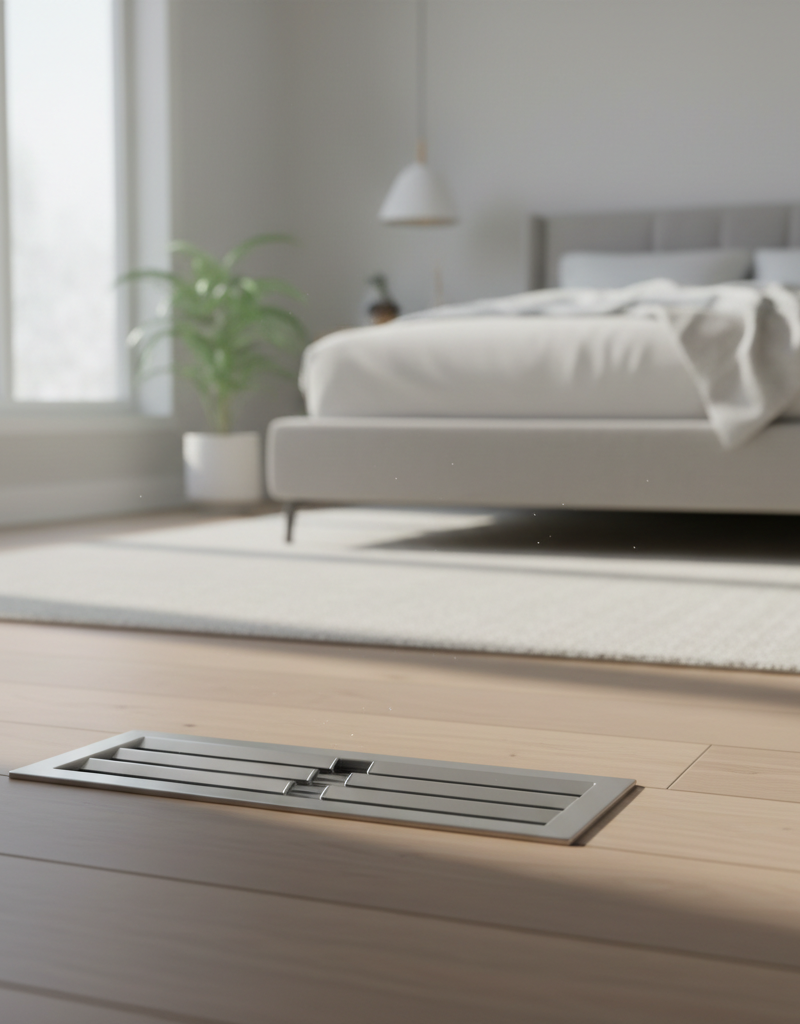
It seems like simple logic: Why pay to heat or cool a room you never use? The guest bedroom, the home office, the storage room—they all have air registers. The common thinking is that by closing the vent in that room, you're redirecting that precious conditioned air to the parts of the house you actually live in. You close the little metal lever on the register, and in your mind, you see your energy meter slowing down and dollar signs staying in your wallet.
Unfortunately, this is one of the most persistent and damaging myths in home maintenance. Instead of saving money, you are actively increasing your energy consumption and putting your entire HVAC system at risk. You're not closing a door to save energy; you're building a dam in a river that's not designed for it. The pressure builds, leaks appear, and eventually, the whole system suffers. This article will explain exactly why this happens and what you should do instead to manage your home's climate and costs effectively.
How It Works
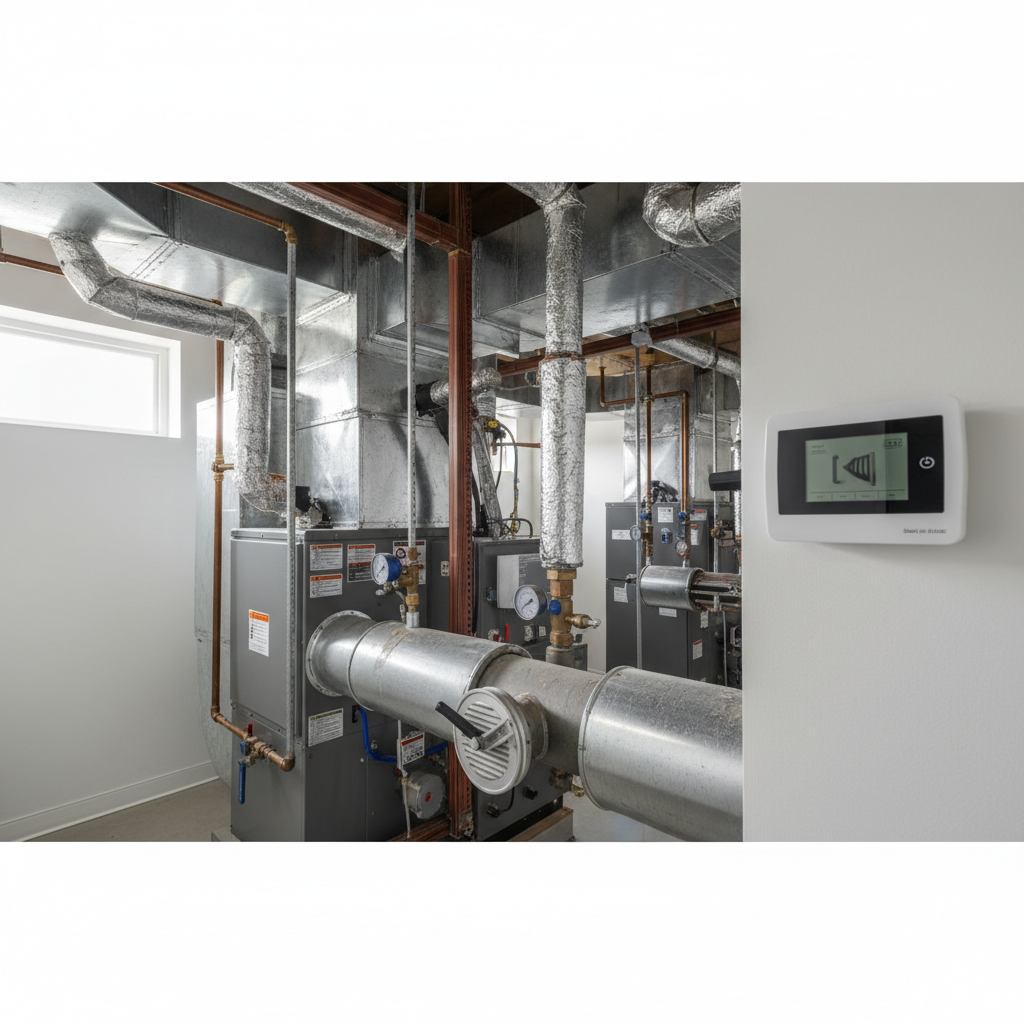
To understand why closing vents is a bad idea, you first need to understand how your home's forced-air HVAC system is designed. It's not just a collection of disconnected parts; it’s a precisely engineered, closed-loop system designed to operate in a delicate state of balance.
Think of your HVAC system as a respiratory system for your house. The furnace or air handler is the heart, and the ductwork is the circulatory system. The blower motor inside the air handler is designed to move a specific volume of air—measured in Cubic Feet per Minute (CFM)—against a certain level of resistance. This resistance is called "static pressure." Your home's entire duct system, including the size and length of the ducts, the number of turns, and the design of the vents, was planned by the installer to keep the static pressure within a narrow, safe operational range for your specific furnace or air handler.
When you close one or more vents, you are not telling the blower motor to "work less." The blower motor doesn’t have a brain; it's a workhorse designed to push a constant volume of air. By closing a vent, you are blocking a path of least resistance. This is like pinching a garden hose—the water doesn't stop, the pressure just builds up behind the pinch point. In your ducts, this "pinch" dramatically increases the static pressure across the entire system.
This pressure buildup has several negative consequences:
-
Increased Duct Leakage: No home's ductwork is perfectly sealed. The average home loses 20-30% of its conditioned air through leaks in the ducts. When you increase the pressure, you force more air out of these existing holes and can even create new ones. This means that expensive heated or cooled air you paid for is now being pushed into your attic, crawlspace, or walls, where it does you no good.
-
Blower Motor Strain & Failure: The blower motor is now fighting against a much higher resistance. This forces it to work harder and draw more electricity, immediately negating any theoretical savings. Over time, this constant strain will cause the motor to overheat and wear out prematurely, leading to a very expensive repair bill.
-
Heat Exchanger Damage (The Dangerous One): In a gas furnace, the heat exchanger is a metal component that gets very hot to warm the air passing over it. It requires a steady, high volume of airflow to transfer its heat away and prevent overheating. When you reduce airflow by closing vents, the heat exchanger can get dangerously hot. This can lead to stress fractures and cracks. A cracked heat exchanger is a major safety hazard, as it can allow carbon monoxide (CO), a colorless, odorless, and deadly gas, to mix with your home's breathable air.
-
Air Conditioner Coil Freezing: In the summer, the indoor coil of your air conditioner needs a steady flow of warm indoor air to absorb heat. When you reduce airflow, the coil doesn't get enough warm air and can get too cold. This causes condensation on the coil to freeze into a solid block of ice, completely blocking airflow and stopping the cooling process. This can damage the compressor, the most expensive component of your AC unit.
In short, closing vents tricks your system into fighting itself. It works harder, achieves less, costs more, and breaks down faster.
Step-by-Step Fix
The "fix" in this case is simply to undo the problem and ensure your system can operate as it was designed. This process is about restoring balance to your home's airflow.
-
Inventory Your Vents: Walk through your entire house, including little-used rooms and basements. Make a mental or physical note of every single supply vent (where air comes out) and return vent (where air goes in). Supply vents are typically on the floor, low on the wall, or on the ceiling. Return vents are usually larger and found in central locations.
-
Open Every Single Vent: Go to every supply vent you located. If the lever is shut, open it completely. Make sure the louvers inside the vent are parallel to the direction of airflow, not deflecting or blocking it.
-
Clear All Blockages: Many vents get blocked unintentionally. Look for furniture, rugs, boxes, or even pet beds sitting on top of or directly in front of vents. Air needs several inches of clearance to flow properly. Move any obstructions away from both supply and return vents.
-
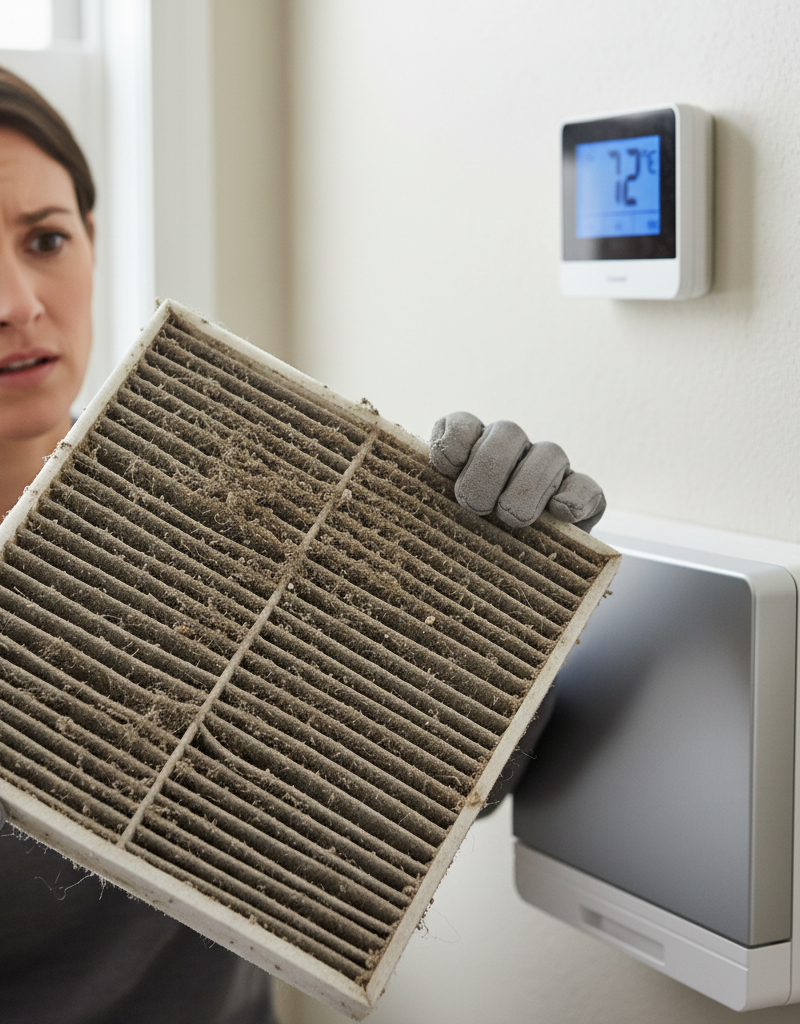
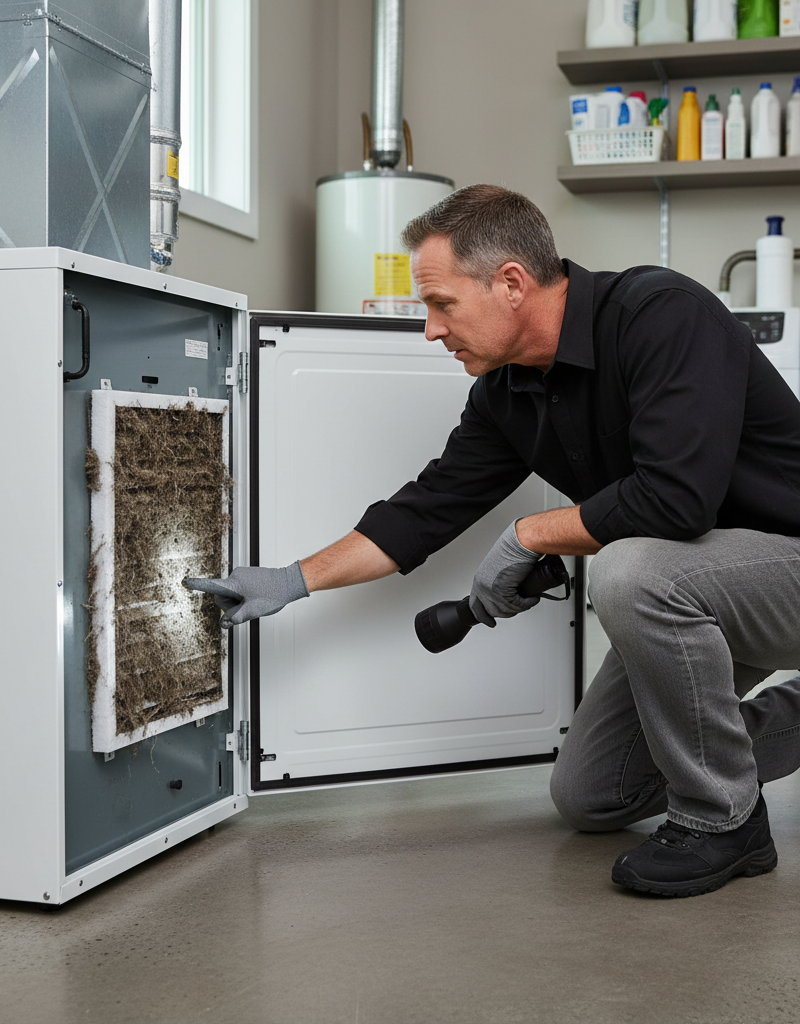
Change Your Air Filter: A clogged air filter is another major cause of restricted airflow and increased static pressure. If you haven't changed it in the last 1-3 months, replace it now with a new, clean filter of the correct size.
-
Run the System & Test Airflow: Turn your HVAC system on (either heat or cool). Go back to each vent and hold your hand over it. You should feel a noticeable, consistent stream of air from every single opening. It won't be a hurricane, but it should be steady. Note any vents that have very weak or no airflow.
-
Listen for Changes: Pay attention to the sounds your system makes. If you previously noticed "whistling" noises from certain vents or a "booming" sound when the system kicked on, these noises should diminish or disappear now that the pressure has been equalized.
-
Check Your Dampers (If Applicable): Some systems have manual dampers—levers located directly on the ductwork in the basement or attic. These are used to balance airflow. If airflow is still poor to certain rooms, it's possible a damper is partially closed. Look for handles on the main ducts and ensure they are in the "open" position (usually parallel to the duct line).
-
Monitor Your Energy Bill: After operating with a fully open and balanced system for a full month, compare your energy usage to the previous period. Most homeowners are surprised to find their bills actually decrease once the system is allowed to run efficiently.
-
Consider the Real Solution: If you still have rooms that are too hot or too cold, the problem isn't the vents. The problem is likely poor insulation, air leaks, or an imbalanced system. The only way to truly control temperatures in individual rooms is with a professionally installed zoning system, which uses automated dampers and multiple thermostats to safely direct air where it's needed.
Common Causes
People close their vents for seemingly logical reasons, but they are based on a fundamental misunderstanding of how forced-air systems work. The primary motivations include:
- The Misguided Quest to Save Money: This is the number one reason. The logic feels intuitive: an unused room doesn't need to be heated or cooled, so blocking the vent will stop the waste. Homeowners believe they are making a smart financial decision, unaware of the hidden costs of inefficiency and repairs.
- Trying to "Force" Air Elsewhere: If a main living area or bedroom feels too hot in the summer or too cold in the winter, a common reaction is to close vents in other rooms to try and redirect more conditioned air to the problem area. This is a symptom of a larger problem, like an undersized HVAC unit, poor duct design, or inadequate insulation, not something that can be fixed by blocking registers.
- Temperature Imbalances: A child complains their bedroom is too cold, so a parent closes the vent to "trap" the heat. Or a guest room gets uncomfortably warm in the summer, and closing the vent seems like the easiest way to deal with it. These actions treat the symptom, not the cause.
- "Common Knowledge" and Bad Advice: The myth of closing vents is widespread. It gets passed down from parents, shared between neighbors, and propagated by well-meaning but uninformed sources on the internet. It's a classic example of folk wisdom that has been thoroughly debunked by building science.
Common Mistakes
While the act of closing a vent is a mistake in itself, there are several related errors that can compound the problem and accelerate damage to your HVAC system.
- Creating Extreme Pressure Imbalance: Closing just one vent in a large house might not have a catastrophic effect, but most people don't stop at one. They close off multiple rooms—the guest room, the office, the storage area—which can block 20-30% or more of the system's intended airflow, creating dangerously high static pressure.
- Ignoring Warning Signs: Homeowners often fail to connect the dots. Whistling sounds from vents, increased noise from the furnace closet, rooms that suddenly feel more humid or stuffy, and creeping energy bills are all symptoms of high static pressure that are frequently ignored until a catastrophic failure occurs.
- Accelerating Blower Motor Failure: You wouldn't drive your car everywhere in first gear at 6000 RPM. Closing vents forces the blower motor to run constantly in a state of high stress. This overheats the motor's windings and wears out its bearings, turning a 15-20 year component into a 5-7 year component.
- Cracking the Heat Exchanger: This is the most dangerous mistake. By starving the furnace of airflow, you allow the heat exchanger to superheat and cool down repeatedly beyond its design limits. This thermal stress causes cracks, which can leak deadly carbon monoxide into your home. This is a non-repairable, unit-condemning failure.
- Forcing Conditioned Air into Walls and Attics: The increased pressure finds the path of least resistance. That path is almost always through small leaks and poor connections in your duct system. You are now paying top dollar to heat and cool your attic, basement, and the spaces behind your walls, while also creating potential moisture and mold issues.
- Forgetting Vents are Closed: Often, vents are closed and then forgotten for years. A new homeowner moves in and is unaware that half the vents are shut. They experience high bills and poor comfort, and may pay for an unnecessary "system upgrade" when the real problem was simply a few closed registers.
Cost & Time Breakdown
The "fix" of opening vents is free and takes minutes. The costs below are the potential consequences of NOT doing it. These are the bills you risk when you gamble with static pressure.
| Item / Service | Estimated Cost (USD) | Estimated Time | Notes |
|---|---|---|---|
| HVAC Diagnostic / Service Call | $100 - $250 | 1-2 hours | This is the initial fee for a technician to find the problem. |
| Blower Motor Replacement | $600 - $1,500 | 2-4 hours | Price varies greatly depending on motor type (PSC vs. ECM). |
| Heat Exchanger Replacement | $2,500 - $6,000+ | 1-2 days | Often so expensive, it makes more sense to replace the entire furnace. |
| AC Compressor Replacement | $2,000 - $4,500 | 4-6 hours | Damage can occur if the system freezes up repeatedly. |
| Professional Duct Sealing | $1,500 - $4,000 | 1-2 days | To fix the leaks that were worsened by high pressure. |
| HVAC Zoning System Install | $3,000 - $10,000+ | 2-4 days | The correct way to achieve room-by-room temperature control. |
Tips & Prevention
Instead of closing vents, use these proven methods to improve comfort and actually save money:
- Use a Programmable or Smart Thermostat: Automatically set back the temperature when you are away or asleep. The Department of Energy estimates you can save up to 10% a year on heating and cooling by using a setback of 7°-10°F for 8 hours a day.
- Seal Air Leaks: Use caulk and weatherstripping to seal leaks around windows, doors, and electrical outlets. This prevents conditioned air from escaping your home and unconditioned air from getting in.
- Improve Insulation: A well-insulated attic is one of the most effective ways to reduce energy loss. Check your insulation levels and add more if needed to meet local recommendations. This reduces the overall heating and cooling load on your HVAC system.
- Use Ceiling Fans: In the summer, a ceiling fan can make a room feel several degrees cooler, allowing you to raise the thermostat. In the winter, reversing the fan direction pushes warm air down from the ceiling.
- Get Regular HVAC Maintenance: Have a professional technician inspect and service your HVAC system annually. They can clean the components, check for balanced airflow, and catch small problems before they become expensive failures.
- Invest in a Zoning System: If you have persistent and significant temperature differences between parts of your home, a zoning system is the right long-term solution. It uses multiple thermostats and a series of automatic dampers in the ductwork to direct air only where it's needed, safely and efficiently.
When to Call a Professional
While opening your vents is a simple DIY task, you should call a qualified HVAC professional if you encounter any of the following situations:
- After Long-Term Vent Closure: If you know vents in your home have been closed for many months or even years, it's wise to have a professional inspection. A technician can check the blower motor, heat exchanger, and static pressure to ensure no damage has been done.
- Loud or Unusual Noises: If you hear banging, grinding, or screeching from your furnace or air handler, turn the system off immediately and call for service. This could indicate a serious mechanical failure.
- Weak or No Airflow from Vents: If you've opened all your vents and cleared them of obstructions, but one or more rooms still have very poor airflow, it could point to a crushed duct, a disconnected line, or a closed damper in an inaccessible location.
- Persistently High Energy Bills: If your bills seem excessive despite having an efficient system and open vents, a professional can perform a full home energy audit to find the source of the inefficiency.
- Your Carbon Monoxide Detector Goes Off: If your CO alarm ever sounds, treat it as an emergency. Evacuate the house immediately and call 911 or your gas utility. Afterward, have an HVAC professional perform a thorough inspection of your furnace and heat exchanger.
- To Get a Zoning Quote: Never attempt to install a zoning system yourself. It requires expert knowledge of airflow, static pressure, and electrical work. A professional can design a system that works in harmony with your existing HVAC equipment. '''
Related Articles
Keep troubleshooting with these hand-picked guides from FixlyGuide:
- The HVAC Maintenance Myth: Why "Annual Service" Can Cost You More (and 3 Things to Check Instead) — Discover why strict annual HVAC servicing isn't always necessary and learn the essential checks that can save you money and extend your sys…
- The #1 HVAC Mistake Costing You Money (and How Often to REALLY Change Your Filter) — Your HVAC filter's lifespan isn't one-size-fits-all; discover the real factors and save money, improve air quality, and prevent costly brea…
- Stop Wasting 30% on HVAC: Your System's Dirty Secret — Regular HVAC servicing is crucial for efficiency and longevity. Learn when and why to schedule professional maintenance for your heating an…
- The #1 HVAC Mistake Costing You Hundreds (And How Often to Really Change Your Filter) — Discover the surprising truth about how often you should change your HVAC filter and prevent common problems that can cost you hundreds in…
- Dryer Not Heating: Fix a Tripped Thermal Fuse Fast — Is your electric dryer running but not heating? This guide walks you through safely diagnosing and replacing a tripped thermal fuse, a comm…
- That 'Wet Edge' Trick: Paint a Room in a Single Day — Tired of paint jobs that drag on all weekend? The secret to a flawless, fast finish isn't working harder—it's using the pro 'wet edge' syst…
What should this project cost?
Enter your project details for a realistic cost range before you call anyone.
Service calls and common repairs run $150–$900; full system replacement typically $6,000–$12,000.
- Regional adjustment
- National average
- Labor share (typical)
- ~$1,935
- Quotes to collect
- 3 written estimates
Educational estimate based on national averages — not a binding quote. Always confirm with written local estimates.
Fixly Project Decision Box
- DIY difficulty
- Advanced
- Estimated time
- Homeowner checks 20–30 minutes
- Cost level
- Moderate
Main tools / materials
- Clean air filter
- Garden hose for condenser coils
- Shop vac for the condensate line
When to stop and call a pro
- Burning smell, smoke, or a tripping breaker
- Refrigerant lines iced over or hissing
- Any work inside the sealed refrigerant circuit (EPA-licensed only)
- Gas smell near a furnace — leave and call the utility
Need professional help?
Find an HVAC Pro Near YouGet the print-ready PDF of this guide
A clean, ad-free, printable version you can keep on your phone or pin to the workshop wall. Free with a FixlyGuide account.
- Print-optimized layout
- Tools, materials & every step included
- Saved to your account
Frequently asked questions
What if I just close one or two vents? Is that still bad?+
While closing one vent is less harmful than closing many, it still creates a pressure imbalance. Your system is designed for all vents to be open. It's best to leave them all open and use other methods, like adjusting ceiling fans or using weatherstripping, to manage minor temperature differences.
Is it ever okay to close HVAC vents?+
No, it is never recommended to completely close the vents of a standard residential forced-air system. If you absolutely must reduce airflow to a room, you can partially close a vent, but it should never be more than about 20-30% shut. The best practice is always to leave them fully open.
What's the difference between closing vents and a zoning system?+
Closing vents manually creates dangerously high pressure and chokes the system. A professional zoning system is an engineered solution with a dedicated control board, multiple thermostats, and automated dampers. It also often includes a bypass duct to safely relieve excess air pressure when only one zone is calling, protecting your HVAC equipment from damage.
My upstairs is always hotter than my downstairs. If I can't close vents, what should I do?+
This is a common problem caused by heat rising and often, less insulation in the attic. First, ensure all vents are open. Try running the HVAC fan continuously ('On' instead of 'Auto') to circulate air. Also, check your attic insulation. If the problem persists, an HVAC technician may be able to adjust dampers in your ductwork to better balance the airflow between floors, or you may be a good candidate for a zoning system.
Discussion
Loading comments…