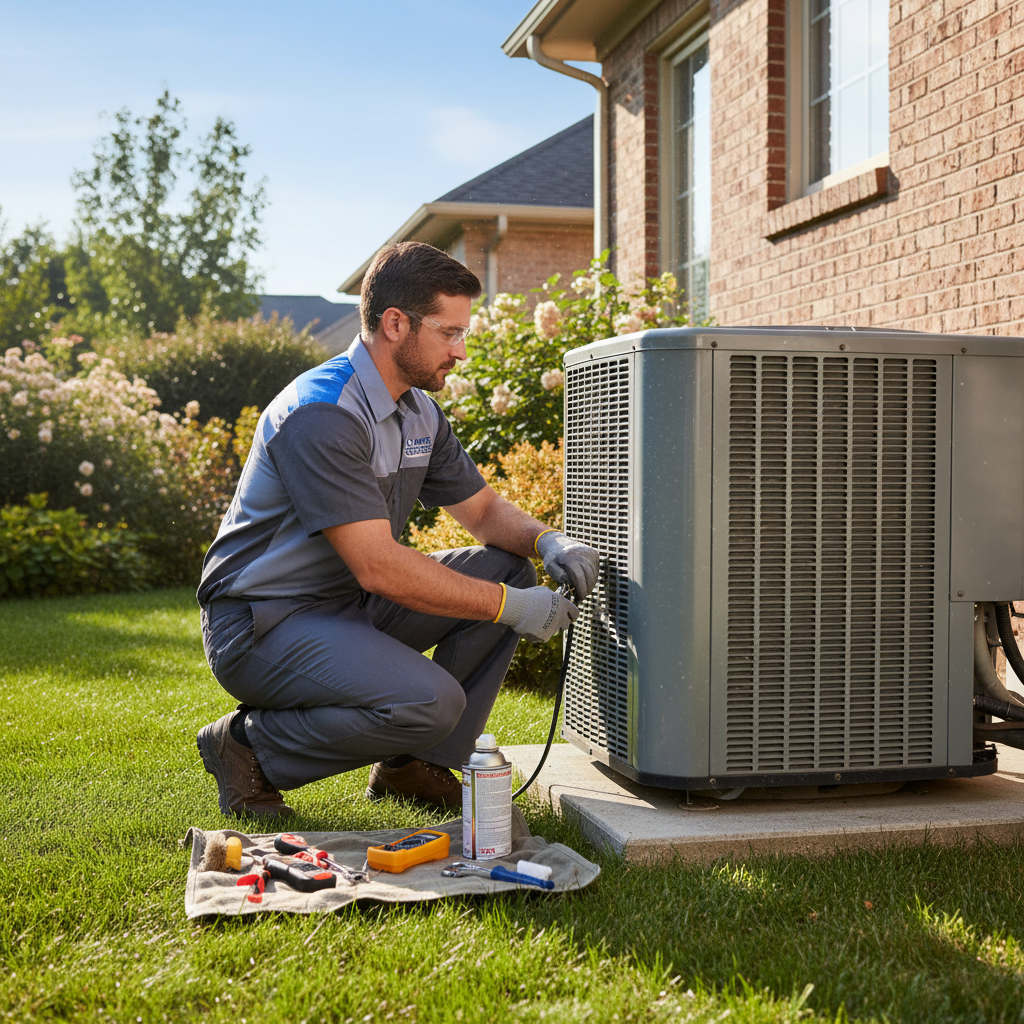
- Your HVAC (Heating, Ventilation, and Air Conditioning) system operates on principles of heat transfer, airflow, and, for cooling, a refrigeration cycle.
- These steps cover essential DIY maintenance for a standard split-system air conditioner and furnace.
- Using High-MERV Filters in an Old System.
- The following table outlines typical costs and time investments for common HVAC maintenance tasks.
HVAC · High energy usage
| Project category | HVAC |
|---|---|
| Problem type | High energy usage |
| Trade required | HVAC |
| Urgency | Planned project |
| Safety risk | Low safety risk |
| DIY suitability | DIY for experienced homeowners |
| Cost category | High cost |
| Typical timeline | Assessment within weeks; replacement planned off-season |
| Contractor type | Licensed HVAC technician |
Repair option
Duct sealing, insulation, and a tune-up before touching the equipment.
Replacement option
High-efficiency replacement sized by a load calculation, not a rule of thumb.
Common causes
- Aging, low-efficiency equipment
- Leaking ducts losing conditioned air
- Insufficient attic insulation
- Oversized system short-cycling
Relevant tools:project cost estimatorrepair or replace
Published April 24, 2026Last updated August 17, 2026
Tools & materials you'll need
Affiliate links- AmazonReplacement HVAC air filter1
As an Amazon Associate FixlyGuide earns from qualifying purchases — at no extra cost to you. Prices and availability are accurate as of publication and subject to change.
How it works
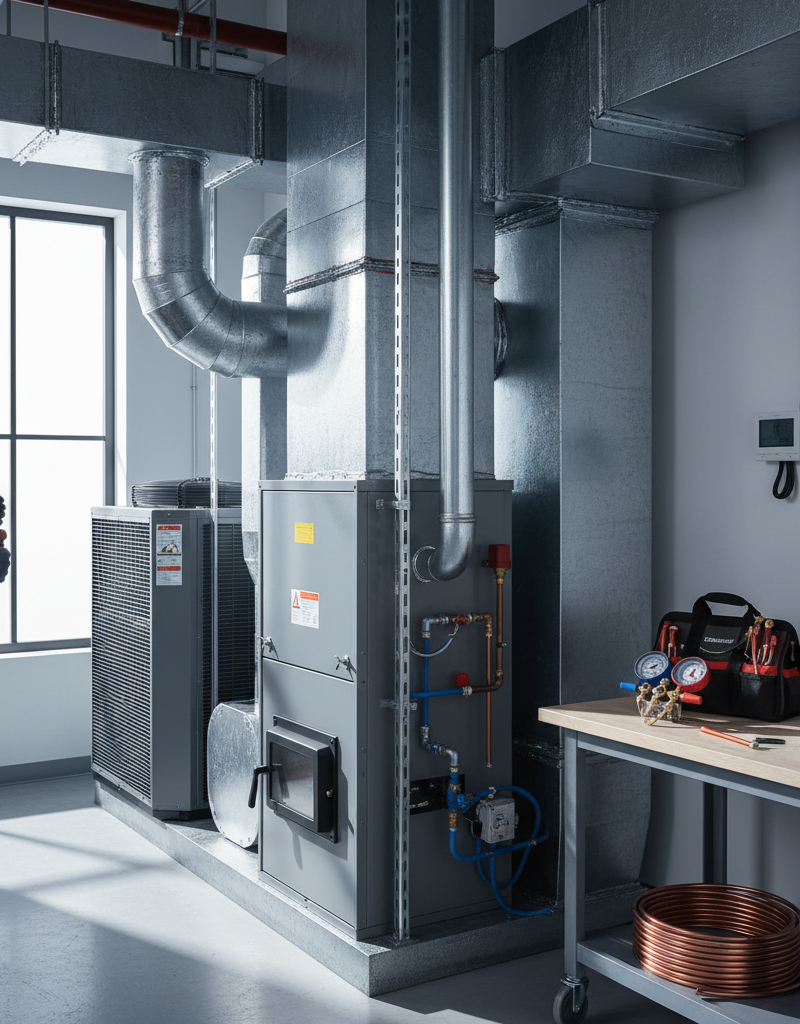
Your HVAC (Heating, Ventilation, and Air Conditioning) system operates on principles of heat transfer, airflow, and, for cooling, a refrigeration cycle. In cooling mode, the indoor unit, or evaporator, uses a very cold coil to absorb heat from your home's air. A chemical called refrigerant circulates through this coil, turning from a liquid to a gas as it absorbs heat. This gas is then pumped to the outdoor unit, the condenser, where a compressor puts it under high pressure. This process concentrates the heat, which is then released into the outside air as the refrigerant turns back into a liquid, aided by a large fan. This cycle repeats continuously. For heating, a furnace burns fuel (like natural gas or oil) to heat a metal chamber called a heat exchanger. The system's blower motor forces air across the hot exchanger and distributes it through your ducts.
Neglect directly sabotages this process. A dirty air filter restricts airflow, forcing the blower motor to work harder and longer. Grime on the evaporator coil insulates it, preventing it from effectively absorbing heat from the air. Likewise, dirt and debris on the outdoor condenser coils trap heat, preventing the system from expelling it efficiently. In all cases, the system must run longer to achieve the temperature on your thermostat, directly causing energy waste that can exceed 30% and putting excessive strain on critical components like the compressor and blower motor.
Step-by-Step Fix
These steps cover essential DIY maintenance for a standard split-system air conditioner and furnace. These actions can significantly improve efficiency and reliability between professional service appointments.
-
De-energize the System — Before any physical work, ensure all power is off. Set your thermostat to "Off." Then, locate the electrical circuit breaker for both your indoor unit (often labeled "Furnace" or "Air Handler") and your outdoor unit (labeled "AC" or "Condenser") and switch them to the off position. For the outdoor unit, there is typically also a disconnect box mounted on the wall nearby; pull the disconnect handle or switch it off as well.
- Safety: This double-protection method is critical to prevent electric shock. The outdoor unit runs on high voltage (240V).
-
Replace the Air Filter — This is the single most important task. Locate the filter slot on your indoor unit, typically between the return air duct and the furnace/air handler. Slide the old filter out, noting the size printed on its frame (e.g., 16x25x1). Purchase a new filter of the exact same size with a MERV (Minimum Efficiency Reporting Value) rating between 8 and 11. A higher MERV filters more particles but can restrict airflow if your system isn't designed for it. Slide the new filter in, ensuring the airflow arrow printed on the frame points toward the furnace/air handler.
- Tools: New air filter.
- Frequency: Check monthly. Replace 1-inch filters every 1-3 months and 4-5 inch media filters every 6-12 months.
-
Clear the Condensate Drain Line — A clogged drain causes water backup, property damage, and can trigger a safety switch that shuts down your AC. Locate the PVC pipe exiting your indoor evaporator coil unit. Find the cleanout tee (a T-shaped fitting with a cap). Remove the cap and slowly pour a solution of one cup distilled vinegar and one cup water down the line to kill algae and sludge. Alternatively, use a wet/dry shop vacuum on the exterior end of the drain line to suction out any blockages.
- Tools: Distilled vinegar, wet/dry vacuum.
-
Clean the Indoor Evaporator Coil — This may not be accessible on all units. If you can access the A-shaped evaporator coil (it's located just after the filter), carefully clean it. After turning off power, remove the access panel. Use a soft-bristled brush to gently wipe debris from the coil fins, always brushing in the same direction as the fins. For heavier grime, use a commercially available no-rinse foaming coil cleaner, following the product's instructions precisely.
- Tools: Screwdriver/nut driver, soft brush, foaming coil cleaner spray.
- Caution: Evaporator coils are extremely delicate. Bent fins will impede airflow. If you are unsure or the coil is difficult to reach, leave this for a professional.
-
Inspect the Condensate Pump — If your indoor unit is in a basement or location where gravity drainage isn't possible, you likely have a small condensate pump. Unplug the pump and test the internal float switch by hand to ensure it moves freely. Check that the pump’s reservoir is clean and free of sludge.
-
Clear Debris from the Outdoor Condenser — Your outdoor unit needs unrestricted airflow. After shutting off all power, remove any leaves, twigs, grass clippings, and dirt from inside the unit's exterior shell. A shop vacuum is excellent for this. Trim back any bushes, tree branches, or vegetation to create at least a two-foot clearance zone around the entire unit.
-
Clean the Condenser Coils — With the top grate/fan assembly removed (be careful not to pull the fan wires), use a garden hose with a gentle spray nozzle to wash the coils from the inside out. This pushes dirt and debris away from the unit instead of packing it deeper into the fins. Never use a pressure washer, as it will flatten the delicate aluminum fins.
- Tools: Garden hose with spray nozzle, screwdriver/nut driver.
- If Fins are Bent: You can purchase a fin comb tool to gently straighten bent sections of the coil fins.
-
Level the Outdoor Unit — Over time, the concrete pad your condenser sits on can settle. Use a level to check it. An unlevel unit can cause the compressor's internal oil lubrication to distribute improperly, leading to premature failure. If the pad has sunken, use pry bars and rot-proof shims to carefully lift and level the unit. For significant settling, you may need to have the ground underneath regraded.
-
Check and Clear All Vents and Registers — Walk through your home and ensure all supply and return air vents are open and completely unobstructed by furniture, rugs, or drapes. A common misconception is that closing vents in unused rooms saves money; in reality, it increases pressure in your duct system, creating leaks and forcing the blower to work harder.
-
Re-energize and Test — Once all maintenance is complete and all panels are secured, restore power at the disconnect box and circuit breakers. Set your thermostat to cool or heat and verify that air is flowing from the vents. Listen for any new or unusual noises.
Common mistakes
- Using High-MERV Filters in an Old System. Installing a MERV 13+ filter in a system designed for a MERV 8 can severely restrict airflow. This "chokes" the system, leading to reduced efficiency, iced-over coils in summer, and potential heat exchanger damage in winter. Always use a filter in the range recommended by your system's manufacturer.
- Pressure Washing Condenser Coils. The high-pressure stream from a power washer is far too aggressive for the soft aluminum fins of a condenser coil. It will bend them flat, blocking airflow almost completely. This is equivalent to wrapping the unit in a blanket and will quickly lead to compressor overheating and failure. Use a garden hose only.
- Ignoring a Noisy Capacitor. A capacitor is a small, can-shaped device that gives the motors in your HVAC system a boost to start. When they begin to fail, they often buzz loudly or bulge at the top. Ignoring this sign can lead to the fan or compressor motor failing to start, which can burn out the motor itself—turning a $20 part replacement into a $1,000+ repair.
- Blocking Air Vents. Closing registers in unused rooms doesn't save significant energy. It disrupts the static pressure balance your ductwork was designed for. This can lead to increased duct leakage, reduced airflow over the heat exchanger or evaporator coil, and excessive strain on the blower motor. Keep all vents open.
- Attempting Refrigerant Work. Handling refrigerant (such as "topping off" a system) is illegal for unlicensed individuals under EPA regulations. Moreover, it's dangerous. Adding the wrong amount or type of refrigerant can destroy your compressor. Signs of low refrigerant indicate a leak, which must be located and repaired by a professional.
- Forgetting the Condensate Line. Many homeowners clean coils and change filters but forget the condensate drain. An undetected clog can cause gallons of water to back up, overflowing the drain pan and causing severe water damage to ceilings, walls, and flooring. Cleaning it annually is vital preventive maintenance.
Cost & time breakdown
The following table outlines typical costs and time investments for common HVAC maintenance tasks. Pro costs can vary significantly based on location and company.
| Task | DIY Cost | Pro Cost | Time |
|---|---|---|---|
| Air Filter Replacement | $5 - $50 (per filter) | Included in service | 5 minutes |
| Condensate Line Clearing | $0 - $10 (for vinegar) | $75 - $150 | 20 minutes |
| Outdoor Coil Cleaning | $0 - $20 (for cleaner) | Included in service | 30-45 minutes |
| Professional Fall Furnace Tune-Up | N/A | $100 - $250 | 60-90 minutes |
| Professional Spring AC Tune-Up | N/A | $100 - $250 | 60-90 minutes |
| Annual Service Maintenance Plan | N/A | $150 - $400 (per year) | N/A |
When to call a pro
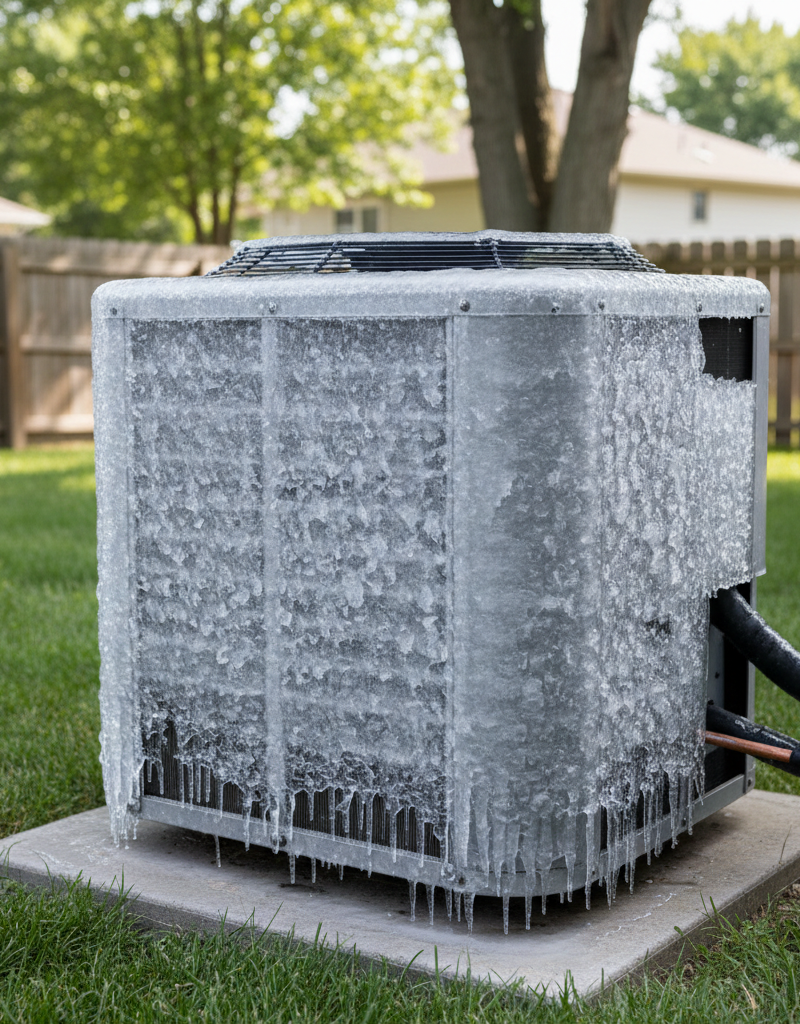
While consistent DIY maintenance is effective, certain symptoms and tasks are beyond the scope of a homeowner and require a licensed HVAC technician. If your utility bills spike dramatically without a change in weather or thermostat settings, it signals a significant loss of efficiency that needs expert diagnosis. Any ice or frost forming on the copper refrigerant lines or the indoor/outdoor coils points to a critical airflow or refrigerant charge problem. Do not simply scrape it off; this is a sign of a deeper issue.
Loud, sudden mechanical noises like grinding, screeching, or banging indicate imminent failure of a major component like a blower motor, fan bearings, or the compressor. Shut the system down immediately to prevent catastrophic damage. Similarly, if a circuit breaker repeatedly trips when the system tries to start, it signifies a serious electrical fault. Finally, any odor of burnt plastic or wiring, or the rotten-egg smell of a gas leak near your furnace, demands an immediate call to a professional (and your gas company, in the case of a gas leak).
Prevention & maintenance
Proactive care is the key to a long-lasting, efficient HVAC system. These habits extend the life of your unit and prevent costly emergency repairs.
- Enroll in a Maintenance Plan. The most effective strategy is to sign up for an annual service agreement with a reputable HVAC company. These plans typically include a spring AC tune-up and a fall furnace tune-up, ensuring all electrical, mechanical, and safety systems are professionally cleaned, tested, and calibrated. Plans often include discounts on repairs and priority scheduling.
- Keep a Detailed Maintenance Log. In a small notebook or digital file, record the date of every filter change, cleaning, and professional service call. Note any recommendations made by the technician. This history is invaluable for troubleshooting future problems and provides proof of maintenance for warranty claims.
- Install and Properly Use a Smart Thermostat. A programmable or smart thermostat automates temperature setbacks for when you're away or asleep. This reduces total system runtime, which directly translates to less wear and tear on all components and lower energy bills.
- Maintain Clearances Year-Round. The two-foot clearance zone around your outdoor condenser isn't just for leaves in the fall. Ensure it stays clear of encroaching vegetation, snow drifts, stored items, and yard debris throughout the year for proper heat exchange.
- Monitor System Sounds. Pay attention to the normal operating sounds of your system. A new hum, click, or vibration that wasn't there before is often the first, most subtle sign of a developing problem. Early investigation is always cheaper than waiting for a complete breakdown.
- Plan for Replacement. The average lifespan of a central air conditioner or furnace is 15-20 years. If your system is approaching this age, has required multiple major repairs, and is using an older, less efficient refrigerant like R-22, begin researching and budgeting for a replacement before it fails completely, especially before a season of peak use begins.
Related Articles
Keep troubleshooting with these hand-picked guides from FixlyGuide:
- Your dryer vent is a 1,800-fire secret weapon (clean it!) — Cleaning your dryer vent regularly is crucial for preventing fires, improving dryer efficiency, and extending the life of your appliance. T…
- [Prevent R
What should this project cost?
Enter your project details for a realistic cost range before you call anyone.
Service calls and common repairs run $150–$900; full system replacement typically $6,000–$12,000.
- Regional adjustment
- National average
- Labor share (typical)
- ~$1,935
- Quotes to collect
- 3 written estimates
Educational estimate based on national averages — not a binding quote. Always confirm with written local estimates.
Get the print-ready PDF of this guide
A clean, ad-free, printable version you can keep on your phone or pin to the workshop wall. Free with a FixlyGuide account.
- Print-optimized layout
- Tools, materials & every step included
- Saved to your account
Frequently asked questions
How often should I change my HVAC filter?+
You should change your HVAC filter every 1-3 months, depending on the filter type, household occupancy, and presence of pets or allergies. A dirty filter restricts airflow and reduces efficiency.
What happens if I don't service my HVAC system?+
Skipping HVAC service can lead to decreased efficiency, higher energy bills, reduced system lifespan, and an increased risk of breakdowns, especially during peak heating or cooling seasons.
Is an annual HVAC tune-up worth it?+
Yes, an annual HVAC tune-up is highly recommended. It helps ensure your system runs efficiently, prolongs its life, catches minor issues before they become major repairs, and maintains indoor air quality.
Discussion
Loading comments…