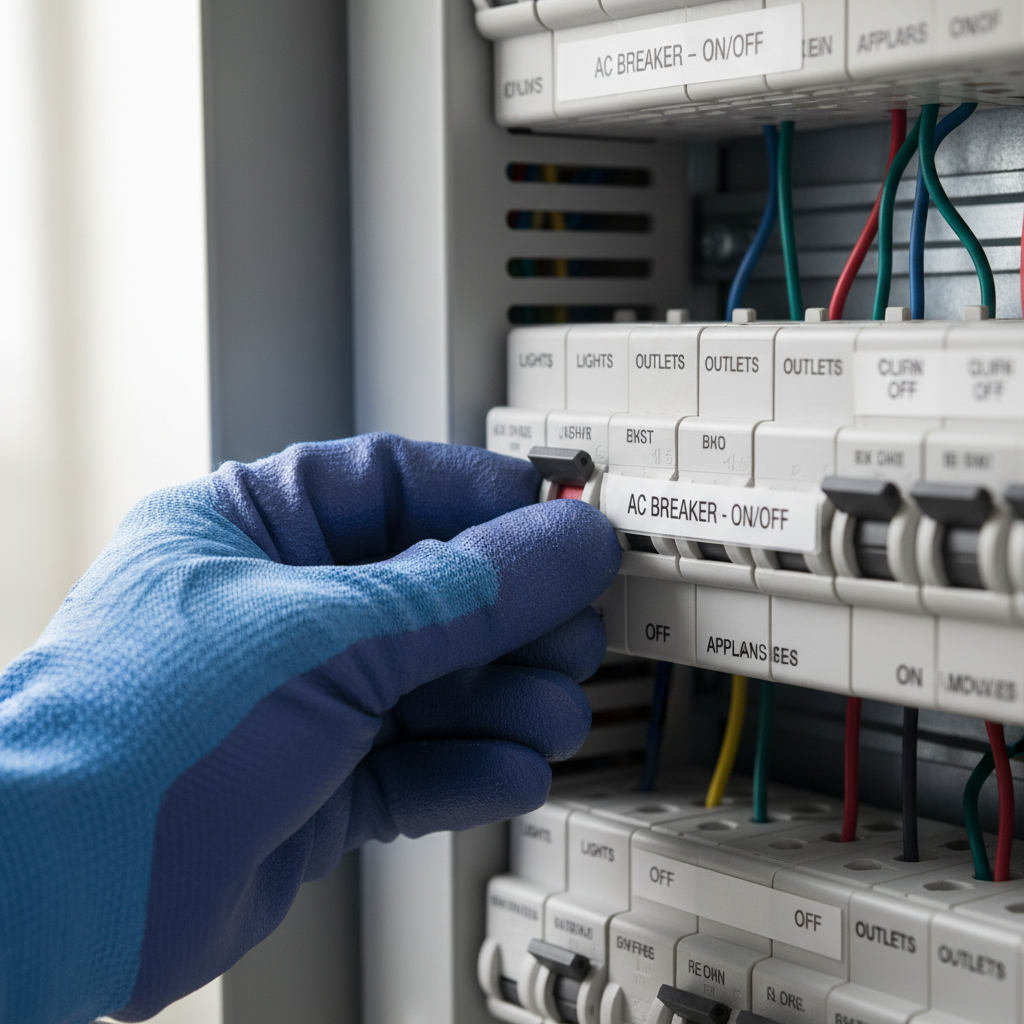
- If you find a breaker in the 'tripped' position (usually halfway between 'on' and 'off'), firmly push it all the way to the 'OFF' position first. Then, push it firmly back to the 'ON' position. You should feel a distinct click.
- Important: Do not just push a tripped breaker back to 'ON' without first pushing it to 'OFF.' This ensures a full reset.
- If no breaker is tripped: Double-check all relevant breakers. If none are visibly tripped, try turning the main AC breaker fully off and then fully on again as a precautionary measure.
HVAC · High energy usage
| Project category | HVAC |
|---|---|
| Problem type | High energy usage |
| Trade required | HVAC |
| Urgency | Planned project |
| Safety risk | Low safety risk |
| DIY suitability | DIY for experienced homeowners |
| Cost category | High cost |
| Typical timeline | Assessment within weeks; replacement planned off-season |
| Contractor type | Licensed HVAC technician |
Repair option
Duct sealing, insulation, and a tune-up before touching the equipment.
Replacement option
High-efficiency replacement sized by a load calculation, not a rule of thumb.
Common causes
- Aging, low-efficiency equipment
- Leaking ducts losing conditioned air
- Insufficient attic insulation
- Oversized system short-cycling
Relevant tools:project cost estimatorrepair or replace
Published May 17, 2026Last updated August 17, 2026
Tools & materials you'll need
Affiliate links- AmazonNew AA/AAA Batteries (if applicable)For thermostat, if battery-powered
As an Amazon Associate FixlyGuide earns from qualifying purchases — at no extra cost to you. Prices and availability are accurate as of publication and subject to change.
Quick Answer
If your air conditioner refuses to power on, the most common and easily fixable cause is a tripped circuit breaker. This often occurs after power fluctuations or a temporary system overload. Before delving into more complex diagnostics, a quick check and reset of the dedicated AC breaker in your electrical panel can often restore full functionality.
The Problem
It's a hot day, you crank down the thermostat, and... nothing. Your air conditioner refuses to hum to life. The display on your thermostat might be blank, or it might show normal readings but still fail to send a signal to the outdoor unit. This can be incredibly frustrating and lead to concerns about expensive repairs. While many issues can prevent an AC from starting, a tripped circuit breaker is surprisingly common and often overlooked. This isn't just a minor inconvenience; a tripped breaker is a safety mechanism designed to protect your valuable HVAC equipment and your home's electrical system from damage due to overcurrents or short circuits.
How It Works
Your air conditioning system, particularly the outdoor compressor unit and indoor air handler (or furnace blower), draws a significant amount of electrical current. To protect this high-demand appliance and your home's wiring, a dedicated circuit breaker is installed in your main electrical panel. Think of it as an automatic switch designed to 'trip' or cut off power if it detects an electrical overload or a short circuit. This often happens due to a sudden power surge, a temporary motor struggle (like a hard start on the compressor), or even a minor wiring fault. When a breaker trips, it moves to an 'off' or 'middle' position, effectively disconnecting power to that circuit. Even if the underlying cause was momentary, the breaker won't reset itself; it requires manual intervention to restore the connection. The thermostat acts as the control center, sending low-voltage signals to the AC's control board to initiate cooling cycles. If the main power to the AC unit (via the breaker) is off, the thermostat's commands will never reach the system, regardless of its settings.
Step-by-Step Fix
1. Check Your Thermostat Settings – Start with the basics
- Ensure your thermostat is set to 'Cool' mode and the temperature setting is at least 3-5 degrees Fahrenheit below the current room temperature. A common oversight is having the fan set to 'On' instead of 'Auto' – this will run the fan but not the compressor. Also, check if the batteries are fresh, if applicable.
- If this doesn't work: Proceed to the electrical panel.
2. Locate Your Electrical Panel – The heart of your home's power
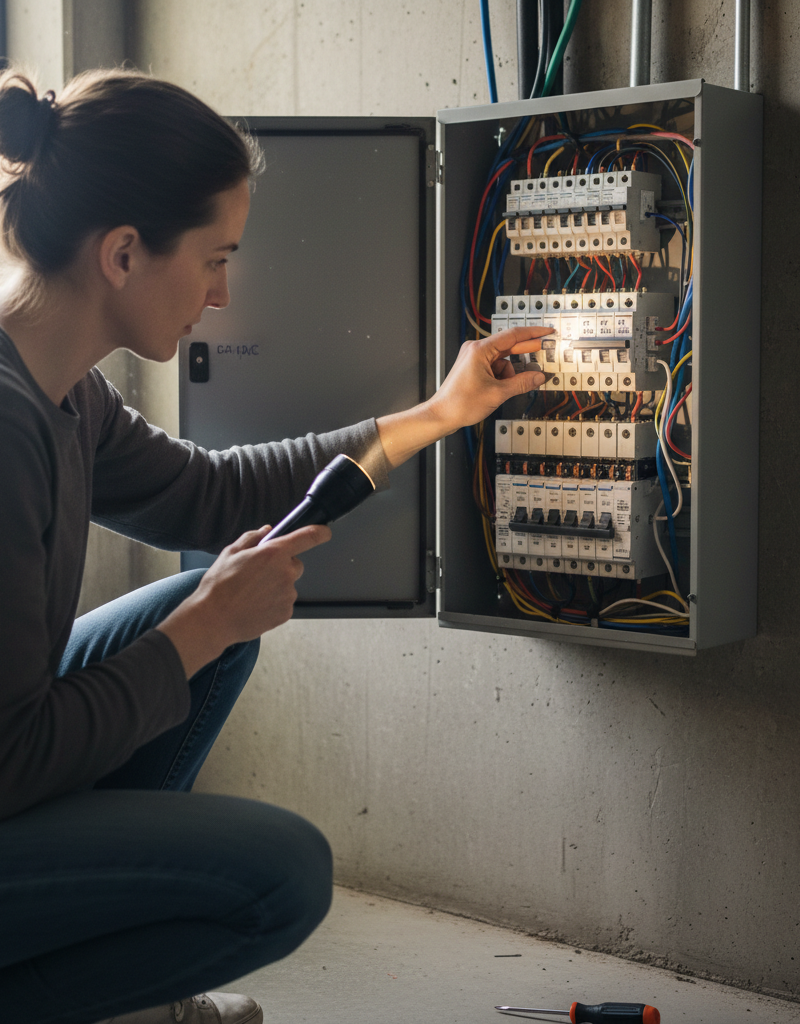
- Your main electrical panel (also called a breaker box or service panel) is usually a gray metal box mounted on a wall in your garage, basement, utility closet, or outside your home. Inside, you'll see rows of switches.
- Safety Note: Always exercise caution around electrical panels. Do not touch bare wires or work in damp conditions.
3. Identify the AC Breaker – Find the right switch
- Look for a double-pole breaker (a pair of switches connected by a bar) rated for 20-60 amps, typically labeled 'AC,' 'Furnace,' 'Air Handler,' 'Condenser,' or 'HVAC.' It might be located at the top or bottom of the panel, sometimes separate from the main house breakers. Often there are two AC breakers: one for the outdoor unit, one for the indoor. Check both.
- Tip: If your panel isn't clearly labeled, you might need to consult your home's electrical diagram or look for a breaker that is visually in an 'off' or 'middle' position to identify a tripped one.
4. Reset the Tripped Breaker – Restore power safely
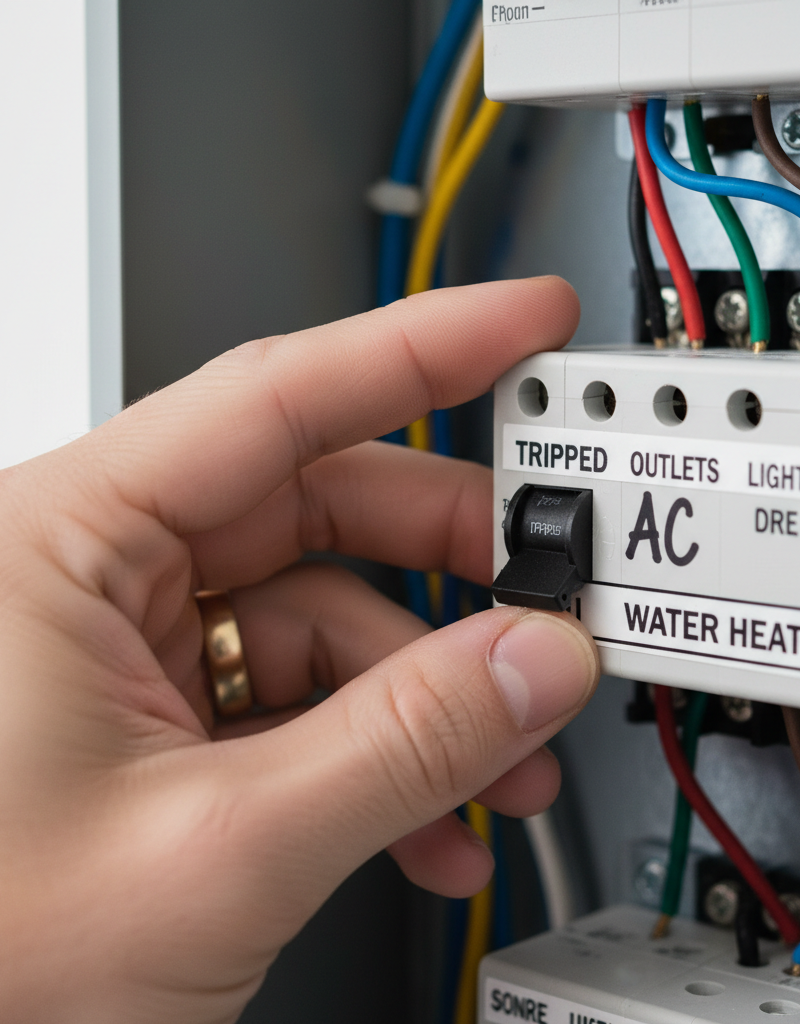
- If you find a breaker in the 'tripped' position (usually halfway between 'on' and 'off'), firmly push it all the way to the 'OFF' position first. Then, push it firmly back to the 'ON' position. You should feel a distinct click.
- Important: Do not just push a tripped breaker back to 'ON' without first pushing it to 'OFF.' This ensures a full reset.
- If no breaker is tripped: Double-check all relevant breakers. If none are visibly tripped, try turning the main AC breaker fully off and then fully on again as a precautionary measure.
5. Wait 10-15 Minutes – Give your system time to breathe
- After resetting the breaker, wait a full 10-15 minutes before expecting the AC to kick on. Many modern AC units and thermostats have a built-in time delay (often called a 'short cycle protector') to prevent damage from rapid on-off cycling. This delay protects the compressor.
6. Listen for the AC to Engage – The sound of success
- After the delay, set your thermostat to a low temperature (e.g., 68°F) and switch the system to 'Cool.' Go outside and listen for the condenser unit (the large outdoor box) to power on. You should hear the fan start and the compressor hum. Inside, you should feel cool air starting to come from your vents.
7. Check the Outdoor Unit's Disconnect Switch – A secondary safety
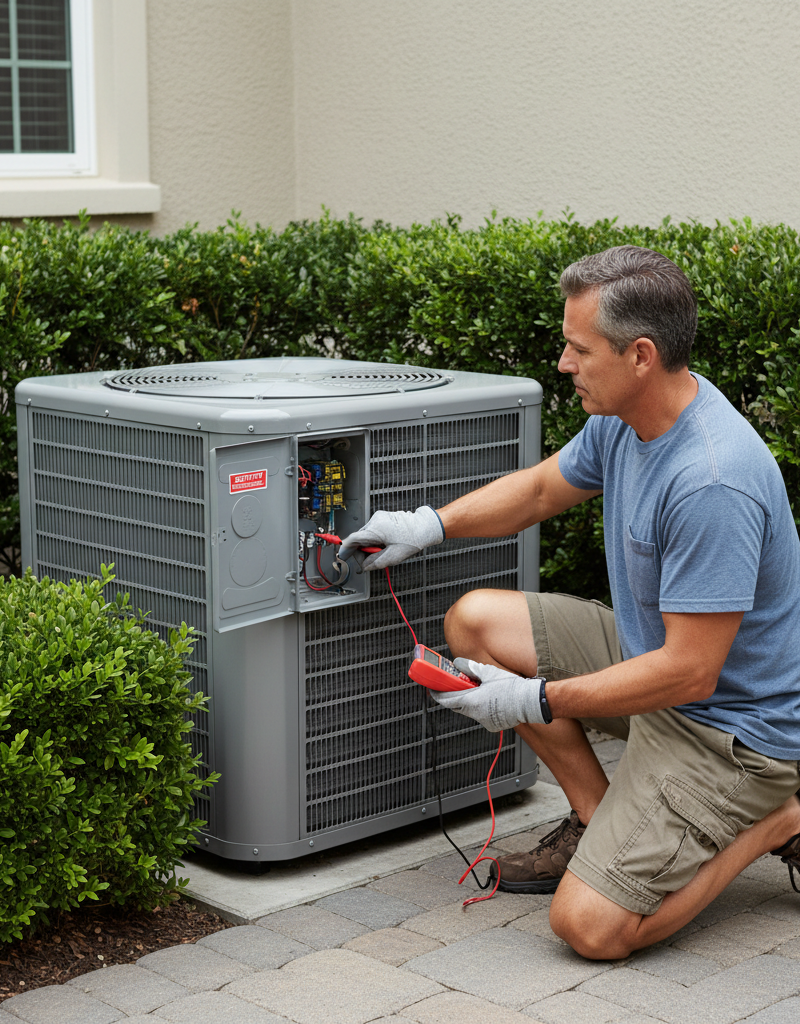
- Near your outdoor AC unit, there's often a small service disconnect box with a pull-out 'handle' or a switch. This acts as a local shut-off. Ensure this disconnect is fully inserted or switched to the 'ON' position. Rain, curious kids, or even lawn equipment can sometimes accidentally dislodge or switch this.
8. Inspect for Visual Cues – Look for obvious external problems
- While waiting, briefly inspect the outdoor unit. Is it covered in debris? Are the coils visibly dirty? Is there ice anywhere? While these aren't direct causes of a breaker trip, they can lead to system strain that might cause temporary issues. Clear away any obvious blockages.
- Safety: Do not attempt to clean inside the unit without shutting off power at both the disconnect and the main breaker.
9. If the Breaker Trips Again Immediately – Professional help is needed
- If the AC breaker trips immediately after you reset it, or within a few minutes, do not attempt to reset it repeatedly. This indicates a more serious electrical fault, such as a short circuit, a failing motor (compressor or fan), or significant internal damage to the unit. Repeatedly resetting a tripping breaker can cause further damage or pose a fire risk.
- Pro Callout: Immediately call a licensed HVAC technician. Trying to diagnose and fix recurring electrical trips is dangerous and requires specialized knowledge and tools.
Common Causes
- Temporary Power Surge: A brief spike or dip in your home's electrical supply can momentarily overload the AC circuit, causing the breaker to trip as a protective measure.
- Motor Startup Current: The compressor and fan motors in your AC draw a significant amount of current when they first start up. Sometimes, this 'inrush current' can be just enough to trip an older or sensitive breaker, especially if the motor is struggling slightly.
- Dirty Coils/Blocked Airflow: Severely dirty condenser coils (outside unit) or a clogged air filter (inside unit) restrict airflow, forcing the system to work harder. This increased strain can lead to higher current draw and trip the breaker.
- Low Refrigerant (Indirectly): While not a direct electrical cause, low refrigerant can cause the compressor to overheat or work harder, potentially leading to increased current draw and a tripped breaker. It's often accompanied by ice buildup.
- Failing Components: A failing capacitor, compressor, or fan motor can draw excessive current, leading to a tripped breaker. These components often show signs of wear before complete failure.
- Overloaded Circuit: If other high-draw appliances are on the same circuit (though AC units typically have dedicated circuits, older homes might have exceptions), it can lead to an overload.
- Loose Wiring: A loose connection within the AC unit or at the breaker panel can create resistance and heat, eventually tripping the breaker.
Common Mistakes
- Ignoring the Breaker: Many homeowners jump to thermostat issues or expensive component failures without checking the simplest fix first.
- Not Waiting After Reset: Resetting the breaker and immediately expecting the AC to start can lead to frustration due to the built-in time delay. Patience is key.
- Repeatedly Resetting a Tripping Breaker: If the breaker trips immediately or shortly after resetting, there's a serious underlying electrical issue. Continuing to reset it is dangerous and can damage the system or cause a fire.
- Overlooking the Outdoor Disconnect: Forgetting to check the local service disconnect switch near the outdoor unit can lead to unnecessary troubleshooting.
- Assuming the Thermostat is the Problem: While a faulty thermostat can prevent an AC from turning on, it's less common than a tripped breaker, especially if the thermostat display seems normal.
- Skipping Visual Inspection: Ignoring obvious signs like severely dirty outdoor coils or ice buildup can delay proper diagnosis and resolution.
Cost & Time Breakdown
| Task | DIY cost | Pro cost | Time |
|---|---|---|---|
| Reset Circuit Breaker | $0 | $0 (DIY only) | 5–10 minutes |
| Check & Reset Disconnect | $0 | $0 (DIY only) | 5 minutes |
| Replace Thermostat Batteries | $5–$10 | $0 (DIY only) | 2 minutes |
| Basic Visual Inspection | $0 | $0 (DIY only) | 10 minutes |
| HVAC Diagnostic Call | N/A | $75–$150 | 30–60 minutes |
| Circuit Breaker Replacement | $15–$50 | $150–$300 | 30–60 minutes |
Tips & Prevention
- Label Your Electrical Panel: Clearly label each breaker in your electrical panel for easy identification, especially the ones for your HVAC system. This saves significant time during troubleshooting.
- Regular Filter Changes: Replace your air filter every 1-3 months (or more frequently if you have pets or allergies) to ensure proper airflow and reduce strain on the system.
- Keep Outdoor Unit Clear: Periodically clear away leaves, grass clippings, and other debris from around your outdoor condenser unit to maintain good airflow and prevent strain.
- Annual Professional Maintenance: Schedule a professional HVAC tune-up once a year. Technicians can clean coils, check refrigerant levels, inspect electrical connections, and catch minor issues before they become major breakdowns.
- Monitor for Warning Signs: Pay attention to unusual noises (grinding, buzzing), strange odors, or reduced cooling performance, as these can indicate impending issues that might eventually lead to a tripped breaker.
- Consider a Surge Protector: For whole-home protection, or at least for your HVAC system, consider installing a dedicated surge protector to guard against power fluctuations.
When to Call a Professional
While resetting a tripped breaker is a straightforward DIY task, there are clear indicators that it's time to call a licensed HVAC technician or electrician. If your AC breaker trips repeatedly, even after a reset, it signals a serious electrical problem that could range from a short in the wiring to a failing compressor motor. Attempting to repeatedly reset such a breaker is not only ineffective but can be dangerous, risking electrical fire or further damage to expensive components. Additionally, if you've checked the breaker and disconnect, waited the necessary time, and your AC still doesn't turn on, or if you notice any burning smells, visible smoke, or hear loud grinding or buzzing noises from the unit, immediately shut off power at the main breaker and call a professional. Diagnosing electrical faults, refrigerant leaks, or internal component failures requires specialized tools, training, and knowledge to ensure safety and proper repair.
Related Articles
Keep troubleshooting with these hand-picked guides from FixlyGuide:
- The #1 Reason Your AC Blows Warm Air (And It's Not What You Think) — Discover the most common and often overlooked reason your AC might be blowing warm air, and how a simple capacitor fix can restore cool air.
- The #1 Mistake Homeowners Make When Their AC Won't Turn On (And the Easy Fix) — Learn the most common reason your AC isn't turning on and how to fix it with simple troubleshooting steps, potentially saving a costly serv…
- The $0 Trick to Get Your AC Condenser Fan Spinning Again (Before Calling a Pro) — Before you spend money on a technician, a simple, often overlooked check can get your AC condenser fan spinning and cool air flowing.
- The #1 Mistake Homeowners Make When Their Heat Pump Stops Heating in Winter — Discover the most common reason your heat pump struggles in cold weather and how a simple homeowner fix can restore warmth to your home.
- The #1 Reason Your Microwave Runs But Doesn't Heat (It's Not What You Think) — Uncover the most common, often overlooked, reason your microwave runs but fails to heat food, and learn how to fix it safely.
- The #1 Mistake Homeowners Make When a Gas Burner Won't Light (And the Easy Fix) — Before you call a technician, discover the most common, overlooked reason your gas stove burner isn't lighting and how to fix it yourself i…
Frequently asked questions
Why does my AC circuit breaker keep tripping?+
A frequently tripping AC breaker usually indicates an underlying electrical issue such as an overloaded circuit, a short circuit within the unit, a failing motor (compressor or fan), or dirty coils causing the system to overwork. It's a safety mechanism, so repeated tripping means professional diagnosis is needed.
How long should I wait after resetting the AC breaker?+
After resetting your AC breaker, you should wait 10-15 minutes before expecting the unit to turn on. Most modern AC systems have a built-in time delay to protect the compressor from damage caused by rapid on-off cycling.
Can a bad thermostat prevent my AC from turning on?+
Yes, a faulty thermostat can prevent your AC from receiving the command to turn on. However, if the thermostat display is on and seems responsive, a tripped circuit breaker or an issue with the outdoor disconnect switch is often a more common culprit. Always check the simple electrical power issues first.
Discussion
Loading comments…