
- Algae and Slime Buildup: The moist, dark environment of the condensate drain line is ideal for algae and slime to grow, slowly constricting and eventually blocking the flow of water.
- Dirt and Debris: Dust, dirt, pet hair, and other airborne particles can accumulate in the condensate pan and get washed into the drain line, leading to clogs.
- Improperly Sloped Drain Line: If the drain line doesn't have a continuous downward slope, water will sit, stagnate, and encourage biological growth, leading to recurring clogs.
- Cracked or Disconnected Drain Line: Physical damage to the line can cause water to leak out before it reaches its intended drainage point, leading to moisture issues around the unit and less effective dehumidification.
Plumbing · Clog
| Project category | Plumbing |
|---|---|
| Problem type | Clog |
| Trade required | Plumbing |
| Urgency | Soon — within weeks |
| Safety risk | Low safety risk |
| DIY suitability | DIY friendly |
| Cost category | Low cost |
| Typical timeline | Same-day DIY attempt; pro visit within a day or two |
| Contractor type | Licensed plumber |
Repair option
Plunger, hand auger, or trap cleanout before chemicals.
Replacement option
Line replacement when clogs return in the same spot repeatedly.
Common causes
- Hair and soap buildup in the trap
- Grease cooling in the branch line
- Flushed wipes or foreign objects
Relevant tools:diy difficultydiy or hire a pro
Published June 27, 2026Last updated August 17, 2026
Tools & materials you'll need
Affiliate linksAs an Amazon Associate FixlyGuide earns from qualifying purchases — at no extra cost to you. Prices and availability are accurate as of publication and subject to change.
Quick Answer
If your air conditioner is running but your home still feels uncomfortably humid, even muggy or sticky, the most common and often overlooked reason is a problem with the condensate drain line. This line is responsible for removing the moisture your AC extracts from the air. When it's clogged, improperly sloped, or has a missing P-trap, that moisture lingers in your system and your home, making it feel much warmer and more uncomfortable than the thermostat indicates.
The Problem
You crank up the AC, the air blows cold, but that oppressive stickiness just won't go away. You might even notice a musty smell or see condensation on your windows and exposed metal surfaces. This isn't just uncomfortable; constant high humidity can lead to mildew growth, damage to wood furnishings, and even attract pests. While many homeowners immediately suspect low refrigerant or an undersized AC unit, the reality is frequently far simpler and cheaper to fix: your AC isn't effectively dehumidifying because its drain system is failing.
How It Works
Your air conditioner does more than just cool the air; it also dehumidifies it. As warm, humid air from your home passes over the cold evaporator coil, the moisture in the air condenses into liquid water, much like dew forming on a cold glass. This water then drips down into a collection pan, known as the condensate pan, located beneath the evaporator coil. From this pan, the collected water is designed to flow through a PVC or copper pipe – the condensate drain line – and out of your home, usually to a floor drain, outdoors, or into a dedicated condensate pump if your furnace is in the basement. A critical component in this system is the P-trap (a U-shaped bend in the drain line). Similar to the trap under your sink, the P-trap holds a small amount of water, creating a seal that prevents conditioned air from being sucked out of the system and, more importantly, stops sewer gases (if draining into a sewer line) or unconditioned outside air from being drawn back into the HVAC unit. If the drain line is clogged with algae, dirt, or debris, or if the P-trap is dry, missing, or improperly installed, the water can't drain. This allows moisture to re-evaporate back into your home's air, leaving you feeling sticky and uncomfortable despite the AC running at full blast. This also creates the perfect environment for mold and mildew growth within your HVAC system and ductwork.
Step-by-Step Fix
Safety First – Always shut off power to your HVAC system at the thermostat and the breaker before attempting any work.
Locate the Condensate Drain Line – This is typically a PVC or copper pipe, often 3/4-inch to 1-inch in diameter, extending from your indoor AC unit (usually part of your furnace or air handler).
Inspect for Visible Clogs or Damage – Look for standing water in the condensate pan, mold growth, or obvious obstructions near the drain opening. Check if the line is visibly cracked or disconnected. If there's a safety switch, a sensor designed to shut off the AC if the pan overflows, it might be tripped, causing your AC to cycle off prematurely.
Clear the P-Trap (If Present) – If you have a P-trap, it's often the first place to get clogged. Place a bucket underneath. Carefully unscrew or cut the P-trap (you'll need a PVC primer and cement if cutting). Empty any stagnant water and debris. Use a stiff brush or pipe cleaner to physically dislodge any gunk. Flush with a cup of distilled white vinegar, letting it sit for 30 minutes, then flush with clear water.
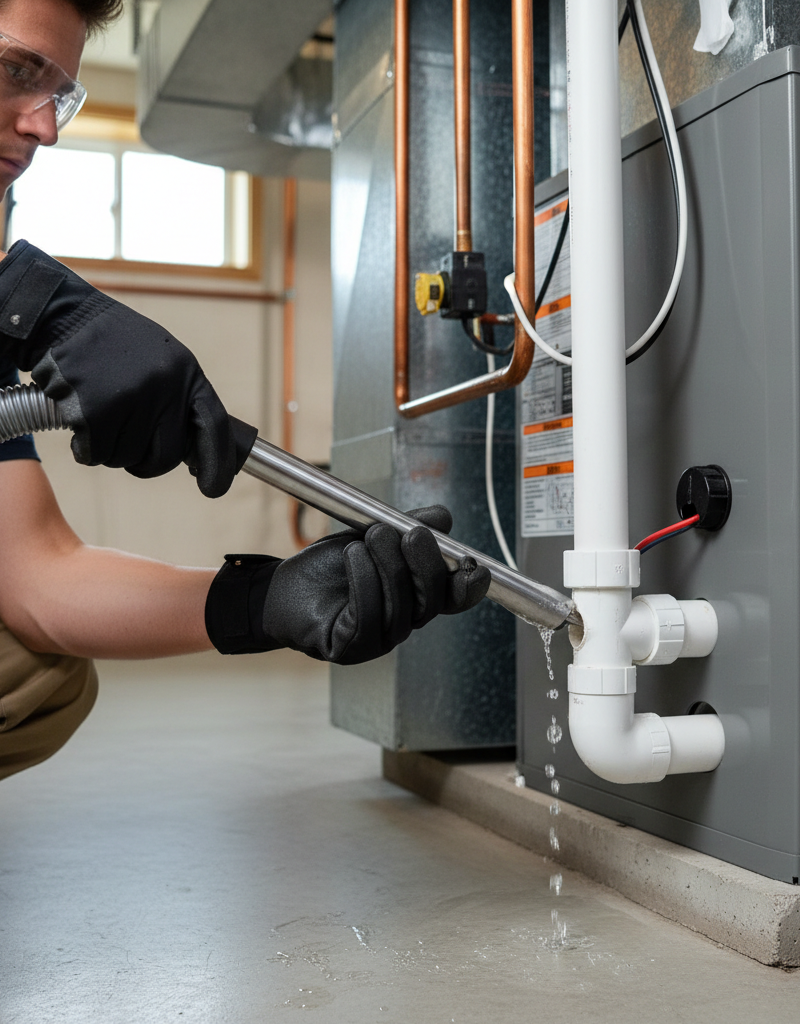
Snake the Drain Line – For clogs deeper in the line, use a thin, flexible drain snake. Gently feed it into the drain opening, twisting as you go, until you feel resistance. Work it back and forth to break up the clog. Be careful not to puncture the line. Alternatively, use a wet/dry shop vac to create suction at the end of the drain line, which can pull out clogs. Seal the connection point as best as possible.
Flush with a Vinegar Solution – After clearing any physical clogs, pour a mixture of 1 cup distilled white vinegar and 1 cup warm water (or simply plain vinegar) down the condensate drain line access point (often a vertical capped tee joint near the unit). Let it sit for 30 minutes to an hour to dissolve any remaining algae or mold. Follow up with several cups of plain water.
Check for Proper Slope and P-Trap Installation – The drain line must have a continuous downward slope of at least 1/4 inch per foot to allow gravity to drain the water. If it sags or slopes upwards, water will sit and create clogs. Ensure the P-trap is correctly installed and filled with water. If the trap is dry, it won't create the necessary air seal.
Reassemble and Test – Reconnect any cut pipes using PVC primer and cement. Turn the power back on to your HVAC system. Run your AC for at least 15-20 minutes and observe if water is now consistently draining from the line. Check the indoor humidity levels over the next few hours.
Common Causes
- Algae and Slime Buildup: The moist, dark environment of the condensate drain line is ideal for algae and slime to grow, slowly constricting and eventually blocking the flow of water.
- Dirt and Debris: Dust, dirt, pet hair, and other airborne particles can accumulate in the condensate pan and get washed into the drain line, leading to clogs.
- Improperly Sloped Drain Line: If the drain line doesn't have a continuous downward slope, water will sit, stagnate, and encourage biological growth, leading to recurring clogs.
- Missing or Dry P-Trap: Without a P-trap, conditioned air can be pulled out of the system, reducing efficiency and potentially drawing in unconditioned or sewer gases. If the P-trap dries out (e.g., during prolonged AC inactivity), it loses its seal and can also contribute to humidity issues.
- Cracked or Disconnected Drain Line: Physical damage to the line can cause water to leak out before it reaches its intended drainage point, leading to moisture issues around the unit and less effective dehumidification.
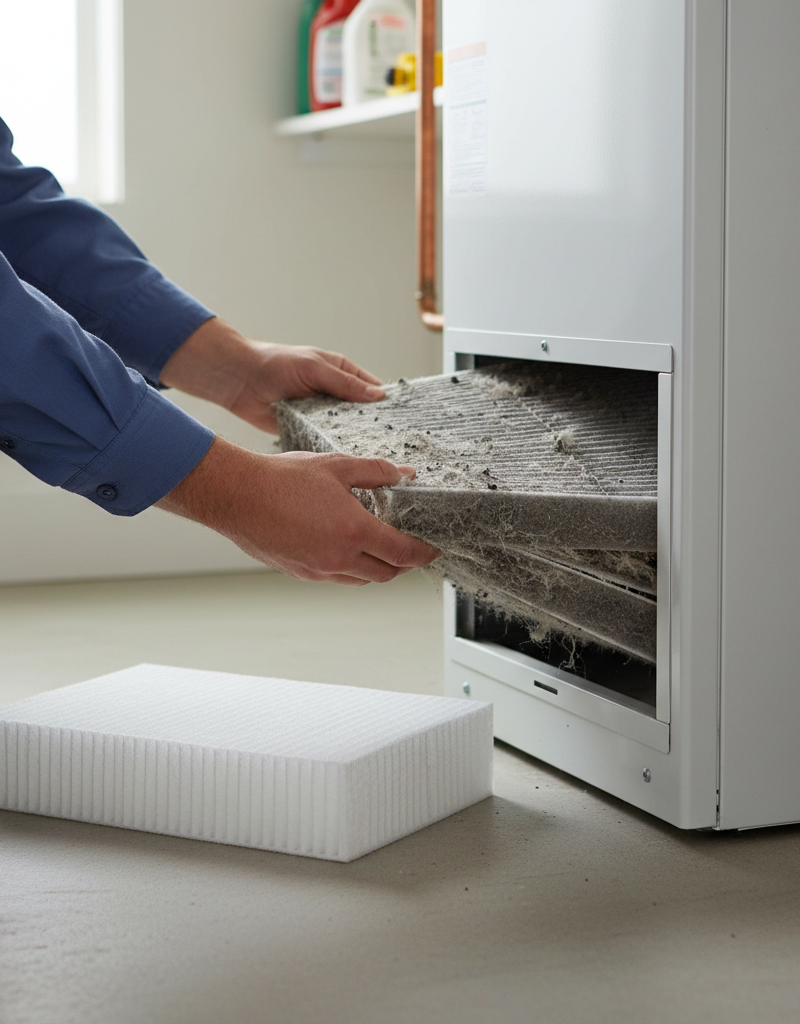
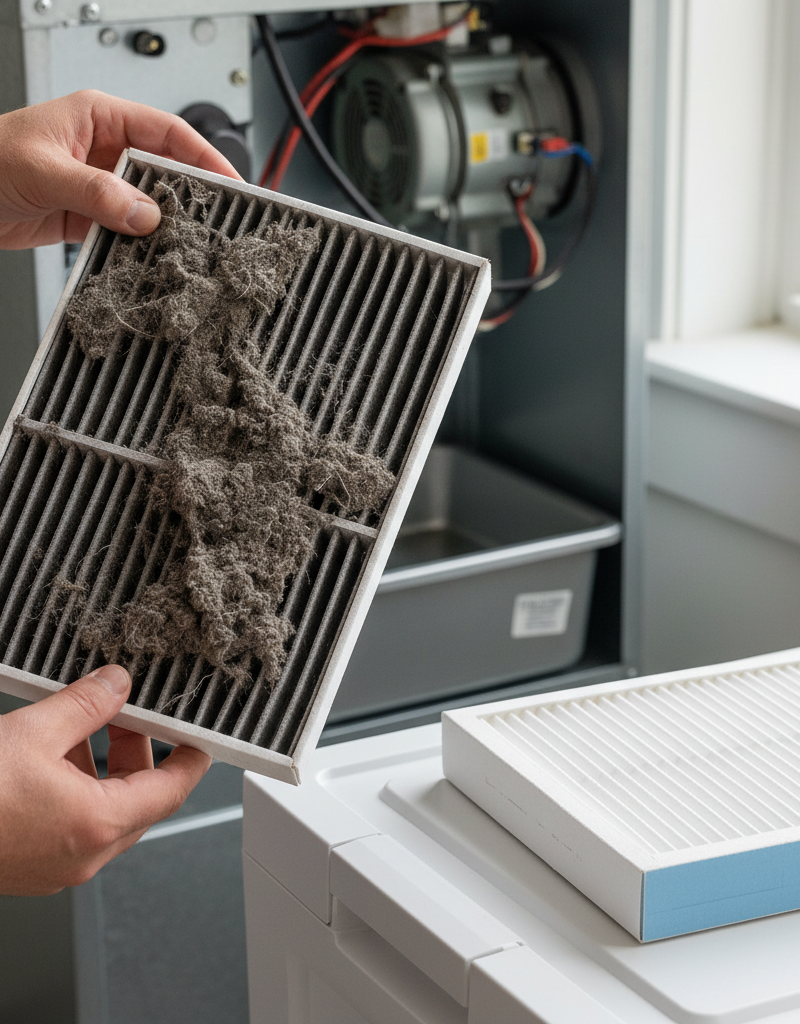
- Clogged Air Filter: While not directly a drain line issue, a severely clogged air filter restricts airflow across the evaporator coil, which can sometimes lead to the coil freezing and subsequently overflowing the drain pan as the ice melts.
Common Mistakes
- Ignoring the P-Trap: Many DIYers overlook the P-trap, assuming the clog is further down the line. It's often the primary point of obstruction.
- Using Harsh Chemicals: While bleach might seem like a quick fix, it can damage PVC pipes, corrode internal components of your AC unit, and produce hazardous fumes. Stick to vinegar or specialized HVAC drain cleaners.
- Not Shutting Off Power: Forgetting to turn off the AC at the breaker is a serious safety risk, potentially leading to electrical shock.
- Improperly Re-sloping the Line: Guessing the slope can lead to worse drainage problems. Use a level to ensure a consistent, slight downward angle.
- Skipping Regular Maintenance: Condensate drains need periodic flushing. Waiting until a severe clog occurs makes the job much harder and dirtier.
- Assuming Refrigerant Issues First: Many homeowners jump to expensive refrigerant issues when a simple, cheap drain line fix is the actual problem.
Cost & Time Breakdown
| Task | DIY cost | Pro cost | Time |
|---|---|---|---|
| Clear simple P-trap clog | $0–$5 | $75–$150 | 15–30 minutes |
| Flush drain line with vinegar | $2–$10 | $75–$150 | 30–60 minutes |
| Snake drain line | $10–$30 | $100–$250 | 30–90 minutes |
| Repair/replace PVC P-trap | $5–$20 | $150–$300 | 1–2 hours |
| Correct drain line slope/route | $10–$50 | $200–$400+ | 2–4 hours |
Tips & Prevention
- Regular Vinegar Flush: Every 1–3 months, especially during cooling season, pour 1 cup of distilled white vinegar down the condensate drain line access point. Let it sit for 30 minutes, then flush with water. This helps prevent algae buildup.
- Keep Filters Clean: Replace or clean your AC air filter monthly during peak use. A clean filter ensures proper airflow, which helps prevent coil freeze-ups that can lead to drain pan overflows.
- Inspect Annually: As part of your annual AC maintenance (or even semi-annually), visually inspect the condensate pan and drain line for standing water, slime, or potential issues.
- Ensure Proper P-Trap Priming: If your AC has been off for an extended period, the P-trap can dry out. Before starting the AC for the season, pour a cup of water into the condensate cleanout (if accessible) to prime the trap.
- Consider Condensate Pan Tablets: You can purchase specialized tablets designed to slowly dissolve in the condensate pan, releasing algaecides to prevent growth. Follow product instructions carefully.
- Clear Area Around Outdoor Unit: While not directly related to the indoor drain, keeping the outdoor condenser coil clear of debris ensures optimal system operation, reducing strain that might indirectly affect indoor coil performance.
When to Call a Professional
While clearing a condensate drain can often be a DIY task, there are specific situations where calling a licensed HVAC professional is the safest and most effective course of action. If you've attempted to clear the drain line and it repeatedly clogs, or if you notice water leaking from within your ceiling or walls, indicating a hidden blockage or damage, it's time to call in an expert. Additionally, if your AC unit itself is making unusual noises, not cooling at all, or if you suspect the issue is deeper than just the drain line—such as a frozen evaporator coil, refrigerant leak, or a faulty condensate pump—a professional can accurately diagnose and repair the problem without causing further damage to your expensive HVAC system. They have specialized tools like industrial strength wet/dry vacuums, nitrogen for blowing out stubborn clogs, and diagnostic equipment to ensure your system is running optimally and safely.
Related Articles
Keep troubleshooting with these hand-picked guides from FixlyGuide:
- The #1 Reason Your AC Blows Warm Air (And It's Not What You Think) — A dirty air filter is often the overlooked culprit behind an air conditioner blowing warm air, hindering its ability to cool your home effi…
- The #1 Reason Your AC Fan Won't Spin (And the 20-Minute Fix) — Diagnose and fix a non-spinning AC condenser fan with our step-by-step guide, saving you money and restoring your home's cool air.
- The Secret Culprit Behind Your Humid House (Even with the AC On) — If your house feels sticky and damp despite the AC running, a common and often overlooked issue is an oversized air conditioner.
- The Secret Reason Your AC Isn't Drying Your Air (And What to Check First) — Your AC should cool and dehumidify, but if your house feels muggy, there's a specific, often overlooked culprit preventing it from doing it…
- The #1 Mistake Homeowners Make When Their AC Won't Turn On (And the Easy Fix) — Learn the most common oversight homeowners make when their AC won't turn on and how to troubleshoot basic issues to restore cooling.
- The #1 Mistake Homeowners Make with a Slow Kitchen Drain (and the Real Fix) — Before you reach for harsh chemicals, learn the right way to fix a slow kitchen sink drain and prevent future clogs.
Frequently asked questions
Why is my AC running but not dehumidifying?+
Your AC isn't dehumidifying properly likely because of a problem with the condensate drain line. When the drain line is clogged or the P-trap is dry or missing, the moisture extracted from the air can't drain away and re-evaporates back into your home, causing high humidity.
How often should I clean my AC condensate drain line?+
It's recommended to flush your AC condensate drain line with a white vinegar solution every 1–3 months during the cooling season to prevent algae and mold buildup. Annual professional maintenance also typically includes this cleaning.
Can a clogged AC drain line cause mold?+
Yes, absolutely. A clogged AC drain line causes water to back up in the condensate pan, creating a stagnant, moist environment that is ideal for mold and mildew growth within your HVAC system and potentially spreading spores throughout your home.
What happens if a P-trap is missing from an AC drain line?+
If an AC drain line is missing a P-trap, conditioned air can be sucked out of your HVAC system, reducing efficiency. It can also draw in unconditioned air or even sewer gases (if draining into a sewer line) into your home, and prevent effective dehumidification.
Can I use bleach to clear my AC drain line?+
It's generally not recommended to use bleach. While it can kill algae, bleach can be corrosive to PVC pipes and other components over time, and the fumes can be harmful. Distilled white vinegar is a safer and equally effective alternative for preventing and clearing mild clogs.
Discussion
Loading comments…