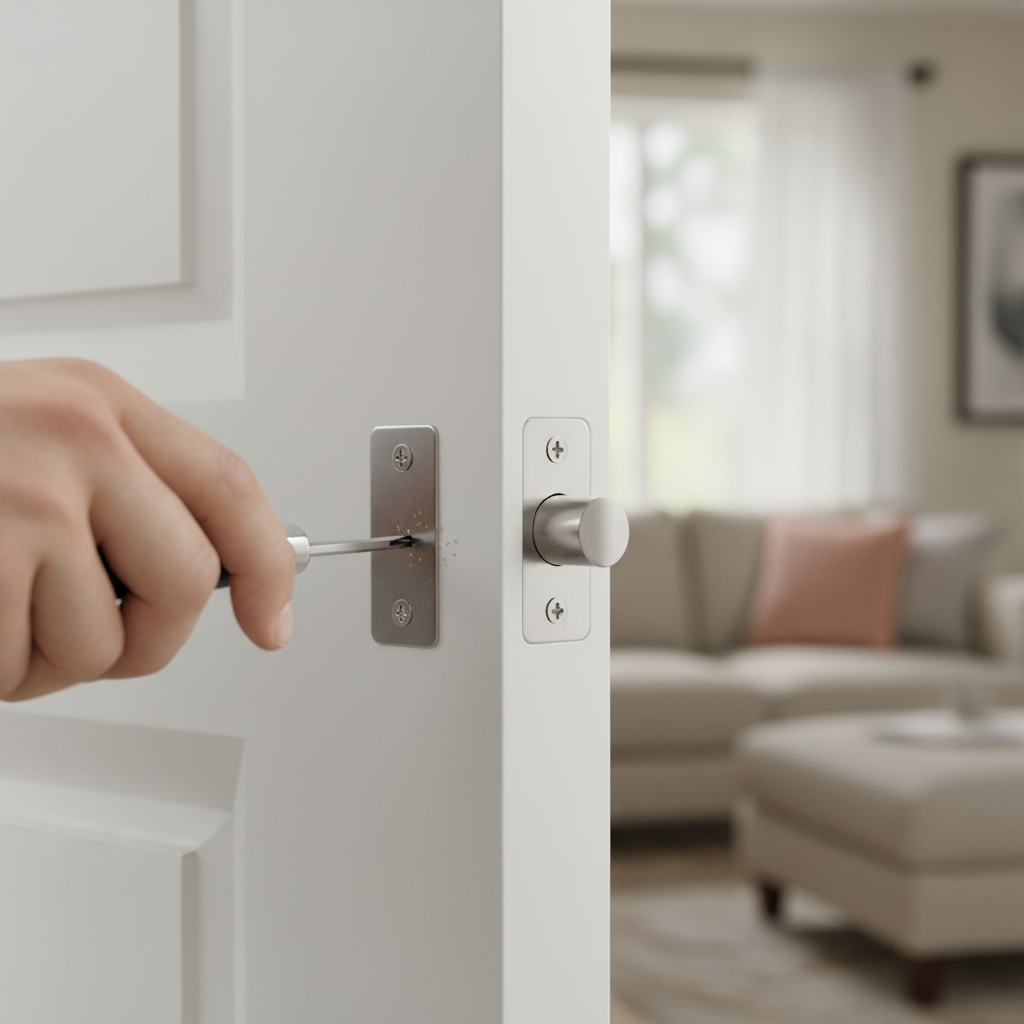
- The Strike Plate: This is the metal plate mortised (recessed) into the door frame. It has a hole or cutout specifically designed to receive and hold the latch bolt when the door is closed.
- The Door Hinges: These are crucial. Even a slight loosening or bending of the hinges can cause the entire door slab to sag or shift out of alignment with the frame, directly impacting how the latch bolt meets the strike plate.
- The Door Frame: The structural element surrounding the door, which houses the strike plate. Any warping or settling of the frame itself can also throw off alignment.
- Tip: If the marks are noticeably above or below the strike plate's opening, or if the latch bolt is hitting the plate's face rather than entering the opening, you have an alignment issue.
- If this doesn't work: If tightening screws doesn't resolve the sag, the hinge itself might be bent or worn, or the door frame itself might be compromised.
General remodeling · Renovation planning
| Project category | General remodeling |
|---|---|
| Problem type | Renovation planning |
| Trade required | General contracting |
| Urgency | Planned project |
| Safety risk | Low safety risk |
| DIY suitability | Pro recommended |
| Cost category | Major investment |
| Typical timeline | Design and permitting often 2–4 months before work starts |
| Contractor type | General contractor |
Repair option
Phase the work and fix the building envelope first.
Replacement option
Full renovation with permits, design, and a general contractor.
Common causes
- Space no longer fits how the household lives
- Resale preparation
- Deferred maintenance stacking up
Relevant tools:project cost estimatorcompare quoteshome improvement material prices
Published May 13, 2026Last updated August 17, 2026
Tools & materials you'll need
Affiliate linksAs an Amazon Associate FixlyGuide earns from qualifying purchases — at no extra cost to you. Prices and availability are accurate as of publication and subject to change.
Quick Answer
A door that won't latch properly is usually caused by a misaligned strike plate or a loose hinge. Most often, the strike plate needs a slight adjustment to align with the latch bolt, a fix that takes only a few minutes with a screwdriver. Deeper issues may involve hinge tightening or minor door frame adjustments that can be resolved with basic hand tools.
The Problem
You push your interior door closed, but instead of clicking securely into place, it bounces back open or just rests against the frame, leaving it ajar. This isn't just an annoyance; it can impact privacy, energy efficiency, and even security for exterior doors. The problem stems from a misalignment between the door's latch bolt and the strike plate installed in the door frame. Over time, houses settle, hinges loosen, or screws strip, causing the door to shift slightly. This minor shift is often enough to prevent the latch bolt from fully entering and securing itself within the strike plate's opening, leaving your door unlatched and unsecure. While it might seem like a complex issue, the vast majority of door latch problems are simple to diagnose and fix with minimal effort and common household tools.
How It Works
To effectively tackle a door that won't latch, it helps to understand the basic mechanics involved. A typical interior door latch assembly consists of a few key components:
- The Latch Bolt: This is the spring-loaded, angled metal piece that extends from the edge of the door when you turn the doorknob. Its angled design helps it retract slightly as it hits the strike plate, then spring forward into the strike plate's opening.
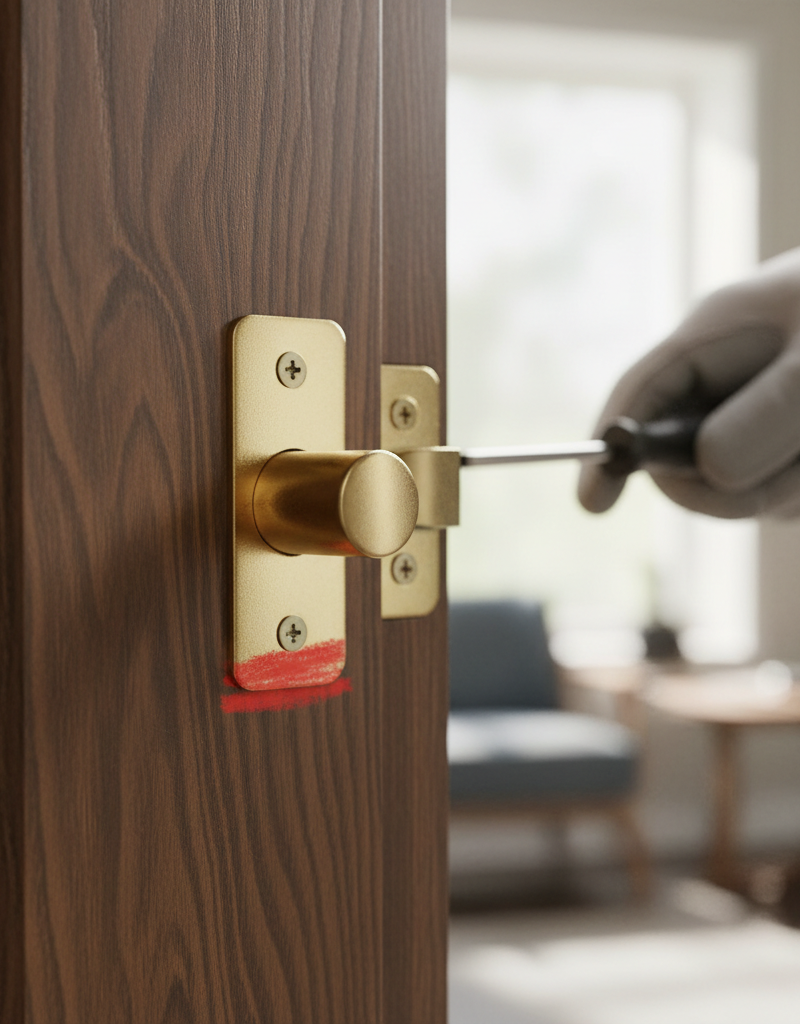
- The Strike Plate: This is the metal plate mortised (recessed) into the door frame. It has a hole or cutout specifically designed to receive and hold the latch bolt when the door is closed.
- The Door Hinges: These are crucial. Even a slight loosening or bending of the hinges can cause the entire door slab to sag or shift out of alignment with the frame, directly impacting how the latch bolt meets the strike plate.
- The Door Frame: The structural element surrounding the door, which houses the strike plate. Any warping or settling of the frame itself can also throw off alignment.
When you close a door, the angled face of the latch bolt slides against the strike plate. This contact pushes the latch bolt back into the door mechanism slightly. As the door continues to close, the latch bolt aligns with the hole in the strike plate, and the spring mechanism pushes it fully into the strike plate's opening, securing the door. If any component is out of alignment by even a fraction of an inch, the latch bolt either won't retract enough, won't extend enough, or simply won't line up with the strike plate's opening, resulting in an unlatched door. Understanding this simple interaction between the latch bolt and the strike plate is the key to both diagnosing and fixing the problem.
Step-by-Step Fix
Before you begin, gather your tools. Always check the easiest, most common culprits first before moving to more involved solutions.
1. Inspect the Latch and Strike Plate Alignment
— Start by visually checking how your door's latch bolt meets the strike plate. Close the door slowly until it's almost latched, then look closely at the gap between the door edge and the frame. Use a pencil to mark the top and bottom edges of the latch bolt on the door frame, directly opposite where it should enter the strike plate.
- Tip: If the marks are noticeably above or below the strike plate's opening, or if the latch bolt is hitting the plate's face rather than entering the opening, you have an alignment issue.
2. Tighten Loose Hinge Screws
— Loose hinges are a very common cause of door sag, which leads to misalignment. Open the door and check all the hinge screws on both the door side and the frame side. If any are loose, tighten them firmly with a screwdriver. Don't overtighten, as this can strip the wood.
- Safety Note: If you see stripped screws that just spin, remove them and replace them with longer, fatter screws (e.g., #10 x 2-inch wood screws) to bite into fresh wood, or use wood glue and toothpicks/wood slivers to fill the stripped hole before reinserting the original screw.
- If this doesn't work: If tightening screws doesn't resolve the sag, the hinge itself might be bent or worn, or the door frame itself might be compromised.
3. Adjust the Strike Plate (Minor Vertical/Horizontal Shift)
— If your inspection shows the latch bolt is just slightly too high, too low, or hitting the side of the strike plate opening, a simple adjustment can fix it.
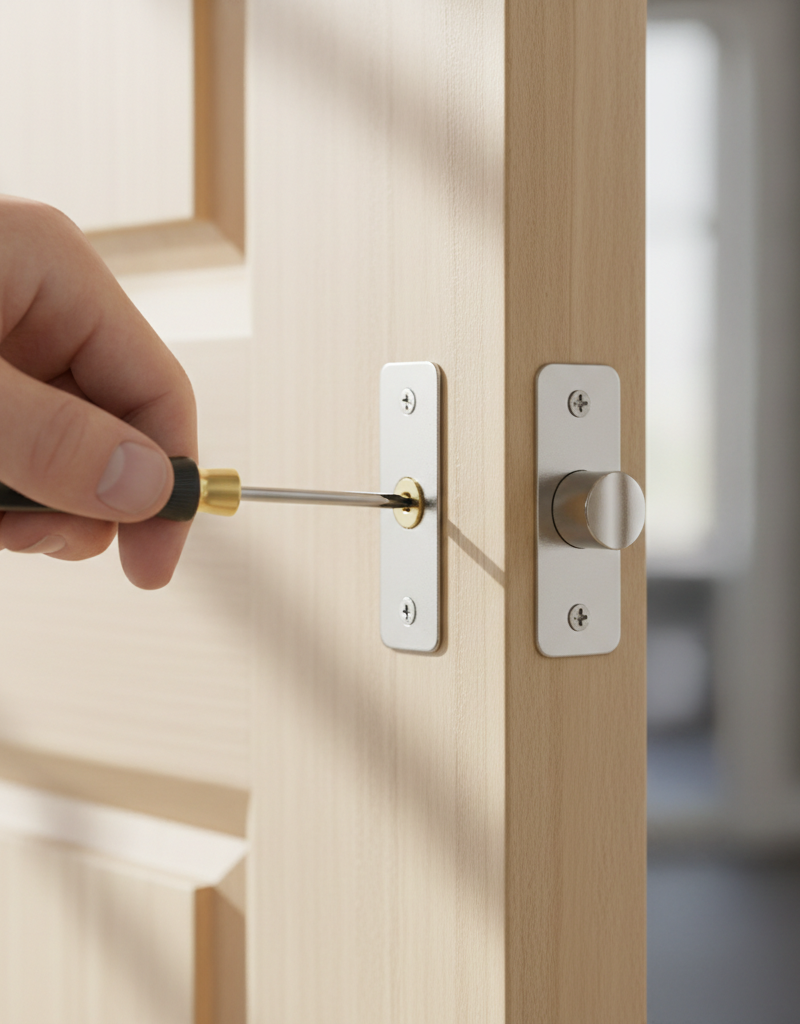
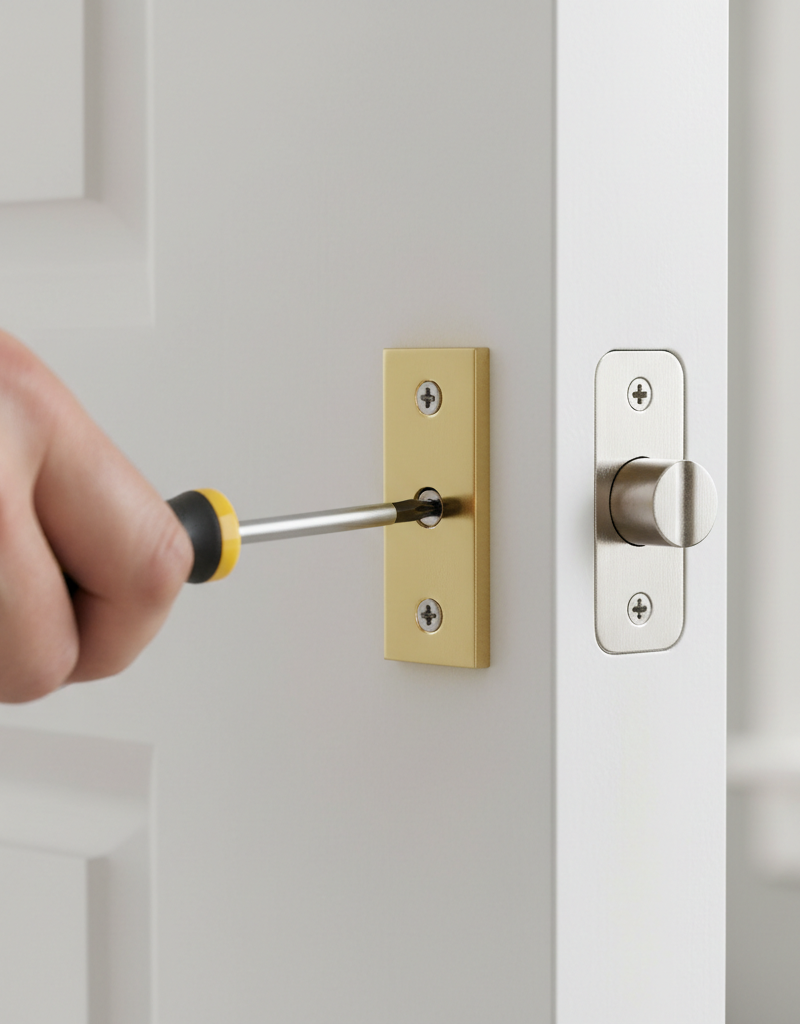
- Vertical adjustment: Loosen the two screws holding the strike plate in place. Using a flat-head screwdriver or a utility knife, slightly expand the top or bottom edges of the strike plate's opening by gently filing or chiseling a small amount of wood from the mortise (the recessed area). Be conservative – a little goes a long way.
- Horizontal adjustment: If the door closes too tightly against the stop (causing the latch bolt to hit the frame before reaching the plate) or too loosely (meaning the latch bolt doesn't extend fully into the plate), you can shim the strike plate. Remove the strike plate. Cut a thin piece of cardboard or plastic from a milk jug. Place it behind the strike plate before screwing it back in. This will effectively move the strike plate slightly closer to or further from the door.
- If this doesn't work: If a minor adjustment isn't enough, you might need to chisel out the mortise slightly to accommodate a larger shift.
4. Deepen the Strike Plate Mortise (If Latch Bolt Isn't Entering Far Enough)
— Sometimes the latch bolt makes it into the strike plate opening, but not deep enough for the door to be truly secure. This means the strike plate isn't recessed enough, or the door itself has swollen.
- Action: Remove the strike plate. Carefully use a sharp chisel and a mallet to deepen the mortise behind where the strike plate sits. Work slowly, removing thin layers of wood until the strike plate sits deeper in the frame. Reinstall the strike plate and test.
5. Adjust Door Stop (If Door Isn't Fully Closing)
— The door stop is the thin strip of wood molding on the door frame that the door closes against. If your door isn't closing enough for the latch to reach the strike plate, the door stop might be positioned incorrectly.
- Action: Gently pry off the door stop molding using a pry bar and shims to protect the wall. Reposition it slightly inward (towards the hinges) and re-nail it, ensuring the door closes snugly and the latch aligns perfectly with the strike plate. Patch any nail holes and touch up paint.
6. Address a Bent Latch Bolt or Worn Latch Mechanism
— If the latch bolt itself appears bent, sticky, or doesn't retract and extend smoothly, the problem might be internal to the doorknob assembly.
- Action: Remove the doorknob and latch assembly from the door. Inspect the latch bolt for any deformities. Clean out any dust or debris inside the mechanism. A small amount of dry lubricant (like graphite powder) can sometimes help. If the latch bolt is physically damaged or the spring mechanism is weak, the entire doorknob/latch assembly likely needs to be replaced.
7. Correct Door Frame Issues (Advanced)
— In rare cases, severe house settling or moisture damage can warp the door frame itself, making simple strike plate adjustments insufficient.
- Action: This often requires shimming behind the hinges or the strike plate mortise, or even more extensive carpentry work. If the frame is visibly warped or plumb/level issues are significant, it's usually best to consult a professional carpenter.
Common Causes
- House Settling: As a house ages, it naturally settles, causing door frames to shift out of square by fractions of an inch.
- Loose Hinge Screws: The most common culprit. Screws work themselves loose over time, especially in high-traffic doors, allowing the door to sag.
- Stripped Hinge Screws: When screws are overtightened initially or repeatedly tightened, they can strip the wood, losing their grip and allowing the hinge to move.
- Warped Door: Humidity and temperature changes can cause solid wood doors to warp or swell, changing their dimensions relative to the frame.
- Worn or Damaged Latch Mechanism: The internal spring or components of the door's latch bolt can wear out or become bent.
- Improper Installation: If the door or frame wasn't installed perfectly square or plumb, minor issues can appear over time.
Common Mistakes
- Overtightening Screws: This can strip the wood, making the problem worse and requiring more complex fixes (like using wood filler or larger screws). Tighten until snug, then stop.
- Jumping to Complex Solutions: Don't immediately assume the entire frame is warped. Start with tightening hinges and basic strike plate adjustments, as these resolve most issues.
- Ignoring Stripped Screws: Simply reinserting a stripped screw into the same hole won't hold. Address the stripped hole properly by filling it or using a larger screw.
- Over-Chiseling the Strike Plate Mortise: Be conservative when removing wood for strike plate adjustment. You can always remove more, but you can't easily put it back.
- Neglecting Seasonal Changes: Doors can swell in humid summer months and shrink in dry winters. What works perfectly in July might be tight in January. Consider minor adjustments seasonally.
- Using Oil on the Latch Bolt: While lubricant helps, oil-based lubricants can attract dust and grime, eventually gumming up the mechanism. Use a dry lubricant like graphite powder or a silicone spray if needed.
Cost & Time Breakdown
| Task | DIY Cost | Pro Cost | Time |
|---|---|---|---|
| Tighten Hinge Screws | $0–$5 (for new screws) | $75–$150 | 5–15 min |
| Adjust Strike Plate | $0 | $75–$150 | 10–20 min |
| Deepen Strike Plate Mortise | $0–$10 (for chisel) | $100–$200 | 20–40 min |
| Replace Doorknob/Latch | $25–$70 (parts) | $100–$250 | 30–60 min |
| Adjust Door Stop Molding | $0–$10 (for paint/filler) | $150–$300 | 30–90 min |
Tips & Prevention
- Routine Checks: Periodically check all hinge screws on high-traffic doors (like bathrooms or utility rooms) and tighten them as needed to prevent sag.
- Lubricate Latch: If your latch bolt feels stiff, apply a small amount of dry lubricant (graphite powder or silicone spray) to the moving parts.
- Monitor Humidity: In humid climates, use a dehumidifier to reduce swelling in wooden doors and frames. In dry climates, a humidifier can prevent excessive shrinking.
- Proper Installation: When installing new doors, ensure they are perfectly square and plumb, and all hardware is installed securely.
- Door Closers: For doors that consistently swing open, a subtle door closer can help, but it doesn't fix the underlying latching issue.
When to Call a Professional
While most door latch issues are DIY-friendly, certain situations warrant calling a professional carpenter or handyman. If you've tried the step-by-step fixes and the door still won't latch, or if you suspect a structural issue with the door frame itself, it's time to call a pro. Visible warping of the entire door frame, significant gaps between the door and frame that change inconsistently, or persistent issues after hardware replacement suggest deeper structural problems. Additionally, if the door is rubbing significantly against the frame or floor, indicating serious sag or hinge damage that you can't correct with basic tightening or shimming, a professional can properly re-hang or adjust the door. For exterior doors where security is paramount, don't hesitate to call a locksmith or carpenter if you can't get the door to latch securely.
Related Articles
Keep troubleshooting with these hand-picked guides from FixlyGuide:
- The 3 Hidden Reasons Your Door Won't Latch (And the Easy DIY Fixes) — Frustrated by a door that refuses to latch? Discover the common culprits behind this annoying problem and learn simple, effective DIY fixes…
- The 3 Hidden Reasons Your Door Won't Latch (And the Easy Fixes) — A door that won't latch properly is a common household nuisance, often caused by simple issues that are easy to diagnose and repair.
- The 3 Hidden Reasons Your Door Won't Latch (And the Easy DIY Fixes) — Don't live with a door that refuses to latch; discover simple, DIY solutions for common door latch problems and restore security and privac…
- The 3 Hidden Reasons Your Door Won't Latch (And the Easy Fixes) — Discover the surprising reasons your interior door isn't latching and how to quickly diagnose and fix the issue with simple tools.
- The 90-Second Trick to a Latching Door (and Why Yours Might Be Off) — Discover the surprisingly simple reasons most doors fail to latch and how a quick, often overlooked adjustment can solve your problem in un…
- The 5-Minute Trick When Your Range Hood Fan Suddenly Dies (It's Not Always the Motor) — Before you panic about a broken motor, learn the quick diagnostic steps to revive a dead range hood fan and restore proper kitchen ventilat…
Should you do this yourself?
Answer five quick questions before you start. Safety outranks savings every time.
Your experience with work like this
How high do you have to work?
Does the job involve any of these?
Will it need a permit?
Specialty tools
Free and instant. Educational guidance only — not a quote, inspection, or professional diagnosis.
What should this project cost?
Enter your project details for a realistic cost range before you call anyone.
Cost depends heavily on which system turns out to be the source.
- Regional adjustment
- National average
- Labor share (typical)
- ~$1,620
- Quotes to collect
- 3 written estimates
Educational estimate based on national averages — not a binding quote. Always confirm with written local estimates.
Before you start
Check the difficulty, permits, and safety risk — then decide whether to call a pro.
- Estimate this projectGet a cost range for your scope and ZIP before you call anyone.Open
- Get local estimatesSend one request and compare written estimates from vetted pros.Open
Free, no signup required. Estimates are educational guidance, not a quote or an inspection.
Recommended for DIYers & woodworkers
Sponsored
The Top 20 Tools for Workshops of Any Budget
No stationary machines or power tools required — plus 3 fundamental tools that can't be bought at any price.
Get the free guide
Ted's Woodworking — The #1 Woodworking Resource
Detailed instructions, dimensioned drawings, materials & cutting lists, and 3D schematics for every skill level.
See the plansSponsored: links above are affiliate links. FixlyGuide may earn a commission on qualifying purchases — at no extra cost to you.
Frequently asked questions
Why won't my door latch catch?+
Most often, your door latch isn't catching because the strike plate on the door frame is slightly misaligned with the latch bolt on the door. This can be due to house settling, loose hinge screws, or the door swelling/shrinking with humidity changes.
How do you fix a door that won't close all the way?+
To fix a door that won't close all the way, first check and tighten all hinge screws. If that doesn't work, you'll likely need to adjust the strike plate by loosening its screws and slightly widening the opening or shimming it to change its horizontal position. In some cases, the door stop molding may need repositioning.
Can you adjust a door latch?+
You can't typically 'adjust' the internal door latch mechanism itself without disassembling it or replacing it. However, you can adjust the strike plate in the door frame, which is the most common solution for latching issues. This involves loosening screws and potentially widening the mortise or shimming the plate.
How do you fix a door that won't latch without moving the strike plate?+
If you want to avoid moving the strike plate, first try tightening all the hinge screws on both the door and the frame. If screws are stripped, replace them with longer ones or use wood filler. If the door sag is corrected, the latch might realign. If the issue is with the latch bolt itself, you might need to clean or replace the doorknob assembly.
Discussion
Loading comments…