- General Rule: If it blooms before late spring/early summer, prune after it flowers. If it blooms in late spring/early summer or later, prune in late winter or early spring while dormant.
- Tools: Use sharp bypass pruners for branches up to 3/4 inch, loppers for branches up to 1 1/2 inches, and a pruning saw for anything larger. Make clean cuts just above a bud or branch collar.
- Safety Note: Always wear gloves and safety glasses when pruning. Be aware of your surroundings, especially overhead power lines.
Landscaping · Deck or fence project
| Project category | Landscaping |
|---|---|
| Problem type | Deck or fence project |
| Trade required | Landscaping |
| Urgency | Planned project |
| Safety risk | Moderate safety risk |
| DIY suitability | DIY for experienced homeowners |
| Cost category | High cost |
| Typical timeline | Most builds 3–10 days depending on size |
| Contractor type | Landscaping contractor |
Repair option
Replace failed boards, posts, and hardware; reseal the surface.
Replacement option
Rebuild when framing or the ledger connection is unsafe.
Common causes
- Rot at posts and ledger
- Storm damage
- Adding outdoor living space
Relevant tools:home improvement material pricesproject cost estimator
Published May 20, 2026Last updated August 17, 2026
Tools & materials you'll need
Affiliate linksAs an Amazon Associate FixlyGuide earns from qualifying purchases — at no extra cost to you. Prices and availability are accurate as of publication and subject to change.
Quick Answer
Starting your spring yard work too early or with the wrong techniques can set your landscape back significantly, leading to dead patches, stunted growth, and even increased pest problems. The most common mistakes include applying fertilizer at the wrong time, dethatching too aggressively, pruning susceptible plants prematurely, tilling wet soil, and ignoring critical soil testing. By understanding the proper timing and methods, homeowners can avoid these costly errors and cultivate a healthy, vibrant yard.
The Problem
As winter recedes and the first hints of spring emerge, many homeowners are eager to get outside and jumpstart their yard work. This enthusiasm, while commendable, often leads to critical errors. The desire for a lush green lawn or bountiful garden can translate into actions taken at the wrong time or with incorrect methods. For instance, fertilizing too early can encourage weed growth over grass, or pruning before the last frost can expose new growth to devastating cold snaps. These well-intentioned but misguided efforts don't just waste time and money; they can actively harm your lawn, shrubs, and garden beds, making recovery difficult and expensive. The problem isn't a lack of effort, but a lack of precise knowledge about what to do and, crucially, when to do it.
How It Works
Understanding the biology of your lawn and garden plants is key to effective spring preparation. Grasses, shrubs, and perennials emerge from dormancy based on soil temperature, not just air temperature. Soil temperature dictates root activity, nutrient uptake, and the germination of seeds—both desirable and undesirable. For example, most cool-season grasses (like fescue, ryegrass, and bluegrass) begin active growth when soil temperatures consistently reach 45-50°F (7-10°C) at a depth of 2-4 inches. Warm-season grasses (like Zoysia, Bermuda, and St. Augustine) need soil temperatures closer to 65°F (18°C). Weeds, too, have optimal germination temperatures; crabgrass, for instance, thrives when soil temperatures hit a steady 55°F (13°C).
Fertilizers provide essential nutrients (nitrogen, phosphorus, potassium) that fuel plant growth. Applying them before plants are actively growing means much of the nutrient content washes away with spring rains, polluting waterways and wasting product. Worse, it can feed early-germinating weeds. Similarly, dethatching or aerating when the ground is too wet can compact the soil further, hindering root development. Pruning certain shrubs or trees too early can remove flower buds that would have bloomed later or stimulate tender new growth susceptible to late frosts. Conversely, waiting too long can miss the optimal window for specific treatments, reducing their effectiveness. The timing of your actions directly impacts the health and resilience of your entire landscape.
Step-by-Step Fix
1. Test Your Soil, Don't Guess – The often-skipped first step to proper fertilization.
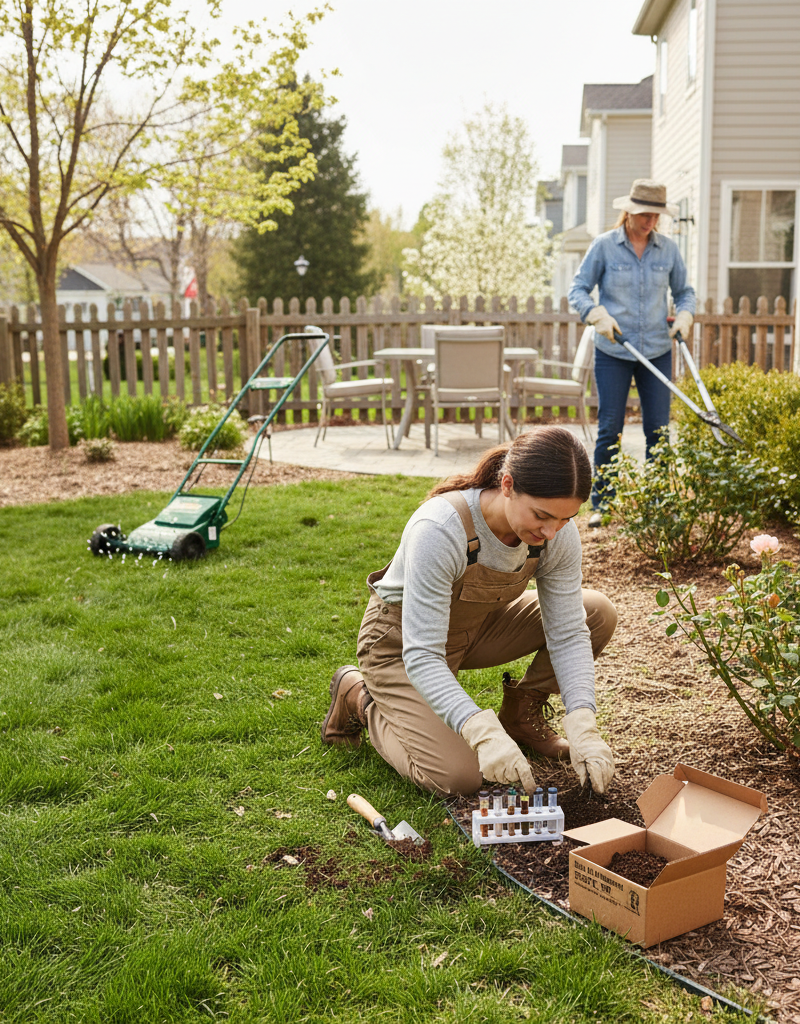
Before applying any fertilizers or amendments, get a soil test. This scientifically determines your soil's pH and nutrient levels, telling you exactly what your lawn needs. Without it, you're guessing, which often leads to over-fertilization, nutrient imbalances, and feeding weeds.
- How: Purchase a soil test kit from a garden center or contact your local university extension office for professional testing. Collect samples from various parts of your lawn and garden beds, mixing them to get an average. Follow the kit's instructions precisely.
- Why: Different plants have different pH needs, and nutrient deficiencies (or excesses) can lead to poor growth, disease susceptibility, and wasted money on unnecessary products. Results usually take 1-2 weeks.
2. Master the Art of Dethatching – Knowing when and how much is crucial for turf health.
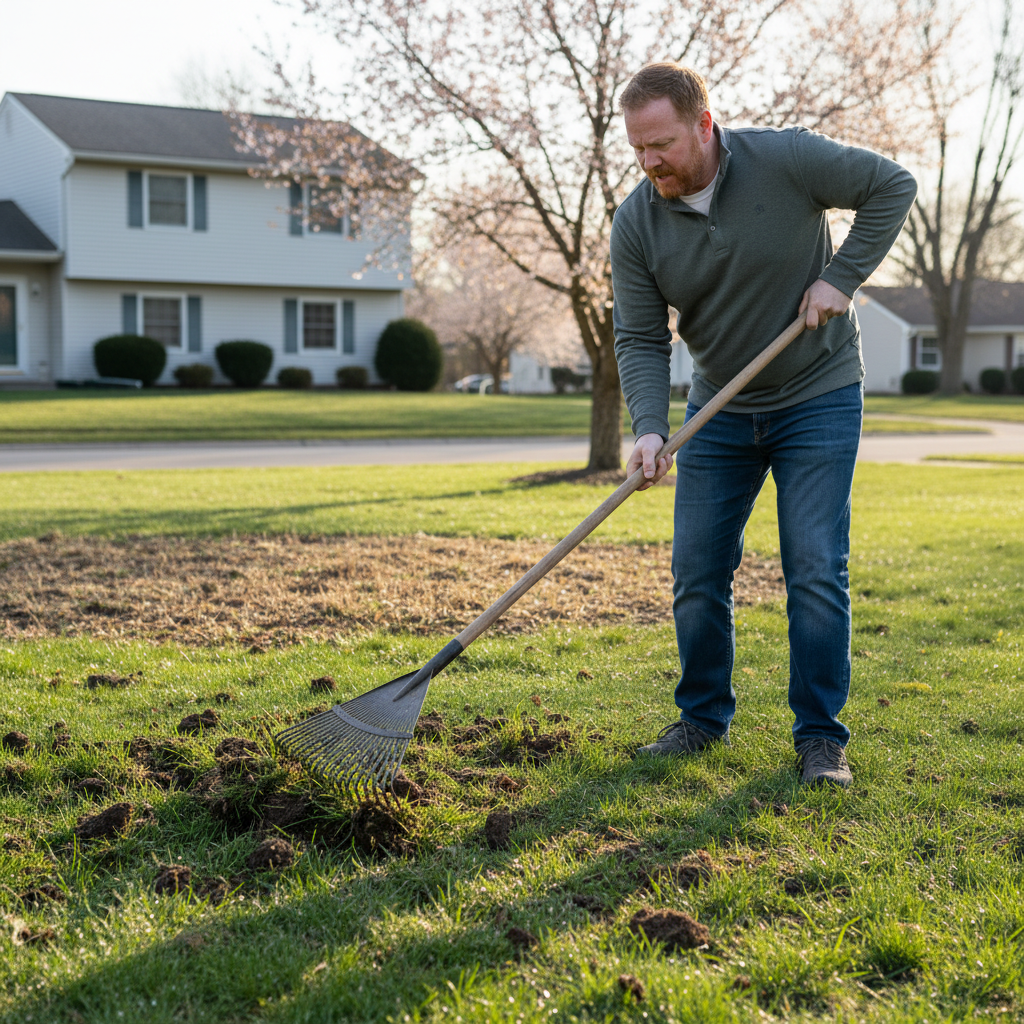
Dethatching removes the layer of dead grass, roots, and debris (thatch) that builds up between the grass blades and the soil surface. A thin layer is healthy, but more than 1/2 inch impedes water, nutrient, and air penetration.
- Timing: For cool-season grasses, dethatch in early spring (April in most regions) or early autumn. For warm-season grasses, late spring/early summer. The key is to do it when the grass is actively growing and can recover quickly.
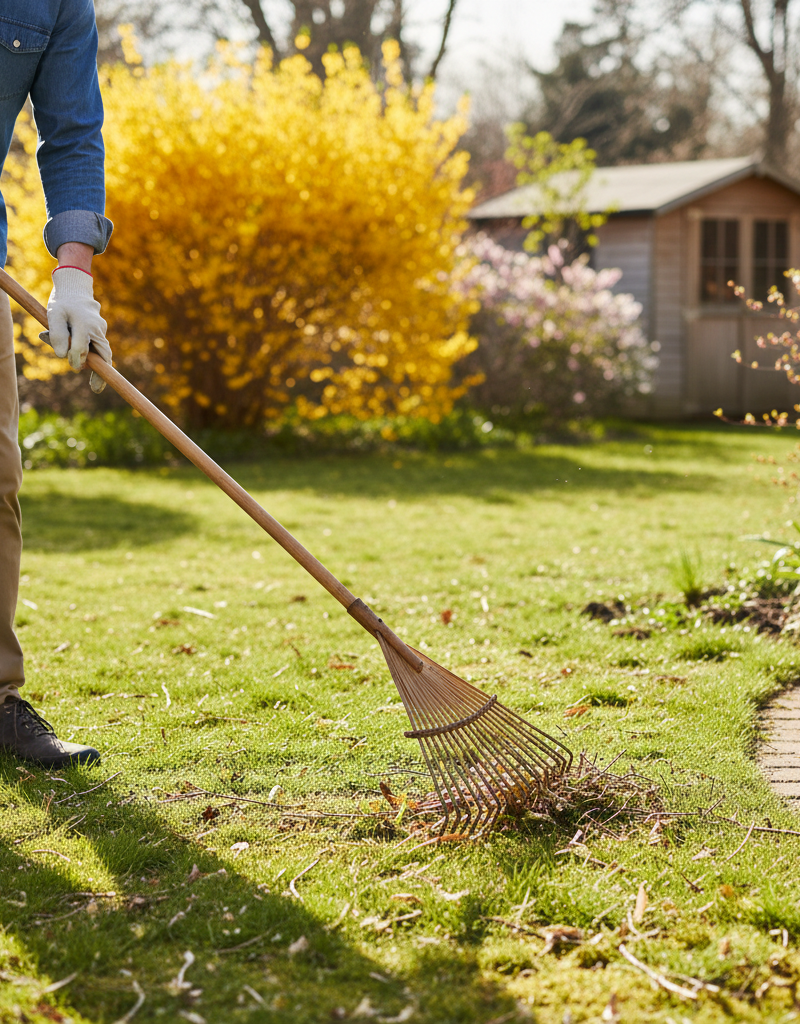
- Method: Use a dethatching rake for smaller areas or rent a power dethatcher for larger lawns. Set the dethatcher depth carefully to just skim the soil surface; too deep and you'll damage healthy turf. Go over the lawn once or twice in perpendicular directions, then rake up all the removed thatch. If the thatch layer is very thick (over 1 inch), consider multiple lighter passes over several weeks rather than one aggressive session.
- If this doesn't work: If your grass shows significant stress or doesn't recover well after dethatching, you may have set the machine too deep or the grass wasn't healthy enough to begin with. Consider aeration next spring to improve deep soil health.
3. Prune Wisely: Timing is Everything – Protecting delicate new growth and flower buds.
Many common spring-flowering shrubs (like lilacs, forsythia, rhododendrons) set their flower buds on old wood in the previous season. Pruning them in early spring before they bloom will remove all their flowers for the year. Summer-flowering shrubs (like hydrangeas, spirea) bloom on new wood and can be pruned in late winter or early spring.
- General Rule: If it blooms before late spring/early summer, prune after it flowers. If it blooms in late spring/early summer or later, prune in late winter or early spring while dormant.
- Tools: Use sharp bypass pruners for branches up to 3/4 inch, loppers for branches up to 1 1/2 inches, and a pruning saw for anything larger. Make clean cuts just above a bud or branch collar.
- Safety Note: Always wear gloves and safety glasses when pruning. Be aware of your surroundings, especially overhead power lines.
4. Wait for Dry Soil Before Tilling – Preventing compaction and long-term soil damage.
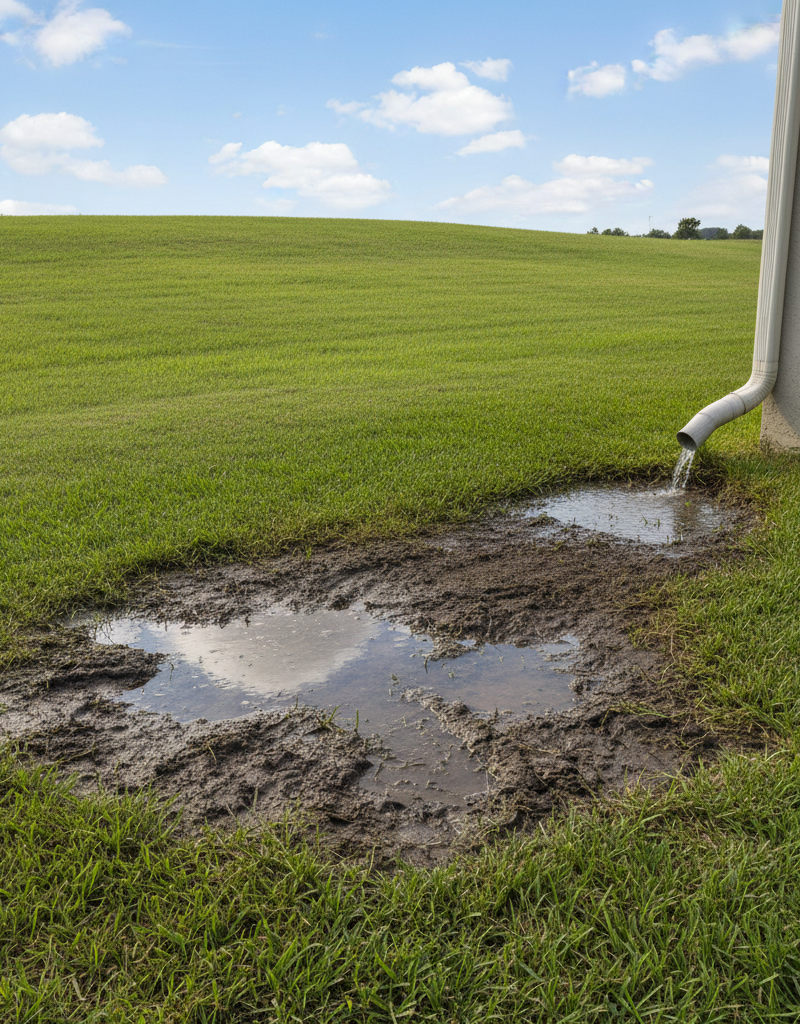
Working wet soil, whether tilling a garden bed or rolling a lawn, compacts it, destroys its structure, and creates hard clods that are difficult to break up. This reduces air, water, and root penetration.
- The Squeeze Test: Grab a handful of soil and squeeze it. If it forms a tight ball and stays that way, it's too wet. If it crumbles easily, it's ready. Wait until the soil passes the squeeze test.
- Why: Good soil structure has small air pockets essential for root respiration and microbial activity. Compacting wet soil crushes these, leading to poor drainage and reduced plant health.
5. Fertilize Smart, Not Early – Giving your lawn and garden what it needs, when it needs it.
Applying a general lawn fertilizer too early in spring (before green-up) can encourage a burst of top growth at the expense of root development. It also risks feeding weeds that germinate earlier than grass.
- Lawn Fertilizer: For cool-season grasses, the best time for the first spring feeding is usually late April to mid-May, once consistent growth is evident and after any pre-emergent herbicide application (which prevents crabgrass and should be applied when soil temps hit 55°F). For warm-season grasses, wait until late spring/early summer when they're actively growing.
- Garden Beds: Incorporate compost and any recommended amendments from your soil test into garden beds just before planting, allowing time for them to integrate. Avoid heavy synthetic fertilizers; compost provides slow-release nutrients.
- Pre-Emergents: If you have a history of crabgrass, apply a pre-emergent herbicide when soil temperatures are reliably 50-55°F for several days. This is often earlier than the ideal time for general fertilizer. Apply pre-emergent and then wait a few weeks before applying a general fertilizer, or use a combination product at the correct timing for pre-emergent, understanding it may not be ideal for general feeding.
Common Causes
- Impatience: The primary driver of early spring mistakes is the eagerness to get a head start, often before the soil or plants are ready.
- Misinformation/Generic Advice: Following generalized advice that doesn't account for specific grass types, plant species, or local climate conditions.
- Lack of Soil Testing: Guessing at soil needs leads to applying the wrong amendments or fertilizers, often creating imbalances.
- Ignoring Soil Temperature: Focusing solely on air temperature, rather than the crucial soil temperature which dictates root activity and germination.
- **Over-reliance on
Related Articles
Keep troubleshooting with these hand-picked guides from FixlyGuide:
- The 5 Spring Yard Prep Mistakes That Cost Homeowners Thousands Annually — Avoid costly landscaping errors by understanding common spring yard preparation mistakes and how to properly ready your lawn and garden for…
- The 3 Crabgrass Mistakes Most Homeowners Make (And How to Fix Them Organically) — Discover the most common crabgrass removal mistakes and learn natural, organic methods to eliminate crabgrass from your lawn for good, fost…
- The #1 Mistake Killing Your Thin Lawn (And How to Fix It in a Weekend) — Overseeding your lawn can transform it from thin and patchy to lush, but many homeowners make a crucial mistake that hinders success. Learn…
- The #1 Mistake Killing Your Lawn's Thickness (and How to Fix It in a Weekend) — Overseeding a thin lawn is essential for a lush green carpet, but many homeowners make a crucial mistake that hinders success. Learn the ri…
- The #1 Mistake Homeowners Make When Battling Lawn Grubs (And a Simple Organic Fix) — Discover why most DIY grub treatments fail and how a simple, organic approach can permanently rid your lawn of these destructive pests.
- The 4-Hour — Transform your garden into a self-sufficient oasis with smart strategies for watering, weeding, and pest control, minimizing your effort.
Questions to ask before you sign
Ask every contractor the same questions and the cheapest bid stops looking cheapest. Check them off as you go — your progress is saved on this device.
Free, no signup. Bring this to every walkthrough so you compare bids on the same terms.
What should this project cost?
Enter your project details for a realistic cost range before you call anyone.
Cost depends heavily on which system turns out to be the source.
- Regional adjustment
- National average
- Labor share (typical)
- ~$1,620
- Quotes to collect
- 3 written estimates
Educational estimate based on national averages — not a binding quote. Always confirm with written local estimates.
Check these numbers against your project
National averages are a starting point. These tools narrow it to your scope and ZIP.
- Estimate this projectGet a cost range for your scope and ZIP before you call anyone.Open
- Get local estimatesSend one request and compare written estimates from vetted pros.Open
Free, no signup required. Estimates are educational guidance, not a quote or an inspection.
Frequently asked questions
How early is too early to fertilize my lawn in spring?+
It's too early to fertilize if your grass isn't actively growing and soil temperatures haven't consistently reached 45-50°F (7-10°C) for cool-season grasses or 65°F (18°C) for warm-season grasses. Applying fertilizer before this point can lead to runoff, weed germination, and poor nutrient uptake.
Can I prune my hydrangeas in early spring?+
It depends on the type of hydrangea. Bigleaf hydrangeas (Hydrangea macrophylla) and Oakleaf hydrangeas (Hydrangea quercifolia) bloom on old wood, so prune them immediately after they flower in summer. Smooth hydrangeas (Hydrangea arborescens) and Panicle hydrangeas (Hydrangea paniculata) bloom on new wood and can be pruned in late winter or early spring before new growth appears.
What is the 'squeeze test' for soil moisture?+
The squeeze test helps determine if soil is too wet to work. Take a handful of soil and squeeze it firmly. If it forms a tight ball and stays cohesive, it's too wet. If it crumbles easily when poked, it's dry enough for tilling or planting.
Discussion
Loading comments…