
- Neglected Maintenance: Over time, roofs degrade, gutters clog, and seals crack. Skipping annual inspections leaves your home vulnerable to the cumulative effects of weather. This becomes critical during extreme El Niño events.
- Improper Drainage: Often, homes are built on flat or improperly sloped land, allowing water to collect around the foundation. Over time, this erodes soil and can lead to saturated ground and basement flooding.
- Outdated Systems: Older HVAC units, windows, and insulation are less efficient and less capable of handling extreme temperature swings and high humidity, leading to system strain and higher energy bills.
- Unaddressed Vegetation: Overgrown trees with weak limbs pose a direct threat of falling onto your home, especially when soil is saturated or winds are high.
- Lack of Proactive Preparations: Waiting until a storm is imminent means you might face sold-out supplies, overwhelmed contractors, and insufficient time to address critical vulnerabilities.
Published June 5, 2026Last updated August 17, 2026
Tools & materials you'll need
Affiliate linksAs an Amazon Associate FixlyGuide earns from qualifying purchases — at no extra cost to you. Prices and availability are accurate as of publication and subject to change.
Quick Answer
El Niño isn't just a weather forecast; it's a significant climate pattern that can bring a barrage of extreme weather events, including prolonged heatwaves, intense rainfall, increased humidity, and even unusual storm activity. For homeowners, this translates to potential risks like roof leaks, foundation damage from water intrusion, overwhelmed HVAC systems, and wildfire hazards from excessive dry periods followed by rapid vegetation growth. Proactive preparation, from optimizing drainage to securing your home's envelope, is crucial to mitigate these costly and often dangerous impacts.
The Problem
You've heard the whispers of an extreme El Niño, bringing everything from oppressive heat to unprecedented downpours. But what does that really mean for your home? It means your roof, your foundation, your HVAC system – every component designed to protect your sanctuary – will likely be pushed to its limits. We're talking about more than just uncomfortable days; we're talking about potential water damage, mold growth, property destruction, and system failures that can run into thousands of dollars in repairs. Ignoring these warnings is akin to leaving your windows open during a hurricane – a costly oversight.
How It Works
El Niño is a climate phenomenon characterized by the warming of ocean surface temperatures in the central and eastern tropical Pacific Ocean. This warming isn't isolated; it triggers a cascade of atmospheric changes that ripple across the globe, altering weather patterns far from its origin. In North America, a strong El Niño typically shifts the jet stream, leading to warmer, drier conditions in the northern states and cooler, wetter conditions across the southern tier. However, the 'super' El Niño designation suggests more extreme deviations from these norms. For instance, while certain regions might experience increased rainfall, others could see extended droughts. Coastal areas often face higher risks of storm surges and erosion, while inland regions grapple with extreme temperature swings – from intense heatwaves that strain electrical grids to sudden, heavy downpours that overwhelm drainage systems. The increased ocean temperatures also contribute to higher rates of evaporation, leading to more moisture in the atmosphere and a greater potential for intense precipitation events, sometimes ironically after periods of severe drought. This 'feast or famine' weather pattern is what makes El Niño particularly challenging for home preparedness, demanding adaptability and resilience from your home's defenses.
Step-by-Step Fix
-
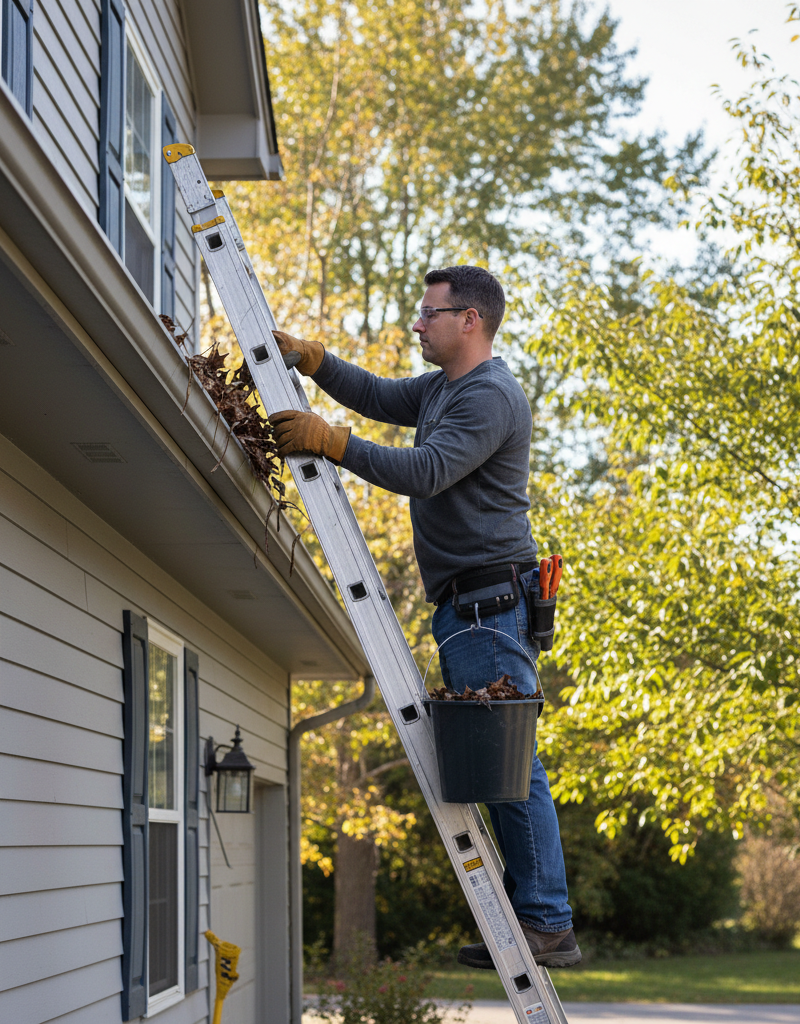
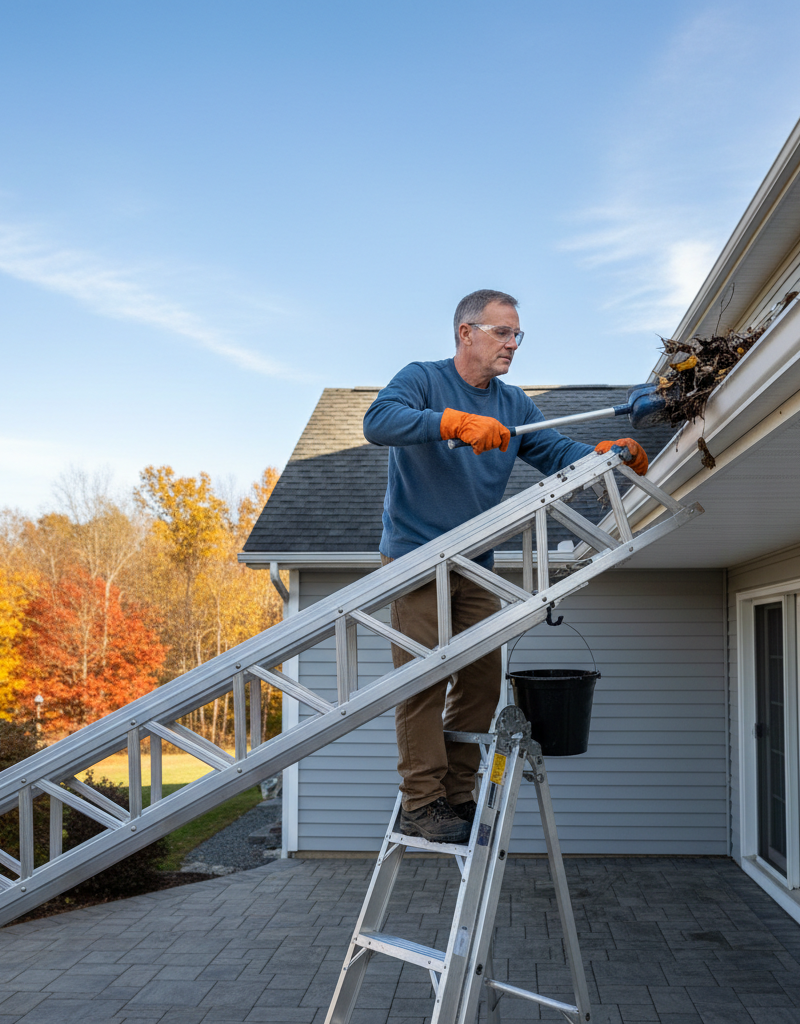
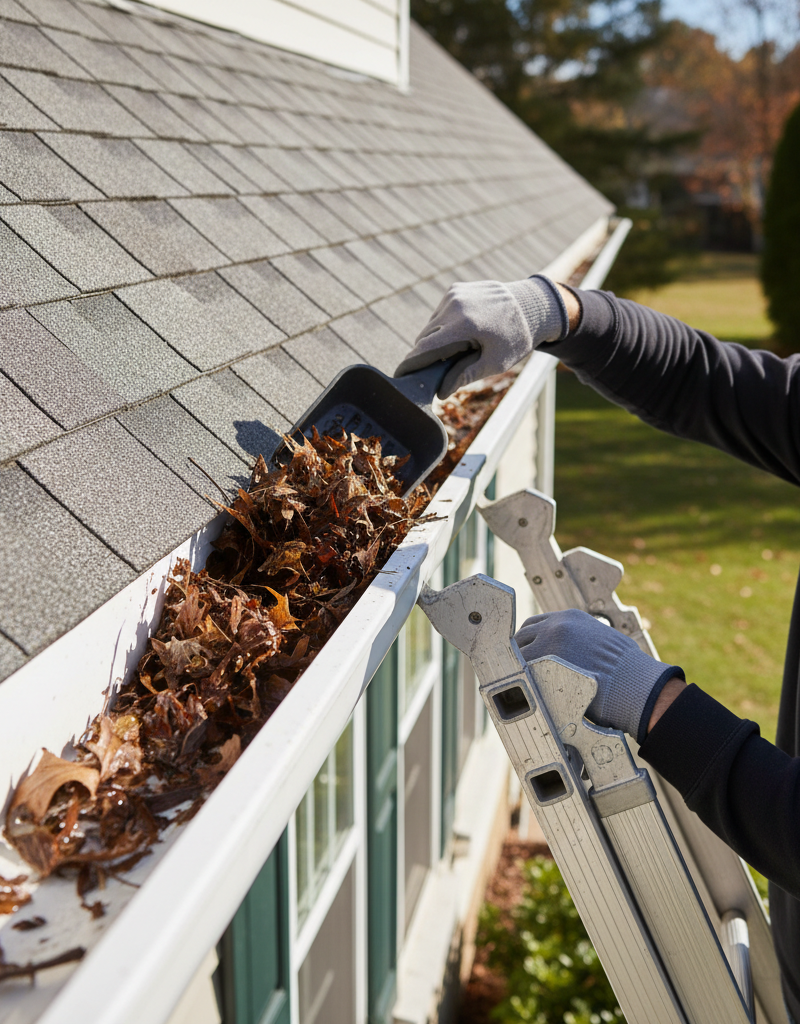
Inspect Your Roof and Gutters — Start with your first line of defense against water. Clear all gutters and downspouts of debris like leaves, twigs, and shingle grit. Ensure downspouts extend at least 5 feet away from your foundation. Check for missing, cracked, or loose shingles; pay close attention to flashing around chimneys, skylights, and vents. If you have an older roof, consider having a professional inspection. This prevents water from pooling and seeping into your attic and walls.
- Pro Tip: Use a garden hose to simulate heavy rain on your roof after clearing debris. Watch for any areas where water might be pooling or where downspouts aren't effectively redirecting water.
- Safety Note: Always use a stable ladder and have a spotter when working on your roof. Avoid working on wet or windy days.
-
Seal Your Home's Envelope — Examine all windows, doors, and utility penetrations (e.g., pipes, vents, electrical conduits) for gaps and cracks. Apply exterior-grade caulk to seal small openings and install new weatherstripping around drafty doors and windows. Inspect your foundation for any visible cracks and seal them with appropriate masonry caulk or hydraulic cement. This prevents water intrusion during heavy rains and improves HVAC efficiency during extreme temperatures.
- If This Doesn't Work: For larger foundation cracks (over 1/8 inch wide) or persistent water intrusion, consult a foundation specialist.
-
Optimize Your HVAC System — A super El Niño often means extreme temperatures. Schedule a professional HVAC tune-up before the heat hits. Change your air filters monthly during peak usage. Ensure outdoor condenser units are clear of debris and have at least two feet of clearance on all sides for optimal airflow. Consider programming your thermostat for efficiency. This ensures your system can handle the increased load without breaking down when you need it most.
- DIY Tip: Clean your outdoor AC coil with a fin comb and coil cleaner for improved efficiency.
-
Assess Your Landscape Drainage — Walk your property during a heavy rainstorm (if safe) to observe how water flows. Identify areas where water pools near your foundation. Install French drains, regrade soil away from the house (a minimum 6-inch slope over 10 feet), or add rain barrels to manage runoff. Ensure any permeable paving is clear of debris. Effective drainage is critical for preventing basement flooding and foundation issues.
-
Trim Trees and Clear Debris — Prune any tree branches that hang over your roof or are close enough to fall on your house during high winds. Remove dead or decaying branches. Clear your yard of any loose items that could become projectiles in a storm, such as patio furniture, grills, and decorative items. This minimizes damage from wind and reduces potential fire fuels during dry spells.
- Pro Tip: For large trees or branches close to power lines, always call a licensed arborist.
-
Test Sump Pumps and Backup Power — If you have a basement or crawl space, ensure your sump pump is working correctly. Pour a bucket of water into the sump pit to activate it. Consider installing a battery backup sump pump for power outages. For critical medical equipment or essential appliances, invest in a generator and know how to operate it safely. This is crucial for flood prevention.
- Safety Note: Never run a generator indoors or in an enclosed space due to carbon monoxide poisoning risk.
-
Create an Emergency Kit — Beyond structural fixes, prepare your family. Assemble a kit with at least three days' supply of water (one gallon per person per day), non-perishable food, a battery-powered radio, flashlights, extra batteries, a first-aid kit, copies of important documents, and any necessary medications. This ensures self-sufficiency if services are interrupted.
Common Causes
- Neglected Maintenance: Over time, roofs degrade, gutters clog, and seals crack. Skipping annual inspections leaves your home vulnerable to the cumulative effects of weather. This becomes critical during extreme El Niño events.
- Improper Drainage: Often, homes are built on flat or improperly sloped land, allowing water to collect around the foundation. Over time, this erodes soil and can lead to saturated ground and basement flooding.
- Outdated Systems: Older HVAC units, windows, and insulation are less efficient and less capable of handling extreme temperature swings and high humidity, leading to system strain and higher energy bills.
- Unaddressed Vegetation: Overgrown trees with weak limbs pose a direct threat of falling onto your home, especially when soil is saturated or winds are high.
- Lack of Proactive Preparations: Waiting until a storm is imminent means you might face sold-out supplies, overwhelmed contractors, and insufficient time to address critical vulnerabilities.
Common Mistakes
- Ignoring Minor Leaks: A small drip today can become a major flood during a heavy El Niño rain event. Address all signs of water intrusion immediately.
- Clogged Downspouts: While you might clear gutters, blockages often occur in the elbow joints or underground extensions of downspouts, causing water to back up and overflow at the foundation.
- Forgetting About Landscaping: Mulch beds, shrubs, and even compacted soil can prevent water from draining away from the foundation. Ensure your landscaping doesn't create a 'bathtub effect' around your house.
- Overloading HVAC Systems: Setting your thermostat to an extremely low temperature on a scorching day won't cool your house faster, but it will overwork your AC and potentially cause it to freeze up. Aim for a gradual temperature reduction.
- Not Having a Backup Plan for Power Outages: Relying solely on the grid during extreme weather leaves you vulnerable. Have non-electric light sources, a way to charge phones, and potentially a generator plan.
- Neglecting Emergency Documents: In the rush of an emergency, critical papers like insurance policies, IDs, and medical records can be forgotten. Keep them organized in a waterproof, accessible location.
Cost & Time Breakdown
| Task | DIY cost | Pro cost | Time |
|---|---|---|---|
| Gutter Cleaning/Repair | $0–$50 | $100–$250 | 1–2 hours |
| Sealing Gaps (caulk/weather) | $20–$100 | $200–$500 | 1–3 hours |
| HVAC Tune-up | $0 | $100–$250 | 1 hour |
| Tree Trimming (small) | $0–$100 | $300–$1,000+ | 2–4 hours |
| Sump Pump Test/Maintenance | $0 | $0 | 10–15 mins |
| Emergency Kit Assembly | $100–$300 | $0 | 30–60 mins |
Tips & Prevention
- Annual Roof & Gutter Inspection: Make it a yearly ritual, ideally in the fall and spring, to check your roof's condition and ensure gutters are clear. This catches small issues before they become major problems.
- Maintain Landscape Grading: Periodically check the slope around your foundation. Over time, soil settles, and grading can become less effective. Add soil as needed to maintain a positive slope away from your house.
- HVAC Filter Replacement: Replace your air filters every 1-3 months, especially during heavy usage periods. A clean filter improves efficiency and indoor air quality.
- Tree Care: Prune trees regularly to maintain their health and remove weak or dead limbs. Consider drought-tolerant landscaping in fire-prone areas.
- Document Home Condition: Take photos and videos of your home's exterior and interior before extreme weather hits. This can be invaluable for insurance claims if damage occurs.
- Review Your Insurance Policy: Understand what your homeowner's insurance covers regarding flood, wind, and other weather-related damage. Consider adding specific riders if necessary.
When to Call a Professional
While many preparations can be done by homeowners, certain tasks require the expertise and licensing of a professional. If you suspect structural damage to your roof or foundation, notice persistent water intrusion despite your best efforts, or have large trees that require significant pruning, call a licensed contractor. Any work involving gas lines, major electrical systems, or complex plumbing beyond basic fixes should always be handled by a qualified, insured professional to ensure safety and code compliance. Ignoring these signs can lead to more extensive and costly repairs down the line, or worse, put your family's safety at risk.
Related Articles
Keep troubleshooting with these hand-picked guides from FixlyGuide:
- The 12 Checks That Prevent 80% of Costly Home Repairs — Don't wait for a disaster. Our comprehensive monthly home maintenance checklist reveals the surprising, simple tasks that catch small issue…
- The Hidden Reason Your AC Isn't Cooling (And 7 Fixes Homeowners Miss) — If your central AC isn't cooling your home, the culprit often lies in an overlooked issue that's simple to fix, preventing costly professio…
- 7 Hidden Equity Drains Costing You Thousands Annually — Your home is an asset, but silent problems like minor leaks, poor insulation, and deferred maintenance can drain its value. Discover the se…
- The Surprising Trick to Cutting Your Dryer Bill By $100 Per Year — Installing a clothesline can significantly reduce your energy bills and add a fresh scent to your laundry. This guide covers how to choose…
- The Hidden Culprit Behind Your AC Not Cooling (and How to Find It) — If your central AC isn't cooling your home, the issue often stems from a surprisingly simple problem that's easy to overlook. Learn how to…
- The Secret Culprit Behind Your Leaky Refrigerator (It's Not What You Think) — Discover the often-overlooked reason your refrigerator is leaking water and how a simple, inexpensive fix can prevent costly damage.
What should this project cost?
Enter your project details for a realistic cost range before you call anyone.
Spot repairs commonly run $400–$1,800; full replacement typically $9,000–$18,000 for an average home.
- Regional adjustment
- National average
- Labor share (typical)
- ~$2,948
- Quotes to collect
- 3 written estimates
Educational estimate based on national averages — not a binding quote. Always confirm with written local estimates.
Fixly Project Decision Box
- DIY difficulty
- Professional Recommended
- Estimated time
- Inspection 1–2 hours · repairs 1–3 days
- Cost level
- High
Main tools / materials
- Binoculars for a ground-level look
- Flashlight for attic checks
- Moisture meter
- Roofing cement (temporary patch only)
When to stop and call a pro
- Active leak near lights, fans, or any wiring
- Sagging, bulging, or water-filled ceiling
- Steep, wet, or two-story roof — do not climb it
- Storm or hail damage you plan to claim on insurance
Need professional help?
Free roof assessment first — no phone calls until you ask for them.
Get Local Roofing HelpDecide what your roof needs
Two minutes of questions turns "something is wrong up there" into a clear next step.
- Repair or replace your roof?Answer 10 questions about age, leaks, and damage to get a clear next step.Open
- Compare contractor quotesScore up to four bids on price, warranty, licensing, and timeline.Open
- Get local estimatesSend one request and compare written estimates from vetted pros.Open
Free, no signup required. Estimates are educational guidance, not a quote or an inspection.
Get the print-ready PDF of this guide
A clean, ad-free, printable version you can keep on your phone or pin to the workshop wall. Free with a FixlyGuide account.
- Print-optimized layout
- Tools, materials & every step included
- Saved to your account
This article was independently written by FixlyGuide based on the source topic.
Frequently asked questions
What is El Niño and how does it affect my home?+
El Niño is a climate pattern causing warmer Pacific ocean temperatures, which globally shifts weather. For homes, this can mean extreme heat, heavy rains, increased humidity, and potential risks like roof leaks, foundation damage, and HVAC strain due to the intense weather variability.
How can I protect my home's foundation from El Niño rains?+
Protect your foundation by ensuring proper drainage around your house. Clear gutters, extend downspouts at least five feet away, regrade soil with a positive slope away from the foundation, and seal any visible cracks in the foundation with appropriate caulk or hydraulic cement.
What should I do to my HVAC system before an El Niño summer?+
Before an El Niño summer, have your HVAC system professionally serviced and tuned up. Replace air filters monthly, ensure the outdoor unit is clear of debris, and check for proper airflow around the condenser. This will help your system handle increased demand and efficiency.
When should I call a professional for El Niño home prep?+
Call a professional for significant repairs like structural roof or foundation damage, large tree removal near power lines, or persistent water intrusion that you can't resolve. Any issues involving gas, high-voltage electricity, or main plumbing stacks always require a licensed professional for safety and compliance.
Discussion
Loading comments…