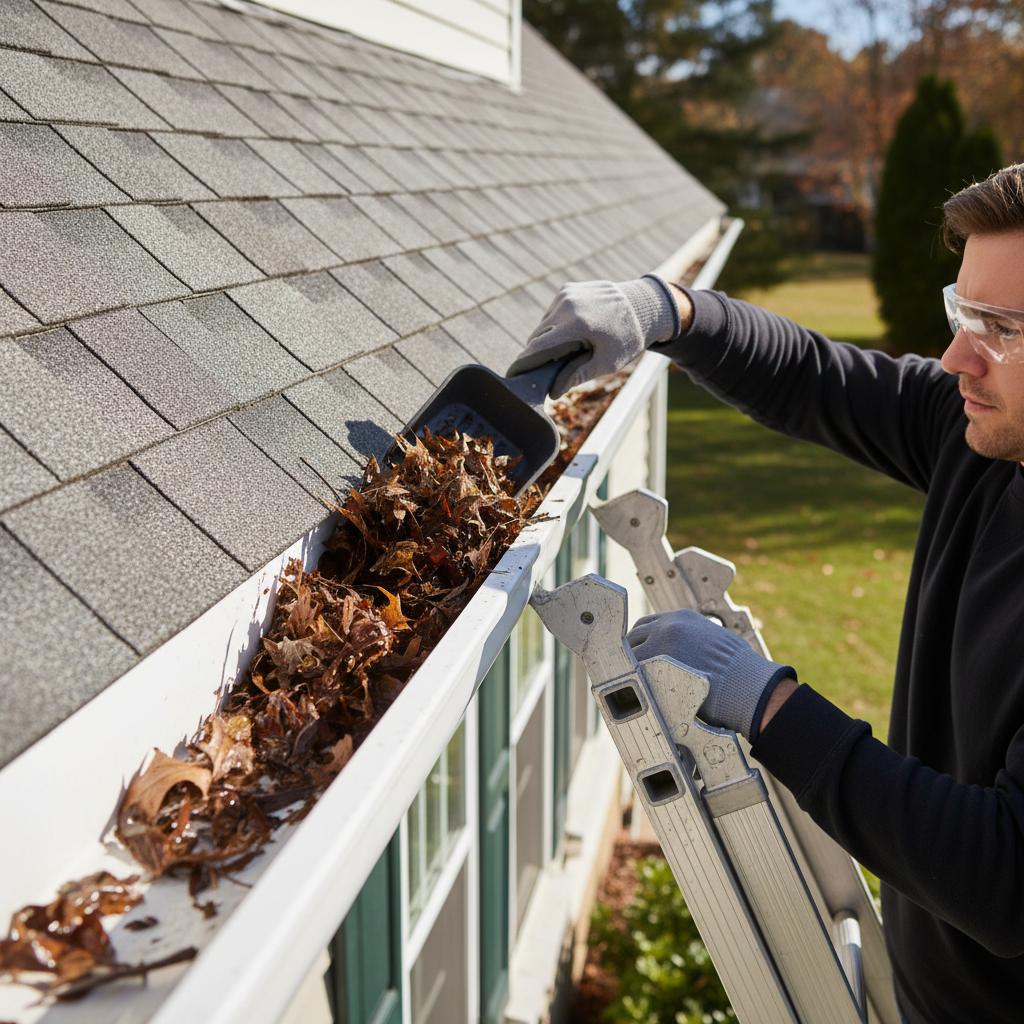
- Leaves and Tree Debris: The most obvious and frequent culprit. Deciduous trees shed leaves directly into gutters, but even evergreens drop needles annually. Nearby trees, regardless of type, will deposit debris.
- Shingle Grit: As asphalt shingles age, they shed granules (grit). This granular material accumulates in gutters and downspouts, acting like silt and contributing to clogs, especially when mixed with other organic matter.
- Nests and Pests: Birds, rodents, and insects sometimes build nests in gutters or downspouts, creating significant blockages that can be surprisingly tough to remove.
- Pine Needles: These thin, dense needles can pack together very tightly, forming almost impenetrable mats that prevent water flow.
- Improper Gutter Pitch: If gutters aren't installed with the correct slope (a minimum of 1/4 inch per 10 feet towards the downspout), water will sit and collect debris, accelerating clogs.
Plumbing · Clog
| Project category | Plumbing |
|---|---|
| Problem type | Clog |
| Trade required | Plumbing |
| Urgency | Soon — within weeks |
| Safety risk | Low safety risk |
| DIY suitability | DIY friendly |
| Cost category | Low cost |
| Typical timeline | Same-day DIY attempt; pro visit within a day or two |
| Contractor type | Licensed plumber |
Repair option
Plunger, hand auger, or trap cleanout before chemicals.
Replacement option
Line replacement when clogs return in the same spot repeatedly.
Common causes
- Hair and soap buildup in the trap
- Grease cooling in the branch line
- Flushed wipes or foreign objects
Relevant tools:diy difficultydiy or hire a pro
Published June 10, 2026Last updated August 17, 2026
Tools & materials you'll need
Affiliate linksAs an Amazon Associate FixlyGuide earns from qualifying purchases — at no extra cost to you. Prices and availability are accurate as of publication and subject to change.
Quick Answer
Clogged gutters are a leading cause of preventable roof damage, often costing homeowners thousands in repairs. By routinely clearing out leaves, twigs, and other debris—typically twice a year in spring and fall—you can ensure your home's drainage system functions correctly. This critical maintenance step prevents water from overflowing, backing up under shingles, rotting fascia boards, and eroding your home's foundation. A simple hour or two of work can save you from costly headaches down the line.
The Problem
Imagine a tiny dam forming on the edge of your roof, just above your gutters. That's essentially what happens when your gutters become packed with debris. Instead of directing rainwater safely away from your home's foundation, the water has nowhere to go. It backs up, overflows, and often takes the path of least resistance—which is often directly onto your fascia boards, soaking into your soffits, or seeping under your roof shingles. This seemingly minor issue can quickly escalate into significant problems: rotted fascia and soffit, damaged roof decking, compromised roof trusses, mold growth in your attic, eroded landscaping, and even foundation cracks caused by hydrostatic pressure.
A single heavy rainstorm on a clogged gutter system can cause immediate overflow, but the long-term, slow drip of water is often the most insidious. Over months and years, this constant moisture exposure leads to wood rot, mildew, and structural degradation that is expensive and difficult to repair. The good news is that this entire cascade of damage is almost entirely preventable with a bit of proactive maintenance.
How It Works
Your home's gutter system is a crucial component of its overall water management strategy, working in conjunction with your roof to protect the structure. When rain falls on your roof, it's designed to shed water down the sloped surfaces. The gutters, typically half-round or K-style channels made of aluminum, vinyl, steel, or copper, are installed along the eaves (the edges of your roof) to catch this runoff. These horizontal channels are installed with a slight pitch—a very subtle slope—towards the downspouts. This pitch relies on gravity to guide the collected water efficiently towards the downspouts.
Downspouts are vertical pipes that connect to the gutters and extend downwards, typically terminating a few feet away from the foundation via an elbow or an extension. Their purpose is to safely channel the water from the roof and gutters away from the house, preventing it from saturating the ground directly adjacent to the foundation, which could lead to basement flooding, foundation issues, or soil erosion. A well-functioning gutter and downspout system ensures that thousands of gallons of water are diverted away from your home during a typical year.
When gutters become filled with leaves, twigs, shingle grit, and other debris, this careful system breaks down. The debris acts like a sponge, holding moisture, and preventing water from flowing freely to the downspouts. If the blockage is severe enough, water will simply spill over the sides of the gutters, defeating their purpose entirely. Worse, when the debris-laden water sits in the gutters, it can freeze in colder climates, expanding and putting immense strain on the gutter hangers, potentially pulling the gutters away from the fascia. Even more critically, persistent water trapped in or overflowing from gutters can wick up under the roofing materials (shingles, underlayment), leading to water infiltration into the roof decking and attic space. This directly causes wood rot, mold, and can compromise the structural integrity of your roof and the overall health of your home.
Step-by-Step Fix
1. Safety First – Always prioritize safety when working at heights.
Before you even think about climbing a ladder, assess your surroundings. Ensure your ladder is sturdy, placed on level ground, and extended at least three feet above the gutter line. Wear heavy-duty gloves to protect your hands from sharp debris and potential pests. Safety glasses are also a must to shield your eyes from falling debris or splashes. Consider having a spotter at the base of the ladder, especially if you're uncomfortable with heights or working on a particularly tall house. Never lean too far from the ladder; move the ladder frequently to stay directly in front of your work area. If your roof is too steep or your home is multi-story, seriously consider professional help.
- Ladder Safety: Choose an extension ladder appropriate for the height. Ensure all locks are engaged, and the ladder is angled correctly (approximately a 75-degree angle). Never work during windy or wet conditions.
- Personal Protection: Heavy work gloves, safety glasses, long sleeves, and sturdy, non-slip shoes are essential.
2. Clear Large Debris Manually – Remove the bulk of leaves and twigs.
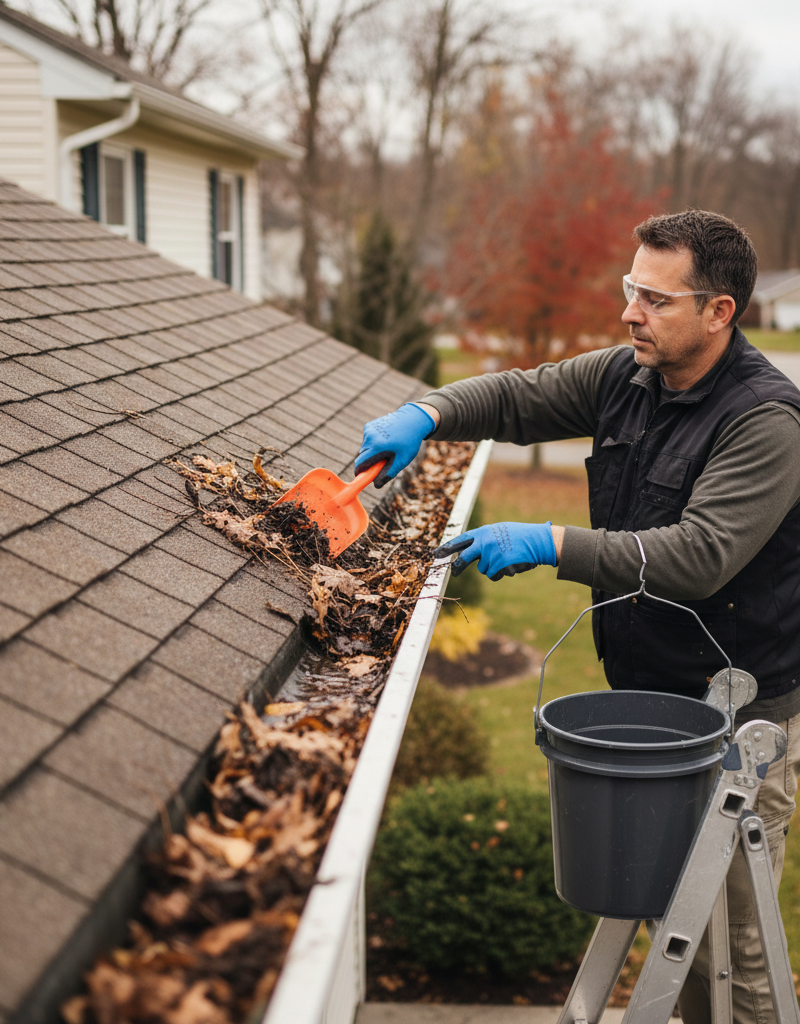
Starting at one end of a gutter section, use your hands (gloved, of course!) or a small gutter scoop to remove large clumps of leaves, twigs, shingle grit, and any other accumulated debris. Place this debris into a bucket attached to your ladder, a tarp on the ground, or directly into a trash bag. Work your way along the entire length of the gutter. Pay special attention to areas around downspout openings, which are prone to becoming heavily clogged. If you encounter any significant blockages that are too dense to remove by hand, you may need a small trowel or a hose with a strong nozzle.
- Gutter Scoop: A plastic gutter scoop is curved to fit the gutter shape and makes debris removal easier and cleaner.
- Bucket/Bag: Have a system to collect debris; don't just dump it on the ground below, as this creates a mess and could damage landscaping.
3. Flush the Gutters – Use water to clear remaining grit and test flow.
Once the larger debris is removed, use a garden hose with a high-pressure nozzle to flush out any remaining sediment, dirt, and smaller leaves. Start at the opposite end of the downspout and work your way towards it. Observe the water flow. It should move freely and quickly towards and down the downspout. If water pools or moves slowly, there might be a subtle dip in the gutter's pitch or a hidden blockage you missed. If you notice leaks, mark their locations for later repair.
- Hose Nozzle: A jet or high-pressure spray setting works best for dislodging stubborn residue.
- Observe Pitch: Ensure the gutter has a consistent, gentle slope towards the downspout. If not, the hangers may need adjustment.
4. Check Downspout Openings – Ensure water can enter the downspout freely.
Before tackling the downspouts themselves, visually inspect the opening where the gutter connects to the downspout. Often, debris can form a 'plug' right at this transition point. Clear any blockages here with your gloved hand or a small gutter scoop. If you can see daylight through the opening, it's likely clear. If not, proceed to the next step.
5. Clear Downspout Blockages – Address clogs within the vertical pipes.
If water isn't flowing freely down the downspout after flushing the gutters, you have a clog. First, try flushing water directly down the downspout from the top with your hose. If that doesn't work, you'll need a plumber's auger (snake) or a specialized downspout cleaning tool. Insert the auger from the top of the downspout and gently push it downwards, twisting it as you go, until you encounter and break through the blockage. Alternatively, you may need to disconnect the downspout sections at the bottom (usually with screws) to access and clear the blockage from below. Always re-secure any disconnected sections tightly.
- Plumber's Auger: A small, flexible auger can reach deep into downspouts.
- Downspout Disconnection: For stubborn clogs, disconnecting the elbow at the bottom allows you to clear from both ends.
6. Inspect for Damage and Leaks – Look for areas needing repair.
After cleaning, take a moment to inspect your gutters, downspouts, fascia, and soffits. Look for any signs of damage: rust spots, cracks, loose hangers, sagging sections, or holes. Check the seams and end caps for leaks, especially during the flushing process. Leaks, even minor ones, can lead to prolonged moisture exposure and eventual rot. Note any sagging; this often indicates loose hangers or an incorrect pitch. Also, inspect the condition of your roof's edge and fascia boards for any water staining, discoloration, or softness, which are tell-tale signs of long-term gutter overflow.
- Sagging Gutters: May need hanger replacement or adjustment to re-establish proper pitch.
- Rust/Holes: Small holes can sometimes be patched with gutter sealant; larger holes or extensive rust warrant section replacement.
7. Address Minor Repairs (If Applicable) – Patch small holes, re-secure loose sections.
For small holes or cracks in metal gutters, clean the area thoroughly with a wire brush and apply a generous amount of gutter sealant or silicone caulk. For loose hangers, use appropriate screws (stainless steel is best to prevent rust) to re-secure them to the fascia board. If you have sagging gutters, you'll need to re-adjust the hangers or add more if they are spaced too far apart, ensuring a consistent slope of about 1/4 inch per 10 feet toward the downspout. For vinyl gutters, ensure clips are intact and segments are securely joined. If downspout elbows or extensions are damaged, replace them.
- Gutter Sealant: Use an outdoor-rated, waterproof sealant for repairs.
- Hanger Spacing: Aim for hangers every 2-3 feet for optimal support and pitch integrity.
8. Evaluate Downspout Extensions – Ensure proper drainage away from the foundation.
Confirm that all downspout extensions are directing water at least 5-10 feet away from your home's foundation. If the extensions are too short, or if they're directing water into garden beds directly against the foundation, consider adding longer extensions or splash blocks. This is crucial for preventing water from pooling around the foundation, which can lead to basement leaks or structural damage.
- Extension Length: Longer is generally better, as long as it doesn't obstruct walkways.
- Splash Blocks: Concrete or plastic blocks help disperse water further away from the foundation.
Common Causes
- Leaves and Tree Debris: The most obvious and frequent culprit. Deciduous trees shed leaves directly into gutters, but even evergreens drop needles annually. Nearby trees, regardless of type, will deposit debris.
- Shingle Grit: As asphalt shingles age, they shed granules (grit). This granular material accumulates in gutters and downspouts, acting like silt and contributing to clogs, especially when mixed with other organic matter.
- Nests and Pests: Birds, rodents, and insects sometimes build nests in gutters or downspouts, creating significant blockages that can be surprisingly tough to remove.
- Pine Needles: These thin, dense needles can pack together very tightly, forming almost impenetrable mats that prevent water flow.
- Improper Gutter Pitch: If gutters aren't installed with the correct slope (a minimum of 1/4 inch per 10 feet towards the downspout), water will sit and collect debris, accelerating clogs.
- Sagging Gutters: Over time, loose or improperly spaced hangers can cause gutters to sag, creating low spots where water and debris accumulate instead of flowing away.
- Missing Gutter Guards (or ineffective ones): While not a complete solution, gutter guards can significantly reduce the amount of debris entering the system. However, cheap or poorly installed guards can sometimes make cleaning harder or still allow grit and small debris to bypass them.
Common Mistakes
- Ignoring Gutter Cleaning Entirely: The biggest mistake of all. Doing nothing is a guarantee for future damage. Commit to a regular cleaning schedule, even if it's just once a year.
- Cleaning Only When There's an Obvious Problem: Waiting until you see water overflowing or hear strange gurgling sounds means the problem is already advanced. Proactive cleaning prevents these issues.
- Not Clearing Downspouts Completely: Many DIYers clean the horizontal gutters but neglect to thoroughly flush and clear the vertical downspouts. A clear gutter with a clogged downspout is still a non-functioning system.
- Using a Power Washer Incorrectly: While a power washer can clear stubborn clogs, using it at full force on soft aluminum or vinyl gutters can warp or damage them. Use a lower pressure or a specialized gutter cleaning attachment.
- Over-reliance on Gutter Guards: Gutter guards reduce debris, but they don't eliminate the need for occasional inspection and cleaning. Fine shingle grit, seeds, and small leaves can still get through, or accumulate on top of the guards themselves.
- Working Unsafely on a Ladder: Rushing, overreaching, or working on unstable ground are common and dangerous mistakes. A fall from even a single story can result in serious injury. Always prioritize safety over speed.
- Not Inspecting Beyond the Gutter: Failing to check the fascia, soffit, and roofline for signs of water damage (stains, rot) after cleaning. These are crucial indicators that previous clogs caused issues needing attention.
Cost & Time Breakdown
| Task | DIY cost | Pro cost | Time |
|---|---|---|---|
| Gutter Cleaning (1-story home) | $0-$30 | $100-$250 | 1-2 hours |
| Gutter Cleaning (2-story home) | $0-$50 | $200-$500+ | 2-4 hours |
| Minor Gutter Repair (sealant) | $10-$20 | $50-$100+ (trip) | 15-30 minutes |
| Downspout Unclogging | $0-$40 (auger) | $75-$200+ | 30-60 minutes |
| Basic Gutter Hanger Replace | $5-$15 | $50-$100 | 30-60 minutes |
Tips & Prevention
- Schedule Biannual Cleanings: Aim to clean your gutters at least twice a year: once in late spring after tree pollen and initial leaf drop, and once in late fall after all deciduous leaves have fallen. In heavily wooded areas, you might need more frequent checks.
- Consider Gutter Guards: While not maintenance-free, quality gutter guards (like micro-mesh or reverse curve designs) can significantly reduce the frequency and effort of cleanings. Research options carefully, as some types are more effective than others and some can even exacerbate certain issues if not installed correctly.
- Trim Overhanging Branches: Pruning tree branches that hang directly over your roof can drastically cut down on the amount of leaves, twigs, and sap falling into your gutters. This also helps prevent direct contact with the roof surface, which can damage shingles.
- Extend Downspouts Properly: Ensure all downspout extensions direct water at least 5-10 feet away from your foundation. Utilize splash blocks or underground drainage systems where needed to prevent water from pooling near your home's base.
- Regular Visual Inspections: During heavy rains, take a quick walk around your house to observe your gutters. Are they overflowing? Is water spilling out? Is there any noticeable sagging? Early detection of issues can prevent them from escalating.
- Check for Shingle Granule Buildup: If you notice an excessive amount of shingle granules in your gutters during cleaning, it could indicate that your roof is aging and nearing the end of its life. This is a good time to have a professional roofer assess its condition.
When to Call a Professional
While gutter cleaning is a manageable DIY task for many homeowners, there are clear instances when calling a professional is the safer and smarter choice. If your home is multiple stories high, has a steep roof pitch, or if you are uncomfortable working on ladders, a professional gutter cleaning service is highly recommended. Professionals have specialized equipment, including taller ladders, fall protection gear, and high-powered vacuums, allowing them to complete the job safely and efficiently. Also, if you discover extensive damage during your initial inspection—such as widespread wood rot on fascia and soffits, significant sagging that indicates structural issues, large holes in your gutters, or persistent clogs that you can't clear with an auger—these warrant the expertise of a professional gutter repair specialist or a roofer. They can accurately assess the extent of the damage, make structural repairs, or recommend gutter replacement if necessary, ensuring the problem is addressed correctly to prevent further, more costly deterioration.
Related Articles
Keep troubleshooting with these hand-picked guides from FixlyGuide:
- The #1 Mistake Homeowners Make Cleaning Gutters (And How to Fix It) — Discover the biggest gutter cleaning mistake that leads to costly roof damage and learn the right way to protect your home.
- The One Reason Your Refrigerator Fails (While the Freezer Doesn't) — If your freezer works but your refrigerator isn't cooling, the most common culprit is a blocked or malfunctioning defrost drain system.
- The #1 Reason Your AC Blows Warm Air (And It's Not What You Think) — A dirty air filter is often the overlooked culprit behind an air conditioner blowing warm air, hindering its ability to cool your home effi…
- The #1 Reason Your AC Fan Won't Spin (And the 20-Minute Fix) — Diagnose and fix a non-spinning AC condenser fan with our step-by-step guide, saving you money and restoring your home's cool air.
- The #1 Mistake Homeowners Make Installing a Smart Thermostat (and How to Fix It) — Avoid the most common pitfall when installing a smart thermostat yourself and ensure a smooth, energy-efficient setup.
- The #1 Gutter Mistake You're Making (And 3 Hidden Causes of Overflow) — Overflowing gutters in heavy rain are often a sign of a deeper issue than just debris, leading to potential foundation damage and costly re…
Should you do this yourself?
Answer five quick questions before you start. Safety outranks savings every time.
Your experience with work like this
How high do you have to work?
Does the job involve any of these?
Will it need a permit?
Specialty tools
Free and instant. Educational guidance only — not a quote, inspection, or professional diagnosis.
Questions to ask before you sign
Ask every contractor the same questions and the cheapest bid stops looking cheapest. Check them off as you go — your progress is saved on this device.
Free, no signup. Bring this to every walkthrough so you compare bids on the same terms.
What should this project cost?
Enter your project details for a realistic cost range before you call anyone.
Service calls and common repairs run $150–$900; full system replacement typically $6,000–$12,000.
- Regional adjustment
- National average
- Labor share (typical)
- ~$1,935
- Quotes to collect
- 3 written estimates
Educational estimate based on national averages — not a binding quote. Always confirm with written local estimates.
Fixly Project Decision Box
- DIY difficulty
- Professional Recommended
- Estimated time
- Inspection 1–2 hours · repairs 1–3 days
- Cost level
- High
Main tools / materials
- Binoculars for a ground-level look
- Flashlight for attic checks
- Moisture meter
- Roofing cement (temporary patch only)
When to stop and call a pro
- Active leak near lights, fans, or any wiring
- Sagging, bulging, or water-filled ceiling
- Steep, wet, or two-story roof — do not climb it
- Storm or hail damage you plan to claim on insurance
Need professional help?
Free roof assessment first — no phone calls until you ask for them.
Get Local Roofing HelpGet help with your roof now
Stay off the roof. These free tools help you protect the house and reach the right professional fast.
- Emergency repair checklistThe first steps that limit damage before a pro arrives.Open
- Repair or replace your roof?Answer 10 questions about age, leaks, and damage to get a clear next step.Open
- Get local estimatesSend one request and compare written estimates from vetted pros.Open
Free, no signup required. Estimates are educational guidance, not a quote or an inspection.
Frequently asked questions
How often should I clean my gutters?+
Most homes need gutter cleaning at least twice a year: once in late spring after tree pollen and initial leaf drop, and again in late fall once all deciduous trees have shed their leaves. Homes in heavily wooded areas may require more frequent cleanings, sometimes even quarterly, to prevent excessive buildup and ensure proper drainage.
What happens if I don't clean my gutters?+
Neglecting gutter cleaning can lead to severe and costly damage. Clogged gutters cause water to overflow, leading to rotten fascia boards, damaged soffits, compromised roof decking, basement flooding, foundation cracks due to hydrostatic pressure, and soil erosion around your home's perimeter. Mold growth in attics and wall cavities is also a significant risk.
Can gutter guards prevent all clogs?+
While gutter guards significantly reduce the amount of debris entering your gutters, no system is entirely maintenance-free. Fine shingle grit, small seeds, and certain types of pollen can still pass through or accumulate on top of the guards. Regular inspection and occasional cleaning are still necessary, though less frequent than with unprotected gutters.
What tools do I need to clean my gutters?+
Essential tools for gutter cleaning include a sturdy extension ladder, heavy-duty work gloves, safety glasses, a small gutter scoop, a garden hose with a high-pressure nozzle, a bucket for debris, and potentially a plumber's auger or a specialized downspout cleaning tool for stubborn clogs. Ensure all tools are in good working order before you begin.


Discussion
Loading comments…