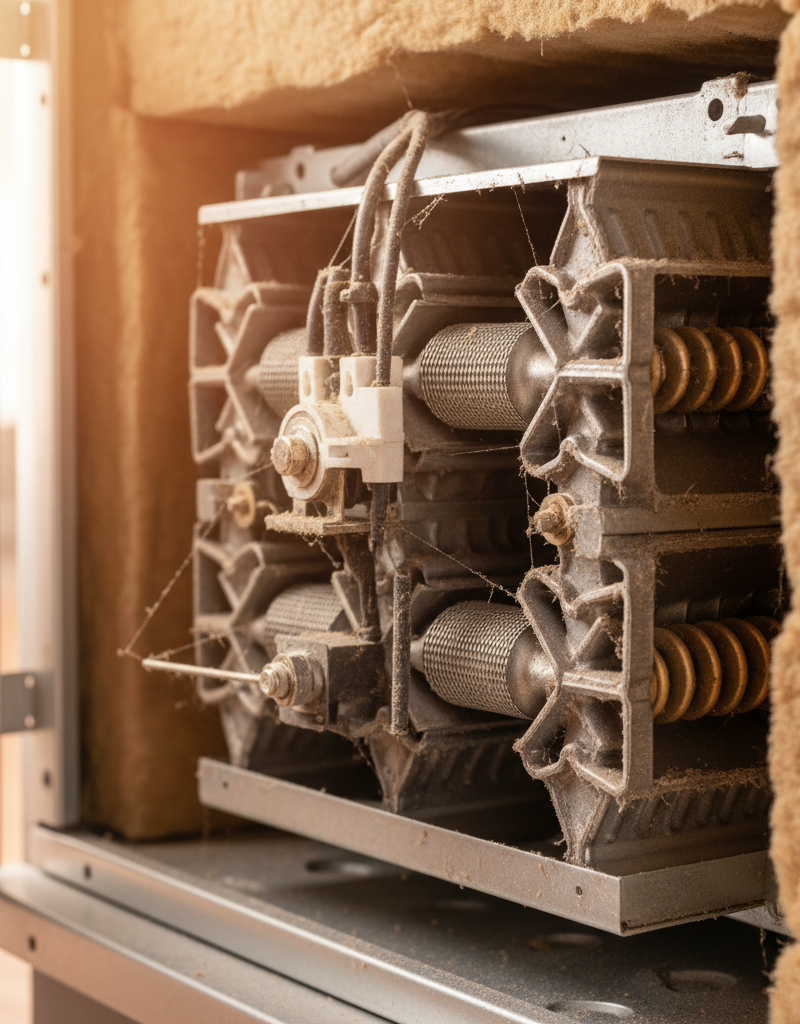
- Accumulated Dust Burn-Off: The most frequent cause, especially at the start of the heating season, as dust settles on the furnace's heat exchanger or electric elements. This is usually harmless and dissipates quickly.
- Dirty Air Filter: A clogged filter restricts airflow, increasing the amount of dust that bypasses the filter and settles on heating components. It also makes your furnace work harder.
- Dirty Ductwork: Years of dust, pet hair, and debris accumulating in the air ducts can be stirred up and sent through the furnace, contributing to smells.
- Foreign Objects in Ducts: Small toys, loose insulation, or even dead pests can get into ducts and decompose or burn when heated, creating strong, unpleasant odors.
- Electrical Issues: A distinct 'electrical burning' or 'ozone' smell (like burning plastic or wiring) can indicate overheating wires, components, or a failing motor. This is a serious fire hazard.
HVAC · High energy usage
| Project category | HVAC |
|---|---|
| Problem type | High energy usage |
| Trade required | HVAC |
| Urgency | Planned project |
| Safety risk | Low safety risk |
| DIY suitability | DIY for experienced homeowners |
| Cost category | High cost |
| Typical timeline | Assessment within weeks; replacement planned off-season |
| Contractor type | Licensed HVAC technician |
Repair option
Duct sealing, insulation, and a tune-up before touching the equipment.
Replacement option
High-efficiency replacement sized by a load calculation, not a rule of thumb.
Common causes
- Aging, low-efficiency equipment
- Leaking ducts losing conditioned air
- Insufficient attic insulation
- Oversized system short-cycling
Relevant tools:project cost estimatorrepair or replace
Published July 10, 2026Last updated August 17, 2026
Tools & materials you'll need
Affiliate linksAs an Amazon Associate FixlyGuide earns from qualifying purchases — at no extra cost to you. Prices and availability are accurate as of publication and subject to change.
Quick Answer
That odd, often described as 'burning dust' or 'dirty socks' smell emanating from your heat vents when your furnace first fires up is, in the vast majority of cases, the result of dust and debris that has settled on the heating components over the warmer months. When the furnace activates for the first time in a while, or after a prolonged period of inactivity, these particles burn away, releasing the noticeable odor. While this is frequently a harmless, self-correcting issue, it also serves as a critical indicator that your HVAC system, particularly your air filter, may be overdue for attention. Ignoring persistent smells or those accompanied by other symptoms could lead to reduced air quality, decreased system efficiency, or even more significant mechanical problems.
The Problem
It’s a crisp autumn evening, you crank up the thermostat for the first time, and within minutes, a distinct, often unpleasant smell wafts from your heating vents. For many homeowners, this is a familiar experience: a dusty, perhaps even slightly acrid or metallic scent, sometimes described as burning hair or a faint electrical odor. While your immediate thought might be alarm, this phenomenon is incredibly common and usually benign. However, the 'burning dust' smell isn't just an inconvenience; it's a symptom. It tells a story about your HVAC system's recent history and its current state. Understanding the underlying causes is key to determining whether to ignore it, address it with simple DIY, or call in a professional.
How It Works
To understand why your vents might smell, it's helpful to quickly grasp how your furnace generates and distributes heat. Most residential furnaces, whether gas, electric, or oil, operate on a similar fundamental principle: a heat source warms air, and a blower motor then pushes that warmed air through ductwork and out into your living spaces via registers or vents.
In a gas furnace, natural gas or propane is ignited in a combustion chamber, and the resulting hot gases pass through a heat exchanger. Air from your home's return ducts is drawn over the outside of this heat exchanger, absorbing heat without ever mixing with the combustion gases. This warmed air is then pushed by the blower fan through your supply ducts. Electric furnaces use electric resistance coils, similar to a giant toaster, to heat the air directly. Oil furnaces burn fuel oil to generate heat, also using a heat exchanger.
Regardless of the fuel source, dust, pet dander, pollen, and other airborne particles are constantly circulating in your home's air. When your furnace sits idle for weeks or months during warmer seasons, these particles settle. Critically, some settle on the heat exchanger or electric heating elements themselves. When the furnace kicks on, these previously cool surfaces rapidly heat up, causing the accumulated dust and organic matter to literally burn or char away. This process releases the characteristic 'burning dust' smell. The smell is often strongest during the initial heating cycles of the season as a significant amount of accumulated dust is incinerated. As the season progresses and the furnace runs more regularly, this initial dust layer is consumed, and the smell typically diminishes or disappears, provided your air filter is doing its job.
The ductwork itself also plays a role. Over time, dust can settle inside the ducts, especially in less-used branches. When the blower fan starts, air rushes through, stirring up this settled dust, which can then be carried through the heated furnace and contribute to the smell. Furthermore, humidity, condensation, and even small organic growth (like mold or mildew, especially in AC coils or humidifiers) can contribute to a 'musty' or 'dirty socks' odor that may become more apparent when heated.
Step-by-Step Fix
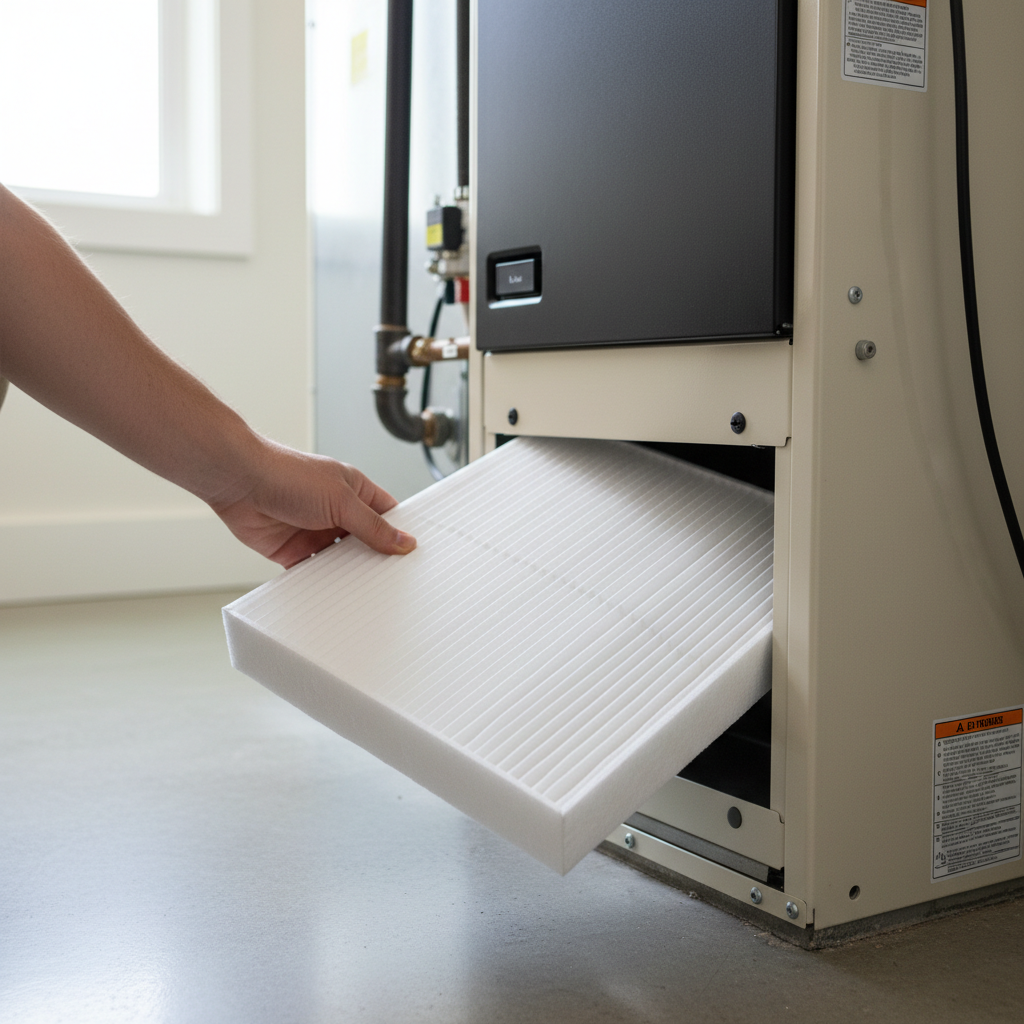
1. Check Your Air Filter — The first and easiest diagnostic.
The most common culprit for strange smells, and a critical component for system health. A dirty filter restricts airflow, forcing your furnace to work harder and potentially leading to overheating or poor filtration, allowing more dust to reach the heat exchanger. Replace your filter every 1-3 months, or more frequently if you have pets or allergies.
- What to do: Locate your furnace's air filter slot (usually near the blower motor or return air duct). Note the direction of the airflow arrow on the filter. Remove the old filter. If it's visibly dirty (caked with dust, dark gray/brown), it’s definitely contributing to the problem. Insert a new, clean filter, ensuring the arrow points toward the furnace.
- If this doesn't work: A new filter won't instantly remove all dust from the heat exchanger, but it should improve system efficiency and reduce future dust accumulation. If the smell persists after a few heating cycles with a new filter, move to the next steps.
2. Allow for Initial Burn-Off — The seasonal adjustment.
If it's the first time you're turning on the heat for the season, a burning dust smell is often a temporary, self-correcting issue. The furnace is simply burning off dust that settled during its dormant period.
- What to do: Turn on your furnace and let it run for 15-30 minutes. Ensure good ventilation by opening a window slightly in the room where the smell is strongest. Stay alert for any strong, acrid, or electrical smells that persist or intensify, as these indicate a more serious problem.
- Safety Note: Never leave your furnace unattended during initial burn-off if the smell is intense or accompanied by smoke or alarm triggers. If the smell is acrid or chemical, or if you see smoke, shut off the furnace immediately and call a professional.
3. Inspect and Clean Your Registers/Vents — Surface level solutions.
Dust and debris can settle on and within the registers themselves, burning off when hot air passes through.
- What to do: Using a screwdriver (if necessary), remove the registers from the floor, wall, or ceiling. Use a vacuum cleaner (with a brush attachment) to thoroughly clean both sides of the register. Look down into the duct opening and vacuum any visible dust or debris as far as you can reach. Consider cleaning the inside of the registers with a damp cloth and mild soap, ensuring they are completely dry before reinstallation.
- If the smell persists: This suggests the source is deeper within the ductwork or the furnace itself.
4. Check for Obstructed Return Air Vents — Ensuring proper air intake.
Blocked return vents can starve your furnace of air, leading to inefficient operation and potentially circulating more dust.
- What to do: Ensure all return air vents in your home are unobstructed by furniture, rugs, or drapes. Visually inspect them for significant dust buildup and clean as needed with a vacuum.
5. Clean Around the Furnace Unit — Preventing dust ingress at the source.
An accumulation of dust and debris around the furnace itself can be drawn into the system.
- What to do: Using a vacuum cleaner with a hose attachment, thoroughly clean the area immediately surrounding your furnace. Pay attention to the furnace cabinet, the floor, and any open vents around the unit. Ensure the power to the furnace is off at the breaker before cleaning near electrical components.
- Safety Note: Always turn off the power to your furnace at the breaker before cleaning any part of the unit or touching internal components. Do not open the combustion chamber or touch the heat exchanger. If you are unsure, do not proceed.
6. Consider a Duct Cleaning — For persistent, widespread odors.
While often debated for its effectiveness, professional duct cleaning can remove years of accumulated dust, pet dander, and other debris from your entire ductwork system, which can contribute to odors.
- What to do: If other methods haven't worked and the smell is pervasive throughout your home, research reputable NADCA-certified duct cleaning companies in your area. Obtain multiple quotes and ask for details on their cleaning process, including the equipment they use and whether they clean all supply and return ducts, as well as the main trunk lines.
- Cost note: Duct cleaning can be expensive and is often not necessary unless there's a specific issue like mold, pest infestation, or significant construction dust.
7. Inspect the Humidifier (If Applicable) — A source of musty odors.
If your furnace has an attached whole-house humidifier, it can become a breeding ground for mold or mildew, especially if not properly maintained.
- What to do: Turn off the humidifier. Many humidifiers have a water panel or reservoir that needs regular cleaning or replacement. Consult your humidifier's manual for specific cleaning instructions. Look for visible signs of mold or mineral buildup. Replace water panels annually.
8. Professional Inspection for Deeper Issues — When DIY isn't enough.
If the smell persists, changes, or is accompanied by other problems, a professional HVAC technician can perform a thorough inspection.
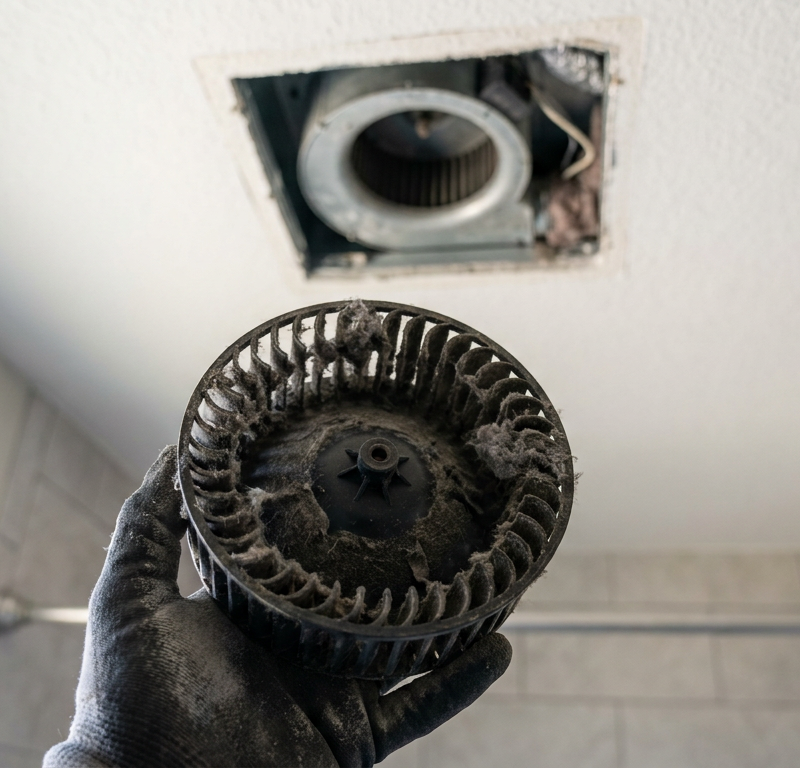
- What to do: Explain the specific smell and when it occurs. The technician can inspect the heat exchanger for cracks, clean internal components (like the blower wheel and coils), check for electrical issues, and diagnose any other potential sources of odor.
Common Causes
- Accumulated Dust Burn-Off: The most frequent cause, especially at the start of the heating season, as dust settles on the furnace's heat exchanger or electric elements. This is usually harmless and dissipates quickly.
- Dirty Air Filter: A clogged filter restricts airflow, increasing the amount of dust that bypasses the filter and settles on heating components. It also makes your furnace work harder.
- Dirty Ductwork: Years of dust, pet hair, and debris accumulating in the air ducts can be stirred up and sent through the furnace, contributing to smells.
- Foreign Objects in Ducts: Small toys, loose insulation, or even dead pests can get into ducts and decompose or burn when heated, creating strong, unpleasant odors.
- Mold or Mildew: Particularly if your system includes an air conditioner or humidifier, moisture can lead to mold or mildew growth in coils, drip pans, or ductwork, producing a musty or 'dirty socks' smell that becomes more noticeable when heated.
- Electrical Issues: A distinct 'electrical burning' or 'ozone' smell (like burning plastic or wiring) can indicate overheating wires, components, or a failing motor. This is a serious fire hazard.
- Cracked Heat Exchanger (Gas Furnace): While rare, a cracked heat exchanger in a gas furnace can allow combustion gases (including carbon monoxide) to mix with your indoor air. This might produce a metallic or chemical smell and is extremely dangerous. Always call a pro immediately if you suspect this.
Common Mistakes
- Ignoring the Smell: Assuming every smell is just 'burning dust.' While often true, persistent, strong, or unusual smells (electrical, chemical, rotten eggs) should never be ignored. They signal a potential safety hazard or a system malfunction.
- Failing to Change Air Filters Regularly: This is the single biggest maintenance mistake homeowners make. A dirty filter leads to decreased efficiency, poor air quality, and can compound odor problems by allowing more dust to reach heating elements.
- Spraying Air Fresheners into Vents: This doesn't solve the underlying problem and can sometimes worsen air quality by mixing chemicals with existing odors. It also introduces more particulates into your ductwork.
- Delaying Professional Service: If recurring or changing smells are coupled with other symptoms like decreased heating performance, unusual noises, or tripping breakers, waiting to call a professional can turn a minor issue into a major, costly repair.
- Overlooking Humidifier Maintenance: For homes with whole-house humidifiers, forgetting to clean or replace the water panel annually is a common oversight that leads to moldy or musty smells.
- DIYing Complex Diagnoses: Attempting to diagnose electrical issues, gas leaks, or heat exchanger problems yourself without proper training and tools is extremely dangerous and should never be attempted. These require licensed professionals.
Cost & Time Breakdown
| Task | DIY Cost | Pro Cost | Time |
|---|---|---|---|
| Air Filter Replacement | $10–$30 | $0 (part of service) | 5 minutes |
| Vent/Register Cleaning | $0 | $0 (part of service) | 15–30 minutes |
| Vacuum Around Furnace | $0 | $0 (part of service) | 10 minutes |
| Humidifier Maintenance | $15–$50 (panel) | $75–$150 | 15–30 minutes |
| Professional Duct Cleaning | N/A | $300–$700 | 3–8 hours |
| HVAC System Inspection/Cleaning | N/A | $100–$250 | 1–2 hours |
Tips & Prevention
- Regular Filter Changes: This is paramount. Mark your calendar or set a recurring reminder to check and replace your air filter every 1-3 months. Opt for high-quality pleated filters (MERV 8-11) for better dust capture.
- Annual Professional Tune-up: Schedule a yearly furnace inspection and cleaning before the heating season begins. A professional can clean internal components, check for wear and tear, and catch potential issues before they become major problems.
- Keep Area Around Furnace Clear: Ensure the area around your furnace is clean and free of clutter, especially flammable materials. This reduces dust ingress and ensures proper airflow.
- Seal and Insulate Ducts: Leaky ducts can draw in dust from unconditioned spaces like attics or crawl spaces. Sealing and insulating ducts can improve efficiency and reduce dust entry.
- Monitor Humidity Levels: Maintain indoor humidity between 30-50% to discourage mold and mildew growth, especially if you use a humidifier.
- Listen to Your Furnace: Pay attention to new or unusual noises. Rattling, grinding, or squealing sounds can indicate mechanical issues developing.
- Carbon Monoxide Detectors: Install and regularly test carbon monoxide detectors on every level of your home, especially if you have a gas furnace. This is a critical safety measure.
When to Call a Professional
While a faint, temporary burning dust smell at the start of the heating season is usually nothing to worry about, certain smells or accompanying symptoms are clear signals to call a licensed HVAC professional immediately. If you detect a strong, acrid, metallic, or 'electrical burning' smell (like melting plastic or ozone), this could indicate overheating wiring, a failing motor, or other serious electrical component issues that pose a fire risk. Similarly, a persistent smell resembling rotten eggs, sulfur, or a chemical odor could indicate a natural gas leak, which is extremely dangerous; evacuate your home and call your gas company and/or fire department from a safe distance. If you suspect a cracked heat exchanger (often causing a metallic or chemical smell and accompanied by carbon monoxide warnings), shut off your furnace and call a professional without delay. Any smell accompanied by visible smoke, sparks, a tripped circuit breaker, or a significant decrease in heating performance warrants an immediate professional inspection. Never attempt to diagnose or repair gas lines or electrical components within your furnace yourself; these tasks require specialized training, tools, and licensing to ensure safety and compliance.
Related Articles
Keep troubleshooting with these hand-picked guides from FixlyGuide:
- What's That Burning Dust Smell When Your Heat Kicks On? The HVAC Secret — That burning dust smell when your furnace starts is usually harmless, but it signals it's time for some essential HVAC maintenance.
- What's That Burning Dust Smell When Your Heat Kicks On? The HVAC Secret — That weird smell when your furnace starts isn't always serious, but understanding its cause can prevent bigger issues and improve home air…
- Bathroom fan smell? 3 hidden culprits for mold & moisture — A musty smell from your bathroom fan often signals trapped moisture and mold growth in the fan housing or ductwork, a fixable issue that ha…
- That 'Energy-Saving' HVAC Trick Is Costing You Money — You've heard the advice: close HVAC vents in unused rooms to save on heating and cooling. But this common practice is a myth. It actually h…
- The Secret Reason Your Oven Fails to Heat (It's NOT Always the Element) — Discover why your oven isn't reaching its set temperature, from common part failures to overlooked calibration issues, and how to fix it.
- The Secret Cause of Ceiling Fan Wobble (It's Not Always What You Think) — A wobbling ceiling fan isn't just annoying; it can be a sign of a deeper issue. Learn the common culprits and how to restore balance safely.
What should this project cost?
Enter your project details for a realistic cost range before you call anyone.
Service calls and common repairs run $150–$900; full system replacement typically $6,000–$12,000.
- Regional adjustment
- National average
- Labor share (typical)
- ~$1,935
- Quotes to collect
- 3 written estimates
Educational estimate based on national averages — not a binding quote. Always confirm with written local estimates.
Fixly Project Decision Box
- DIY difficulty
- Advanced
- Estimated time
- Homeowner checks 20–30 minutes
- Cost level
- Moderate
Main tools / materials
- Clean air filter
- Garden hose for condenser coils
- Shop vac for the condensate line
When to stop and call a pro
- Burning smell, smoke, or a tripping breaker
- Refrigerant lines iced over or hissing
- Any work inside the sealed refrigerant circuit (EPA-licensed only)
- Gas smell near a furnace — leave and call the utility
Need professional help?
Find an HVAC Pro Near YouFrequently asked questions
Why does my furnace smell like burning dust when I first turn it on?+
This is typically caused by dust, pet dander, and other airborne particles settling on the furnace's heat exchanger or electric heating elements during warmer months. When the furnace activates for the first time in a while, these particles burn off, creating the characteristic smell. It usually dissipates quickly.
Is a burning smell from the heat vents dangerous?+
A faint, temporary 'burning dust' smell at the start of the heating season is usually harmless. However, a strong, acrid, electrical, chemical, or rotten egg smell is dangerous and requires immediate professional attention as it could indicate electrical issues, a gas leak, or a cracked heat exchanger.
How often should I change my furnace filter to prevent smells?+
You should check and replace your furnace filter every 1 to 3 months, or more frequently if you have pets, allergies, or if the furnace runs constantly. A clean filter is crucial for air quality and system efficiency.
Can dirty air ducts cause a burning smell from vents?+
Yes, accumulated dust and debris within dirty air ducts can be stirred up by the blower fan and partially burned as they pass through the furnace's heat source, contributing to a burning or dusty smell.
When should I call an HVAC professional for strange furnace smells?+
Call an HVAC professional immediately if the burning smell is strong, persistent, electrical, chemical, like rotten eggs, or accompanied by smoke, sparks, a tripped breaker, or poor heating. These symptoms can indicate serious safety hazards.
Discussion
Loading comments…