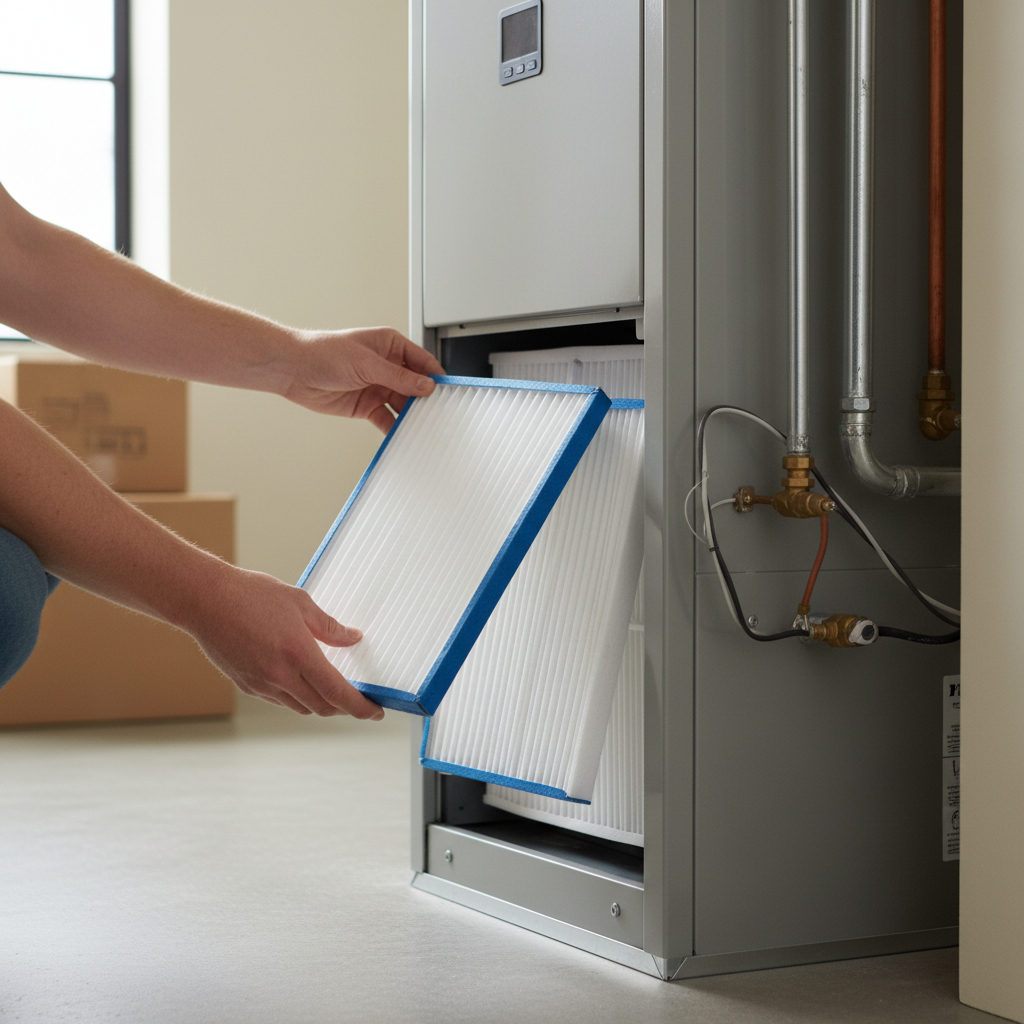
- Tools: New air filter (check old filter for size, e.g., 20x25x1). A marker or pen to note installation date.
- Safety: Turn off the furnace at the thermostat and the main power switch (often on the furnace side or a nearby wall) before changing the filter.
- If this doesn't work: Even with a clean filter, it might take a few hours for residual dust inside the furnace to burn off.
Plumbing · Clog
| Project category | Plumbing |
|---|---|
| Problem type | Clog |
| Trade required | Plumbing |
| Urgency | Soon — within weeks |
| Safety risk | Low safety risk |
| DIY suitability | DIY friendly |
| Cost category | Low cost |
| Typical timeline | Same-day DIY attempt; pro visit within a day or two |
| Contractor type | Licensed plumber |
Repair option
Plunger, hand auger, or trap cleanout before chemicals.
Replacement option
Line replacement when clogs return in the same spot repeatedly.
Common causes
- Hair and soap buildup in the trap
- Grease cooling in the branch line
- Flushed wipes or foreign objects
Relevant tools:diy difficultydiy or hire a pro
Published June 9, 2026Last updated August 17, 2026
Tools & materials you'll need
Affiliate linksAs an Amazon Associate FixlyGuide earns from qualifying purchases — at no extra cost to you. Prices and availability are accurate as of publication and subject to change.
Quick Answer
That distinct burning dust smell when your furnace roars to life after a period of inactivity is usually the heating elements or heat exchanger doing what they do best: getting hot and incinerating any accumulated dust. Think of it like a toaster burning off crumbs. It's often a completely normal, if somewhat unpleasant, byproduct of the heating season kicking off and should dissipate within a few hours or a day. However, persistent or acrid smells can point to more serious issues like a clogged air filter, blockages in your ductwork, or even electrical problems that warrant closer inspection.
The Problem
It’s a classic autumn or early winter scenario: the mercury drops, you finally hit the 'heat' setting on your thermostat, and within minutes, a peculiar, often described as 'burning dust' or 'scorched' odor wafts from your vents. For many homeowners, this is an annual, albeit unsettling, event. While often benign, signifying nothing more than the furnace clearing its throat after months of dormancy, it can be a source of anxiety. The real problem arises when this smell is more than just transient, becoming pungent, metallic, electrical, or accompanied by other adverse symptoms like reduced airflow, increased utility bills, or visible smoke. Understanding the root causes, from benign dust to more serious mechanical or electrical faults, is key to both your comfort and safety.
How It Works
To understand the burning dust smell, let's quickly review how a typical forced-air furnace operates. When your thermostat calls for heat, several things happen in sequence. First, the igniter (either a pilot light or an electronic hot surface igniter) activates. Next, the gas valve opens, allowing gas to flow to the burners, where it's ignited. The flames heat a metal component called the heat exchanger. This heat exchanger is crucial; it separates the combustion gases (like carbon monoxide) from the air you breathe. As the heat exchanger warms up, the blower motor kicks in, drawing cool return air from your home through the air filter and across the hot surfaces of the heat exchanger. The now-heated air is then pushed through your ductwork and out of your supply vents into your living spaces.
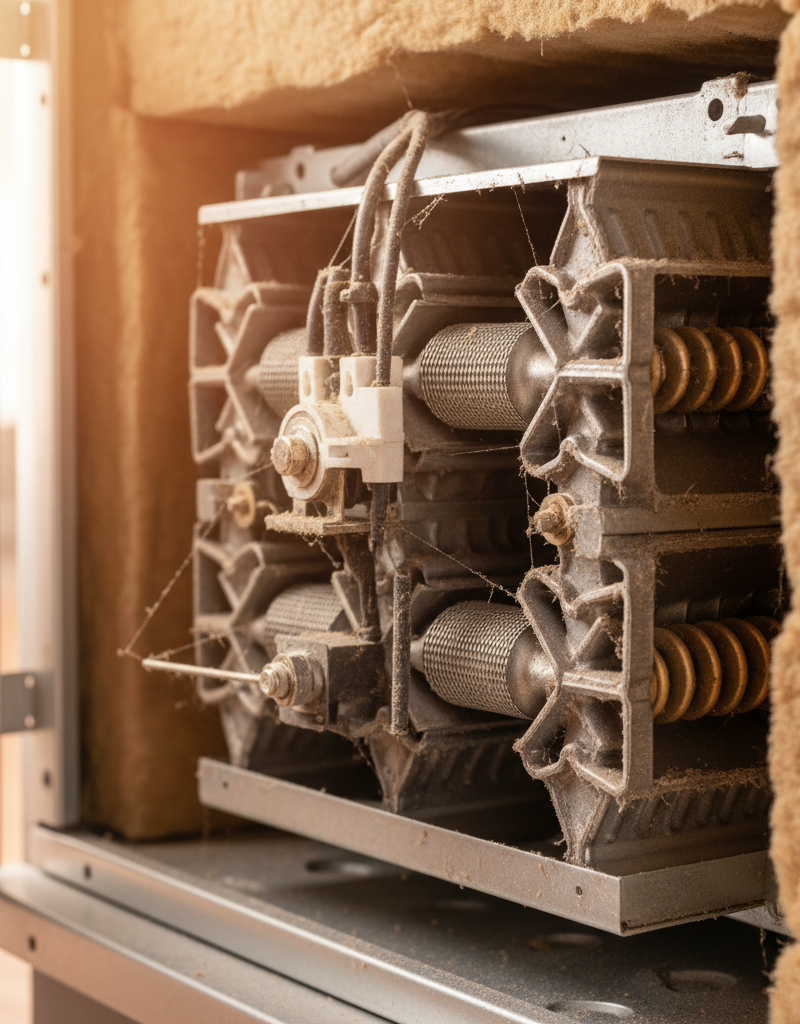
During periods of inactivity (i.e., spring and summer), dust, pet dander, and other airborne particulates settle on all these warm surfaces: the heat exchanger itself, the burner assembly, the blower motor, even within the ductwork, and especially on a dirty air filter. When the furnace first fires up, these surfaces rapidly reach high temperatures – often several hundred degrees Fahrenheit. This intense heat instantly incinerates the accumulated dust, releasing microscopic burnt particles and the characteristic odor. It's a natural off-gassing process of these tiny organic materials. If the filter is clogged, the blower motor might also be working harder, potentially overheating dust on its components or even drawing in more dust directly into the furnace itself. Furthermore, if the condensate pan (for high-efficiency furnaces) or evaporator coil (if your AC uses the same blower) has standing water or mold, that can also contribute to a musty, burning smell as the system heats up and dries out.
Step-by-Step Fix
1. Check Your Air Filter – The most common culprit
Your furnace filter is your first line of defense against dust accumulation. A dirty filter restricts airflow and forces your furnace to work harder, potentially leading to overheating and a stronger burning smell. This is usually the easiest and most effective first step.
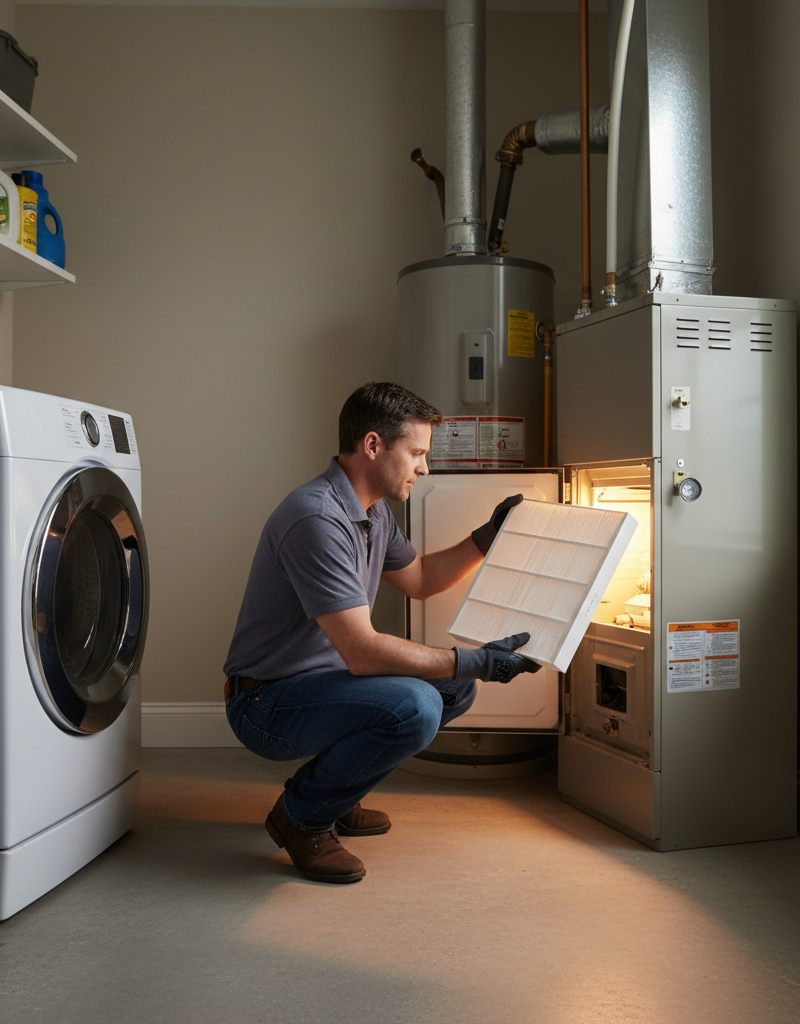
- How: Locate your furnace's air filter slot, usually at the return air duct right before the furnace or within the furnace cabinet itself. Pull out the existing filter. Hold it up to a light source. If you can't see light through it, or if it's visibly caked with dust, it needs to be replaced.
- Tools: New air filter (check old filter for size, e.g., 20x25x1). A marker or pen to note installation date.
- Safety: Turn off the furnace at the thermostat and the main power switch (often on the furnace side or a nearby wall) before changing the filter.
- If this doesn't work: Even with a clean filter, it might take a few hours for residual dust inside the furnace to burn off.
2. Inspect and Clean Vents and Registers – Dust bunnies love dark places
Dust and debris can settle inside your supply and return air registers and even a short distance into the ductwork. When heated air blows through, it can stir up and burn this localized dust.
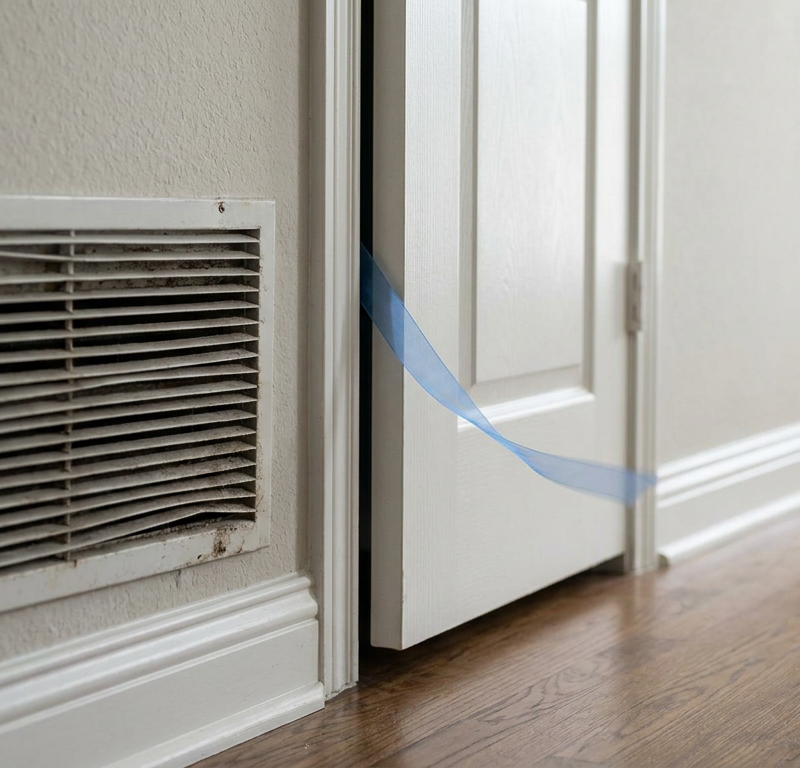
- How: Remove the covers of your supply and return air registers throughout your home. Use a vacuum cleaner with a brush attachment or a long, narrow crevice tool to thoroughly clean the grates and as far as you can reach inside the ductwork. Pay special attention to return air vents, which collect more dust.
- Tools: Screwdriver (Phillips or flathead, depending on register screws), vacuum cleaner with attachments, damp cloth.
- Note: You may be surprised how much dust accumulates just inside the register opening.
3. Clear Around the Furnace Unit – Give your furnace some breathing room
Clutter around the furnace can impede airflow, allow dust to be drawn into the system, and can even pose a fire hazard if combustible materials are too close.
- How: Ensure at least two feet of clear space around all sides of your furnace. Remove any stored items, especially cardboard boxes, rags, or paints. Use a shop vac to clean the exterior of the furnace cabinet and the floor around it, paying attention to the return air intake if it's exposed.
- Tools: Shop vacuum, broom.
- Safety: Never store flammable liquids or materials near your furnace or water heater.
4. Check the Condensate Drain and Pan (High-Efficiency Furnaces) – Musty, burning, or moldy smells
High-efficiency (condensing) furnaces produce acidic condensate that drains away. If the drain line clogs or the pan collects stagnant water, mold and mildew can grow, causing a musty or burning odor when heat runs. This often applies if your furnace is PVC-vented.
- How: Locate the condensate drain pan and drain line, usually a PVC pipe exiting the furnace. Look for standing water in the pan or visible slime/mold. If you see blockages, a wet/dry vac can sometimes clear the line, or a diluted (1:10) bleach solution can be carefully poured into the pan (if accessible) to kill mold. Follow furnace manufacturer instructions precisely.
- Tools: Wet/dry vacuum, funnel, diluted bleach solution (optional).
- Pro Tip: Regularly pour a cup of clean water (perhaps with a tablespoon of vinegar) down the condensate drain access port during cooling season to flush it, preventing clogs.
5. Run Your Fan Continuously for a Short Period – A proactive dust-off
Sometimes, simply circulating air can help dissipate mild odors and dislodge settled dust.
- How: Set your thermostat's fan setting from 'Auto' to 'On' for a few hours. This will circulate air through your ductwork without actively heating, potentially blowing loose dust through the system and out the vents. Combine this with the vent cleaning steps for best results.
- Tools: None (just your thermostat).
Common Causes
- First Use of the Season Dust Burn-Off: This is by far the most common cause. Over the months your heating system has been dormant, dust, pet hair, and other particles naturally settle on the furnace's heat exchanger, burners, and within the ductwork. When the furnace powers on for the first time in autumn or winter, these surfaces rapidly heat up, incinerating the accumulated dust and causing the familiar burning odor. This smell typically dissipates within a few hours to a day. Environmental factors like local construction or high pollen counts can exacerbate this.
- Dirty Air Filter: A clogged air filter restricts airflow across the heat exchanger. This can lead to the furnace's internal components running hotter than usual and can also allow more dust to bypass the filter and accumulate on sensitive heating surfaces. The restricted airflow might also cause the blower motor to work harder and potentially overheat, contributing to the smell.
- Dust and Debris in Ductwork/Vents: Even with a clean filter, dust can settle in the main duct runs, branch lines, and inside the supply and return air registers. When the furnace fan starts blowing warm air, these settled particles are stirred up and can be caught in the heat, creating a smell as they pass through heated sections or simply as warm air carries the scent of lingering dust.
- Clogged Condensate Drain or Pan: For high-efficiency (condensing) furnaces, the combustion process produces water, which collects in a condensate pan and drains away via a PVC pipe. If this drain clogs, or if water sits stagnant in the pan, mold and mildew can grow. When the furnace operates, the heat can cause these biological contaminants to off-gas, producing a musty, burning, or even sour odor that circulates through your ventilation system.
- Motor or Electrical Issues (Less Common, More Serious): While less common for a 'dust' smell, a persistent or acrid burning smell that doesn't dissipate could indicate an electrical component problem. This could be an overheating blower motor, faulty wiring, or a malfunctioning capacitor. These smells are usually sharper, more metallic, or like burning plastic, rather than just 'dust.'
- New Furnace/Component Burn-Off: A brand new furnace, or recently replaced components like a heat exchanger or igniter, might emit a burning smell, often described as 'chemical' or 'oily,' for the first few hours of operation as manufacturing oils, coatings, and residues burn off. This is generally normal but should also dissipate quickly.
Common Mistakes
- Ignoring the Smell for Too Long: While often benign, dismissing a persistent or strong burning smell, especially if it doesn't fade after a day or two, can be a serious mistake. It could mask an underlying electrical problem or a severely clogged system that can lead to fire hazards or inefficient operation.
- Not Changing Air Filters Regularly: This is perhaps the most frequent preventable mistake. A dirty filter chokes your furnace, making it work harder, reducing efficiency, and significantly increasing dust accumulation on internal components, leading to stronger and more frequent burning smells. Change pleated filters every 1-3 months, especially with pets or allergies.
- Closing Too Many Vents: Restricting too many supply registers can throw off your HVAC system's balance, increasing static pressure. This can make your furnace work harder, potentially leading to overheating components and the production of unusual odors as air struggles to escape.
- Storing Combustibles Near the Furnace: Keeping paint cans, boxes, rags, or other flammable items too close to your furnace is a serious safety hazard. The heat from the furnace, even during normal operation, could ignite these materials.
- Overlooking the Condensate Drain: For high-efficiency furnaces, neglecting the condensate drain and pan can lead to clogs and stagnant water, fostering mold growth that produces foul odors. Homeowners often forget this critical maintenance point.
- Attempting Complex Electrical Repairs Yourself: If the burning smell is distinctly electrical, metallic, or acrid, and symptoms like flickering lights or tripped breakers are present, attempting to diagnose or repair electrical components without proper training can be extremely dangerous. This is a job for a licensed HVAC technician or electrician.
Cost & Time Breakdown
| Task | DIY Cost | Pro Cost | Time |
|---|---|---|---|
| Air Filter Replacement | $10-$40 | Included in service | 5 minutes |
| Vent/Register Cleaning | $0 (with own vac) | $100-$250 (duct cleaning) | 15-30 minutes |
| Clear Furnace Area | $0 | Included in service | 10 minutes |
| Condensate Drain Flush (DIY) | $0-$5 | $50-$150 (as part of tune-up) | 15-20 minutes |
| DIY System Check & Reset | $0 | $75-$150 (service call) | 5-10 minutes |
| Comprehensive Duct Cleaning | N/A | $400-$800 | 3-8 hours |
Tips & Prevention
- Regular Filter Changes: This is the golden rule of furnace maintenance. Check your filter monthly and replace it every 1-3 months (more often with pets, children, or allergies). Use good quality pleated filters that capture more particulates. Write the installation date on the filter frame with a marker.
- Seasonal Clean-Up: Before the heating season officially begins, give your furnace and the area around it a good clean. Vacuum the exterior of the furnace, clear any obstructions, and clean your registers and returns. Consider running the fan-only setting for an hour or two on a mild day to 'burn off' initial dust before you actually need heat.
- Annual HVAC Tune-Up: Schedule a professional HVAC tune-up every fall. A technician will clean internal components, check electrical connections, inspect the heat exchanger, and ensure all parts are functioning safely and efficiently. This proactive maintenance can catch issues before they become major problems and significantly reduce those first-fire-up smells.
- Check Condensate Line: For high-efficiency furnaces, periodically check the condensate drain line for clogs and the pan for standing water or mold. You can often prevent issues by pouring a cup of distilled water (or water with a splash of vinegar) down the access port a few times a year to flush it out.
- Maintain Clearances: Always ensure there’s ample clear space around your furnace. Never block return air grilles with furniture or drapes, as this starves the furnace of air and can lead to inefficiency and component strain.
- Listen to Your Furnace: Pay attention to any new or unusual noises, smells, or operational changes. Early detection of problems can save you from costly repairs down the line.
When to Call a Professional
While most burning dust smells are harmless and temporary, there are clear indicators that it's time to call a licensed HVAC professional. If the burning smell persists for more than 24-48 hours after the heat has been running consistently, especially after you've changed the filter and cleaned your vents, it's a red flag. Any acrid, metallic, smoky, or electrical burning smell (distinct from a dusty smell) warrants immediate attention, as this could signify an overheating motor, faulty wiring, or a cracked heat exchanger – a serious safety hazard that could leak carbon monoxide. Furthermore, if the smell is accompanied by visible smoke, tripped circuit breakers, flickering lights when the furnace runs, or the furnace is cycling on and off excessively (short cycling), turn the unit off immediately and contact an HVAC technician. They have specialized tools to diagnose electrical faults, inspect heat exchangers for cracks, and thoroughly clean internal components that are inaccessible to the average homeowner, ensuring the safe and efficient operation of your heating system.
Related Articles
Keep troubleshooting with these hand-picked guides from FixlyGuide:
- The Secret Reason Your AC Isn't Drying Your Air (And What to Check First) — Your AC should cool and dehumidify, but if your house feels muggy, there's a specific, often overlooked culprit preventing it from doing it…
- The #1 Reason Your AC Blows Warm Air (And It's Not What You Think) — A dirty air filter is often the overlooked culprit behind an air conditioner blowing warm air, hindering its ability to cool your home effi…
- The #1 Mistake Homeowners Make When Their AC Won't Turn On (And the Easy Fix) — Learn the most common oversight homeowners make when their AC won't turn on and how to troubleshoot basic issues to restore cooling.
- The #1 Mistake Homeowners Make With Their AC (and the $50 Fix) — Discover the most common and costly mistake homeowners make with their AC system and how a simple, affordable fix can prevent expensive rep…
- The One Reason Your Refrigerator Fails (While the Freezer Doesn't) — If your freezer works but your refrigerator isn't cooling, the most common culprit is a blocked or malfunctioning defrost drain system.
- The Secret Culprit Behind Your Leaky Refrigerator (It’s Not Always a Hose) — Discover why your refrigerator might be leaking water and how to diagnose and fix the most common culprits, saving you from costly repairs.
Should you do this yourself?
Answer five quick questions before you start. Safety outranks savings every time.
Your experience with work like this
How high do you have to work?
Does the job involve any of these?
Will it need a permit?
Specialty tools
Free and instant. Educational guidance only — not a quote, inspection, or professional diagnosis.
Estimate your own project cost
National averages are a starting point. Enter your details for a range that fits your house.
HVAC replacement cost
- Equipment$2,200 – $3,800
- Installation labor$1,200 – $2,500
Always insist on a Manual J load calculation — sq-ft sizing is only a rough check. Federal heat-pump rebates may reduce cost significantly.
Educational estimate only — always confirm with written local bids.
What should this project cost?
Enter your project details for a realistic cost range before you call anyone.
Service calls and common repairs run $150–$900; full system replacement typically $6,000–$12,000.
- Regional adjustment
- National average
- Labor share (typical)
- ~$1,935
- Quotes to collect
- 3 written estimates
Educational estimate based on national averages — not a binding quote. Always confirm with written local estimates.
Fixly Project Decision Box
- DIY difficulty
- Advanced
- Estimated time
- Homeowner checks 20–30 minutes
- Cost level
- Moderate
Main tools / materials
- Clean air filter
- Garden hose for condenser coils
- Shop vac for the condensate line
When to stop and call a pro
- Burning smell, smoke, or a tripping breaker
- Refrigerant lines iced over or hissing
- Any work inside the sealed refrigerant circuit (EPA-licensed only)
- Gas smell near a furnace — leave and call the utility
Need professional help?
Find an HVAC Pro Near YouBefore you start
Check the difficulty, permits, and safety risk — then decide whether to call a pro.
Free, no signup required. Estimates are educational guidance, not a quote or an inspection.
Frequently asked questions
Why does my furnace smell like burning dust only when I first turn on the heat?+
This is very common and usually happens when dust and pet dander accumulate on the furnace's heat exchanger and other internal components during the off-season. When the heat kicks on for the first time, these particles burn off, creating a temporary smell. It should dissipate within a few hours to a day.
Is a burning dust smell from my vents dangerous?+
Often, it's not dangerous and just indicates normal dust burn-off. However, if the smell is persistent, very strong, acrid, metallic, or accompanies by smoke, tripped breakers, or reduced heating, it could signal a serious issue like an electrical problem or a cracked heat exchanger, which can be dangerous. In such cases, turn off your furnace and call a professional.
How often should I change my furnace filter to prevent smells?+
It's recommended to check your furnace filter monthly and replace it every 1 to 3 months, especially if you have pets, allergies, or a busy household. A clean filter improves air quality, system efficiency, and helps prevent dust buildup that causes burning smells.
Can I clean my furnace myself to get rid of the smell?+
You can perform basic cleaning like replacing the air filter, vacuuming around the furnace and vents, and clearing obstructions. However, deep internal cleaning of components like the blower motor or heat exchanger should be left to a licensed HVAC professional during an annual tune-up.
Discussion
Loading comments…