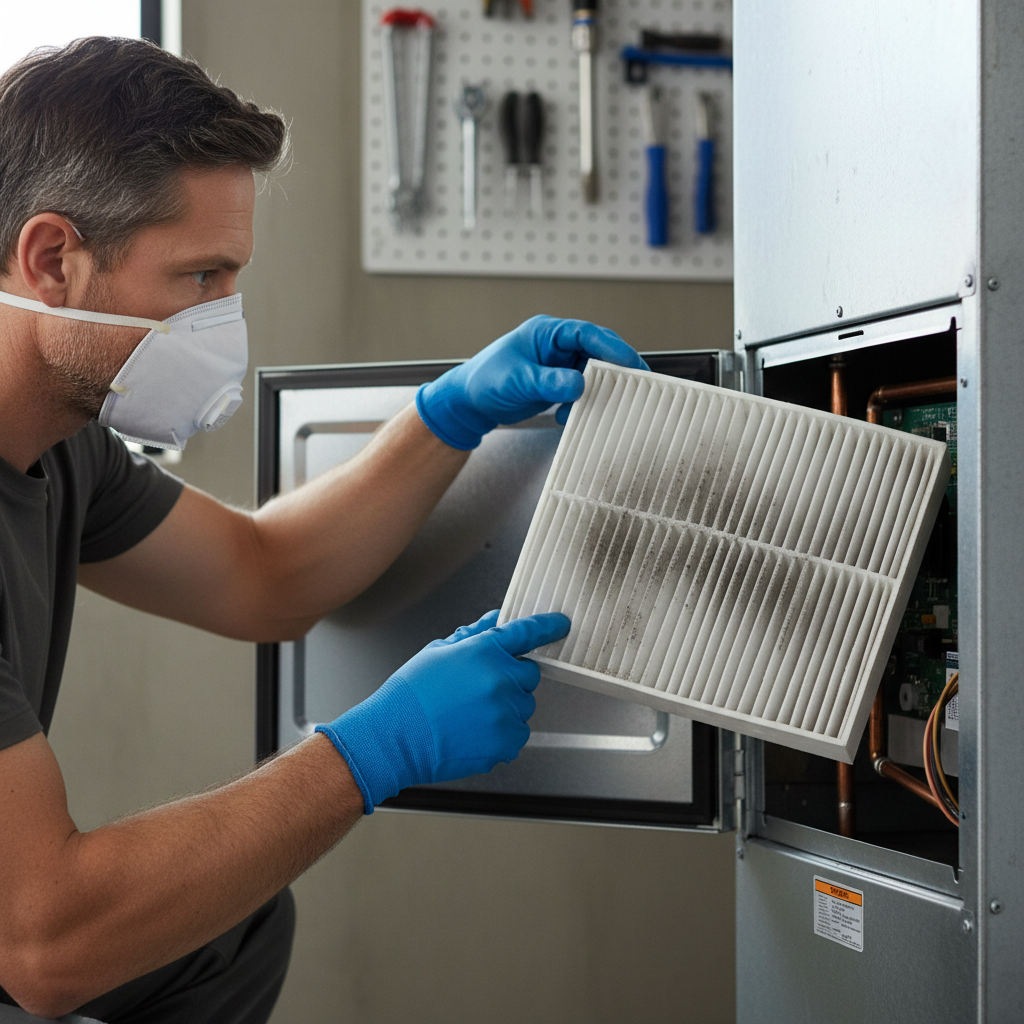
- Locate your furnace filter slot (often on the return air duct or within the furnace cabinet).
- Note the size (e.g., 20x25x1) and MERV rating.
- Replace it with a clean, new filter, ensuring the airflow arrow points towards the furnace. Aim for a MERV 8-11 filter for a good balance of filtration and airflow.
HVAC · High energy usage
| Project category | HVAC |
|---|---|
| Problem type | High energy usage |
| Trade required | HVAC |
| Urgency | Planned project |
| Safety risk | Low safety risk |
| DIY suitability | DIY for experienced homeowners |
| Cost category | High cost |
| Typical timeline | Assessment within weeks; replacement planned off-season |
| Contractor type | Licensed HVAC technician |
Repair option
Duct sealing, insulation, and a tune-up before touching the equipment.
Replacement option
High-efficiency replacement sized by a load calculation, not a rule of thumb.
Common causes
- Aging, low-efficiency equipment
- Leaking ducts losing conditioned air
- Insufficient attic insulation
- Oversized system short-cycling
Relevant tools:project cost estimatorrepair or replace
Published May 28, 2026Last updated August 17, 2026
Tools & materials you'll need
Affiliate links- AmazonDisposable glovesTo protect hands from dust and debris.
- AmazonDust maskN95 recommended · To avoid inhaling dust and allergens.
- AmazonNew HVAC air filter1 · Match your existing filter size and MERV rating (usually 8-11).
- AmazonDuct tape (optional)To seal minor air leaks in ductwork connections after inspection.
As an Amazon Associate FixlyGuide earns from qualifying purchases — at no extra cost to you. Prices and availability are accurate as of publication and subject to change.
Quick Answer
That burning dust smell when your heat first kicks on is most often the scent of accumulated dust burning off on your furnace's heat exchanger or electric heating elements. This is typically harmless and dissipates within a few hours to a day after the heating season begins. However, persistent or acrid smells can indicate electrical problems, mold, or even animal intrusions, requiring further investigation.
The Problem
It’s that time of year again. The temperatures drop, you turn on your furnace for the first time, and within minutes, a distinct, often unpleasant, odor wafts from your vents. For many homeowners, this is described as a "burning dust" or "scorched" smell. While often benign, signaling nothing more than the natural combustion of dust that has settled on heating elements over months of inactivity, it can sometimes be a red flag. A smell that lingers, intensifies, or changes to something more acrid, sweet, or chemical can point to more serious issues like electrical faults, mold growth within the ductwork, or even pests that have made your HVAC system their winter home.
Understanding the nuances of this smell – when to ignore it, when to investigate, and when to call in a professional – is crucial for both peace of mind and the safe, efficient operation of your heating system. Ignoring persistent or unusual odors can lead to costly repairs, diminished air quality, or even fire hazards.
How It Works
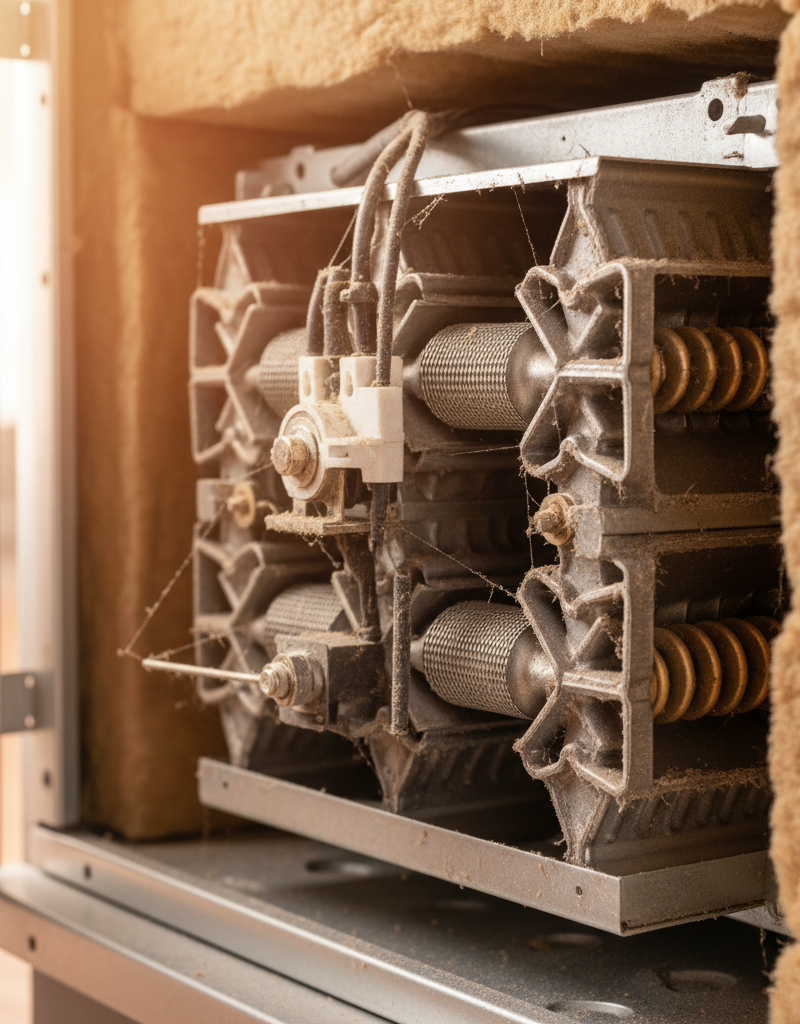
To understand why you get that smell, imagine your heating system. For a gas furnace, cold air from your home is drawn into the return ducts, passes through the air filter, and then enters the furnace. Inside the furnace, a blower fan pushes this air over a heat exchanger, which is heated by a gas burner. This heat exchanger transfers thermal energy to the air without mixing the combustion gases. For an electric furnace, large electrical coils act as heating elements, directly warming the air passing over them. Once heated, the air is then distributed throughout your home via supply ducts and out through your vents.
During the off-season, typically spring, summer, and early fall, your furnace sits dormant. Dust, pet dander, lint, and other indoor allergens naturally accumulate on every surface within your home, including the cool surfaces of the heat exchanger or electric heating elements. When you switch on your furnace for the first time in months, these heating surfaces rapidly reach high temperatures – often hundreds of degrees Fahrenheit. The accumulated dust quickly burns off, releasing a distinctive odor that travels through your ductwork and into your living spaces. This process is similar to the smell you might notice when first using a dusty space heater or toaster oven after a long period of disuse. The odor is usually strongest in the first few hours of operation and diminishes as the dust layer is consumed.
Step-by-Step Fix
Here’s how to diagnose and address that burning dust smell.
-
Safety First – Before touching any part of your HVAC system, always turn off the power at the thermostat AND at the main electrical breaker for the furnace. For gas furnaces, locate the gas shut-off valve near the unit and turn it to the "OFF" position.
- Tools: Screwdriver (for panel access), flashlight, appropriate PPE (gloves, dust mask).
-
Initial Assessment – Listen and observe the smell. Is it truly just "dusty" or "burning hair/dust," or does it have an acrid, metallic, sweet, or smoky quality? How long does it last? Does it dissipate after an hour or two, or does it persist for days? A quick, dusty smell is often normal; persistent or strong chemical smells are not.
- If the smell is truly acrid, electrical, or smoky, immediately turn off your furnace and call a professional. Do not proceed.
-
Check and Replace Your Air Filter – A clogged filter restricts airflow, making your furnace work harder and potentially leading to overheating and dust accumulation. A dirty filter can also hold dust and debris that incinerate when the system starts up.
- Locate your furnace filter slot (often on the return air duct or within the furnace cabinet).
- Note the size (e.g., 20x25x1) and MERV rating.
- Replace it with a clean, new filter, ensuring the airflow arrow points towards the furnace. Aim for a MERV 8-11 filter for a good balance of filtration and airflow.
-
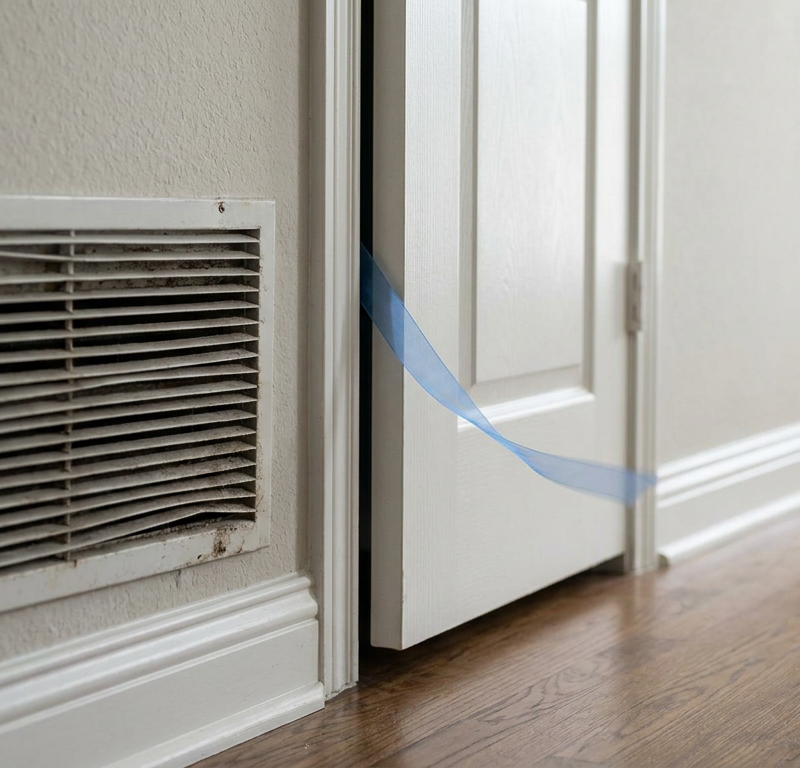
Inspect Your Ducts and Vents – Dust, debris, or even small animals can accumulate in your ductwork and create odors when heated. Visually inspect accessible vents and return air grilles.
- Use a flashlight to look inside the ducts where possible.
- Clean any visible dust or debris from grilles with a vacuum attachment.
- If you suspect animal nesting or significant mold, do not attempt to clean yourself; call an HVAC professional.
-
Clean Exterior of Furnace and Blower Area (Cautiously) – Dust accumulates on the outside of the furnace cabinet and around the blower motor.
- With power OFF, remove the furnace access panel (usually held by screws or clips).
- Use a vacuum cleaner with a brush attachment to gently clean visible dust from the exterior surfaces of the heat exchanger (for gas furnaces), electric heating elements (for electric furnaces), and around the blower motor housing. Do not put your hands or vacuum attachments inside internal components unless you are specifically disconnecting and cleaning removable parts as per manufacturer instructions.
- Reinstall the access panel.
-
Run the Furnace with Windows Open – After cleaning and replacing the filter, turn your furnace back on. Set the thermostat to a high temperature (e.g., 75-80°F) to ensure it runs for a sustained period.
- Open several windows (especially if the smell was strong) to ventilate your home.
- Monitor the smell. It should diminish over the next few hours.
-
Consider Air Duct Cleaning – If the smell persists after a day of continuous operation, or if you haven't had your ducts cleaned in several years, professional duct cleaning might be necessary. This is especially true if you have pets, allergies, or have recently completed home renovations.
- Research reputable NADCA-certified duct cleaning services in your area.
-
Check for Electrical Issues (Advanced/Pro Only) – If the smell is truly acrid, like burning plastic or ozone, it indicates an electrical problem. This is NOT a DIY fix.
- Immediately turn off the furnace at the breaker and call a licensed electrician or HVAC technician. Do not operate the unit until it has been professionally inspected.
Common Causes
- Accumulated Dust (Most Common): Dust, pet dander, and other airborne particles settle on the heat exchanger or electric heating elements during the non-heating season. When the system starts, these particles burn off, creating a temporary odor.
- Dirty Air Filter: A clogged filter restricts airflow, leading to dust buildup within the system and potentially causing the furnace to work harder and components to overheat slightly.
- New Furnace or Components: A brand new furnace or recently replaced components (like a heat exchanger or blower motor) can emit manufacturing oils or coatings burning off during the initial operational period. This should also be temporary.
- Pests in Ducts/Furnace: Small rodents, insects, or birds might build nests or die within the ductwork or furnace cabinet. When the heat turns on, their decaying remains or nesting materials can produce strong, unpleasant odors.
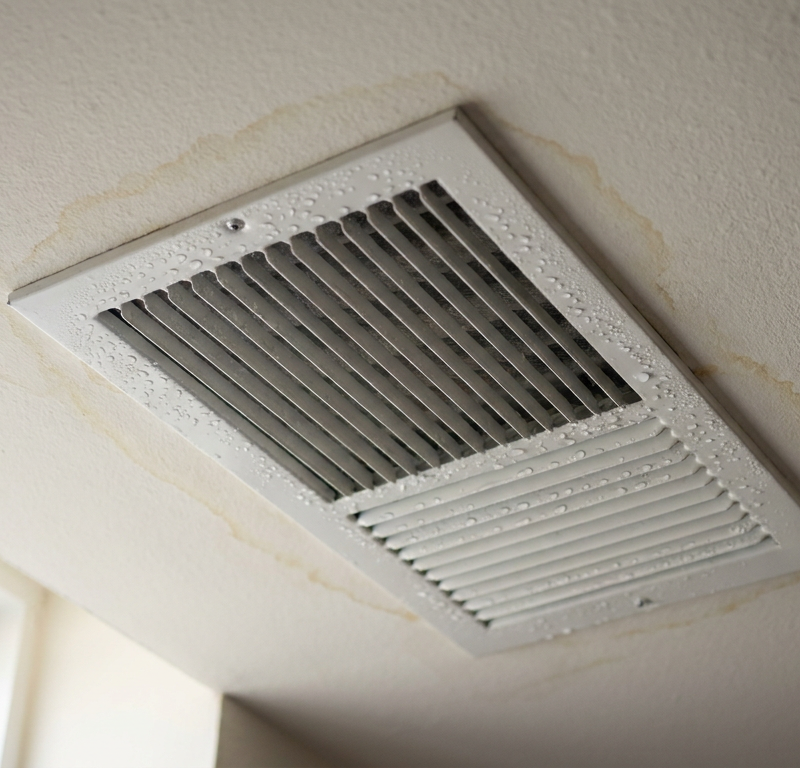
- Mold/Mildew Growth: If there’s moisture in your ductwork (often from an improperly draining AC coil or high humidity), mold and mildew can grow. When air passes over these colonies and is heated, it can release a musty, sometimes sweet or pungent, smell.
- Electrical Problems: A persistent smell of burning plastic, rubber, or ozone (like after a lightning strike) indicates overheated wiring, a failing motor, or other electrical component. This is a serious fire hazard.
- Gas Leaks (Less Common, Different Smell): While not typically described as "burning dust," a gas leak (often like rotten eggs due to added mercaptan) is possible. This is an immediate emergency.
Common Mistakes
- Ignoring Persistent Acrid Smells: Assuming all smells are "just dust" can be dangerous. A strong electrical or smoky smell is never normal and ignored is a serious fire risk. Trust your nose and err on the side of caution.
- Forgetting to Replace the Air Filter: A dirty air filter is the number one cause of many HVAC issues, including poor airflow, increased energy bills, and dust buildup that leads to smells. Mark your calendar to check it monthly and replace it every 1-3 months.
- Using High-MERV Filters Without Checking Compatibility: While high-MERV (12+) filters offer excellent particulate removal, they can restrict airflow in older or less powerful systems, leading to system strain and overheating. Always check your furnace
Related Articles
Keep troubleshooting with these hand-picked guides from FixlyGuide:
- What's That Burning Dust Smell When Your Heat Kicks On? The HVAC Secret — That burning dust smell when your furnace starts is usually harmless, but it signals it's time for some essential HVAC maintenance.
- What's That Burning Dust Smell When Your Heat Kicks On? The HVAC Secret — That weird smell when your furnace starts isn't always serious, but understanding its cause can prevent bigger issues and improve home air…
- Bathroom fan smell? 3 hidden culprits for mold & moisture — A musty smell from your bathroom fan often signals trapped moisture and mold growth in the fan housing or ductwork, a fixable issue that ha…
- That 'Energy-Saving' HVAC Trick Is Costing You Money — You've heard the advice: close HVAC vents in unused rooms to save on heating and cooling. But this common practice is a myth. It actually h…
- The Secret Reason Your Oven Fails to Heat (It's NOT Always the Element) — Discover why your oven isn't reaching its set temperature, from common part failures to overlooked calibration issues, and how to fix it.
- The Surprising Reason Your House Ticks and Pops At Night (And What It Means) — That unsettling ticking or popping sound in your house at night is usually normal thermal expansion and contraction, but sometimes it signa…
What should this project cost?
Enter your project details for a realistic cost range before you call anyone.
Service calls and common repairs run $150–$900; full system replacement typically $6,000–$12,000.
- Regional adjustment
- National average
- Labor share (typical)
- ~$1,935
- Quotes to collect
- 3 written estimates
Educational estimate based on national averages — not a binding quote. Always confirm with written local estimates.
Fixly Project Decision Box
- DIY difficulty
- Advanced
- Estimated time
- Homeowner checks 20–30 minutes
- Cost level
- Moderate
Main tools / materials
- Clean air filter
- Garden hose for condenser coils
- Shop vac for the condensate line
When to stop and call a pro
- Burning smell, smoke, or a tripping breaker
- Refrigerant lines iced over or hissing
- Any work inside the sealed refrigerant circuit (EPA-licensed only)
- Gas smell near a furnace — leave and call the utility
Need professional help?
Find an HVAC Pro Near YouGet the print-ready PDF of this guide
A clean, ad-free, printable version you can keep on your phone or pin to the workshop wall. Free with a FixlyGuide account.
- Print-optimized layout
- Tools, materials & every step included
- Saved to your account
Frequently asked questions
Is a burning dust smell from my vents normal when I turn on the heat?+
Yes, a burning dust smell is often quite normal when you first turn on your heating system for the season. It's usually caused by dust particles that have settled on the heat exchanger or electric heating elements during the off-season, which then burn off as the system heats up. This smell should dissipate within a few hours to a day.
How long should the burning dust smell last?+
Typically, the burning dust smell should only last for a few hours up to a full day after you first activate your heating system for the season. If the smell persists for longer than 24-48 hours, or if it changes to a more acrid, electrical, or smoky odor, it's advisable to investigate further as it could indicate a more serious issue.
What if the smell is like burning plastic or rubber?+
A smell like burning plastic, rubber, or ozone (a sharp, electrical smell) is NOT normal and indicates a serious electrical problem, such as overheating wires, a failing motor, or another damaged electrical component. You should immediately turn off your furnace at the thermostat and the main circuit breaker and contact a licensed HVAC technician or electrician for urgent inspection to prevent a fire hazard.
Can a dirty air filter cause a burning smell?+
Yes, a dirty or clogged air filter can contribute to a burning dust smell. A restricted filter reduces airflow, causing dust to accumulate more readily within the furnace and potentially making components work harder or heat up more. Replacing your air filter is one of the easiest and most effective first steps to troubleshoot the issue.
Discussion
Loading comments…