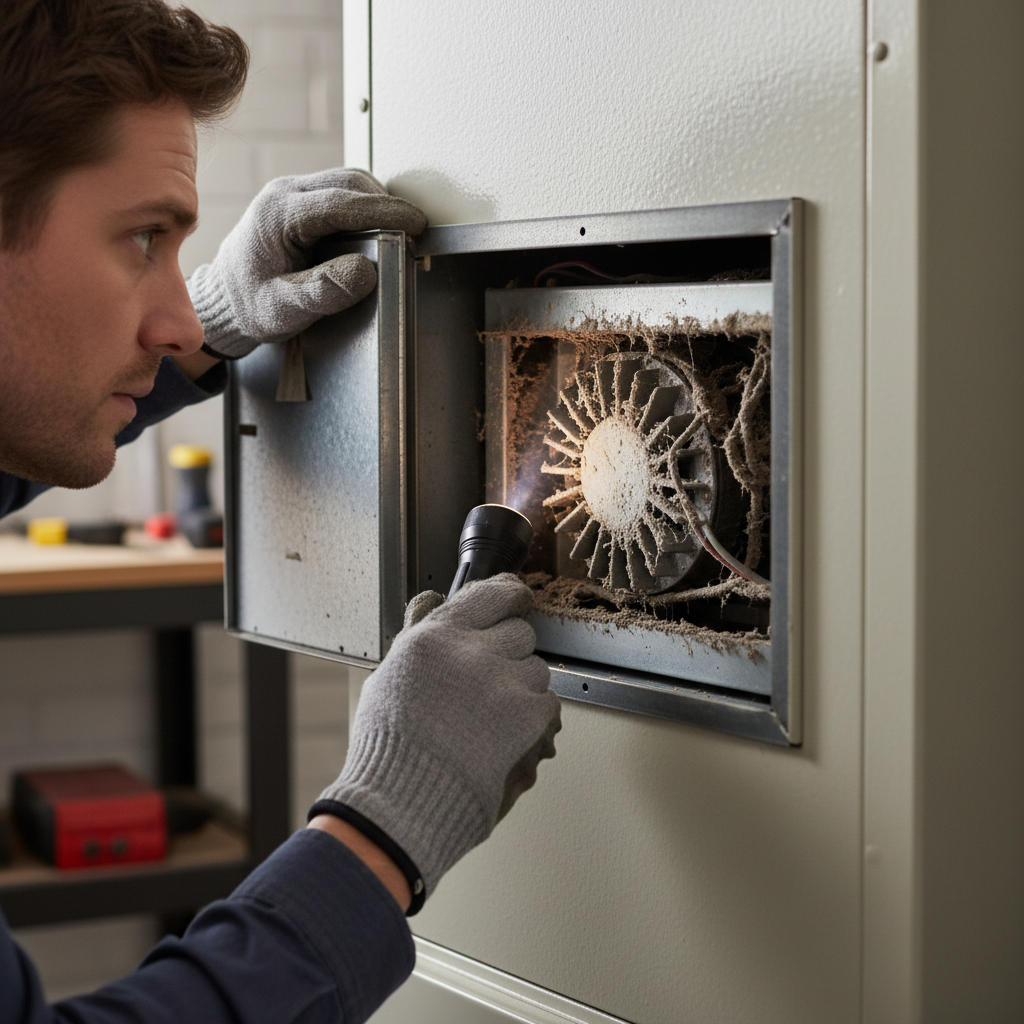
- Inspect and Replace Your Air Filter — The first and easiest check. A clogged filter restricts airflow, making your furnace work harder and potentially leading to overheating and dust accumulation.
- Look for a dark, caked-on layer of dust and debris.
- Replace disposable filters every 1 to 3 months, or more often if you have pets or allergies. Use the filter size printed on the old filter frame.
HVAC · High energy usage
| Project category | HVAC |
|---|---|
| Problem type | High energy usage |
| Trade required | HVAC |
| Urgency | Planned project |
| Safety risk | Low safety risk |
| DIY suitability | DIY for experienced homeowners |
| Cost category | High cost |
| Typical timeline | Assessment within weeks; replacement planned off-season |
| Contractor type | Licensed HVAC technician |
Repair option
Duct sealing, insulation, and a tune-up before touching the equipment.
Replacement option
High-efficiency replacement sized by a load calculation, not a rule of thumb.
Common causes
- Aging, low-efficiency equipment
- Leaking ducts losing conditioned air
- Insufficient attic insulation
- Oversized system short-cycling
Relevant tools:project cost estimatorrepair or replace
Published May 24, 2026Last updated August 17, 2026
Tools & materials you'll need
Affiliate links- AmazonNew air filter1 · Match your existing filter size and MERV rating.
As an Amazon Associate FixlyGuide earns from qualifying purchases — at no extra cost to you. Prices and availability are accurate as of publication and subject to change.
Quick Answer
That burning dust smell when your furnace starts isn't always benign; it can indicate underlying issues beyond just accumulated dust. While often harmless—a result of dust burning off heating elements—it's crucial to differentiate this from more serious odors like burning plastic or electrical components. Persistent or strong smells warrant immediate investigation, starting with your furnace filter and a visual inspection of the unit.
The Problem
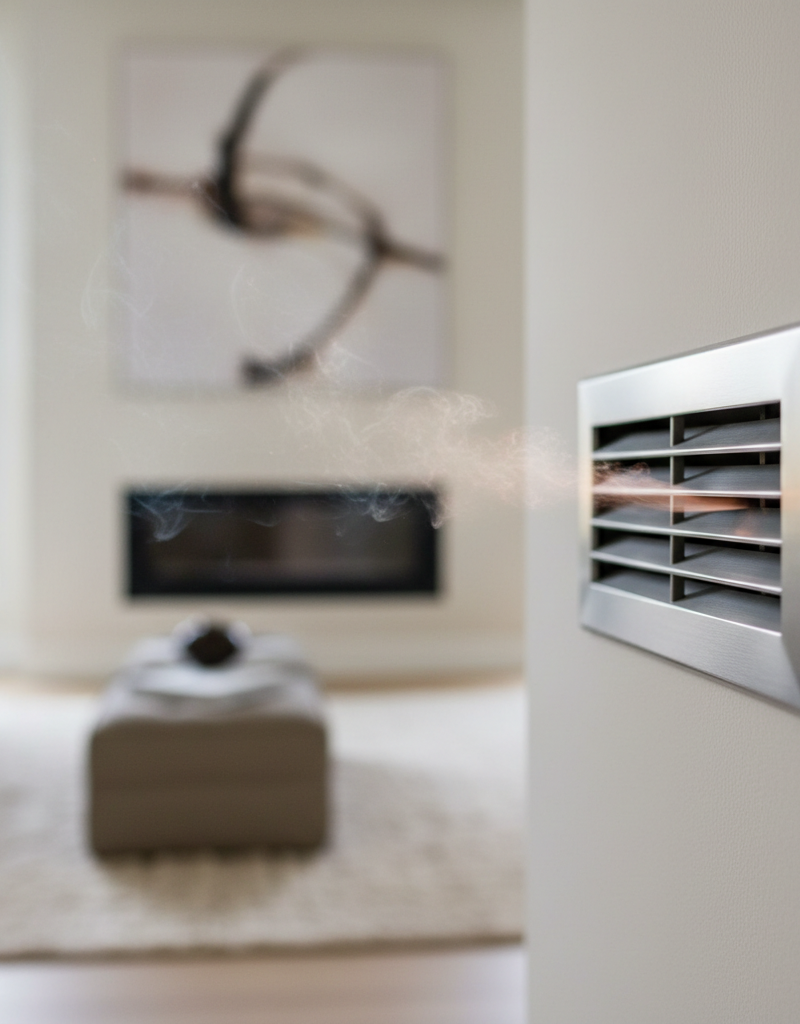
You flip on your heating system for the first time as the weather cools, and suddenly, your home is filled with a peculiar, often described as 'burning dust' or 'scorched' smell. This phenomenon is incredibly common and, in many cases, is a normal, temporary occurrence. However, it can also be a red flag for more serious problems ranging from clogged filters and dirty components to electrical malfunctions or even rodent infestations within your ductwork. Ignoring these signs can lead to decreased system efficiency, higher energy bills, poor indoor air quality, or, in severe cases, a fire hazard. The key is to understand the different types of smells and how long they persist to determine if it's a normal seasonal occurrence or a call to action.
How It Works
To understand why you get that distinct smell, it helps to know a little about how your furnace and ductwork operate. When your thermostat calls for heat, the furnace's blower motor pulls cool air from your home through the return air ducts and a filter. This air then passes over a heat exchanger (in gas furnaces) or electric heating elements (in electric furnaces), where it's warmed. A fan then pushes this heated air into your supply ducts, distributing it throughout your home via the vents.
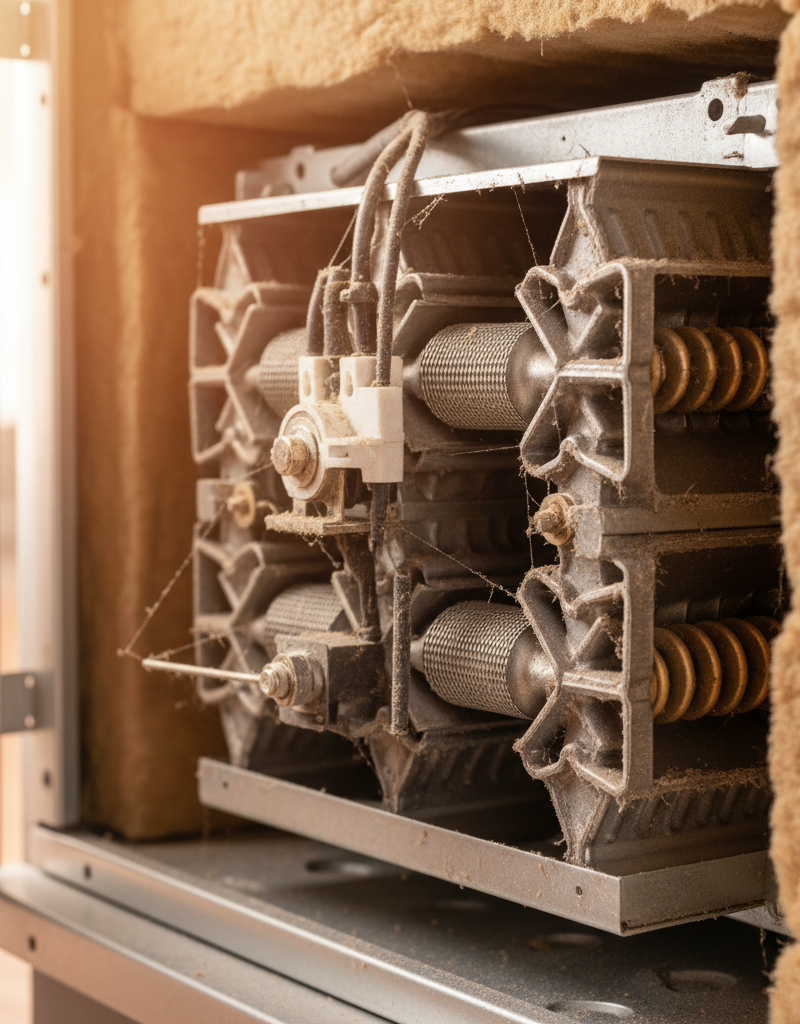
During the long months when your heating system is inactive – typically spring, summer, and early autumn – dust, pet dander, lint, and other airborne particles settle on the cool surfaces inside your furnace. These surfaces include the heat exchanger, electric heating coils, burner assembly, and even the blower motor itself. Dust also accumulates within the ductwork, particularly in less trafficked areas. When the furnace kicks on for the first time after this dormant period, these accumulated dust particles are rapidly heated to high temperatures. This intense heat causes the dust to vaporize or char, releasing the 'burning dust' smell you detect. The smell is usually most potent during the initial few cycles of the season and should diminish fairly quickly as the accumulated dust burns off.
However, other components can also contribute to unwanted smells. An aging blower motor, for instance, might be overheating due to worn bearings, emitting a metallic or burning oil scent. Electrical wiring with compromised insulation can produce a sharp, acrid electrical burning smell when it heats up. Even a dirty evaporator coil (part of your AC but shared with the air handler) can harbor mold or mildew, releasing a musty odor when air passes over it under heating conditions. Understanding these potential sources helps in diagnosing the specific issue.
Step-by-Step Fix
Here’s how to investigate and often fix the common burning dust smell problem:
-
Safety First! — Before performing any inspection or maintenance on your furnace, always turn off the power at the main breaker. This prevents accidental starts and protects you from electrical shock or moving parts.
- Safety Note: Never work on a gas furnace without ensuring the gas supply is also shut off at the appliance valve. If you smell gas, leave the house immediately and call your gas company.
-
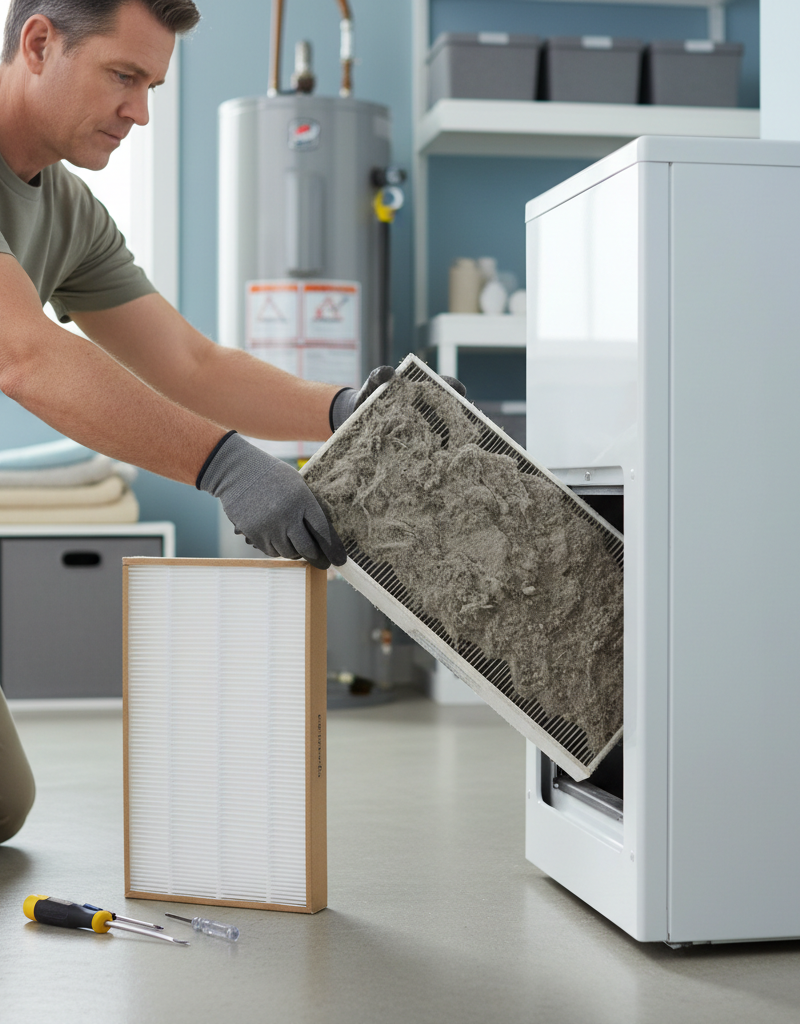
Inspect and Replace Your Air Filter — The first and easiest check. A clogged filter restricts airflow, making your furnace work harder and potentially leading to overheating and dust accumulation.
- Look for a dark, caked-on layer of dust and debris.
- Replace disposable filters every 1 to 3 months, or more often if you have pets or allergies. Use the filter size printed on the old filter frame.
-
Clean Around the Furnace Unit — Dust and debris can build up on the exterior of the furnace and around the intake vents, getting pulled into the system.
- Use a vacuum cleaner with a brush attachment to clean the outer surfaces of the furnace, paying attention to any vents or openings.
- Ensure the area around the furnace is clear of clutter, especially flammable materials.
-
Carefully Inspect Blower Motor and Fan — Over time, dust can coat the blower fan blades, reducing efficiency and potentially causing a burning smell.
- Tools: Screwdriver (to remove access panel), shop vac with hose attachment, soft brush.
- With the power off, open the furnace access panel (usually hinged or secured with screws).
- Carefully vacuum any visible dust from the blower motor housing and the squirrel cage fan blades. Use a soft brush for stubborn accumulation.
- If this doesn't work: If the motor itself smells burnt, or you hear grinding noises from the motor, stop and call an HVAC professional.
-
Examine Heating Elements/Burner Assembly — In an electric furnace, dust on the coils burns off. In a gas furnace, dust on the heat exchanger or burner can produce an odor.
- Electric Furnace: With power off, gently vacuum visible dust from the heating coils. Do not touch them directly.
- Gas Furnace: With power and gas off, visually inspect the burner tubes and heat exchanger for dust or soot. Do NOT attempt to clean the heat exchanger or burner components beyond light vacuuming of easily accessible dust. A professional should handle any deeper cleaning or inspection.
- If you see soot or rust: This could indicate a combustion issue or a cracked heat exchanger – call an HVAC pro immediately. This is a serious safety concern.
-
Inspect Ductwork for Blockages or Contaminants — Sometimes, the smell originates deeper within the duct system.
- Shine a flashlight into supply and return vents. Look for signs of dust buildup, debris, or even rodent droppings.
- Check for disconnected ductwork sections, especially those in unconditioned spaces like attics or crawl spaces, which can pull in dusty air.
- If you suspect mold or a major blockage: If you see dark spots (mold) or find animal nests, this is a job for a professional duct cleaning service.
-
Run the Furnace for Several Cycles — If you’ve addressed visible dust and the smell isn't acrid or electrical, allow the furnace to run.
- The smell should diminish and disappear within a few hours of operation.
- Monitor the smell closely. If it persists strongly, changes, or you notice smoke or unusual sounds, shut off the furnace and call a professional.
Common Causes
- Accumulated Dust: The primary culprit. Dust settles on heating elements or heat exchangers during the off-season and burns off when the furnace is first activated. This is usually harmless and temporary.
- Dirty Air Filter: A clogged filter restricts airflow, causing the furnace to work harder and components to potentially overheat, leading to a burnt smell from trapped dust or even a burning smell if the motor is overworking.
- Dirty Blower Motor/Fan: Dust and debris coating the blower's squirrel cage fan blades reduce efficiency and can create friction or heat, generating a burnt smell.
- Overheating Electrical Components: Worn wiring insulation, failing capacitors, or an overheating motor can emit a distinct electrical burning smell. This is a serious issue.
- New Furnace Burn-Off: New furnaces or recently replaced parts often have manufacturing oils or coatings that burn off during the first few hours of operation, producing a temporary smell similar to burning plastic or chemicals.
- Rodents/Pests in Ducts: Animals can build nests or leave droppings inside ductwork. When the heat comes on, these organic materials can burn, creating a foul odor.
- Mold/Mildew: If ducts or coils are damp, mold can grow. When air passes over it, especially when heated, it can release a musty, burning, or pungent smell.
Common Mistakes
- Ignoring the Smell for Too Long: Assuming all burning smells are just
Related Articles
Keep troubleshooting with these hand-picked guides from FixlyGuide:
- What's That Burning Dust Smell When Your Heat Kicks On? The HVAC Secret — That weird smell when your furnace starts isn't always serious, but understanding its cause can prevent bigger issues and improve home air…
- What's That Burning Dust Smell When Your Heat Kicks On? The HVAC Secret — That burning dust smell when your furnace starts is usually harmless, but it signals it's time for some essential HVAC maintenance.
- The Secret Reason Your Oven Fails to Heat (It's NOT Always the Element) — Discover why your oven isn't reaching its set temperature, from common part failures to overlooked calibration issues, and how to fix it.
- The Secret Reason Your Thermostat Lies (and 5 Fixes That Actually Work) — If your thermostat isn't reaching its set temperature, understanding the underlying cause is key to a comfortable home and lower energy bil…
- Why Your Heat Pump Auxiliary Heat Won't Turn Off — Discover why your heat pump's auxiliary heat keeps running, driving up your energy bills. Learn to troubleshoot common issues and know when…
- The 3 Hidden Reasons Your Ceiling Fan Wobbles (And the Easy Fixes) — A wobbling ceiling fan isn't just annoying; it can be a sign of underlying issues that are simple to fix with the right approach.
What should this project cost?
Enter your project details for a realistic cost range before you call anyone.
Service calls and common repairs run $150–$900; full system replacement typically $6,000–$12,000.
- Regional adjustment
- National average
- Labor share (typical)
- ~$1,935
- Quotes to collect
- 3 written estimates
Educational estimate based on national averages — not a binding quote. Always confirm with written local estimates.
Get the print-ready PDF of this guide
A clean, ad-free, printable version you can keep on your phone or pin to the workshop wall. Free with a FixlyGuide account.
- Print-optimized layout
- Tools, materials & every step included
- Saved to your account
Frequently asked questions
Is it normal for a furnace to smell like burning dust?+
Yes, it's very common and often normal for a furnace to emit a burning dust smell when first turned on for the season. This is usually due to accumulated dust burning off heating elements. However, the smell should dissipate within a few hours. If it persists or changes, investigate further.
What if the burning smell from my vents is not dust?+
If the smell is acrid, electrical, metallic, or resembles burning plastic or chemicals, it's likely not just dust. These smells can indicate serious problems like overheating electrical components, worn motor parts, or even a gas leak. Shut off your furnace and call a professional immediately.
How can I prevent the burning dust smell next year?+
Regular maintenance is key. Replace your air filter monthly during peak use, have your furnace professionally inspected and cleaned annually, and vacuum around your furnace and return air vents periodically. Consider professional duct cleaning every 3-5 years.
Can a burning smell from a furnace be dangerous?+
Many burning smells can be dangerous. A persistent electrical burning smell could indicate a fire hazard. A smell of rotten eggs suggests a gas leak, which is extremely dangerous. Any strong, unusual, or persistent burning odor should be taken seriously and investigated by a qualified HVAC technician.
Why does my new furnace smell like burning plastic?+
New furnaces or recently replaced components often have manufacturing oils, coatings, or plastic residues that burn off during the initial hours of operation. This is typically harmless and temporary, lasting for a few heating cycles. If the smell persists for more than a day or is very strong, consult your installer.
Discussion
Loading comments…