- Nearby Trees: Homes surrounded by deciduous trees will experience much higher rates of gutter clogging, especially in autumn. Coniferous trees shed needles year-round, leading to continuous accumulation.
- Lack of Regular Maintenance: Infrequent cleaning allows debris to build up and compact over time, making clogs more severe and harder to clear.
- Improper Gutter Pitch: If gutters aren't sloped correctly towards the downspouts, water will pool, allowing debris to settle and create blockages more easily.
- Missing or Damaged Gutter Guards: While gutter guards aren't foolproof, damaged or poorly installed guards can trap debris or allow small particles to enter and still cause clogs, sometimes making them harder to remove.
HVAC · High energy usage
| Project category | HVAC |
|---|---|
| Problem type | High energy usage |
| Trade required | HVAC |
| Urgency | Planned project |
| Safety risk | Low safety risk |
| DIY suitability | DIY for experienced homeowners |
| Cost category | High cost |
| Typical timeline | Assessment within weeks; replacement planned off-season |
| Contractor type | Licensed HVAC technician |
Repair option
Duct sealing, insulation, and a tune-up before touching the equipment.
Replacement option
High-efficiency replacement sized by a load calculation, not a rule of thumb.
Common causes
- Aging, low-efficiency equipment
- Leaking ducts losing conditioned air
- Insufficient attic insulation
- Oversized system short-cycling
Relevant tools:project cost estimatorrepair or replace
Published May 26, 2026Last updated August 17, 2026
Tools & materials you'll need
Affiliate links- AmazonHeavy-duty work gloves
- AmazonSafety glasses
- AmazonSturdy extension ladderEnsure it's rated for your weight and height
- AmazonGutter scoop or small garden trowel
- AmazonGarden hose with adjustable nozzle
- AmazonPlumber's auger (snake) or specialized downspout flushing nozzleIf downspouts are prone to clogging
- AmazonSmall hand brushFor fine debris or tough grime
- Amazon5-gallon bucket or tarpFor collecting debris
As an Amazon Associate FixlyGuide earns from qualifying purchases — at no extra cost to you. Prices and availability are accurate as of publication and subject to change.
Quick Answer
Many homeowners effectively clean debris from their gutters but overlook the crucial step of ensuring downspouts are truly clear. This oversight is the single biggest mistake, as a blocked downspout will cause water to back up, spill over, and directly damage your roof's eaves, fascia, and even foundation. The key to effective gutter maintenance is a thorough cleaning that extends all the way through the downspouts.
The Problem
Rain gutters are designed to channel rainwater away from your home's roof and foundation. When gutters become clogged with leaves, twigs, shingle grit, and other debris, they can't perform their job. The most insidious problem, however, isn't just the visible debris in the gutter trough; it's the often-unseen clogs deep within the downspouts. When a downspout is blocked, water has nowhere to go. It backs up in the gutter, overflows, and cascades down the exterior walls, saturating the fascia boards, soffit, and the very edge of your roof decking. This constant moisture ingress is a primary cause of wood rot, premature shingle deterioration, and can lead to significant water damage inside your home, including attic leaks and foundation problems. Over time, the sheer weight of water and debris in a clogged gutter can also pull the gutter away from the fascia, bending hangers and causing permanent damage to the gutter system itself.
How It Works
Your home's gutter system operates on a simple principle: gravity. Rainwater flows from your roof shingles into the gutter troughs, which are pitched at a slight angle (typically 1/16 to 1/8 inch per 10 feet) towards the downspouts. These downspouts then direct the water safely away from your home, often into a drainage system or onto a splash block. The seamless flow of water is critical. When leaves, seeds, pine needles, and shingle granules accumulate in the gutter, they create obstructions. Over time, these materials get pushed by water into the downspout openings, forming a compact, impermeable plug. Once a downspout is clogged, the entire system fails. The water level in the gutter rises, reaching a point where it overtops the gutter's edge. This overflow doesn't just go to the ground; it often streams directly over the fascia board, soaking the painted wood, seeping behind the drip edge, and saturating the roof decking beneath your shingles. The consistent presence of moisture encourages mold growth, wood rot, and can even compromise the structural integrity of your roof's edge. Additionally, in colder climates, backed-up water in clogged gutters can freeze, forming ice dams that push water under shingles, causing extensive interior water damage.
Step-by-Step Fix
1. Gather Your Safety Gear and Tools – Prioritize safety above all else.
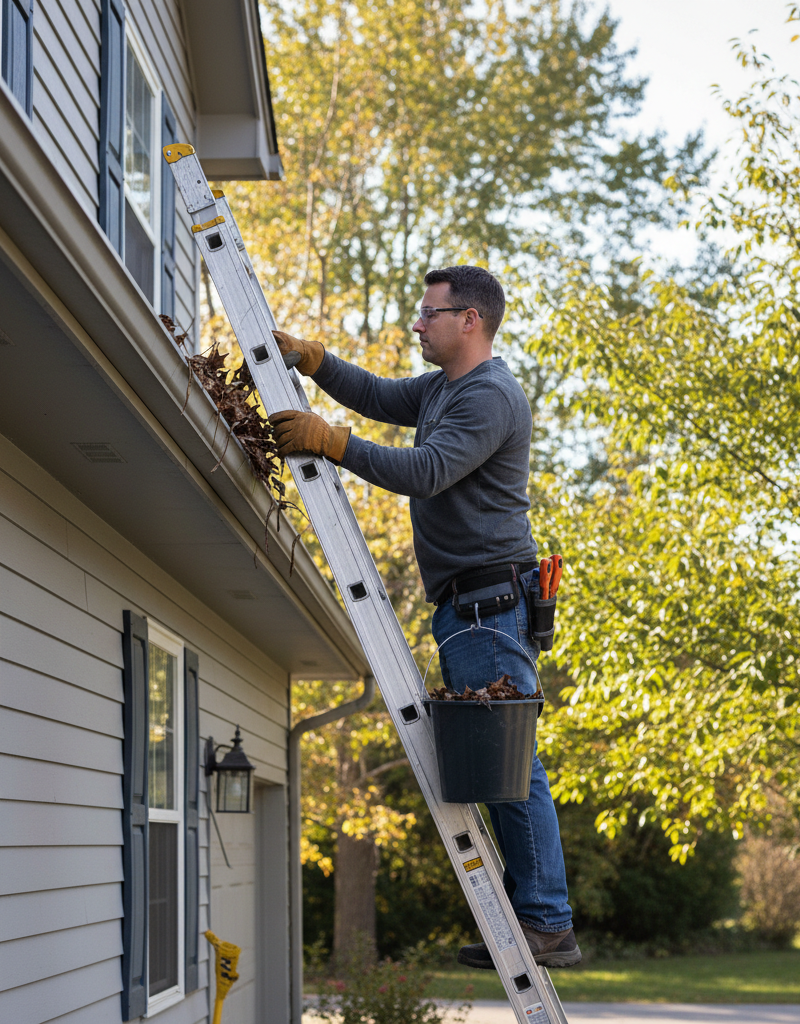
- Always wear heavy-duty work gloves to protect your hands from sharp debris and grime. Safety glasses are crucial to prevent falling debris from entering your eyes. Use a sturdy ladder, ensuring it's on level ground and properly secured. For heights, consider a ladder stabilizer or having a helper hold the ladder.
2. Clear Large Debris from Gutter Troughs – Remove the visible culprits first.
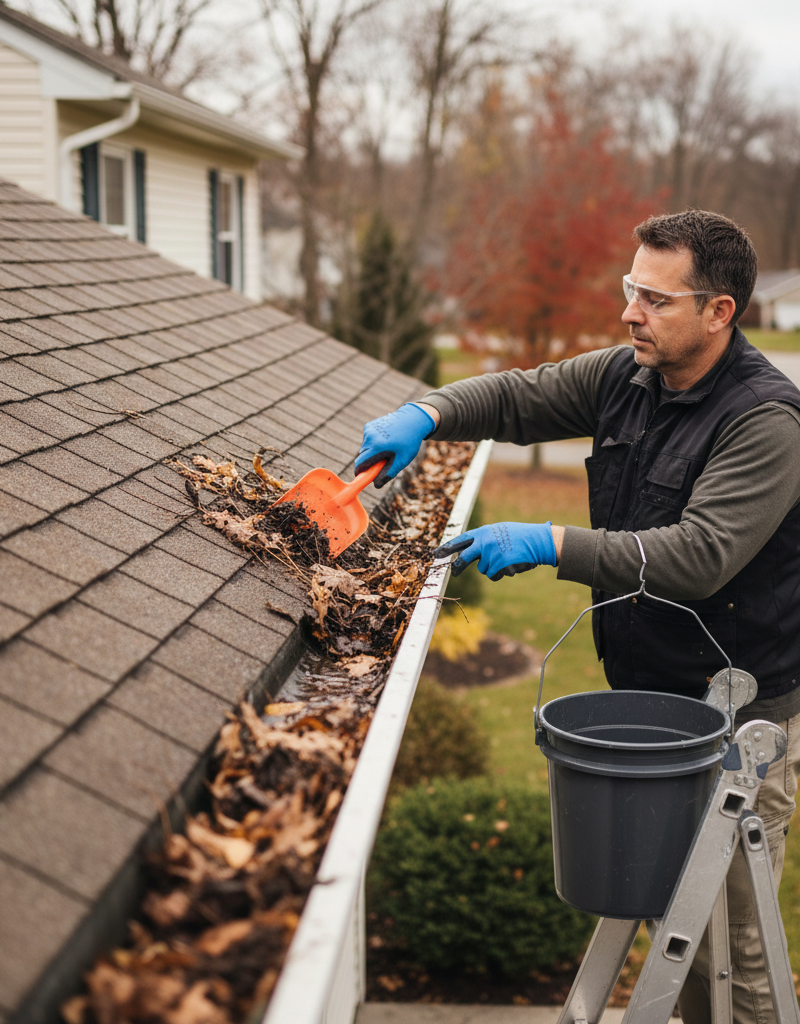
- Starting at one end of a gutter section, use a small trowel, gutter scoop, or simply your gloved hands to remove large piles of leaves, twigs, and other accumulated debris. Place the debris into a bucket attached to your ladder or a tarp spread on the ground below. Work your way along the gutter, ensuring the main trough is clear.
3. Flush the Gutter with Water – Test for blockages and wash away fine sediment.
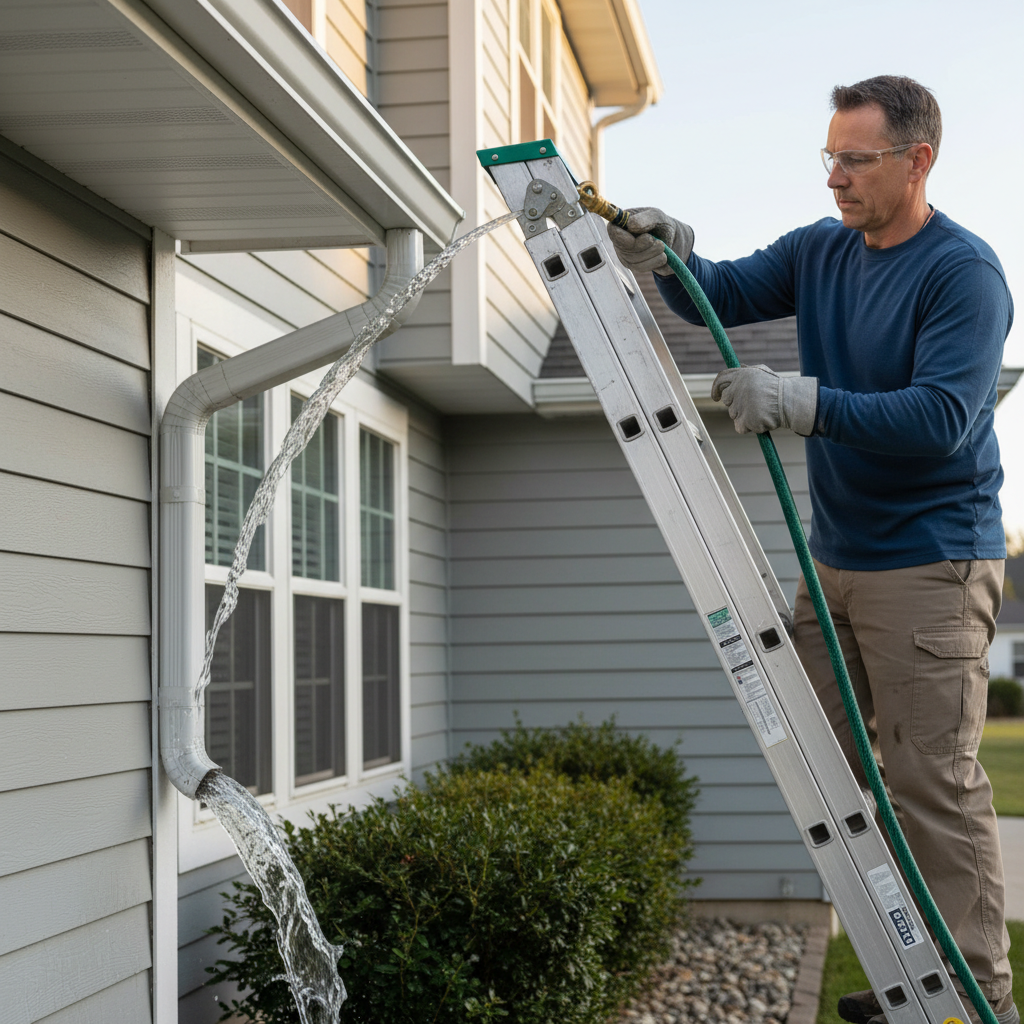
- Once the large debris is gone, use a garden hose with a nozzle to flush water through the gutter. Start at the highest point and work towards a downspout. Observe how the water flows. If it pools or overflows, you likely have residual clogs or an improper pitch. A strong stream of water will also help dislodge smaller debris and shingle grit.
4. Address Downspout Clongs (The Pro Trick!) – The most critical step to prevent roof damage.
- If water doesn't flow freely from the bottom of the downspout, it's clogged. The best way to clear a downspout clog is from the top down. Use a plumber's auger (snake) or a specialized flushing nozzle attached to your garden hose. Carefully feed the auger or hose attachment down the downspout until you meet resistance. Gently work it through the clog. If using a hose, turn the water on full blast once the nozzle is in place to create pressure and dislodge the blockage.
- If this doesn't work: You may need to access the downspout from the bottom. Remove the elbow at the base of the downspout (usually held by screws) and try clearing the blockage from below. Sometimes, a severely compacted clog requires temporarily detaching the downspout from the gutter and ground to clear it completely. Never try to clear a downspout clog by reaching up from the bottom with your bare hands or by hitting the downspout with a hammer, which can cause damage.
5. Check Downspout Extensions – Ensure water is directed away from the foundation.
- After clearing the main downspout, ensure any extensions at the bottom are also clear and properly positioned. Downspout extensions should direct water at least 5 to 10 feet away from your home's foundation to prevent water from pooling around the base and causing basement or crawl space issues.
6. Inspect for Damage and Wear – A proactive step to prevent future problems.
- While you're up there, take a moment to inspect your gutters and fascia boards. Look for loose hangers, bent sections, rust spots, holes, or signs of wood rot on the fascia or soffit. Note any areas where water might be escaping the system. Address minor repairs promptly, such as re-securing loose hangers with longer screws.
Common Causes
- Accumulated Debris: Leaves, twigs, pine needles, seeds, and shingle granules are the primary culprits. Larger leaves and debris can quickly form dams in the gutter troughs, while smaller, finer materials easily wash into and compact within downspouts.
- Nearby Trees: Homes surrounded by deciduous trees will experience much higher rates of gutter clogging, especially in autumn. Coniferous trees shed needles year-round, leading to continuous accumulation.
- Lack of Regular Maintenance: Infrequent cleaning allows debris to build up and compact over time, making clogs more severe and harder to clear.
- Improper Gutter Pitch: If gutters aren't sloped correctly towards the downspouts, water will pool, allowing debris to settle and create blockages more easily.
- Missing or Damaged Gutter Guards: While gutter guards aren't foolproof, damaged or poorly installed guards can trap debris or allow small particles to enter and still cause clogs, sometimes making them harder to remove.
Common Mistakes
- Ignoring Downspouts: This is the most critical mistake. Simply clearing the visible gutter trough is insufficient if the downspout remains blocked. Water will still back up and overflow.
- Using a Pressure Washer Incorrectly: While a pressure washer can blast away some debris, excessive pressure can damage shingles, loosen gutter hangers, or even deform the gutter material itself. Use a garden hose with a standard nozzle for flushing.
- Not Wearing Safety Gear: Head injuries from falls, cuts from sharp metal, and eye injuries from falling debris are common. Always use gloves, safety glasses, and a stable ladder.
- Cleaning Only Once a Year: Depending on your landscaping, gutters may need cleaning two to four times a year. Waiting too long allows debris to compact and become much harder to remove.
- Improper Ladder Placement: Leaning a ladder against the gutter itself can bend or break the gutter. Always place the ladder against the fascia board, ideally with a ladder stabilizer.
- Neglecting Repairs: Small issues like loose hangers or minor leaks can quickly escalate into major problems if not addressed during cleaning.
Cost & Time Breakdown
| Task | DIY Cost | Pro Cost | Time |
|---|---|---|---|
| Gather tools & safety | $0–$100 | N/A | 15–30 min |
| Clear visible debris | $0 | $75–$250 | 30 min – 2 hrs |
| Flush with water | $0 | Included | 15–30 min |
| Clear downspout clogs | $0–$30 | Included | 30 min – 1 hr |
| Inspect & minor tightening | $0 | Included | 15–30 min |
| Total Estimate | $0–$130 | $75–$250+ | 1–4 hours |
Tips & Prevention
- Regular Cleaning Schedule: Aim for at least twice a year – once in late spring after tree pollen and small seeds have fallen, and again in late fall after all leaves have dropped. If you have many trees, consider three to four times a year.
- Install Gutter Guards (Strategically): While not a substitute for cleaning, mesh or screen gutter guards can significantly reduce the frequency of major clogs, especially from large leaves. Choose types that allow small debris to wash over rather than getting trapped.
- Trim Overhanging Branches: Pruning tree branches that hang directly over your roof and gutters will dramatically reduce the amount of debris falling into them. This also reduces the risk of branches falling onto your roof during storms.
- Check Gutter Pitch: Periodically verify that your gutters maintain the correct slight slope towards the downspouts. Proper pitch ensures water drains completely, taking debris with it.
- Extend Downspouts: Ensure all downspouts have extensions that direct water at least 5 to 10 feet away from your foundation to prevent soil erosion and water intrusion into your basement or crawl space.
- Monitor for Warning Signs: Watch for overflowing gutters during rain, water stains on fascia or exterior walls, sagging gutters, or plant growth in gutters. These are clear indicators that cleaning is overdue.
Safety Note: Working on a ladder at height presents significant risks. Always ensure your ladder is stable on a firm, level surface. Use a ladder stabilizer if possible, and avoid overreaching. If you are uncomfortable with heights or feel unsteady, do not attempt this DIY. Your safety is paramount.
When to Call a Professional
While gutter cleaning is a very common DIY task, certain situations warrant calling a professional. If your home has multiple stories or a particularly steep roof, attempting to clean gutters yourself can be extremely dangerous due to the risk of falls. Professionals have specialized safety equipment, including harnesses and taller, more stable ladders, to access these areas safely. Furthermore, if you discover significant damage during your inspection, such as extensively rotted fascia boards, detached gutters, or persistent leaks after cleaning, a professional gutter and roofing contractor can provide expert repairs. They can also address severe, unyielding downspout clogs that you can't clear with DIY methods, often employing specialized tools or even temporarily disassembling parts of the gutter system. For routine cleaning, if you lack the time, tools, or physical ability, hiring a professional is a wise investment to protect your home and ensure your safety.
Related Articles
Keep troubleshooting with these hand-picked guides from FixlyGuide:
- The #1 Mistake Homeowners Make Cleaning Gutters (And How to Fix It) — Discover the biggest gutter cleaning mistake that leads to costly roof damage and learn the right way to protect your home.
- The #1 Gutter Mistake That Leads to $10,000 Roof Damage — Learn the most common gutter-cleaning mistake homeowners make and how to properly maintain your gutters to prevent expensive roof damage.
- The #1 Mistake Homeowners Make When Their Heat Pump Stops Heating in Winter — Discover the most common reason your heat pump struggles in cold weather and how a simple homeowner fix can restore warmth to your home.
- The #1 Mistake Homeowners Make With HVAC Filters (And How Often to Really Change Them) — Discover the crucial mistake most homeowners make with HVAC filters and the specific schedule you should follow to avoid costly HVAC issues…
- The #1 Mistake Homeowners Make When Their AC Won't Turn On (And the Easy Fix) — Learn the most common reason your AC isn't turning on and how to fix it with simple troubleshooting steps, potentially saving a costly serv…
- The #1 Gutter Mistake That Causes Overflow (And How to Fix It in 20 Minutes) — Overflowing gutters during heavy rain are usually caused by a readily fixable clog, often due to a common cleaning mistake.
Should you do this yourself?
Answer five quick questions before you start. Safety outranks savings every time.
Your experience with work like this
How high do you have to work?
Does the job involve any of these?
Will it need a permit?
Specialty tools
Free and instant. Educational guidance only — not a quote, inspection, or professional diagnosis.
Questions to ask before you sign
Ask every contractor the same questions and the cheapest bid stops looking cheapest. Check them off as you go — your progress is saved on this device.
Free, no signup. Bring this to every walkthrough so you compare bids on the same terms.
What should this project cost?
Enter your project details for a realistic cost range before you call anyone.
Service calls and common repairs run $150–$900; full system replacement typically $6,000–$12,000.
- Regional adjustment
- National average
- Labor share (typical)
- ~$1,935
- Quotes to collect
- 3 written estimates
Educational estimate based on national averages — not a binding quote. Always confirm with written local estimates.
Fixly Project Decision Box
- DIY difficulty
- Professional Recommended
- Estimated time
- Inspection 1–2 hours · repairs 1–3 days
- Cost level
- High
Main tools / materials
- Binoculars for a ground-level look
- Flashlight for attic checks
- Moisture meter
- Roofing cement (temporary patch only)
When to stop and call a pro
- Active leak near lights, fans, or any wiring
- Sagging, bulging, or water-filled ceiling
- Steep, wet, or two-story roof — do not climb it
- Storm or hail damage you plan to claim on insurance
Need professional help?
Free roof assessment first — no phone calls until you ask for them.
Get Local Roofing HelpGet help with your roof now
Stay off the roof. These free tools help you protect the house and reach the right professional fast.
- Emergency repair checklistThe first steps that limit damage before a pro arrives.Open
- Repair or replace your roof?Answer 10 questions about age, leaks, and damage to get a clear next step.Open
- Get local estimatesSend one request and compare written estimates from vetted pros.Open
Free, no signup required. Estimates are educational guidance, not a quote or an inspection.
Frequently asked questions
How often should I clean my gutters?+
The frequency depends on your surroundings. Homes with many trees nearby may need cleaning 3-4 times a year, especially in spring and fall. For homes with fewer trees, twice a year (late spring and late fall) is often sufficient.
What happens if I don't clean my gutters?+
Neglecting gutter cleaning can lead to water overflowing and damaging your roof's fascia, soffit, and decking. It can also cause foundation problems, basement flooding, and even create pathways for pests to enter your home. In cold climates, clogs can lead to destructive ice dams.
Can gutter guards prevent all clogs?+
No, gutter guards can significantly reduce the amount of debris entering your gutters, especially large leaves, but they don't prevent all clogs. Small seeds, shingle grit, and fine debris can still accumulate, and some guard types can even trap debris, still requiring periodic inspection and cleaning.

Discussion
Loading comments…