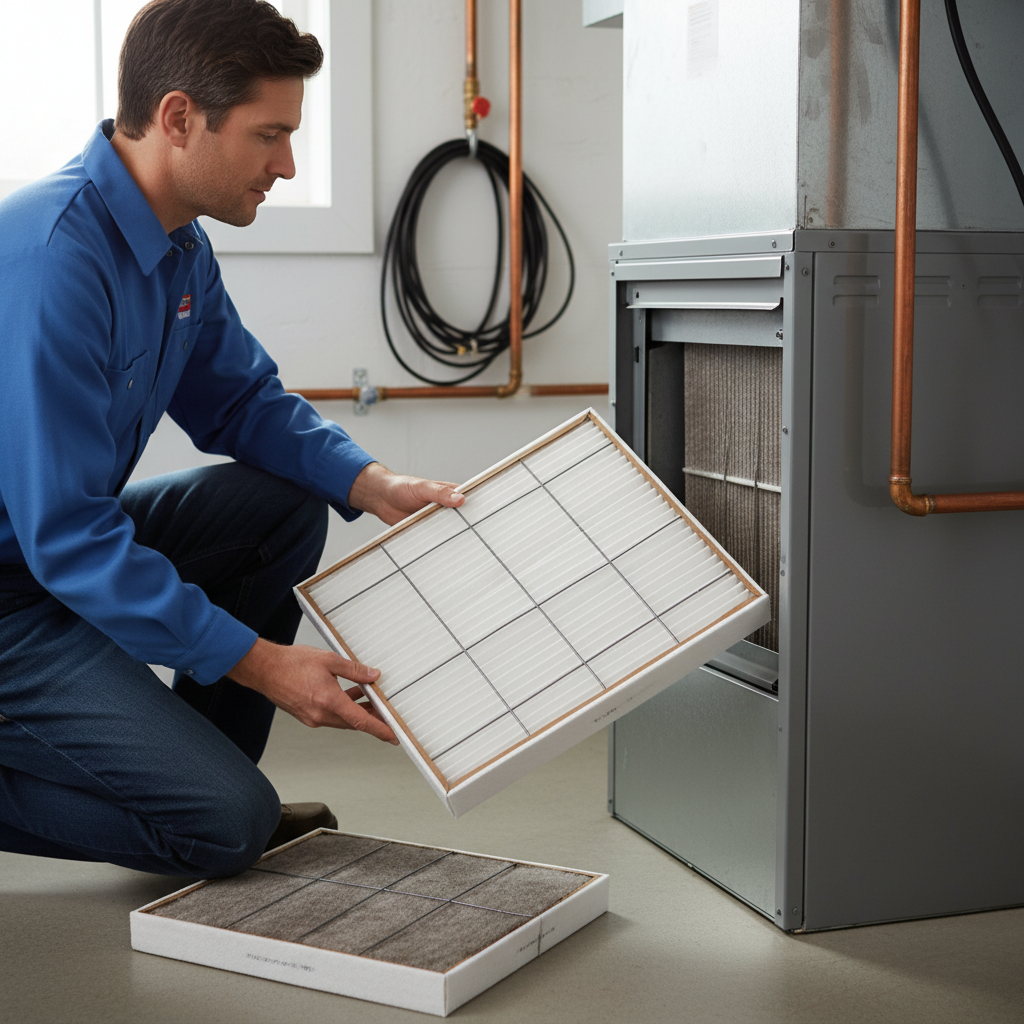
- Check and Replace Your Air Filter — A dirty filter is the most common culprit.
- Locate the filter slot: This is typically found in the return air duct right next to the furnace, or sometimes within the furnace cabinet itself. Note the arrow indicating airflow direction.
- Inspect the filter: Pull out the old filter. If it's grey, clogged with dust, or discolored, it's overdue for a change.
- Replace with a new filter: Insert a new, clean filter of the correct size and MERV rating, ensuring the airflow arrow points towards the furnace. Aim for a MERV 8-11 for good balance of filtration and airflow.
- If this doesn't work: A new filter might reduce future dust burn-off, but the smell from existing dust on components may persist for a few cycles.
HVAC · High energy usage
| Project category | HVAC |
|---|---|
| Problem type | High energy usage |
| Trade required | HVAC |
| Urgency | Planned project |
| Safety risk | Low safety risk |
| DIY suitability | DIY for experienced homeowners |
| Cost category | High cost |
| Typical timeline | Assessment within weeks; replacement planned off-season |
| Contractor type | Licensed HVAC technician |
Repair option
Duct sealing, insulation, and a tune-up before touching the equipment.
Replacement option
High-efficiency replacement sized by a load calculation, not a rule of thumb.
Common causes
- Aging, low-efficiency equipment
- Leaking ducts losing conditioned air
- Insufficient attic insulation
- Oversized system short-cycling
Relevant tools:project cost estimatorrepair or replace
Published May 11, 2026Last updated August 18, 2026
Tools & materials you'll need
Affiliate linksAs an Amazon Associate FixlyGuide earns from qualifying purchases — at no extra cost to you. Prices and availability are accurate as of publication and subject to change.
Quick Answer
That odd, often slightly burning or dusty smell that wafts from your vents at the beginning of the heating season, or after your furnace has sat idle for a while, is typically nothing to worry about. It's usually just dust, pet dander, and other airborne particles that have settled on the furnace's heat exchanger or electric heating elements. When the system kicks on, these particles burn off, creating the temporary scent. However, persistent smells, acrid odors, or smells accompanied by smoke or electrical issues indicate a deeper problem that needs immediate attention.
The Problem
Many homeowners experience a peculiar, often described as 'burning dust' or 'locker room' smell when their furnace cycles on for the first time in autumn, or even after a warm spell in winter. This smell, though often harmless and temporary, can be unsettling. It raises questions about air quality, potential fire hazards, and the overall health of the HVAC system. While an initial burning off of dust is normal, a persistent or concerning odor suggests a problem that requires investigation, ranging from simple maintenance tasks like changing a filter to more serious issues like electrical faults or mold growth within the ductwork. Ignoring these persistent smells can lead to decreased system efficiency, poorer indoor air quality, or even safety risks.
How It Works
To understand why your heating system might produce an odor, it helps to know how it operates. A typical forced-air furnace, whether gas or electric, works by drawing in cool air from your home through return ducts. This air passes through an air filter, which ideally traps dust, pollen, and other particulates. Subsequently, the filtered air is heated. In a gas furnace, natural gas or propane is burned in a combustion chamber, and the heat generated is transferred to a heat exchanger. The air from your home never mixes with the combustion byproducts; it flows over the outside of the heat exchanger, absorbing heat. In an electric furnace, large electrical resistance coils heat the air directly. Once heated, a powerful blower fan pushes this warm air through the supply ducts and out into your rooms through vents.
Dust and debris are ubiquitous in homes. Over the warmer months, when your furnace is inactive, these particles naturally settle inside the furnace cabinet, on the heat exchanger fins, or around the electric heating elements. When the furnace energizes, these surfaces quickly heat up. The accumulated dust essentially 'burns off,' creating the distinctive smell. This initial burn-off typically dissipates within a few cycles. However, if the filter is clogged, dust can accumulate more rapidly and heavily on these components. Similarly, moisture issues can lead to mold or mildew growth in the ductwork or evaporator coil (if it's a combined system), which will produce a musty smell when heated. Other smells, such as a metallic, electrical, or rotten egg odor, point to specific mechanical or safety concerns that differ from simple dust burn-off and require prompt attention.
Step-by-Step Fix
Here’s how to diagnose and address common heating smells in your home.
-
Safety First — Before doing anything, ensure your safety.
- Turn off power: Always kill the power to your furnace at the thermostat and the main electrical breaker before opening any access panels or performing maintenance. Gas furnaces also have a dedicated shut-off valve for the gas supply. If you smell gas, leave immediately and call your utility company.
- Wear gloves: Protect your hands from sharp edges and dust.
-
Check and Replace Your Air Filter — A dirty filter is the most common culprit.
- Locate the filter slot: This is typically found in the return air duct right next to the furnace, or sometimes within the furnace cabinet itself. Note the arrow indicating airflow direction.
- Inspect the filter: Pull out the old filter. If it's grey, clogged with dust, or discolored, it's overdue for a change.
- Replace with a new filter: Insert a new, clean filter of the correct size and MERV rating, ensuring the airflow arrow points towards the furnace. Aim for a MERV 8-11 for good balance of filtration and airflow.
- If this doesn't work: A new filter might reduce future dust burn-off, but the smell from existing dust on components may persist for a few cycles.
-
Inspect the Blower Compartment — Remove accumulated debris.
- Access the blower: Carefully open the access panel to the blower motor. This usually involves undoing a few screws or latches. Refer to your furnace's manual if unsure.
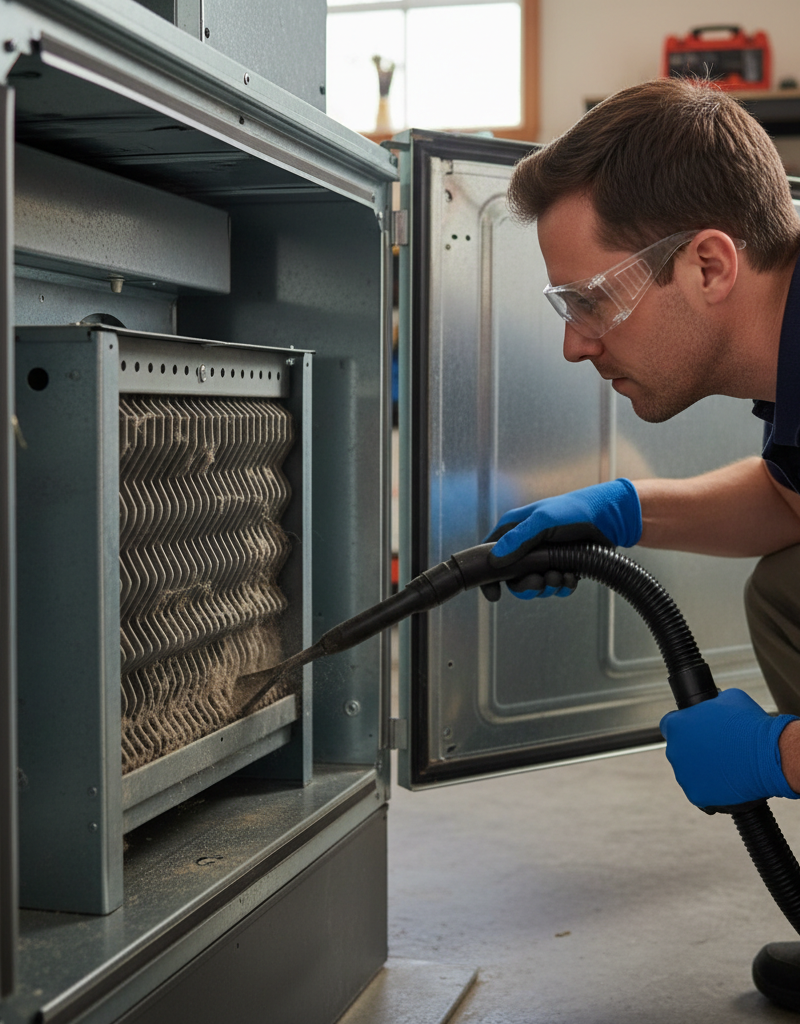
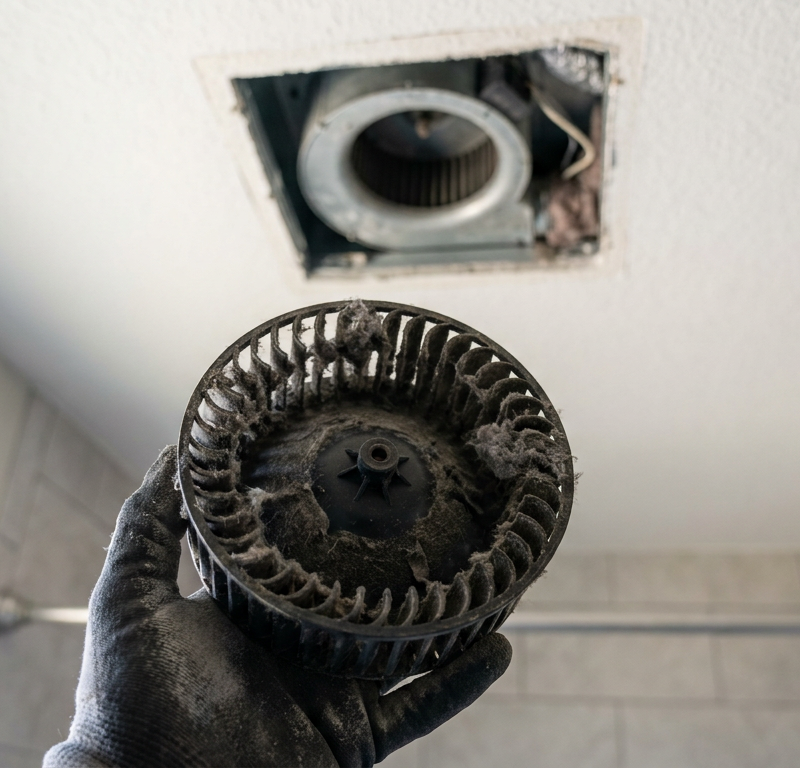
- Vacuum dust: Use a shop vac with a brush attachment to gently vacuum accumulated dust from the blower wheel, motor housing, and surrounding areas. Be very careful not to bend fan blades or disturb wiring.
- Look for pests: Check for any signs of rodent nests, droppings, or dead animals, which can cause foul odors. Remove any found and clean thoroughly.
-
Examine the Heat Exchanger/Elements — Address the direct source of burning dust.
- For gas furnaces (heat exchanger): With the power off, use a powerful shop vac with a narrow crevice tool to carefully vacuum as much dust as possible from the fins of the heat exchanger. Do not scrub or use water. Never attempt to clean inside the combustion chamber or near burners. If you suspect a cracked heat exchanger (which can cause CO leaks), call a professional immediately.
- For electric furnaces (heating elements): Carefully vacuum dust from around the electric heating coils. Again, do not use water or abrasive cleaners.
-
Inspect Ductwork for Blockages or Damage — Eliminate hidden odor sources.
- Visual inspection: Briefly check visible sections of your ductwork, especially near vents, for obvious blockages (toys, debris), damage, or signs of mold (dark spots, musty smell).
- Check registers/vents: Remove a few registers and peek inside with a flashlight. Clean any visible dust or debris from inside the vent boot itself.
- If significant issues: If you find extensive mold, large blockages, or pests deep within the ducts, professional duct cleaning is recommended.
-
Check for Mold/Mildew on Evaporator Coil (If Applicable) — A source of musty smells.
- Locate the coil: If you have a combined HVAC system (furnace and central AC), the evaporator coil is located directly above the furnace. You may need to remove an access panel.
- Inspect for growth: Look for dark, fuzzy, or slimy patches on the coil and drain pan. This indicates mold or mildew.
- DIY cleaning (minor): For minor surface mold, use a spray bottle with a mixture of equal parts white vinegar and water, or a commercial no-rinse coil cleaner. Let it sit for 10-15 minutes, then wipe gently. Ensure the drain pan is clear.
- If severe: Call an HVAC professional for thorough cleaning and to address underlying moisture issues.
-
Run the Fan Only — Clear lingering odors.
- Set thermostat to 'Fan On': After cleaning, turn the furnace power back on and set your thermostat to 'Fan On' (not 'Heat'). Let it run for 15-30 minutes to circulate air and help dissipate any remaining dust or cleaning product odors.
-
Test the Heat Cycle — Verify the fix.
- Turn heat on: Switch the thermostat back to 'Heat' and set it to a temperature higher than your current room temperature. Listen and smell carefully as the furnace kicks in.
- Monitor: The burning dust smell should be significantly reduced or absent. If it persists strongly, or if you notice any electrical, metallic, or gas-like odors, turn the system off and seek professional help.
Common Causes
- Accumulated Dust (Most Common): Dust, pet dander, and lint settle on the heat exchanger or electric heating elements during periods of inactivity. When the heat turns on, these particles burn off.
- Dirty Air Filter: A clogged filter restricts airflow, causing dust to bypass the filter and settle on internal components, or allowing more dust to circulate through the system.
- Mold or Mildew: Moisture in ductwork or on the evaporator coil can lead to mold growth, producing a musty or 'locker room' smell when heated.
- Dead Animals/Pests: Rodents or insects can enter ductwork and die, causing foul, decaying odors when the system operates.
- Electrical Issues: An acrid, metallic, or 'fishy' smell often points to overheating wiring, a failing motor, or other electrical component issues. This is a serious safety concern.
- Combustion Problems (Gas Furnaces): A sulfur-like 'rotten egg' smell indicates a gas leak, while a persistent 'exhaust' smell could signal a heat exchanger crack allowing combustion gases into your home. These are extremely dangerous.
- New Furnace/Component 'Burn-Off': New furnaces, or recently replaced components, can emit a manufacturing oil or coating smell during the initial few operating cycles.
Common Mistakes
- Ignoring Persistent Odors: Assuming all furnace smells are 'normal dust burn-off.' While initial smells are common, persistent, strong, or unusual odors (especially electrical or gas smells) indicate a problem that demands attention.
- Neglecting Filter Changes: Not replacing air filters regularly (every 1-3 months, depending on home conditions) leads to excessive dust buildup, reduced airflow, and can eventually strain the furnace and cause odors.
- Using the Wrong MERV Filter: Installing a filter with too high a MERV rating can restrict airflow excessively, potentially damaging the blower motor and increasing energy usage, as well as not effectively trapping dust that causes smells.
- Attempting Complex Gas or Electrical Repairs: Homeowners without proper training attempting to diagnose or fix gas valves, burners, or electrical wiring. These components are dangerous and require licensed professionals.
- Spraying Air Fresheners into Vents: Trying to mask odors with sprays. This is a temporary fix that doesn't address the root cause and can introduce VOCs into your air, potentially mixing with the source of the smell to create worse indoor air quality.
- Overlooking Ductwork: Focusing solely on the furnace unit and forgetting that odors can originate from dirty, moldy, or pest-infested ductwork throughout the house.
Cost & Time Breakdown
| Task | DIY Cost | Pro Cost | Time (DIY) |
|---|---|---|---|
| Air Filter Replacement | $10–$30 | $0 (part of service) | 5 minutes |
| Blower & Compartment Cleaning | $0 (tools on hand) | $150–$300 (deep clean) | 30–60 minutes |
| Heat Exchanger/Element Vacuum | $0 (shop vac) | $0 (part of service) | 15–30 minutes |
| Evaporator Coil Cleaning | $10–$25 (cleaner) | $100–$250 | 30–60 minutes |
| Basic Duct Inspection/Cleaning | $0 (flashlight) | $300–$600 (full duct clean) | 15–30 minutes |
| Total Estimated (Minor DIY) | $10–$55 | $100–$600+ | 1–2.5 hours |
Tips & Prevention
- Regular Filter Changes: Replace your HVAC air filter every 1-3 months, or more frequently if you have pets, allergies, or renovation projects. This is the single most effective preventive measure against dust buildup and odors.
- Annual Professional Tune-up: Schedule a yearly check-up with an HVAC technician before the heating season. They can clean internal components, check for wear and tear, and catch potential issues before they become major problems or cause odors.
- Keep Ducts Clean: Consider professional duct cleaning every 3-5 years, especially if you have pets, smokers, or noticed significant dust accumulation or past pest issues.
- Maintain Home Humidity: Control indoor humidity levels, especially in basements or crawl spaces, to prevent mold and mildew growth in and around your HVAC system. Aim for 30-50% relative humidity.
- Seal Duct Leaks: Inspect your ductwork for leaks and seal them with mastic sealant or foil tape. Leaks can draw in dust, insulation fibers, and unconditioned air, contributing to odors and reduced efficiency.
- Clear Area Around Furnace: Ensure the area immediately surrounding your furnace is clear of clutter, stored items, and anything that could obstruct airflow or create a fire hazard.
When to Call a Professional
While many furnace smells are harmless and easily addressed by a homeowner, some smells indicate serious dangers that require immediate professional attention. If you detect a rotten egg or sulfur smell, this signifies a natural gas or propane leak—leave your home immediately, call your gas utility company and 911 from a safe location. A persistent acrid, burning plastic, or 'fishy' smell points to an electrical problem, which is a fire hazard; shut off your furnace at the breaker and call an HVAC technician or electrician. If you notice a metallic, exhaust-like, or smoky smell that doesn't dissipate, or if you have any reason to suspect a cracked heat exchanger (which can release carbon monoxide), turn off the furnace, ventilate your home, and call an HVAC professional. Finally, if smells persist despite your troubleshooting, are accompanied by decreased heating performance, unusual noises, or visible smoke, a licensed HVAC technician has the diagnostic tools and expertise to safely identify and rectify the underlying issue.
Related Articles
Keep troubleshooting with these hand-picked guides from FixlyGuide:
- What's That Burning Dust Smell When Your Heat Kicks On? The HVAC Secret — That burning dust smell when your furnace starts is usually harmless, but it signals it's time for some essential HVAC maintenance.
- The #1 Mistake Homeowners Make With HVAC Filters (And How Often to Really Change Them) — Discover the crucial mistake most homeowners make with HVAC filters and the specific schedule you should follow to avoid costly HVAC issues…
- Bathroom fan smell? 3 hidden culprits for mold & moisture — A musty smell from your bathroom fan often signals trapped moisture and mold growth in the fan housing or ductwork, a fixable issue that ha…
- The Secret Reason Your Oven Fails to Heat (It's NOT Always the Element) — Discover why your oven isn't reaching its set temperature, from common part failures to overlooked calibration issues, and how to fix it.
- The Secret Reason Your Thermostat Lies (and 5 Fixes That Actually Work) — If your thermostat isn't reaching its set temperature, understanding the underlying cause is key to a comfortable home and lower energy bil…
- Why Does Only One Room Have Flickering Lights? The Real Culprit Isn't Always the Bulb — Flickering lights in a single room often point to a localized issue, ranging from a loose bulb to a faulty switch or wiring problem.
Should you do this yourself?
Answer five quick questions before you start. Safety outranks savings every time.
Your experience with work like this
How high do you have to work?
Does the job involve any of these?
Will it need a permit?
Specialty tools
Free and instant. Educational guidance only — not a quote, inspection, or professional diagnosis.
Estimate your own project cost
National averages are a starting point. Enter your details for a range that fits your house.
HVAC replacement cost
- Equipment$2,200 – $3,800
- Installation labor$1,200 – $2,500
Always insist on a Manual J load calculation — sq-ft sizing is only a rough check. Federal heat-pump rebates may reduce cost significantly.
Educational estimate only — always confirm with written local bids.
What should this project cost?
Enter your project details for a realistic cost range before you call anyone.
Service calls and common repairs run $150–$900; full system replacement typically $6,000–$12,000.
- Regional adjustment
- National average
- Labor share (typical)
- ~$1,935
- Quotes to collect
- 3 written estimates
Educational estimate based on national averages — not a binding quote. Always confirm with written local estimates.
Before you start
Check the difficulty, permits, and safety risk — then decide whether to call a pro.
Free, no signup required. Estimates are educational guidance, not a quote or an inspection.
Get the print-ready PDF of this guide
A clean, ad-free, printable version you can keep on your phone or pin to the workshop wall. Free with a FixlyGuide account.
- Print-optimized layout
- Tools, materials & every step included
- Saved to your account
Frequently asked questions
Why does my furnace smell like burning dust only when it first turns on?+
This is typically caused by dust, pet dander, and other airborne particles settling on the furnace's heat exchanger or electric heating elements during periods of inactivity. When the heat kicks on, these particles burn off, creating a temporary odor that usually dissipates after a few cycles.
Is a burning smell from my heating vents dangerous?+
A light burning dust smell that quickly disappears after the furnace's initial start-up is generally harmless. However, a strong, persistent, acrid, electrical, metallic, or 'rotten egg' smell is dangerous and requires immediate investigation. Turn off your system and call a professional if you suspect electrical issues or a gas leak.
How often should I change my furnace filter to prevent smells?+
Most experts recommend changing your furnace filter every 1 to 3 months. If you have pets, allergies, or live in a dusty environment, you might need to change it monthly. A clean filter prevents dust from accumulating on internal components and causing odors.
Discussion
Loading comments…