- Tools/Materials: Distilled white vinegar, wet/dry vacuum (optional).
- Safety: Wear gloves if clearing with a wet/dry vac, as the outflow can be unpleasant.
- If this doesn't work: If water continues to back up or you suspect a severe clog you can't reach, call an HVAC technician.
HVAC · High energy usage
| Project category | HVAC |
|---|---|
| Problem type | High energy usage |
| Trade required | HVAC |
| Urgency | Planned project |
| Safety risk | Low safety risk |
| DIY suitability | DIY for experienced homeowners |
| Cost category | High cost |
| Typical timeline | Assessment within weeks; replacement planned off-season |
| Contractor type | Licensed HVAC technician |
Repair option
Duct sealing, insulation, and a tune-up before touching the equipment.
Replacement option
High-efficiency replacement sized by a load calculation, not a rule of thumb.
Common causes
- Aging, low-efficiency equipment
- Leaking ducts losing conditioned air
- Insufficient attic insulation
- Oversized system short-cycling
Relevant tools:project cost estimatorrepair or replace
Published May 10, 2026Last updated August 17, 2026
Tools & materials you'll need
Affiliate linksAs an Amazon Associate FixlyGuide earns from qualifying purchases — at no extra cost to you. Prices and availability are accurate as of publication and subject to change.
Quick Answer
The most common and costly mistake homeowners make with their AC system is neglecting regular maintenance, specifically changing air filters and scheduling annual professional tune-ups. This oversight drastically reduces efficiency, increases energy consumption, and often leads to premature system breakdowns that can cost thousands. The good news? Rectifying this mistake is straightforward and relatively inexpensive, typically involving a monthly filter check and an annual professional service, which can cost as little as $50-$150 for a basic tune-up.
The Problem
Many homeowners treat their HVAC system like a set-it-and-forget-it appliance. They install it, turn it on, and only think about it again when something goes wrong. This reactive approach is a recipe for disaster. An air conditioning system, much like a car, requires regular care and attention to function efficiently and last its intended lifespan. Neglecting routine maintenance, particularly the simple act of changing a clogged air filter, creates a cascade of problems. A dirty filter restricts airflow, forcing the blower motor to work harder, which increases energy consumption and strains vital components. Over time, this stress leads to accelerated wear and tear, diminished cooling capacity, and eventually, expensive breakdowns. Beyond the filter, an unserviced system develops other issues: coils get dirty, refrigerant levels might subtly drop, electrical connections loosen, and condensate drains clog. These problems don't just reduce comfort; they significantly hike your utility bills and can dramatically shorten your AC unit's life, turning what could have been a $50 preventative measure into a $500 or even $5,000 repair.
How It Works
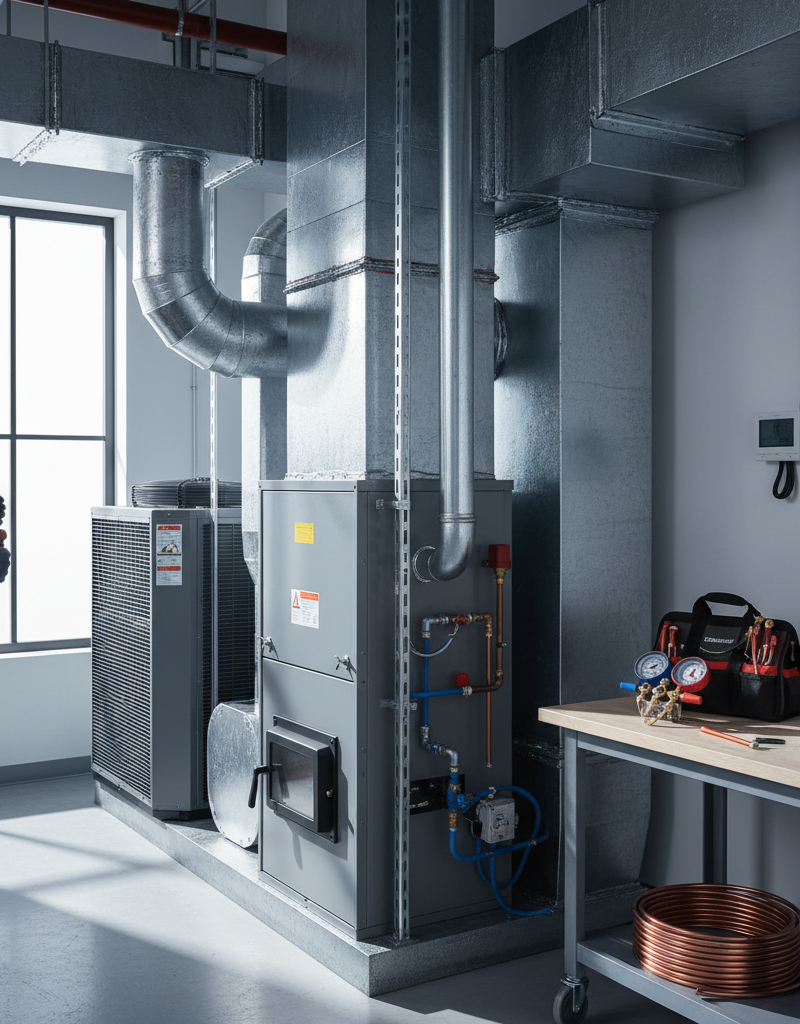
To understand why neglecting maintenance is so detrimental, it helps to grasp the basic principles of how your AC system cools your home. Your air conditioner operates on a refrigeration cycle, moving heat from inside your house to the outside. This intricate dance involves several key components:
- Thermostat: Your brain of the operation, signaling when to cool.
- Indoor Unit (Evaporator Coil & Blower): Located in your furnace or air handler, the blower pulls warm indoor air across the cold evaporator coil. The refrigerant inside the coil absorbs heat from the air, cooling it. The now-cooled air is then distributed throughout your home via the ductwork. The evaporator coil also dehumidifies the air, causing condensation that drains away.
- Outdoor Unit (Condenser Coil, Compressor & Fan): The compressor pressurizes the refrigerant, sending it to the outdoor condenser coil. Here, the heat absorbed indoors is released into the outside air with the help of the outdoor fan. The refrigerant then cools and cycles back to the indoor unit to repeat the process.
- Refrigerant: The magic fluid that absorbs and releases heat.
- Air Filter: A critical barrier, usually located where the return air enters the indoor unit, designed to trap dust, pet dander, pollen, and other airborne particles before they can accumulate on the evaporator coil or enter your home's air supply. It protects both your indoor air quality and the delicate components of your AC system.
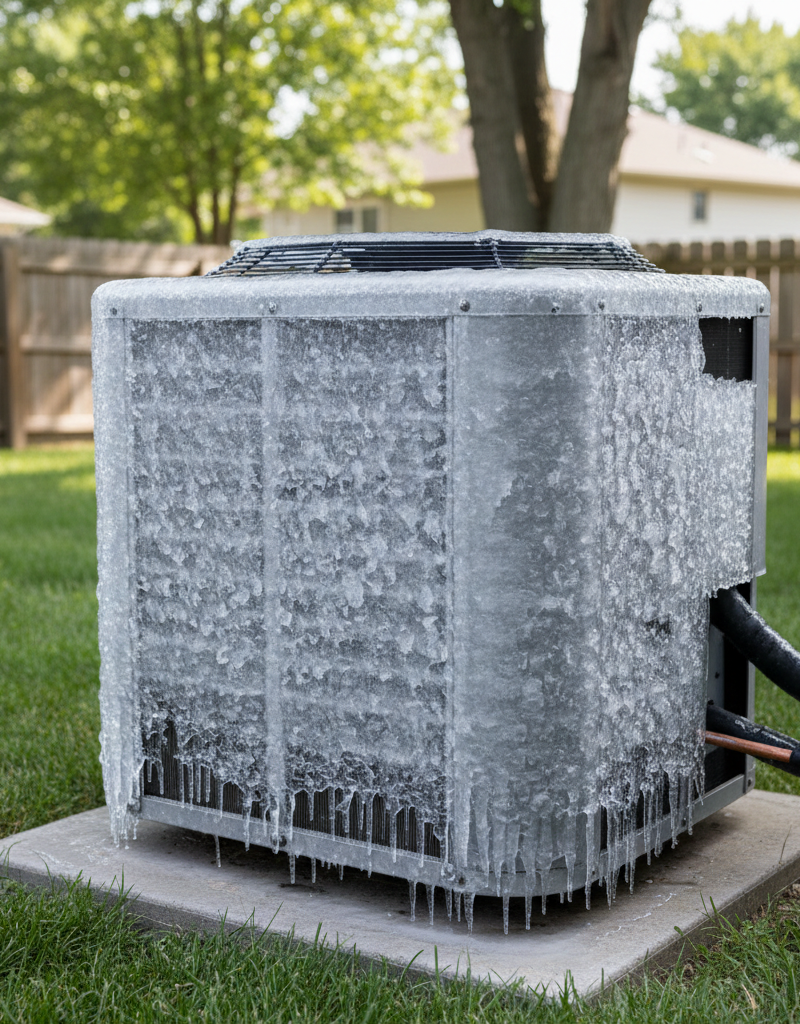
When the air filter becomes clogged, it acts like a congested airway. The blower fan struggles to pull enough air across the evaporator coil. This reduced airflow has several negative consequences: the indoor coil can get too cold and freeze over, the compressor works harder to compensate, and the system's overall efficiency plummets. Dirt bypasses the filter and collects on the evaporator coil, creating an insulating layer that prevents efficient heat transfer. This makes your AC run longer cycles, consume more energy, and struggle to reach the set temperature, ultimately leading to higher utility bills and accelerated wear on expensive components like the compressor.
Step-by-Step Fix
1. Inspect Your Air Filter Annually — *And replace it if dirty.
Safety Note: Always turn off your HVAC system at the thermostat and the dedicated circuit breaker before performing any maintenance. This prevents accidental startup and protects against electrical hazards.
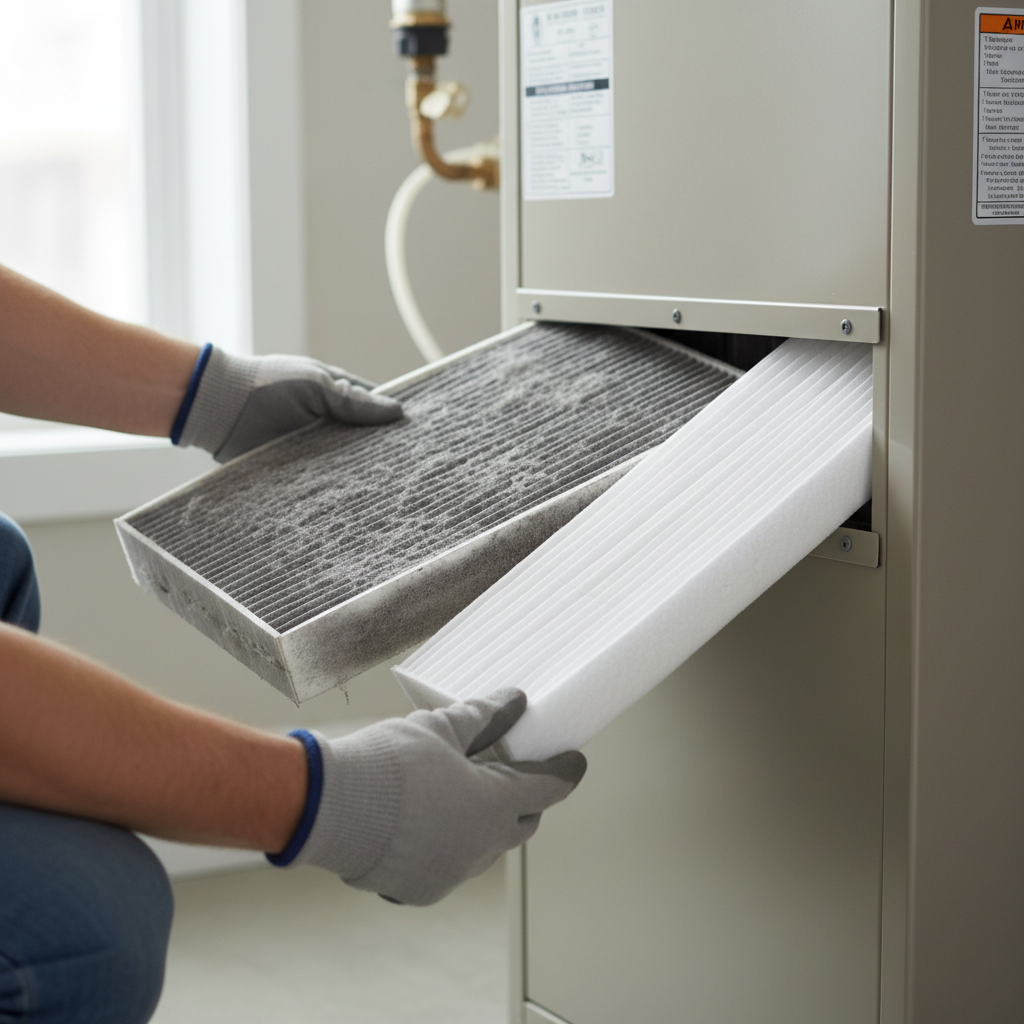
Your AC's air filter is its first line of defense. A dirty filter restricts airflow, making your system work harder and less efficiently. Locate your filter – typically in the return air duct, often near the air handler/furnace, or sometimes in a dedicated filter grille in the ceiling or wall. Slide it out and hold it up to a light. If you can't see light through it, or it's visibly caked with dust and debris, it needs changing.
- Tools/Materials: New air filter of the correct size and MERV rating (check your existing filter for specifications).
- If this doesn't work: If you can't find your filter or are unsure about its size/type, consult your HVAC system's manual or call a local HVAC supply store with your system's model number.
2. Replace the Air Filter Monthly — *Don't wait until it looks completely blocked.
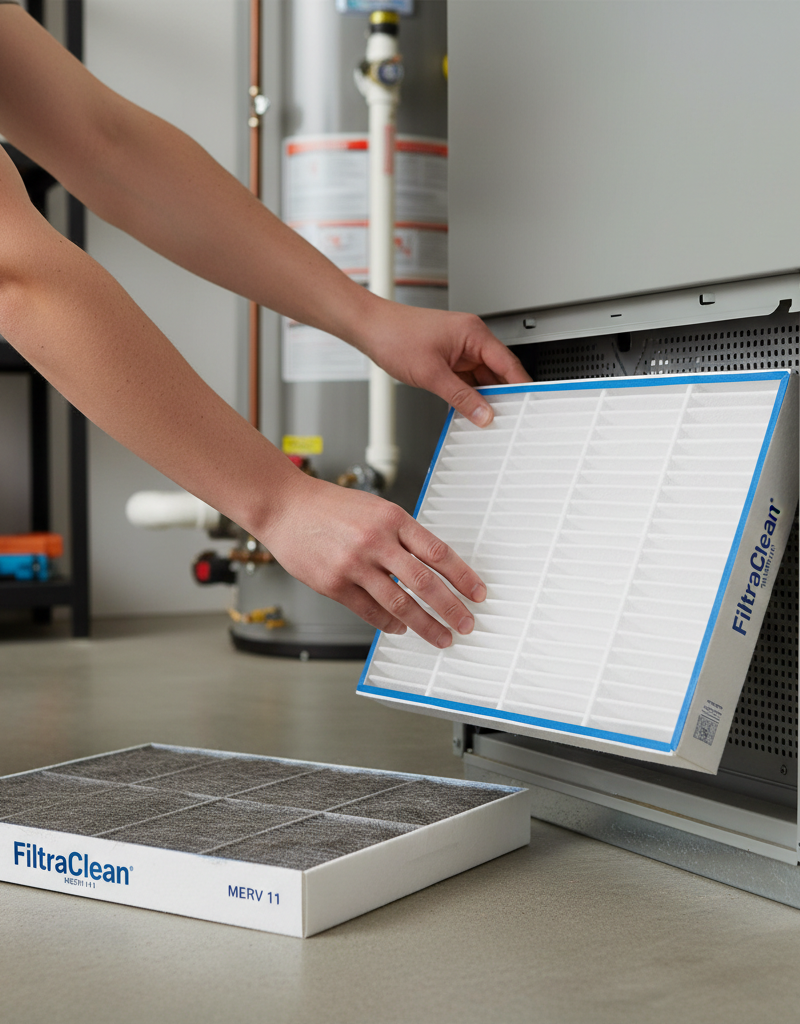
Once you've identified the correct filter type and size, make it a habit to check it monthly, especially during peak cooling seasons. Simply slide out the old, dirty filter and slide in the new one, ensuring the arrows on the filter (indicating airflow direction) point towards the furnace/air handler. A good rule of thumb for most homes is to replace basic fiberglass filters every 30 days, pleated filters every 60-90 days, and higher-efficiency allergen filters every 3-6 months. However, homes with pets, smokers, or allergy sufferers may require more frequent changes. Make a note on your calendar or set a recurring reminder on your phone.
- Tools/Materials: New air filter(s).
3. Clear the Condensate Drain Line Annually — *Prevent water damage and mold.
The evaporator coil extracts humidity from the air, creating condensation that drains away through a PVC pipe, usually leading to a floor drain or outside. Over time, algae and mold can grow in this line, causing clogs. A clogged drain line can back up, triggering a float switch that shuts down your AC to prevent water damage. To clear it, locate the condensate drain line (a small PVC pipe, usually 3/4-inch diameter, extending from your indoor unit). Many systems have a removable cap or a T-shaped vent near the indoor unit. Remove the cap and pour 1/4 cup of distilled white vinegar down the line to kill algae and prevent future clogs. You can also use a wet/dry vacuum at the exterior end of the drain line to suction out any blockages.
- Tools/Materials: Distilled white vinegar, wet/dry vacuum (optional).
- Safety: Wear gloves if clearing with a wet/dry vac, as the outflow can be unpleasant.
- If this doesn't work: If water continues to back up or you suspect a severe clog you can't reach, call an HVAC technician.
4. Clean the Outdoor Condenser Unit Annually — *Improve heat transfer efficiency.
Safety Note: Ensure the power to the outdoor unit is completely off at the outdoor disconnect switch (a small gray box near the unit) and the main electrical panel before cleaning. The fan blades can cause serious injury.
Over the cooling season, leaves, grass clippings, dirt, and other debris can accumulate on the outdoor condenser coil fins, acting as insulation and hindering the unit's ability to release heat. With the power off, use a stiff brush or a shop vacuum to gently remove loose debris from the outside of the fins. For a deeper clean, carefully spray the fins with a garden hose (avoiding powerful pressure washers, which can bend the delicate fins). Spray from the inside out if possible, to push dirt outwards. Ensure the area around the unit is clear of vegetation for at least 2 feet in all directions.
- Tools/Materials: Stiff brush, garden hose, shop vacuum (optional).
- If this doesn't work: If the fins are heavily bent or damaged, or if you notice a significant amount of oil/grime on the coils, professional cleaning may be required.
5. Schedule an Annual Professional Tune-Up — *Catch hidden problems and optimize performance.
While DIY tasks cover the basics, a professional tune-up is indispensable. A certified HVAC technician performs a comprehensive multipoint inspection: checking refrigerant levels and pressure, cleaning coils thoroughly, inspecting electrical connections for corrosion, testing capacitor strength, lubricating moving parts, checking thermostat calibration, and inspecting ductwork for leaks. They can identify minor issues before they escalate into major, expensive repairs. This annual service optimizes your system's efficiency, extends its lifespan, and ensures safe operation.
- Timing: Ideally in spring before the cooling season begins.
- Cost: Expect to pay $80-$150 for a standard tune-up.
Common Causes
- Dust and Debris Accumulation: The primary culprit. Over time, household dust, pet dander, pollen, and other airborne particles naturally collect on air filters, evaporator coils, and condenser coils, impeding airflow and heat exchange.
- Lack of Homeowner Awareness: Many homeowners simply don't know that AC units require regular care, assuming they are maintenance-free.
- Procrastination: Even when aware, busy schedules often lead to delaying or skipping essential maintenance tasks.
- Misunderstanding Filter Importance: Underestimating how frequently air filters need changing, especially in homes with pets or allergy sufferers.
- Skipping Professional Inspections: Relying solely on DIY efforts and missing deeper issues that only a trained technician can diagnose.
- Vegetation Growth: Allowing shrubs, bushes, or weeds to grow too close to the outdoor condenser unit, blocking airflow.
Common Mistakes
- Using the Wrong Sized Filter: An ill-fitting filter allows air and debris to bypass it entirely, rendering it useless and letting dirt accumulate on the coil. Always check the dimensions on your old filter.
- Ignoring the Arrows on the Filter: Air filters have an arrow indicating airflow direction. Installing it backward means it won't filter effectively and can even damage the filter media, pushing debris into your system.
- Using High MERV Filters When Unnecessary: While high MERV (Minimum Efficiency Reporting Value) filters capture more particles, they also restrict airflow more. Ensure your HVAC system is rated to handle higher MERV filters; otherwise, you can strain your blower motor and reduce efficiency. If unsure, stick to the manufacturer's recommended MERV rating, usually MERV 8-11 for residential.
- Forgetting to Shut Off Power: Attempting to clean the outdoor unit or work near electrical components without shutting off power at both the thermostat and service disconnect is extremely dangerous and can lead to severe injury or electrocution.
- Using a Power Washer on Coils: While cleaning, a gentle garden hose is fine. A high-pressure washer can easily bend the delicate aluminum fins on the condenser coil, which permanently restricts airflow and reduces efficiency, potentially requiring expensive coil replacement.
- Neglecting the Condensate Drain: Overlooking the condensate drain line can lead to water leaks, ceiling damage, mold growth, and system shutdown due to safety float switches. Regular flushing with vinegar is key.
Cost & Time Breakdown
| Task | DIY Cost | Pro Cost | Time |
|---|---|---|---|
| Replace Air Filter (Monthly) | $10–$30 | N/A | 5 minutes |
| Clear Condensate Drain (Annually) | $5 | $75–$150 | 15–20 minutes |
| Clean Outdoor Unit (Annually) | $0 | $100–$200 | 30–45 minutes |
| Annual Professional Tune-up | N/A | $80–$150 | 45–60 minutes |
| Total Annual (DIY + Pro) | $125–$255 | $125–$255 | ~2 hours total |
Tips & Prevention
- Set a Recurring Reminder: Use your phone's calendar or a smart home device to remind you to check your air filter monthly and clean your outdoor unit annually.
- Proactive Scheduling: Call to schedule your annual professional tune-up in early spring (for AC) or early fall (for heating) before the peak seasons begin. This ensures you get a convenient appointment and avoid potential delays.
- Consider a Smart Thermostat: Many smart thermostats can monitor runtime, alert you when it's time to change the filter, and even detect unusual system behavior that might indicate a problem.
- Keep Vents Clear: Ensure all supply and return vents inside your home are unobstructed by furniture, rugs, or drapes. Blocked vents restrict airflow and reduce efficiency.
- Maintain Outdoor Area: Trim back shrubs, plants, and weeds at least 2 feet from your outdoor condenser unit to ensure proper airflow and heat dissipation. Regularly clear away leaves and other debris.
- Know Your System: Keep your HVAC system's manual handy. It contains important information about filter types, maintenance schedules, and troubleshooting tips specific to your model.
When to Call a Professional
While routine maintenance like filter changes and coil cleaning can be done by a homeowner, certain tasks and issues absolutely require a licensed HVAC professional. If you hear unusual noises (grinding, squealing, banging) coming from your unit, notice a burning odor, or experience a significant loss in cooling capacity, it's time to call a pro immediately. Any repairs involving refrigerant (which is a controlled substance), electrical wiring beyond turning off a breaker, or component replacements (like compressors, blower motors, or circuit boards) are strictly for trained technicians. Furthermore, if your system is frequently cycling on and off, short-cycling, or if your energy bills suddenly spike without explanation, a professional can diagnose the underlying cause and ensure your system operates safely and efficiently. Don't attempt to troubleshoot complex electrical or refrigerant issues, as this can be dangerous and lead to further damage to your costly system.
Related Articles
Keep troubleshooting with these hand-picked guides from FixlyGuide:
- The HVAC Maintenance Myth: Why "Annual Service" Can Cost You More (and 3 Things to Check Instead) — Discover why strict annual HVAC servicing isn't always necessary and learn the essential checks that can save you money and extend your sys…
- The #1 Reason Your AC Blows Warm Air (And It's Not What You Think) — A dirty air filter is often the overlooked culprit behind an air conditioner blowing warm air, hindering its ability to cool your home effi…
- The Hidden Reason Your AC Freezes — And Why Most Homeowners Get It Wrong — Discover the surprising truth behind why your outdoor AC unit is freezing up and the common mistake homeowners make when trying to fix it.
- The #1 Mistake Homeowners Make When Heat Pumps Stop Heating in Winter — Discover the crucial mistake most homeowners make when their heat pump struggles in cold weather and how to fix it, potentially saving hund…
- The #1 Mistake Homeowners Make When Their AC Won't Turn On (And the Easy Fix) — Learn the most common oversight homeowners make when their AC won't turn on and how to troubleshoot basic issues to restore cooling.
- The #1 Mistake Homeowners Make When Their AC Drain Clogs (And The $5 Fix) — Discover the most common error homeowners make when tackling a clogged AC drain line and learn a simple, inexpensive solution to prevent co…
Your seasonal maintenance checklist
The small jobs that prevent the expensive repairs. Tick them off — progress saves on this device.
Free, no signup. Skip anything that requires roof access or working near live electrical.
Estimate your own project cost
National averages are a starting point. Enter your details for a range that fits your house.
HVAC replacement cost
- Equipment$2,200 – $3,800
- Installation labor$1,200 – $2,500
Always insist on a Manual J load calculation — sq-ft sizing is only a rough check. Federal heat-pump rebates may reduce cost significantly.
Educational estimate only — always confirm with written local bids.
What should this project cost?
Enter your project details for a realistic cost range before you call anyone.
Service calls and common repairs run $150–$900; full system replacement typically $6,000–$12,000.
- Regional adjustment
- National average
- Labor share (typical)
- ~$1,935
- Quotes to collect
- 3 written estimates
Educational estimate based on national averages — not a binding quote. Always confirm with written local estimates.
Fixly Project Decision Box
- DIY difficulty
- Advanced
- Estimated time
- Homeowner checks 20–30 minutes
- Cost level
- Moderate
Main tools / materials
- Clean air filter
- Garden hose for condenser coils
- Shop vac for the condensate line
When to stop and call a pro
- Burning smell, smoke, or a tripping breaker
- Refrigerant lines iced over or hissing
- Any work inside the sealed refrigerant circuit (EPA-licensed only)
- Gas smell near a furnace — leave and call the utility
Need professional help?
Find an HVAC Pro Near YouStay ahead of the next repair
Turn this guide into a schedule you will actually follow.
Free, no signup required. Estimates are educational guidance, not a quote or an inspection.
Frequently asked questions
How often should I change my AC filter?+
You should check your AC filter monthly and replace it every 30-90 days, depending on the filter type, household pets, and allergy sufferers. Basic fiberglass filters typically need replacement every month, while pleated filters can last 2-3 months.
What happens if I don't service my AC?+
Neglecting AC service leads to decreased efficiency, higher energy bills, reduced cooling capacity, premature wear and tear on components like the compressor, and a higher risk of costly breakdowns. It also shortens the overall lifespan of your unit.
What does an annual AC tune-up include?+
An annual professional AC tune-up typically includes checking refrigerant levels, cleaning coils, inspecting electrical connections, lubricating moving parts, checking thermostat calibration, clearing the condensate drain, and a general inspection of the entire system to identify potential issues.
Can a dirty AC filter cause my AC to freeze up?+
Yes, a dirty or clogged AC filter severely restricts airflow over the evaporator coil. This reduced airflow causes the coil to get too cold, leading to ice formation and potentially freezing the entire coil. A frozen coil prevents your AC from cooling effectively.
Is it worth paying for an annual AC tune-up?+
Absolutely. An annual AC tune-up by a professional can save you money in the long run by improving efficiency (lowering energy bills), extending your system's lifespan, preventing expensive breakdowns, and maintaining optimal indoor comfort and air quality. It's a small investment that yields significant returns.
Discussion
Loading comments…