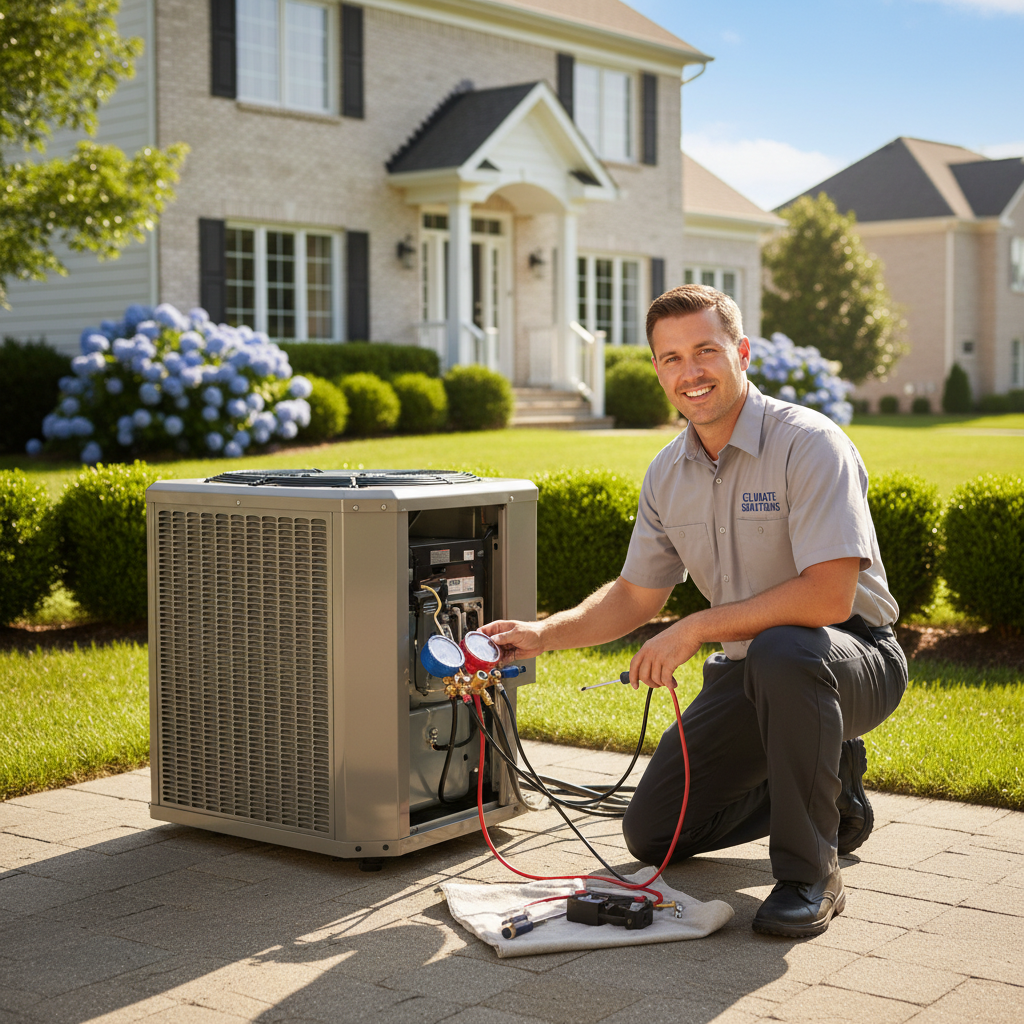
- Change Your Air Filter Regularly — Enhance airflow and protect your system.
- Locate the filter: Usually in the return air vent, blower compartment, or furnace. Note the size (e.g., 20x25x1 inches).
- Turn off power: Crucial safety step. Locate your thermostat and simply press the 'Off' button for your system. This prevents the blower from accidentally starting while you're working.
- Remove old filter: Slide it out. Notice how dirty it is – this indicates how much dust and debris your system is trapping.
HVAC · High energy usage
| Project category | HVAC |
|---|---|
| Problem type | High energy usage |
| Trade required | HVAC |
| Urgency | Planned project |
| Safety risk | Low safety risk |
| DIY suitability | DIY for experienced homeowners |
| Cost category | High cost |
| Typical timeline | Assessment within weeks; replacement planned off-season |
| Contractor type | Licensed HVAC technician |
Repair option
Duct sealing, insulation, and a tune-up before touching the equipment.
Replacement option
High-efficiency replacement sized by a load calculation, not a rule of thumb.
Common causes
- Aging, low-efficiency equipment
- Leaking ducts losing conditioned air
- Insufficient attic insulation
- Oversized system short-cycling
Relevant tools:project cost estimatorrepair or replace
Published May 1, 2026Last updated August 17, 2026
Tools & materials you'll need
Affiliate linksAs an Amazon Associate FixlyGuide earns from qualifying purchases — at no extra cost to you. Prices and availability are accurate as of publication and subject to change.
Quick Answer
Many homeowners believe their HVAC system is fine as long as it's blowing air, but this complacency can be expensive. The number one mistake homeowners make is failing to schedule annual professional HVAC inspections and tune-ups, coupled with inconsistent filter changes. This oversight directly leads to reduced efficiency, higher utility bills, premature equipment failure, and costly emergency repairs, easily adding $500 or more to annual homeownership costs.
The Problem
Your HVAC system—an intricate network of mechanical and electrical components designed to heat and cool your home—is often taken for granted. Homeowners expect it to work flawlessly year after year without much thought beyond adjusting the thermostat. This 'set it and forget it' mentality is the root of the problem. Without regular attention, critical components accumulate dirt, wear down, or become misaligned. This gradual degradation isn't always obvious until a major breakdown occurs, leaving you sweating in summer or freezing in winter, and facing an unexpected, costly repair bill. The hidden cost, however, is the constant drain on your wallet through inefficient operation and unnecessary energy waste that happens every day the system is running sub-optimally.
How It Works
An HVAC system works on the principles of heat transfer and fluid dynamics. For cooling, a refrigerant circulates between an indoor evaporator coil and an outdoor condenser coil. The indoor unit draws warm air from your home over the evaporator coil, where the refrigerant absorbs heat, turning from a low-pressure liquid into a low-pressure gas. This cooled air is then blown back into your living spaces. The now gaseous refrigerant travels to the outdoor condenser unit, where it's compressed, increasing its temperature and pressure. It then flows through the condenser coil, releasing its absorbed heat to the outside air, reverting to a high-pressure liquid. This cycle continues, continuously removing heat from your home.
Heating, particularly with a heat pump, reverses this process, extracting heat from the outdoor air (even in cold temperatures) and transferring it indoors. A furnace, on the other hand, burns fuel (natural gas, propane, or oil) to heat a heat exchanger, and a blower then distributes this warmed air throughout the home. All these systems rely on a clean airflow, proper refrigerant levels, functional electrical connections, and well-lubricated moving parts. When any component is compromised—a clogged filter restricting airflow, a dirty coil hindering heat transfer, or a loose electrical connection causing arcing—the system has to work harder, consuming more energy and accelerating wear.
Step-by-Step Fix
While professional service is paramount, many homeowners can perform basic checks to prevent common issues and prepare for their annual tune-up. These steps focus on airflow and visible component health.
-
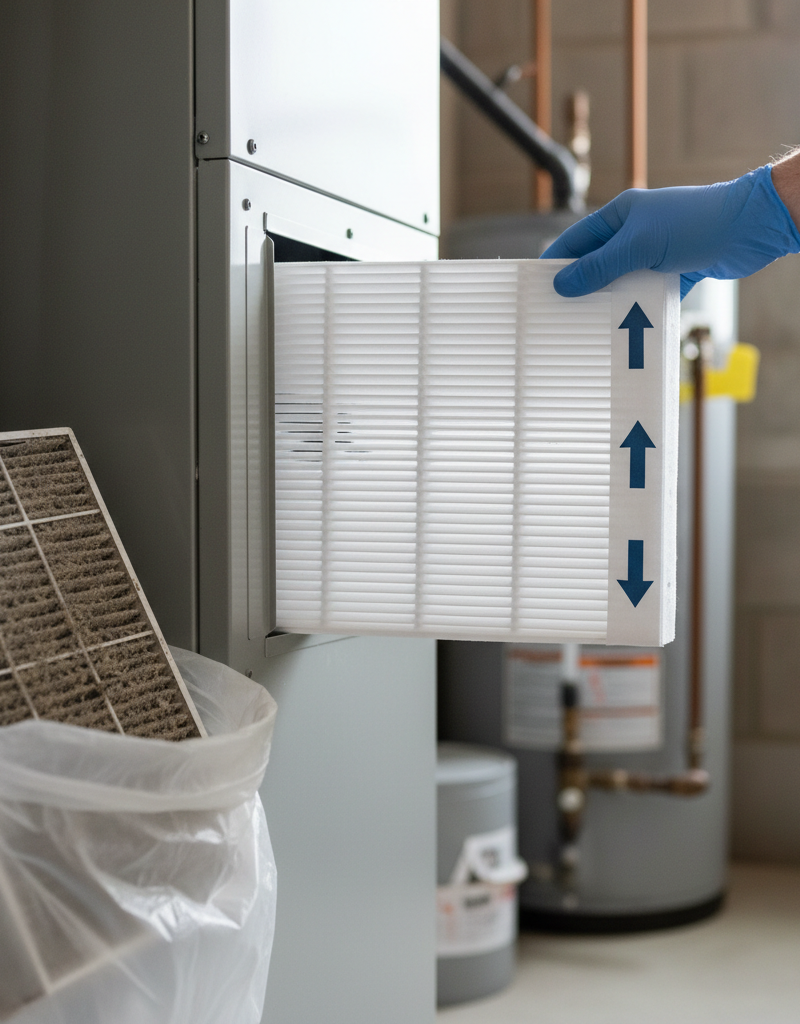
Change Your Air Filter Regularly — Enhance airflow and protect your system.
- Locate the filter: Usually in the return air vent, blower compartment, or furnace. Note the size (e.g., 20x25x1 inches).
- Turn off power: Crucial safety step. Locate your thermostat and simply press the 'Off' button for your system. This prevents the blower from accidentally starting while you're working.
- Remove old filter: Slide it out. Notice how dirty it is – this indicates how much dust and debris your system is trapping.
- Insert new filter: Ensure the arrow on the filter points in the direction of airflow (towards the furnace/air handler). Consider upgrading to a MERV 8-11 filter for better air quality without overly restricting airflow in most residential systems. Replace standard fiberglass filters monthly, pleated filters every 1-3 months, and premium filters every 3-6 months, depending on home occupancy and pet presence.
-
Clear the Outdoor Condenser Unit — Ensure proper heat exchange.
- Safety First: Turn off the power to the outdoor unit at the dedicated disconnect switch located near the unit itself. This switch typically looks like a small pull-out block or a lever in a metal box.
- Remove debris: Carefully clear leaves, grass clippings, dirt, and any other obstructions from around the outdoor unit. Maintain at least two feet of clear space in all directions.
- Gently clean fins (optional): Using a soft brush or a garden hose with low pressure (never a pressure washer!), gently spray the fins from the inside out to push dirt off. Be careful not to bend the delicate fins.
- Inspect pad: Ensure the concrete or plastic pad the unit sits on is level. If it's noticeably tilted, this could indicate soil erosion and should be mentioned to your HVAC technician during their visit.
-
Check Your Drain Line (Condensate Line) — Prevent water damage and mold.
- Locate: This is typically a PVC pipe exiting your indoor unit (furnace or air handler) and often drains into a floor drain or out of the house.
- Inspect for clogs: Look for standing water in the drain pan or a green/black slimy buildup in the clear section of the drain line (if applicable).
- Clear minor clogs (DIY): If you see a small clog, you can sometimes clear it by pouring a cup of distilled vinegar (not bleach!) down the access point of the drain line (often a T-shaped vent or cap). Let it sit for 30 minutes, then flush with water. If it remains clogged or if water backs up, do not force it; call a professional.
-
Listen and Observe — Catch problems early.
- Unusual noises: Listen for grinding, squealing, clanking, or gurgling sounds from either the indoor or outdoor unit. These often indicate worn bearings, loose components, or refrigerant issues.
- Odd smells: Burning smells, musty odors, or even a sulfur-like smell (rare, but serious) should prompt immediate investigation. A burning smell could be electrical, while musty smells often point to mold in the coils or ductwork.
- Performance issues: Notice if your home isn't reaching the set temperature, if some rooms are significantly warmer/cooler than others, or if the system runs constantly or cycles on and off too frequently (short-cycling).
Common Causes
- Neglected air filters: The single biggest culprit. Restricts airflow, reduces efficiency, and forces the system to work harder, leading to premature wear and tear on the blower motor, coils, and compressor.
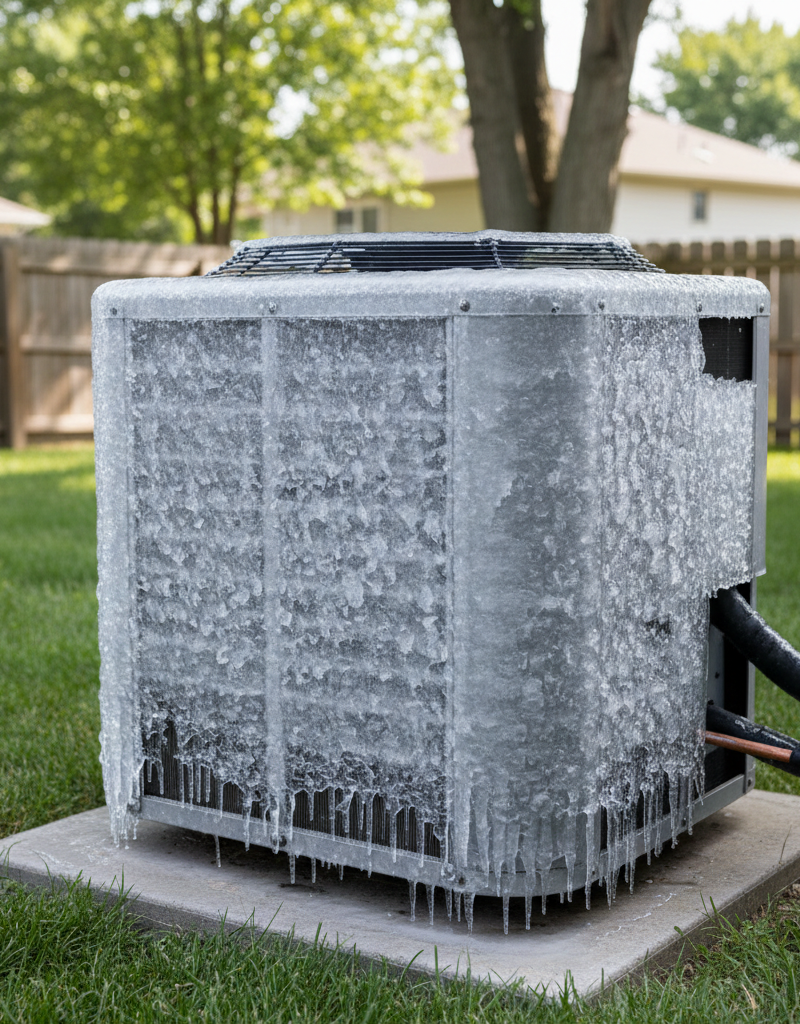
- Dirty coils: Evaporator and condenser coils accumulate dirt, dust, and grime, impeding heat transfer. This makes the system less efficient and can even freeze the evaporator coil.
- Refrigerant leaks: A common issue that reduces cooling capacity and forces the compressor to work harder, leading to eventual failure. Leaks are often due to wear and tear or improper installation.
- Electrical issues: Loose wiring, faulty capacitors, or worn contactors can cause intermittent operation, system shutdowns, and even fire hazards.
- Lack of lubrication: Moving parts in motors and fans require proper lubrication. Without it, friction increases, leading to wear, overheating, and eventual seizure.
- Clogged condensate drain: Leads to water backup, potential water damage, increased humidity, and sometimes safety shut-offs on newer systems.
Common Mistakes
Related Articles
Keep troubleshooting with these hand-picked guides from FixlyGuide:
- The HVAC Maintenance Myth: Why "Annual Service" Can Cost You More (and 3 Things to Check Instead) — Discover why strict annual HVAC servicing isn't always necessary and learn the essential checks that can save you money and extend your sys…
- The #1 HVAC Mistake Costing You Hundreds (And How Often to Really Change Your Filter) — Discover the surprising truth about how often you should change your HVAC filter and prevent common problems that can cost you hundreds in…
- The #1 Mistake Homeowners Make With HVAC Filters (And How Often to Really Change Them) — Discover the crucial mistake most homeowners make with HVAC filters and the specific schedule you should follow to avoid costly HVAC issues…
- The #1 HVAC Mistake Costing You Money (and How Often to REALLY Change Your Filter) — Your HVAC filter's lifespan isn't one-size-fits-all; discover the real factors and save money, improve air quality, and prevent costly brea…
- Stop Wasting 30% on HVAC: Your System's Dirty Secret — Regular HVAC servicing is crucial for efficiency and longevity. Learn when and why to schedule professional maintenance for your heating an…
- The One Schedule That Saves Homeowners $2,500 a Year — A disciplined seasonal home maintenance schedule is your best defense against catastrophic repair bills. Learn which tasks to tackle each s…
Your seasonal maintenance checklist
The small jobs that prevent the expensive repairs. Tick them off — progress saves on this device.
Free, no signup. Skip anything that requires roof access or working near live electrical.
Estimate your own project cost
National averages are a starting point. Enter your details for a range that fits your house.
HVAC replacement cost
- Equipment$2,200 – $3,800
- Installation labor$1,200 – $2,500
Always insist on a Manual J load calculation — sq-ft sizing is only a rough check. Federal heat-pump rebates may reduce cost significantly.
Educational estimate only — always confirm with written local bids.
What should this project cost?
Enter your project details for a realistic cost range before you call anyone.
Service calls and common repairs run $150–$900; full system replacement typically $6,000–$12,000.
- Regional adjustment
- National average
- Labor share (typical)
- ~$1,935
- Quotes to collect
- 3 written estimates
Educational estimate based on national averages — not a binding quote. Always confirm with written local estimates.
Fixly Project Decision Box
- DIY difficulty
- Advanced
- Estimated time
- Homeowner checks 20–30 minutes
- Cost level
- Moderate
Main tools / materials
- Clean air filter
- Garden hose for condenser coils
- Shop vac for the condensate line
When to stop and call a pro
- Burning smell, smoke, or a tripping breaker
- Refrigerant lines iced over or hissing
- Any work inside the sealed refrigerant circuit (EPA-licensed only)
- Gas smell near a furnace — leave and call the utility
Need professional help?
Find an HVAC Pro Near YouStay ahead of the next repair
Turn this guide into a schedule you will actually follow.
Free, no signup required. Estimates are educational guidance, not a quote or an inspection.
Get the print-ready PDF of this guide
A clean, ad-free, printable version you can keep on your phone or pin to the workshop wall. Free with a FixlyGuide account.
- Print-optimized layout
- Tools, materials & every step included
- Saved to your account
Frequently asked questions
How often should I have my HVAC system professionally serviced?+
You should have your HVAC system professionally serviced at least once a year, ideally in the spring for your AC unit and in the fall for your furnace or heat pump. This ensures optimal performance, efficiency, and longevity of your system.
What happens if I don't service my HVAC system annually?+
Skipping annual HVAC service can lead to decreased energy efficiency, higher utility bills, more frequent breakdowns, reduced system lifespan, and potential health issues due to poor indoor air quality. It's a false economy that almost always costs more in the long run.
Can I perform any HVAC maintenance myself?+
Yes, homeowners can and should regularly change air filters, keep the outdoor condenser unit clear of debris, and ensure the condensate drain line isn't clogged. These simple tasks significantly contribute to your system's efficiency and prevent common issues, but they don't replace professional tune-ups.
Discussion
Loading comments…