- Tools: Screwdriver (to remove panel), soft brush, vacuum with a narrow crevice tool.
- Safety: ABSOLUTELY ensure power is off. Blower fan blades can be sharp. Wear gloves.
- Pro Tip: If the blower motor is making unusual noises (squealing, grinding) in conjunction with a burning smell, it could indicate worn bearings or a failing motor, which warrants professional attention.
HVAC · High energy usage
| Project category | HVAC |
|---|---|
| Problem type | High energy usage |
| Trade required | HVAC |
| Urgency | Planned project |
| Safety risk | Low safety risk |
| DIY suitability | DIY for experienced homeowners |
| Cost category | High cost |
| Typical timeline | Assessment within weeks; replacement planned off-season |
| Contractor type | Licensed HVAC technician |
Repair option
Duct sealing, insulation, and a tune-up before touching the equipment.
Replacement option
High-efficiency replacement sized by a load calculation, not a rule of thumb.
Common causes
- Aging, low-efficiency equipment
- Leaking ducts losing conditioned air
- Insufficient attic insulation
- Oversized system short-cycling
Relevant tools:project cost estimatorrepair or replace
Published June 26, 2026Last updated August 17, 2026
Tools & materials you'll need
Affiliate links- AmazonNew HVAC air filter1 · Match your existing filter size and MERV rating
As an Amazon Associate FixlyGuide earns from qualifying purchases — at no extra cost to you. Prices and availability are accurate as of publication and subject to change.
Quick Answer
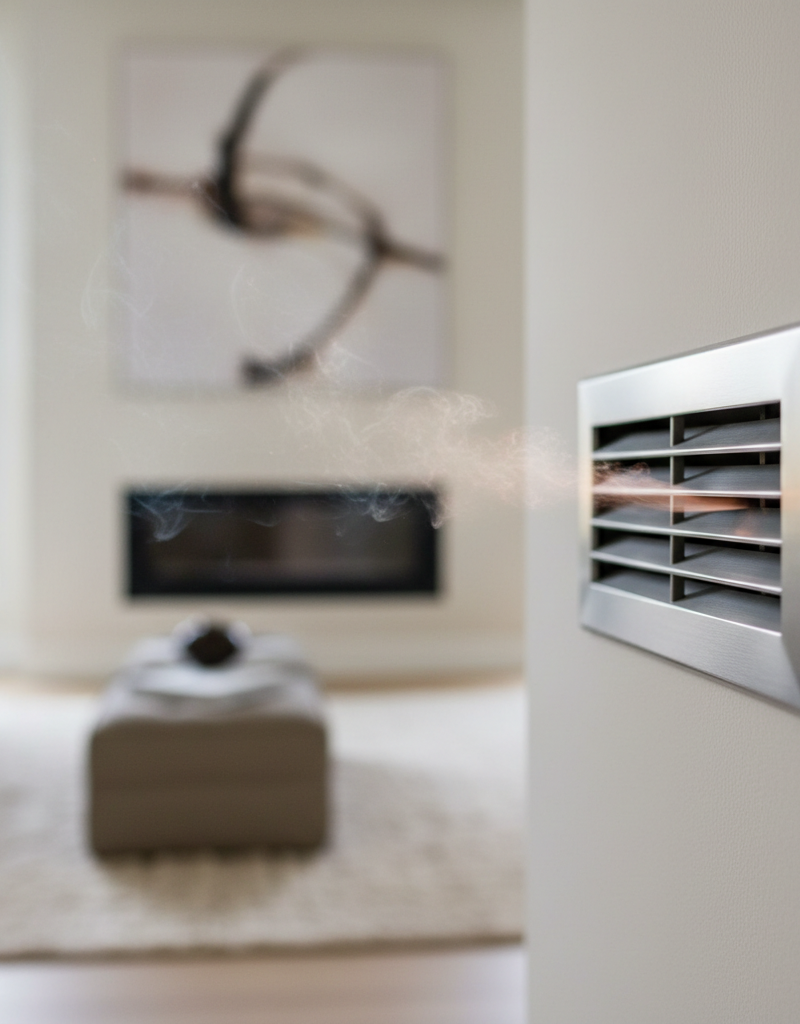
That odd burning dust or musty odor wafting from your vents when your furnace first fires up is, in most cases, completely normal and nothing to worry about. It's usually just dust that has settled on the heat exchanger or electric heating elements burning off. However, if the smell is acrid, smoky, metallic, or persistent, it could signal a more serious underlying problem that requires investigation.
The Problem
It's the crisp autumn air, and you finally decide to turn on your furnace for the first time in months. Suddenly, a distinct smell — often described as burning dust, singed hair, or a faint electrical scent — fills your home. For many homeowners, this is an annual occurrence that causes a moment of panic. While often benign, dismissing any unusual odor from your HVAC system without a quick check can overlook potential fire hazards, system inefficiencies, or even health concerns related to indoor air quality. Understanding the source of the smell is crucial for differentiating between a harmless seasonal quirk and a genuine problem that needs attention.
How It Works
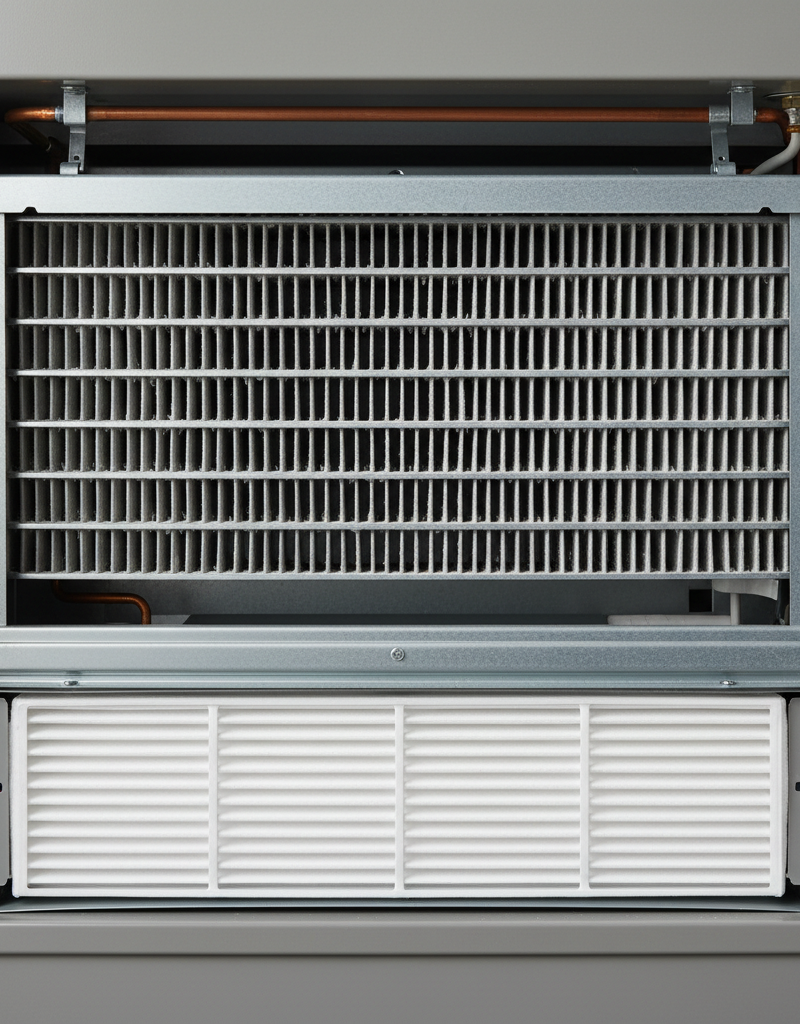
To understand the burning smell, let's quickly review how your furnace heats your home. In a gas furnace, cold air from your home is drawn into the return ducts, passes through a filter, and then moves into the furnace. Inside the furnace, a gas burner ignites, heating a component called the heat exchanger. The circulating air passes over the hot heat exchanger, absorbs heat, and is then pushed by a blower motor through the supply ducts and out into your rooms. The important detail here is that the combustion gasses from the burner never mix with your breathable air; they are vented safely outside.
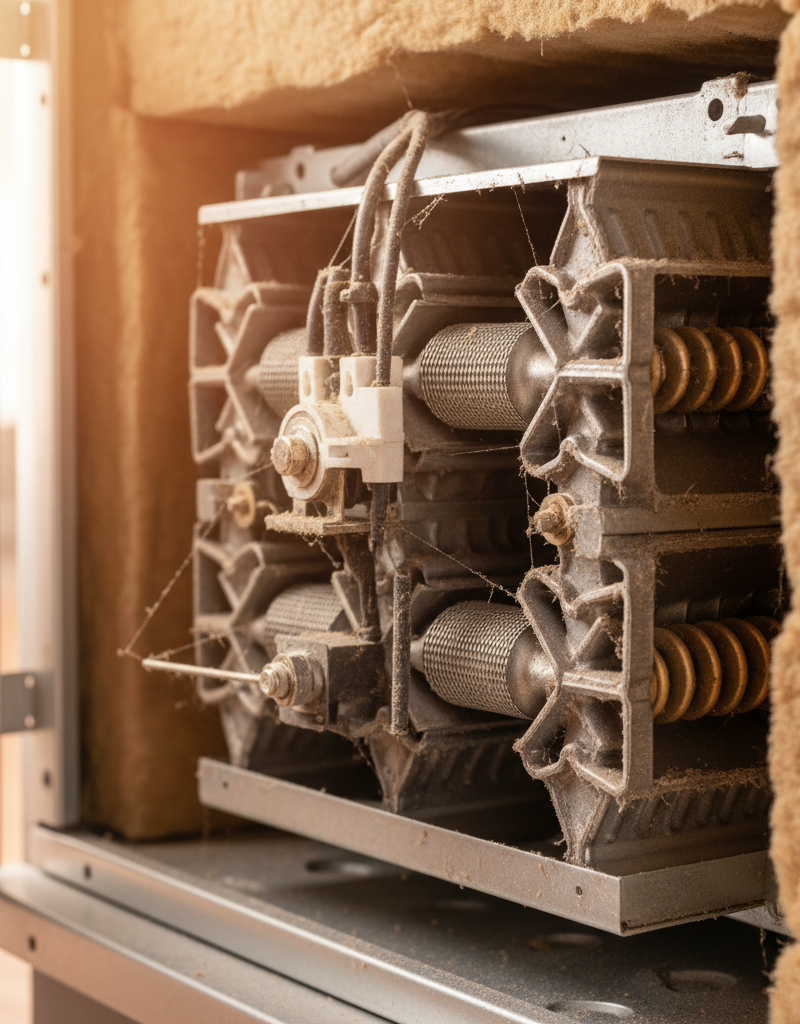
In an electric furnace or heat pump in heating mode, the process is similar but without combustion. Electric heating elements (like giant toaster coils) get red hot. Air passes over these elements, heats up, and is then distributed.
During the long months your heating system lies dormant, dust, pet dander, lint, and other airborne particles inevitably settle on these hot surfaces, particularly the heat exchanger or electric coils, and of course, within the ductwork. When the furnace is activated after a long hiatus, these accumulated particles are instantly superheated and incinerate, creating that distinct burning dust odor. This initial burn-off typically lasts for a few minutes to an hour and should dissipate as the dust is consumed. If the smell persists beyond a day or two, or if it changes in character, then something else is likely at play.
Step-by-Step Fix
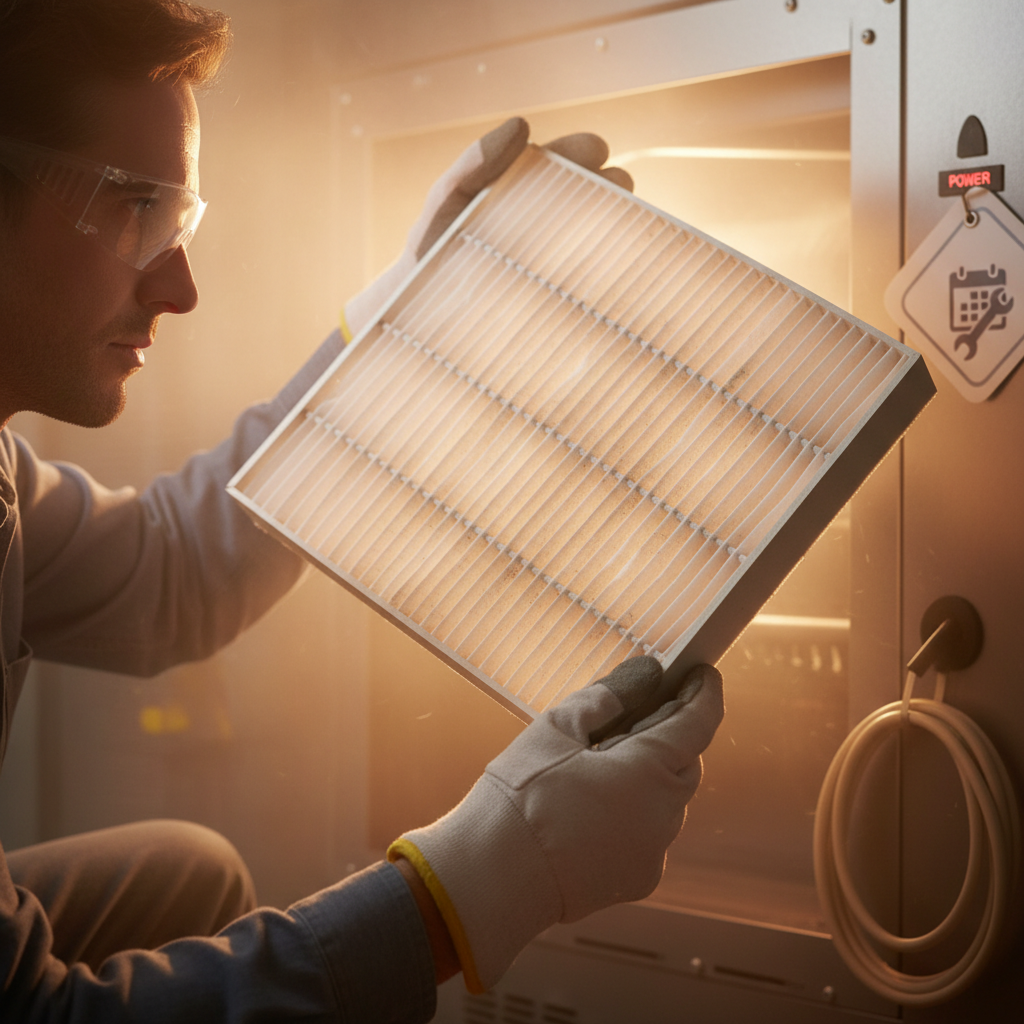
1. Check Your Air Filter — The easiest first step, often overlooked.
Begin by inspecting your furnace's air filter. A clogged, dirty filter restricts airflow, forcing your furnace to work harder and potentially causing components to overheat, leading to a burning smell from accumulated debris. A dirty filter also allows more dust and debris to reach the heat exchanger.
- Action: Locate your furnace filter slot (usually near the blower motor or return air duct). Slide out the old filter and hold it up to a light source. If you can't see light through it, or if it's visibly caked with dust and grime, it's time for a replacement.
- Tools: New air filter (check your old filter for size, e.g., 20x25x1 inch).
- Safety: Turn off the furnace at the thermostat and the emergency shut-off switch (often a light switch on the wall near the furnace) before opening any panels.
2. Let it Burn Off (Initially) — Patience is key for seasonal dust.
If you're turning on your furnace for the first time in months, a burning dust smell is highly probable and often self-correcting.
- Action: Turn the thermostat to 'Heat' and 'On' (rather than 'Auto') for the fan, allowing it to run continuously for an hour or so. Open windows if the smell is bothersome. Monitor the smell. It should gradually lessen and disappear.
- If it doesn't work: If the smell persists beyond a few hours of continuous operation or several cycles over a day, proceed to more thorough diagnostics.
3. Clean Around the Furnace — Remove nearby combustibles.
Dust and debris in the immediate vicinity of the furnace can be drawn into the system or generate odors independently when heated.
- Action: Use a vacuum cleaner (with a brush attachment) to thoroughly clean around the furnace unit, paying attention to the intake vents, combustion air openings, and any nearby stored items. Remove any rags, paper, or flammable materials from the area.
- Tools: Vacuum cleaner with hose and brush attachment.
- Safety: Ensure the furnace is completely off.
4. Inspect the Blower Motor and Fan — Hidden dust and friction.
Over time, dust and debris can accumulate on the blower motor itself, its housing, and the fan blades (squirrel cage). When the motor runs, this dust can burn off or the motor can overheat due to restricted airflow.
- Action: Turn off power to the furnace. Open the blower compartment access panel (refer to your furnace manual). Carefully inspect the blower wheel for heavy dust buildup. If accessible, gently clean the blades with a soft brush and vacuum. The motor itself may have external cooling fins that can collect dust.
- Tools: Screwdriver (to remove panel), soft brush, vacuum with a narrow crevice tool.
- Safety: ABSOLUTELY ensure power is off. Blower fan blades can be sharp. Wear gloves.
- Pro Tip: If the blower motor is making unusual noises (squealing, grinding) in conjunction with a burning smell, it could indicate worn bearings or a failing motor, which warrants professional attention.
5. Examine Electric Heating Elements (Electric Furnaces Only) — Direct source of burning.
If you have an electric furnace, the heating elements themselves are highly susceptible to dust accumulation and direct burning.
- Action: With all power off, carefully inspect the heating coils inside the furnace. If a heavy layer of dust is visible, you might attempt to gently brush it off with a dry, non-metallic brush or use a vacuum with a soft brush attachment. Do NOT touch the elements directly with your hands.
- Tools: Soft, non-metallic brush; vacuum with soft brush attachment.
- Safety: Ensure power is OFF at the breaker for the furnace. Electric heating elements can be extremely dangerous. If you are uncomfortable, call a pro.
6. Check for Obstructed Vents & Returns — Poor airflow creates hotspots.
Blocked supply or return vents can lead to uneven heating and potentially cause the furnace to overheat in certain areas, contributing to a burning smell.
- Action: Walk through your home and ensure all supply registers are open and clear of furniture, curtains, or rugs. Do the same for return air grilles. Make sure no large objects are blocking the main return duct in your basement or utility room.
7. Test for Electrical Odors (Carefully!) — Different smell, higher alert.
A distinct electrical burning smell (like ozone, hot plastic, or melting wire insulation) is a serious indicator and demands immediate attention.
- Action: If you detect a sharp electrical smell, immediately turn off your furnace at the thermostat and the dedicated circuit breaker. Do NOT try to diagnose this yourself. Carefully sniff near the furnace control board, wiring harnesses, and the main circuit breaker panel. If the smell is strongest at any of these points, call an HVAC technician or electrician immediately.
- Safety: Electrical fires are extremely dangerous. When in doubt, shut off power and call a professional.
Common Causes
- Dust Burn-Off (Most Common): Accumulation of dust on heating elements or heat exchanger during periods of inactivity, particularly at the start of the heating season. Harmless and usually dissipates quickly.
- Dirty Air Filter: A clogged filter restricts airflow, leading to dust bypassing the filter and settling on heating components, or causing the system to work harder and potentially overheat.
- Obstructed Vents/Ductwork: Blocked registers or return grilles, or significantly clogged ductwork, can impede airflow and create localized overheating spots within the system, burning accumulated dust or even insulation.
- Blower Motor Issues: Dust on the blower motor or fan blades, or an overworked motor with failing bearings, can generate heat and a burning smell. Sometimes it's the lubricant residue burning off.
- Electrical Problems: Overheating wires, a failing motor capacitor, a faulty control board, or stressed wiring can produce a distinct electrical, metallic, or plastic burning smell. This is a serious fire hazard.
- Combustion Issues (Gas Furnaces): Though less common for a general
Related Articles
Keep troubleshooting with these hand-picked guides from FixlyGuide:
- The Hidden Reason Your AC Freezes — And Why Most Homeowners Get It Wrong — Discover the surprising truth behind why your outdoor AC unit is freezing up and the common mistake homeowners make when trying to fix it.
- The Hidden Reason Your AC Freezes — And Why Most Homeowners Get It Wrong — Your AC freezing up outside isn't just about low refrigerant; restricted airflow is often the true culprit, leading to inefficient cooling…
- The #1 Reason Your AC Blows Warm Air (And It's Not What You Think) — A dirty air filter is often the overlooked culprit behind an air conditioner blowing warm air, hindering its ability to cool your home effi…
- Why Your Thermostat Lies: The Real Reason Your Home Won't Hit the Set Temperature — Discover why your thermostat struggles to reach the set temperature and learn actionable steps to diagnose and fix common HVAC issues.
- The Secret Reason Your AC Isn't Drying Your Home (And 5 Things to Check Now) — If your AC is running but your house still feels sticky, it's likely battling an underlying humidity issue that simple adjustments can fix.
- The Hidden Reason Your AC Isn't Cooling (It's Not Just Freon) — A central AC system that isn't cooling your home can often be traced back to a surprising culprit: airflow obstruction, which mistakenly le…
Frequently asked questions
Is it normal for the furnace to smell like burning dust when first turned on?+
Yes, it is very common and usually normal for a furnace to emit a burning dust smell the first few times it runs at the start of the heating season. This is due to dust accumulated on the heat exchanger or heating elements burning off.
Discussion
Loading comments…