- Dirty Air Filter: I can’t beat this drum enough. A clogged filter starves the system for air, which can make parts overheat. It also lets more dust sneak past and burn on the heat source. Change your filters regularly, folks.
- Wiring Issues: Loose connections, frayed wires, or insulation chewed up by pests can cause arcing or overheating, which gives off a strong electrical burning smell. Serious fire risk here.
- Melting Plastic/Debris: Something fell into a vent, or maybe a kid’s toy got too close to a heat source. This isn’t just about the smell — fumes from burning plastic can be toxic.
HVAC · High energy usage
| Project category | HVAC |
|---|---|
| Problem type | High energy usage |
| Trade required | HVAC |
| Urgency | Planned project |
| Safety risk | Low safety risk |
| DIY suitability | DIY for experienced homeowners |
| Cost category | High cost |
| Typical timeline | Assessment within weeks; replacement planned off-season |
| Contractor type | Licensed HVAC technician |
Repair option
Duct sealing, insulation, and a tune-up before touching the equipment.
Replacement option
High-efficiency replacement sized by a load calculation, not a rule of thumb.
Common causes
- Aging, low-efficiency equipment
- Leaking ducts losing conditioned air
- Insufficient attic insulation
- Oversized system short-cycling
Relevant tools:project cost estimatorrepair or replace
Published July 31, 2026Last updated August 17, 2026
Tools & materials you'll need
Affiliate linksAs an Amazon Associate FixlyGuide earns from qualifying purchases — at no extra cost to you. Prices and availability are accurate as of publication and subject to change.
Quick Answer
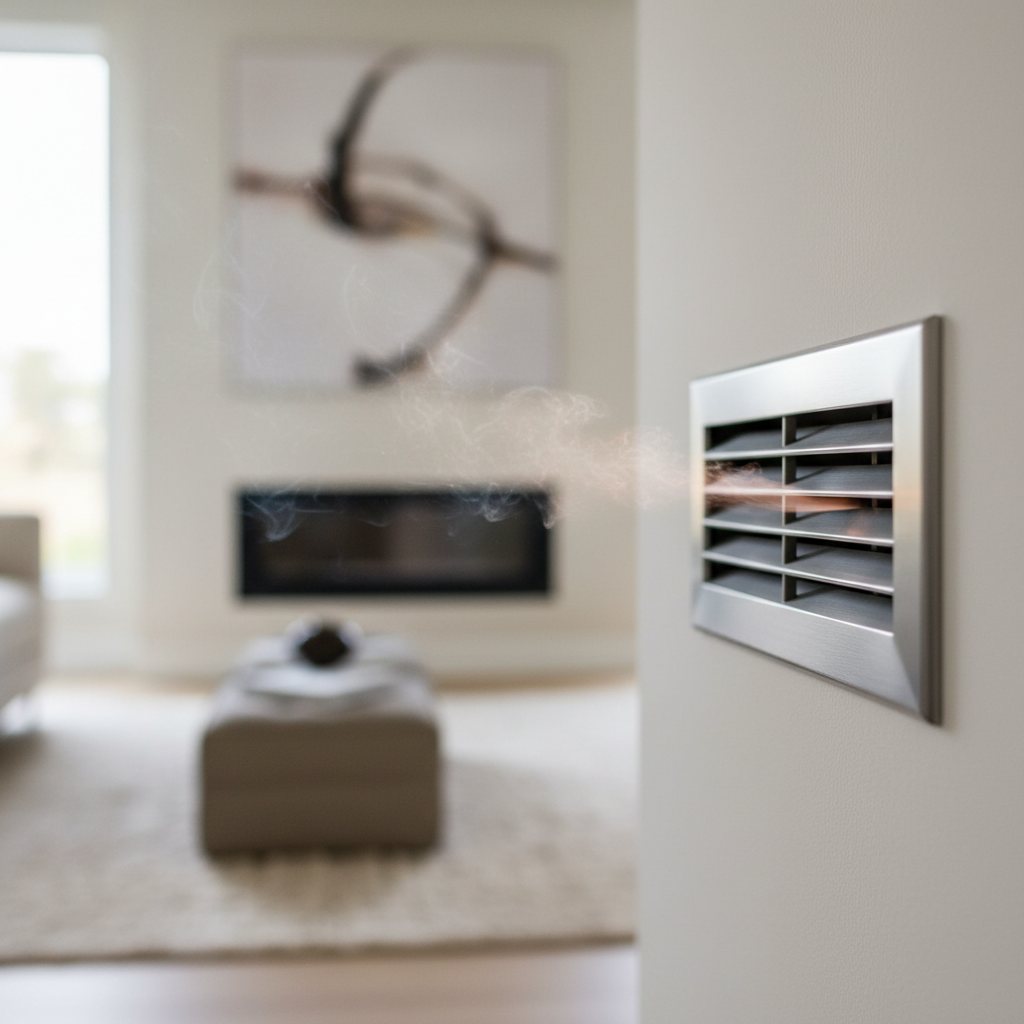
That burning dust smell right when your furnace kicks on after months of sitting there? Most of the time, it’s just dust and dander that settled on your heat exchanger or electric heating coils over the summer and then burned off when the system fired up. Pretty normal. No drama.
But don’t get too comfortable. If that smell hangs around for more than an hour or two, gets stronger, or you see smoke or sparks, you’ve got a real problem. That’s the time to shut it down and call a pro, quick.
The Problem
We’ve all been there: it’s the first truly cold day of the season, you flip the thermostat from 'cool' to 'heat,' and a few minutes later this weird, sometimes nasty smell rolls out of the vents. Most folks describe it as dry, dusty, and a little acrid — like something’s getting singed.
My phone usually starts lighting up around the end of September here in Denver for exactly this. Homeowners panic. They think the furnace is about to blow, or they’ve got some poor critter roasting in the ductwork. And yeah, most of the time it’s harmless — just the annual dust-off. But not always. Sometimes that smell is waving a giant red flag.
Ignore the wrong one and you can end up with bigger repairs, fire hazards, or even carbon monoxide exposure, and that’s no joke. I’m thinking of a client in Golden, house built in '78, who sat on a persistent burning plastic smell from his electric furnace for weeks. Turned out a fan motor capacitor was fried and melting down, and it started taking the control board with it. I pulled a water heater in Frisco last month that had exactly this kind of “eh, I’ll get to it later” attitude from the homeowner — and that thing was toast. Could’ve gone a lot worse if he’d kept waiting.
How It Works
If you want to figure out what’s cooking in your ducts, you’ve gotta know the basics of how the furnace works. Doesn’t matter if it’s gas, electric, or a heat pump — they all move air over some kind of heat source.
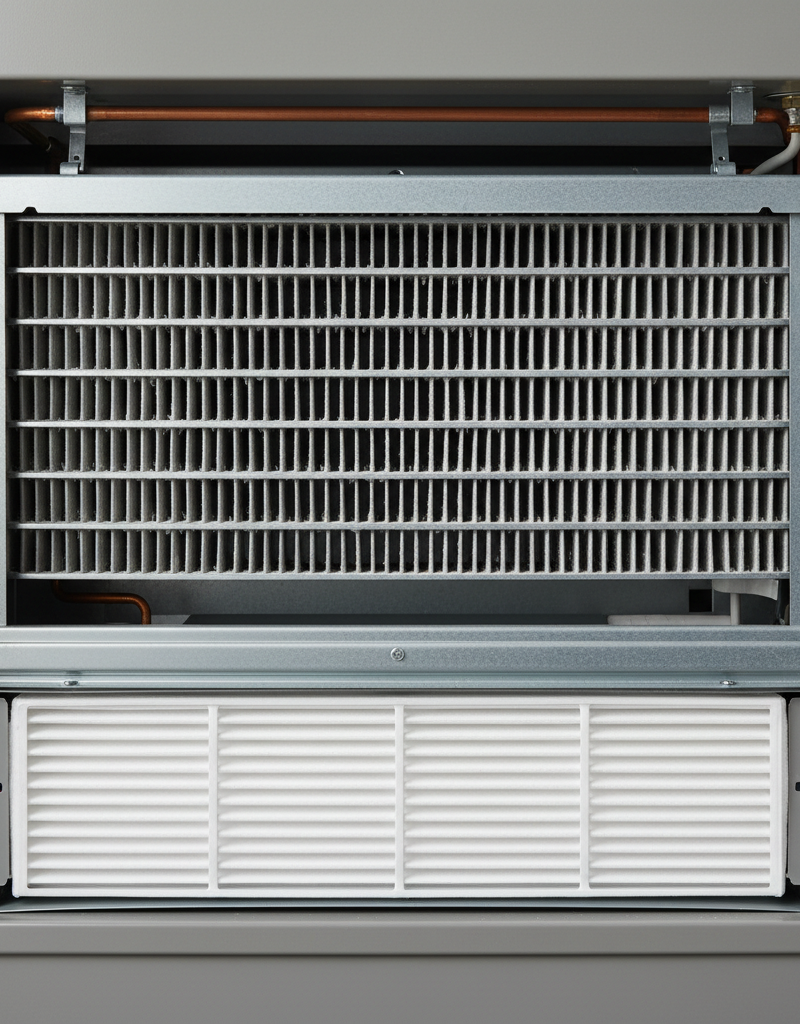
Gas Furnace: In a gas furnace, natural gas or propane burns in a combustion chamber and heats a metal part called a heat exchanger. Think of it like a giant radiator. Then the blower fan pulls air from your house through the return ducts, pushes it across the outside of that hot heat exchanger, and sends the warmed air into your supply ducts and out the vents. The exhaust fumes go out a separate flue pipe — they NEVER mix with your breathable air. That heating surface can hit temperatures upwards of 300°F (150°C) during operation.
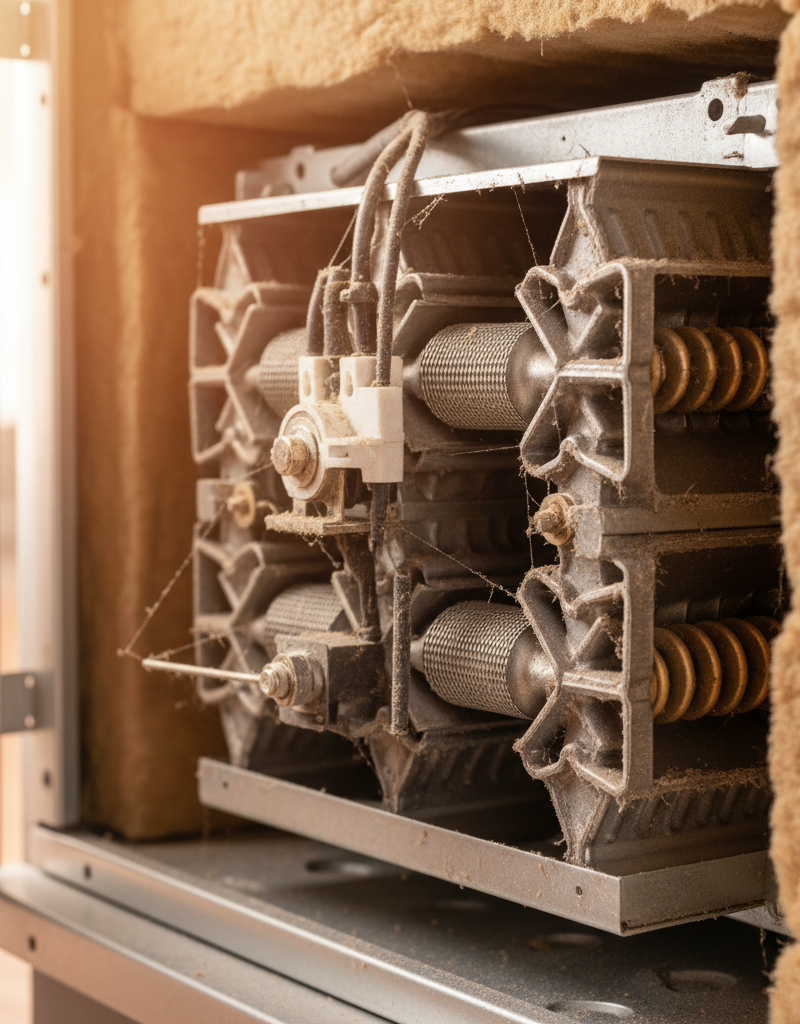
Electric Furnace: An electric furnace is simpler. It uses electric resistance heating coils, kind of like a giant hair dryer element. Air gets pulled in, passes right over those glowing hot coils, picks up heat, and gets sent through the house. Those coils get hot enough to make you sit up straight, often reaching 400-500°F (200-260°C).
Heat Pump: A heat pump in heating mode basically flips its air conditioning cycle around. It pulls heat from the outside air — and yeah, even cold air has heat in it — then moves that heat indoors with refrigerant, a compressor, and coils. But when it gets really cold outside, a lot of heat pumps kick on auxiliary electric resistance coils, just like an electric furnace. Those auxiliary coils are a common source of that burnt-dust smell.
See the common thread? Air moving over a really hot surface. That’s the whole game. Any dust, pet dander, or other junk that settled on those hot parts during the off-season is going to burn off when the heat starts. That’s your dusty smell. Simple enough. But if something else gets on those surfaces, or if electrical parts start going south, now you’ve got trouble. That’s why you need to know what kind of smell you’re dealing with.
Step-by-Step Fix
Alright, let’s sort out what’s going on and what you can actually do about it. Most of the time you’re dealing with normal burn-off, but I’ll walk you through checking for the nasty stuff too.
-
Identify the Smell – What kind of burning is it? — This is the first thing I want you to do. A classic 'burning dust' smell is usually dry, a little faint, and it fades pretty quick — sort of like singed hair or a dusty attic. If it smells metallic, electrical (like ozone), rotten eggs, or melted plastic, that’s a different animal. Don’t talk yourself into calling it dust. Trust your nose.
-
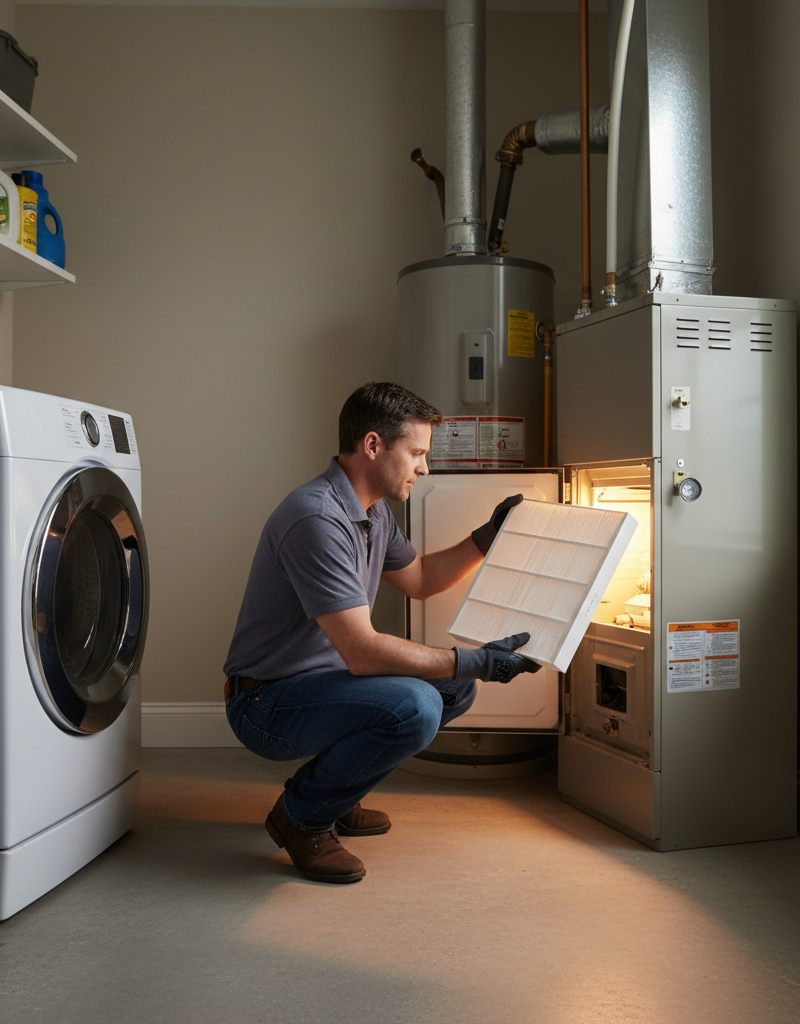
Check Filters – A blocked pathway makes things worse. — A filthy air filter chokes off airflow, which makes the furnace work harder and can overheat parts. It also lets more dust sneak through and land on the heating elements. Shut the furnace off at the thermostat. Find the filter — usually in the return air plenum near the furnace, or sometimes in a filter grille on a wall or ceiling. Pull it out. If it’s dark gray and loaded up with crud, it’s way overdue. Replace it with a clean one. I tell people to check it every month and swap it every 1-3 months, depending on pets and allergies. A good MERV 8 filter balances filtration and airflow nicely.
-
Inspect Near the Furnace – *Look for the obvious culprit. * — With the furnace still off, grab a flashlight and open the access panel if you can do that safely — some units have interlock switches. Look for anything out of place. Rags, paper, insulation too close to the cabinet? That’ll do it. Kids throw toys in weird places, or somebody stores stuff way too close. Clear out anything within at least 2 feet of the furnace. If you see melted plastic on or near electrical parts, DO NOT proceed; call a pro immediately.
-
Confirm the Burn-Off – Let it run, but stay vigilant. — If the smell is faint, dry, and smells like regular dust, and your filter is clean, go ahead and start the furnace. Let it run for 30 minutes to an hour. Crack open a window or two for ventilation. Watch the smell. A normal burn-off smell should start strong, then drop off fast, and ideally disappear within that hour. If it keeps going, gets stronger, or changes character — like turning more acrid or plastic-like — shut the furnace off right away.
-
Clean Vents and Registers – Dust accumulation isn't just in the furnace. — Sometimes the smell isn’t coming from the furnace itself. It’s the dust and debris sitting in the vents and registers. Those things collect grime too. Use a vacuum with a hose attachment and clean out as much as you can from your supply and return registers. Don’t skip the bathroom vents and kitchen exhaust ducts if they tie into the system.
-
Check for Critters – Uninvited guests can stink up the place. — Small animals can crawl into ductwork and, unfortunately, die in there. That usually makes a rotten, decaying smell, not a burning one. But sometimes they drag in nesting material or leaves that can burn off and stink. Look for nests, droppings, or rodent activity around the furnace or vents. If you suspect an animal issue, you’ll need professional duct cleaning and maybe pest control too. On one job off Wadsworth Boulevard, I pulled a whole bird’s nest out of a main return duct. The homeowners were convinced it was just a weird attic smell.
-
Pilot Light/Ignition System (Gas Furnaces Only) – Smells here can signal bigger problems. — On older gas furnaces with a pilot light, a weak or flickering pilot can cause incomplete combustion and give off a faint gassy smell or a sooty odor. Newer units use electronic ignition. If your gas furnace is short cycling, or you smell a strong rotten egg odor (natural gas), turn off the gas to the furnace immediately via its shut-off valve and call your gas company or an HVAC pro. This isn’t a DIY job; it’s a safety issue.
-
Electrical Components – The most serious DIY red flag. — An electrical burning smell — metallic, ozone-like, or like burning plastic — is a huge warning sign. It can mean a motor’s failing, wiring’s melting, or a capacitor is shot. If you smell this, turn off the furnace breaker at your main electrical panel immediately. Don’t reset it. That’s a fire risk. You need a licensed electrician or HVAC technician to sort it out.
Common Causes
Alright, so you’ve got a smell. Here’s what’s usually behind it, from harmless to the stuff that’ll ruin your evening.
- Dust Burn-Off (The Usual Suspect): This is probably 90% of those first-time-you-turn-it-on smells. Dust, pet hair, skin flakes — all that junk settles on the heat exchanger or heating elements over the summer. When the heat comes on, it burns off fast. Smells like a dusty attic or something singed. Usually gone in less than an hour.
- Dirty Air Filter: I can’t beat this drum enough. A clogged filter starves the system for air, which can make parts overheat. It also lets more dust sneak past and burn on the heat source. Change your filters regularly, folks.
- Overheated Motor/Bearings: If the smell is more acrid, metallic, or electrical, especially when the fan is running, the blower motor or its bearings may be starting to seize. The motor draws too much current, gets hot, and the insulation starts cooking. That’s a fire hazard.
- Wiring Issues: Loose connections, frayed wires, or insulation chewed up by pests can cause arcing or overheating, which gives off a strong electrical burning smell. Serious fire risk here.
- Melting Plastic/Debris: Something fell into a vent, or maybe a kid’s toy got too close to a heat source. This isn’t just about the smell — fumes from burning plastic can be toxic.
- Cracked Heat Exchanger (Gas Furnaces): This is the ugly one on gas furnaces. A cracked heat exchanger can let exhaust gases, including deadly carbon monoxide, mix with your breathable air. The smell might be metallic, acrid, or a little sulfuric. If you have a CO detector going off or suspect this, evacuate your home immediately and call 911 or your gas company.
Common Mistakes
I’ve seen homeowners make some real clunkers when they’re dealing with these smells. Learn from the bruises other folks took.
- Ignoring Persistent or Worsening Smells: The 'dust burn-off' excuse runs out pretty fast. If the smell doesn’t clear up in an hour or two, or it changes, don’t just hope it’ll vanish. It won’t.
- Resetting Breakers Repeatedly: If the furnace breaker trips because of an electrical burning smell, don’t just flip it back on. That breaker tripped for a reason — it’s trying to keep you out of an electrical fire. Call a pro.
- Using Air Fresheners to Mask Smells: That’s a band-aid on a gaping wound. Covering a serious mechanical or gas smell means you’re ignoring a dangerous problem. Fix the source, don’t just perfume it.
- Failing to Change Filters: Skipping a filter change is one of the easiest, and most common, ways to strain a furnace and make odd smells show up.
- DIYing Gas System Repairs: Even if you think you know what you’re doing, gas systems aren’t for amateurs. One bad move and you’re dealing with a leak, an explosion, or carbon monoxide poisoning. Leave it to the licensed folks.
- Not Having Carbon Monoxide Detectors: If you’ve got a gas appliance, CO detectors aren’t optional. Put them near sleeping areas and on every level of the house. They’re your early warning for a silent killer.
Cost & Time Breakdown
Here’s a rough idea of what you might be looking at to get these smells handled, depending on what’s causing them.
| Task | DIY Cost | Pro Cost | Time |
|---|---|---|---|
| Filter Replacement | $10–$30 | $0 (part of service) | 5 minutes |
| Basic Vent/Duct Cleaning | $0–$10 (vacuum) | $300–$500+ | 30–60 minutes |
| Blower Motor Replacement | $150–$400 | $500–$1,200 | 2–4 hours |
| Wiring Repair | DANGEROUS | $150–$400 | 1–3 hours |
| Heat Exchanger Replacement | NOT DIY | $1,500–$4,000+ | 4–8 hours |
| Annual Furnace Tune-Up | $0 | $80–$150 | 1 hour |
Tips & Prevention
An ounce of prevention beats a pound of cure every time, especially with furnaces. A few simple habits can save you headaches and money down the road.
- Seasonal Tune-Up: Have an HVAC tech inspect the furnace every fall before you start using the heat. They’ll clean it, check the parts, and catch problems before they turn into expensive breakdowns. It usually runs around $80-$150, and that’s money well spent.
- Regular Filter Changes: I’m saying it again because it matters. Change your air filters at least every 90 days, or more often if you’ve got pets or allergies. Put it on the calendar or set a recurring reminder on your phone.
- Keep Area Around Furnace Clear: Leave at least a 2-foot clearance around the furnace. Don’t stack boxes, paint cans, or anything flammable nearby. Fire hazard, plain and simple, and it blocks airflow too.
- Install CO Detectors: If you’ve got a gas furnace, make sure you’ve got working carbon monoxide detectors on every level of the home, especially near bedrooms. Test them monthly and replace them every 5-7 years.
- Listen and Look: Pay attention to the furnace. New noises — grinding, squealing — or visual changes like smoke, sparks, or a flickering pilot light mean it’s time to dig in and check it out. Furnaces usually tell you before they quit.
- Consider Professional Duct Cleaning: If you’ve had a bunch of construction dust, moved into an older house, or keep dealing with dust even after changing filters, a professional duct cleaning every 3-5 years can help cut down on airborne dust and weird smells. It’s also a good chance to find surprise critter nests before they become a headache.
When to Call a Professional
Look, I’m all for homeowners getting their hands dirty and saving a buck, but some jobs belong to licensed pros. With strange furnace smells, here’s my hard rule: if it’s anything more than a quick dusty smell that disappears within an hour, or if you see smoke, sparks, or your carbon monoxide detector chirps, shut the system down and call for help. If you smell rotten eggs (gas leak), burning plastic or electrical wiring (fire hazard), or a metallic, acrid smell that just won’t go away, it’s time to put down the wrench and pick up the phone. A cracked heat exchanger on a gas furnace can be deadly, and only a trained HVAC tech can diagnose and repair it properly. Don’t gamble with your house or your family’s health — call a licensed and insured HVAC professional.
Related Articles
Keep troubleshooting with these hand-picked guides from FixlyGuide:
- What's That Burning Dust Smell When Your Heat Kicks On? The HVAC Secret — That burning dust smell when your furnace starts is usually harmless, but it signals it's time for some essential HVAC maintenance.
- What's That Burning Dust Smell When Your Heat Kicks On? The HVAC Secret — That weird smell when your furnace starts isn't always serious, but understanding its cause can prevent bigger issues and improve home air…
- The $5 Part That Stops Your Dryer From Heating (And How to Replace It in 30 Minutes) — A dryer that tumbles but doesn't heat often points to a blown thermal fuse, a simple and inexpensive fix most homeowners can do themselves.
- The Secret Reason Your Oven Fails to Heat (It's NOT Always the Element) — Discover why your oven isn't reaching its set temperature, from common part failures to overlooked calibration issues, and how to fix it.
- The $5 Part That Stops Your Dryer From Heating (And How to Replace It) — A dryer that tumbles but doesn't heat often points to a blown thermal fuse, a cheap and simple fix any homeowner can do.
- That One Warm Breaker Is Trying to Tell You Something — A single warm circuit breaker is not normal; it's a critical warning sign of an electrical issue, often an overload or a dangerous loose co…
What should this project cost?
Enter your project details for a realistic cost range before you call anyone.
Service calls and common repairs run $150–$900; full system replacement typically $6,000–$12,000.
- Regional adjustment
- National average
- Labor share (typical)
- ~$1,935
- Quotes to collect
- 3 written estimates
Educational estimate based on national averages — not a binding quote. Always confirm with written local estimates.
Get the print-ready PDF of this guide
A clean, ad-free, printable version you can keep on your phone or pin to the workshop wall. Free with a FixlyGuide account.
- Print-optimized layout
- Tools, materials & every step included
- Saved to your account
Frequently asked questions
Why does my furnace smell like burning dust the first time I turn it on?+
This is very common and usually harmless. Dust, pet dander, and other airborne particles settle on your furnace's heat exchanger or electric heating elements during the warmer months. When the heat kicks on, these particles quickly burn off, creating that distinct 'burning dust' odor that typically dissipates within an hour or two.
How long should a burning dust smell last?+
A normal 'dust burn-off' smell should last no more than 30 minutes to an hour after your furnace first kicks on for the season. If the smell persists beyond this timeframe, gets stronger, or changes its character (e.g., becomes more acrid or electrical), it's a sign of a more serious problem.
What if the burning smell is electrical or like melting plastic?+
An electrical or melting plastic smell is a critical warning sign. This usually indicates an overheating electrical component, such as a failing motor, damaged wiring, or a burnt-out capacitor. Turn off your furnace's power at the main breaker immediately and call a licensed HVAC technician or electrician; this is a serious fire hazard.
Can a dirty air filter cause a burning smell?+
Yes, absolutely. A clogged air filter restricts airflow, forcing your furnace to work harder and potentially causing components to overheat. It also allows more dust and debris to bypass the filter and accumulate on the heating elements, leading to a stronger or more persistent burning dust smell.
What does a gas leak smell like, and what should I do?+
Natural gas has a distinctive rotten egg or sulfur-like odor added to it so you can detect a leak. If you smell this, evacuate your home immediately, do not touch any electrical switches, and call your gas company or 911 from a neighbor's house. Do not try to find or fix the leak yourself.
Should I be worried about a metallic or acrid burning smell?+
Yes, a metallic or acrid burning smell, distinct from a dusty smell, can indicate serious issues like overheating motor bearings, a failing heat exchanger, or other mechanical problems. If you notice this, turn off your furnace and contact an HVAC professional to diagnose the issue safely.
How often should I change my furnace filter to prevent smells?+
You should check your furnace filter monthly and plan to replace it every 1 to 3 months, especially if you have pets, allergies, or live in a dusty environment. Regular filter changes prevent dust buildup and ensure optimal furnace performance, reducing the likelihood of burning smells.
What's the best way to prevent strange smells from my vents?+
Regular maintenance is key. Schedule an annual professional furnace tune-up in the fall, change your air filters consistently, keep the area around your furnace clear of clutter, and install working carbon monoxide detectors. These steps help catch issues early and maintain healthy air quality.
Can pests cause burning smells in my vents?+
Yes, small animals like rodents or insects can build nests or leave droppings in your ductwork. If these materials come into contact with a hot heating element, they can create a foul or burning odor. If you suspect pests, professional duct cleaning is often necessary, along with addressing the pest entry points.
Are carbon monoxide detectors necessary if I have a gas furnace?+
Absolutely. Carbon monoxide is an odorless, colorless, and deadly gas that can be produced by faulty gas appliances, including furnaces with cracked heat exchangers. CO detectors are essential safety devices that provide an early warning, potentially saving lives. Install them on every level of your home and near sleeping areas.
Discussion
Loading comments…