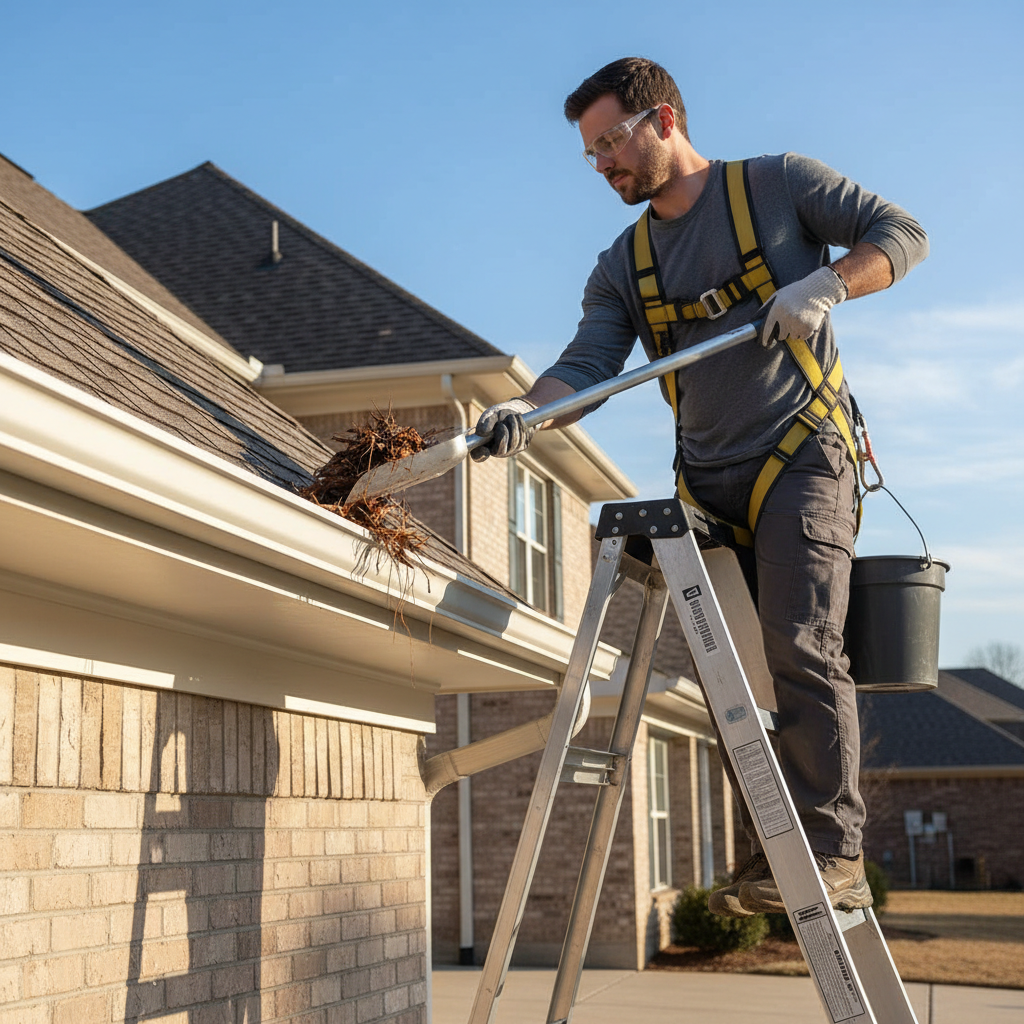
- Ladder Safety: Make sure all four feet are planted firm. Extend it at least three feet above the gutter line. Keep three points of contact the whole time.
- Gloves: Heavy-duty work gloves help with sharp debris and whatever critters left behind.
- Eye Protection: Safety glasses keep flying junk out of your eyes.
Plumbing · Clog
| Project category | Plumbing |
|---|---|
| Problem type | Clog |
| Trade required | Plumbing |
| Urgency | Soon — within weeks |
| Safety risk | Low safety risk |
| DIY suitability | DIY friendly |
| Cost category | Low cost |
| Typical timeline | Same-day DIY attempt; pro visit within a day or two |
| Contractor type | Licensed plumber |
Repair option
Plunger, hand auger, or trap cleanout before chemicals.
Replacement option
Line replacement when clogs return in the same spot repeatedly.
Common causes
- Hair and soap buildup in the trap
- Grease cooling in the branch line
- Flushed wipes or foreign objects
Relevant tools:diy difficultydiy or hire a pro
Published August 1, 2026Last updated August 17, 2026
Tools & materials you'll need
Affiliate linksAs an Amazon Associate FixlyGuide earns from qualifying purchases — at no extra cost to you. Prices and availability are accurate as of publication and subject to change.
Quick Answer
You’ve probably heard it a hundred times, but I’m gonna say it again: keeping your gutters clean isn’t just about making the place look tidy. It’s about protecting the biggest investment you’ll ever make—your home. Clogged gutters can dump thousands of gallons of water right where you don’t want it: against your fascia, under your shingles, and even down into your foundation. That’s slow damage. Sneaky damage. The kind that sits there chewing up your house while you’re inside thinking everything’s fine. Rotting wood, ice dams, cracked foundations, basement flooding — I’ve seen all of it, and none of it’s cheap. A few hours of work twice a year can save you thousands. Trust me on that. I’ve spent 25 years crawling ladders around Minneapolis, and I’ve seen what happens when folks let gutters go.
The Problem
I’ve been up on enough ladders to know ignoring your gutters is like leaving a slow leak in your wallet. Most homeowners don’t think about them until there’s already a problem — water pouring over the edge in a storm, a soggy strip of grass by the foundation, or, worst of all, stains showing up on the ceiling inside. By then, the damage has already started. What looks like a little overflow outside is often water backing up, soaking into the roof eaves, rotting out the fascia board, and sometimes messing with the roof decking itself. That’s not a quick patch job. That’s a repair that starts stacking up fast. Just last summer, I pulled open an eave on a house in Edina where the owner hadn’t touched the gutters in years, and the fascia was so soft I could poke my finger right through it. Over $1,800 just for the fascia and a few feet of damaged decking. No joke.
How It Works
Your home’s gutter system is really just a simple water-management setup, but it’s doing a big job. Rain hits the roof, gravity takes over, and the water runs down the shingles into the gutters. Those troughs, usually aluminum, steel, or copper, are pitched — that means they’ve got a slight slope, usually about 1/16 to 1/8 inch per foot, so the water heads toward the downspouts. Downspouts are the vertical pipes that carry the water from the gutters down to the ground, and they’re supposed to dump it several feet away from your foundation through an elbow or extension. When everything’s working right, that system moves thousands of gallons of water away from the house and protects your roof, siding, windows, doors, and foundation from getting wrecked.
Now, once leaves, twigs, shingle grit, and all the other junk build up in there, you’ve got a dam. Water can’t get to the downspouts like it should. It backs up, spills over the edge, and runs down your siding. Worse, it can sit against the fascia board and soak into the wood. In colder climates, that standing water freezes, expands, and forces its way under the shingles — hello, ice dams and busted eaves. Downspouts clog too, especially right at the elbows, and then water pools in the gutter instead of draining out. One clog turns into three problems real quick. That’s how these things snowball.
Step-by-Step Fix
Here’s how I handle a gutter cleaning job. It ain’t rocket science, but it does take patience and some common-sense safety habits.
-
Safety First, Always — Before you even think about climbing that ladder, make sure it’s solid and sitting on level ground. I’ve seen too many DIYers take a bad shortcut and wind up hurt. You’ll want heavy-duty gloves to keep the sharp junk and grime off your hands. Safety glasses are a must — you don’t want shingle grit or some dead bug bouncing into your eye. And for Pete’s sake, don’t overreach. Move the ladder more often instead of leaning way out. If you’ve got someone around to spot you, even better, especially on a tall house.
- Ladder Safety: Make sure all four feet are planted firm. Extend it at least three feet above the gutter line. Keep three points of contact the whole time.
- Gloves: Heavy-duty work gloves help with sharp debris and whatever critters left behind.
- Eye Protection: Safety glasses keep flying junk out of your eyes.
-
Gather Your Gear — You don’t need a truckload of fancy tools, but the right stuff sure makes the job easier. A sturdy extension ladder, decent work gloves, a small hand trowel or scoop, and a bucket are the basics. I always bring a garden hose with a spray nozzle too. Some guys swear by leaf blowers, but I think they just scatter the mess if you’re not careful.
- Extension Ladder: Sized right for your home’s height.
- Work Gloves: Heavy-duty, and waterproof’s even better.
- Gutter Scoop/Trowel: Makes the nasty part go faster.
- Bucket: For the debris. A 5-gallon bucket with a hook for the ladder is the ticket.
- Garden Hose with Nozzle: For flushing and testing.
-
Clear the Gunk — Start at one end of a gutter run, usually near a downspout, and work your way across. Use the trowel or scoop to pull out the leaves, twigs, pine needles, and shingle grit. Don’t be timid — get the whole mess out. Drop it into your bucket. If there’s a pile of packed-up sludge, you may have to empty that bucket a few times. Don’t just fling it on the ground and call it a day. You’ll be cleaning it up later anyway.
- Technique: Scoop small amounts so you’re not spilling half of it back out.
- Heavy Debris: If the leaves are matted down, you might need to break them up with your gloved hand.
-
Check the Downspouts — Once the gutter itself is clear, move on to the downspouts. These things clog all the time. If you see a wad of leaves or a twig jammed in there, try pulling it from the top. If it’s really stuck, a plumber’s snake or a garden hose usually does the trick. Just don’t go hammering on the thing like a caveman. A gentle tap with a rubber mallet can help loosen a stubborn clog, though.
- Initial Check: Look for obvious blockages at the downspout opening.
- Stubborn Clogs: Use a garden hose at full pressure from the top, or a plumber’s snake if the water won’t clear it.
-
Flush with Water — After you’ve hauled out all the debris, grab the hose and start flushing from the highest point of the gutter section toward the downspout. Watch the water. It ought to move smooth and drain fast. If it starts pooling up or spilling over anywhere, you’ve either missed a clog or the gutter pitch is off. Either one needs attention.
- Flow Test: Watch the water to make sure it drains the way it should.
- Pitch Adjustment (if needed): Small tweaks to hanger screws can sometimes fix pooling.
-
Inspect for Damage — While you’re up there, take a good look around. Any cracks, holes, or sagging sections? Check the hangers — loose, bent, missing? Look at the seams too. And don’t skip the fascia board behind the gutter. Dark stains or soft spots usually mean rot, and rot’s a whole different animal. This is also the time to check the roof shingles right above the gutter line for curling, missing, or damaged pieces.
- Gutter Integrity: Look for rust, holes, or loose sections.
- Fascia & Soffit: Watch for water stains, rot, or peeling paint.
- Shingles: Check the first few rows for wear or damage.
-
Address Minor Repairs — Small holes or cracks in aluminum gutters can sometimes be sealed with a quality gutter sealant or patch kit. Loose hangers can usually be tightened with a screw gun, or replaced if they’re bent. If you find big damage — like large holes, heavy rust, or widespread rot in the fascia — that’s your cue to call a pro. Don’t try to jury-rig a major repair yourself. That thing’s toast, and you’ll just create a bigger headache later.
- Sealant Application: Clean and dry the area first, or the sealant won’t hold right.
- Hanger Replacement: Use the right screws for the material (wood or fascia board).
-
Clean Up — Don’t forget the ground. Rake up whatever fell out of the gutters or the bucket. You don’t want leaves jamming up the lawn mower or creating new trouble in the landscaping. Clean worksite, safe worksite. Plus, it just makes the place look better.
Common Causes
When I get called out for gutter trouble, it’s usually one of these usual suspects:
- Falling Leaves and Debris: This is the big one, especially in the fall. Deciduous trees dump a mountain of leaves, and they always seem to end up in the gutters. Pine needles are worse. They’re small, dense, and they mat together like felt.
- Shingle Granules: Roof shingles shed their granules over time. Those gritty little bits wash into the gutters and turn into sludge that acts like concrete once it dries up. It’ll choke the flow in a hurry.
- Nests and Critters: Birds, squirrels, and even insects love building nests in gutters and downspouts. I’ve pulled out bird nests, dead rodents, you name it — all blocking the water path.
- Poor Gutter Pitch: If the gutters weren’t installed with the right slope — that 1/16 to 1/8 inch per foot I mentioned earlier — water sits there instead of moving out. That invites debris buildup and eventually rust and leaks.
- Sagging Gutters: This happens when hangers loosen up or the gutters get too heavy with water and junk. A sag creates low spots where water pools, and that just makes the whole problem worse.
- Missing or Damaged Gutter Guards: Gutter guards aren’t magic, but they do cut down on debris. If they’re missing or damaged, you’re basically leaving the gutters wide open for whatever falls off the roof.
Common Mistakes
I’ve seen homeowners make these same mistakes over and over, and they usually end up paying for it later:
- Ignoring a "Small" Overflow: A little waterfall over the gutter edge during a hard rain might not look like much, but it’s usually the first warning sign. Wait too long and you’re dealing with soaked fascia, siding stains, and maybe foundation trouble.
Related Articles
Keep troubleshooting with these hand-picked guides from FixlyGuide:
- The #1 Gutter Mistake That Leads to $10,000 Roof Damage — Learn the most common gutter-cleaning mistake homeowners make and how to properly maintain your gutters to prevent expensive roof damage.
- The #1 Mistake Homeowners Make Cleaning Gutters (And How to Fix It) — Discover the biggest gutter cleaning mistake that leads to costly roof damage and learn the right way to protect your home.
- The #1 HVAC Mistake Making Your Energy Bills Soar (It's Not What You Think) — Discover the crucial HVAC filter mistake that's quietly inflating your energy bills and damaging your system, and how a simple change can s…
- The #1 HVAC Mistake That Costs Homeowners $500 Every Year — Discover the crucial HVAC maintenance step homeowners often overlook, leading to higher energy bills, frequent repairs, and premature syste…
- The #1 Dryer Fire Culprit Hiding in Your Laundry Room (And How to Evict It) — Regular dryer vent cleaning is crucial to prevent lint buildup, improve efficiency, and most importantly, safeguard your home from potentia…
- The #1 Gutter Mistake That Causes Overflow (And How to Fix It in 20 Minutes) — Overflowing gutters during heavy rain are usually caused by a readily fixable clog, often due to a common cleaning mistake.
Should you do this yourself?
Answer five quick questions before you start. Safety outranks savings every time.
Your experience with work like this
How high do you have to work?
Does the job involve any of these?
Will it need a permit?
Specialty tools
Free and instant. Educational guidance only — not a quote, inspection, or professional diagnosis.
Questions to ask before you sign
Ask every contractor the same questions and the cheapest bid stops looking cheapest. Check them off as you go — your progress is saved on this device.
Free, no signup. Bring this to every walkthrough so you compare bids on the same terms.
What should this project cost?
Enter your project details for a realistic cost range before you call anyone.
Service calls and common repairs run $150–$900; full system replacement typically $6,000–$12,000.
- Regional adjustment
- National average
- Labor share (typical)
- ~$1,935
- Quotes to collect
- 3 written estimates
Educational estimate based on national averages — not a binding quote. Always confirm with written local estimates.
Fixly Project Decision Box
- DIY difficulty
- Professional Recommended
- Estimated time
- Inspection 1–2 hours · repairs 1–3 days
- Cost level
- High
Main tools / materials
- Binoculars for a ground-level look
- Flashlight for attic checks
- Moisture meter
- Roofing cement (temporary patch only)
When to stop and call a pro
- Active leak near lights, fans, or any wiring
- Sagging, bulging, or water-filled ceiling
- Steep, wet, or two-story roof — do not climb it
- Storm or hail damage you plan to claim on insurance
Need professional help?
Free roof assessment first — no phone calls until you ask for them.
Get Local Roofing HelpGet help with your roof now
Stay off the roof. These free tools help you protect the house and reach the right professional fast.
- Emergency repair checklistThe first steps that limit damage before a pro arrives.Open
- Repair or replace your roof?Answer 10 questions about age, leaks, and damage to get a clear next step.Open
- Get local estimatesSend one request and compare written estimates from vetted pros.Open
Free, no signup required. Estimates are educational guidance, not a quote or an inspection.
Get the print-ready PDF of this guide
A clean, ad-free, printable version you can keep on your phone or pin to the workshop wall. Free with a FixlyGuide account.
- Print-optimized layout
- Tools, materials & every step included
- Saved to your account
Frequently asked questions
How often should I clean my gutters?+
I tell my clients at least twice a year. Once in the late fall after all the leaves have dropped, and again in the spring to clear out any winter debris and shingle grit. If you live near a lot of trees, you might even need to do it three or four times a year.
What happens if I don't clean my gutters?+
Oh, boy, a lot can go wrong. You're looking at potential rot in your fascia and soffit, damaged roof shingles, compromised foundation from water pooling, basement flooding, and even pest infestations. In winter, clogged gutters lead to ice dams, which can tear off gutters and damage your roof structure.
Can I use a pressure washer to clean my gutters?+
I don't recommend it for the average DIYer. Pressure washers are powerful, and while they might clear some clogs, you can easily damage your gutters, dislodge shingles, or even hurt yourself. A garden hose with a strong nozzle is usually plenty for flushing after you've scooped out the major debris.
Are gutter guards worth it?+
That's a tricky one. They can definitely help reduce the amount of debris getting into your gutters, but no guard is 100% maintenance-free. You'll still need to clean them periodically, and some types of guards can actually make it harder to clean if debris gets under them. It's a trade-off.
What's the best way to clear a clogged downspout?+
First, try to clear it from the top by hand. If that doesn't work, a strong blast from a garden hose can often push out a clog. For really stubborn ones, a plumber's snake can usually break through the blockage. Just be gentle not to damage the downspout itself.
How do I know if my gutters are pitched correctly?+
After cleaning, flush your gutters with a hose. The water should flow smoothly and continuously towards the downspout without pooling anywhere. If you see standing water in a section, that part isn't pitched right, usually indicating a loose hanger or a sag.
Can damaged gutters be repaired, or do they need replacement?+
Minor issues like small holes, loose hangers, or leaking seams can often be repaired with sealant or by tightening/replacing components. However, if you have extensive rust, large sections of damage, significant sagging, or widespread rot in the fascia, replacement is usually the more cost-effective long-term solution.
When should I call a professional gutter cleaner?+
If your house is very tall (two stories or more), if you're uncomfortable on a ladder, or if you consistently find your gutters are packed solid with heavy, wet debris that's difficult to remove, it's definitely time to call in a pro. They have the right equipment and experience to do it safely and efficiently.



Discussion
Loading comments…