
13 Contractor Red Flags Homeowners Should Never Ignore in 2026
High-pressure deadlines, cash-only deposits, blank contract lines and estimates thousands below everyone else. Here are 13 contractor red flags worth another question before you sign — and the "red flags" that actually are not.
Read the guideThe full contractor library, in hiring order
Before you hire
Know what a trustworthy contractor looks like before anyone walks your property.
13 Contractor Red Flags Homeowners Should Never Ignore in 2026
High-pressure deadlines, cash-only deposits, blank contract lines and estimates thousands below everyone else. Here are 13 contractor red flags worth another question before you sign — and the "red flags" that actually are not.
11 min read
The Worst Day to Hire a Contractor (and When You'll Get a Deal)
Timing your home improvement projects right can save you hundreds, even thousands, on contractor costs. Learn the best times to book pros for bigger projects.
11 min readGetting bids
Put every estimate on the same terms so the numbers actually mean something.
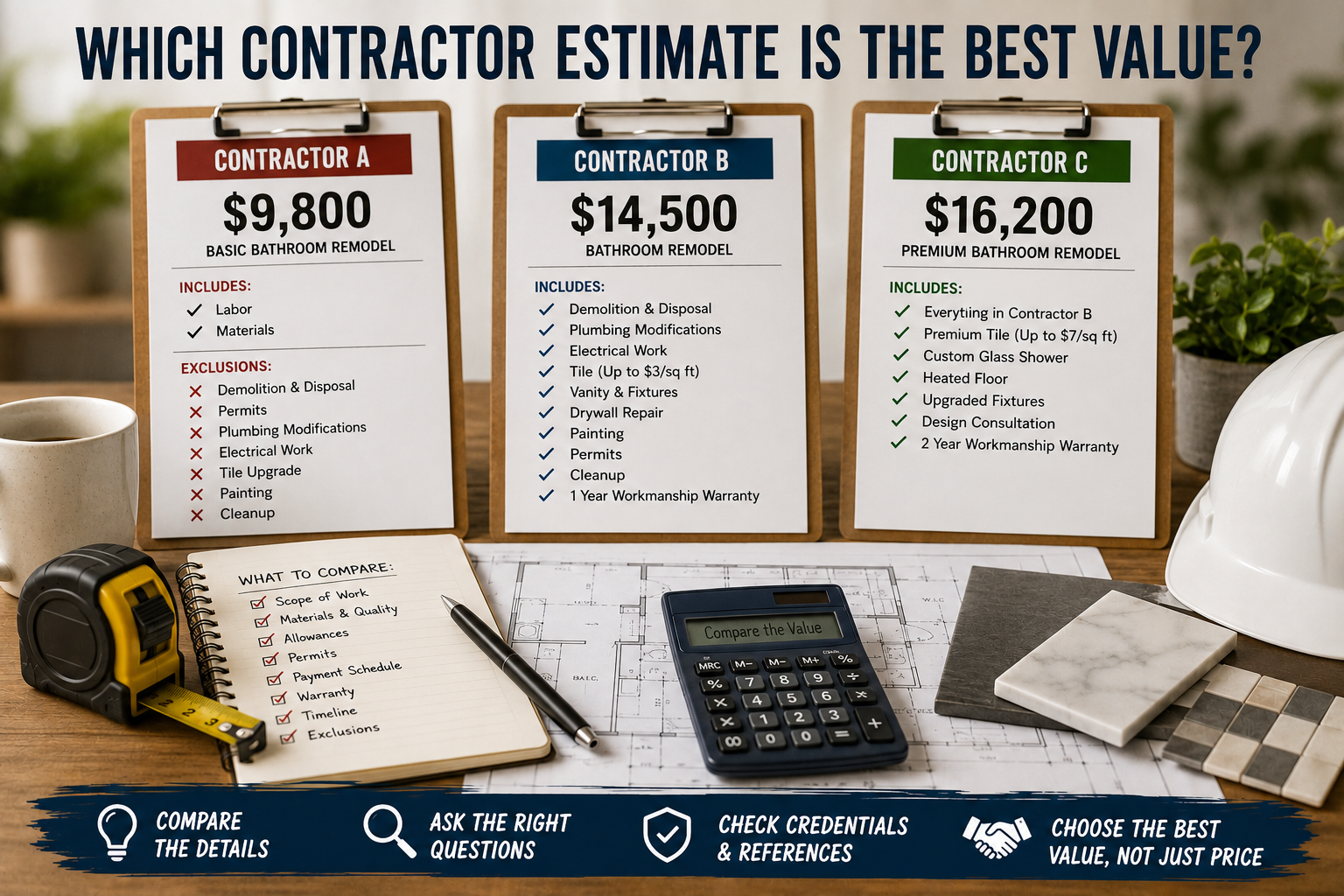
The Cheapest Contractor Estimate Can Cost You the Most: How to Compare Contractor Bids in 2026
Got three contractor estimates thousands of dollars apart? Learn how to compare contractor bids on scope, materials, allowances, permits, payment schedules and warranties — not just price.
13 min read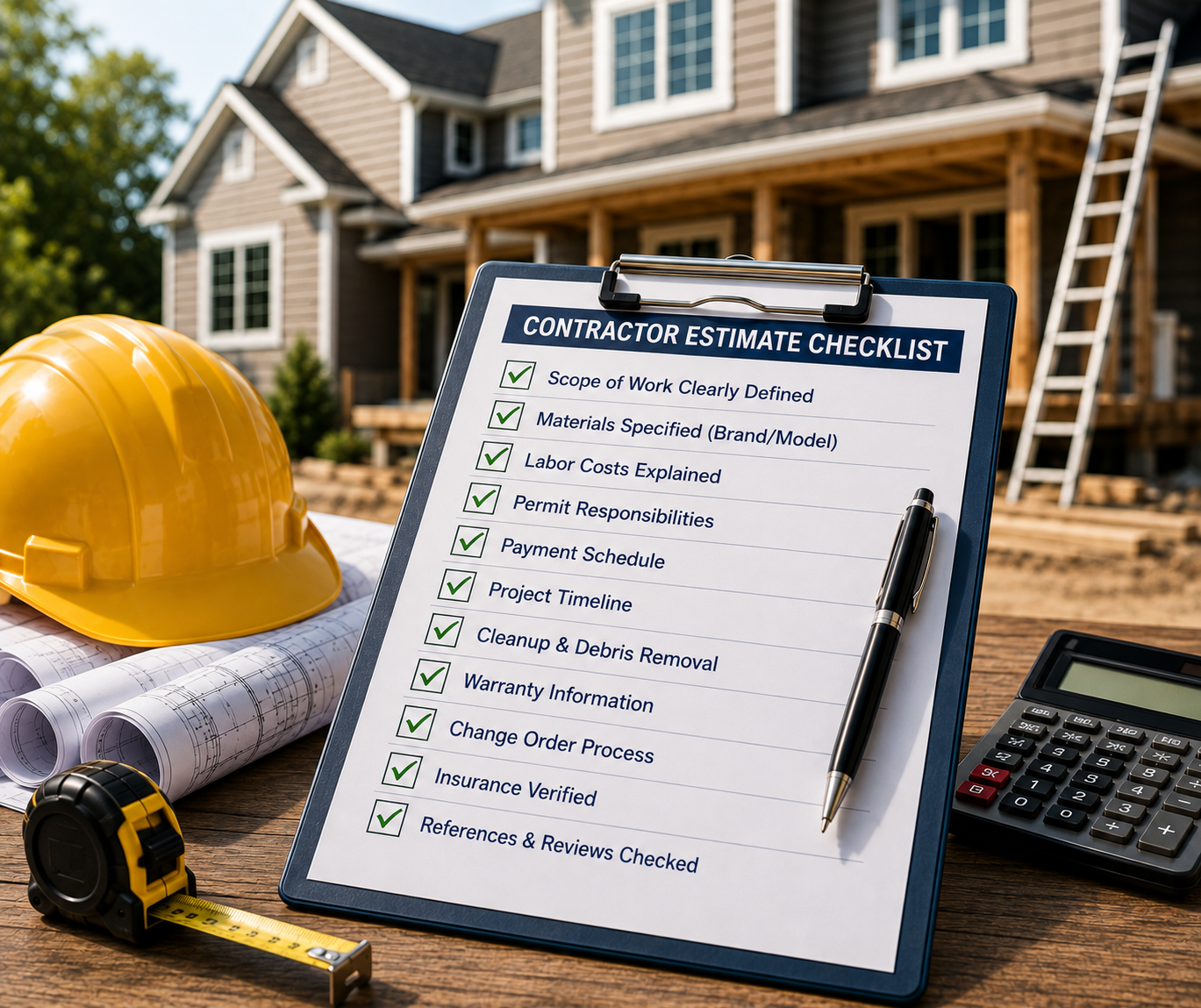
Contractor Estimate Checklist: 21 Things to Check Before You Sign in 2026
Use this complete 2026 contractor estimate checklist to compare bids, avoid hidden costs, ask the right questions, and choose the best professional for your project.
12 min read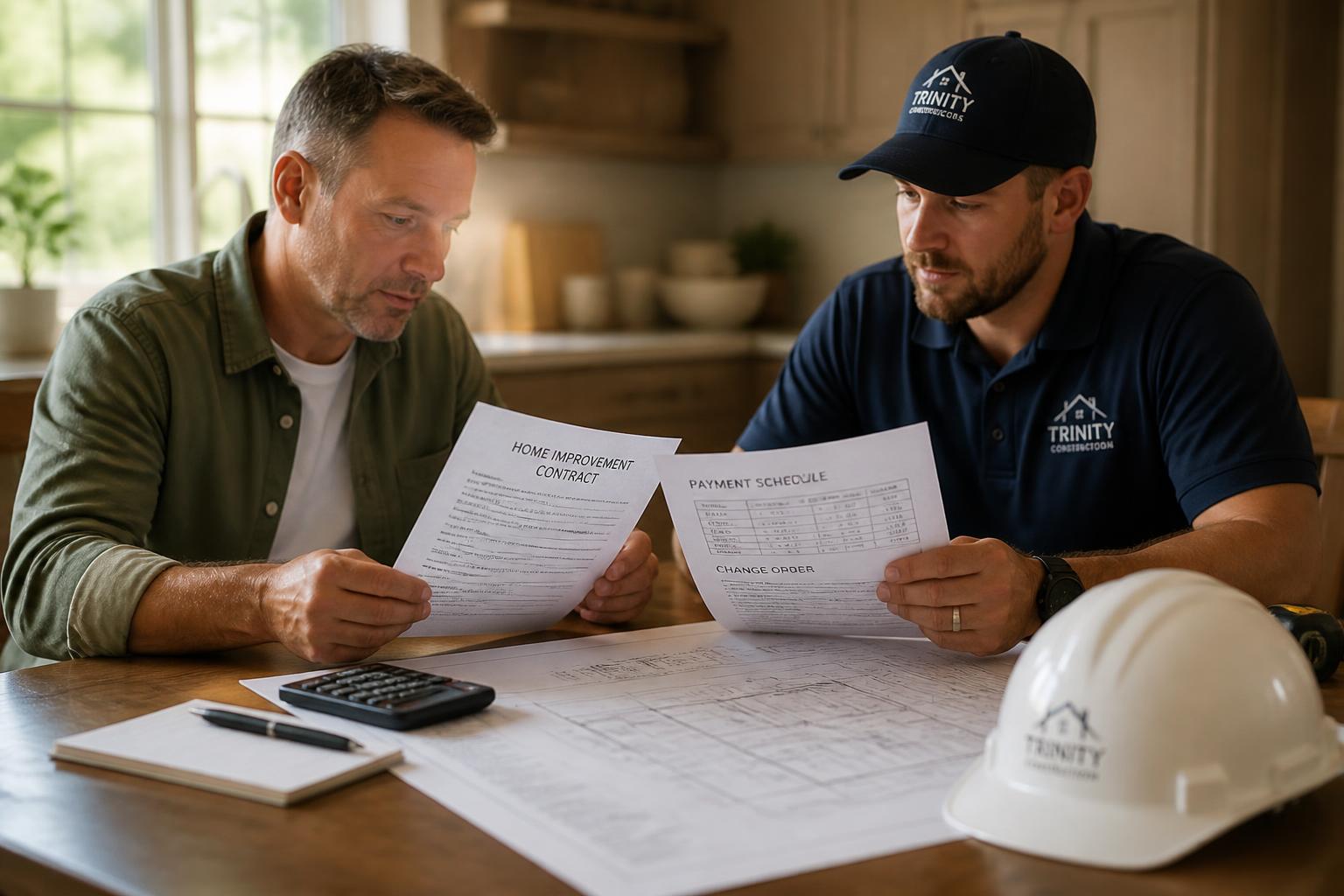
Contractor Estimate Checklist Part 2: Hidden Costs, Deposits, Warranties & Change Orders (2026)
The costs that wreck a remodeling budget are never on the estimate. Here are the hidden fees, deposit red flags, warranty traps, change-order rules, and timeline protections to lock down before you sign.
10 min readSigning and paying
Deposits, milestones, and the contract language that protects you.

Permits and inspections
Who pulls the permit, which inspections matter, and what to do if one was skipped.
When something goes wrong
Damage, denials and disputes — what to document and who is responsible.
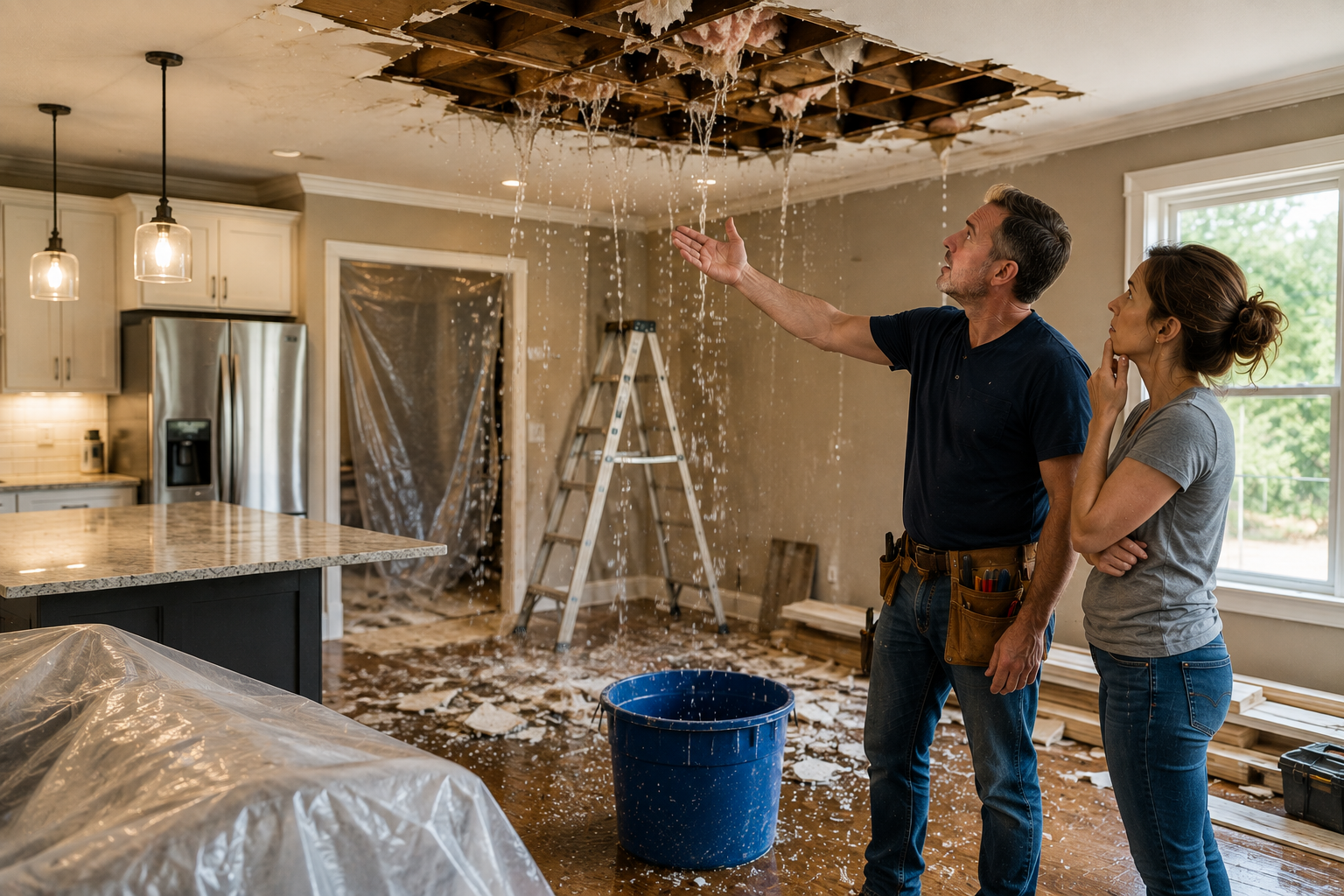
Contractor Damaged Your Home: Who Pays & What Should You Do Next? (2026 Guide)
A nicked water line, a gouged floor, a cracked driveway. Here is who may be responsible when a contractor damages your home, what to photograph first, when insurance gets involved, and how to resolve it without turning one problem into three.
22 min read
Your Contractor Says the Price Went Up: When Should You Pay—and When Should You Push Back? (2026 Guide)
Your contractor’s estimate jumped mid-project. Here is when a price increase is legitimate, when to push back, how change orders work, and how to stop surprise remodeling costs before they start.
17 min readThe contractor vetting checklist
Work through these before you sign anything. Your progress is saved on this device, so you can check items off during each walkthrough.
Before you let them bid
While comparing bids
Before you sign
Deposit & payment schedule calculator
Enter your project price to see a reasonable deposit range and a milestone payment schedule you can propose in writing.
Job size
Custom-ordered materials (cabinets, windows, special-order tile)?
$1,200 – $3,000
A deposit here usually covers material ordering, not labor.
Suggested payment schedule
- Deposit at signing / material order$3,000
- Rough-in or demo complete$3,150
- Substantially complete$4,050
- Final, after punch list and lien waivers$1,800
Several states cap residential deposits (California, for example, limits it to $1,000 or 10%, whichever is less). Check your state before you pay.
Educational guidance only — not legal advice. State deposit caps vary.
Hiring a contractor: frequently asked questions
How much deposit is normal for a contractor?
For most residential projects a deposit of 10% to 25% of the contract price is normal, and it typically covers material ordering rather than labor. Small repairs often need no deposit at all. Several states cap residential deposits — California limits them to $1,000 or 10% of the price, whichever is less. Never pay the full amount upfront.
How many contractor bids should I get?
Three written bids for the same clearly defined scope. Fewer than three gives you no sense of the local market rate, and more than four usually just delays the project. The bids only compare fairly when each one lists the same materials, the same exclusions, and the same permit responsibility.
Is a verbal quote from a contractor binding?
Generally no. A verbal price is difficult to enforce and gives you nothing to point to when the invoice comes in higher. Most states also require home-improvement contracts above a dollar threshold to be in writing. Always get the scope, price, timeline, and payment schedule in a signed written contract.
Why is the cheapest contractor estimate usually a bad idea?
A low bid is almost always a smaller bid: thinner materials, excluded permits, no disposal, no site protection, or a crew that is unlicensed or uninsured. Once the missing items reappear as change orders, the cheap bid frequently ends up the most expensive. Compare line items, not bottom lines.
How do I verify a contractor is licensed and insured?
Look the license number up directly with your state or city licensing board rather than trusting a photo of a card. For insurance, ask the contractor to have their agent email you the certificate of insurance directly, and confirm both general liability and workers’ compensation are active for the dates of your project.
What should be in a home-improvement contract?
A defined scope with materials by brand and model, explicit exclusions, permit responsibility, a start date and substantial-completion date, a milestone-based payment schedule, a written change-order process requiring your approval, the workmanship warranty length, and lien waivers from subs and suppliers at each payment.
Score the bids you already have
Put every estimate on the same terms before you choose one — then get matched with vetted local pros when you're ready.