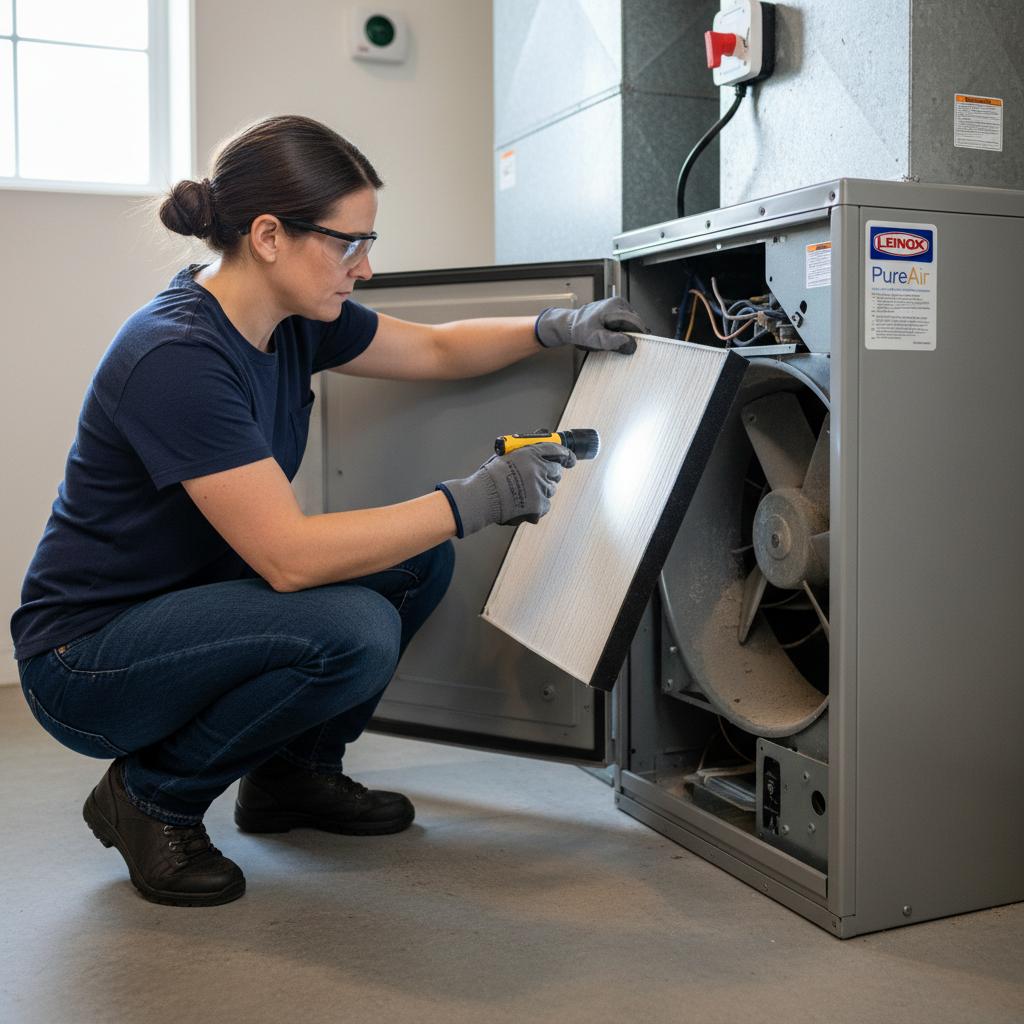
- Change Your Air Filter — The easiest first step
- Locate your furnace filter slot, often near the return air duct or within the furnace cabinet itself.
- Note the size printed on the old filter (e.g., 20x25x1). Purchase a new filter of the correct size.
- Pay attention to the arrow on the new filter indicating airflow direction; it should point towards the furnace.
- A clogged filter restricts airflow, making your furnace work harder and potentially leading to dust build-up downstream. Change filters every 1-3 months.
Electrical · Burning smell or sparking
| Project category | Electrical |
|---|---|
| Problem type | Burning smell or sparking |
| Trade required | Electrical |
| Urgency | Emergency — act now |
| Safety risk | High safety risk |
| DIY suitability | Licensed pro only |
| Cost category | Moderate cost |
| Typical timeline | Same-day emergency call |
| Contractor type | Licensed electrician |
Repair option
Kill the circuit at the panel and have the connection repaired immediately.
Replacement option
Circuit or panel replacement when damage extends beyond one device.
Common causes
- Loose connection arcing inside a box
- Overloaded circuit or undersized wiring
- Failed backstab connections in older receptacles
Relevant tools:emergency checklistdiy or hire a pro
Published June 10, 2026Last updated August 17, 2026
Tools & materials you'll need
Affiliate linksAs an Amazon Associate FixlyGuide earns from qualifying purchases — at no extra cost to you. Prices and availability are accurate as of publication and subject to change.
Quick Answer
That odd, often acrid or burning smell from your home's heating vents when the system first kicks on, especially after a period of disuse, is usually due to dust accumulation. Over the warmer months, dust, pet dander, and other airborne particles settle on your furnace's heat exchanger or electric heating elements. When the furnace activates, these particles burn off, creating a noticeable odor that typically dissipates within a few hours. However, persistent or unusual smells (like electrical burning, sulfur, or exhaust) can signal more serious issues that warrant immediate attention.
The Problem
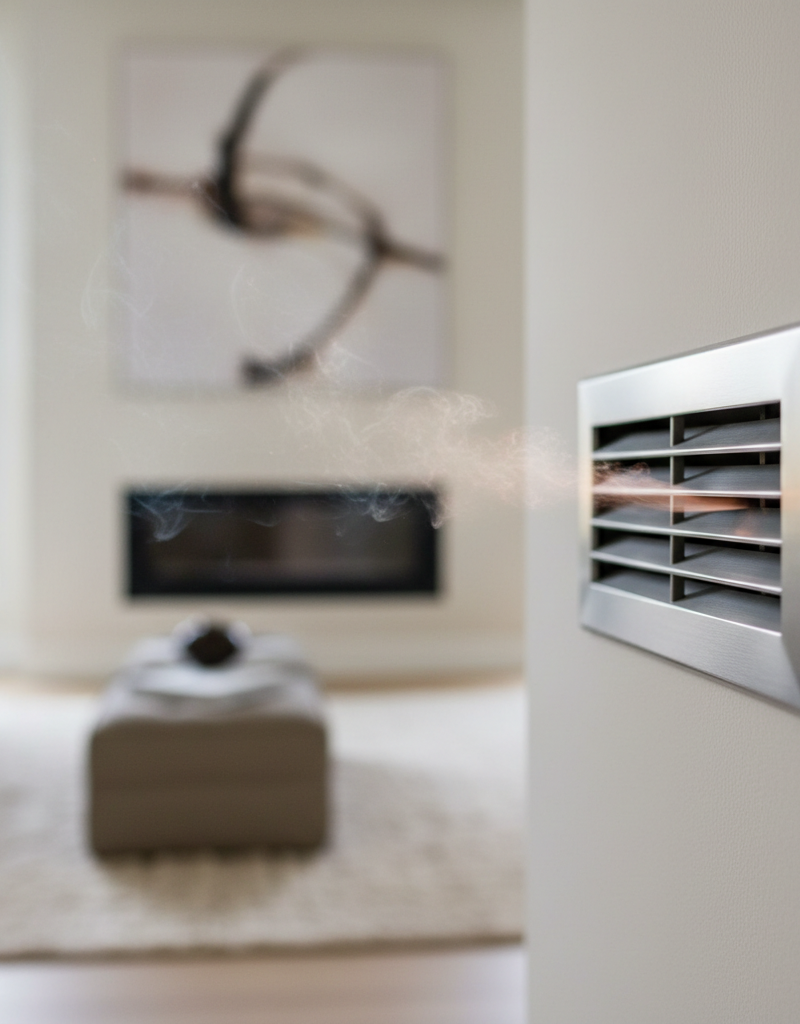
It’s that time of year again. The air outside gets crisp, and you finally flip your thermostat from 'cool' to 'heat.' A few minutes later, a peculiar smell wafts through your home – sometimes dusty, sometimes like burning hair or plastic, and sometimes even metallic or acrid. While often benign, indicating nothing more than seasonal dust burn-off, it can be unsettling. This article will help you diagnose the source of that strange smell, starting with the most common and harmless causes, and guiding you through steps to resolve them. We'll also cover when to recognize a potentially dangerous smell that requires professional intervention.
How It Works
To understand the smells, let's quickly review how your furnace generates and distributes heat. Most homes in North America use either a natural gas furnace or an electric furnace.
A natural gas furnace operates by igniting natural gas in a combustion chamber. The heat generated warms a metallic component called a heat exchanger. Air from your home's return ducts is blown over the hot surface of this heat exchanger, warms up, and is then pushed through your supply ducts and out of your vents. Crucially, the combustion gases (containing carbon monoxide) produced by burning natural gas are exhausted safely outside your home through a flue pipe, completely separate from the indoor air path. If the heat exchanger cracks, these dangerous gases can mix with your breathable air.
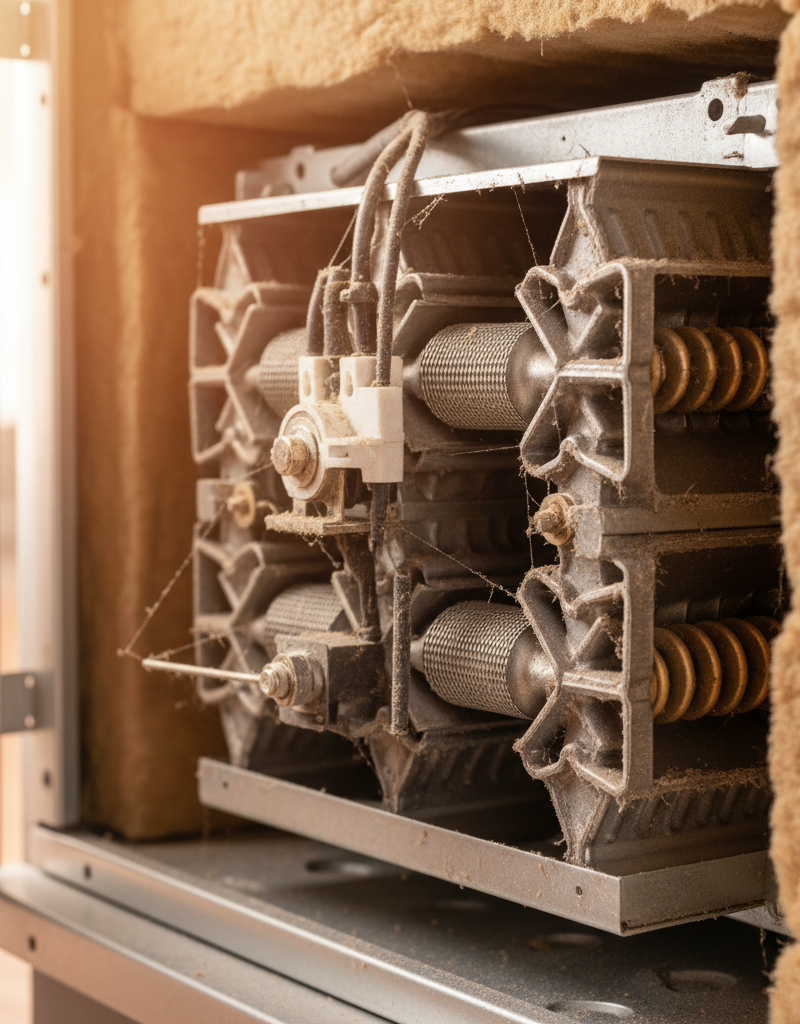
An electric furnace, on the other hand, contains a series of electrical heating elements, similar to those found in a toaster or an electric oven. When electricity passes through these elements, they glow red hot. A fan then blows air directly over these hot coils, warming it before it’s distributed throughout your home. There are no combustion gases to vent with an electric furnace, simplifying the system but introducing the potential for electrical burning smells from faulty wiring or components.
In both systems, air filters play a critical role, capturing dust and debris before it reaches the inside of the furnace. However, some dust inevitably bypasses the filter or settles on external components during periods of inactivity, ready to burn off when heat is first applied.
Step-by-Step Fix
Safety First: Before attempting any DIY furnace maintenance, always turn off the power to your furnace at the thermostat AND at the main electrical breaker for the furnace. For gas furnaces, also turn off the gas supply at the shut-off valve located near the furnace. Do not proceed if you suspect an electrical issue (burning plastic, melting smell) or a gas leak (sulfur or rotten egg smell) – call a professional immediately.
-
Change Your Air Filter — The easiest first step
- Locate your furnace filter slot, often near the return air duct or within the furnace cabinet itself.
- Note the size printed on the old filter (e.g., 20x25x1). Purchase a new filter of the correct size.
- Pay attention to the arrow on the new filter indicating airflow direction; it should point towards the furnace.
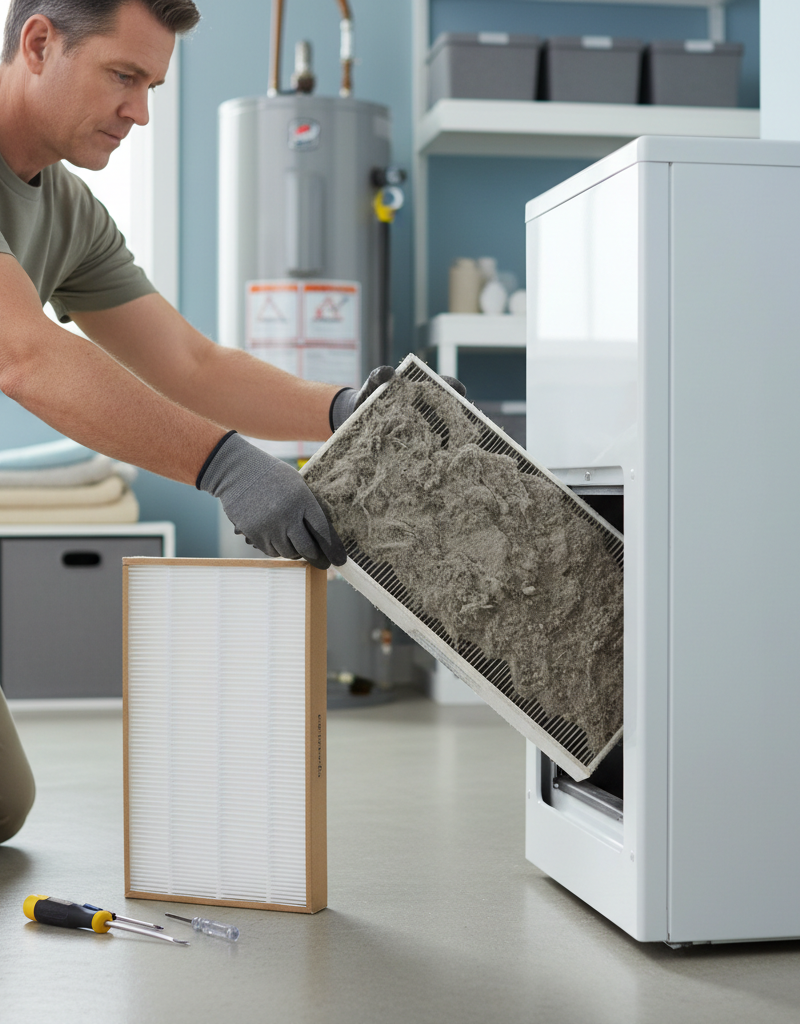
- A clogged filter restricts airflow, making your furnace work harder and potentially leading to dust build-up downstream. Change filters every 1-3 months.
-
Clean Around the Furnace Base and Blower Compartment — Clear visible dust bunnies
- Tools: Vacuum cleaner with hose attachments.
- With power and gas (if applicable) OFF, open the access panels to your furnace (usually held by clips or a few screws).
- Carefully vacuum any visible dust, spiderwebs, and debris from around the blower motor, the base of the furnace, and accessible surfaces. Avoid touching wiring or fragile components directly.
-
Inspect and Gently Clean the Blower Wheel — Access for deeper cleaning
- Tools: Flashlight, soft brush (e.g., old paintbrush), vacuum.
- The blower wheel is inside the blower compartment. It looks like a squirrel cage. Dust can accumulate heavily on the blades, especially if filters are neglected.
- Gently use a soft brush to dislodge dust from the blower wheel blades while simultaneously vacuuming the dislodged debris. Do NOT bend the blades or force anything.
- If this doesn't work: If the blower wheel is heavily caked with greasy dust, it might require professional cleaning or removal, which can be complex.
-
Check Your Ducts and Vents — Forgotten dust traps
- Tools: Flashlight, vacuum with crevice tool.
- Go to each supply vent (where warm air comes out) and return vent (where air is pulled in).
- Remove the grilles and use a flashlight to look inside. Vacuum out any visible dust, pet hair, toys, or debris.
- Sometimes, rodents or insects can build nests in ducts, leaving behind organic material that can decompose and smell bad or burn when heated.
- If smell persists specific to one vent: Consider a professional duct cleaning if you have persistent smells or visible mold/vermin in your ductwork.
-
Examine for Burning Electrical Smells (Specific to Electric Furnaces) — Warning: high voltage
- Safety: Ensure power is OFF at the breaker!
- Visually inspect the electric heating elements for any signs of scorching, melting, or discoloration on the wires or terminals. Check for any loose or frayed wires.
- A smell like burning plastic or ozone indicates an electrical fault.
- If you find any signs of electrical damage: Do NOT attempt to fix this yourself. Turn off the power and call an HVAC professional immediately. Exposed wiring or faulty electrical components are fire hazards.
-
Assess Other Unusual Smells — Beyond dust burn-off
- Acrid/Metallic: Could be overheating components, a failing motor, or burning oil/grease.
- Rotten Eggs/Sulfur: Indicates a natural gas leak. Leave your home immediately and call your gas utility company from a safe location. Do NOT use light switches or anything that could spark.
- Musty/Moldy: Often indicates moisture in your ductwork, possibly from a clogged condensate drain (for high-efficiency furnaces or AC units running prior) or humidity issues. Check the condensate pan and drain line for blockages.
- Exhaust Fumes: For gas furnaces, this is a serious sign of a cracked heat exchanger or flue issue. CO detectors should alarm. Leave home, call a pro.
Common Causes
- Dust Burn-Off: The most frequent cause, especially at the start of the heating season. Accumulations of household dust on the heat exchanger or electric heating coils burn off.
- Clogged Air Filter: A dirty filter restricts airflow, leading to dust bypassing the filter and accumulating on internal components. It also makes the furnace work harder, potentially overheating.
- Dirty Blower Motor/Wheel: The blower circulates air. If the motor or its squirrel-cage-style wheel is caked with dust and grime, it can produce burning smells or impede airflow.
- Foreign Objects in Ducts/Vents: Small toys, lost items, or even rodent nests can be drawn into the ductwork and produce odors when heated.
- Electrical Issues (Electric Furnaces): Overheated wiring, failing electrical components, or a malfunctioning motor can emit burning plastic or ozone smells. This is a fire hazard.
- Cracked Heat Exchanger (Gas Furnaces): A dangerous issue where combustion gases (including carbon monoxide) can mix with your indoor air, causing metallic, acrid, or exhaust-like smells. CO detectors should be present and functional.
- Blocked Condensate Drain: High-efficiency furnaces or systems where the AC was recently used have a condensate drain. If it clogs, stagnant water can lead to musty, moldy smells.
Common Mistakes
- Ignoring Persistent Smells: While initial dust burn-off is normal, a burning smell that lasts beyond a day or two, or any new, strange, and strong odors, should never be ignored.
- Skipping Filter Changes: A dirty filter is the root cause of many furnace problems, including dust build-up and reduced efficiency. Change it regularly!
- Failing to Power Down: Always, always turn off power to the furnace at the breaker before opening access panels or attempting any cleaning, especially near electrical components or gas lines.
- Using Harsh Cleaners: Chemical cleaners can damage furnace components or leave residues that emit toxic fumes when heated. Stick to vacuuming and soft brushing.
- Not Having CO Detectors: For gas furnaces, carbon monoxide detectors are non-negotiable. They are your first line of defense against a cracked heat exchanger or other combustion issues. Install them and test them regularly.
- Mishandling Electrical Components: Unless you are a qualified electrician, do not attempt to repair or tamper with frayed wires, scorched terminals, or other electrical damage. This creates a severe shock and fire risk.
Cost & Time Breakdown
| Task | DIY cost | Pro cost | Time |
|---|---|---|---|
| Change air filter | $10–$30 | Included in service | 5 minutes |
| Clean furnace/blower area | $0 | $150–$300 (full tune-up) | 30–60 minutes |
| Duct inspection/light cleaning | $0 | $300–$700 (full duct cleaning) | 15–30 minutes |
| Electrical inspection (DIY) | $0 | $100–$250 (diagnostic fee) | 10–20 minutes |
| Cracked heat exchanger check | N/A | $100–$250 (diagnostic fee) | N/A |
| Gas leak detection | N/A | Emergency service | N/A |
Tips & Prevention
- Regular Filter Replacement: This is the single most important preventative measure. Check your filter monthly and replace it every 1-3 months, or more often if you have pets or allergies.
- Annual Professional Tune-Up: Schedule a professional HVAC inspection and tune-up every fall before the heating season begins. This ensures your furnace is clean, running efficiently, and identifies potential problems (like a failing heat exchanger) early.
- Invest in CO Detectors: Install carbon monoxide alarms on every level of your home, especially near sleeping areas, if you have a gas furnace. Test them monthly.
- Keep Furnace Area Clear: Do not store flammable materials, paint cans, or excessive clutter around your furnace. Ensure adequate clearance for airflow and safety.
- Seal Leaky Ducts: Leaky ducts can pull dust and contaminants from unconditioned spaces (attics, crawlspaces) into your airflow. Consider having your ductwork inspected and sealed.
- Run Fan Periodically: Even in warmer months, occasionally run your furnace fan (set to 'Fan On' at the thermostat) for an hour or two to circulate air and help dislodge dust before it accumulates heavily.
When to Call a Professional
While minor dust burn-off is a common and usually harmless occurrence, certain smells and persistent issues demand the expertise of a licensed HVAC professional. Immediately call a pro if you detect a persistent smell of burning plastic or melting wires, as this indicates a serious electrical fault and a fire hazard that requires specialized tools and knowledge to safely diagnose and repair. If you smell rotten eggs or sulfur, suspect a natural gas leak, and evacuate your home and contact your gas utility company or 911 immediately. Additionally, if you experience strong, acrid, or metallic exhaust-like smells, or if your carbon monoxide detector alarms, this could signal a cracked heat exchanger or a dangerous flue issue—a critical safety concern that only a certified technician can safely inspect, repair, or condemn. Any persistent or alarming odor, especially after performing basic cleaning and filter changes, should be evaluated by a professional to ensure the safe and efficient operation of your heating system and the health of your home's occupants.
Related Articles
Keep troubleshooting with these hand-picked guides from FixlyGuide:
- What's That Burning Dust Smell When Your Heat Kicks On? The HVAC Secret — That weird smell when your furnace starts isn't always serious, but understanding its cause can prevent bigger issues and improve home air…
- What's That Burning Dust Smell When Your Heat Kicks On? The HVAC Secret — That burning dust smell when your furnace starts is usually harmless, but it signals it's time for some essential HVAC maintenance.
- The $5 Part That Stops Your Dryer From Heating (And How to Replace It in 30 Minutes) — A dryer that tumbles but doesn't heat often points to a blown thermal fuse, a simple and inexpensive fix most homeowners can do themselves.
- The Secret Reason Your Oven Fails to Heat (It's NOT Always the Element) — Discover why your oven isn't reaching its set temperature, from common part failures to overlooked calibration issues, and how to fix it.
- The Secret Reason Your Furnace Turns On and Off So Much (It's Not What You Think) — Short cycling strains your furnace and wastes energy. Learn the most common surprising causes and how to fix them to restore efficient heat…
- The Surprising Culprit Behind Your Refrigerator's Water Leak (It's Not Always the Ice Maker) — Discover the most common, often overlooked reason your refrigerator is leaking water and how to fix it with simple steps.
What should this project cost?
Enter your project details for a realistic cost range before you call anyone.
Service calls and common repairs run $150–$900; full system replacement typically $6,000–$12,000.
- Regional adjustment
- National average
- Labor share (typical)
- ~$1,935
- Quotes to collect
- 3 written estimates
Educational estimate based on national averages — not a binding quote. Always confirm with written local estimates.
Get the print-ready PDF of this guide
A clean, ad-free, printable version you can keep on your phone or pin to the workshop wall. Free with a FixlyGuide account.
- Print-optimized layout
- Tools, materials & every step included
- Saved to your account
Frequently asked questions
Is it normal for a furnace to smell like it's burning?+
It is common for a furnace to emit a dusty or slightly burning smell when it's first turned on for the season after not being used for several months. This is usually due to dust accumulating on the heat exchanger or electric elements. However, this smell should dissipate within a few hours. If it persists or changes to a strong electrical, chemical, or sulfur smell, it's not normal and indicates a problem.
What does a burning smell from the furnace mean?+
A burning smell can mean several things. Most commonly, it's dust burning off. But it could also indicate a dirty air filter, a clogged blower motor, burning wires or electrical components (especially in electric furnaces), a cracked heat exchanger (in gas furnaces, often accompanied by exhaust fumes), or even foreign objects in the ductwork. The type and persistence of the smell dictate its severity.
How do I get rid of the burning smell from my vents?+
Start by changing your air filter, as a dirty filter is a common culprit. Then, turn off the furnace power and gas supply (if applicable) and vacuum dust from around the furnace, blower compartment, and accessible ductwork. If the smell persists after these steps, or if the smell is acrid, electrical, or like rotten eggs, you should call a qualified HVAC technician.
Discussion
Loading comments…