- The 7 Critical Lawn Mistakes You're Making This Fall (And How to Fix Them) — Don't just rake leaves; a proper fall yard cleanup prevents winter damage and ensures a vibrant spring lawn. Learn the seven critical mista…
- The 3 Washing Machine Mistakes That Cost You Hundreds (And How to Fix Them Forever) — Avoid costly repairs and premature replacement by learning three common washing machine mistakes and how to fix them for good.
- The 7 Critical Home Inspection Mistakes Most Homeowners Make (And How to Avoid Them) — Bypass costly surprises and ensure your home's longevity with a comprehensive annual inspection, catching issues before they escalate.
- The 7 Critical Home Inspection Checks Most Homeowners Miss (and How to Do Them Yourself) — Discover the essential annual home inspection checks many homeowners overlook and learn how to perform them yourself to prevent costly repa…
- The 3 Critical Mistakes Homeowners Make Inspecting Their Roof (From the Ground) — Learn how to spot damaging roof problems safely from the ground, avoiding common pitfalls and knowing exactly what to look for.
General remodeling · Renovation planning
| Project category | General remodeling |
|---|---|
| Problem type | Renovation planning |
| Trade required | General contracting |
| Urgency | Planned project |
| Safety risk | Low safety risk |
| DIY suitability | Pro recommended |
| Cost category | Major investment |
| Typical timeline | Design and permitting often 2–4 months before work starts |
| Contractor type | General contractor |
Repair option
Phase the work and fix the building envelope first.
Replacement option
Full renovation with permits, design, and a general contractor.
Common causes
- Space no longer fits how the household lives
- Resale preparation
- Deferred maintenance stacking up
Relevant tools:project cost estimatorcompare quoteshome improvement material prices
Published May 10, 2026Last updated August 17, 2026
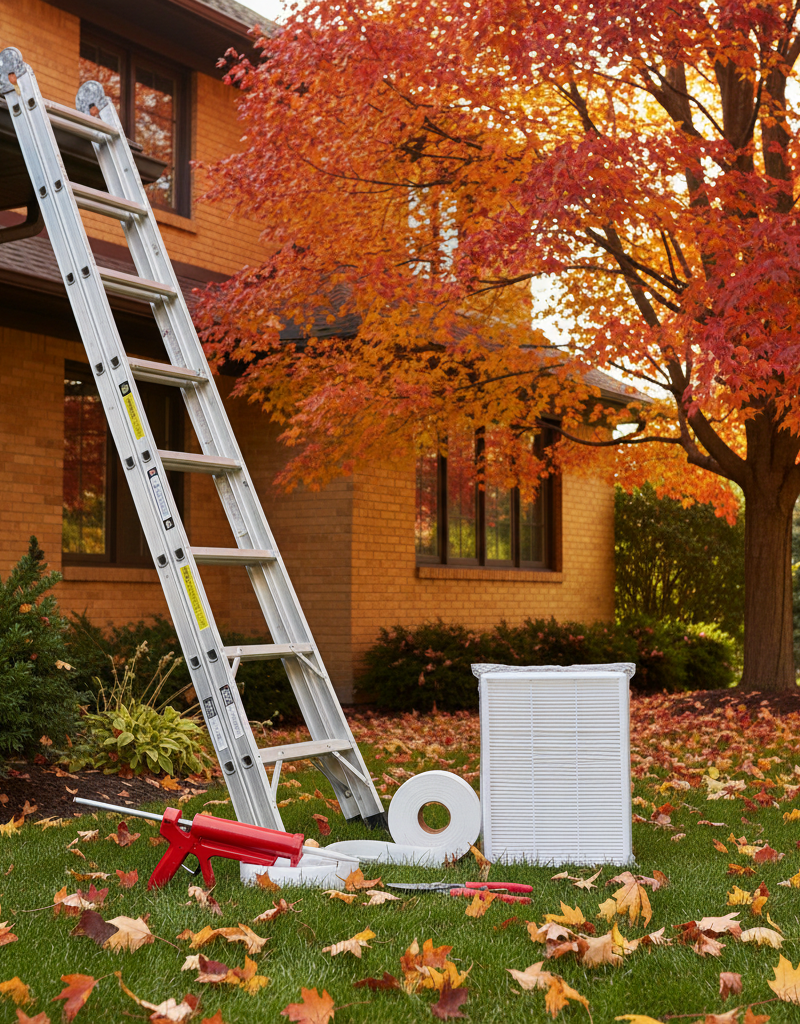
Tools & materials you'll need
Affiliate linksAs an Amazon Associate FixlyGuide earns from qualifying purchases — at no extra cost to you. Prices and availability are accurate as of publication and subject to change.
Quick Answer
Many homeowners unknowingly skip or improperly complete essential fall home maintenance tasks, turning small oversights into expensive problems by winter. The most critical mistakes involve neglecting proper gutter and downspout cleaning, failing to schedule a professional furnace inspection, overlooking drafty windows and doors, and improperly winterizing sprinkler systems. Each of these can lead to cascading issues like water damage, inefficient heating, and burst pipes. By addressing these proactive steps now, you can safeguard your home against harsh winter conditions and avoid emergency repairs.
The Problem
As autumn leaves fall and temperatures drop, your home transitions from warmer, more forgiving weather to the harsh realities of winter. This seasonal shift presents a unique set of challenges and demands specific maintenance to ensure your home remains safe, efficient, and damage-free. However, many homeowners either underestimate the importance of fall maintenance or simply don't know where to start, leading to a host of preventable issues. From clogged gutters that overflow and damage foundations to uninsulated pipes that burst in freezing temperatures, the consequences of neglecting proper fall home maintenance can be severe and costly. The problem isn't just about preventing damage, it's also about optimizing your home's energy efficiency, extending the lifespan of critical systems, and maintaining a comfortable living environment throughout the colder months.
How It Works
Understanding "how it works" for fall maintenance involves recognizing the interconnectedness of your home's systems and how they react to changing weather. For instance, gutter and downspout management isn't just about aesthetics; it’s a critical part of your home's water management system. When leaves, twigs, and debris accumulate, they block the flow of rainwater. Instead of diverting water away from your foundation, clogged gutters cause water to overflow, saturating the soil around your foundation and potentially seeping into your basement or crawl space. This can lead to structural damage, mold growth, and insect infestations. In freezing temperatures, trapped water in gutters can freeze, expand, and damage the gutters themselves or even the fascia boards.
Similarly, your HVAC system, particularly the furnace, becomes the most critical component for comfort and safety in winter. A furnace works by burning fuel (natural gas, propane, or oil) to heat a heat exchanger, over which air is blown by a fan. This heated air is then distributed throughout your home via ductwork. Regular maintenance, including filter replacement and professional tune-ups, ensures efficient operation, prevents carbon monoxide leaks, and prolongs the unit's life. Without it, furnaces can become inefficient (wasting energy and money), break down unexpectedly, or even pose safety risks.
Sealing drafts around windows and doors relies on creating an airtight envelope for your home. Heat naturally moves from warmer areas to colder areas. If there are gaps or cracks in your home's exterior, warm indoor air escapes, and cold outdoor air infiltrates, forcing your heating system to work harder to maintain a comfortable temperature. This process, known as convection, is responsible for a significant portion of heat loss in many homes. Proper sealing, caulking, and weatherstripping create a barrier against this heat transfer, improving energy efficiency and reducing heating bills.
Finally, sprinkler system winterization is crucial to prevent catastrophic freeze damage. Sprinkler systems are typically made of PVC or polyethylene pipes, which are susceptible to cracking or bursting when water inside them freezes and expands. Even a small amount of residual water can cause significant damage. Winterization involves removing all water from the lines, often using an air compressor to blow out the system, ensuring that plumbing is dry and safe from the destructive power of ice.
Step-by-Step Fix
Here are crucial fall maintenance tasks, often overlooked, presented with clear, actionable steps:
-
Clean and Inspect Your Gutters and Downspouts— Prevent foundation damage and ice dams.
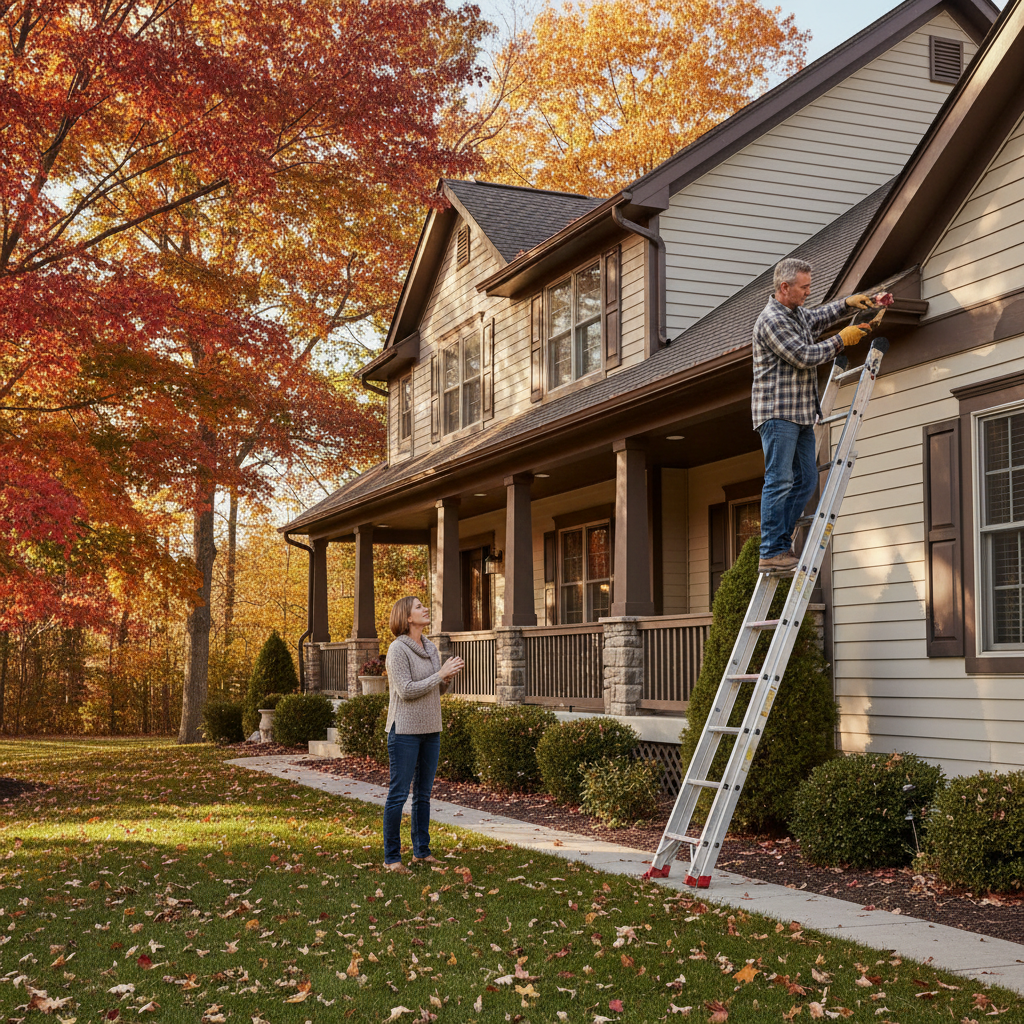
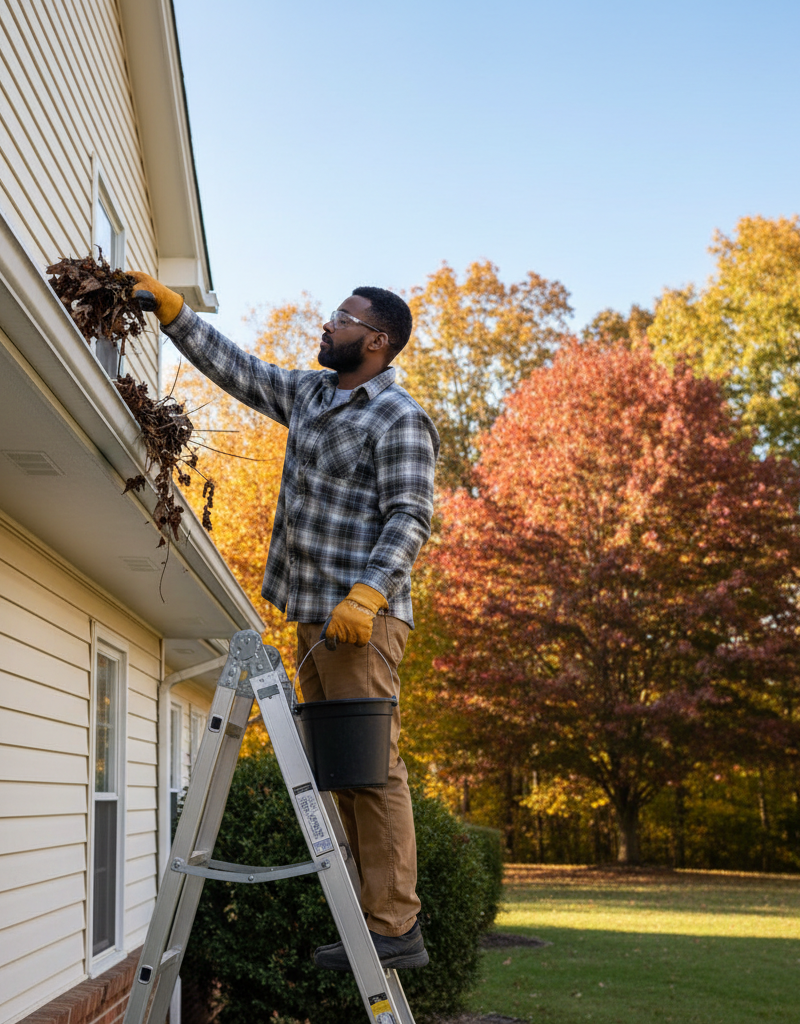
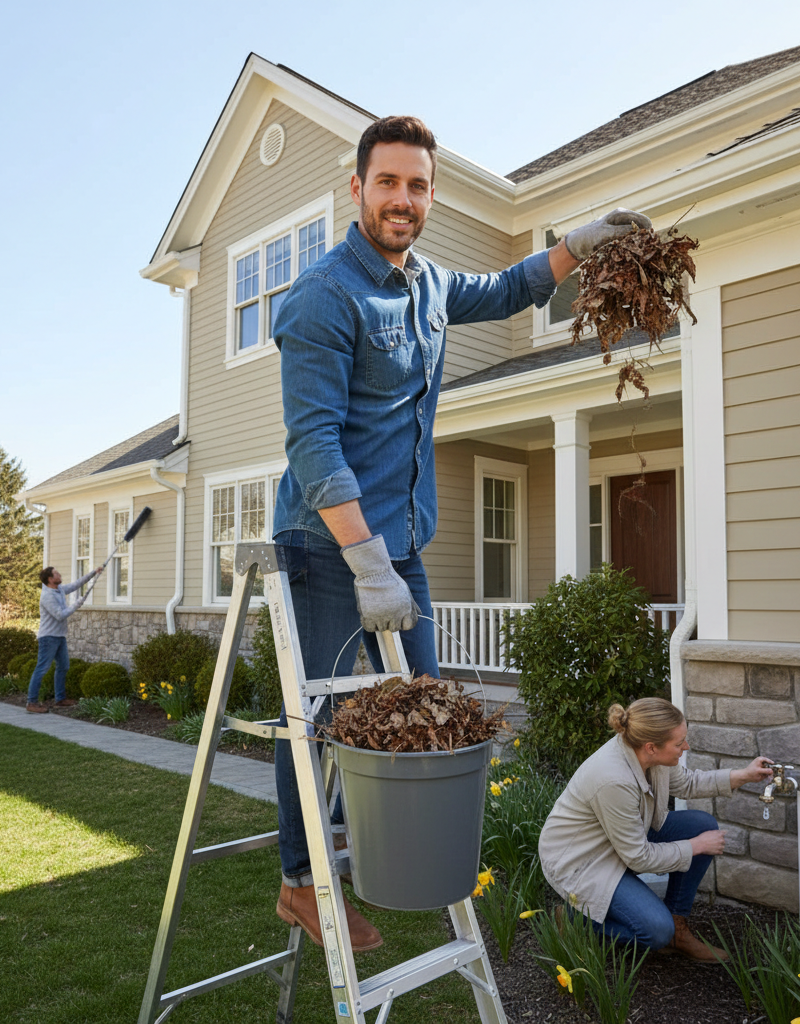
- Safety First: Use a sturdy ladder, preferably with a stabilizer, and have someone spot you. Wear work gloves to protect your hands from debris and sharp edges. Clear away all leaves, twigs, and shingle grit from the gutters. Use a small trowel or scoop specifically designed for gutters. Once clear, flush the gutters with a garden hose to identify any clogs in the downspouts. Water should flow freely out the bottom. If it doesn't, you'll need to disassemble downspout sections or use a plumber's snake to clear obstructions. Ensure downspout extensions direct water at least 5 feet away from your foundation.
-
Schedule a Professional Furnace Tune-Up— Ensure efficient, safe heating for winter.
- Pro's Advantage: While you can change the filter yourself (which you should do monthly), a licensed HVAC technician will perform a multi-point inspection. They check for gas leaks, test carbon monoxide levels, clean the burner assembly, lubricate moving parts, inspect electrical connections, and calibrate the thermostat. This annual service prevents breakdowns, extends the furnace's lifespan, and ensures it operates safely and efficiently. If a technician finds a significant issue, always get a second opinion before committing to major repairs or replacement.
-
Seal Drafts Around Windows and Doors— Cut down on heating bills and improve comfort.
- Detecting Drafts: On a windy day, move a lit incense stick or a thin tissue paper around the edges of closed windows and doors. If the smoke wavers or the paper flutters, you have a draft. For windows, apply clear or paintable silicone caulk to exterior gaps and weatherstripping (foam or V-seal) to the movable sashes. For doors, adjust the door sweep at the bottom so it makes firm contact with the threshold. Apply new weatherstripping around the door frame, ensuring a tight seal when closed. Consider adding insulated drapes or thermal window films for added protection.
-
Winterize Your Outdoor Faucets and Sprinkler System— Prevent burst pipes and costly water damage.
- Outdoor Faucets: Disconnect all garden hoses from outdoor spigots. Turn off the water supply to outdoor faucets from an interior shut-off valve, if available. Open the spigots to drain any remaining water, then close them. If you don't have interior shut-off valves, consider insulating the spigots with foam covers. For sprinkler systems, the most reliable method is to hire a professional or use an air compressor (at least 5 CFM at 90 PSI) to blow out all the water from the lines. Always consult your system's manual. Never use a home air compressor without a proper regulator and understanding of the system, as too much pressure can damage components. Turn off the main water supply to the system and drain the backflow preventer.
-
Examine Your Roof for Damage and Clear Debris— Protect against leaks before winter storms hit.
- Spotting Trouble: From the ground with binoculars, or safely from a ladder, inspect your roof for cracked, curled, or missing shingles. Look for excessive granule loss, which often indicates an aging roof. Check around chimneys, vents, and skylights for deteriorated flashing or sealant. Clear any accumulated leaves or branches, especially in valleys where water can pond. For extensive damage or if you're uncomfortable on a ladder, call a professional roofer.
-
Insulate Exposed Pipes in Unheated Areas— A simple step to avoid catastrophic bursts.
- Target Areas: Focus on pipes in your basement, crawl space, attic, or garage that are near exterior walls or in unheated spaces. Purchase foam pipe insulation sleeves, which are inexpensive and easy to install. Simply cut them to length and snap them around the pipes. Pay particular attention to pipes leading to outdoor spigots or those running through rim joists. For maximum protection, ensure uninterrupted insulation along the entire length of the exposed pipe.
-
Test Smoke and Carbon Monoxide Detectors, and Replace Batteries— Crucial safety check often forgotten.
- Life-Saving Habit: You should test these detectors monthly by pressing the
Related Articles
Keep troubleshooting with these hand-picked guides from FixlyGuide:
- The 7 Critical Lawn Mistakes You're Making This Fall (And How to Fix Them) — Don't just rake leaves; a proper fall yard cleanup prevents winter damage and ensures a vibrant spring lawn. Learn the seven critical mista…
- The 3 Washing Machine Mistakes That Cost You Hundreds (And How to Fix Them Forever) — Avoid costly repairs and premature replacement by learning three common washing machine mistakes and how to fix them for good.
- The 7 Critical Home Inspection Mistakes Most Homeowners Make (And How to Avoid Them) — Bypass costly surprises and ensure your home's longevity with a comprehensive annual inspection, catching issues before they escalate.
- The 7 Critical Home Inspection Checks Most Homeowners Miss (and How to Do Them Yourself) — Discover the essential annual home inspection checks many homeowners overlook and learn how to perform them yourself to prevent costly repa…
- The 3 Critical Mistakes Homeowners Make Inspecting Their Roof (From the Ground) — Learn how to spot damaging roof problems safely from the ground, avoiding common pitfalls and knowing exactly what to look for.
- The 3 Hidden Mistakes That Make Landscape Edging Fail (And How to Fix Them) — Discover common mistakes homeowners make when installing landscape edging and learn the correct methods to achieve a durable, professional-…
Your seasonal maintenance checklist
The small jobs that prevent the expensive repairs. Tick them off — progress saves on this device.
Free, no signup. Skip anything that requires roof access or working near live electrical.
Estimate your own project cost
National averages are a starting point. Enter your details for a range that fits your house.
HVAC replacement cost
- Equipment$2,200 – $3,800
- Installation labor$1,200 – $2,500
Always insist on a Manual J load calculation — sq-ft sizing is only a rough check. Federal heat-pump rebates may reduce cost significantly.
Educational estimate only — always confirm with written local bids.
What should this project cost?
Enter your project details for a realistic cost range before you call anyone.
Service calls and common repairs run $150–$900; full system replacement typically $6,000–$12,000.
- Regional adjustment
- National average
- Labor share (typical)
- ~$1,935
- Quotes to collect
- 3 written estimates
Educational estimate based on national averages — not a binding quote. Always confirm with written local estimates.
Fixly Project Decision Box
- DIY difficulty
- Professional Recommended
- Estimated time
- Inspection 1–2 hours · repairs 1–3 days
- Cost level
- High
Main tools / materials
- Binoculars for a ground-level look
- Flashlight for attic checks
- Moisture meter
- Roofing cement (temporary patch only)
When to stop and call a pro
- Active leak near lights, fans, or any wiring
- Sagging, bulging, or water-filled ceiling
- Steep, wet, or two-story roof — do not climb it
- Storm or hail damage you plan to claim on insurance
Need professional help?
Free roof assessment first — no phone calls until you ask for them.
Get Local Roofing HelpDecide what your roof needs
Two minutes of questions turns "something is wrong up there" into a clear next step.
- Repair or replace your roof?Answer 10 questions about age, leaks, and damage to get a clear next step.Open
- Compare contractor quotesScore up to four bids on price, warranty, licensing, and timeline.Open
- Get local estimatesSend one request and compare written estimates from vetted pros.Open
Free, no signup required. Estimates are educational guidance, not a quote or an inspection.
Get the print-ready PDF of this guide
A clean, ad-free, printable version you can keep on your phone or pin to the workshop wall. Free with a FixlyGuide account.
- Print-optimized layout
- Tools, materials & every step included
- Saved to your account
Recommended for DIYers & woodworkers
Sponsored
The Top 20 Tools for Workshops of Any Budget
No stationary machines or power tools required — plus 3 fundamental tools that can't be bought at any price.
Get the free guide
Ted's Woodworking — The #1 Woodworking Resource
Detailed instructions, dimensioned drawings, materials & cutting lists, and 3D schematics for every skill level.
See the plansSponsored: links above are affiliate links. FixlyGuide may earn a commission on qualifying purchases — at no extra cost to you.
Frequently asked questions
How often should I clean my gutters?+
At least twice a year – once in late spring/early summer after pollen and tree debris have fallen, and critically, again in late fall once all the leaves have come down. More frequent cleaning may be necessary if you have many trees near your home.
Can I winterize my sprinkler system myself?+
While it's possible for experienced DIYers with the right equipment (an air compressor with sufficient CFM and a pressure regulator), it's generally recommended to hire a professional. Incorrectly blowing out the system or using too much pressure can cause significant damage to pipes and components, leading to costly repairs.
How can I easily find drafts in my home?+
On a windy day, light an incense stick or hold a thin piece of tissue paper near windows, doors, electrical outlets, and plumbing penetrations. If the smoke wavers or the paper flutters, you've found a draft. You can also feel for cold air with your hand.
When should I schedule my furnace tune-up?+
Ideally, you should schedule your annual furnace tune-up in late summer or early fall, before you start using your heating system regularly. This ensures any issues can be addressed before the cold weather hits, and HVAC companies are less busy during this time.
Is insulating pipes really that important?+
Absolutely. Insulating exposed pipes in unheated areas like basements, crawl spaces, or garages is a very inexpensive way to prevent catastrophic pipe bursts during freezing temperatures. Burst pipes can cause thousands of dollars in water damage, so this simple step offers huge protection.
Discussion
Loading comments…