- The 7 Sneaky Home Problems Spring Reveals (Before They Cost You Thousands) — Spring weather can expose hidden issues around your home that could lead to costly repairs if not addressed proactively.
- The 7 Critical Home Inspection Checks Most Homeowners Miss (and How to Do Them Yourself) — Discover the essential annual home inspection checks many homeowners overlook and learn how to perform them yourself to prevent costly repa…
- The 5 Hidden Warning Signs Your Roof Is Failing (Before It's Too Late) — Learn to spot critical roof issues from the ground using binoculars, protecting your home from costly damage and extending your roof's life…
- The 1 Mistake When Fixing Baseboards That Pull Away From Walls — Discover the crucial mistake homeowners make when reattaching baseboards and how to properly secure them for a lasting fix.
- The 3 Critical Mistakes Homeowners Make Inspecting Their Roof (From the Ground) — Learn how to spot damaging roof problems safely from the ground, avoiding common pitfalls and knowing exactly what to look for.
General remodeling · Renovation planning
| Project category | General remodeling |
|---|---|
| Problem type | Renovation planning |
| Trade required | General contracting |
| Urgency | Planned project |
| Safety risk | Low safety risk |
| DIY suitability | Pro recommended |
| Cost category | Major investment |
| Typical timeline | Design and permitting often 2–4 months before work starts |
| Contractor type | General contractor |
Repair option
Phase the work and fix the building envelope first.
Replacement option
Full renovation with permits, design, and a general contractor.
Common causes
- Space no longer fits how the household lives
- Resale preparation
- Deferred maintenance stacking up
Relevant tools:project cost estimatorcompare quoteshome improvement material prices
Published May 9, 2026Last updated August 17, 2026
Tools & materials you'll need
Affiliate linksAs an Amazon Associate FixlyGuide earns from qualifying purchases — at no extra cost to you. Prices and availability are accurate as of publication and subject to change.
Quick Answer
Spring home maintenance is crucial for preventing expensive future repairs. Focus on inspecting your roof, cleaning gutters and downspouts, checking exterior drainage, servicing your AC unit, inspecting decks and patios, sealing asphalt driveways, and testing outdoor GFCI outlets to ensure your home is ready for warmer weather and potential spring storms.
The Problem
As the snow melts and temperatures rise, many homeowners are eager to get outside and enjoy their yards. However, the changing seasons also bring a unique set of challenges that can impact your home's integrity and efficiency. Winter's harsh conditions—freezing temperatures, heavy snow loads, and constant moisture—can take a toll on your home's exterior, foundation, and critical systems. Ignoring these often-hidden issues in the spring can lead to significant problems down the line, from water damage and mold growth to reduced energy efficiency and expensive structural repairs. Many homeowners focus on visible tasks like yard clean-up, but overlook the critical checks that protect their investment. This article will guide you through the less obvious, but equally vital, spring maintenance tasks that can save you thousands in the long run.
How It Works
Your home is a complex system of interconnected components, each playing a role in its overall health and function. Understanding how these components are affected by seasonal changes is key to effective maintenance. For instance, your roof, gutters, and downspouts work together to channel water away from your home's foundation. If any part of this system is compromised by winter debris or damage, rainwater can accumulate, leading to saturated soil, foundation cracks, basement leaks, and even mold growth within your walls. Similarly, your HVAC system, especially the air conditioning unit, lies dormant for months. Dust, debris, and even vermin can accumulate, hindering its efficiency and potentially leading to breakdowns when you need it most. Exterior elements like decks, patios, and driveways are exposed to constant freeze-thaw cycles, which can cause wood to rot, concrete to crack, and asphalt to deteriorate. Even seemingly minor issues like a failing GFCI outlet can pose a significant electrical hazard when outdoor activities resume. Proactive spring maintenance isn't just about fixing what's broken; it's about anticipating these vulnerabilities and addressing them before they escalate into costly emergencies. By understanding the mechanics of these systems and the stresses they endure, you can perform targeted maintenance that truly protects your home.
Step-by-Step Fix
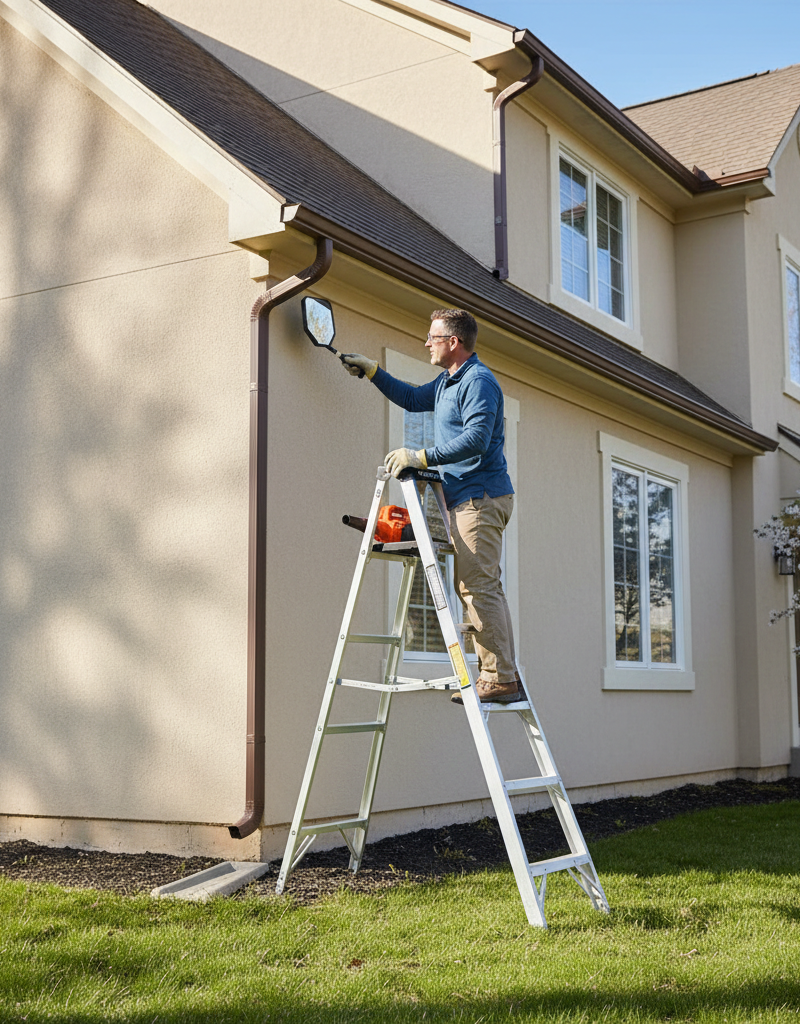
1. Inspect Your Roof Thoroughly — Carefully check for missing, cracked, or curled shingles, especially on the sunny side of your house where UV damage is common. Look for signs of moss or algae growth, which can trap moisture and degrade roofing materials. Pay close attention to flashing around chimneys, skylights, and vents for any lifts or cracks. Use binoculars for a safe ground-level inspection.
- Safety First: Never climb onto a wet or icy roof. If you're uncomfortable with heights or can't get a clear view, hire a professional roof inspector.
- If you find damage: A few missing shingles can often be replaced by a capable DIYer. Larger areas of damage, or issues with flashing, typically require professional repair to ensure watertight integrity.
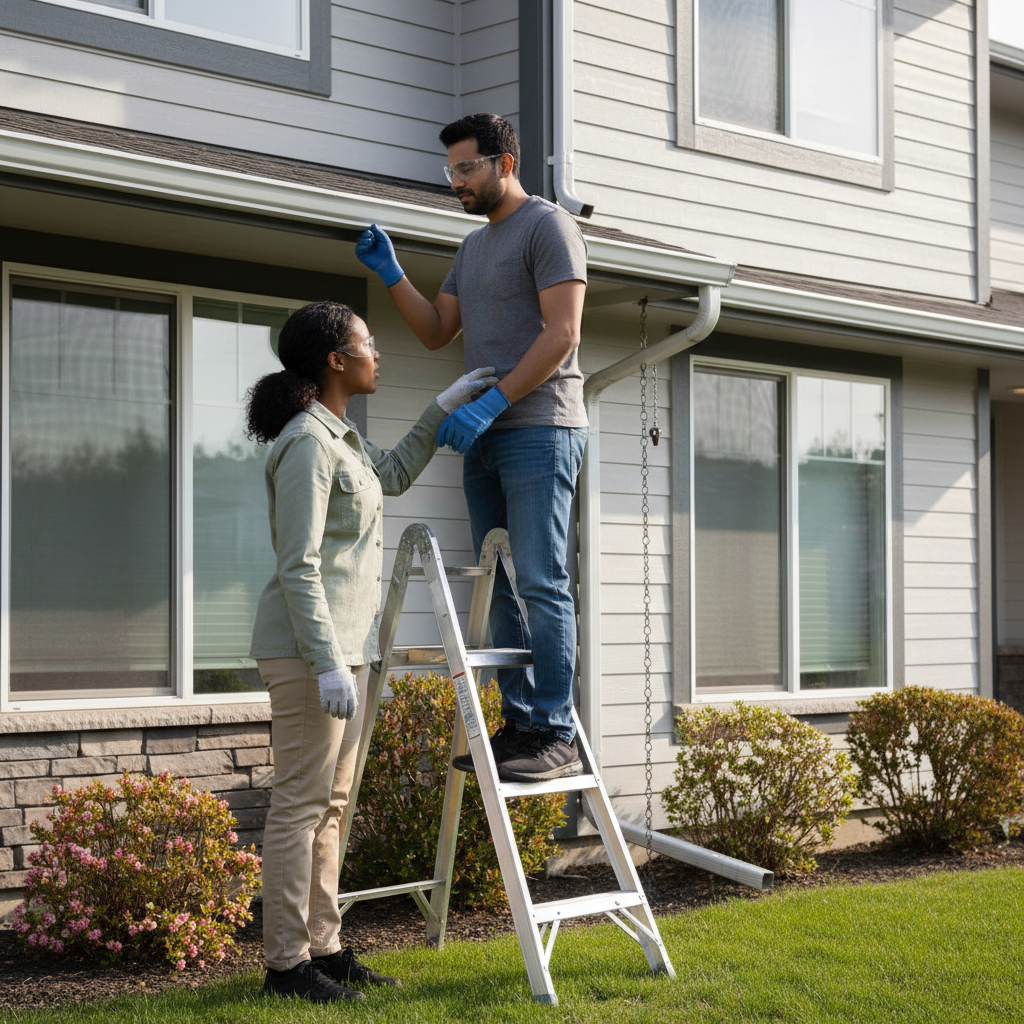
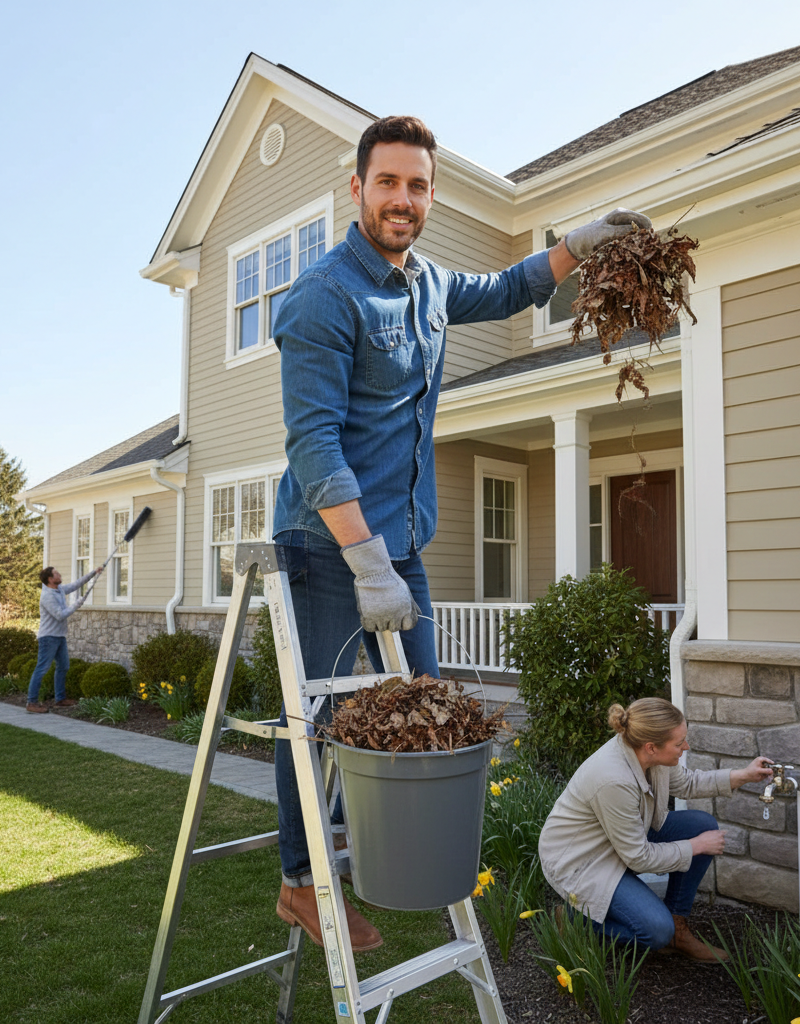
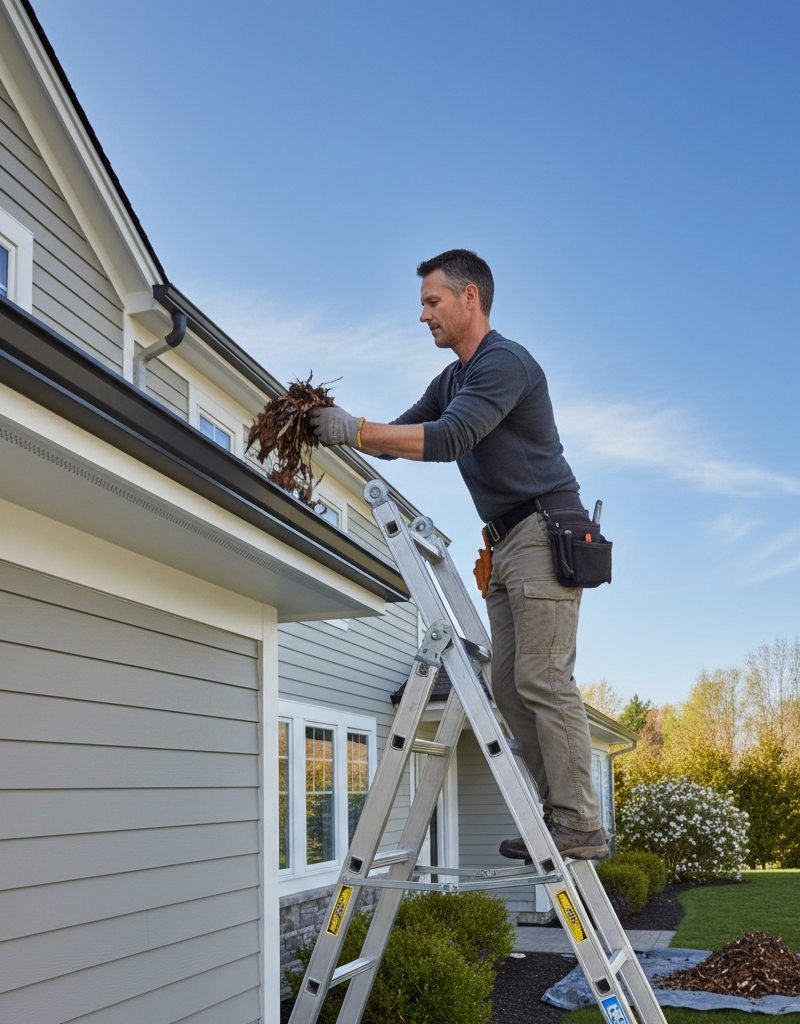
2. Clean Gutters and Downspouts — Remove all leaves, twigs, shingle grit, and other debris that accumulated over winter. Use a scoop or gloved hands. After cleaning, flush the gutters with a garden hose to ensure water flows freely towards the downspouts and that downspouts are not clogged. Check that downspout extensions direct water at least 5–10 feet away from the foundation.
- Tools: Gutter scoop, work gloves, garden hose, sturdy ladder.
- If clogged: A strong stream from the hose may dislodge minor clogs. For stubborn blockages, you might need to disassemble downspout sections or use a plumber's snake.
3. Assess Exterior Drainage and Grading — Walk around your home during or after a rain shower. Observe how water flows. Ensure soil slopes away from your foundation at a minimum grade of 6 inches for the first 10 feet. Check for puddles near the foundation, which indicate poor drainage. Expand or install splash blocks if needed.
- Look for: Eroded soil near the foundation, areas where water pools, or downspout runoff that settles too close to the house.
- If poor grading: Minor regrading can be done with a shovel and soil. For significant issues, consider adding swales, French drains, or consulting a landscape professional.
4. Service Your AC Unit — Before the summer heat hits, clean the outdoor condenser coil. Turn off power at the thermostat and the disconnect box near the unit. Use a brush or vacuum to remove loose debris, then gently spray the fins with a garden hose (avoid high pressure). Ensure the area around the unit is clear of vegetation for at least two feet.
- Warning: Never spray water into the electrical components. Do not attempt to clean evaporator coils or refrigerant lines. For refrigerant checks or internal component issues, call an HVAC professional.
- DIY vs. Pro: A professional HVAC technician will perform a more thorough tune-up, including checking refrigerant levels, electrical connections, and filter replacement.
5. Inspect Decks, Patios, and Walkways — Carefully examine all wooden deck boards, railings, and support posts for rot, loose fasteners, splinters, or insect damage. For concrete patios and walkways, look for cracks, crumbling edges, or uneven settling. Address any trip hazards immediately. If your deck needs sealing or staining, spring is the ideal time.
- Check for: Soft spots in wood (poke with an awl), rusted screws, significant cracks in concrete (more than 1/8-inch wide).
- Repair advice: Replace rotted deck boards. Fill small concrete cracks with a concrete crack filler. Large, shifting cracks may indicate foundation issues and require professional assessment.
6. Seal Asphalt Driveways — Inspect your asphalt driveway for cracks or potholes that may have formed over winter due to freeze-thaw cycles. Clean the driveway thoroughly, then patch any significant cracks or holes with asphalt repair compound. Once patches cure, apply an asphalt sealer to protect the surface from UV rays, water penetration, and further deterioration. This should be done on a warm, dry day.
- Timing: Sealing is best when temperatures are consistently above 50°F (10°C) for several days.
- Preparation: Ensure the driveway is completely free of dirt, oil, and debris for proper sealer adhesion.
7. Test Outdoor GFCI Outlets — Locate all exterior Ground Fault Circuit Interrupter (GFCI) outlets. Plug in a small lamp or a nightlight to confirm power. Then, press the
Related Articles
Keep troubleshooting with these hand-picked guides from FixlyGuide:
- The 7 Sneaky Home Problems Spring Reveals (Before They Cost You Thousands) — Spring weather can expose hidden issues around your home that could lead to costly repairs if not addressed proactively.
- The 7 Critical Home Inspection Checks Most Homeowners Miss (and How to Do Them Yourself) — Discover the essential annual home inspection checks many homeowners overlook and learn how to perform them yourself to prevent costly repa…
- The 5 Hidden Warning Signs Your Roof Is Failing (Before It's Too Late) — Learn to spot critical roof issues from the ground using binoculars, protecting your home from costly damage and extending your roof's life…
- The #1 Mistake When Fixing Baseboards That Pull Away From Walls — Discover the crucial mistake homeowners make when reattaching baseboards and how to properly secure them for a lasting fix.
- The 3 Critical Mistakes Homeowners Make Inspecting Their Roof (From the Ground) — Learn how to spot damaging roof problems safely from the ground, avoiding common pitfalls and knowing exactly what to look for.
- Is Your Gutter Sagging After Every Storm? The Hidden Flaw Most Homeowners Miss — Discover the overlooked reason your gutters sag after every storm and learn the lasting fix that most homeowners miss.
Your seasonal maintenance checklist
The small jobs that prevent the expensive repairs. Tick them off — progress saves on this device.
Free, no signup. Skip anything that requires roof access or working near live electrical.
Estimate your own project cost
National averages are a starting point. Enter your details for a range that fits your house.
HVAC replacement cost
- Equipment$2,200 – $3,800
- Installation labor$1,200 – $2,500
Always insist on a Manual J load calculation — sq-ft sizing is only a rough check. Federal heat-pump rebates may reduce cost significantly.
Educational estimate only — always confirm with written local bids.
What should this project cost?
Enter your project details for a realistic cost range before you call anyone.
Service calls and common repairs run $150–$900; full system replacement typically $6,000–$12,000.
- Regional adjustment
- National average
- Labor share (typical)
- ~$1,935
- Quotes to collect
- 3 written estimates
Educational estimate based on national averages — not a binding quote. Always confirm with written local estimates.
Fixly Project Decision Box
- DIY difficulty
- Professional Recommended
- Estimated time
- Inspection 1–2 hours · repairs 1–3 days
- Cost level
- High
Main tools / materials
- Binoculars for a ground-level look
- Flashlight for attic checks
- Moisture meter
- Roofing cement (temporary patch only)
When to stop and call a pro
- Active leak near lights, fans, or any wiring
- Sagging, bulging, or water-filled ceiling
- Steep, wet, or two-story roof — do not climb it
- Storm or hail damage you plan to claim on insurance
Need professional help?
Free roof assessment first — no phone calls until you ask for them.
Get Local Roofing HelpDecide what your roof needs
Two minutes of questions turns "something is wrong up there" into a clear next step.
- Repair or replace your roof?Answer 10 questions about age, leaks, and damage to get a clear next step.Open
- Compare contractor quotesScore up to four bids on price, warranty, licensing, and timeline.Open
- Get local estimatesSend one request and compare written estimates from vetted pros.Open
Free, no signup required. Estimates are educational guidance, not a quote or an inspection.
Recommended for DIYers & woodworkers
Sponsored
The Top 20 Tools for Workshops of Any Budget
No stationary machines or power tools required — plus 3 fundamental tools that can't be bought at any price.
Get the free guide
Ted's Woodworking — The #1 Woodworking Resource
Detailed instructions, dimensioned drawings, materials & cutting lists, and 3D schematics for every skill level.
See the plansSponsored: links above are affiliate links. FixlyGuide may earn a commission on qualifying purchases — at no extra cost to you.
Frequently asked questions
How often should I clean my gutters?+
You should clean your gutters at least twice a year: once in the late spring after trees have fully leafed out and shed their initial pollen/small debris, and again in the late fall after all leaves have dropped. If you have many trees overhead, more frequent cleaning might be necessary.
When is the best time to service my AC unit?+
The ideal time to service your AC unit is in early spring, before the peak cooling season begins. This allows technicians to address any issues before you rely heavily on the system, ensuring it's running efficiently when temperatures rise.
What are the signs of a damaged roof?+
Key signs of roof damage include missing, cracked, or curled shingles; granules in your gutters; dark spots or moss growth; and visible leaks or water stains on your interior ceilings. A professional inspection can confirm the extent of damage.
Can I seal my driveway in any weather?+
No, asphalt driveway sealing requires specific weather conditions. It's best to apply sealer on a warm, dry day when temperatures are consistently above 50°F (10°C) for at least 24-48 hours, with no rain in the forecast, to allow for proper curing.
Why is exterior drainage so important?+
Proper exterior drainage channels rainwater away from your home's foundation. Poor drainage can lead to water pooling near the foundation, causing hydrostatic pressure that can crack walls, lead to basement flooding, and encourage mold growth.
Discussion
Loading comments…