- Lack of Regular Flushing: Simply neglecting the recommended annual or bi-annual flushing allows sediment to accumulate and harden over time, making future flushes more difficult.
- Old Water Heater: Older tanks are more prone to sediment issues, especially if they haven't been regularly maintained throughout their life.
- Improper Installation: While less common for sediment directly, improper installation can sometimes complicate maintenance tasks like flushing if valves are inaccessible.
Plumbing · Water heater problem
| Project category | Plumbing |
|---|---|
| Problem type | Water heater problem |
| Trade required | Plumbing |
| Urgency | Urgent — within days |
| Safety risk | Moderate safety risk |
| DIY suitability | Pro recommended |
| Cost category | Moderate cost |
| Typical timeline | Diagnosis same day; replacement typically a half-day install |
| Contractor type | Licensed plumber |
Repair option
Element, thermostat, or thermocouple replacement on a tank still in good condition.
Replacement option
Full replacement once the tank leaks or passes roughly a decade of service.
Common causes
- Failed heating element or thermocouple
- Sediment buildup reducing capacity
- Tank corrosion at end of service life
Relevant tools:repair or replaceproject cost estimator
Published May 19, 2026Last updated August 17, 2026
Tools & materials you'll need
Affiliate links- AmazonHard water test strips (optional)1 pack
As an Amazon Associate FixlyGuide earns from qualifying purchases — at no extra cost to you. Prices and availability are accurate as of publication and subject to change.
Quick Answer
Flushing a water heater is a critical — yet often overlooked — maintenance task that prevents sediment buildup. This sediment, primarily composed of minerals like calcium and magnesium from your home's water supply, settles at the bottom of the tank. If left unchecked, it can reduce your water heater's efficiency, cause strange noises, decrease hot water output, and ultimately shorten the appliance's lifespan. A proper flush involves safely shutting off the power and water supply, connecting a garden hose to the drain valve, opening a hot water faucet inside the house to relieve vacuum pressure, and allowing the tank to drain completely until the water runs clear. This simple process, performed annually, can save you significant money on energy bills and extend the life of your water heater by several years.
The Problem
Many homeowners neglect their water heater until it fails. One of the most common silent killers of a water heater is sediment accumulation. As water heats, minerals precipitate out and settle at the bottom of the tank, forming a hard, insulating layer. This layer makes your water heater work harder, consuming more energy to heat the same amount of water, leading to higher utility bills. It can also create 'hot spots' on the tank's lining, accelerating corrosion and leading to leaks. Over time, sediment can clog the drain valve, reduce the tank's capacity, and even damage the heating elements in electric water heaters or interfere with the burner in gas models. The result is less hot water, strange banging or popping noises, and a dramatically shortened lifespan for an appliance that should last 10-15 years.
How It Works
Your water heater, whether gas or electric, operates on a simple principle: cold water enters the tank, is heated, and then held until it's demanded by a faucet or appliance. Cold water typically enters near the bottom of the tank through a dip tube (often extending 2/3 of the way down), while hot water exits from the top. Sediment, being denser than water, naturally settles at the lowest point, around the heating element or burner chamber.
In a gas water heater, the burner assembly is located beneath the tank, and the heat exchanges through the tank's metal bottom. A layer of sediment here acts as an insulator, preventing efficient heat transfer to the water. The burner has to work longer and hotter to compensate, increasing fuel consumption and potentially overheating the tank's bottom, leading to metal fatigue and eventual leaks. The trapped steam pockets within the sediment layer are what cause those distinctive popping and rumbling sounds you might hear.
Electric water heaters have one or two heating elements (upper and lower) immersed directly in the water. Sediment can build up around and over the lower element, reducing its heating efficiency and causing it to overheat. This overheating can burn out the element prematurely. Both types of heaters also contain an anode rod, typically made of magnesium or aluminum, which sacrifices itself to protect the steel tank from corrosion. Sediment can cover and reduce the effectiveness of the anode rod, leaving the tank vulnerable. The drain valve, usually located at the very bottom, is designed to allow this sediment to be flushed out. However, if the sediment becomes too compacted, it can block the valve, making flushing difficult or impossible without professional intervention.
Step-by-Step Fix
1. Prioritize Safety — Always start with safety. Identify your water heater as either gas or electric.
- For electric water heaters: Go to your home's electrical panel and switch off the circuit breaker that controls the water heater. It's often a double-pole breaker (two adjacent switches tied together). Label it so you know which one it is for future maintenance. Visual inspect for any damage or leaks near electrical components.
- For gas water heaters: Locate the gas shut-off valve on the gas line leading to the water heater. Turn the valve so the handle is perpendicular to the pipe. Newer gas water heaters often have a 'Vacation' or 'Pilot' setting on the temperature dial – turning it to 'Pilot' can also work, but completely shutting off the gas supply is safer during a flush. Do NOT relight the pilot light until the tank is refilled and purged of air.
2. Turn Off the Cold Water Supply — You need to stop new water from entering the tank.
- Locate the cold water inlet valve at the top of your water heater (usually on the right side). Turn the handle clockwise until it's completely closed. This prevents the tank from refilling while you're draining it. Ensure it's fully closed to avoid a continuous flow of water during the flushing process.
3. Open a Hot Water Faucet — This breaks the vacuum.
- Go to any hot water faucet in your house (e.g., a bathtub faucet or a utility sink). Turn it on fully to the hot water side. This relieves any vacuum pressure that might form inside the tank as it drains, allowing the water to flow out smoothly. Leave this faucet open throughout the draining process.
4. Connect a Garden Hose — Prepare for draining.
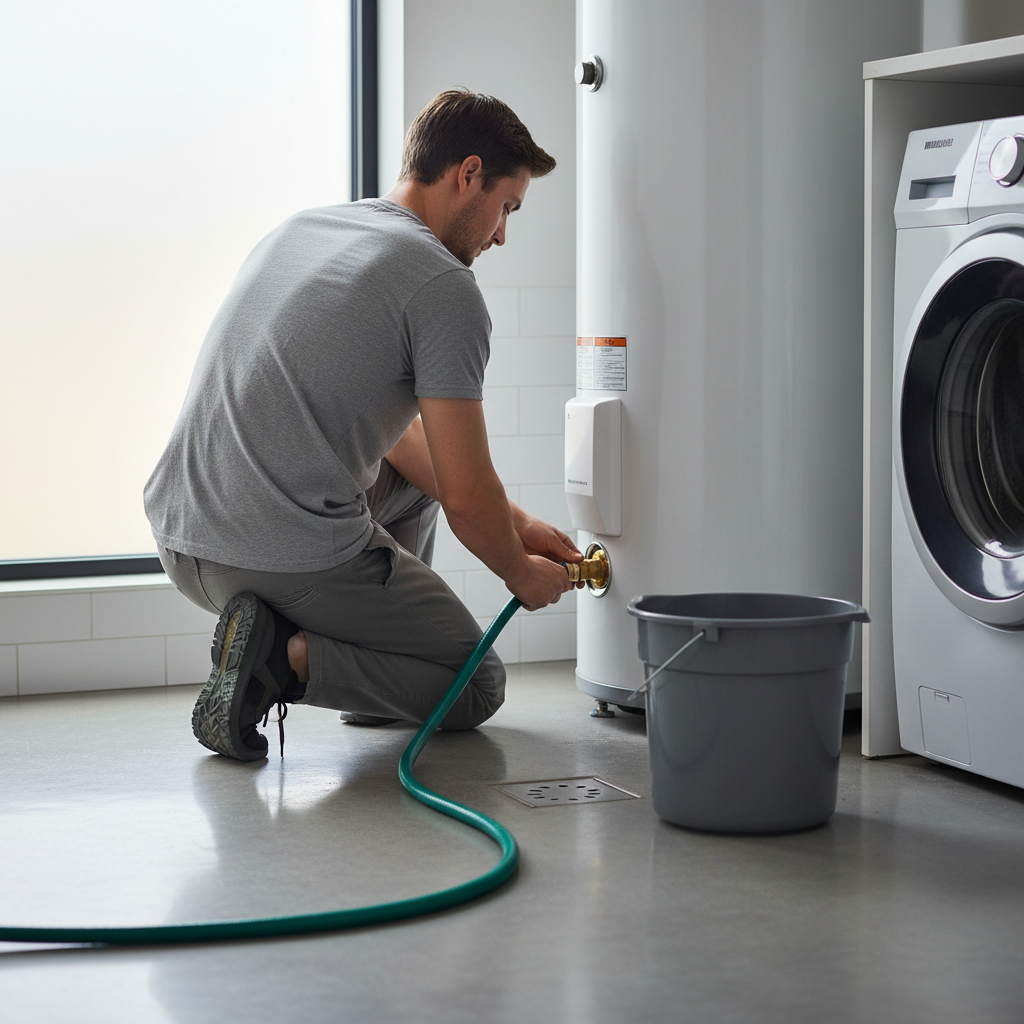
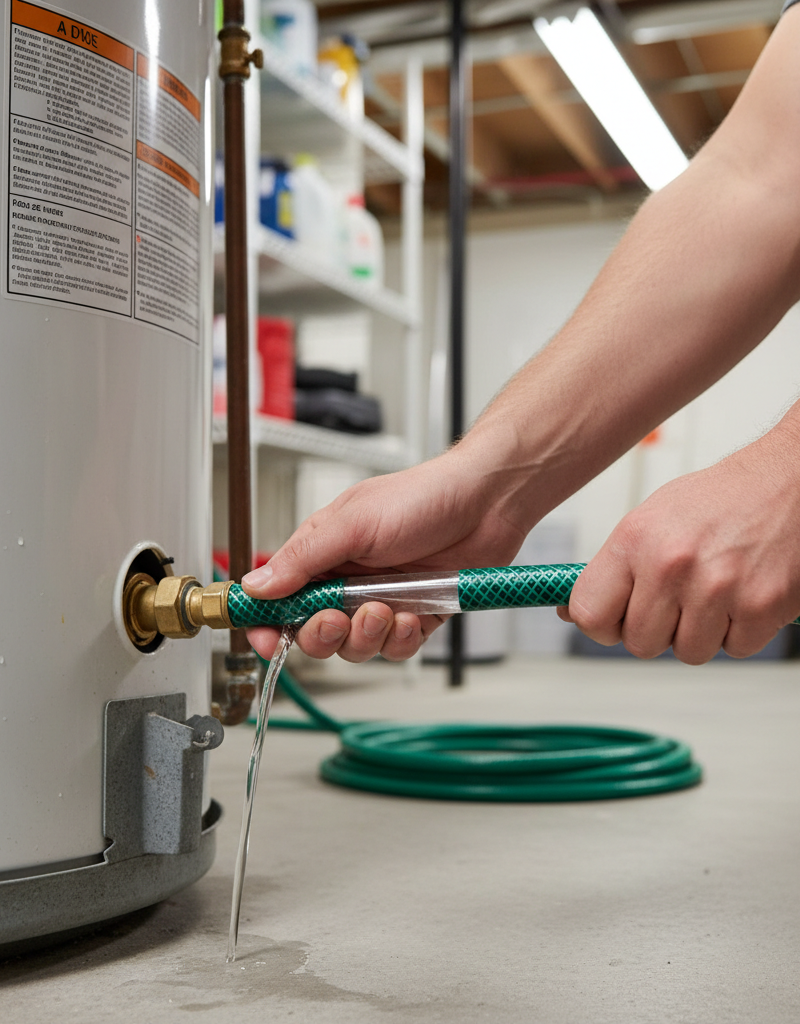
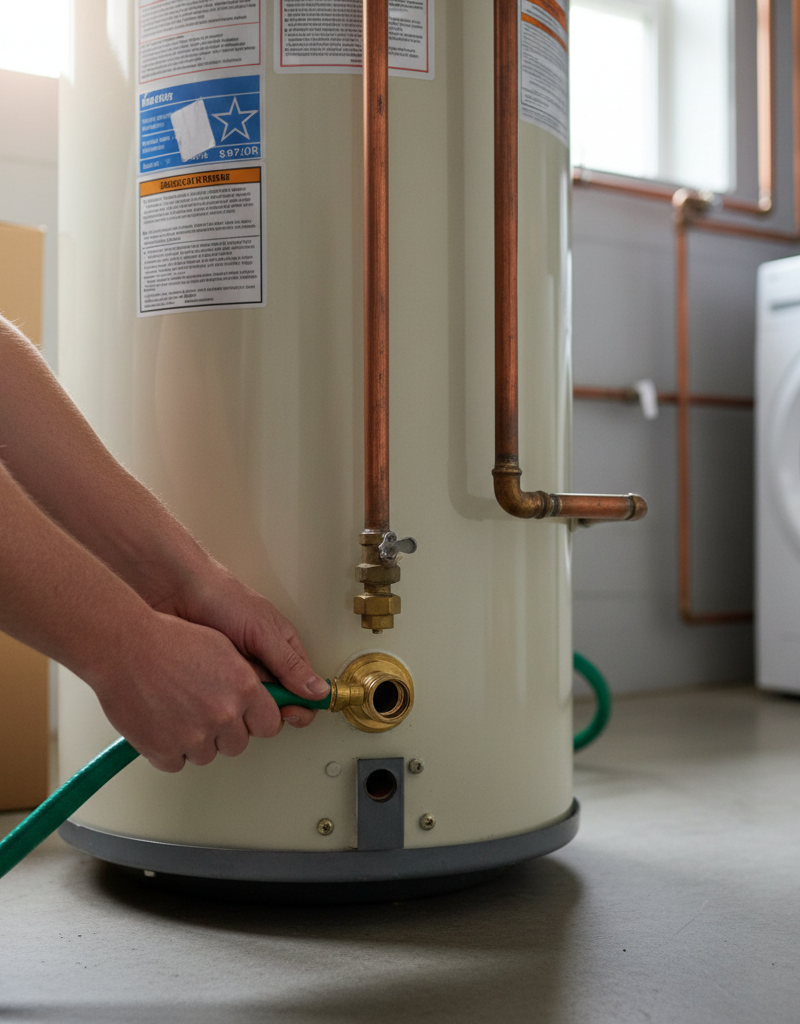
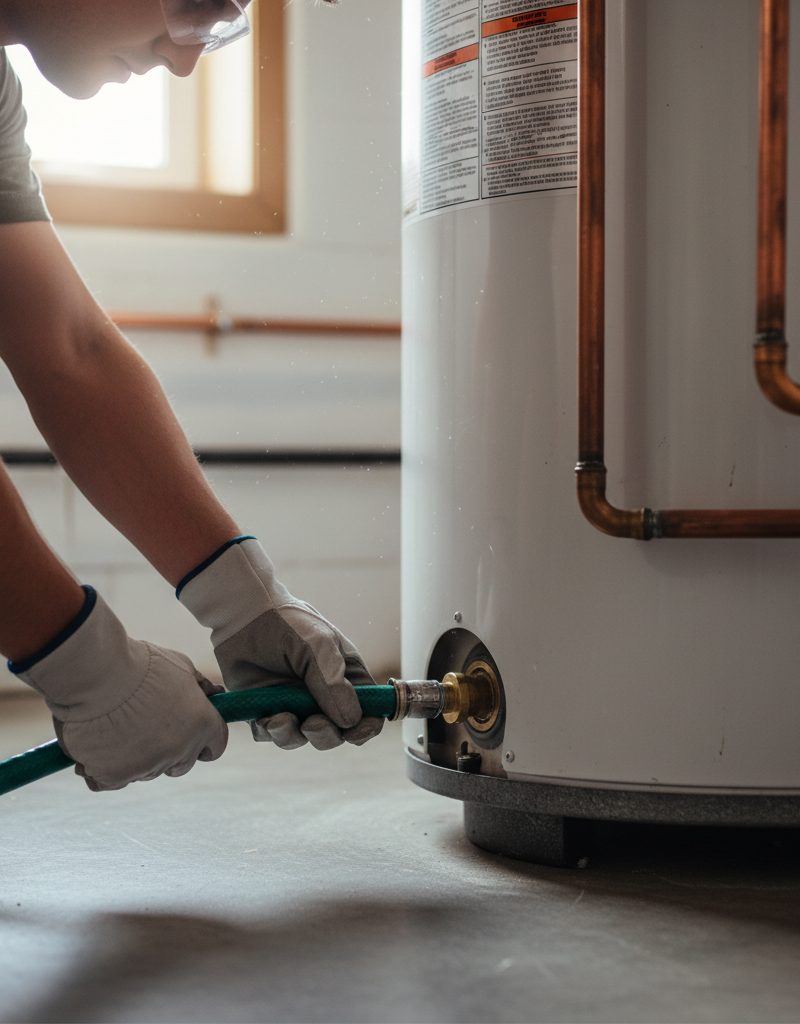
- Attach a standard garden hose to the drain valve located at the bottom of your water heater. Ensure the connection is tight to prevent leaks. Run the other end of the hose to a floor drain, a large bucket, or outside to an area where hot, sediment-laden water can safely drain without causing damage to plants or property. Be mindful that the initial water will be hot.
5. Open the Water Heater Drain Valve — Let the draining begin.
- Carefully open the drain valve on the water heater. This is often a quarter-turn ball valve or a screw-type valve requiring a slot screwdriver. The water will begin to flow out through the garden hose. Monitor the water coming out. Initially, it might be cloudy, discolored, or contain visible sediment.
- If water won't drain: The drain valve might be clogged with sediment. Try briefly turning the cold water supply back on for 10-15 seconds with the drain valve open. This can sometimes stir up and dislodge the sediment enabling the water to flow. Be prepared for a forceful rush of water and sediment. If this doesn't work, you may need a professional to clear the blockage.
6. Flush Until Clear — Patience is key.
- Allow the water heater to drain completely. This can take 15-30 minutes, or even longer for larger tanks or those with significant sediment buildup. Once the tank is nearly empty, or if the flow has significantly reduced, briefly open the cold water supply valve again for 30-60 seconds while the drain valve is still open. This will 'power flush' any remaining sediment out. Repeat this step until the water coming out of the hose runs completely clear. You might notice intermittent bursts of cloudy water as sediment is dislodged.
7. Close the Drain Valve — Seal it up.
- Once the water runs clear and you're satisfied with the flush, close the drain valve on the water heater tightly. Disconnect the garden hose. There might be a small amount of residual water that drips out, which is normal.
8. Refill the Tank — Get ready for hot water.
- Before restoring power or gas, slowly open the cold water supply valve to the water heater. You'll hear the tank begin to fill. Continue to leave the hot water faucet (the one you opened in Step 3) running inside the house. Air will be pushed out of the faucet. Once water begins to flow steadily and without sputtering from that faucet, the tank is full and purged of most air. Turn off the hot water faucet.
9. Restore Power/Gas — Bring it back online.
- For electric water heaters: Return to your electrical panel and flip the circuit breaker back to the 'on' position.
- For gas water heaters: Turn the gas shut-off valve parallel to the pipe to open the gas supply. If you turned the temperature dial to 'Pilot' in Step 1, turn it back to your desired temperature setting. You may need to relight the pilot light according to your water heater's instructions (usually located on a label near the gas valve). Wait at least 30 minutes to an hour for the water to heat up before expecting full hot water service.
Common Causes
- Hard Water: This is the primary culprit. Water with high mineral content (calcium, magnesium) leads to accelerated sediment buildup. If you live in an area with hard water, annual flushing is even more critical, and you might consider a water softener.
- Lack of Regular Flushing: Simply neglecting the recommended annual or bi-annual flushing allows sediment to accumulate and harden over time, making future flushes more difficult.
- Old Water Heater: Older tanks are more prone to sediment issues, especially if they haven't been regularly maintained throughout their life.
- Improper Installation: While less common for sediment directly, improper installation can sometimes complicate maintenance tasks like flushing if valves are inaccessible.
Common Mistakes
- Forgetting to Shut Off Power/Gas: The most dangerous mistake. Attempting to drain a hot water heater with the power or gas on can lead to serious injury (burns, electrocution, or gas leaks) or damage to heating elements if the tank is inadvertently heated while empty.
- Not Opening a Hot Water Faucet: Draining a sealed tank creates a vacuum, preventing water from flowing smoothly or at all. Always open an indoor hot water tap to break the vacuum.
- Not Draining Completely: Many DIYers stop too early, leaving a significant amount of sediment behind. The goal is clear water, not just a partially drained tank. Be patient and use the power flush technique.
- Ignoring a Clogged Drain Valve: If the valve is blocked, forcing it or ignoring the issue won't solve anything. It's a sign of significant sediment buildup that needs proper attention, potentially from a pro.
- Draining Onto Landscaping: Hot, mineral-laden water can harm plants and grass. Always direct the hose to a suitable drain or an area away from sensitive vegetation.
- Not Refilling Before Restoring Power/Gas: This will immediately burn out the heating elements in an electric water heater or damage the heat exchanger in a gas unit. Always ensure the tank is completely full of water before reintroducing heat.
Cost & Time Breakdown
| Task | DIY Cost | Pro Cost | Time |
|---|---|---|---|
| Annual Water Heater Flush | $0–$10 | $100–$250 | 30–60 mins |
| Hard Water Test Strip | $5–$15 | Included | 5 mins |
| Replacement Drain Valve (DIY) | $15–$50 | $150–$300+ | 1–2 hours |
| Professional Sediment Removal | — | $200–$500+ | 1–3 hours |
| New Water Heater Installation | $600–$2,000 | $1,000–$4,000+ | 3–6 hours |
Tips & Prevention
- Annual Flushing: Make it a yearly habit. Calendar reminders are helpful. If you have very hard water, consider flushing every six months.
- Install a Water Softener: This is the best long-term solution for preventing sediment buildup, especially in hard water areas. It will protect not only your water heater but also other appliances and plumbing fixtures.
- Check Your Anode Rod: The anode rod sacrifices itself to prevent tank corrosion. Have it inspected by a professional every 3-5 years, or if you're comfortable, inspect it yourself. Replace it when it's largely corroded.
- Listen for Noises: Banging, popping, or rumbling sounds from your water heater are classic indicators of sediment buildup. Don't ignore them.
- Monitor Hot Water Performance: If your hot water supply isn't lasting as long as it used to, or takes longer to heat, sediment could be the cause.
- Consider a Self-Cleaning Water Heater: Some newer models feature a cold water inlet dip tube designed to create turbulence at the bottom of the tank, naturally stirring up sediment and reducing buildup. While not a substitute for flushing, they can extend intervals.
When to Call a Professional
While flushing your water heater is a manageable DIY task for most homeowners, there are specific situations where calling a licensed plumber is not just recommended, but essential. If your drain valve is completely seized or clogged and you cannot get any water to drain, a professional has specialized tools and techniques to clear the blockage without damaging the tank. Similarly, if you notice significant leaks from the tank or its connections, or if you smell gas around a gas water heater at any point during your maintenance, shut everything down immediately and contact a plumber or your gas company. Tampering with gas lines or significant plumbing issues can be dangerous and should only be handled by qualified, licensed professionals. If you're uncomfortable with any step, or if your water heater is very old and potentially fragile, it's always safer to defer to an expert to prevent costly damage or injury.
Related Articles
Keep troubleshooting with these hand-picked guides from FixlyGuide:
- The 4-Step Water Heater Flush That Adds Years to Its Life (and Cures 3 Common Problems) — Flushing your water heater annually is a quick DIY task that prevents sediment buildup, extends the unit's lifespan, and improves efficienc…
- The $5 Secret to Silencing That Annoying Dripping Faucet (Single-Handle Fix) — Stop a dripping single-handle faucet with a simple and inexpensive DIY fix by replacing a worn-out o-ring or washer.
- The #1 Mistake Homeowners Make Flushing a Water Heater (And How to Do It Right) — Discover the crucial mistake most homeowners make when flushing their water heater and follow our step-by-step guide to properly maintain y…
- The 5-Minute Trick to Restore Your Kitchen Sink Sprayer's Lost Pressure — Restore your kitchen sink sprayer's low pressure with a quick, simple trick that often takes less than five minutes and requires no special…
- The #1 Mistake Homeowners Make When Their AC Drain Clogs (And The $5 Fix) — Discover the most common error homeowners make when tackling a clogged AC drain line and learn a simple, inexpensive solution to prevent co…
- The #1 Mistake Homeowners Make After Finding Missing Shingles (And How to Fix It Right) — Discover the crucial steps to take after a storm rips shingles from your roof, ensuring a proper, lasting repair and preventing costly futu…
Should you do this yourself?
Answer five quick questions before you start. Safety outranks savings every time.
Your experience with work like this
How high do you have to work?
Does the job involve any of these?
Will it need a permit?
Specialty tools
Free and instant. Educational guidance only — not a quote, inspection, or professional diagnosis.
Estimate your own project cost
National averages are a starting point. Enter your details for a range that fits your house.
Water heater replacement cost
- Unit$550 – $1,400
- Installation labor$350 – $900
- Removal & disposal$60 – $150
- Permit & inspection$50 – $200
These estimates reflect typical US installed costs. Get 2–3 written quotes before committing.
Educational estimate only — always confirm with written local bids.
What should this project cost?
Enter your project details for a realistic cost range before you call anyone.
Common repairs run $150–$650; repipes and water-heater replacements reach $1,500–$4,500.
- Regional adjustment
- National average
- Labor share (typical)
- ~$754
- Quotes to collect
- 3 written estimates
Educational estimate based on national averages — not a binding quote. Always confirm with written local estimates.
Fixly Project Decision Box
- DIY difficulty
- Moderate
- Estimated time
- 30 minutes – half a day
- Cost level
- Moderate
Main tools / materials
- Adjustable wrench
- Plunger or drain auger
- Bucket and towels
- Thread tape
When to stop and call a pro
- Water you cannot shut off at the fixture or main
- Sewage backing up into more than one fixture
- Water near electrical panels or outlets
- Gas water heater work beyond relighting a pilot
Need professional help?
Get a Licensed PlumberBefore you start
Check the difficulty, permits, and safety risk — then decide whether to call a pro.
Free, no signup required. Estimates are educational guidance, not a quote or an inspection.
Frequently asked questions
How often should I flush my water heater?+
Most experts recommend flushing your water heater annually. If you live in an area with particularly hard water, you might consider flushing it every six months to prevent excessive mineral buildup.
What happens if I don't flush my water heater?+
If you don't flush your water heater, sediment will accumulate, reducing its efficiency, causing strange noises, decreasing hot water availability, and ultimately shortening its lifespan by promoting corrosion and overworking heating elements.
Why is the water coming out of my water heater cloudy or discolored?+
Cloudy or discolored water during flushing is a sign of significant sediment buildup in your tank. This is normal during the initial draining and indicates that the flush is successfully removing these deposits. Continue flushing until the water runs clear.
Can I flush my water heater myself?+
Yes, flushing a water heater is a common and relatively easy DIY maintenance task for most homeowners. However, it's crucial to follow safety precautions, especially when dealing with electricity or gas, and to know when to call a professional if you encounter difficulties like a completely clogged drain valve.
Discussion
Loading comments…