- Safety Note: Turn off the power at the circuit breaker before touching any wiring or dimmer switches.
- Tools: Screwdriver (Phillips and/or flathead), voltage tester.
- If this doesn't work: Replace the old dimmer with a new, high-quality LED-compatible dimmer. Make sure to follow the manufacturer's wiring instructions carefully. Ensure the wattage range of the new dimmer is appropriate for your LED load.
General remodeling · Renovation planning
| Project category | General remodeling |
|---|---|
| Problem type | Renovation planning |
| Trade required | General contracting |
| Urgency | Planned project |
| Safety risk | Low safety risk |
| DIY suitability | Pro recommended |
| Cost category | Major investment |
| Typical timeline | Design and permitting often 2–4 months before work starts |
| Contractor type | General contractor |
Repair option
Phase the work and fix the building envelope first.
Replacement option
Full renovation with permits, design, and a general contractor.
Common causes
- Space no longer fits how the household lives
- Resale preparation
- Deferred maintenance stacking up
Relevant tools:project cost estimatorcompare quoteshome improvement material prices
Published May 31, 2026Last updated August 17, 2026
Tools & materials you'll need
Affiliate linksAs an Amazon Associate FixlyGuide earns from qualifying purchases — at no extra cost to you. Prices and availability are accurate as of publication and subject to change.
Quick Answer
LED bulbs often burn out prematurely, despite their advertised long lifespan, primarily due to factors like voltage fluctuations in your home's electrical system, incompatibility with existing dimmer switches or fixtures not designed for LEDs, and excessive heat buildup within enclosed fixtures. Understanding these underlying causes is key to preventing recurring failures and maximizing the life of your LED lighting investments.
The Problem
You've made the switch to LED lighting, expecting years of efficient, bright illumination, only to find some bulbs flickering, dimming, or failing entirely after just a few months. This recurring problem can be frustrating and costly, as you replace 'long-lasting' bulbs far more frequently than anticipated. It's not just a matter of a faulty bulb; often, the blame lies with subtle electrical issues or environmental factors within your home's lighting setup that are silently sabotaging your LEDs' lifespan. While LEDs are marketed for their durability, they are also more sensitive to certain conditions than traditional incandescent bulbs, making them susceptible to premature failure if those conditions aren't met.
How It Works
Unlike traditional incandescent bulbs that produce light by heating a filament, Light Emitting Diodes (LEDs) generate light through electroluminescence. This means electricity passes through a semiconductor material, exciting electrons and causing them to release energy in the form of photons (light). This process is highly efficient, converting a much larger percentage of electrical energy into light and very little into heat, which is why LEDs are so energy-efficient.
However, LEDs require a very specific direct current (DC) voltage to operate. Since homes supply alternating current (AC), every LED bulb contains a small, internal component called a 'driver.' This driver is crucial; it converts the incoming AC power into the stable DC power the LEDs need, and it also regulates the current and voltage to protect the delicate diodes from damage caused by fluctuations. The quality and design of this driver largely determine the bulb's robustness and lifespan.
When voltage spikes or sags occur in your home's wiring, or if an incompatible dimmer switch sends an unstable waveform, the LED driver is put under immense stress. It constantly tries to compensate, working overtime to maintain stable power. Over time, this stress degrades the driver's electronic components, leading to flickering, dimming, and ultimately, complete failure of the bulb. Heat is another critical factor. While LEDs produce less radiant heat than incandescents, the heat generated by the LED chips and, more significantly, by the internal driver, must be dissipated. If an LED bulb is enclosed in a fixture without adequate ventilation, this heat builds up, directly impacting the lifespan of the semiconductor materials and the driver circuitry. Even seemingly minor issues with fixture compatibility or wiring can have a cumulative negative effect on your LED bulbs, leading to frustratingly short lifespans.
Step-by-Step Fix
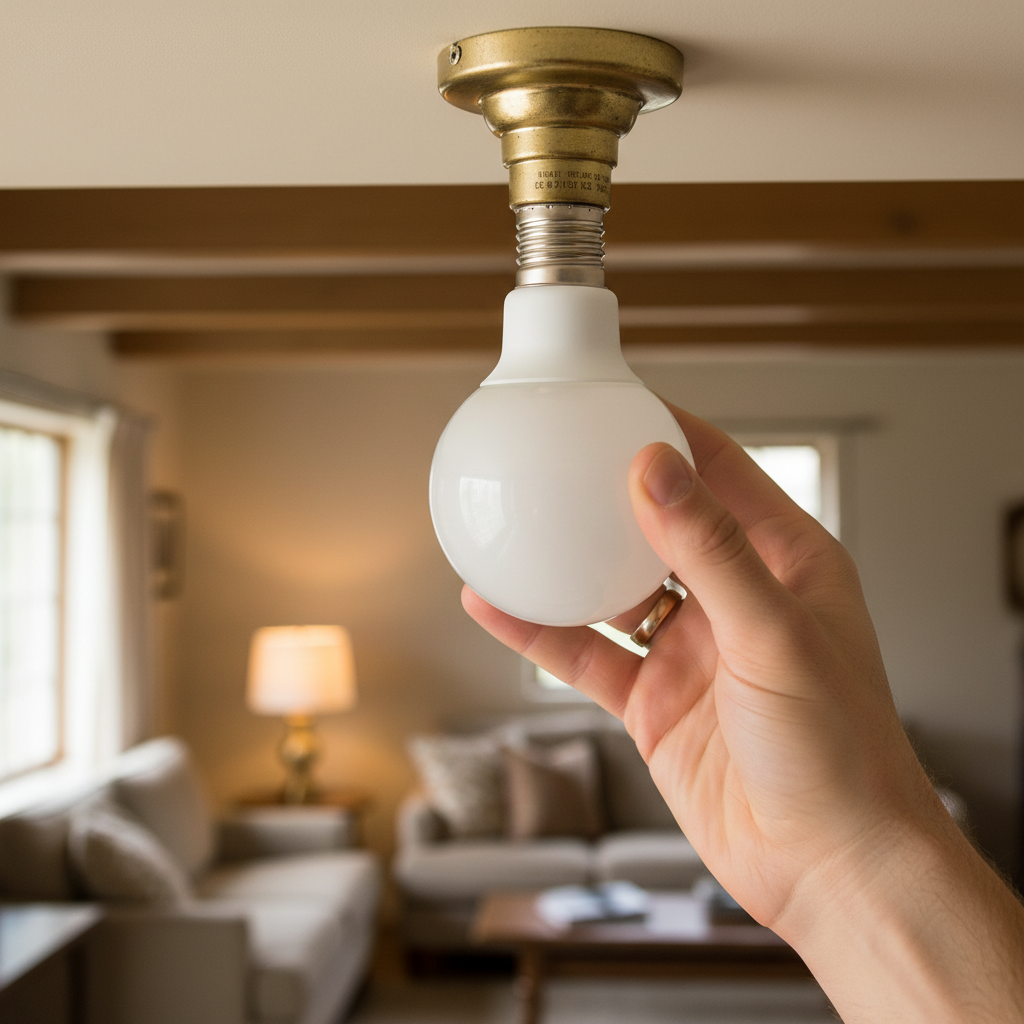
1. Test the Suspect Bulb in a Known Good Fixture — Diagnose the bulb itself.
Swap the failing LED bulb with an LED bulb that is working correctly in another fixture. If the suspect bulb still fails or flickers in the new fixture, the bulb itself is likely faulty. If the 'known good' bulb begins to fail in the original fixture, the problem lies with the fixture or its electrical supply.
- If this doesn't work: If the problem follows the bulb, discard it and replace it with a new, high-quality LED from a reputable brand. If the problem stays with the fixture, proceed to the next steps.
2. Check the Fixture for Compatibility and Damage — Ensure the fixture is suitable for LEDs.
Inspect the light fixture visually for any signs of damage, corrosion, or loose connections. Check if the fixture is labeled as 'enclosed fixture rated' or specifically designed for LED use, especially if it's an older model. Enclosed fixtures trap heat, which can dramatically shorten the life of many LED bulbs not designed for such environments. Non-IC (insulation contact) recessed cans are particularly problematic if the LED bulb isn't rated for them.
- Safety Note: Always turn off power at the circuit breaker before inspecting any fixture.
- Tools: Headlamp or flashlight for dark areas.
3. Confirm Dimmer Switch Compatibility — Resolve flickering or premature failure with dimmers.
Many older dimmer switches are designed for incandescent loads and are not compatible with LEDs. Incompatible dimmers can cause flickering, buzzing, or premature bulb failure. Check your dimmer switch. If it's not explicitly labeled as 'LED compatible' or 'Lutron CL/CFL/LED', it's likely the culprit. You may need to remove the existing dimmer to check model numbers.
- Safety Note: Turn off the power at the circuit breaker before touching any wiring or dimmer switches.
- Tools: Screwdriver (Phillips and/or flathead), voltage tester.
- If this doesn't work: Replace the old dimmer with a new, high-quality LED-compatible dimmer. Make sure to follow the manufacturer's wiring instructions carefully. Ensure the wattage range of the new dimmer is appropriate for your LED load.
4. Examine the Bulb's Wattage Equivalent and Base Size — Mismatched bulbs cause issues.
Ensure the LED bulb's wattage equivalent is appropriate for the fixture's maximum incandescent wattage rating (e.g., if a fixture says 'Max 60W Incandescent,' an LED equivalent of 100W simply means it produces the light of a 100W incandescent, not that it draws 100W). Also, verify the bulb base (E26, E12, etc.) is the correct match for the socket.
- Mistake to Avoid: Overlooking the physical size. Some high-lumen LEDs might be physically too large for older fixtures, preventing proper heat dissipation.
5. Tighten the Bulb and Fixture Connections — Loose connections cause intermittent power.
Confirm the LED bulb is screwed snugly into the socket. A loose bulb can cause intermittent contact, leading to flickering and eventual failure. Similarly, ensure any decorative covers or glass panels on the fixture are securely fastened, but also allow for some airflow if possible. Gently wiggle the bulb to see if it causes flickering.
- Safety Note: Turn off the power at the circuit breaker before tightening bulbs or making adjustments.
- Tools: Work gloves for better grip on difficult-to-turn bulbs.
6. Address Voltage Fluctuations (Advanced Diagnosis) — Identify and mitigate power issues.
If multiple LED bulbs are failing across different fixtures, especially in a specific area of your home, you might be experiencing voltage fluctuations (sags or surges). This is less common but can be devastating to electronics. Use a multimeter set to AC voltage to test the outlet or fixture's voltage. A reading consistently above 125V or below 110V could indicate a problem. However, intermittent fluctuations are harder to catch with a simple multimeter.
- When to Call a Pro: If you suspect persistent voltage issues, contact a licensed electrician. They have specialized equipment to monitor and diagnose such problems over time. Never attempt to diagnose or fix main panel wiring yourself.
7. Check for Heat Buildup in Enclosed Fixtures — Prevent thermal overload.
If your LED bulbs are dying in enclosed or semi-enclosed fixtures (like globes, recessed cans with trim that seals them, or ceiling fan lights with tight covers), heat is almost certainly the culprit. While LEDs run cooler externally, their internal components are sensitive to heat. Look for LED bulbs specifically rated for 'enclosed fixtures' or 'wet locations,' as these are designed with better heat dissipation.
- Solution: Replace the failing bulbs with enclosed-fixture-rated LEDs. If none are available or the problem persists, consider changing the fixture to one with better ventilation or switching back to incandescent/CFLs if a well-ventilated LED option isn't viable for that specific fixture.
8. Clean the Socket Contacts — Remove corrosion or debris.
Over time, dust, debris, and even slight corrosion can build up within the lamp socket, impeding good electrical contact. Turn off the power at the breaker, then use a small brush (like a toothbrush) or a cotton swab dipped in rubbing alcohol to gently clean the metal contacts inside the socket. Ensure the socket is completely dry before restoring power.
- Safety Note: Always confirm power is off with a non-contact voltage tester before touching the socket.
- Tools: Small stiff brush or cotton swabs, rubbing alcohol, non-contact voltage tester.
Common Causes
- Incompatible Dimmer Switches: Many older dimmers are designed for resistive incandescent loads and don't provide the stable power LEDs need, leading to flickering, buzzing, and premature failure. This is arguably the most frequent cause of problems.
- Voltage Fluctuations: Spikes or sags in your home's electrical voltage can stress the LED driver, causing it to work harder and fail sooner. This can be due to external grid issues or intermittent problems within your home's wiring.
- Excessive Heat Buildup: LEDs are sensitive to heat, and enclosing them in unventilated fixtures traps heat, degrading their internal components and driver circuitry. Not all LED bulbs are rated for enclosed fixtures; using standard LEDs in them can halve their lifespan.
- Poor Quality LED Bulbs: Cheaper LED bulbs often use lower-quality drivers and components that are less resilient to minor power fluctuations or heat, leading to a much shorter lifespan than advertised.
- Loose Connections: A bulb not fully screwed in, or loose wiring within the fixture or switch, can cause intermittent power delivery, stressing the bulb's driver and leading to premature failure.
- Overloading the Circuit: While less common with LEDs (due to their low wattage), old or faulty wiring on a circuit can still impact power delivery if there are other high-draw appliances, leading to voltage drops that affect sensitive electronics.
Common Mistakes
- Ignoring Dimmer Compatibility: Assuming all new LEDs work with old dimmers is a costly mistake. Always check if your dimmer is LED-rated; if not, you'll need to upgrade it.
- Using Standard LEDs in Enclosed Fixtures: Placing non-enclosed-rated LED bulbs in light fixtures that trap heat will drastically shorten their lifespan. Always look for bulbs specifically marked for enclosed use.
- Buying the Cheapest Bulbs: While tempting, very inexpensive LEDs often skimp on driver quality, making them more susceptible to common electrical issues and leading to frequent replacements.
- Over-tightening LED Bulbs: Screwing LED bulbs in too tightly can damage the delicate threads of the socket or the bulb's base, leading to poor contact or outright breakage.
- Not Troubleshooting Systematically: Randomly replacing bulbs without identifying the underlying cause means the new bulb will likely suffer the same fate. Follow a diagnostic process.
- Neglecting Wiring/Fixture Health: Overlooking corroded sockets, loose wires, or damaged fixtures can perpetuate the problem, regardless of how good your new LED bulb is.
Cost & Time Breakdown
| Task | DIY cost | Pro cost | Time |
|---|---|---|---|
| Replace single LED bulb | $5–$25 | $0 (if part of call) | 1–2 minutes |
| Replace old dimmer with LED-compatible | $20–$50 | $100–$250 | 15–30 minutes |
| Replace light fixture | $30–$200+ | $150–$400+ | 30–60 minutes |
| Diagnose voltage issues (pro) | $0 | $150–$300 | 1–2 hours |
| Clean socket contacts | $0–$5 | $0 (if part of call) | 5–10 minutes |
Tips & Prevention
- Invest in Quality LEDs: Choose reputable brands known for good driver technology. While they cost more upfront, their longevity often justifies the investment. Look for ENERGY STAR certification.
- Check Enclosure Ratings: Always verify if an LED bulb is rated for enclosed fixtures before installing it in one. This information is usually on the packaging.
- Upgrade Your Dimmers: If you have dimmers, ensure they are specifically rated for LED lighting (often labeled CL, CFL/LED, or LED-compatible). This is a critical step for preventing problems.
- Ensure Proper Ventilation: For any fixture, especially recessed cans, ensure there's adequate space for heat dissipation. If retrofitting a can, use an LED trim kit designed to improve airflow.
- Monitor for Warning Signs: Pay attention to flickering, buzzing, or inconsistent dimming. These are early indicators of underlying issues that can lead to premature failure.
- Regularly Inspect Fixtures: Periodically check light fixtures for loose wires, corrosion, or damage that could impact bulb performance. Clean contacts if necessary.
- Consider a Whole-House Surge Protector: While more advanced, a whole-house surge protector installed at your main electrical panel can help mitigate the impact of voltage spikes on all your home's electronics, including sensitive LED drivers.
When to Call a Professional
While many LED bulb issues can be resolved with DIY troubleshooting, certain situations warrant calling a licensed electrician. If you've systematically worked through the troubleshooting steps and multiple LED bulbs continue to fail across different fixtures, or if you suspect persistent voltage fluctuations beyond a simple test, a professional can diagnose deeper electrical system problems such as loose wiring in junction boxes, overloaded circuits, or issues with your home's main service panel. Furthermore, never attempt to diagnose or repair issues within your main electrical panel or any wiring that requires touching live circuits you are uncomfortable with; always defer to a professional to ensure safety and code compliance. An electrician can perform a comprehensive electrical audit and recommend appropriate solutions to stabilize your home's power supply and ensure your lighting operates correctly and safely.
Related Articles
Keep troubleshooting with these hand-picked guides from FixlyGuide:
- The #1 Hidden Culprit Behind Your Whole-House Low Water Pressure (It's Not Your City!) — Discover the most common, overlooked cause of low water pressure throughout your entire home and how to easily diagnose and fix it yourself.
- The #1 Hidden Culprit Behind Your Whole-House Low Water Pressure (It's Not Your City!) — Discover the most common, often overlooked cause of low water pressure throughout your entire home and how to fix it yourself.
- Is Your Roofline Hiding a $10,000 Secret? 7 Warnings Your Soffit & Fascia Are Failing — Discover the critical signs of soffit and fascia damage that could indicate widespread problems and how to properly address them before the…
- Is Your Roofline Hiding a $10,000 Secret? 7 Soffit & Fascia Warning Signs — Discover the critical warning signs of soffit and fascia damage, why these often-overlooked components are crucial, and how to tackle commo…
- The 3 Critical Mistakes Homeowners Make Inspecting Their Roof (From the Ground) — Learn how to spot damaging roof problems safely from the ground, avoiding common pitfalls and knowing exactly what to look for.
- The 5-Minute Trick When Your Range Hood Fan Suddenly Dies (It's Not Always the Motor) — Before you panic about a broken motor, learn the quick diagnostic steps to revive a dead range hood fan and restore proper kitchen ventilat…
What should this project cost?
Enter your project details for a realistic cost range before you call anyone.
Cost depends heavily on which system turns out to be the source.
- Regional adjustment
- National average
- Labor share (typical)
- ~$1,620
- Quotes to collect
- 3 written estimates
Educational estimate based on national averages — not a binding quote. Always confirm with written local estimates.
Fixly Project Decision Box
- DIY difficulty
- Professional Recommended
- Estimated time
- Diagnosis 1–2 hours
- Cost level
- Moderate
Main tools / materials
- Non-contact voltage tester
- Outlet tester
- Flashlight
When to stop and call a pro
- Burning smell, scorch marks, or a warm outlet or switch plate
- A breaker that trips again right after being reset
- Any work inside the service panel
- Aluminum wiring or cloth-insulated wiring
Need professional help?
Talk to a Licensed ElectricianRecommended for DIYers & woodworkers
Sponsored
The Top 20 Tools for Workshops of Any Budget
No stationary machines or power tools required — plus 3 fundamental tools that can't be bought at any price.
Get the free guide
Ted's Woodworking — The #1 Woodworking Resource
Detailed instructions, dimensioned drawings, materials & cutting lists, and 3D schematics for every skill level.
See the plansSponsored: links above are affiliate links. FixlyGuide may earn a commission on qualifying purchases — at no extra cost to you.
Frequently asked questions
Why do my LED bulbs keep dying so quickly?+
LED bulbs commonly die quickly due to incompatible dimmer switches, excessive heat buildup in enclosed fixtures, voltage fluctuations in your home's electrical system, or simply using low-quality bulbs with inadequate drivers.
Can a dimmer switch burn out LED bulbs?+
Yes, an old or incompatible dimmer switch can absolutely burn out LED bulbs. Dimmers designed for incandescent bulbs send an unstable electrical waveform to LEDs, stressing their internal driver and causing premature failure, flickering, or buzzing.
Should I use special LED bulbs for enclosed fixtures?+
Yes, it is crucial to use LED bulbs specifically rated for 'enclosed fixtures' when installing them in tight, unventilated light fixtures. Standard LED bulbs trap heat in enclosed spaces, which severely shortens their lifespan.
How do I know if my LED bulb is bad or the fixture is bad?+
To determine if the bulb or fixture is bad, swap the suspect LED bulb with a known good LED bulb from another fixture. If the original suspect bulb still fails in the new fixture, it's the bulb. If the known good bulb fails in the original fixture, the problem is with the fixture or its wiring.
What's the ideal voltage for LED bulbs?+
LED bulbs operate internally on very specific DC voltage, but they are designed to accept standard household AC voltage, typically 110-120V in North America. Consistent voltage within this range is ideal; significant fluctuations can damage the bulb's internal driver.

Discussion
Loading comments…