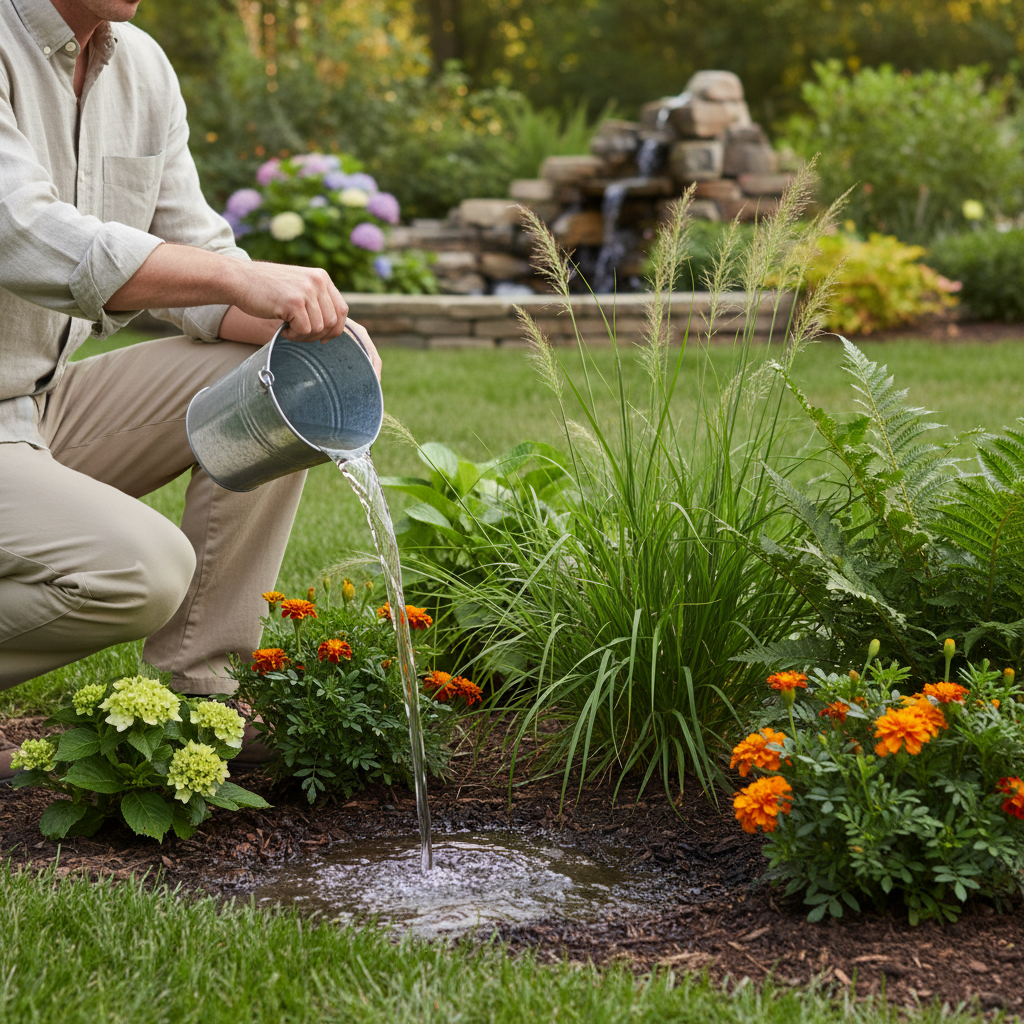
- Citronella Grass (Cymbopogon nardus): The source of commercial citronella oil, this tall, fragrant grass is best planted near gathering areas. For maximum effect, lightly crush the leaves to release their oils.
- Lemon Balm (Melissa officinalis): A vigorous herb in the mint family with a strong lemony scent. Plant in pots or in contained garden beds, as it can be invasive.
- Catnip (Nepeta cataria): Studies have shown catnip to be even more effective than DEET at repelling mosquitoes. Plant it near seating areas, but be aware it attracts cats.
- Marigolds (Tagetes spp.): These cheerful flowers contain pyrethrum, a compound used in many insect repellents. Plant them in containers on your deck or around garden beds.
- Basil (Ocimum basilicum): Varieties like 'Lemon' or 'Cinnamon' basil are particularly effective. The strong aroma deters mosquitoes.
Landscaping · Deck or fence project
| Project category | Landscaping |
|---|---|
| Problem type | Deck or fence project |
| Trade required | Landscaping |
| Urgency | Planned project |
| Safety risk | Moderate safety risk |
| DIY suitability | DIY for experienced homeowners |
| Cost category | High cost |
| Typical timeline | Most builds 3–10 days depending on size |
| Contractor type | Landscaping contractor |
Repair option
Replace failed boards, posts, and hardware; reseal the surface.
Replacement option
Rebuild when framing or the ledger connection is unsafe.
Common causes
- Rot at posts and ledger
- Storm damage
- Adding outdoor living space
Relevant tools:home improvement material pricesproject cost estimator
Published May 21, 2026Last updated August 17, 2026
Tools & materials you'll need
Affiliate links- AmazonMosquito dunks/bits (Bti)for unavoidable standing water, e.g., ponds, rain barrels
- AmazonAssorted mosquito-repelling plants (e.g., citronella grass, lemon balm, marigolds)3-5 plants
- AmazonEssential oils (lemon eucalyptus, citronella, peppermint)for DIY personal repellent
- AmazonWitch hazel or apple cider vinegarcarrier for essential oil repellent
As an Amazon Associate FixlyGuide earns from qualifying purchases — at no extra cost to you. Prices and availability are accurate as of publication and subject to change.
Quick Answer
Controlling mosquitoes naturally in your backyard centers on disrupting their breeding cycle and deterring adult insects without resorting to synthetic pesticides. The most effective strategies involve meticulously eliminating all sources of standing water, strategically placing plants known for repellent properties, and, when necessary, deploying biological controls like Bti (Bacillus thuringiensis israelensis) in unavoidable water features. Consistent, proactive management of water accumulation is paramount, as mosquitoes can complete their life cycle from egg to biting adult in just one week.
The Problem
Mosquitoes aren't just annoying; they're a significant health concern, capable of transmitting diseases like West Nile virus, Zika, and Eastern Equine Encephalitis. A single female mosquito can lay hundreds of eggs, and those eggs can hatch, mature, and begin biting in as little as seven to ten days in even a tiny amount of standing water. Homeowners often resort to citronella candles or 'mosquito repellent' plants expecting quick fixes, only to find themselves still swatting away bites. The core problem is often a misunderstanding of the mosquito life cycle and ineffective prevention methods. Many popular remedies offer only localized, short-lived relief against adult mosquitoes, failing to address the root cause: breeding sites within a 300-foot radius of your outdoor living spaces.
How It Works
Understanding the mosquito life cycle is key to natural control. Mosquitoes undergo four stages: egg, larva, pupa, and adult. The first three stages are entirely aquatic. Female mosquitoes lay their eggs on or near standing water. These eggs hatch into larvae, often called 'wigglers,' which live in the water and feed on microorganisms. Larvae then develop into pupae, or 'tumblers,' which are non-feeding but still aquatic. Finally, the adult mosquito emerges from the pupal case, typically within a week to ten days of the egg being laid, depending on temperature. Only female mosquitoes bite, as they require a blood meal to produce eggs. Male mosquitoes feed on nectar. Their flight range is typically limited, often staying within a few hundred feet of where they emerged. This means that if you have a mosquito problem, the breeding source is likely very close by, usually on your own property or a neighbor's property.
Natural control methods work by interrupting this cycle or making your yard less hospitable to adults. Eliminating standing water directly prevents eggs from hatching and larvae from developing. Repellent plants work by releasing natural compounds that deter adult mosquitoes. Biological controls, like Bti, specifically target mosquito larvae without harming other organisms. Proper landscape design and maintenance can also reduce shady, humid resting spots for adult mosquitoes.
Step-by-Step Fix
1. Eliminate Standing Water Sources — This is the single most important step for natural mosquito control.
Walk your entire property, meticulously inspecting for any container, depression, or object that can hold even a tablespoon of water. A mosquito can breed in bottle caps, pet bowls, clogged gutters, or tarps. You'll be surprised at how many hidden breeding sites you find.
- Empty and Flip: Regularly empty and flip over anything that collects water: buckets, old tires, bird baths (at least twice a week), children's toys, wheelbarrows, and neglected planters. Don't just pour out the water; wipe or scrub the inside to remove any mosquito eggs clinging to the sides.
- Clear Gutters and Downspouts: Clogged gutters are prime breeding grounds. Clean them out at least twice a year, or more often if you have many trees. Ensure downspouts direct water away from the foundation and don't create puddles.
- Address Landscape Issues: Fill in low spots in your yard where rainwater collects. Ensure proper drainage around outdoor spigots and air conditioning units. Check tree holes or stumps that collect water and either fill them with sand or coarse gravel.
- Maintain Water Features: For ponds, bird baths, or rain barrels, consider adding mosquito dunks or bits containing Bti (Bacillus thuringiensis israelensis). This naturally occurring bacterium kills mosquito larvae but is harmless to humans, pets, fish, and other wildlife. Always follow product instructions for dosage and application frequency.
2. Introduce Mosquito-Repelling Plants — Create a fragrant, naturally deterrent barrier around outdoor living areas.
Strategic planting can make your patio or deck less attractive to mosquitoes. While these plants won't clear an entire yard, they create localized zones of deterrence, especially when crushed or brushed against.
- Citronella Grass (Cymbopogon nardus): The source of commercial citronella oil, this tall, fragrant grass is best planted near gathering areas. For maximum effect, lightly crush the leaves to release their oils.
- Lemon Balm (Melissa officinalis): A vigorous herb in the mint family with a strong lemony scent. Plant in pots or in contained garden beds, as it can be invasive.
- Catnip (Nepeta cataria): Studies have shown catnip to be even more effective than DEET at repelling mosquitoes. Plant it near seating areas, but be aware it attracts cats.
- Marigolds (Tagetes spp.): These cheerful flowers contain pyrethrum, a compound used in many insect repellents. Plant them in containers on your deck or around garden beds.
- Basil (Ocimum basilicum): Varieties like 'Lemon' or 'Cinnamon' basil are particularly effective. The strong aroma deters mosquitoes.
- Rosemary (Salvia rosmarinus): A woody herb whose pungent aroma is a turn-off for mosquitoes. Can be planted as a hedge or in pots.
3. Support Natural Predators and Use Biological Controls — Let nature help manage the mosquito population.
Encouraging species that feed on mosquitoes or their larvae can significantly reduce numbers over time. Biological larvicides are safe and highly effective in stagnant water.
- Attract Dragonflies and Bats: Dragonflies prey on adult mosquitoes, while bats consume thousands of insects, including mosquitoes, nightly. Provide habitat elements like open water (for dragonflies to lay eggs, if you have a pond) and consider installing bat houses away from your immediate living space.
- Introduce Mosquito Fish (Gambusia affinis): In ornamental ponds or water features that don't dry out, these small fish exclusively feed on mosquito larvae. Check with your local extension office for availability and any regulations regarding their introduction.
- Use Bti (Bacillus thuringiensis israelensis): Often found as 'mosquito dunks' or 'mosquito bits,' this naturally occurring soil bacterium produces toxins that specifically target and kill mosquito larvae when ingested. It is safe for humans, pets, and beneficial insects. Apply to any standing water that cannot be eliminated, such as rain barrels, non-circulating ornamental ponds, or bromeliad cups. Read the label carefully for application rates and frequency, typically every 3-4 weeks.
4. Personal Protection with Natural Repellents — For direct defense when spending time outdoors.
When you're outdoors, even with primary prevention in place, some mosquitoes might still be present. Natural essential oil-based repellents can provide a temporary shield.
- DIY Essential Oil Sprays: Combine essential oils like lemon eucalyptus, citronella, peppermint, or lavender with a carrier oil (like witch hazel or apple cider vinegar) and distilled water. Test on a small skin patch first. Reapply frequently.
- Lemon Eucalyptus Oil: The CDC recommends this as an effective repellent. Look for products containing oil of lemon eucalyptus (OLE) as a key ingredient. It offers protection comparable to lower concentrations of DEET.
- Wear Protective Clothing: When mosquitoes are most active (dawn and dusk), wear long sleeves, long pants, and socks, especially if you're working in the yard or in heavily vegetated areas. Light-colored clothing is often preferred as dark colors can attract mosquitoes.
Common Causes
- Standing Water: By far the leading cause. Even tiny amounts for a few days are enough for breeding.
- Clogged Gutters & Drains: Overlooked breeding grounds directly above living spaces.
- Unmaintained Bird Baths & Pet Bowls: Regular water changes are critical.
- Overwatering & Poor Drainage: Creates temporary puddles in lawns and gardens.
- Leaf Litter & Debris: Can collect water or provide humid resting spots for adults.
- Neglected Rain Barrels: Uncovered or untreated rain barrels are mosquito havens.
- Ornamental Ponds Without Fish/Aeration: Stagnant ponds provide ideal breeding conditions.
Common Mistakes
- Solely Relying on Citronella Candles: These offer extremely limited, localized protection and are largely ineffective for widespread control.
- Forgetting to Check for Small Water Sources: Overlooking bottle caps, plant saucers, or wrinkled tarps, which can breed hundreds of mosquitoes.
- Inconsistent Water Management: Emptying water only once and then allowing it to refill, negating previous efforts.
- Not Addressing Neighboring Breeding Sites: While you can only control your own property, communicate politely with neighbors about shared fence lines or common issues. Mosquitoes don't respect property lines.
- Planting Repellent Plants Alone Without Water Management: While helpful, plants are a secondary deterrent; they won't solve a severe breeding problem if standing water persists.
- Using Pesticide Foggers Indiscriminately: These often kill beneficial insects along with mosquitoes and provide only temporary relief, not addressing the root cause.
Cost & Time Breakdown
| Task | DIY cost | Pro cost | Time |
|---|---|---|---|
| Standing water elimination | $0–$10 | N/A | 1–2 hours/week |
| Installing mosquito dunks/bits | $10–$25 | N/A | 5–10 minutes/month |
| Repellent plant purchase | $20–$100 | N/A | 1–2 hours/planting |
| Gutter cleaning | $0–$15 (tools) | $100–$250 | 1–2 hours/6 mos |
| Personal natural repellents | $5–$20 (DIY) | $10–$30 (store) | As needed |
Tips & Prevention
- Weekly Water Patrol: Make it a habit to walk your yard weekly, especially after rain, to empty and refresh any standing water. This is your number one defense.
- Landscape for Drainage: When gardening or landscaping, ensure proper grading to avoid creating future water collection points. Use permeable materials where possible.
- Screen Openings: Install or repair screens on all windows and doors to prevent mosquitoes from entering your home. Check that screens are tightly fitted.
- Keep Gutters Clear: Schedule routine gutter cleaning to prevent blockages that lead to standing water.
- Consider Permethrin-Treated Clothing: For areas with very high mosquito populations, specially treated clothing offers long-lasting protection (check safety guidelines if you have cats, as permethrin is toxic to them).
- Run Fans Outdoors: Mosquitoes are weak fliers. Using outdoor fans on patios and decks can help deter them by creating air currents they struggle against.
When to Call a Professional
While natural methods are highly effective with diligent effort, there are situations where professional help is warranted. If your property has significant, unavoidable standing water features that are difficult to manage, like large ponds or extensive marshy areas, a mosquito control professional can offer targeted, larger-scale biological treatments. If you suspect a severe infestation originating from a neighboring property that isn't being addressed, or if you live in an area with a high risk of mosquito-borne diseases and your personal efforts aren't sufficient, a professional can assess the situation and recommend integrated pest management strategies. They can identify hidden breeding sites you might have missed and apply more potent, yet still environmentally responsible, larval or adult controls where necessary, always prioritizing public health and safety. Never attempt to treat large bodies of water with unapproved chemicals yourself, as this can harm the ecosystem.
Related Articles
Keep troubleshooting with these hand-picked guides from FixlyGuide:
- The #1 Mosquito Mistake Homeowners Make (and 4 Natural Ways to Fix It) — Discover the biggest mistake homeowners make in mosquito control and learn four effective, natural strategies to reclaim your backyard from…
- The #1 Mosquito Mistake Most Homeowners Make (And 3 Natural Fixes) — Discover the most common mistake homeowners make when trying to control mosquitoes and how to implement three natural, effective fixes for…
- The #1 Mosquito Mistake Homeowners Make (and 3 Natural Fixes) — Discover the biggest mistake homeowners make in mosquito control and learn three natural, effective fixes to reclaim your backyard without…
- The 3 Hidden Water Sources Breeding Mosquitoes in Your Yard (And How to Eliminate Them) — Naturally control mosquitoes in your backyard by targeting and eliminating hidden standing water sources where they breed, using simple, ec…
- The #1 Crabgrass Mistake Killing Your Lawn (And 3 Natural Fixes) — Discover how common crabgrass removal mistakes undermine your lawn's health and learn three natural, effective methods to eradicate crabgra…
- The #1 Mistake Homeowners Make When Fighting Backyard Bugs (And 7 Fixes) — Many homeowners unknowingly make a critical mistake that sabotages their efforts to control backyard bugs, but seven effective fixes can he…
Should you do this yourself?
Answer five quick questions before you start. Safety outranks savings every time.
Your experience with work like this
How high do you have to work?
Does the job involve any of these?
Will it need a permit?
Specialty tools
Free and instant. Educational guidance only — not a quote, inspection, or professional diagnosis.
What should this project cost?
Enter your project details for a realistic cost range before you call anyone.
Cost depends heavily on which system turns out to be the source.
- Regional adjustment
- National average
- Labor share (typical)
- ~$1,620
- Quotes to collect
- 3 written estimates
Educational estimate based on national averages — not a binding quote. Always confirm with written local estimates.
Before you start
Check the difficulty, permits, and safety risk — then decide whether to call a pro.
- Estimate this projectGet a cost range for your scope and ZIP before you call anyone.Open
- Get local estimatesSend one request and compare written estimates from vetted pros.Open
Free, no signup required. Estimates are educational guidance, not a quote or an inspection.
Frequently asked questions
Do citronella candles really work for mosquitoes?+
No, citronella candles offer very limited and localized protection against mosquitoes. The smoke and scent they produce are often insufficient to deter mosquitoes effectively in an open outdoor environment. Focusing on eliminating breeding sites and using targeted repellents is far more effective.
How do I naturally get rid of mosquitoes in standing water?+
The best natural way to get rid of mosquitoes in standing water is to eliminate the water source entirely. For unavoidable water sources like bird baths or rain barrels, use mosquito dunks or bits containing Bacillus thuringiensis israelensis (Bti), a natural bacterium that selectively kills mosquito larvae.
What plants really repel mosquitoes?+
Several plants are known for their mosquito-repelling properties, including Citronella Grass, Lemon Balm, Catnip, Marigolds, Lavender, Basil, and Rosemary. For best results, plant them strategically around outdoor living areas and lightly crush leaves to release their repellent oils.
How quickly do mosquitoes breed in standing water?+
Mosquitoes can complete their entire life cycle, from egg to biting adult, in as little as 7 to 10 days in standing water, depending on temperature. This rapid breeding cycle highlights why consistent elimination of water sources is so critical.
Is it safe to use Bti (mosquito dunks) in water where pets drink?+
Yes, Bacillus thuringiensis israelensis (Bti) is considered safe for pets, wildlife, and humans. It specifically targets mosquito and black fly larvae and does not harm fish, birds, mammals, or other beneficial insects. Always follow the product's instructions for safe and effective use.



Discussion
Loading comments…