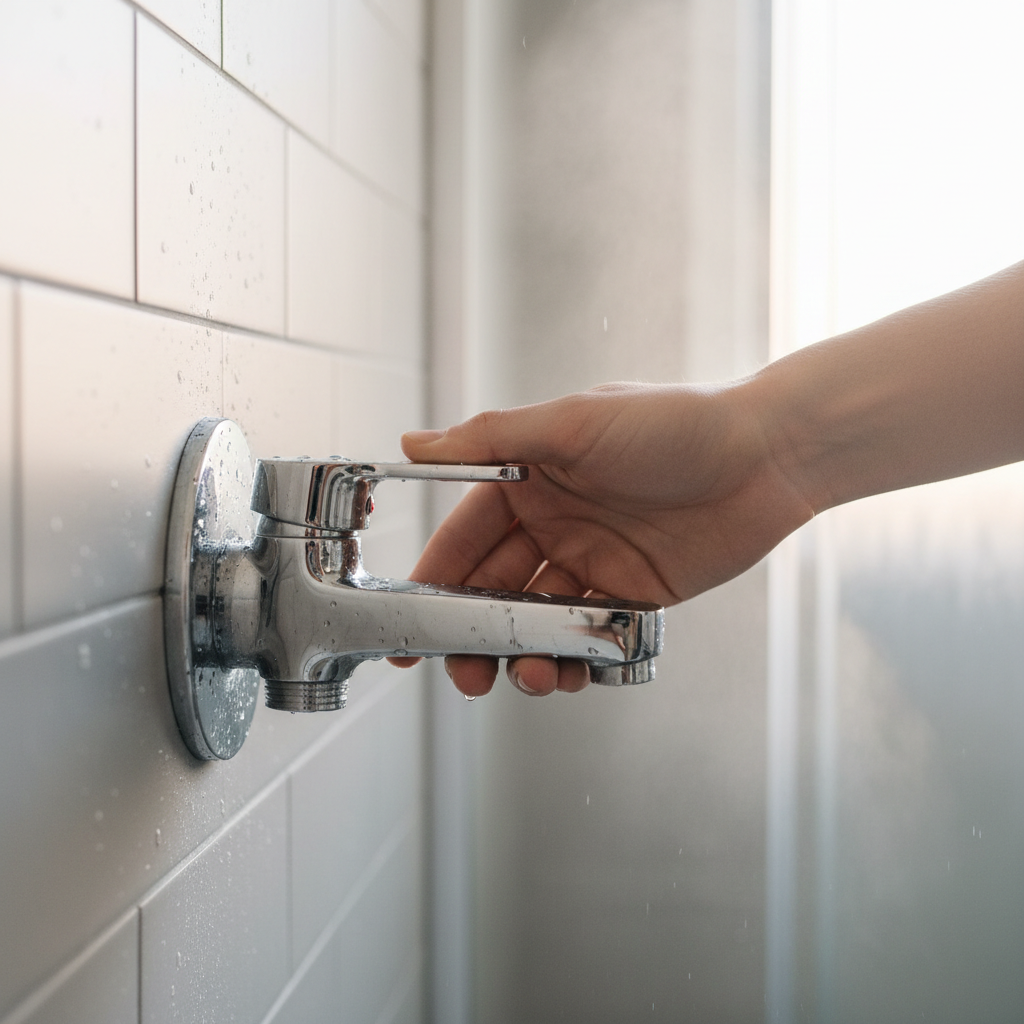
- Turn on the hot water at a nearby sink faucet (e.g., bathroom vanity or kitchen sink).
- If other fixtures have hot water: The problem is likely localized to your shower fixture or the hot water supply line specifically feeding it. Proceed to step 3.
- If no other fixtures have hot water: The issue is almost certainly with your water heater itself. Revisit step 1 and/or proceed to step 4 or 5 depending on your water heater type.
Plumbing · Water heater problem
| Project category | Plumbing |
|---|---|
| Problem type | Water heater problem |
| Trade required | Plumbing |
| Urgency | Urgent — within days |
| Safety risk | Moderate safety risk |
| DIY suitability | Pro recommended |
| Cost category | Moderate cost |
| Typical timeline | Diagnosis same day; replacement typically a half-day install |
| Contractor type | Licensed plumber |
Repair option
Element, thermostat, or thermocouple replacement on a tank still in good condition.
Replacement option
Full replacement once the tank leaks or passes roughly a decade of service.
Common causes
- Failed heating element or thermocouple
- Sediment buildup reducing capacity
- Tank corrosion at end of service life
Relevant tools:repair or replaceproject cost estimator
Published May 27, 2026Last updated August 17, 2026
Tools & materials you'll need
Affiliate links- AmazonScrewdriver setPhillips and flathead for handle and trim plate
- AmazonAdjustable wrench or channel locksFor hose connections or stubborn nuts
- AmazonNeedle-nose pliersHelpful for small clips or pulling cartridges
- AmazonMultimeterFor testing electric water heater elements/thermostats (optional, for advanced DIY)
- AmazonNon-contact voltage testerFor electric water heater safety (optional, but recommended)
- AmazonLong lighter or matchesFor relighting gas water heater pilot
As an Amazon Associate FixlyGuide earns from qualifying purchases — at no extra cost to you. Prices and availability are accurate as of publication and subject to change.
Quick Answer
No hot water in your shower can be a frustrating mystery, but it's usually due to a handful of common culprits. For electric water heaters, a tripped circuit breaker or a failed heating element is often the cause. Gas water heaters might have a pilot light that's gone out or a faulty thermocouple. Less common but still possible issues include a sediment-clogged dip tube inside the water heater or a problem with the shower mixing valve itself. Most of these issues are surprisingly straightforward to diagnose and, with basic tools and caution, can be fixed by a homeowner. However, understanding the underlying mechanics is key to troubleshooting effectively and safely.
The Problem
Imagine stepping into your morning shower, expecting a blast of comforting warmth, only to be met with an icy shock. A shower delivering no hot water is more than just an inconvenience; it can disrupt your entire routine and indicate underlying issues with your home's plumbing or water heating system. This isn't just about a cold shower; it might signal a problem with your water heater, your plumbing system, or even how your shower fixture operates. Identifying the exact source of the problem is the first and most crucial step, as the fix for a tripped breaker is vastly different from replacing a shower cartridge.
How It Works
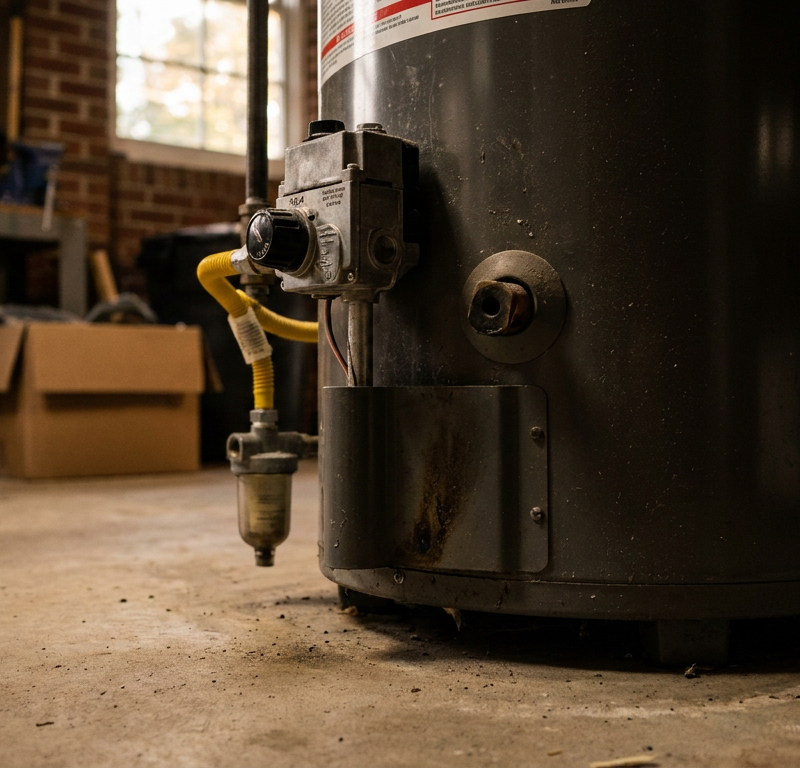
To understand why your shower isn't getting hot water, it helps to know how the system is designed to deliver it. Your water heater—whether electric or gas—is responsible for heating and storing a supply of hot water. Cold water enters the bottom of the tank (via the dip tube) and is heated. For electric heaters, two heating elements (upper and lower) do the work, controlled by thermostats. Gas heaters use a burner at the bottom, ignited by a pilot light or electronic ignition, and a flue vent carries exhaust gases away.
When you turn on the hot water in your shower, hot water exits the top of the water heater tank and travels through hot water supply lines to your shower fixture. Inside modern single-handle shower fixtures, a mixing valve (or cartridge) blends the hot and cold water to achieve your desired temperature. This valve is crucial because it balances water pressure and temperature. If this valve is faulty, it can prevent hot water from reaching the showerhead, even if the water heater is producing plenty of hot water for other fixtures in your home. Older two-handle fixtures control hot and cold water flow independently, so a blockage or issue primarily affecting the hot water supply would be local to the fixture or further upstream. Understanding this interplay between the water heater and the shower valve is essential for effective troubleshooting.
Step-by-Step Fix
Before you begin any work, especially around electrical or gas appliances, always prioritize safety. Turn off power to electric water heaters at the breaker and turn off the gas supply to gas water heaters. Wear appropriate safety gear. Some fixes may require an assistant.
1. Check Your Water Heater's Power Supply (Electric & Gas) — Start with the simplest potential issue: your water heater might not be receiving power.
- For Electric Water Heaters: Head to your home's electrical service panel. Locate the breaker labeled for your water heater, typically a double-pole 240-volt breaker (two switches tied together). If it's in the "off" position or tripped (often midway between "on" and "off"), flip it completely to "off" and then firmly back to "on." If it immediately trips again, there's a more serious electrical issue, and you should call a licensed electrician.
- If this doesn't work: The problem might be a faulty heating element or thermostat. Jump to step 4.
- For Gas Water Heaters: Check the pilot light. Many gas water heaters have instructions printed directly on the unit for how to relight the pilot. You'll typically turn the gas valve to the "pilot" setting, push and hold a red or black button, and ignite the pilot with a long lighter or the built-in igniter. Hold the button down for about 30-60 seconds after ignition to allow the thermocouple to heat up and keep the pilot lit. If the pilot won't stay lit, it often indicates a faulty thermocouple.
- If this doesn't work: The thermocouple or gas control valve might be faulty. Jump to step 5.
2. Check Other Hot Water Fixtures — Is the problem isolated to the shower, or is there no hot water anywhere in the house?
- Turn on the hot water at a nearby sink faucet (e.g., bathroom vanity or kitchen sink).
- If other fixtures have hot water: The problem is likely localized to your shower fixture or the hot water supply line specifically feeding it. Proceed to step 3.
- If no other fixtures have hot water: The issue is almost certainly with your water heater itself. Revisit step 1 and/or proceed to step 4 or 5 depending on your water heater type.
3. Inspect the Shower Mixing Valve/Cartridge — If only the shower is cold, the mixing valve is a prime suspect.
- Safety First: Turn off the main water supply to your house or, if possible, isolate the water supply to the shower. Confirm by turning on the shower – no water should come out.
- Remove the Handle: Pop off the decorative cap (if present) and unscrew the handle screw(s). Pull the handle off.
- Remove the Trim Plate: Unscrew the screws holding the escutcheon (trim plate) to the wall and carefully remove it. This exposes the valve body.
- Extract the Cartridge: Depending on your valve brand (e.g., Moen, Delta, Pfister), there will be a retaining clip, nut, or screws holding the cartridge in place. Remove these and carefully pull the cartridge straight out using needle-nose pliers or a specialized cartridge puller if it's stubborn. Note its orientation.
- Inspect and Replace: Look for visible damage, cracks, or mineral deposits on the old cartridge. Even if it looks fine, if it's old, it's often best to replace it. Take the old cartridge to a plumbing supply store or hardware store to ensure you get an exact match. Install the new cartridge in the same orientation as the old one, reassemble the valve, and restore water.
- If this doesn't work: The problem might be a blockage in the hot water supply pipe leading to the shower, though this is less common. You may need a plumber to diagnose further.
4. Diagnose Electric Water Heater Heating Elements/Thermostats — If your electric water heater isn't producing hot water, these are common failures.
- Safety First: Absolutely turn off the power to the water heater at the circuit breaker before proceeding. Confirm with a non-contact voltage tester that no power is present at the heater terminals.
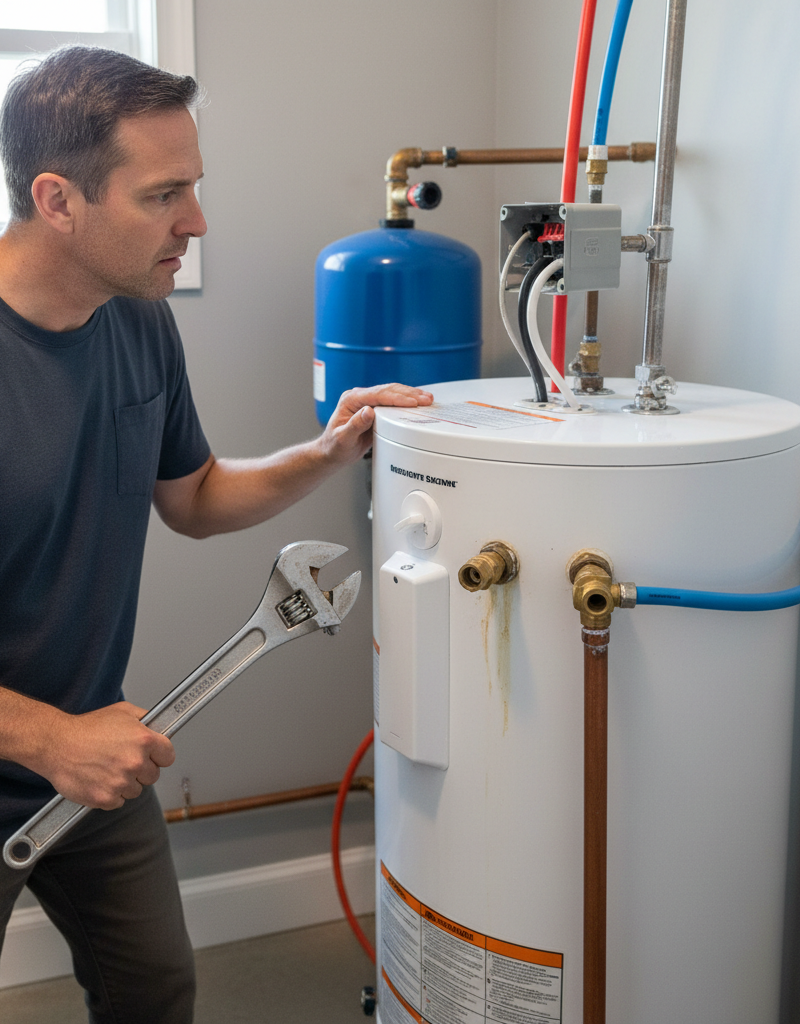
- Access Elements/Thermostats: Remove the metal access panels (usually two, upper and lower) from the side of the water heater. You'll see insulation, which you should gently pull away. Underneath are plastic safety covers covering the thermostats and wiring terminals.
- Reset High-Limit Switch: On the upper thermostat, there's often a red "reset" button. Push it firmly. If it clicks, it was tripped and might solve the problem. Restore power and wait an hour.
- Test Thermostats (Advanced DIY): With power still off, use a multimeter to check for continuity across the thermostat terminals. Refer to your water heater manual for specific testing procedures. A non-continuous reading likely indicates a faulty thermostat.
- Test Heating Elements (Advanced DIY): With power still off, and after disconnecting the wires from the element terminals, use a multimeter to check for continuity across the element terminals and also for continuity between the terminals and the element's metal flange (ground). A good element will show continuity across terminals (typically 10-30 ohms) but no continuity to ground. If it shows no continuity across terminals or continuity to ground, the element is bad.
- Replacement: If a thermostat or element is faulty, replace it with an exact match. Ensure the tank is drained below the level of the element before unscrewing and replacing it. Improper installation can cause leaks.
- When to call a pro: If you're uncomfortable working with high voltage or suspect multiple failures, call a licensed electrician or plumber.
5. Diagnose Gas Water Heater Issues (Pilot/Thermocouple) — For gas heaters, these parts are critical for heating.
- Safety First: Turn off the gas supply to the water heater at the shut-off valve on the gas line. If you smell gas, ventilate the area immediately and call your gas company. Do not attempt to relight.
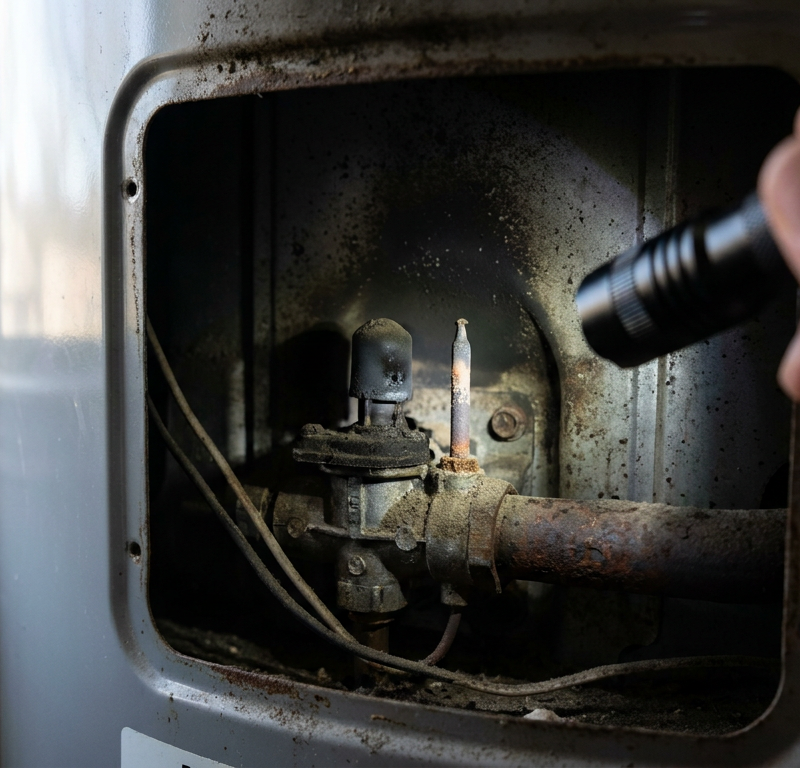
- Relight Pilot (Revisit): As in step 1, try relighting the pilot. If it lights but won't stay lit after holding the button for the instructed time, the thermocouple is the most likely culprit.
- Replace Thermocouple (Moderate DIY): The thermocouple is a safety device that senses the pilot flame. If it fails, it shuts off gas to the pilot to prevent gas leaks. It's a thin copper rod located right next to the pilot flame. You'll need to unscrew it from the gas control valve and potentially from a bracket near the burner. Thread the new one in carefully, ensuring the tip is bathed in the pilot flame.
- Replace Gas Control Valve (Advanced DIY): If replacing the thermocouple doesn't work, and you're certain the chimney/venting is clear, the gas control valve (the main gas assembly on the water heater) might be faulty. This is a more complex and critical replacement involving gas connections and should ideally be done by a licensed plumber.
- When to call a pro: Always call a licensed plumber if you suspect issues with the gas control valve, gas lines, or if you are not 100% comfortable working with gas appliances.
6. Check for a Clogged Dip Tube — A less common but impactful issue.
- The dip tube carries cold water to the bottom of the tank. If it breaks or becomes clogged with sediment, cold water can mix with hot water at the top, leading to lukewarm or no hot water. This usually results in some warm water, then quickly cold.
- Diagnosis: Requires draining the water heater, disconnecting the cold water inlet pipe, and physically inspecting the dip tube. If broken, plastic fragments will often be found at the tank bottom when flushing. Replacing a dip tube involves pipe wrenches and sealing compounds.
Common Causes
- Tripped Circuit Breaker (Electric Water Heaters): Overload or short circuit can trip the breaker, cutting power.
- Pilot Light Out (Gas Water Heaters): Draughts, faulty thermocouples, or gas supply interruptions can extinguish the pilot.
- Failed Heating Element (Electric Water Heaters): Elements degrade over time, losing continuity and failing to heat water.
- Faulty Thermostat (Electric Water Heaters): Prevents elements from turning on at the correct temperature.
- Malfunctioning Shower Mixing Valve/Cartridge: Internal components wear out, preventing proper hot/cold water blending or entirely blocking hot water flow to the shower.
- Sediment Buildup in Water Heater: Can accumulate and block the dip tube or even reduce heating efficiency, leading to less hot water overall.
- Faulty Thermocouple (Gas Water Heaters): A safety device that fails to sense the pilot flame, shutting off gas to prevent leaks.
Common Mistakes
- Ignoring Safety Precautions: Failing to turn off electricity or gas before working on a water heater can lead to electrocution, burns, or gas leaks. Always double-check.
- Misdiagnosing the Problem: Assuming the water heater is bad when the issue is a simple tripped breaker, or vice-versa, wasting time and potentially money on unnecessary repairs or replacements.
- Using the Wrong Replacement Parts: Especially with shower cartridges and water heater elements, precise matching to the make and model is critical for proper function and preventing leaks.
- Over-tightening Plumbing Connections: Can strip threads, crack pipes, or damage the valve body, leading to costly leaks.
- Not Flushing the Water Heater Annually: Allows sediment to build up, shortening the water heater's lifespan and potentially causing dip tube issues or reduced heating efficiency.
- Attempting Complex Gas Repairs: DIY gas work is extremely dangerous. Any issues beyond relighting a pilot or replacing a thermocouple after specific instructions should be left to a licensed gas plumber.
Cost & Time Breakdown
| Task | DIY Cost | Pro Cost | Time |
|---|---|---|---|
| Reset Breaker / Relight Pilot | $0 | $0 | 5-10 minutes |
| Replace Shower Cartridge | $30–$100 | $150–$300 | 30-60 minutes |
| Replace Electric Thermostat | $20–$50 | $200–$400 | 1-2 hours |
| Replace Electric Element | $20–$40 | $200–$400 | 1-3 hours |
| Replace Gas Thermocouple | $15–$30 | $150–$300 | 30-90 minutes |
| Flush Water Heater | $0 (tools on hand) | $100–$250 | 45-90 minutes |
Tips & Prevention
- Annual Water Heater Flush: Drain and flush your water heater once a year to remove sediment buildup. This prolongs its life and maintains efficiency. For electric heaters, this helps prevent sediment from covering and burning out elements. For gas heaters, it maintains contact between the burner and the tank bottom.
- Check Breaker Periodically: If you have an electric water heater, occasionally check its dedicated circuit breaker to ensure it hasn't tripped, especially after electrical storms or power fluctuations.
- Monitor Pilot Light (Gas Heaters): If you have a gas water heater, occasionally glance at the pilot light through the viewing window to confirm it's burning steadily. A flickering or yellowish flame could indicate a problem.
- Listen for Sounds: Pay attention to your water heater. Rumbling, popping, or whistling sounds can indicate sediment buildup or a failing heating element.
- Consider a Water Softener: If you live in a hard water area, installing a whole-house water softener can significantly reduce mineral buildup in your water heater and shower fixtures, extending their lifespan and preventing clogs.
- Know Your Shower Valve Brand: If you need to replace a shower cartridge, knowing the brand and model of your shower valve in advance can save you a trip to the hardware store.
When to Call a Professional
While many no-hot-water issues are DIY-friendly, certain situations warrant calling a licensed professional immediately. Any work involving gas lines or gas control valves on a gas water heater should be handled by a licensed plumber. If you smell gas, leave the area and call your gas company and a plumber immediately. For electric water heaters, if your circuit breaker repeatedly trips or you're uncomfortable working with high voltage wiring and testing components with a multimeter, a licensed electrician or plumber is your safest bet. Additionally, if you suspect a major plumbing leak, have little to no water pressure, or if the water heater tank itself is leaking, it's time to call a professional. Diagnosing and repairing issues deep within the water heater or complex shower valve bodies can be intricate, and a pro can ensure the job is done correctly and safely, preventing further damage or hazards.
Related Articles
Keep troubleshooting with these hand-picked guides from FixlyGuide:
- The 4 Hidden Reasons Your Shower Runs Cold – And How to Fix It FAST — Learn the surprising causes behind a cold shower and discover simple, effective DIY fixes to restore hot water quickly.
- The 4 Hidden Reasons Your Entire Home Has Low Water Pressure — Low water pressure throughout your house can stem from several hidden issues, ranging from municipal supply problems to your home's main sh…
- The #1 Mistake Homeowners Make When Diagnosing Low Water Pressure (It's Not Your Pipes) — Discover the most common, overlooked culprit behind low water pressure impacting your entire home and learn how to fix it yourself with bas…
- The 4 Hidden Reasons Your Entire Home Has Low Water Pressure (And the Easy Fixes) — Low water pressure throughout your entire home can be a frustrating and often misunderstood problem, with several common culprits. Learn to…
- The Secret Culprit Behind Your Whole-House Low Water Pressure (It's Not Always the City) — Whole-house low water pressure can be a frustrating and complex issue, ranging from simple fixes homeowners can do to signs that require a…
- The 5-Minute Trick That Fixes a Dryer Not Heating (and the Real Culprit) — A dryer that tumbles but doesn't heat is a common problem, often due to a tripped thermal fuse or a power supply issue.
Should you do this yourself?
Answer five quick questions before you start. Safety outranks savings every time.
Your experience with work like this
How high do you have to work?
Does the job involve any of these?
Will it need a permit?
Specialty tools
Free and instant. Educational guidance only — not a quote, inspection, or professional diagnosis.
Estimate your own project cost
National averages are a starting point. Enter your details for a range that fits your house.
Water heater replacement cost
- Unit$550 – $1,400
- Installation labor$350 – $900
- Removal & disposal$60 – $150
- Permit & inspection$50 – $200
These estimates reflect typical US installed costs. Get 2–3 written quotes before committing.
Educational estimate only — always confirm with written local bids.
What should this project cost?
Enter your project details for a realistic cost range before you call anyone.
Common repairs run $150–$650; repipes and water-heater replacements reach $1,500–$4,500.
- Regional adjustment
- National average
- Labor share (typical)
- ~$754
- Quotes to collect
- 3 written estimates
Educational estimate based on national averages — not a binding quote. Always confirm with written local estimates.
Fixly Project Decision Box
- DIY difficulty
- Moderate
- Estimated time
- 30 minutes – half a day
- Cost level
- Moderate
Main tools / materials
- Adjustable wrench
- Plunger or drain auger
- Bucket and towels
- Thread tape
When to stop and call a pro
- Water you cannot shut off at the fixture or main
- Sewage backing up into more than one fixture
- Water near electrical panels or outlets
- Gas water heater work beyond relighting a pilot
Need professional help?
Get a Licensed PlumberBefore you start
Check the difficulty, permits, and safety risk — then decide whether to call a pro.
Free, no signup required. Estimates are educational guidance, not a quote or an inspection.
Recommended for DIYers & woodworkers
Sponsored
The Top 20 Tools for Workshops of Any Budget
No stationary machines or power tools required — plus 3 fundamental tools that can't be bought at any price.
Get the free guide
Ted's Woodworking — The #1 Woodworking Resource
Detailed instructions, dimensioned drawings, materials & cutting lists, and 3D schematics for every skill level.
See the plansSponsored: links above are affiliate links. FixlyGuide may earn a commission on qualifying purchases — at no extra cost to you.
Frequently asked questions
Why would my shower suddenly have no hot water?+
Sudden lack of hot water is often due to a tripped water heater circuit breaker (electric), an extinguished pilot light (gas), or a malfunctioning shower mixing valve. Less commonly, it could be a failed heating element or thermostat in an electric water heater.
Can a bad shower cartridge cause no hot water?+
Yes, absolutely. A faulty shower cartridge (mixing valve) can prevent hot water from properly mixing with cold water, or even entirely block its flow to the showerhead, even if your water heater is working perfectly for other fixtures.
How do I know if my electric water heater element is bad?+
If you have an electric water heater and only get lukewarm or no hot water, a bad heating element is a likely culprit. You can test it for continuity with a multimeter after safely turning off power and accessing the elements. No continuity indicates a failed element.
Is it dangerous to try and fix my own water heater?+
It can be. Working with electric water heaters involves high voltage and the risk of electrocution. Gas water heaters involve gas lines and the risk of leaks or explosions. Always turn off power or gas supply, wear safety gear, and if you're uncomfortable, call a licensed professional.
Discussion
Loading comments…