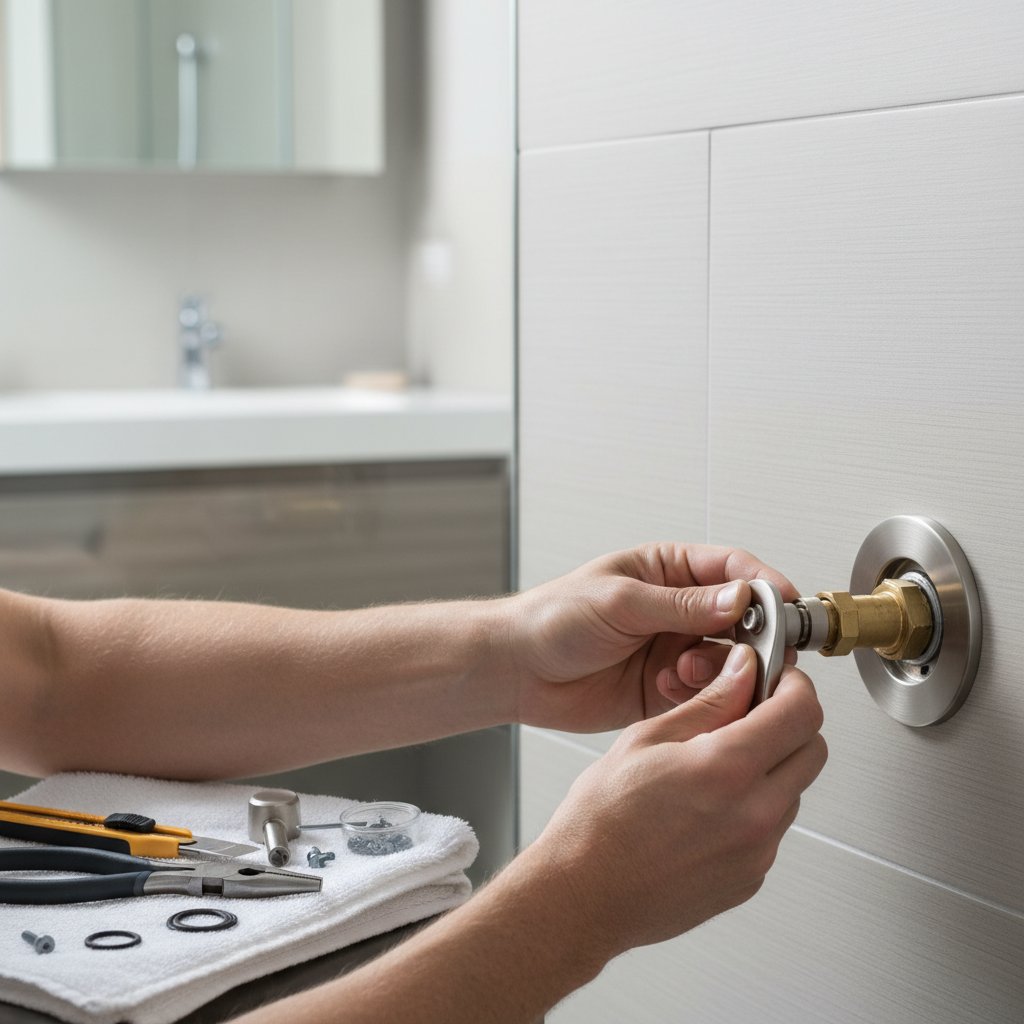
- Clean or Replace the Tub Spout Diverter — If the tub spout diverter is the issue, it's a relatively easy fix.
- Most tub spouts are either threaded on or secured with a small set screw underneath. Unscrew or loosen the set screw with an Allen wrench, then twist and pull the spout off.
- Tools: Adjustable wrench, Allen wrench set, plumber's tape.
Plumbing · Water heater problem
| Project category | Plumbing |
|---|---|
| Problem type | Water heater problem |
| Trade required | Plumbing |
| Urgency | Urgent — within days |
| Safety risk | Moderate safety risk |
| DIY suitability | Pro recommended |
| Cost category | Moderate cost |
| Typical timeline | Diagnosis same day; replacement typically a half-day install |
| Contractor type | Licensed plumber |
Repair option
Element, thermostat, or thermocouple replacement on a tank still in good condition.
Replacement option
Full replacement once the tank leaks or passes roughly a decade of service.
Common causes
- Failed heating element or thermocouple
- Sediment buildup reducing capacity
- Tank corrosion at end of service life
Relevant tools:repair or replaceproject cost estimator
Published May 18, 2026Last updated August 17, 2026
Tools & materials you'll need
Affiliate linksAs an Amazon Associate FixlyGuide earns from qualifying purchases — at no extra cost to you. Prices and availability are accurate as of publication and subject to change.
Quick Answer
No hot water in your shower often points to a problem with the shower diverter valve, which can become clogged or fail to direct hot water correctly. Other common issues include a tripped water heater breaker, a failing heating element, or sediment accumulation in the water heater tank. Start by checking your water heater's power supply and then inspect the shower diverter for proper function.
The Problem
There’s nothing worse than stepping into what you expect to be a warm, relaxing shower, only to be blasted with an icy-cold stream. While a complete lack of hot water throughout your entire home usually signals a major water heater malfunction, a cold shower when other faucets have hot water points to a more localized problem. This frustrating issue can range from simple user error to a failing component within the shower valve itself, or even an issue with your water heater that only manifests under high demand. It’s a common complaint that can typically be resolved with a bit of troubleshooting and some basic DIY skills, saving you a costly plumbing call. Understanding the mechanisms at play is the first step toward restoring that comforting hot shower.
How It Works
To understand why your shower might be cold, it helps to know how a typical shower delivers hot water. Cold water enters your home from the main supply line and is then routed to your water heater. Inside the water heater, an electric element or gas burner heats the water to a set temperature, usually between 120°F and 140°F. This heated water is then stored, ready for use. When you turn on your shower, both hot and cold water lines feed into the shower valve.
The shower valve, particularly a single-handle mixing valve, is designed to blend the hot and cold water to your desired temperature. A crucial component here is the pressure balance spool or thermostatic cartridge, which senses changes in water pressure from either the hot or cold supply. If, for instance, someone flushes a toilet (drawing cold water), the pressure balance spool will immediately reduce the flow of cold water to the shower to prevent scalding, ensuring a consistent temperature. The diverter valve, often integrated into the tub spout or as a separate pull-up knob, directs the mixed water either down to the tub spout or up to the showerhead.
If the diverter valve is not fully engaging, or if the mixing valve cartridge is faulty, hot water may not be directed to the showerhead, or the hot and cold water may not mix correctly. Sediment buildup in the water heater can also reduce its efficiency and capacity, sometimes leading to insufficient hot water for a sustained shower, even if other fixtures temporarily get hot water. The journey of hot water from your water heater to your showerhead involves several key points, and a breakdown at any one of these can lead to a chilly surprise.
Step-by-Step Fix
Remember to turn off the water supply to your house or the specific shower before beginning any work on plumbing fixtures. Always wear appropriate safety gear.
-
Check Your Water Heater's Power and Settings — Ensure the hot water heater is receiving power and set correctly.
- Go to your electrical panel and check the breaker for the water heater. If it's tripped, reset it. For gas water heaters, check the pilot light (if applicable) and ensure the thermostat is set to your desired temperature, typically 120°F. If the pilot light frequently goes out, or the breaker trips repeatedly, this indicates a larger issue requiring professional attention.
- Safety Note: If you smell gas near a gas water heater, turn off the gas supply immediately and call a licensed plumber or your gas company. Do not attempt to relight the pilot if there is a persistent gas smell.
-
Verify Other Faucets Get Hot Water — Determine if the problem is isolated to the shower or affecting the whole house.
- Turn on the hot water at a sink faucet in a nearby bathroom or kitchen. If hot water flows there, the issue is likely isolated to the shower itself. If no other faucets have hot water, the problem is almost certainly with your main water heater.
- If this doesn't work: Proceed to more in-depth water heater troubleshooting, which may involve checking heating elements (for electric) or the igniter/thermocouple (for gas). For these more advanced repairs, it's often best to call a professional.
-
Inspect the Shower Diverter Valve — A common culprit for cold showers is a stuck or faulty diverter.
- For a tub/shower combo, the diverter is usually a small knob or a pull-up mechanism on the tub spout. Ensure it is fully engaged to direct water to the showerhead. Sometimes, it doesn't pull up all the way due to mineral buildup or a worn internal seal.
- To test, turn on the shower (cold water is fine for this) and try to manually push and pull the diverter several times, observing if the water flow redirects properly. If it feels loose, stiff, or doesn't divert water fully, it likely needs repair or replacement.
-
Clean or Replace the Tub Spout Diverter — If the tub spout diverter is the issue, it's a relatively easy fix.
- Most tub spouts are either threaded on or secured with a small set screw underneath. Unscrew or loosen the set screw with an Allen wrench, then twist and pull the spout off.
- Once removed, inspect the diversion mechanism for mineral buildup or damage. If cleaning doesn't resolve it, purchase a new tub spout with an integrated diverter (ensure it matches your pipe connection type – threaded or slip-on) and install it.
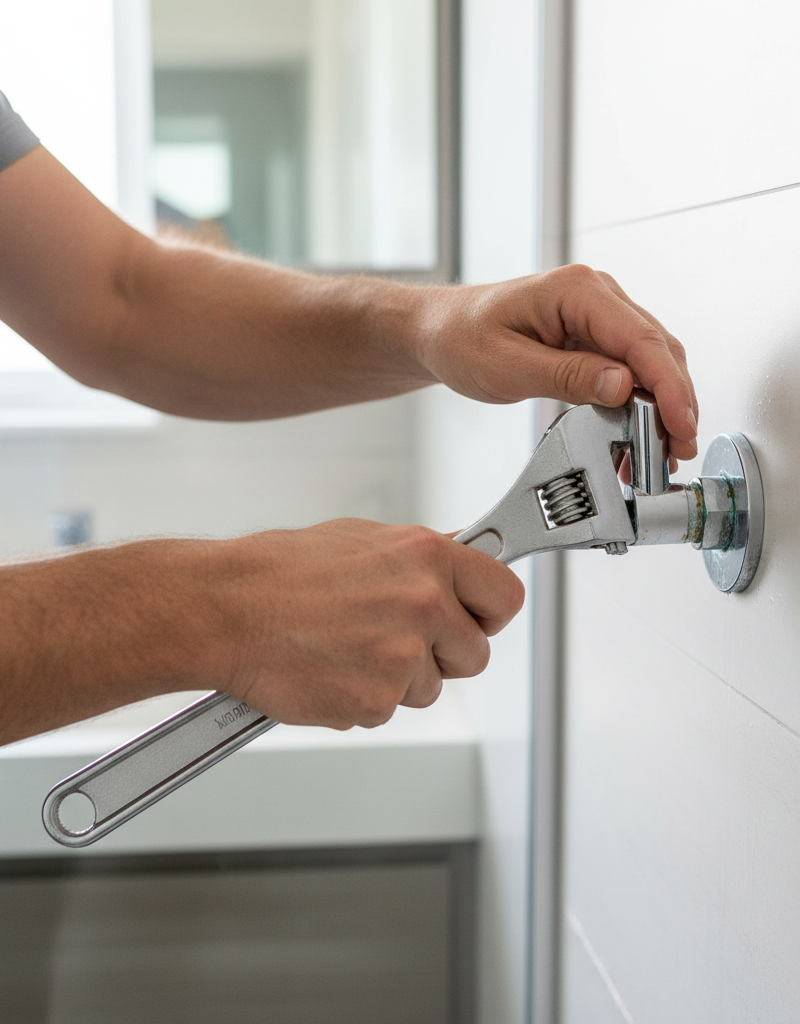
- Tools: Adjustable wrench, Allen wrench set, plumber's tape.
-
Examine the Shower Mixing Valve Cartridge — If the diverter isn't the problem, the mixing valve cartridge could be faulty.
- Safety Note: Turn off the hot and cold water supply to the shower at the main shut-off valve or the nearest isolation valves before proceeding.
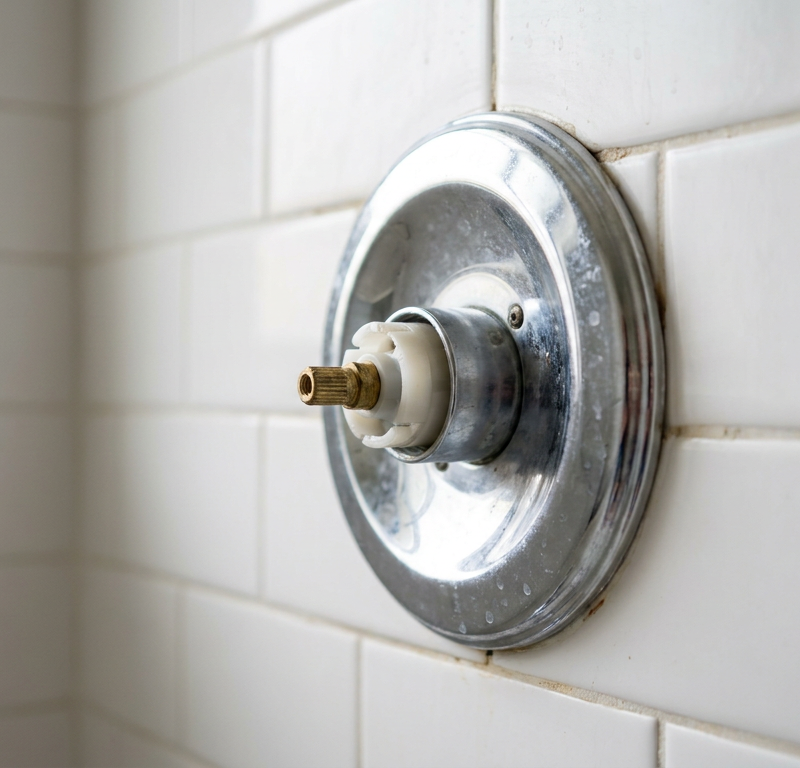
- Remove the shower handle and trim plate. You'll typically find a cartridge secured by a retaining clip or screws. Carefully remove the clip/screws and pull out the cartridge.
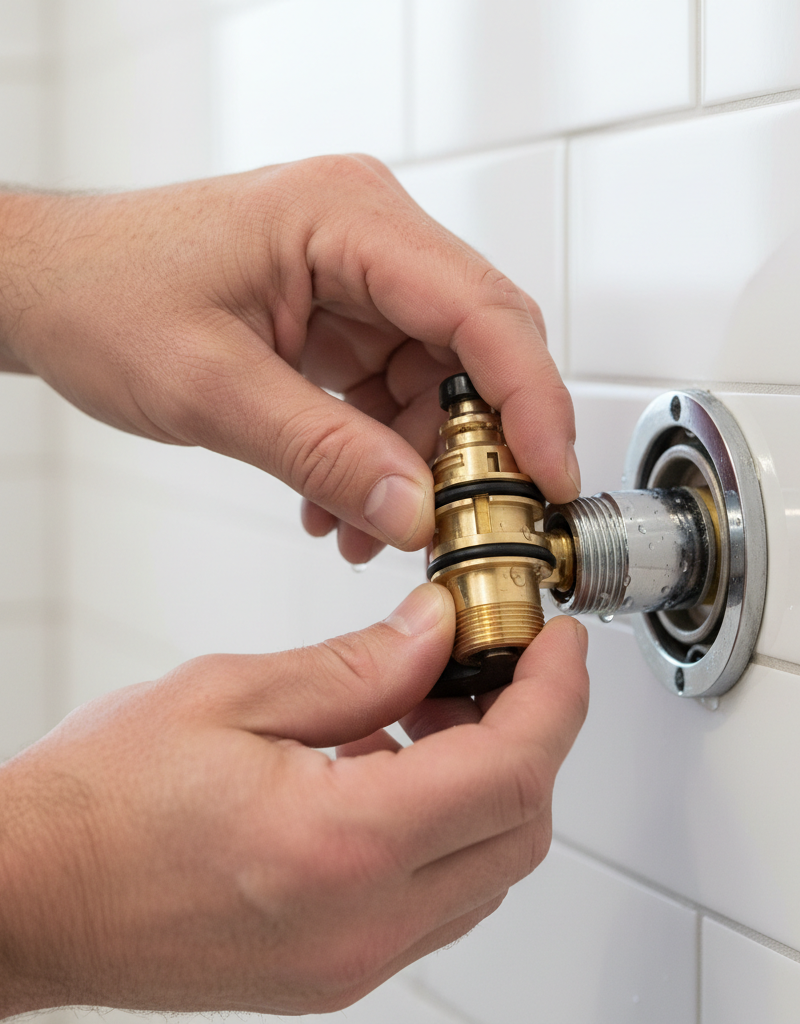
- Inspect it for cracks, wear, or mineral deposits. Build-up on the hot water side of the cartridge can restrict flow. You might try cleaning it with vinegar, but often replacement is the best solution.
- Take the old cartridge to a plumbing supply store to ensure you get an exact match. Install the new cartridge, reassemble the valve, and restore water pressure.
- Tools: Screwdriver set, needle-nose pliers, utility knife, cartridge puller (if cartridge is stuck).
-
Check for Sediment Buildup in Water Heater — Over time, sediment can accumulate, reducing hot water capacity.
- Safety Note: Consult your water heater's manual for specific instructions on flushing, as procedures can vary by model. Never drain a hot water heater without first turning off its power (electric) or gas supply and cold water inlet.
- Connect a garden hose to the drain valve at the bottom of the water heater. Route the hose to a floor drain or outdoors. Open the drain valve and a hot water faucet in your home (preferably the highest one) to create a vacuum. Allow the tank to drain completely. You'll likely see cloudy water, possibly with bits of sediment.
- Once drained, close the drain valve, remove the hose, and refill the tank before restoring power/gas. Flushing annually can prevent this issue.
- Tools: Garden hose, adjustable wrench.
-
Inspect PEX/Copper Hot Water Lines — Rarely, but possible, a blockage or kink in the hot water line can occur.
- This is typically a more advanced diagnostic, often requiring opening walls, and is usually a last resort after ruling out simpler issues. Reduced hot water pressure could indicate a partial blockage.
- Pro Callout: If you suspect a blockage within the hot water lines themselves, or if the other fixes don't restore hot water, it's best to consult a professional plumber who can use specialized tools for diagnostics.
Common Causes
- Faulty Shower Diverter Valve: The most frequent culprit. The diverter, often part of the tub spout or a separate control, directs water to the showerhead. If it's worn, clogged with mineral deposits, or doesn't fully seal, cold water may continue to flow from the tub spout, or the hot water supply to the showerhead is restricted.
- Worn or Damaged Mixing Valve Cartridge: Inside a single-handle shower faucet, a cartridge blends hot and cold water. If this cartridge is old, cracked, or clogged with mineral deposits, it can prevent proper mixing or restrict hot water flow.
- Tripped Water Heater Breaker or Pilot Light Out: A sudden, complete loss of hot water throughout the house, or localized to the shower if the heater is undersized or struggling, can be due to a tripped electrical breaker (for electric heaters) or an extinguished pilot light (for gas heaters).
- Sediment Buildup in Water Heater Tank: Over time, minerals in hard water settle at the bottom of the water heater tank. This sediment acts as an insulator, reducing the heater's efficiency and capacity, leading to colder shower water as the hot water supply quickly depletes.
- Cross-Connection or Pressure Imbalance: In rare cases, an incorrect plumbing installation (a
Related Articles
Keep troubleshooting with these hand-picked guides from FixlyGuide:
- The Secret Culprit Behind Your Cold Shower (It's Not Always the Water Heater) — Uncover the surprising reasons your shower isn't delivering hot water, even if other fixtures are, and learn to fix them yourself.
- The 4 Hidden Reasons Your Shower Runs Cold – And How to Fix It FAST — Learn the surprising causes behind a cold shower and discover simple, effective DIY fixes to restore hot water quickly.
- The #1 Reason Your Shower Goes Cold (It's Not Your Water Heater) — The true culprit behind a suddenly cold shower often isn't a failing water heater, but a simple, fixable issue with your shower valve.
- Showers Gone Cold? One Hidden Culprit Behind Your Missing Hot Water — Discover the most common, often overlooked reason your shower runs cold and how to fix it with simple steps.
- One Shower Has No Hot Water? The Hidden Mixing Valve Trick — Before you panic about your water heater, discover the simple shower mixing valve issue that often causes a single shower to lose hot water.
- The Secret Reason Your Toilet Clogs Every Few Days (It’s Not What You Think) — Discover the often-overlooked culprits behind a frequently clogging toilet and learn how to implement lasting fixes without calling a plumb…
Should you do this yourself?
Answer five quick questions before you start. Safety outranks savings every time.
Your experience with work like this
How high do you have to work?
Does the job involve any of these?
Will it need a permit?
Specialty tools
Free and instant. Educational guidance only — not a quote, inspection, or professional diagnosis.
Estimate your own project cost
National averages are a starting point. Enter your details for a range that fits your house.
Water heater replacement cost
- Unit$550 – $1,400
- Installation labor$350 – $900
- Removal & disposal$60 – $150
- Permit & inspection$50 – $200
These estimates reflect typical US installed costs. Get 2–3 written quotes before committing.
Educational estimate only — always confirm with written local bids.
What should this project cost?
Enter your project details for a realistic cost range before you call anyone.
Common repairs run $150–$650; repipes and water-heater replacements reach $1,500–$4,500.
- Regional adjustment
- National average
- Labor share (typical)
- ~$754
- Quotes to collect
- 3 written estimates
Educational estimate based on national averages — not a binding quote. Always confirm with written local estimates.
Fixly Project Decision Box
- DIY difficulty
- Moderate
- Estimated time
- 30 minutes – half a day
- Cost level
- Moderate
Main tools / materials
- Adjustable wrench
- Plunger or drain auger
- Bucket and towels
- Thread tape
When to stop and call a pro
- Water you cannot shut off at the fixture or main
- Sewage backing up into more than one fixture
- Water near electrical panels or outlets
- Gas water heater work beyond relighting a pilot
Need professional help?
Get a Licensed PlumberBefore you start
Check the difficulty, permits, and safety risk — then decide whether to call a pro.
Free, no signup required. Estimates are educational guidance, not a quote or an inspection.
Get the print-ready PDF of this guide
A clean, ad-free, printable version you can keep on your phone or pin to the workshop wall. Free with a FixlyGuide account.
- Print-optimized layout
- Tools, materials & every step included
- Saved to your account
Recommended for DIYers & woodworkers
Sponsored
The Top 20 Tools for Workshops of Any Budget
No stationary machines or power tools required — plus 3 fundamental tools that can't be bought at any price.
Get the free guide
Ted's Woodworking — The #1 Woodworking Resource
Detailed instructions, dimensioned drawings, materials & cutting lists, and 3D schematics for every skill level.
See the plansSponsored: links above are affiliate links. FixlyGuide may earn a commission on qualifying purchases — at no extra cost to you.
Frequently asked questions
Why is my shower cold, but my sink has hot water?+
If only your shower is cold but other faucets have hot water, the problem is most likely with the shower fixture itself. This often points to a faulty shower diverter valve not fully directing hot water to the showerhead, or a worn-out mixing valve cartridge inside the shower handle preventing proper hot and cold water blending. Sediment buildup in the cartridge is also a common cause.
How do I know if my shower cartridge is bad?+
Signs of a bad shower cartridge include inconsistent water temperature, difficulty getting hot water, a shower that leaks or drips even when fully off, or if the handle becomes stiff and hard to turn. If you've ruled out water heater issues and diverter problems, the cartridge is the next most likely suspect.
Can sediment in the water heater affect only the shower?+
While severe sediment buildup usually affects all hot water output, a significant amount can reduce the water heater's efficiency and overall hot water capacity. This might cause the shower to run out of hot water quickly, even if other fixtures get a brief spurt of hot water. Regular flushing of your water heater can prevent this issue.
Is it safe to replace a shower cartridge myself?+
Yes, replacing a shower cartridge is a common DIY task for homeowners with basic plumbing skills. Always turn off the main water supply to your shower or home before starting, and ensure you have the correct replacement cartridge for your specific faucet model. If you're unsure or encounter difficulties, it's best to call a professional plumber.
Discussion
Loading comments…